
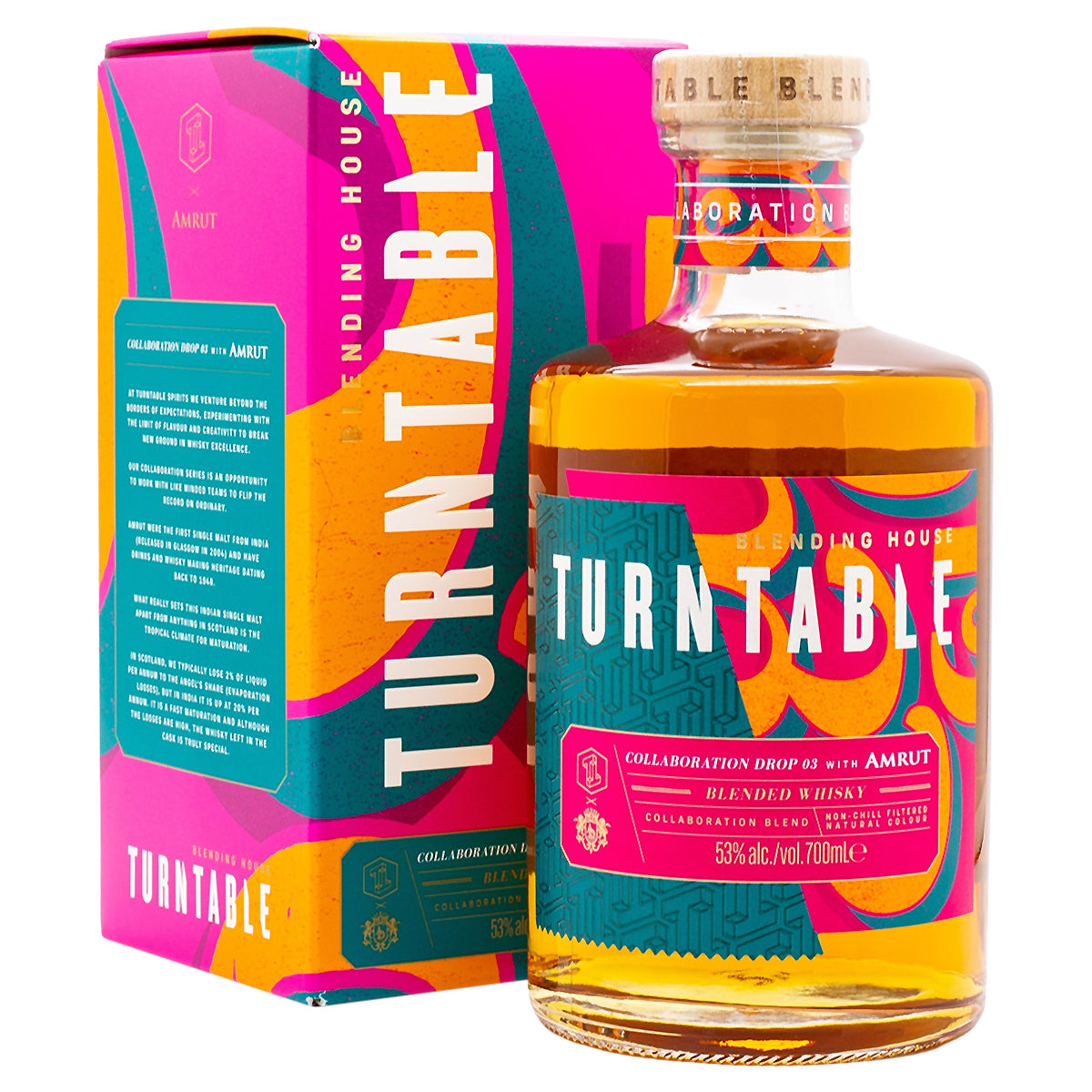
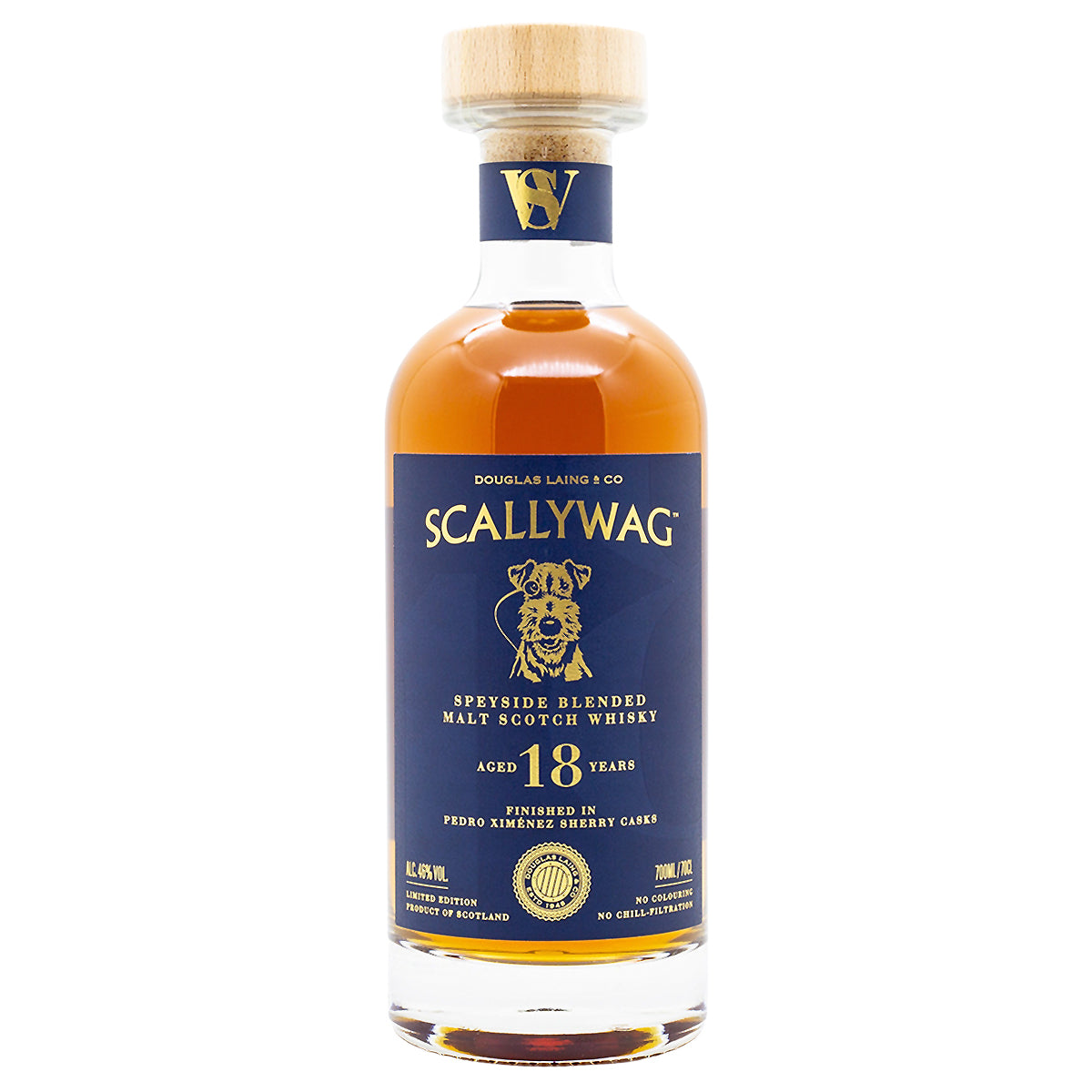

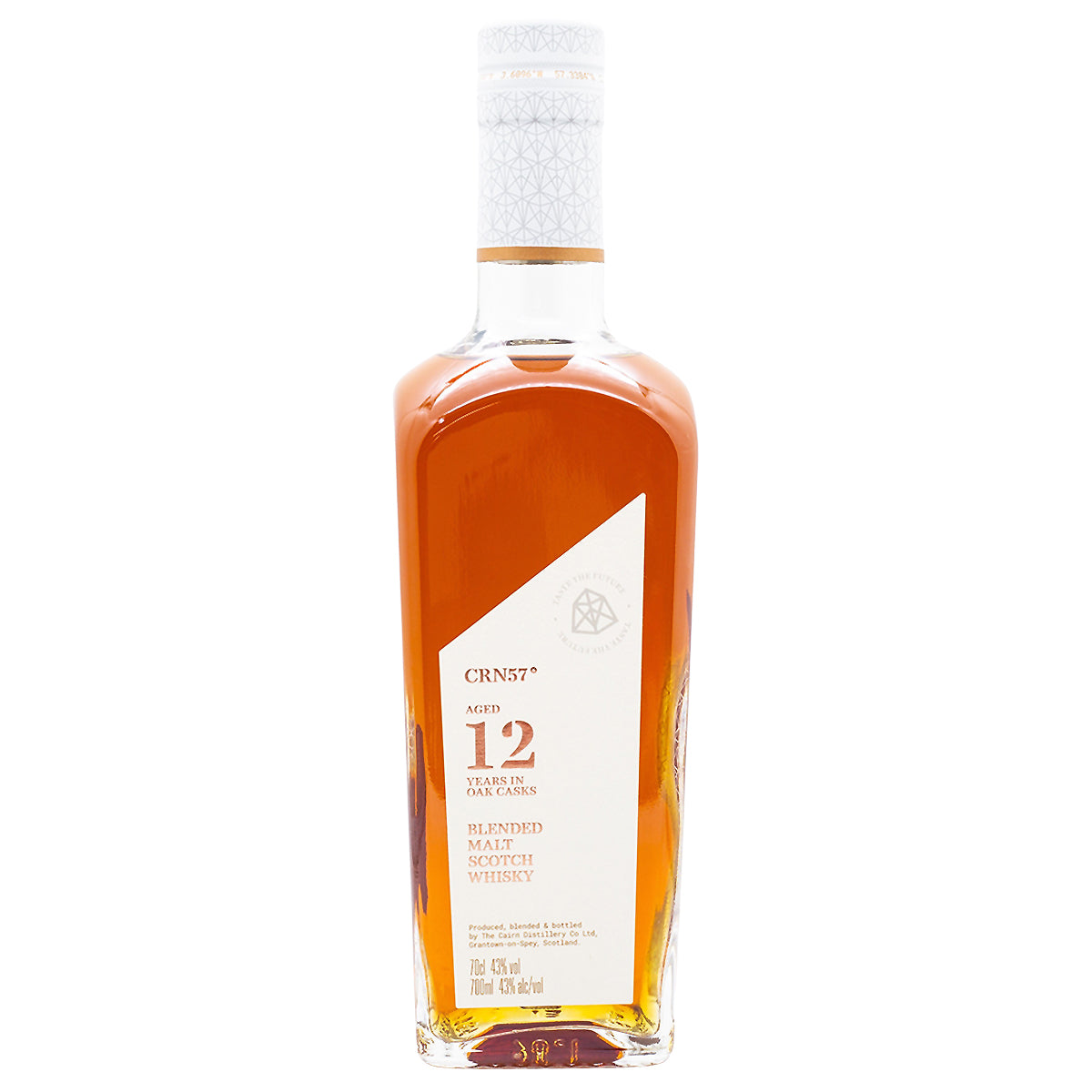
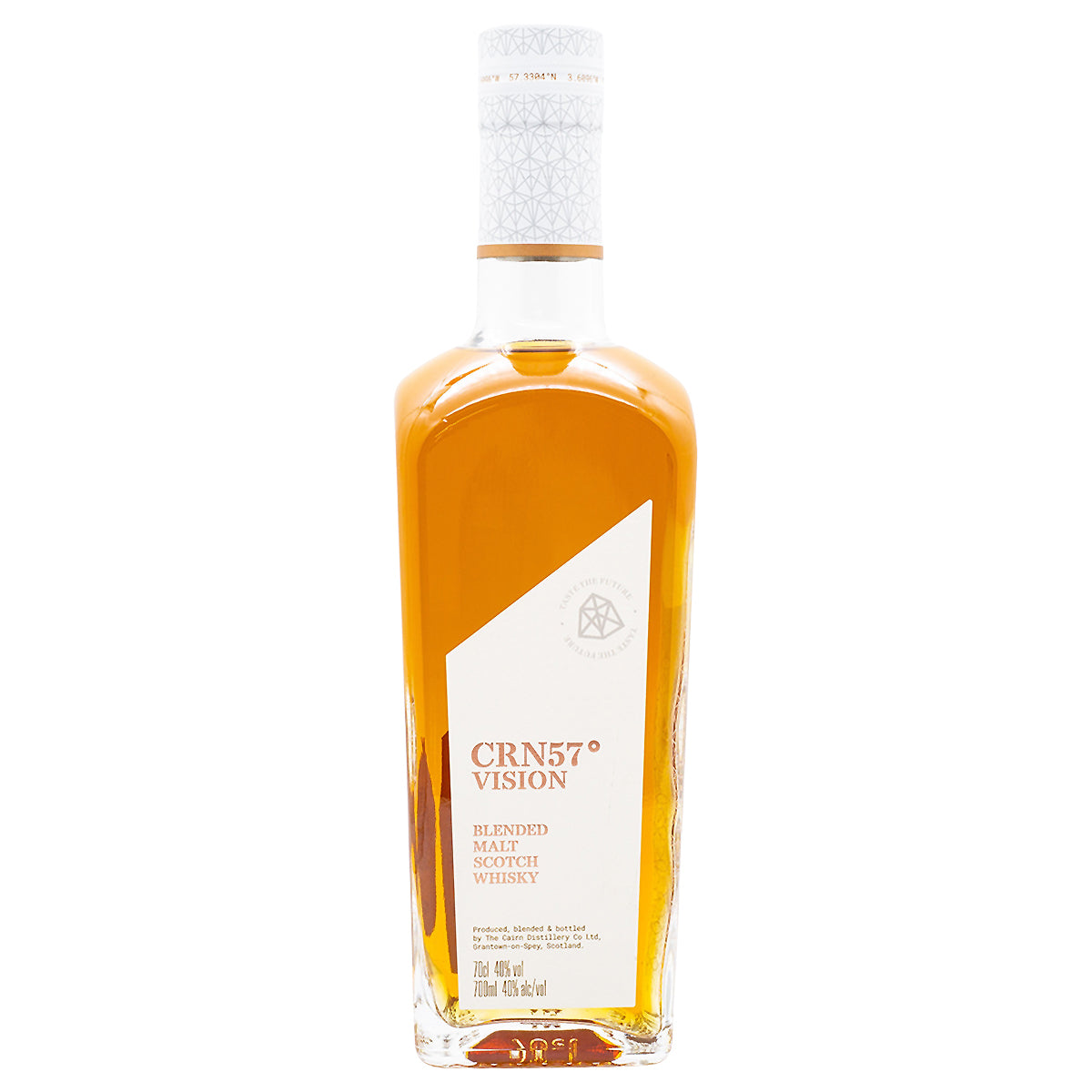

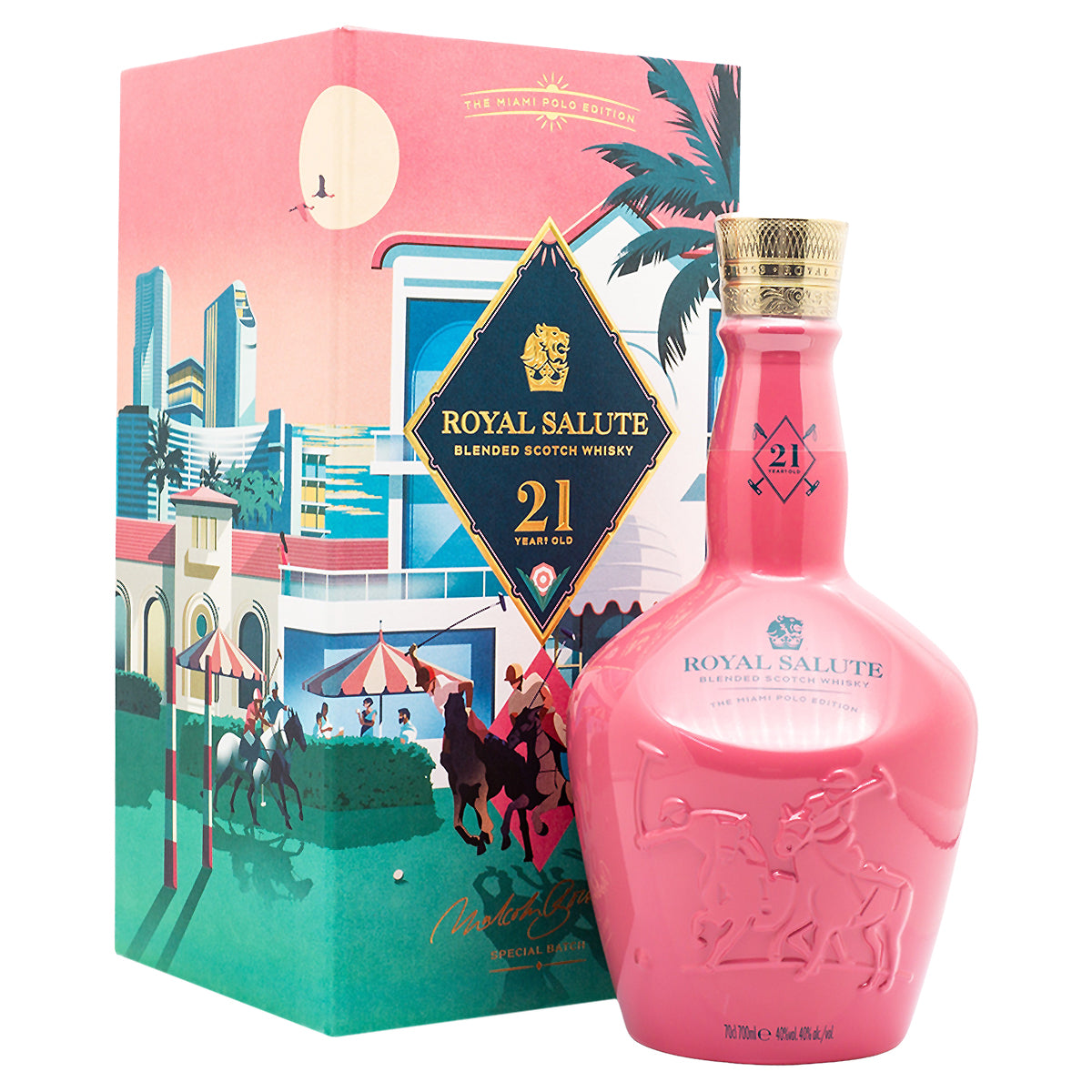
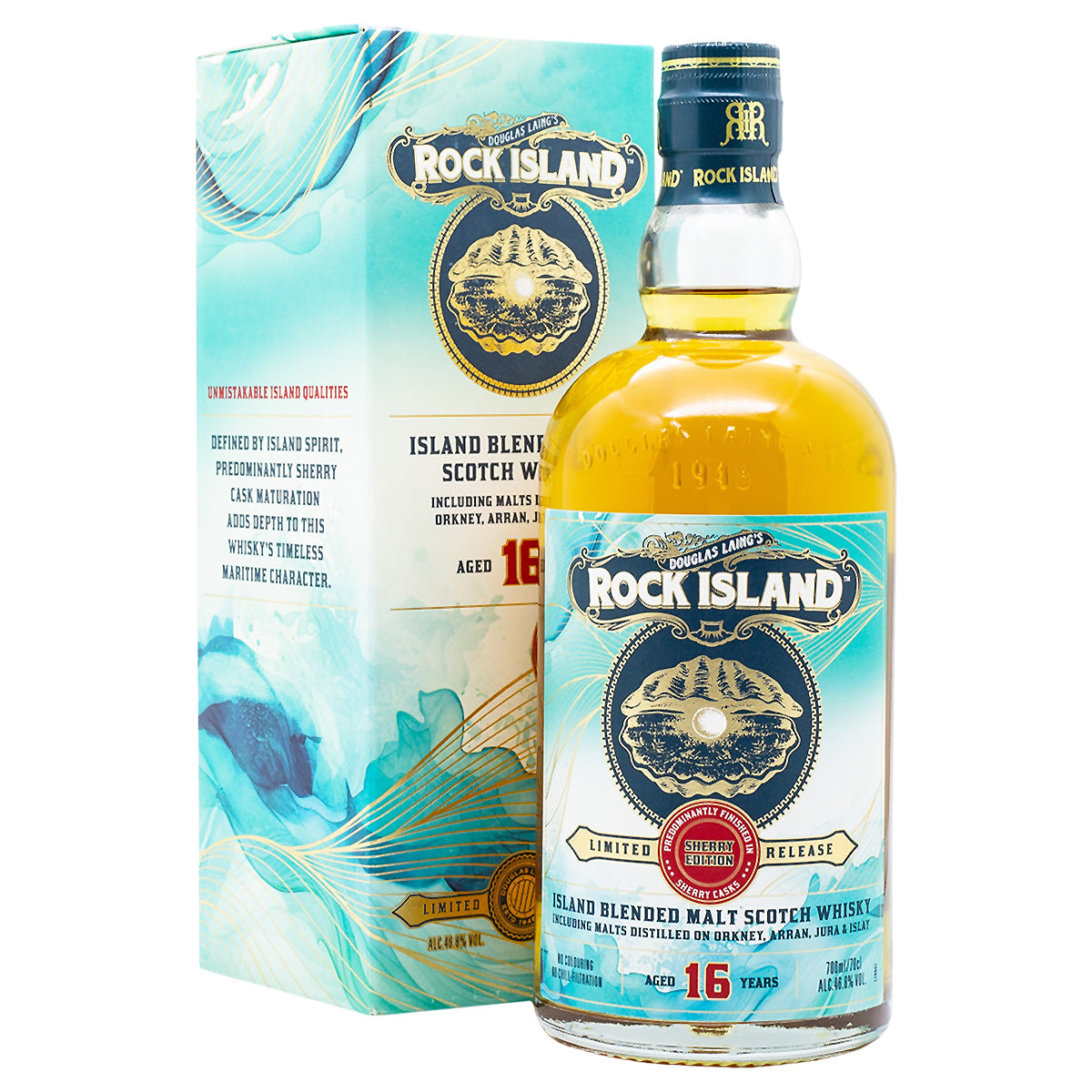
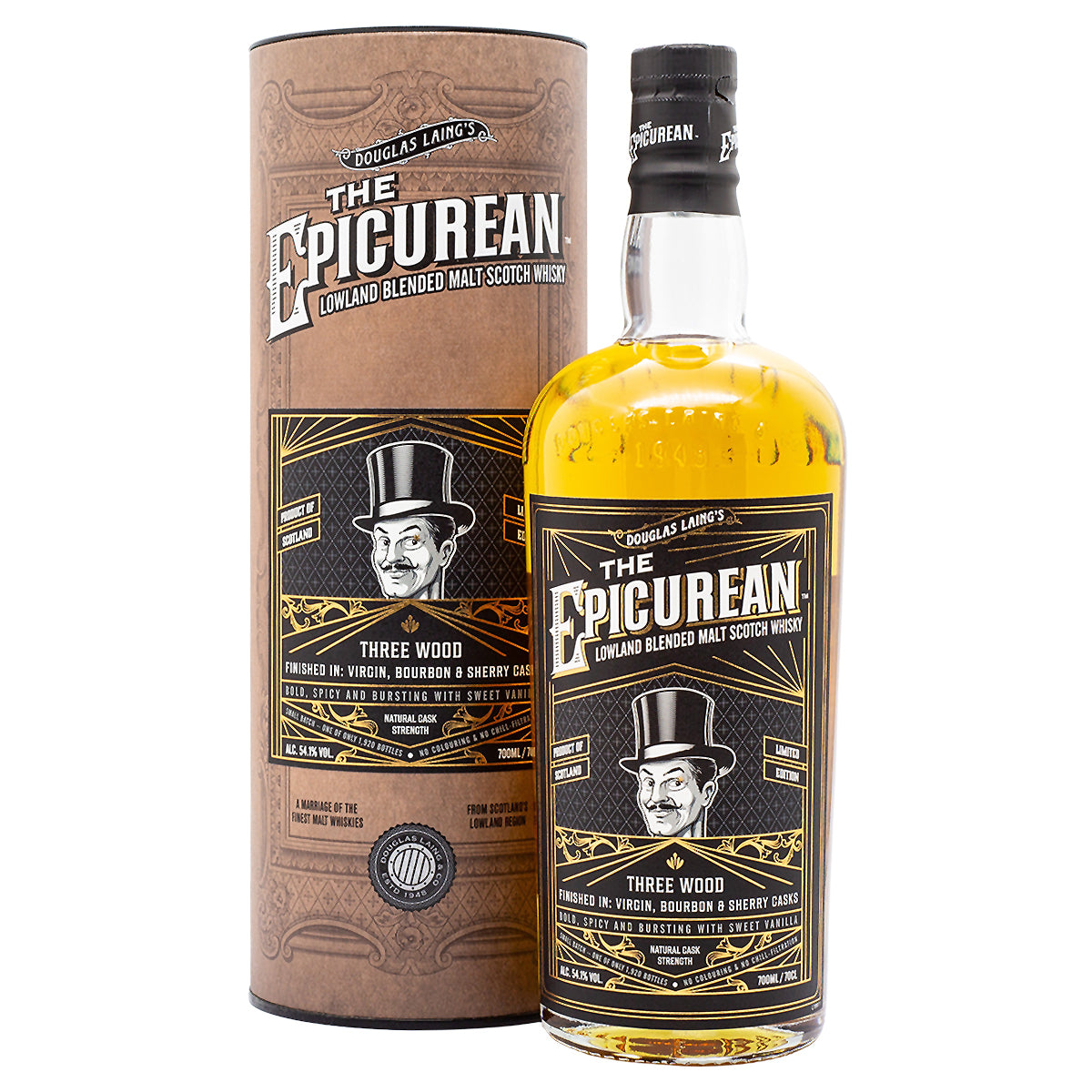
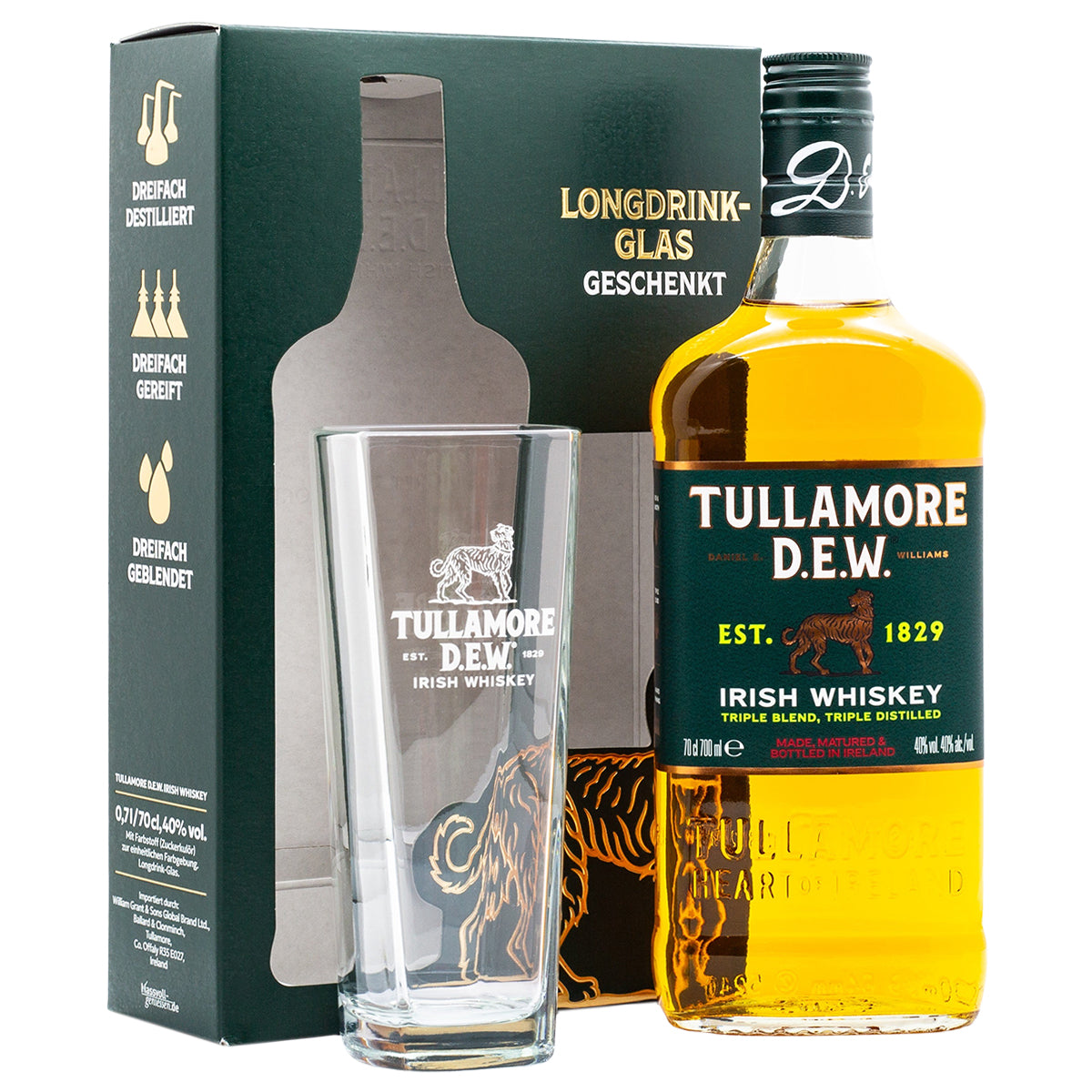
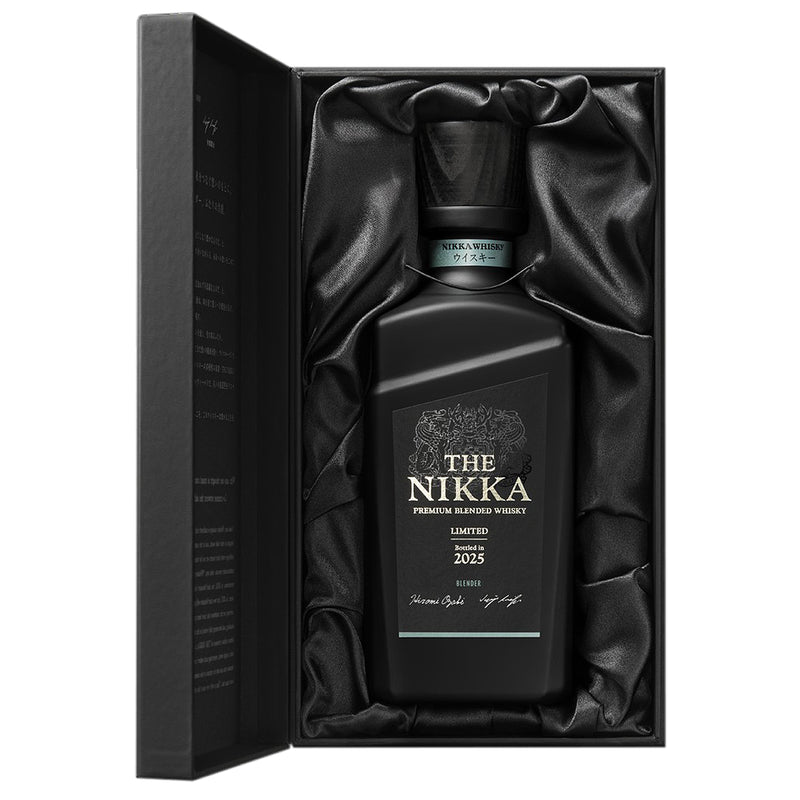
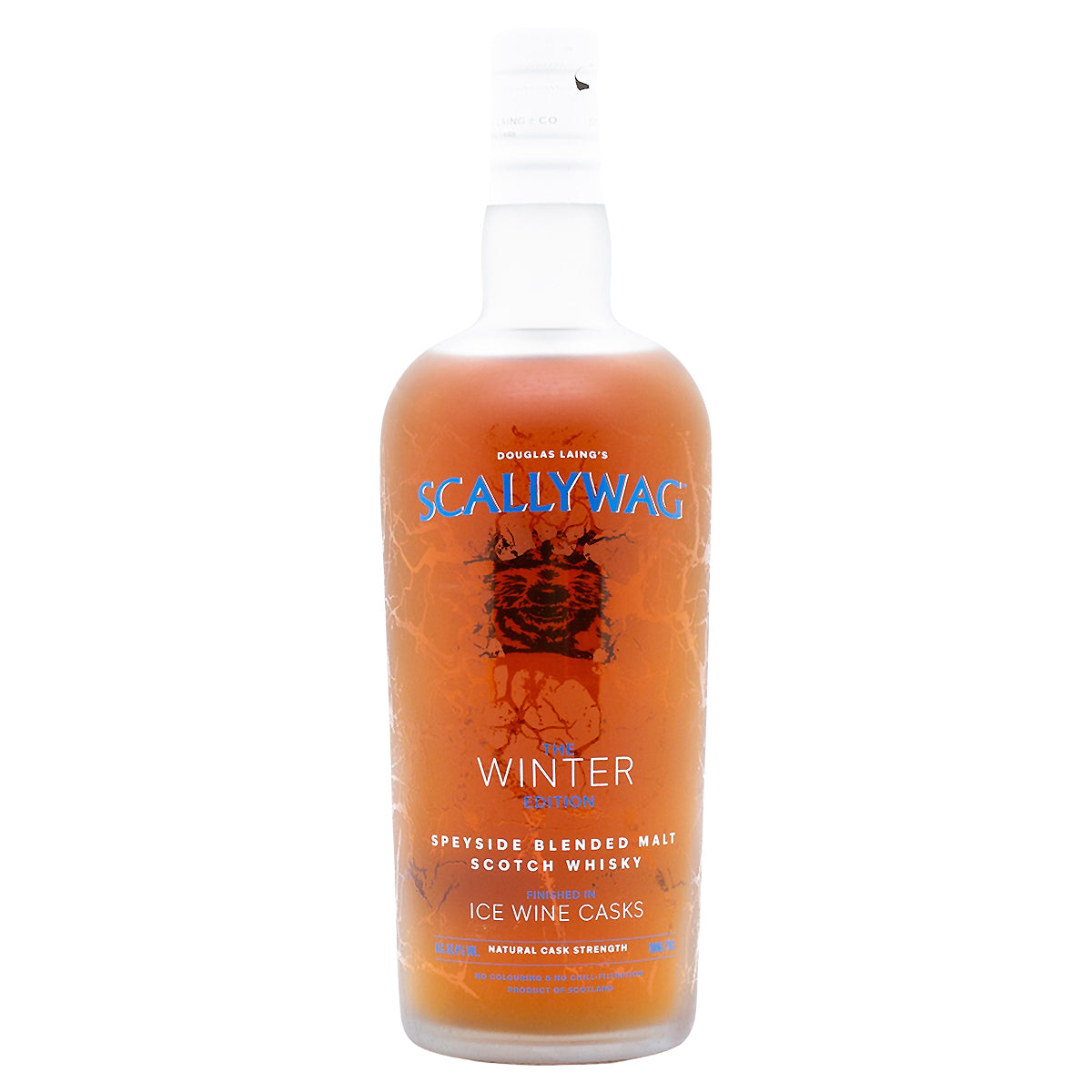
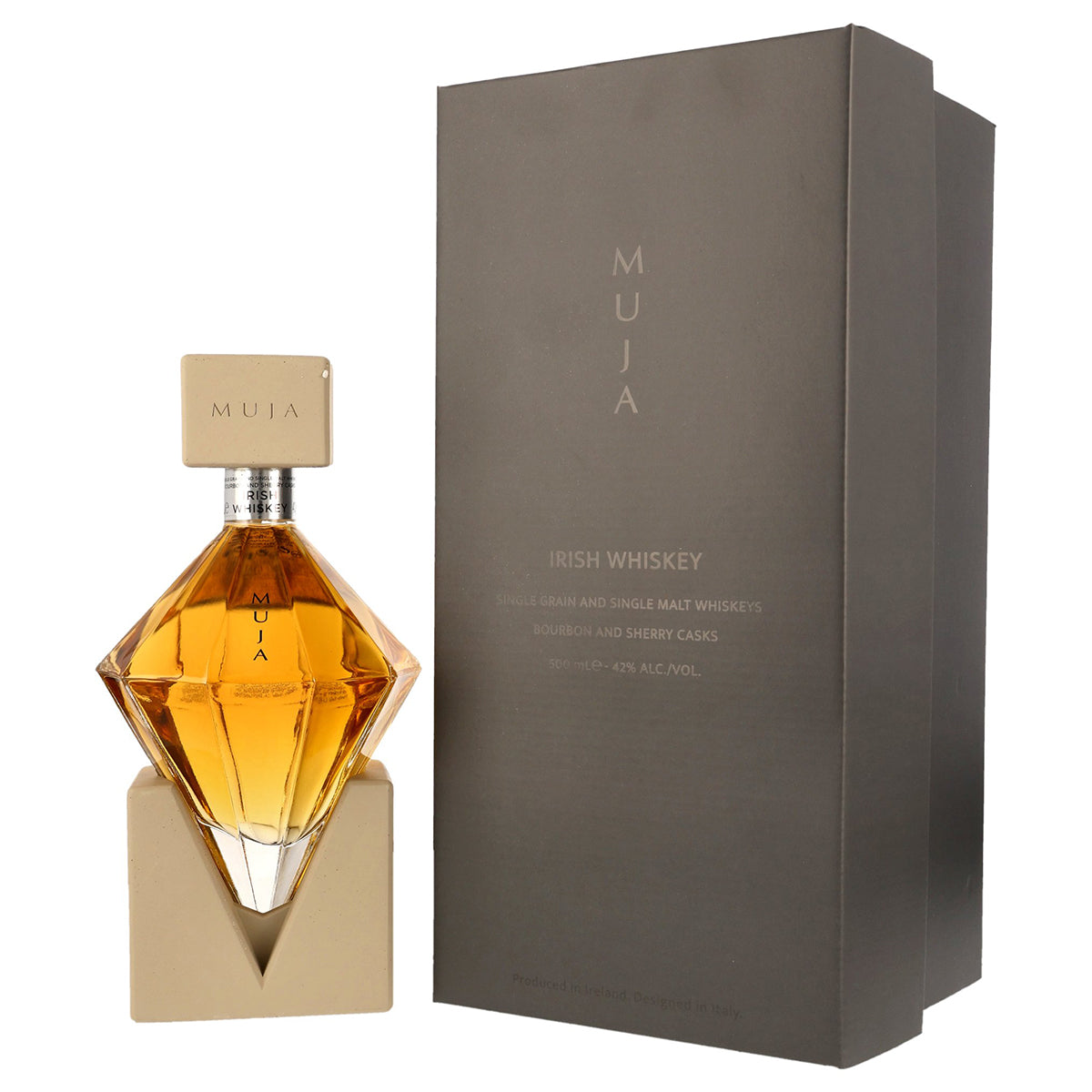
Blended Whisky: The full name makes the difference
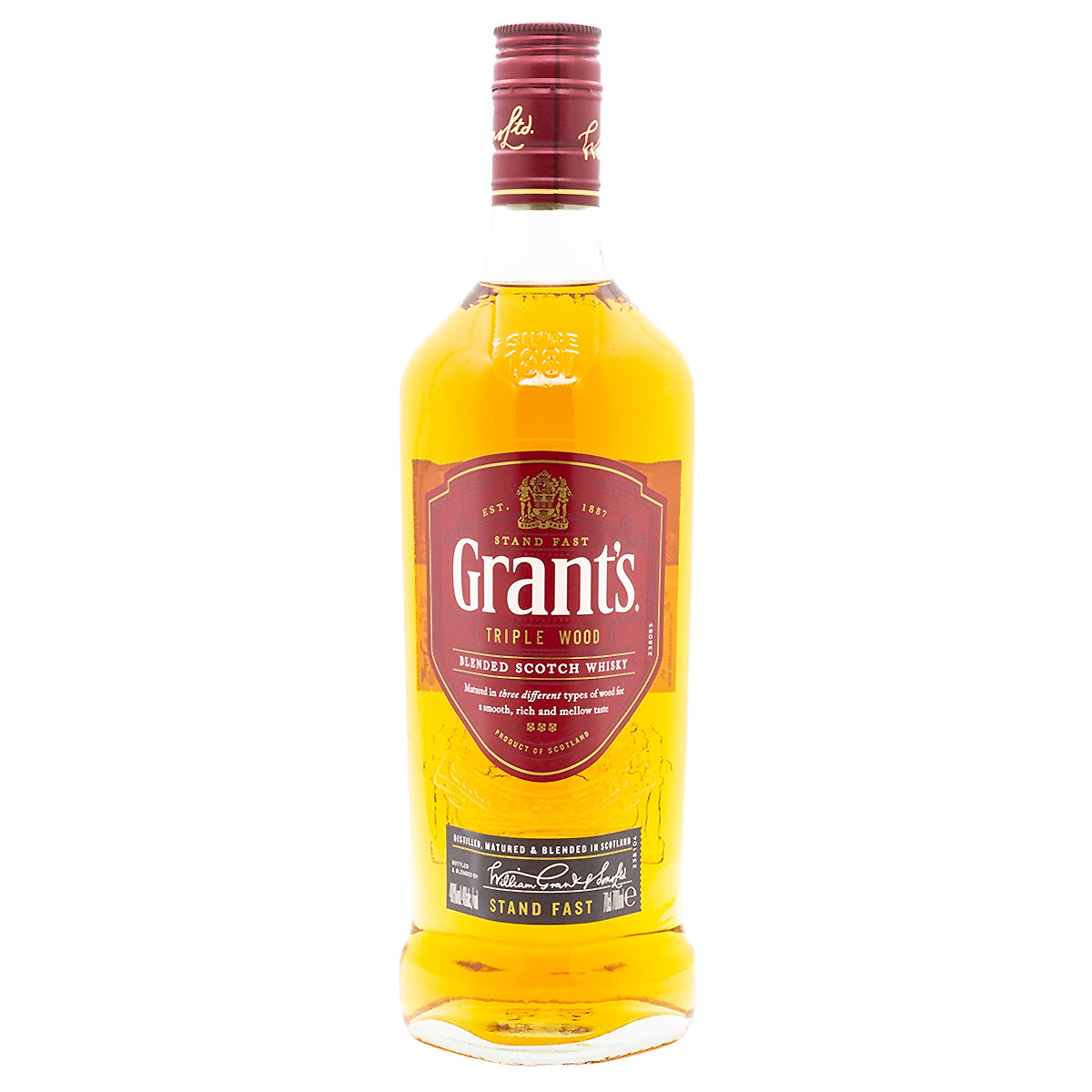
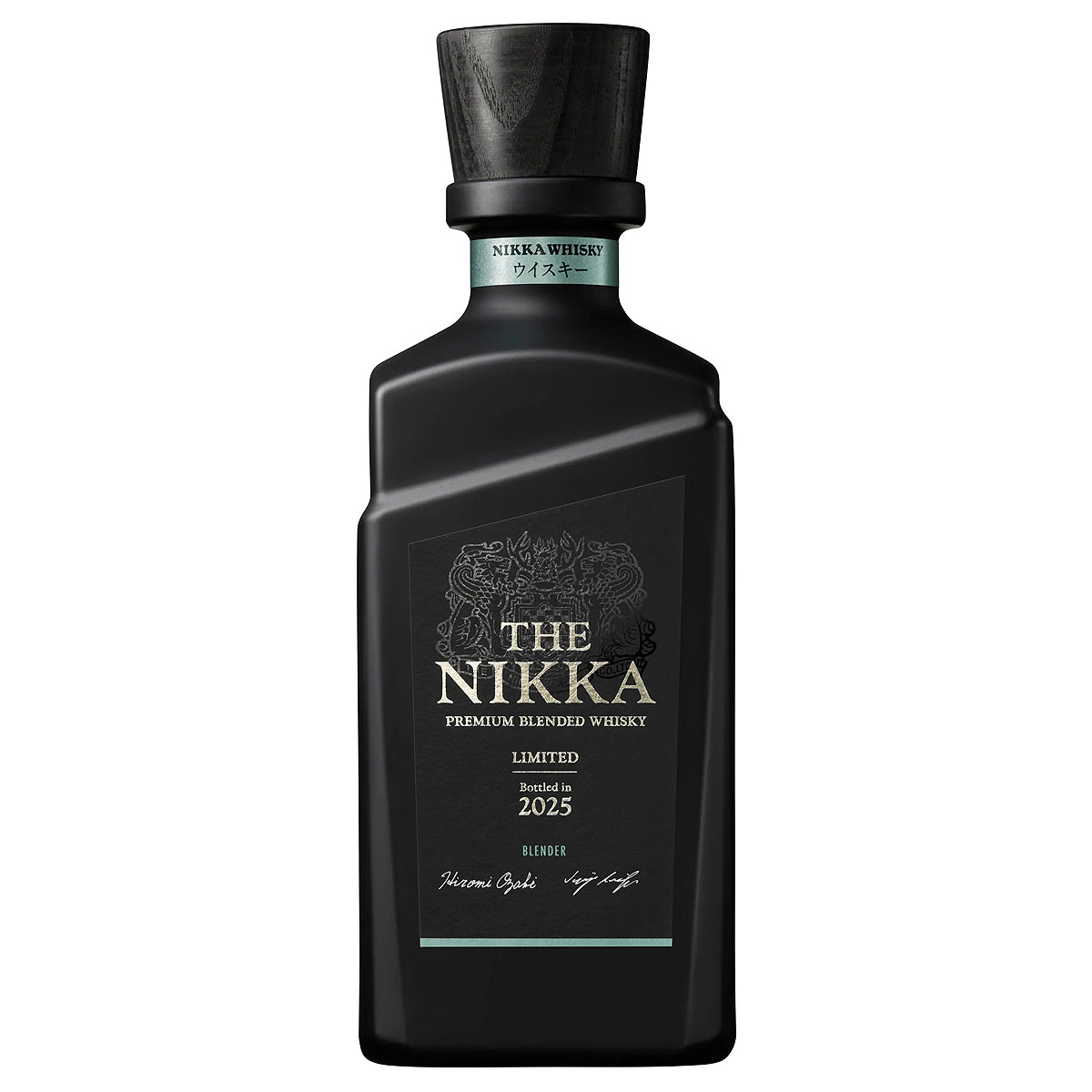
Blended whisky is created by combining several whisky components. Which types are included and how many distilleries they come from cannot be deduced from the word Blended alone. For that, you need the origin and the full category name.
A blend is not a lower quality level. The blender selects components with specific roles and combines them into a new bottling. For brands that are permanently available, this composition should remain recognizable despite natural differences between casks and batches.
Blended Scotch, Blended Malt and Blended Grain
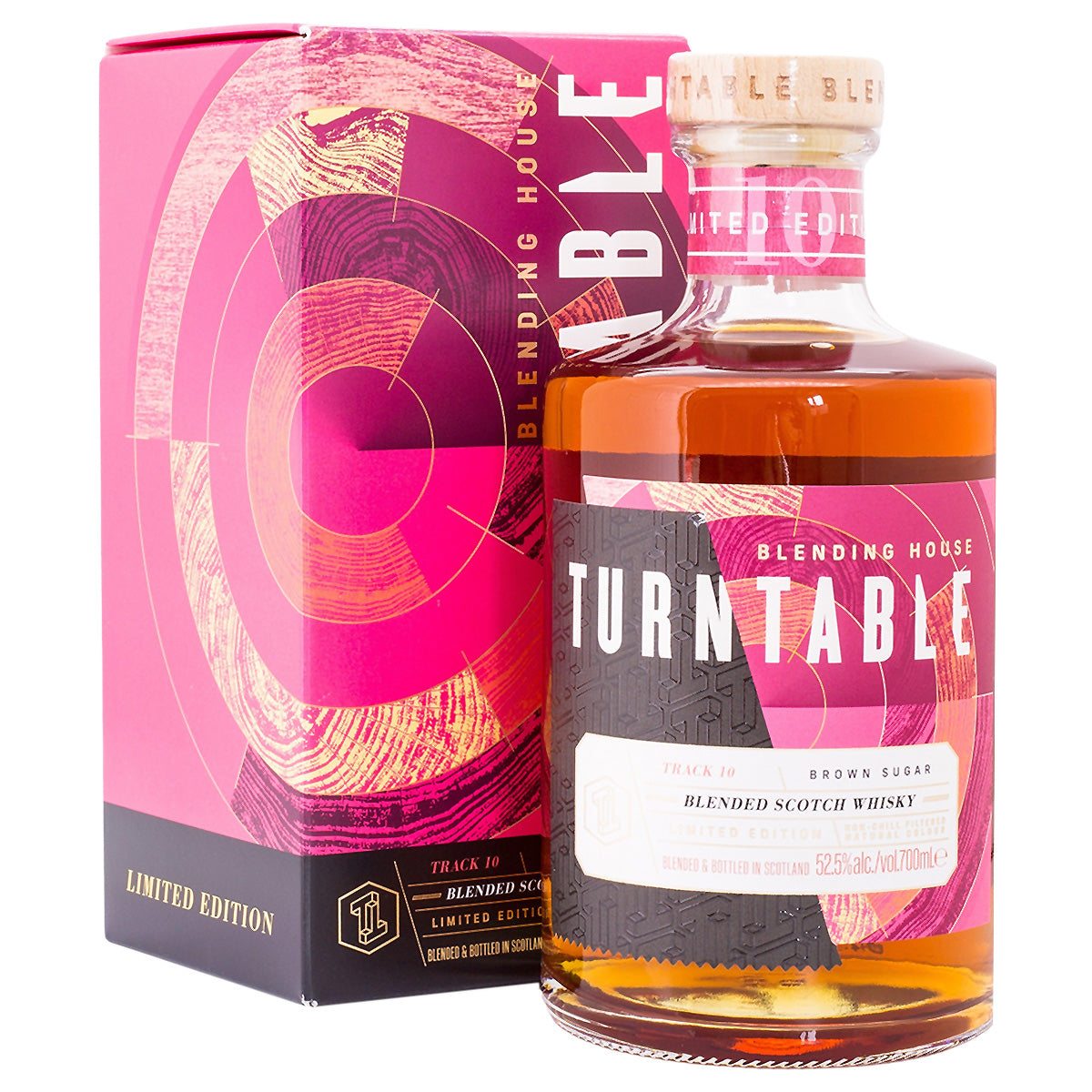
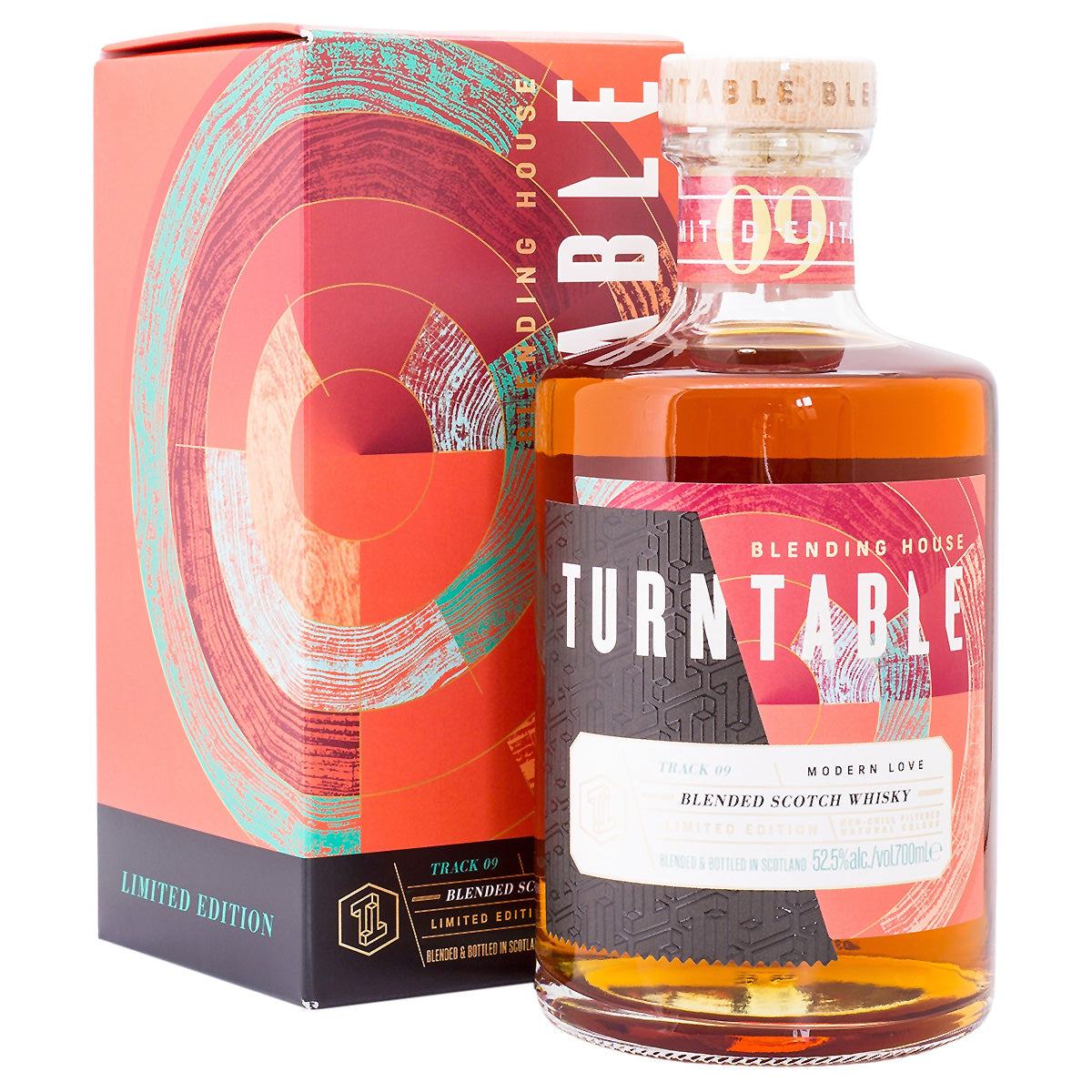
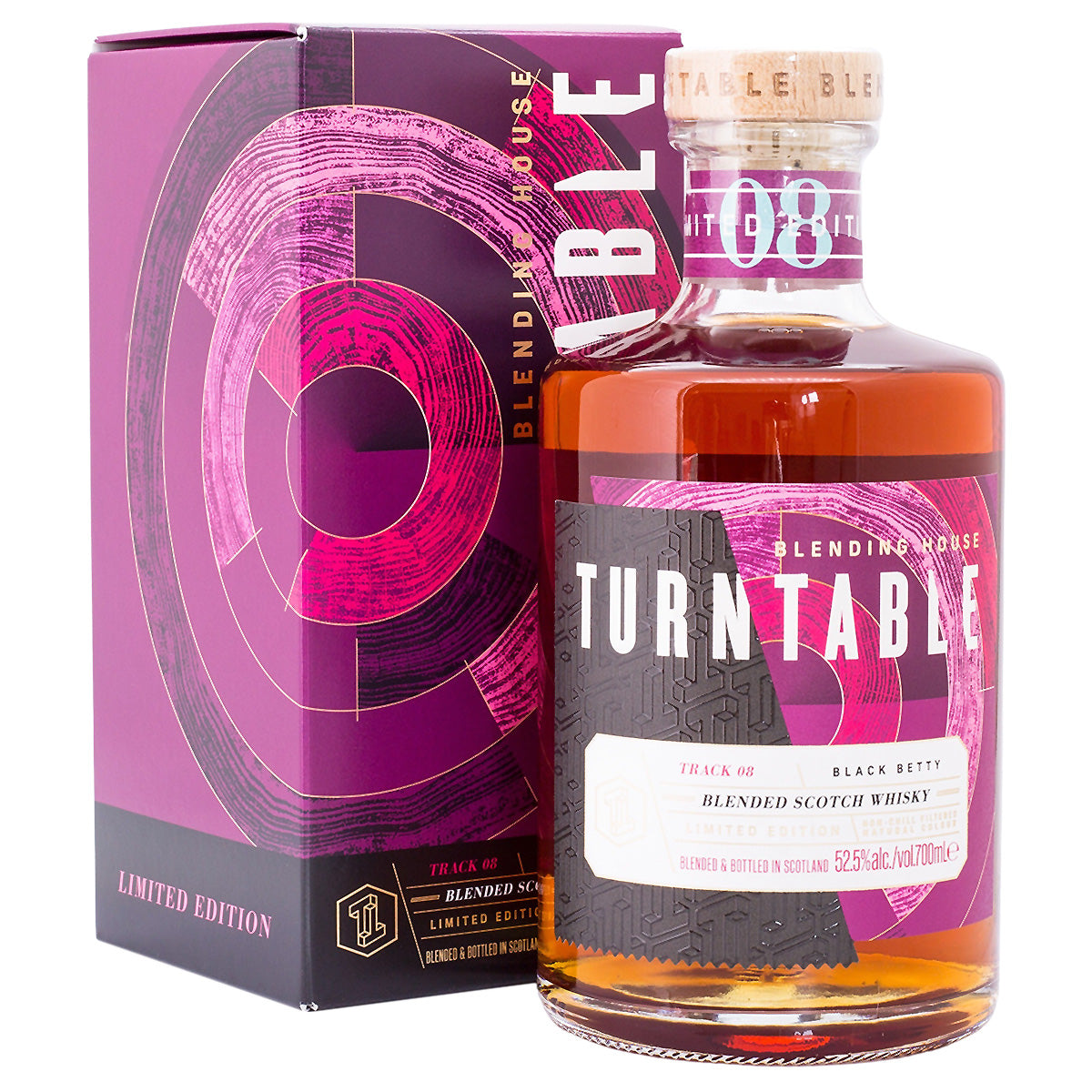
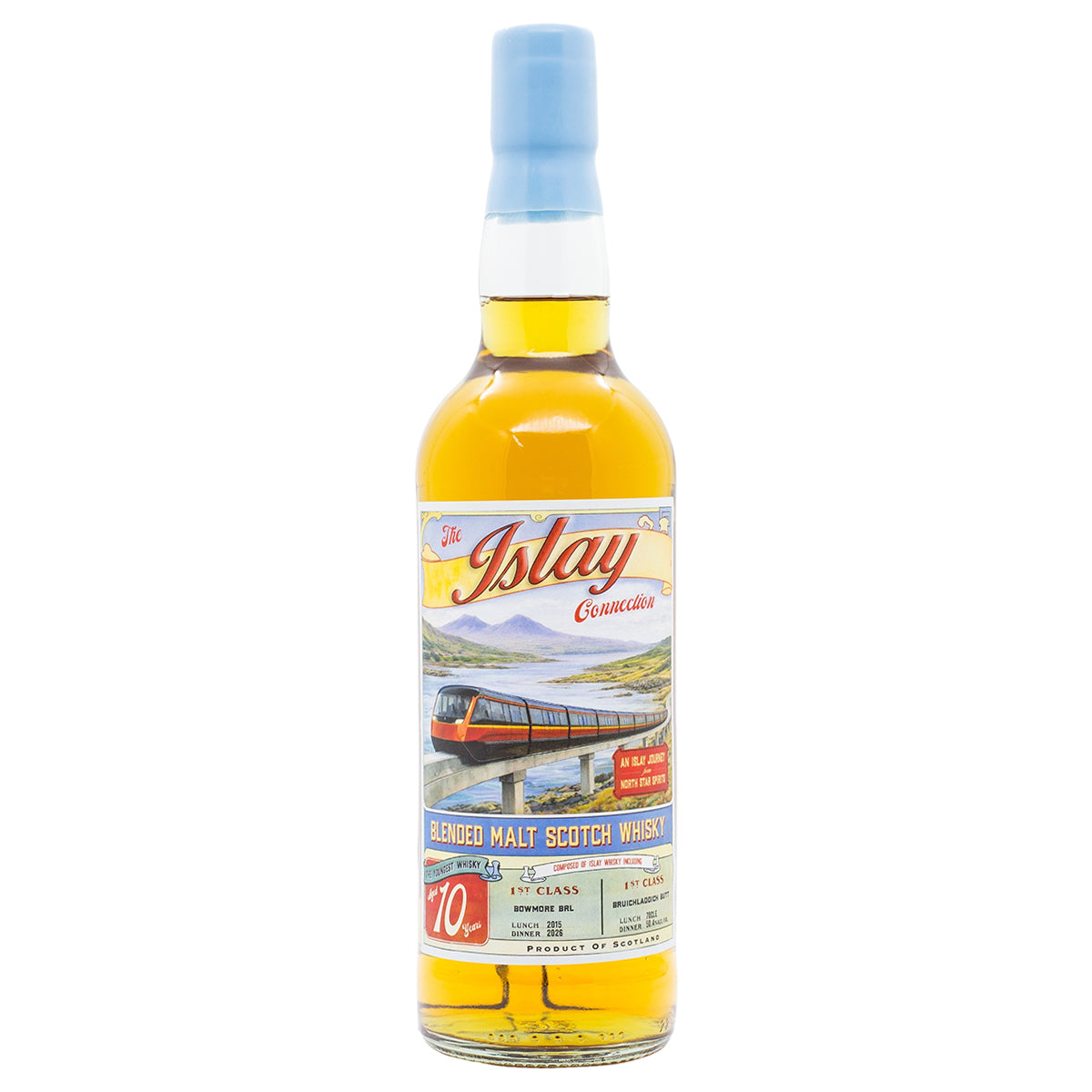
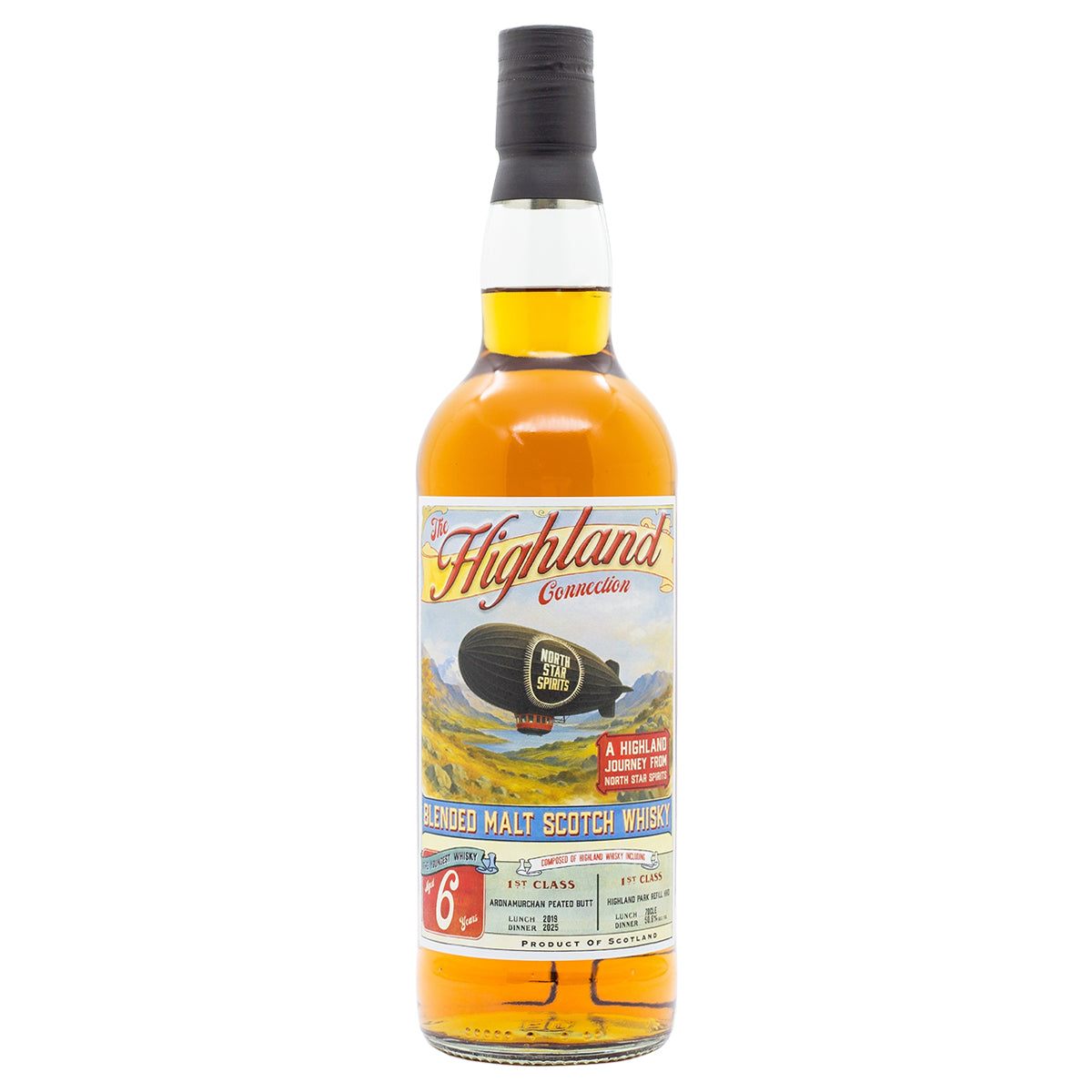
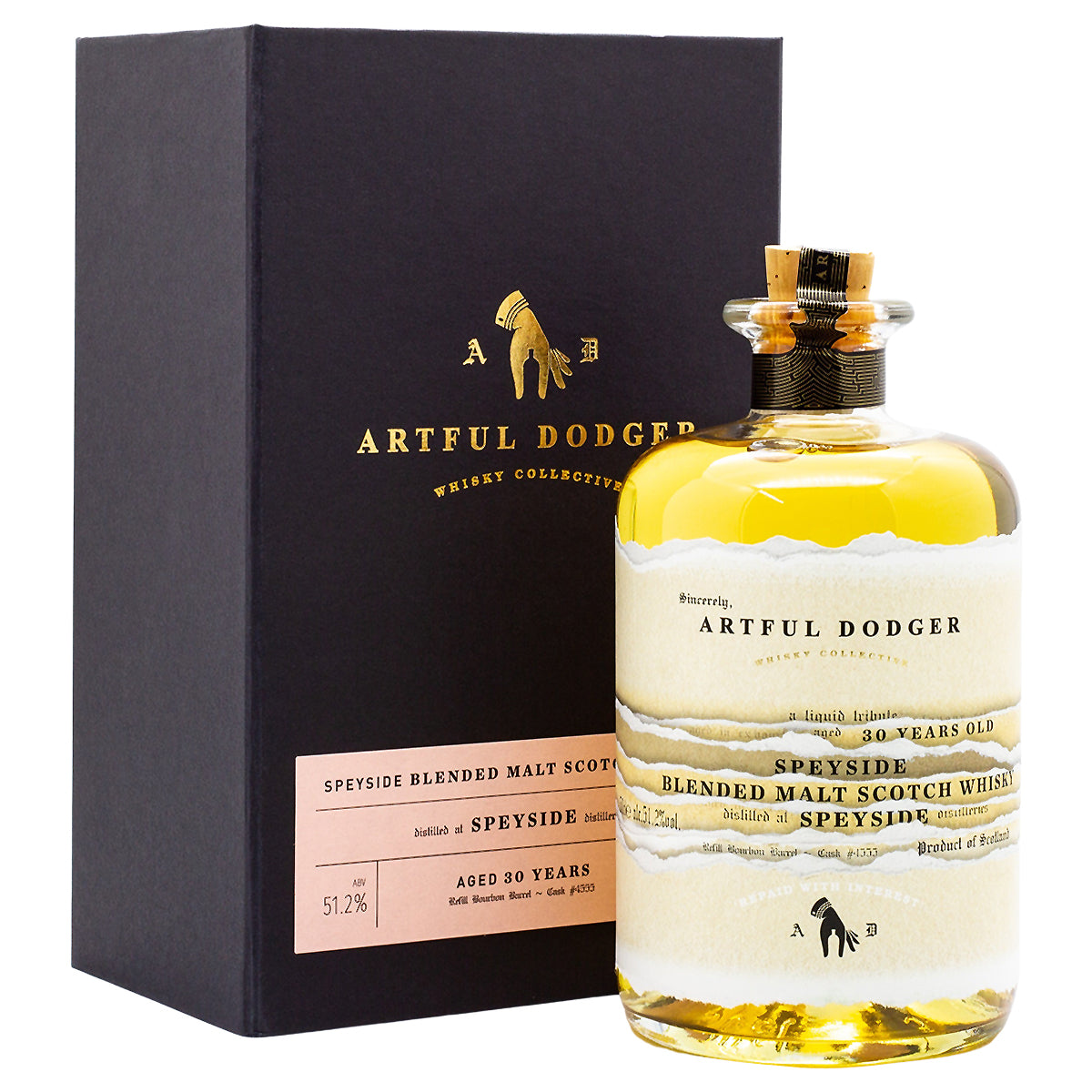
For Blended Scotch whisky both components are required: Single Malt Scotch and Single Grain Scotch. Blended Malt Scotch whisky consists exclusively of single malts from several distilleries. Blended Grain Scotch is created from single-grain components from different distilleries.
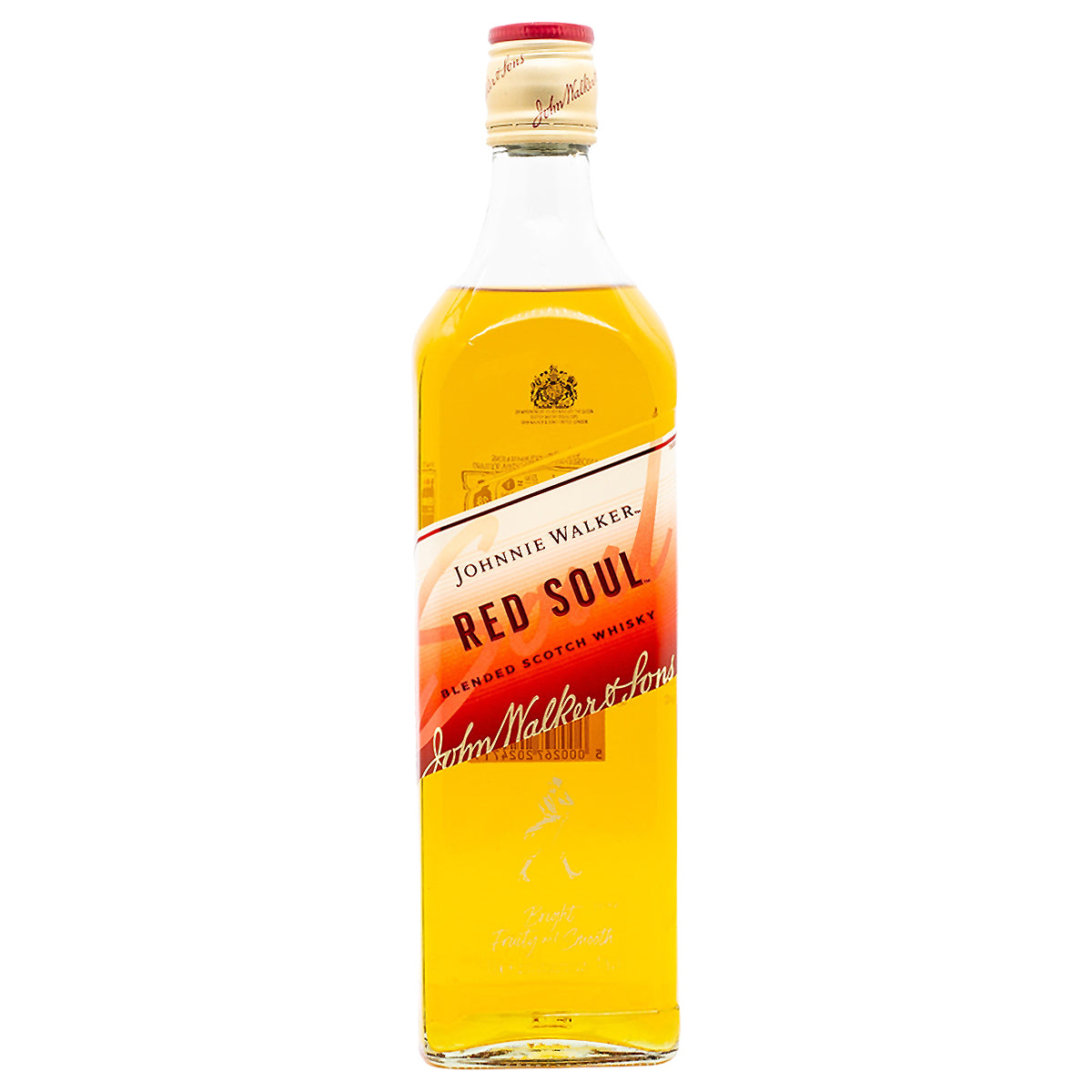
Johnnie Walker shows why the category must also be read within a brand. Many bottlings of the brand are Blended Scotch with malt and grain components. Green Label, on the other hand, is a Blended Malt Scotch without grain whisky. Johnnie Walker is a blend brand and not a distillery.
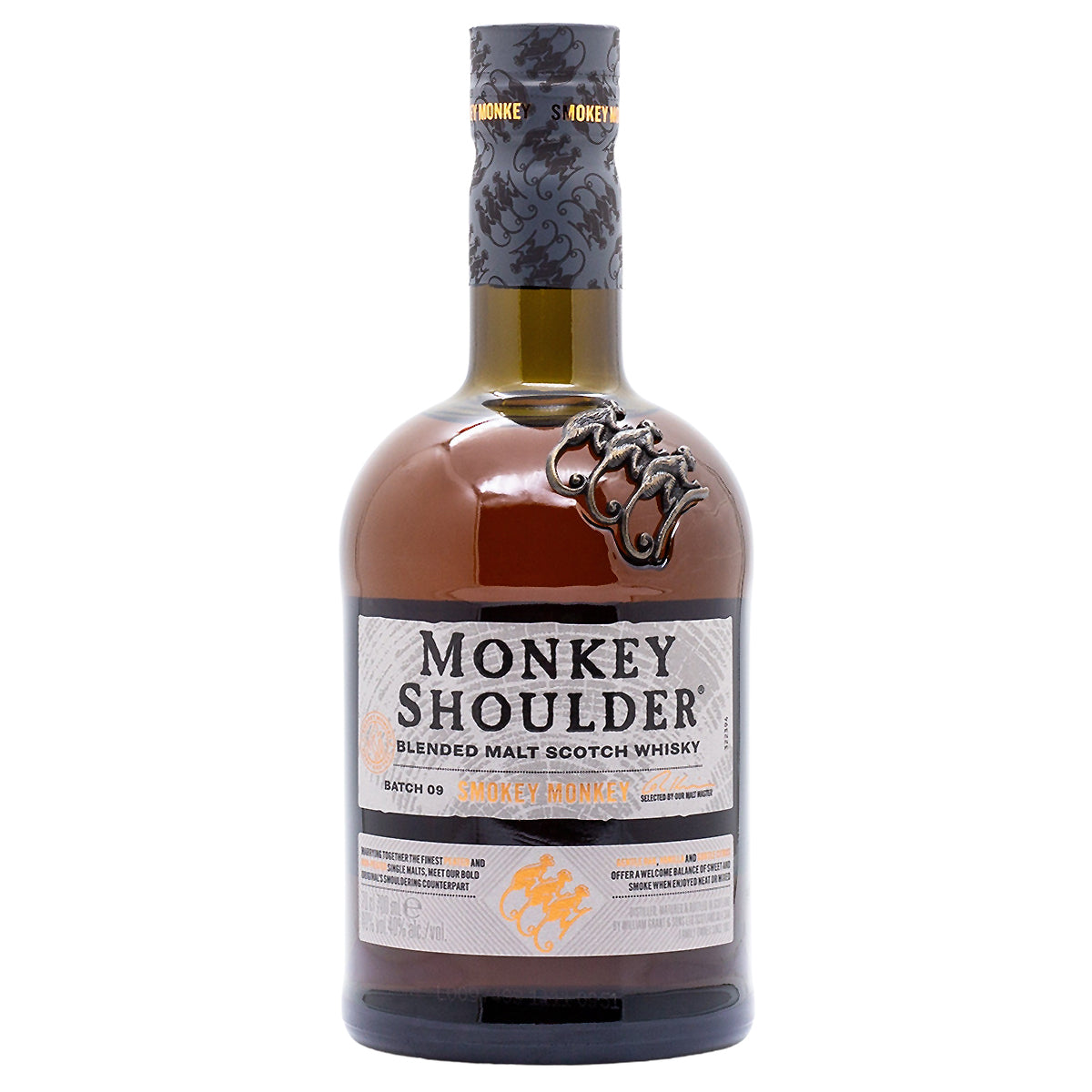
Monkey Shoulder offers another clear Blended Malt case. The brand combines Speyside single malts and contains no grain component. How many distilleries or which recipe proportions are involved should only be assumed if the manufacturer expressly states this for the current bottling.
Other countries, other blend rules
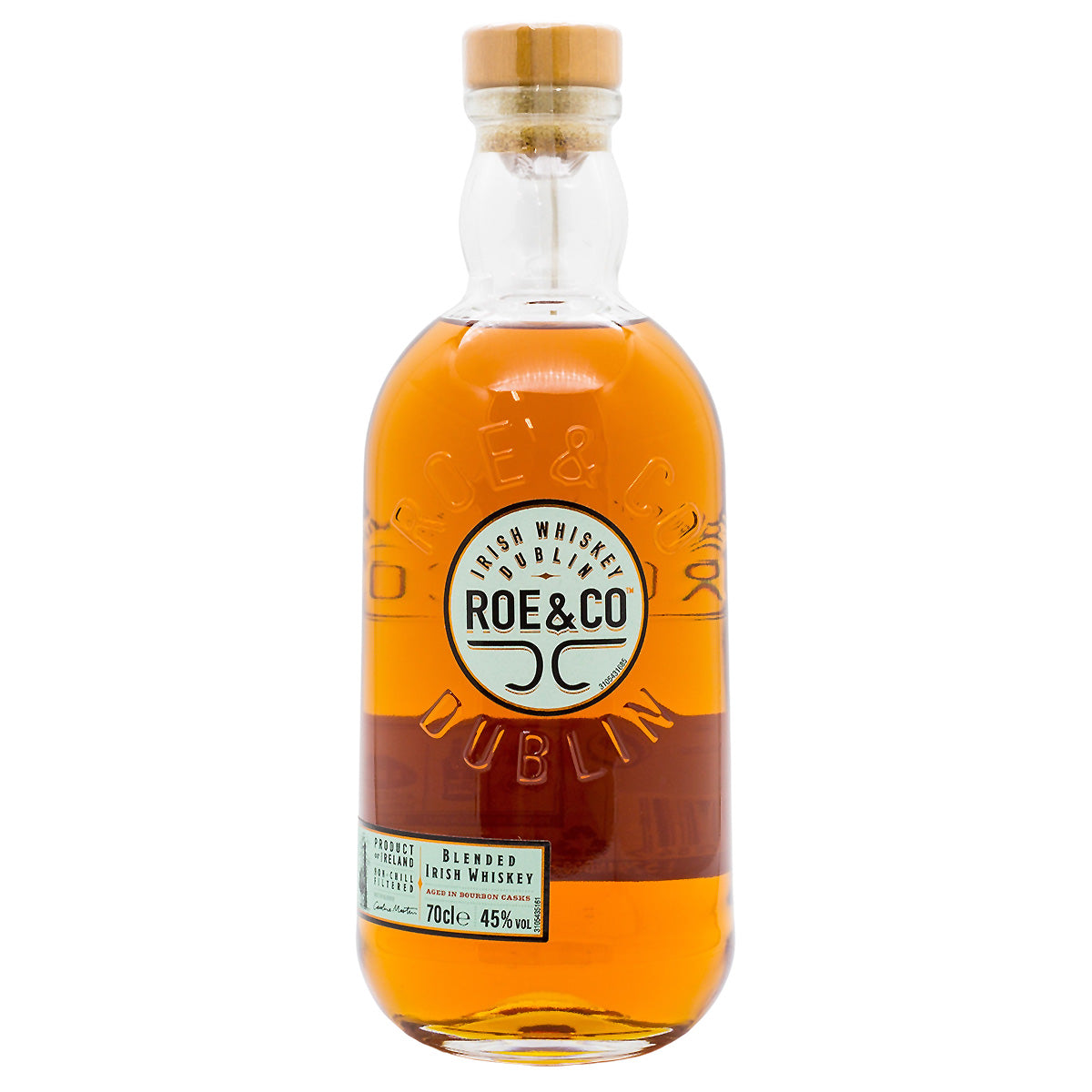
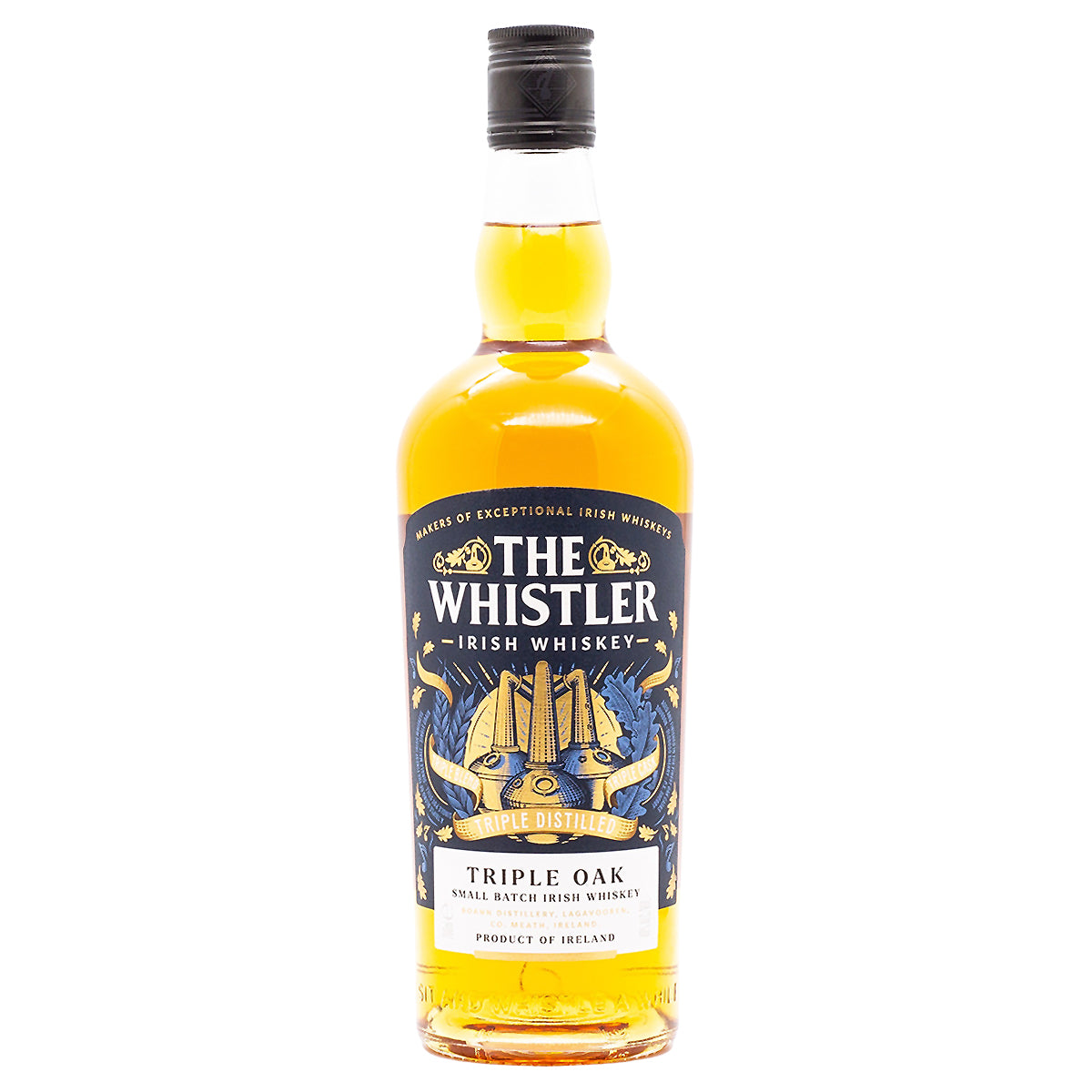
The Scottish definitions do not apply worldwide. Blended Irish whiskey combines at least two of the Irish basic types: pot still, malt and grain. An American Blended Whisky follows its own US rule and can contain other whisky or neutral spirit in addition to Straight Whisky.
Therefore, do not automatically assume a Scotch recipe for a Blended Whisky from the USA or a blend from another country. Origin, statutory category and expressly stated components are more reliable than general expectations of a blend.
The role of the company also deserves a look. Compass Box works as an independent Scotch whisky maker and blender, not as a distillery, and offers various blend categories. Brand name, blender and actual distilleries can be three different levels.
What can be checked on the label and product page
First, read the full name on the label, such as Blended Scotch, Blended Malt, Blended Grain or Blended Irish Whiskey. After that, information about malt, grain or pot still, as well as voluntarily stated distilleries and mixing proportions, helps. An age statement for Scotch and whisky on the EU market denotes the youngest whisky contained, not the average age.
Malt proportion, number of components and number of distilleries are not quality indicators in themselves. Cask maturation, smoke and alcohol strength describe the specific bottling, but do not change the basic meaning of the blend category.
Frequently asked questions about Blended Whisky
What is Blended Whisky?
Blended whisky combines several whisky components. Which types of whisky are included is determined by the full category of the respective country of origin.
What is Blended Scotch Whisky?
Blended Scotch combines one or more single malt components with at least one single grain Scotch.
What is the difference between Blended Scotch and Blended Malt?
Blended Scotch combines malt and grain. Blended Malt consists exclusively of single malts from several distilleries.
Is Blended Whisky worse than Single Malt?
No. The terms describe different production and composition concepts, not a binding quality ranking.
What does Blended Single Malt Whisky mean?
For Scotch, this is not a correct category. It means either single malt from one distillery or blended malt from several distilleries.