
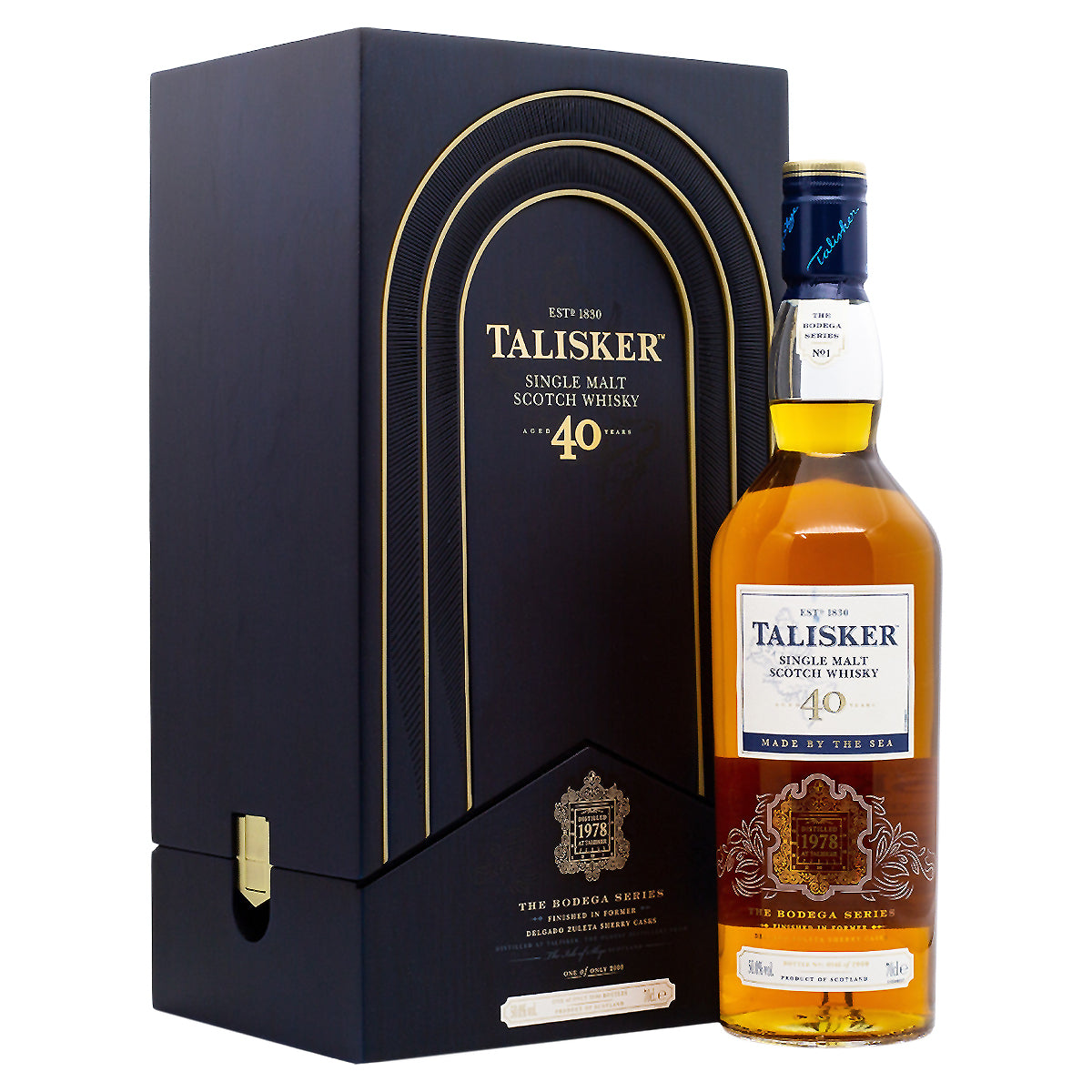
40-Year-Old Whisky: The Exact Release Matters
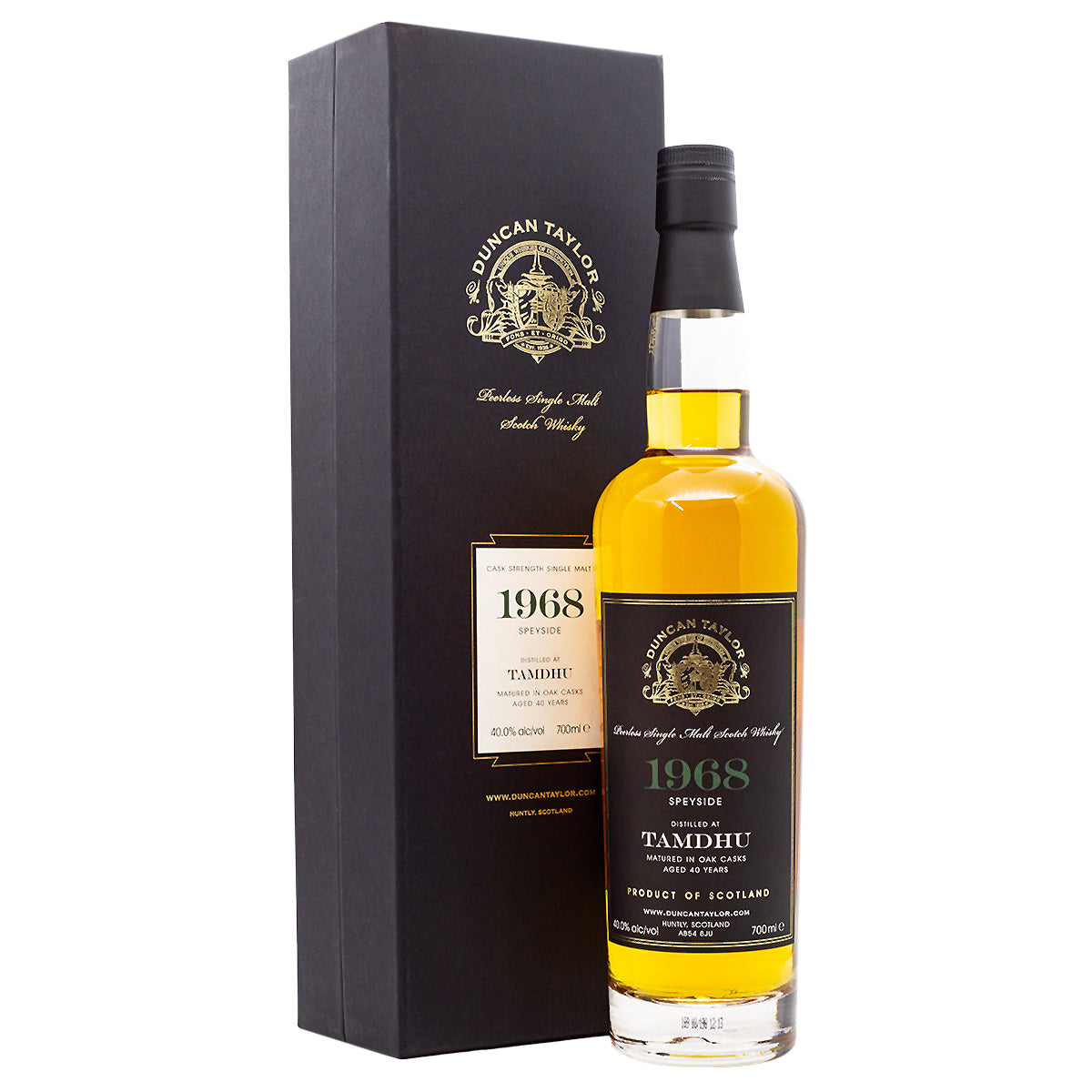
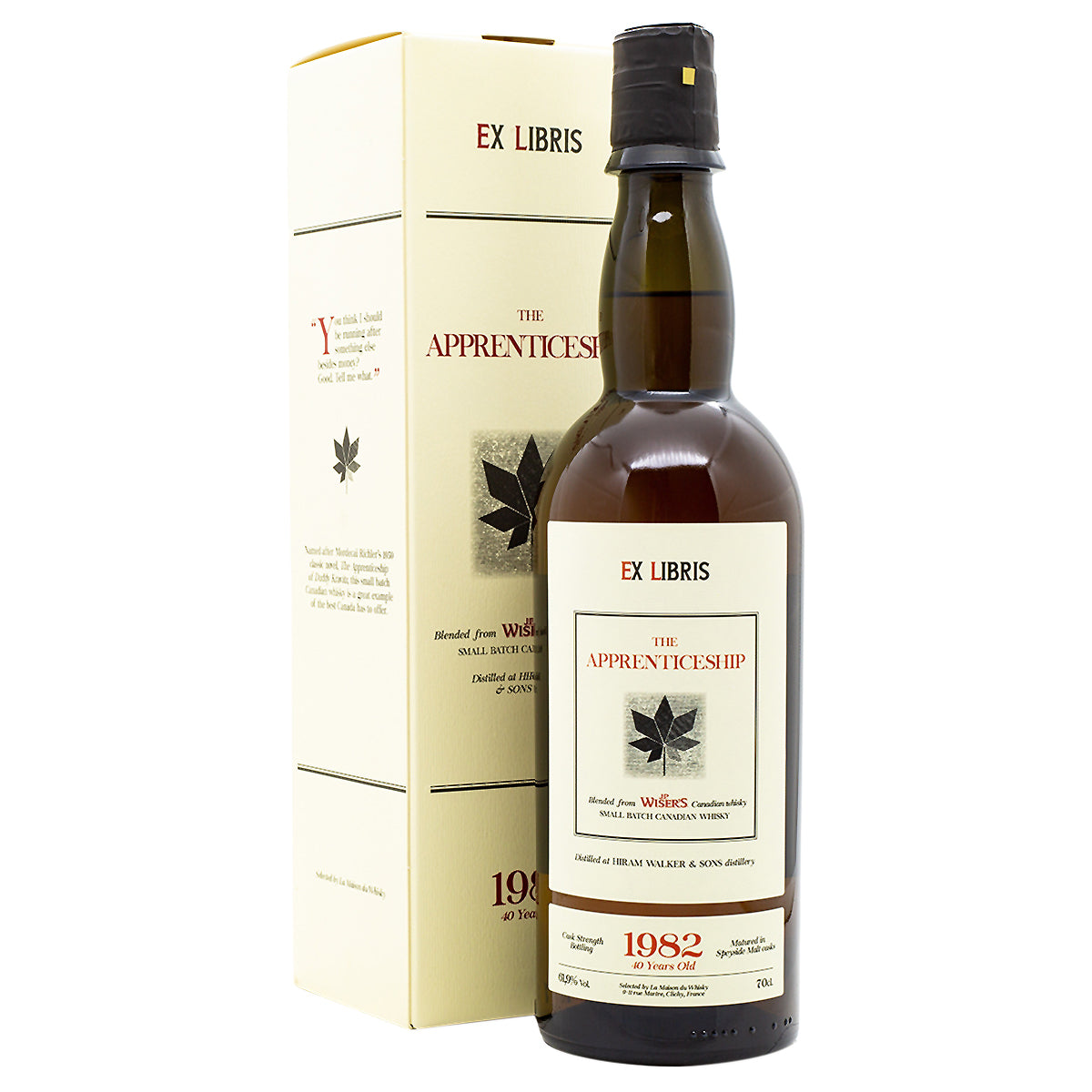
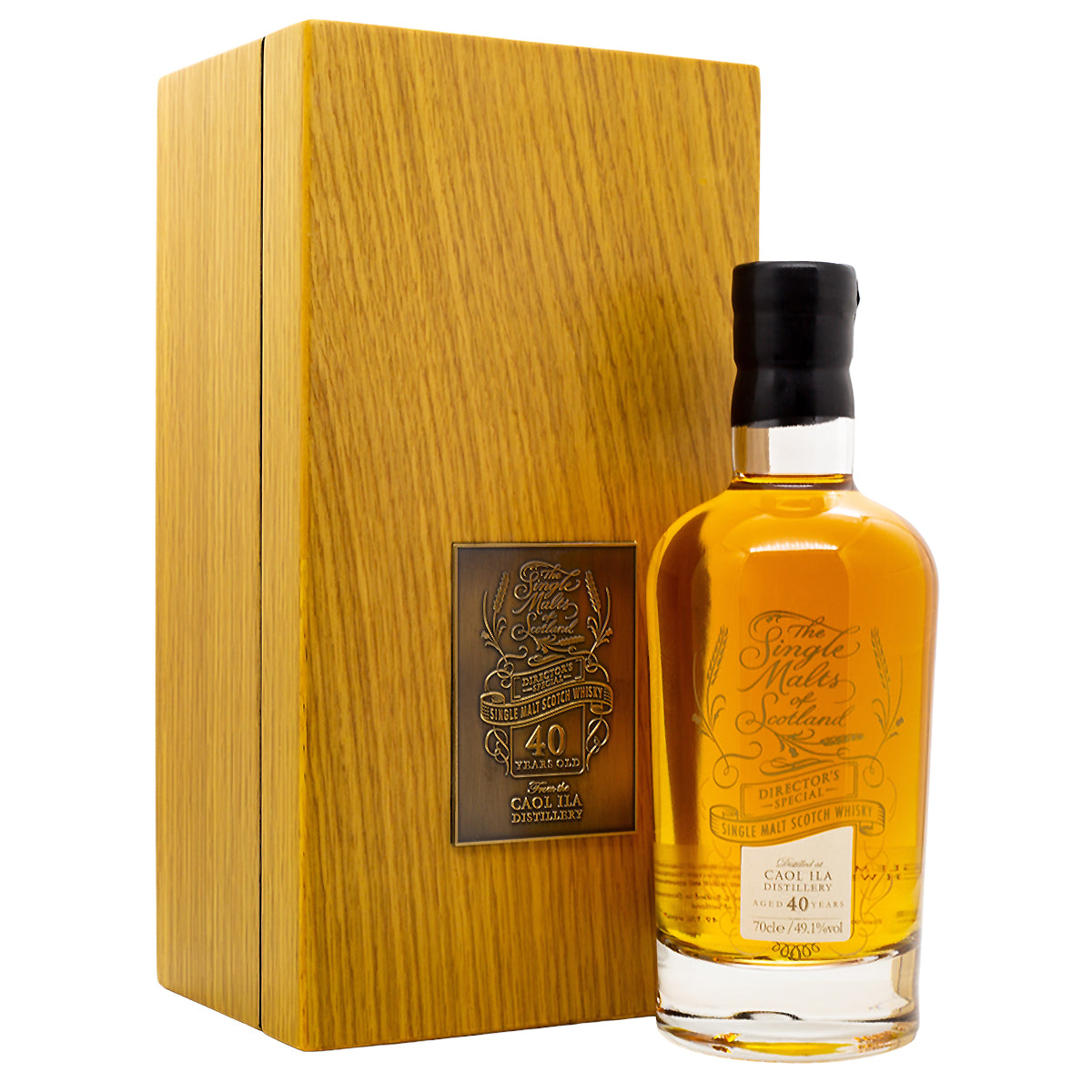
Four decades of cask maturation make a bottle exceptionally old, but not necessarily rare or limited. Some 40-year-old bottlings are part of a distillery's range for extended periods. Others are one-off releases, small batches, or single casks.
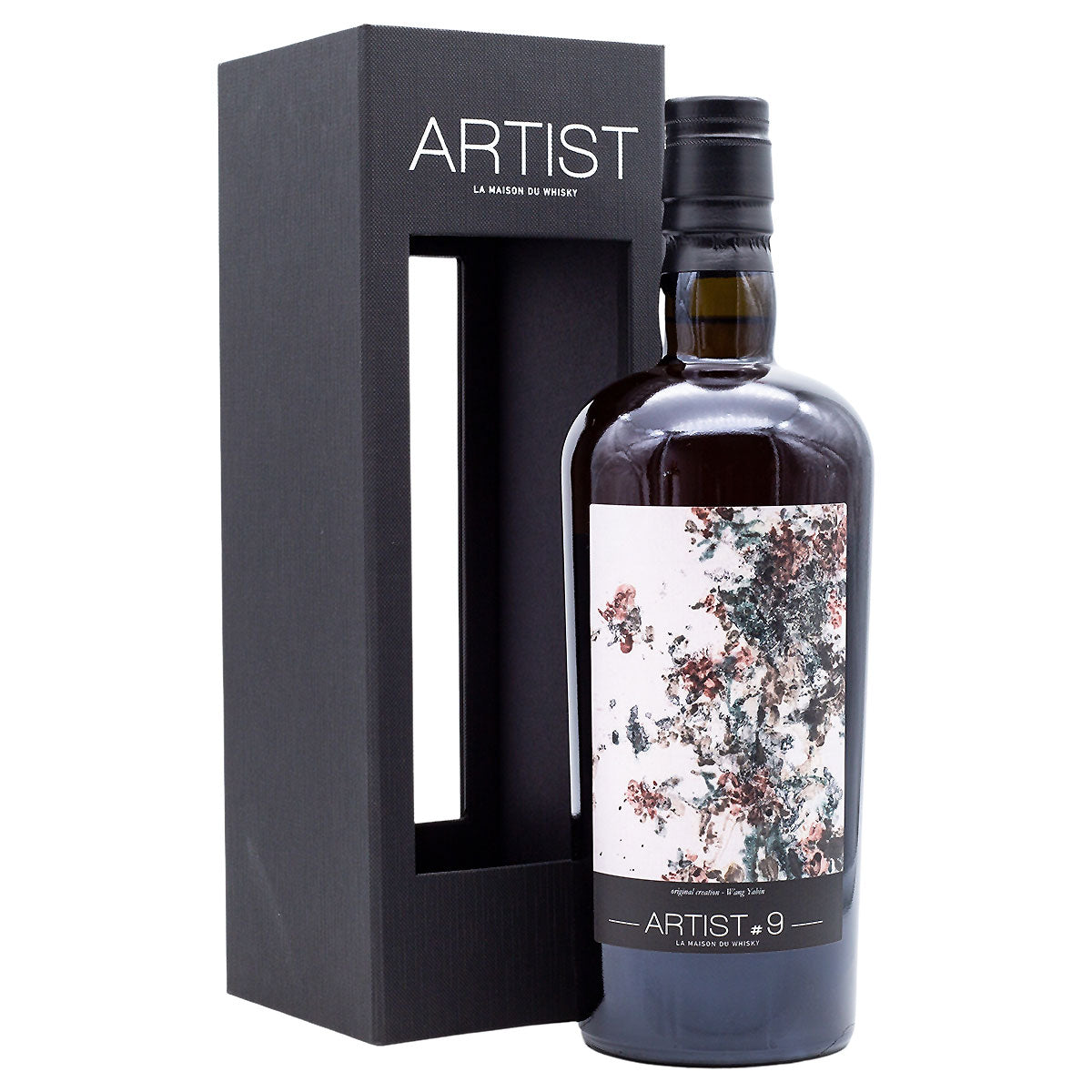
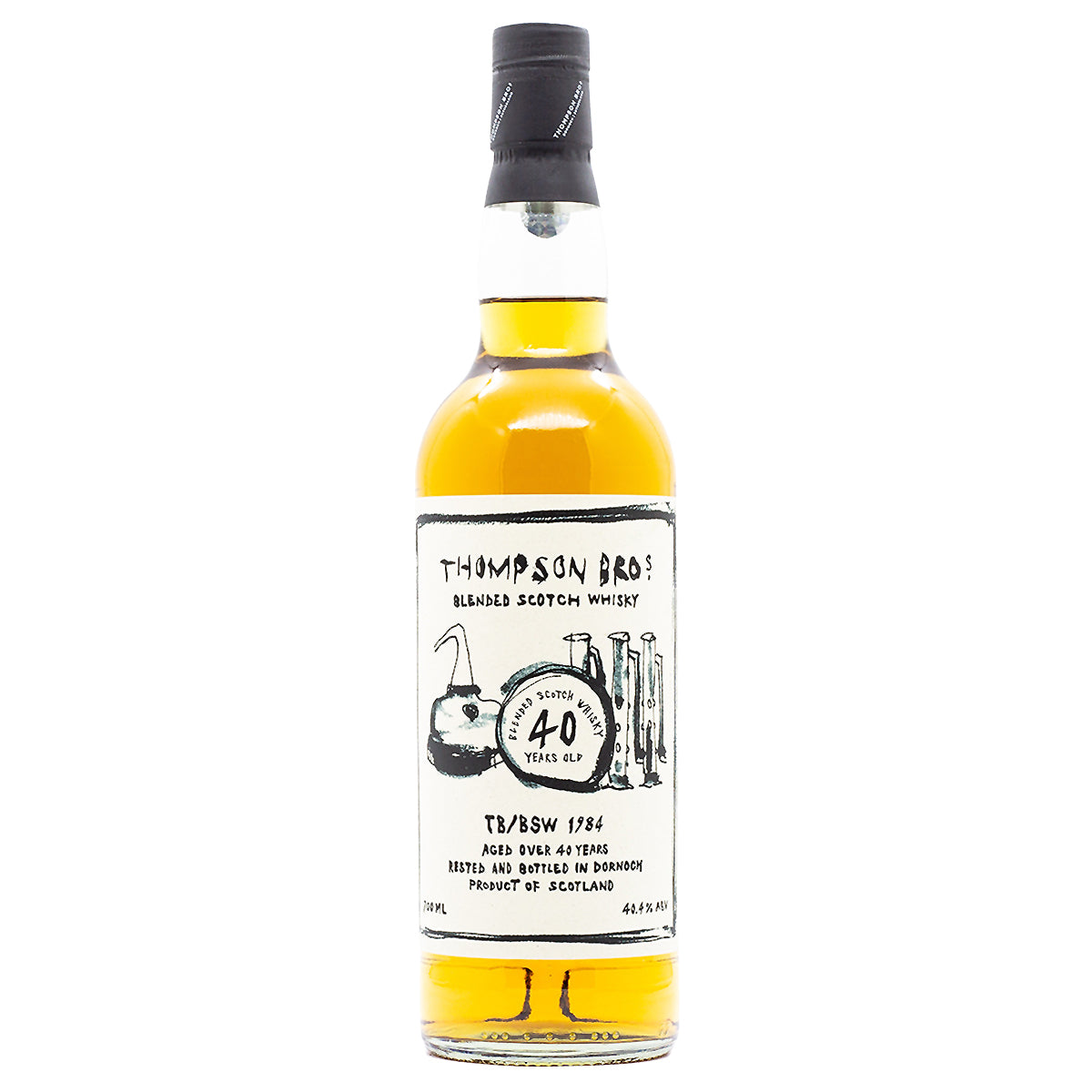
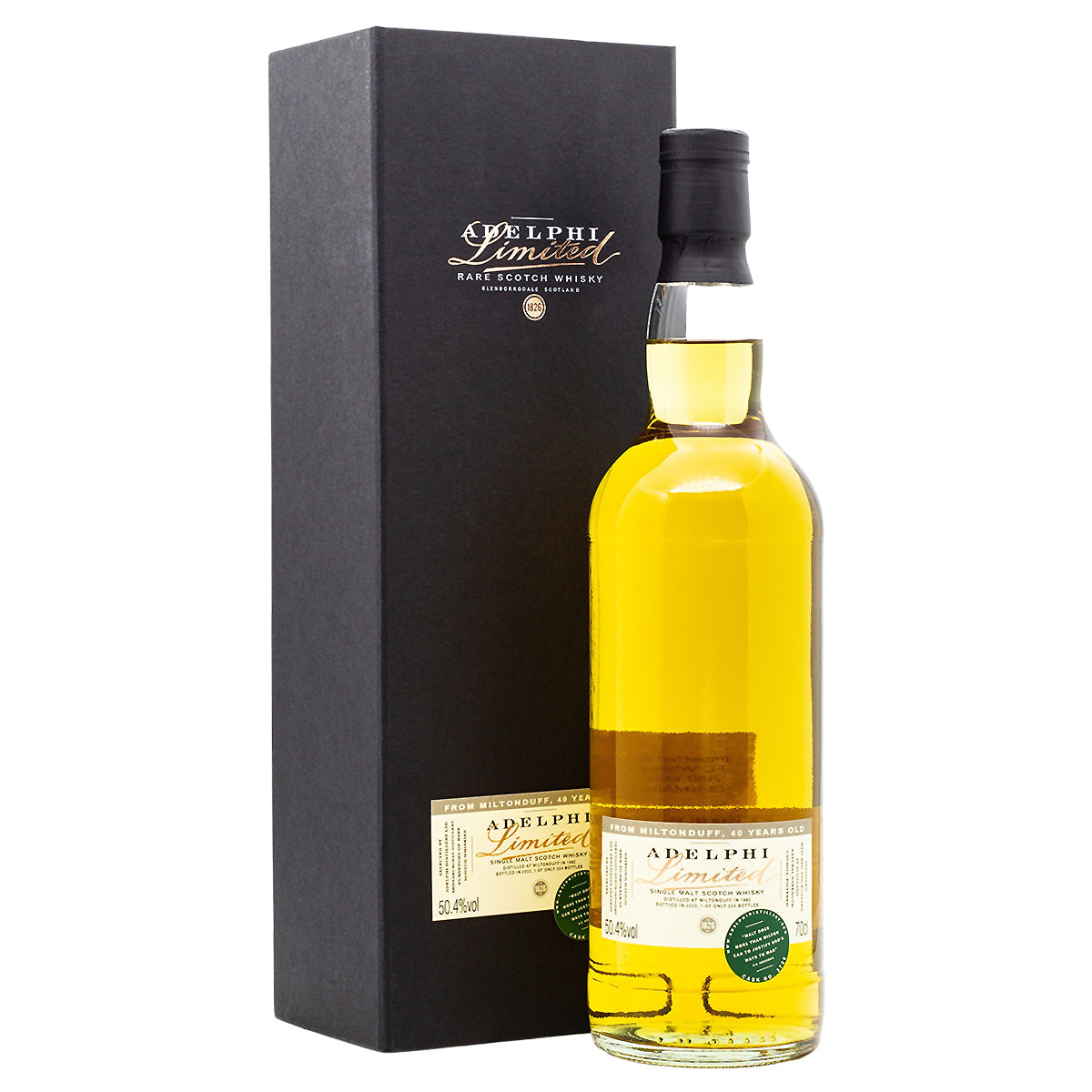
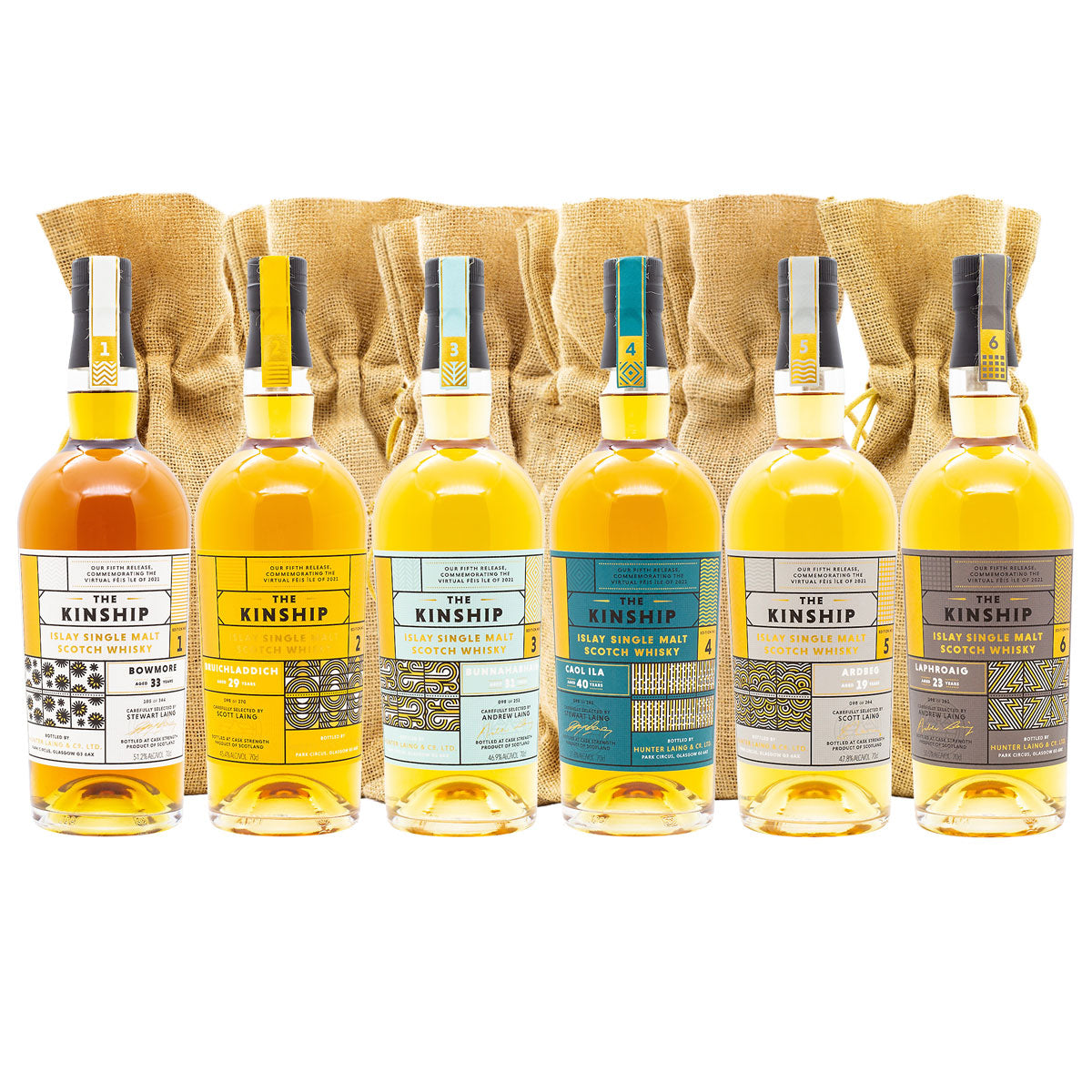
Therefore, check more than just the brand and age. The full product name, release or bottling year, batch number, and bottler's name are essential for clear identification. Independent bottlings, in particular, can feature the same distillery and age profile as other casks, but with different strength.
The basics of age statements are explained in Whisky by Age. When buying from the shop, it is more important that the bottle offered matches the description and images exactly.
Check the Bottle and Included Items
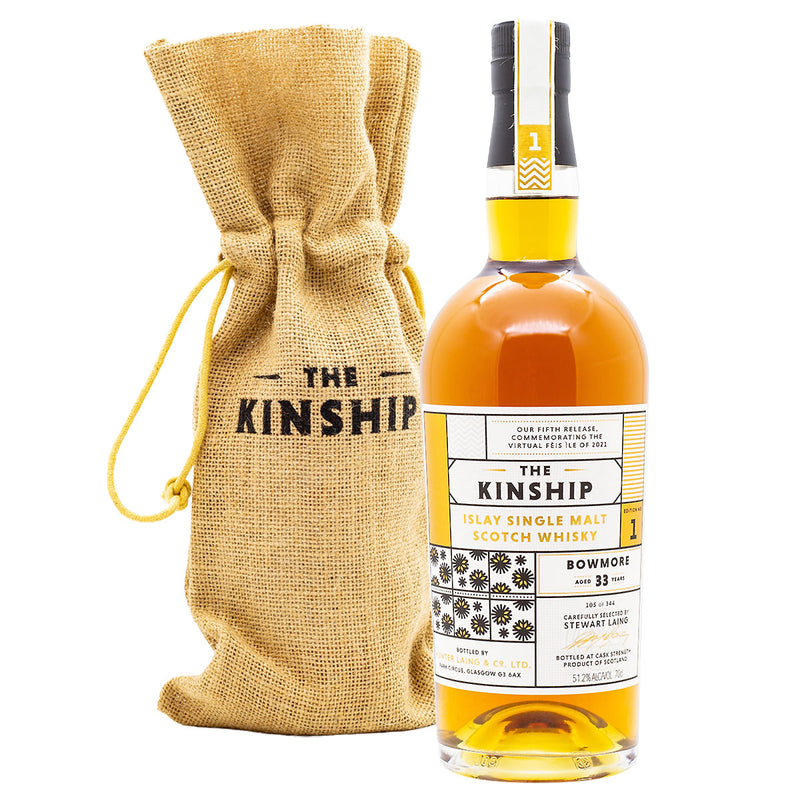
For high-priced releases, the accessories are part of the specific version. Check the bottle size, alcohol strength, bottle number, and, if applicable, the number of bottles bottled. A decanter, stopper, certificate, booklet, outer box, or wooden crate should be explicitly listed as included.
The cask description can also vary between different 40-year-old releases. Some are blended from several casks, while others come from a single cask or have been finished. Whisky by Cask and Maturation will help you distinguish between these details.
Check the Condition More Carefully for Older Releases Only
For current new stock, an intact seal, clear release details, and complete included items are the most important points. If an older or discontinued bottle is offered, also check the fill level, closure, label, and matching packaging. The bottle, box, and certificate should match in name and number.
No single feature alone proves authenticity. A reputable source and a verifiable provenance of the bottle are therefore more important than particularly old packaging. You can find more detailed information in Rare Whiskies.
Frequently Asked Questions About 40-Year-Old Whisky
Is 40-year-old whisky always limited?
No. There are continuously available bottlings as well as one-off releases, small batches, and single casks.
How can I identify the exact 40-year-old release?
Check the full name, release year, batch, bottler, alcohol strength, bottle size, numbers, and included items.
What should I check for an older bottle?
Check the fill level, closure, label, packaging, and verifiable provenance. No single point alone guarantees authenticity.