




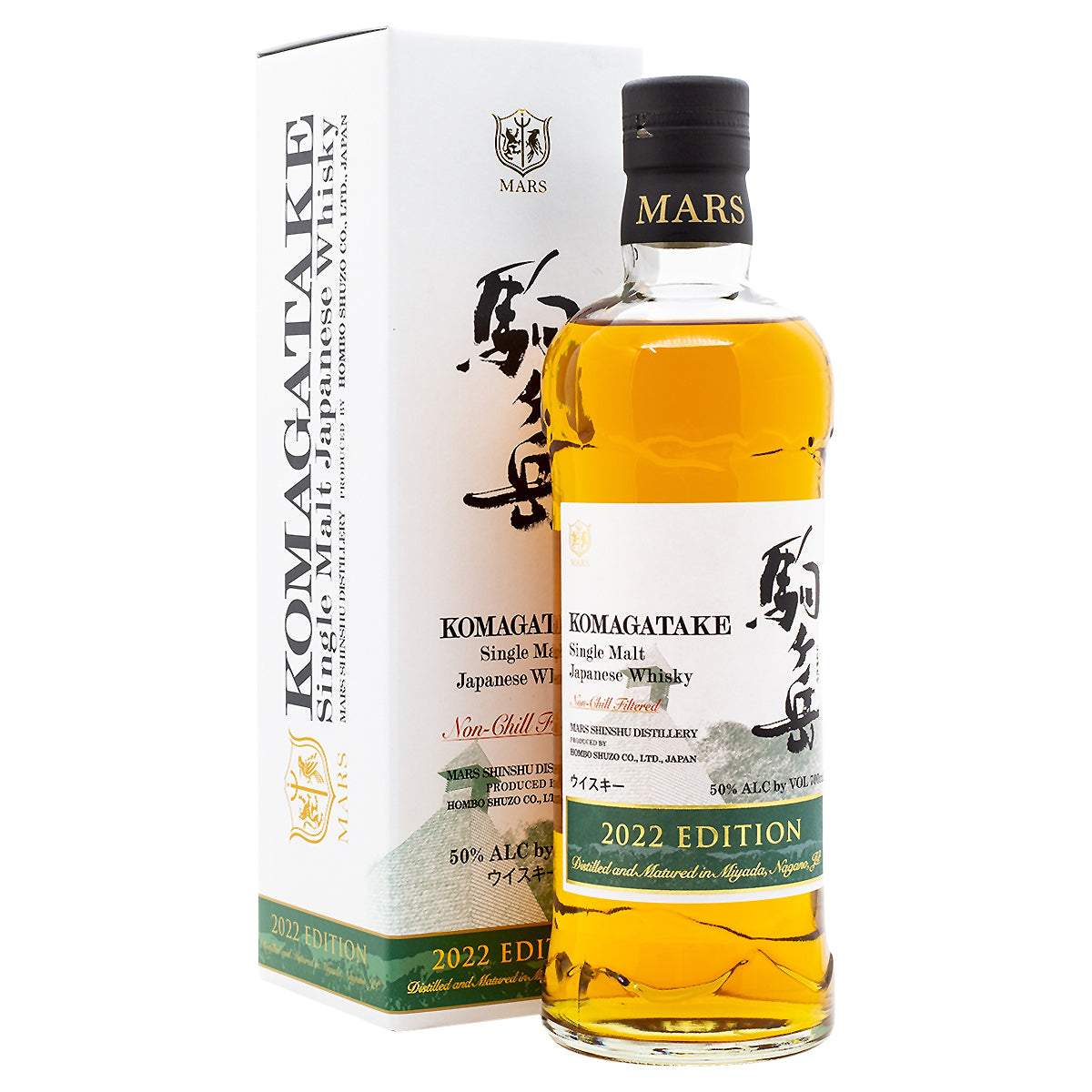
Japanese Whisky: The production chain counts
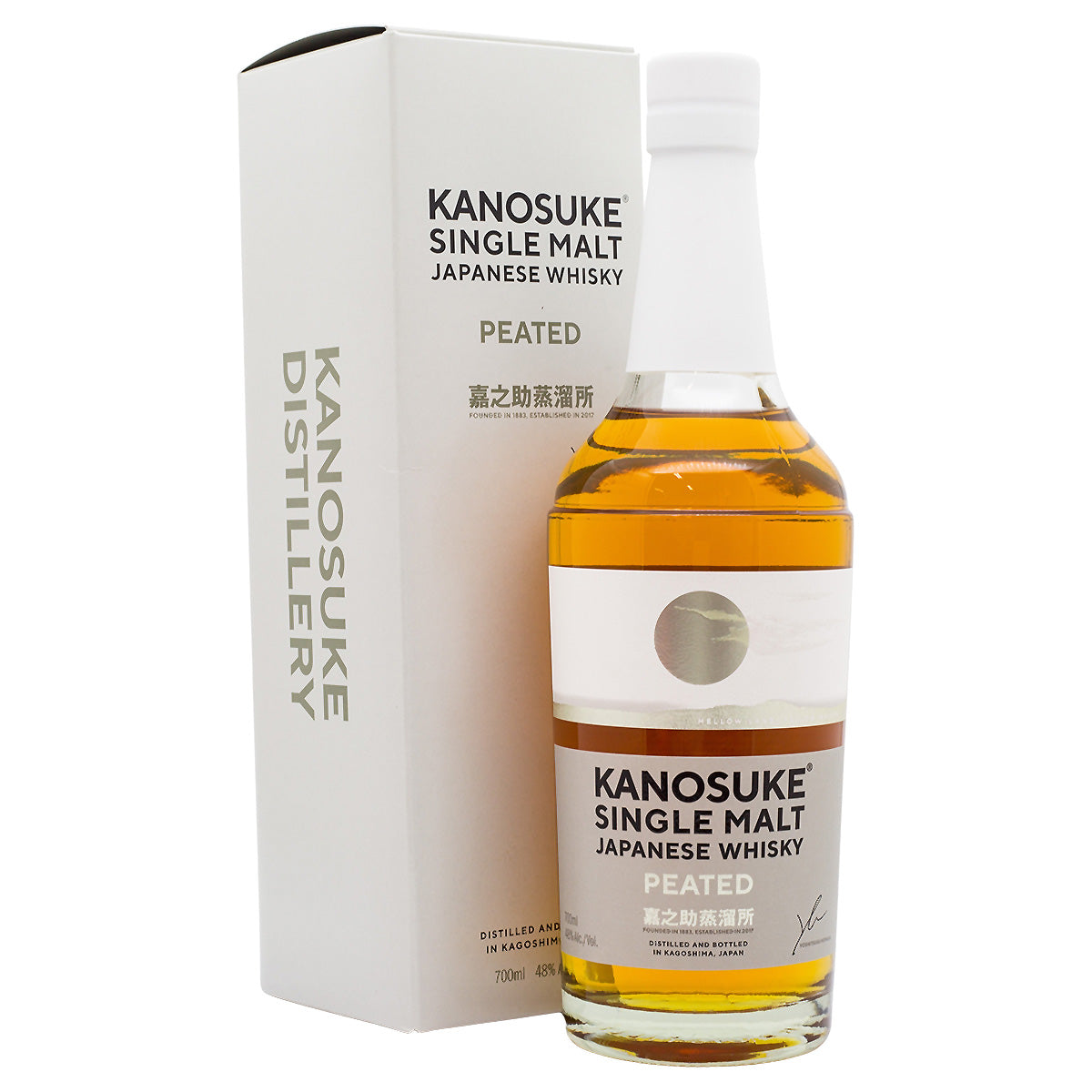
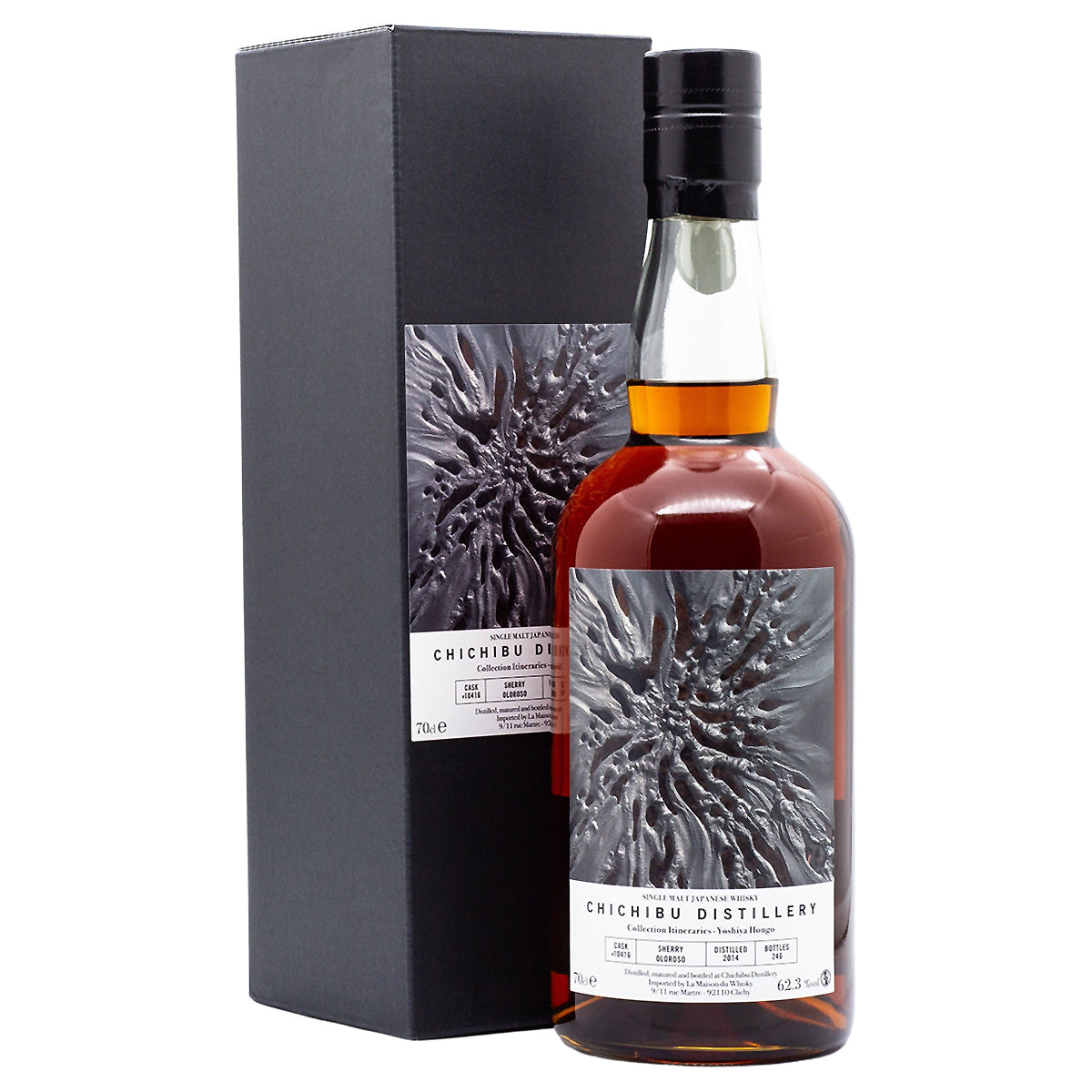
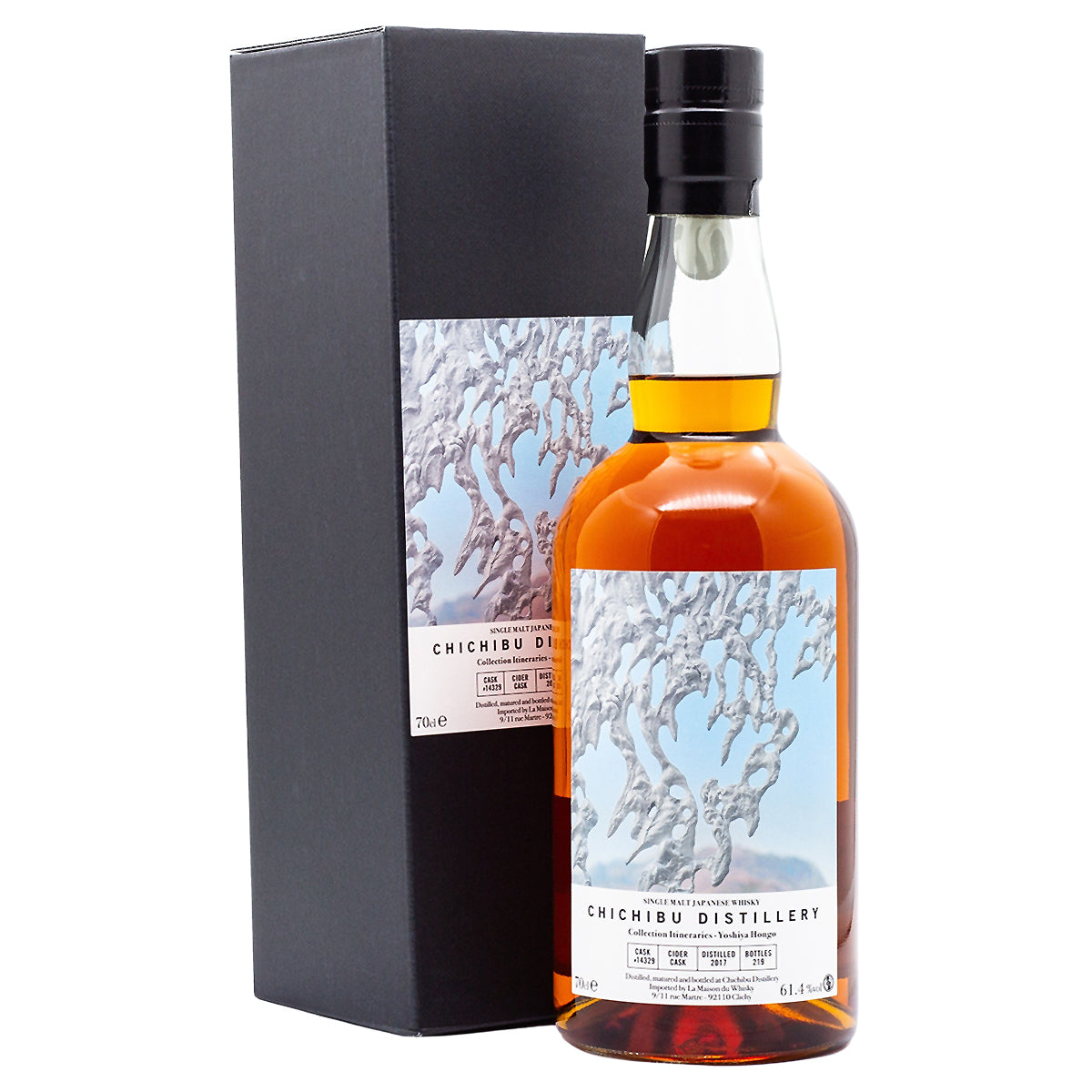
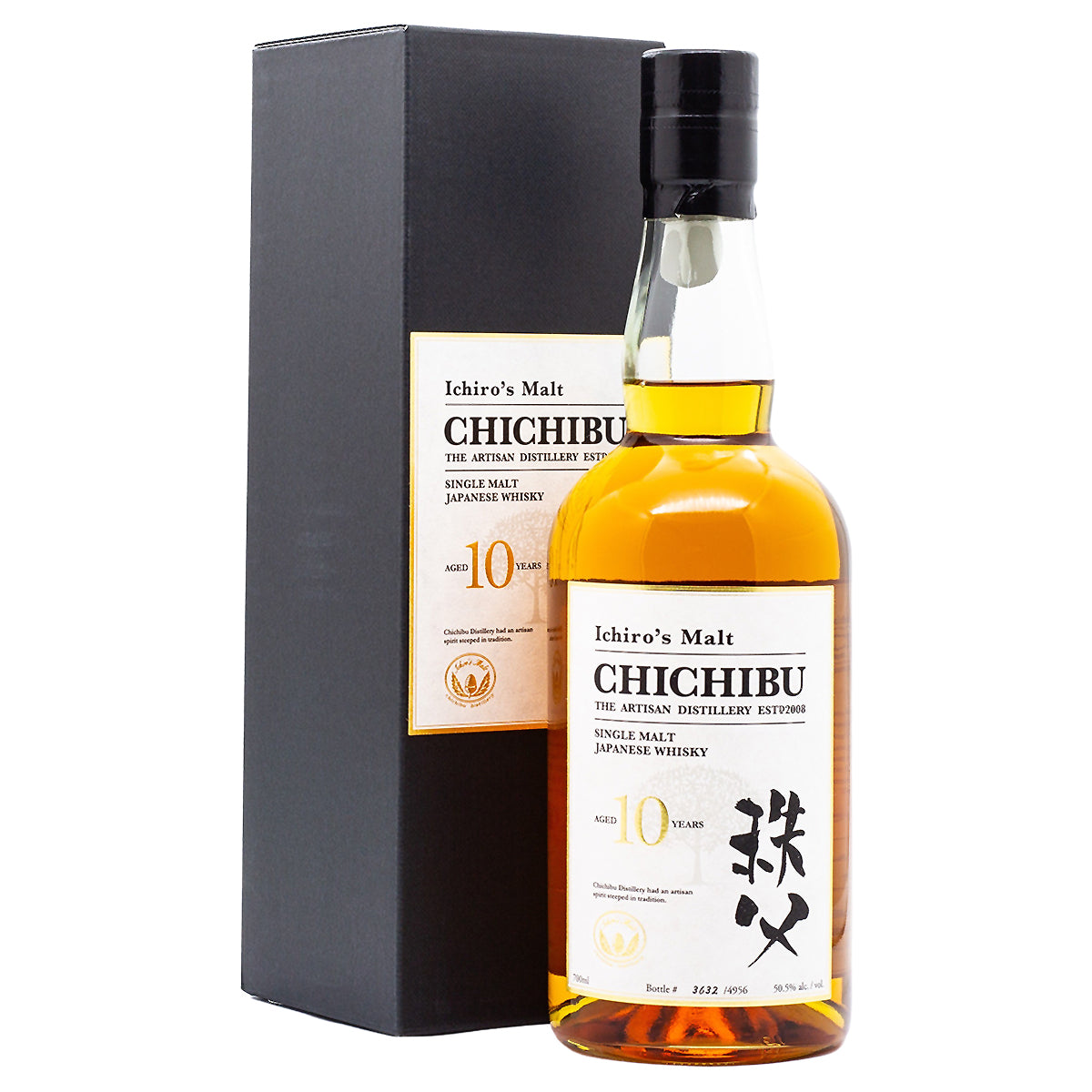
Japanese whisky is not identified by its brand name or bottle design alone. What matters is where the saccharification, fermentation, distillation, maturation, and bottling took place. Neither a Mizunara finish nor the statement "bottled in Japan" proves that the spirit was produced entirely in Japan.
The acronym JSLMA stands for the Japan Spirits & Liqueurs Makers Association. Its standard is voluntary; it is not a state whisky law or a protected geographical indication. For products from member companies, the JW logo can make verification easier. However, its absence does not automatically prove the opposite.
What the JSLMA standard requires
Japanese whisky produced according to the JSLMA standard is saccharified and fermented in a Japanese distillery and distilled at no more than 95% ABV. Japanese water and a proportion of malt are required. The remaining grain, including barley, does not have to be grown in Japan.
The whisky must mature in Japan for at least three years. The wooden cask may hold no more than 700 litres. Bottling also takes place in Japan, and the whisky must have at least 40% ABV. These requirements regulate the origin and production, not a uniform taste.
Japanese Whisky or World Whisky
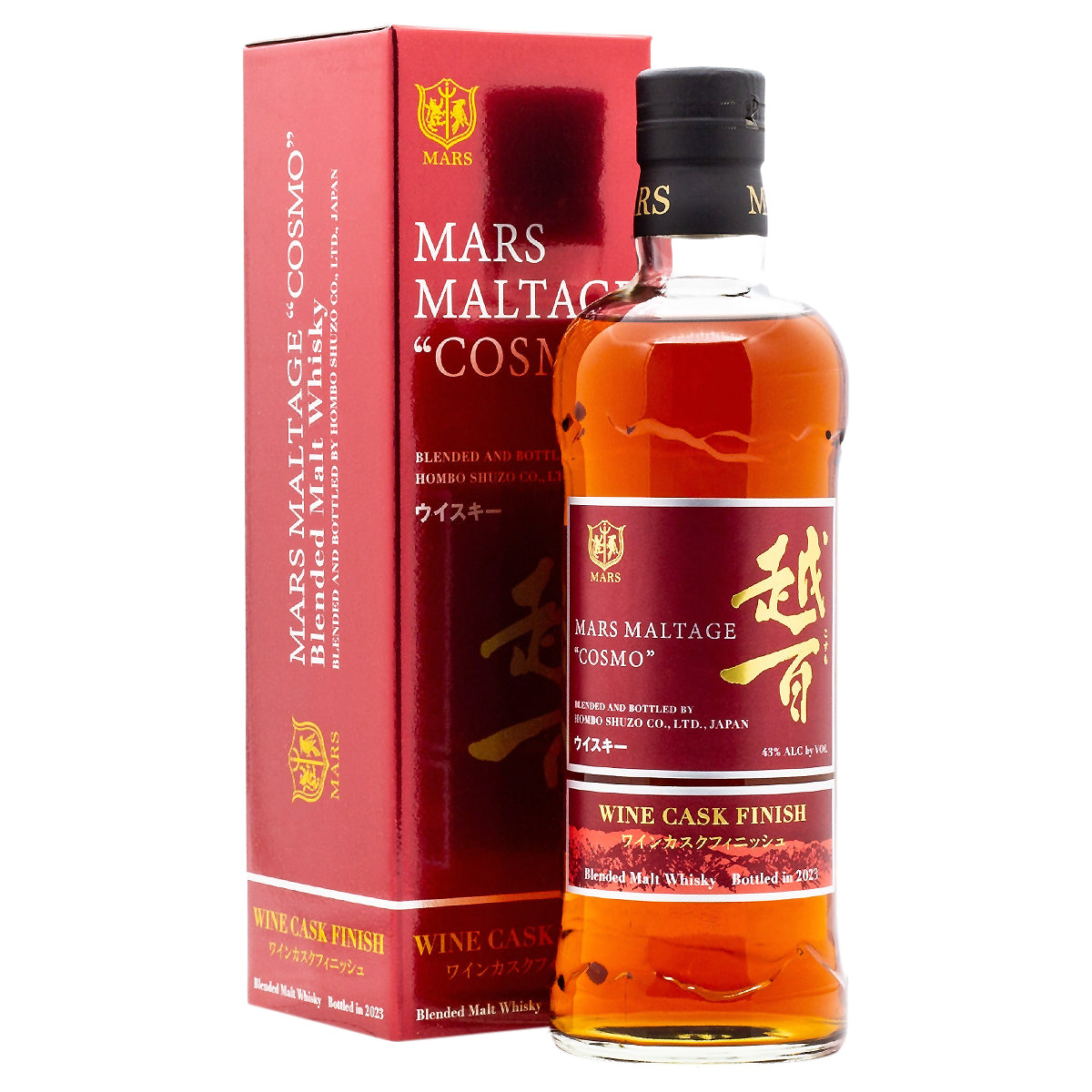
Terms such as World Malt or World Blend indicate a different origin composition. Such whiskies can combine Japanese and imported components and then be blended, finished, or bottled in Japan. This is not a downgrade in quality, but it does not automatically meet the complete production chain required by the JSLMA standard.
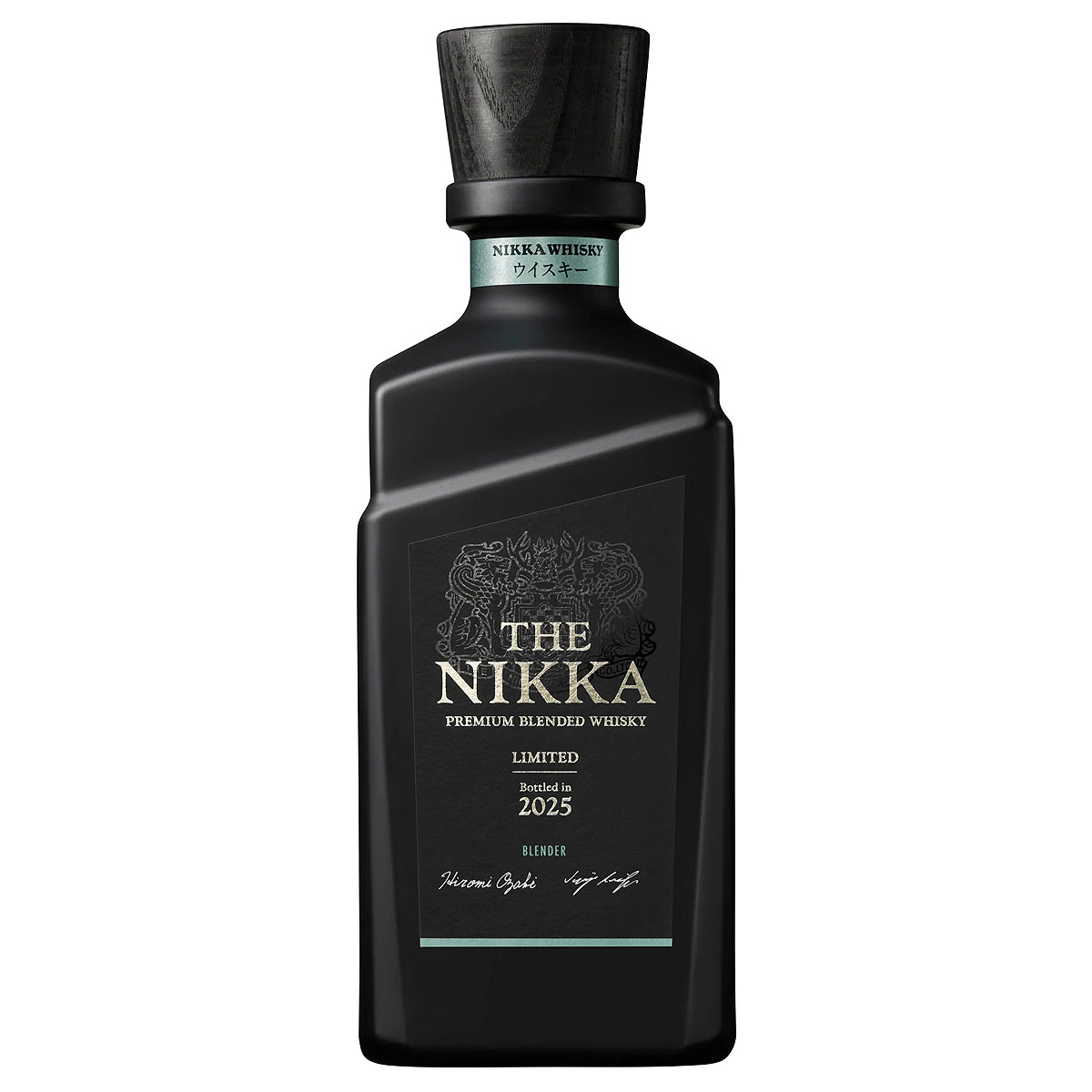
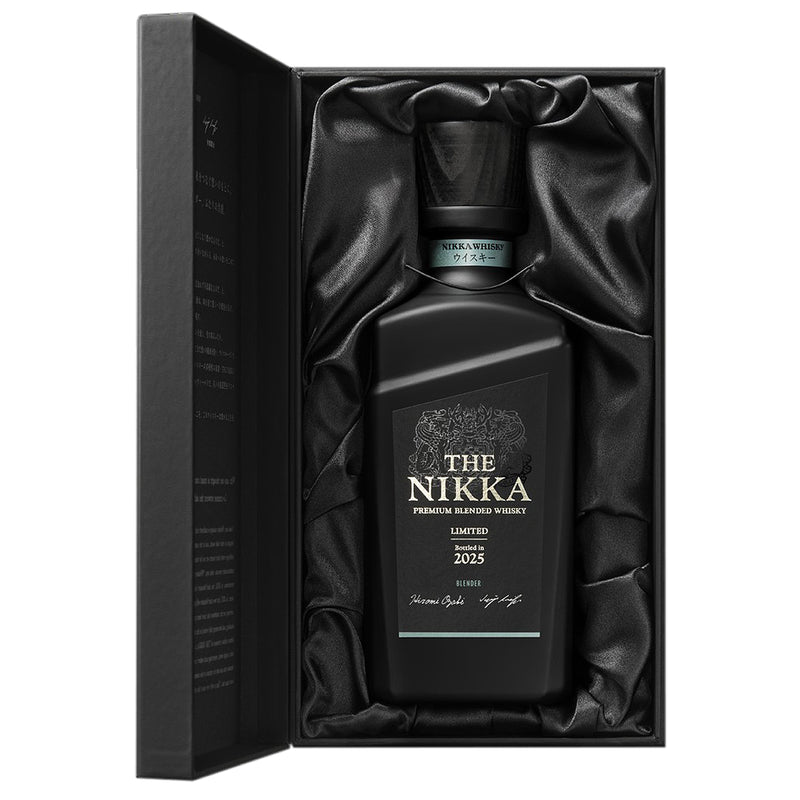
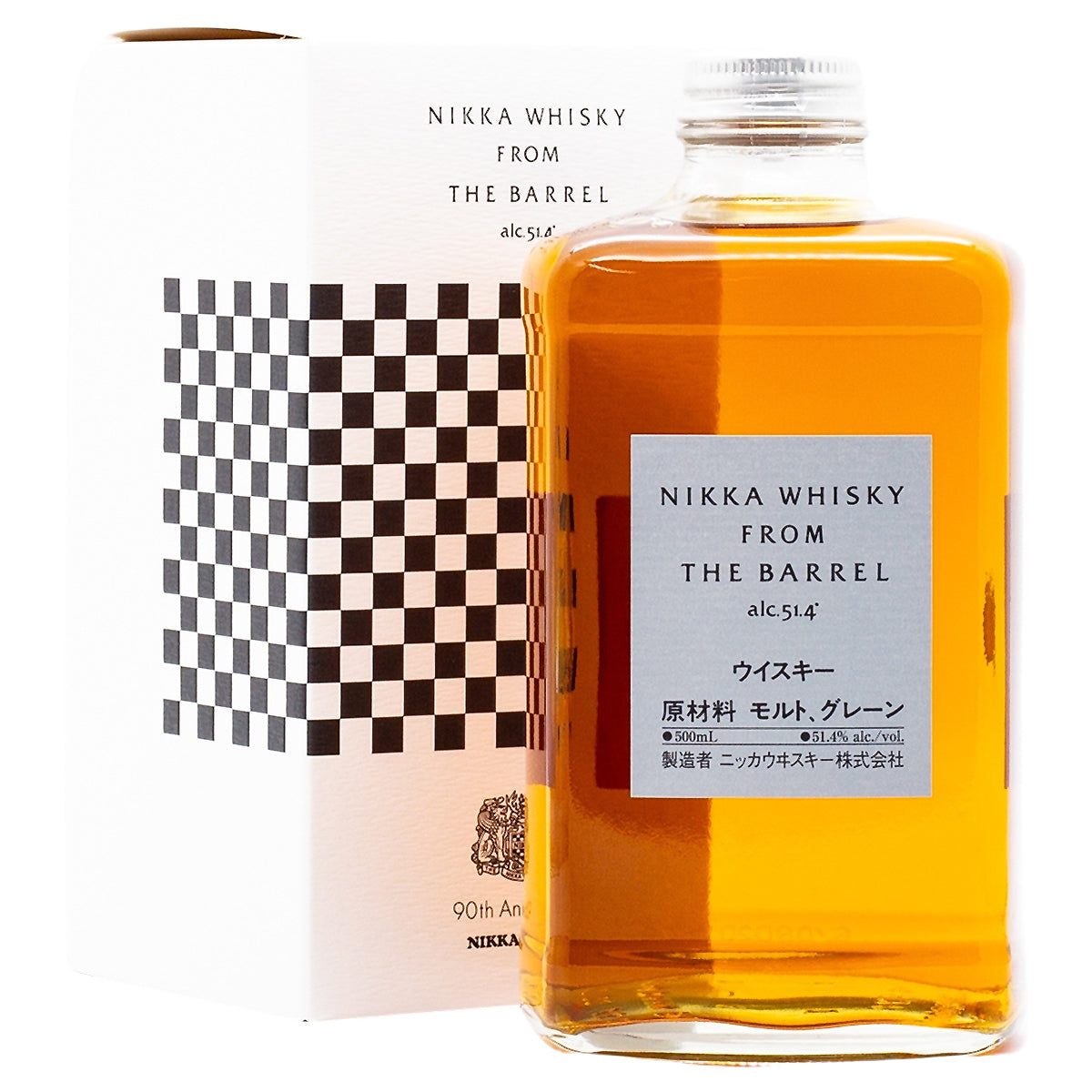
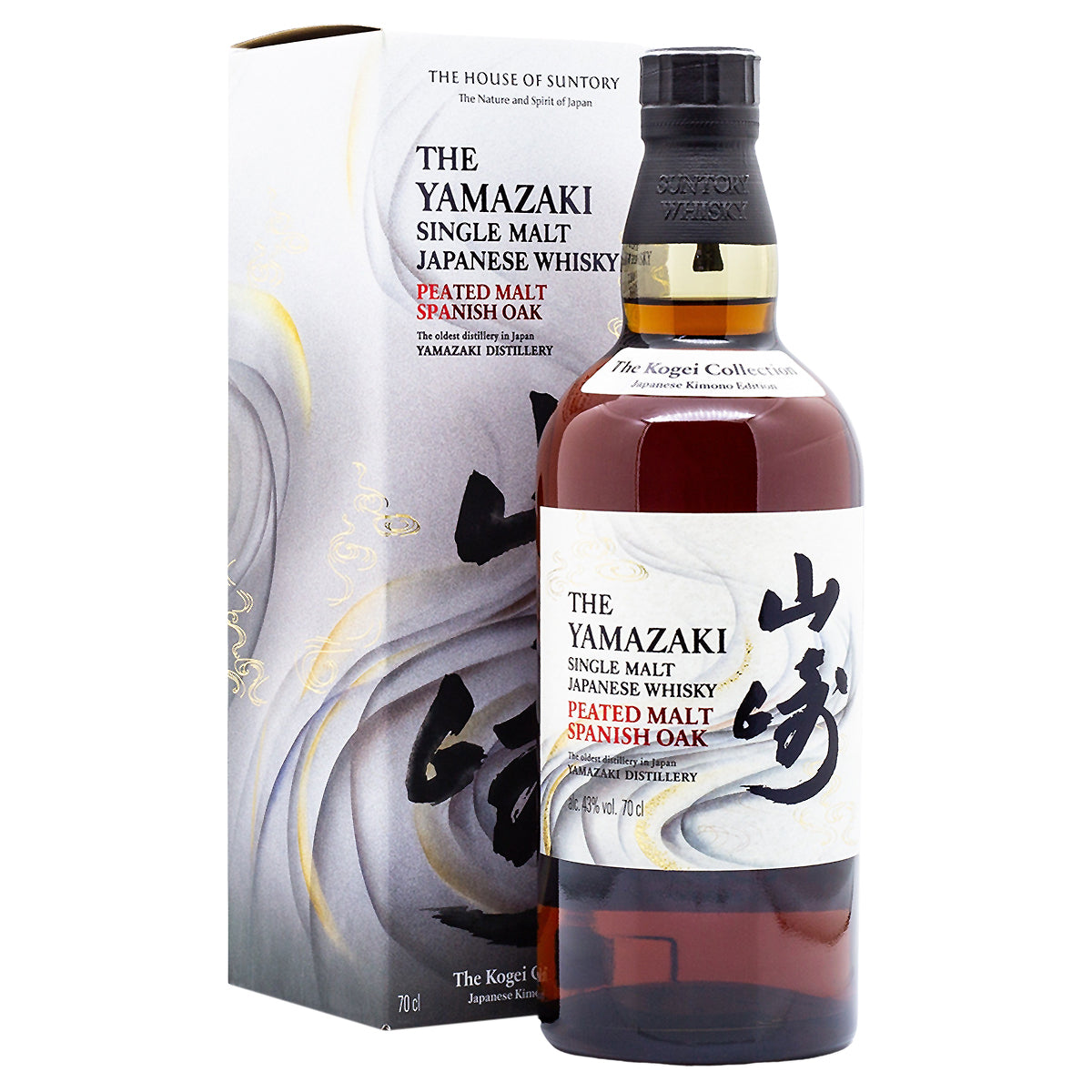
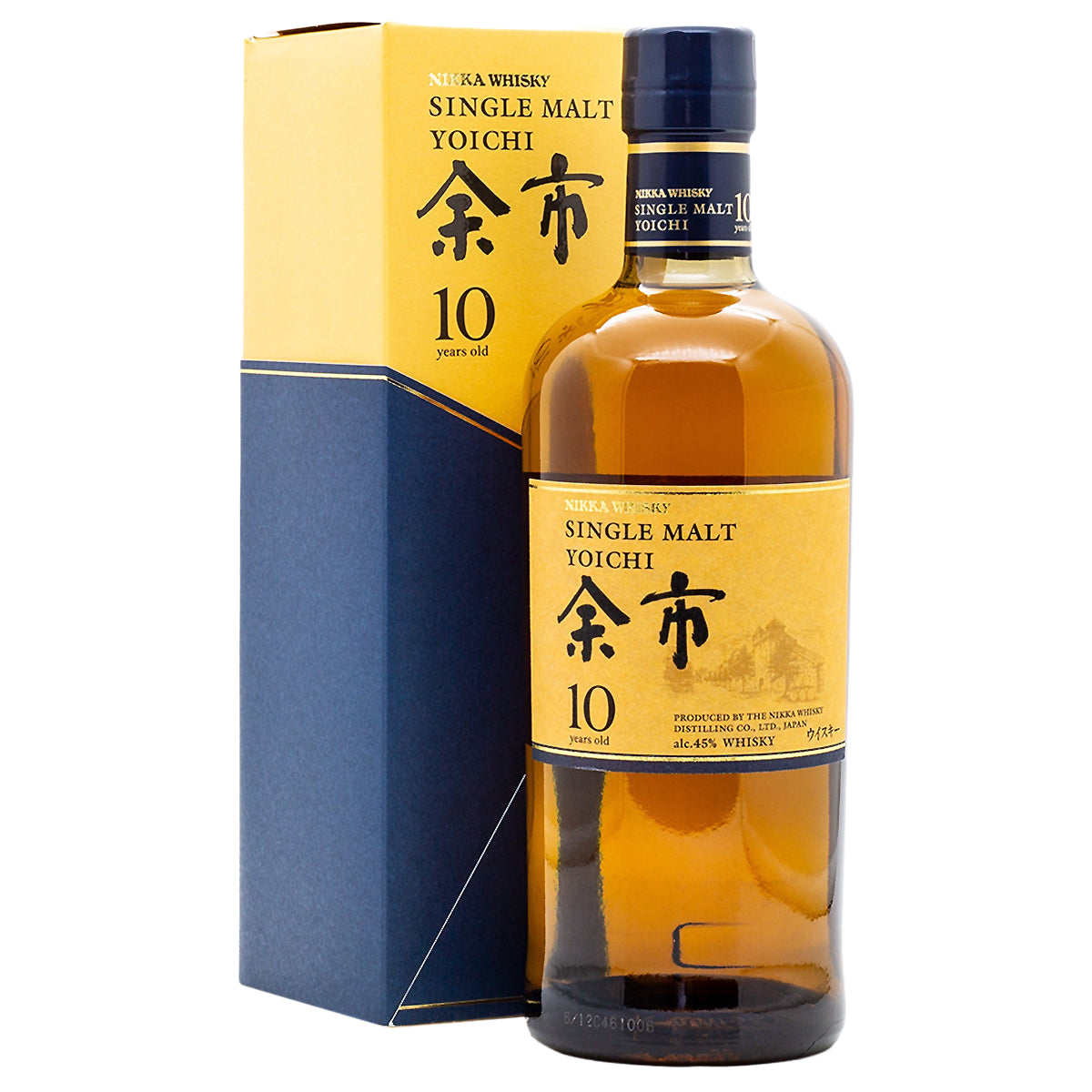
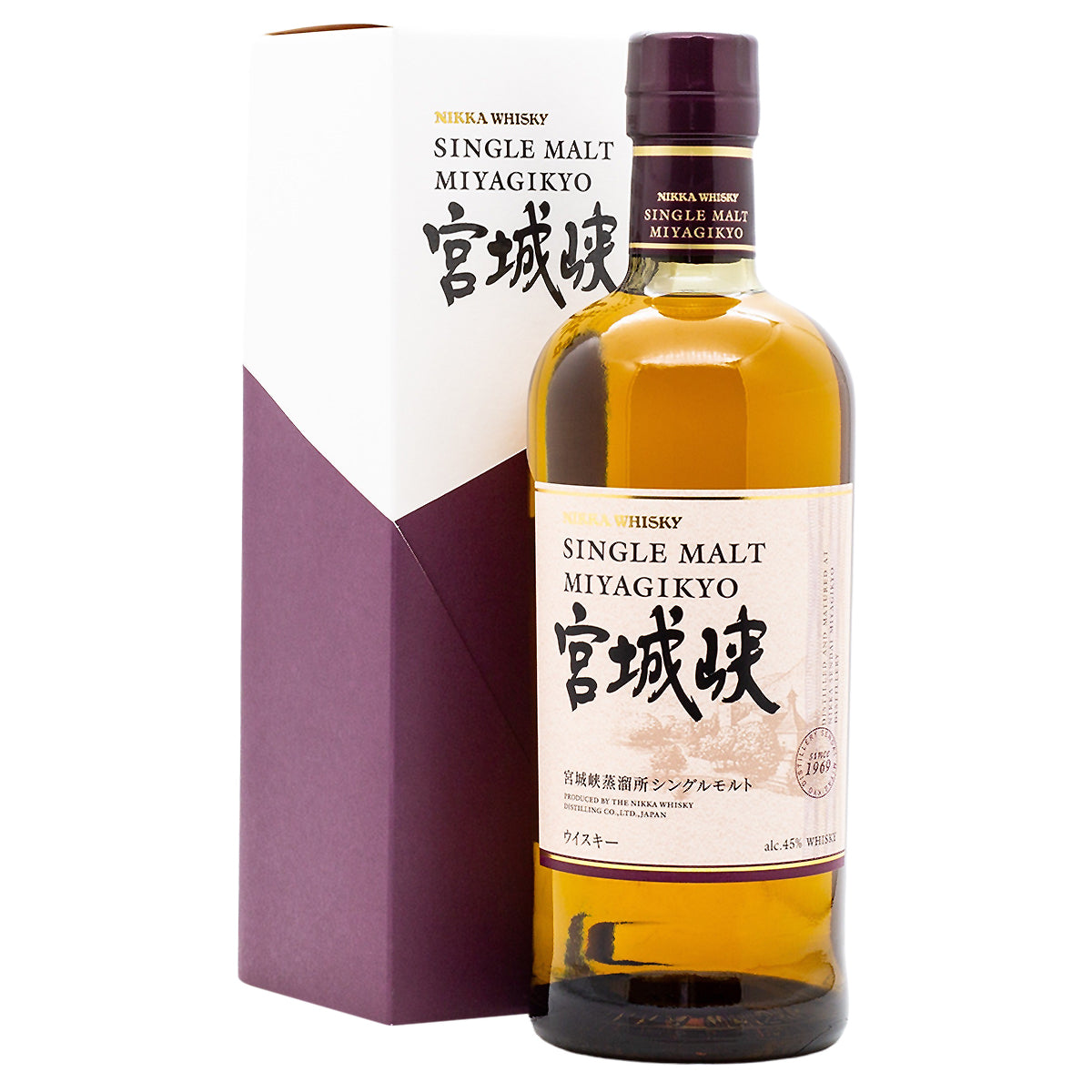
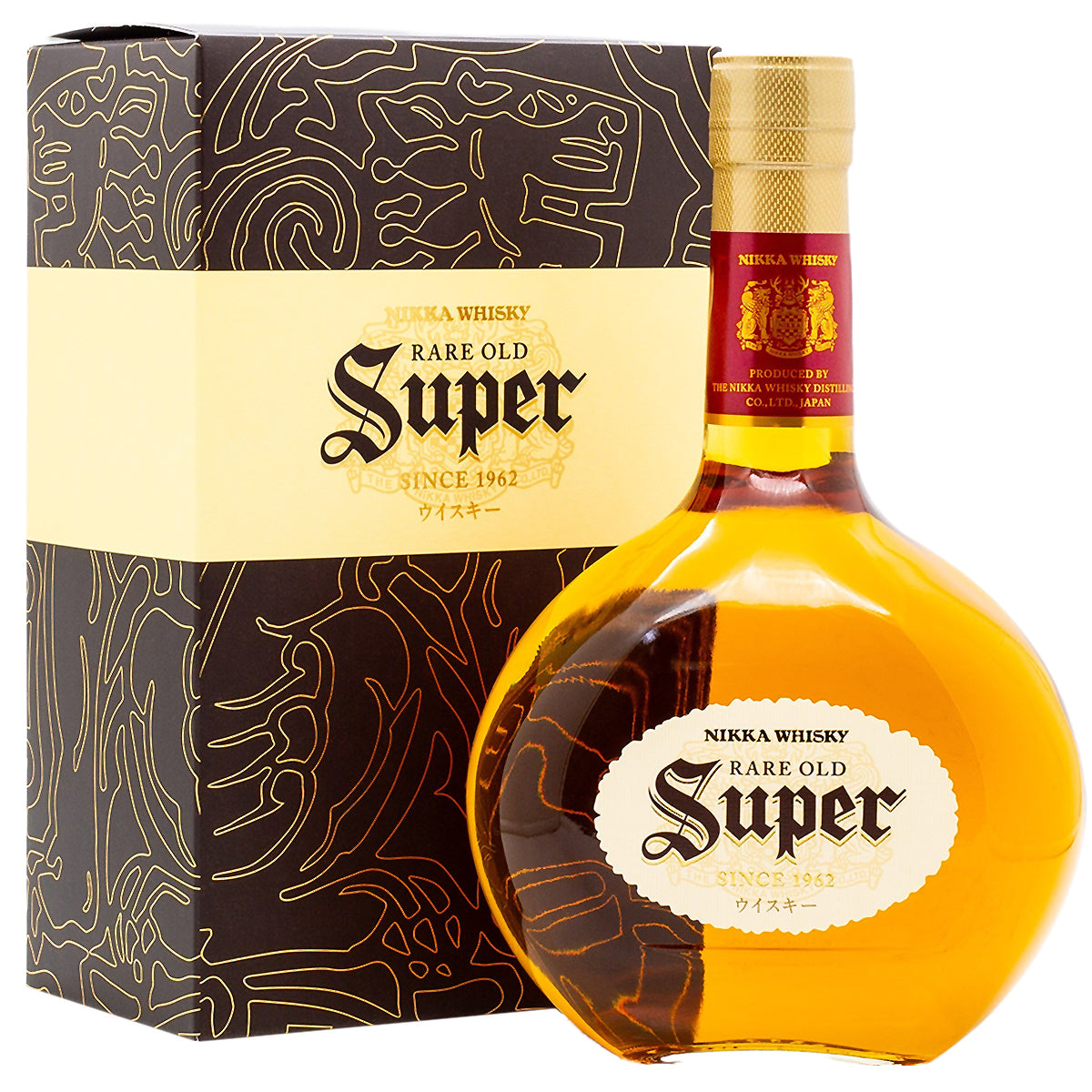
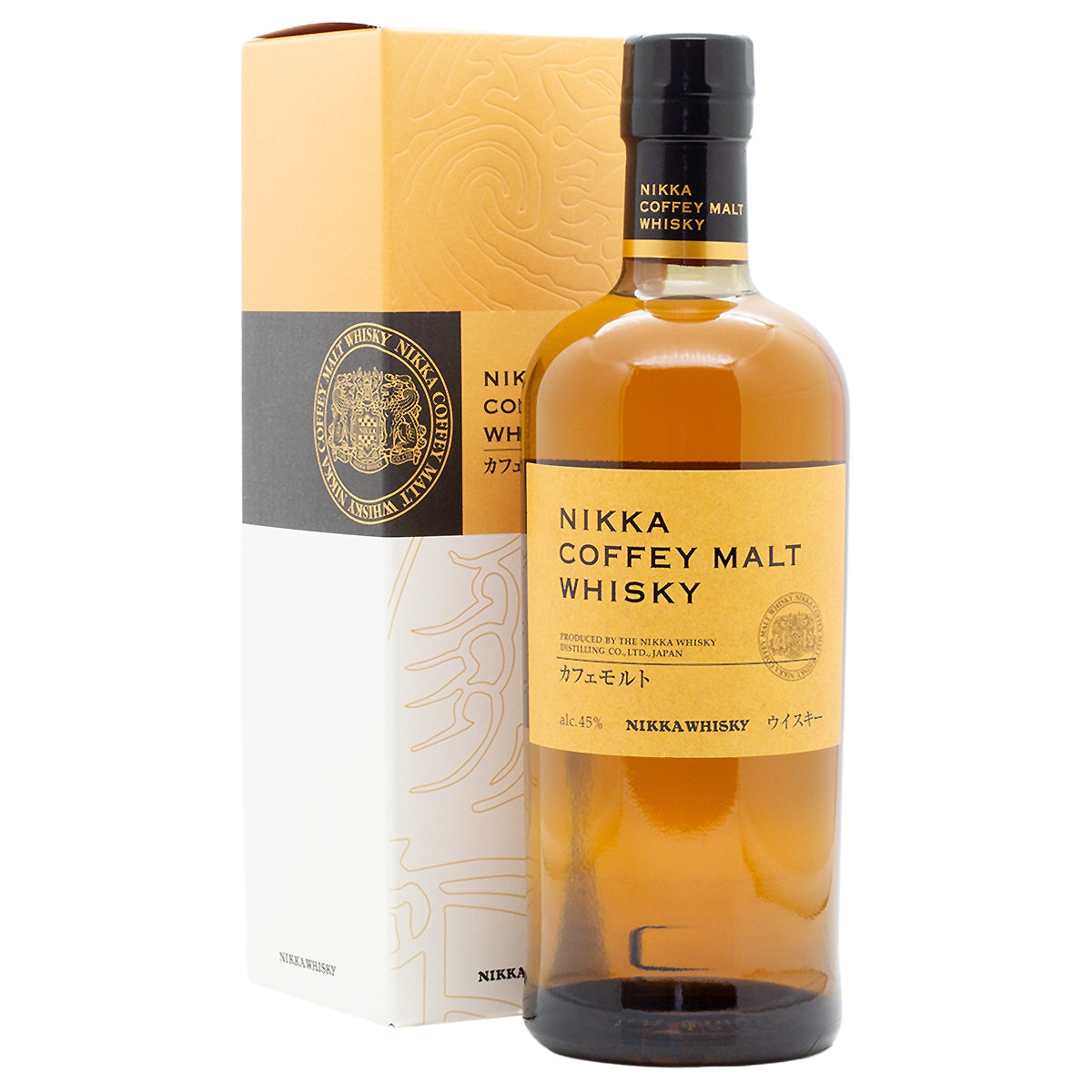
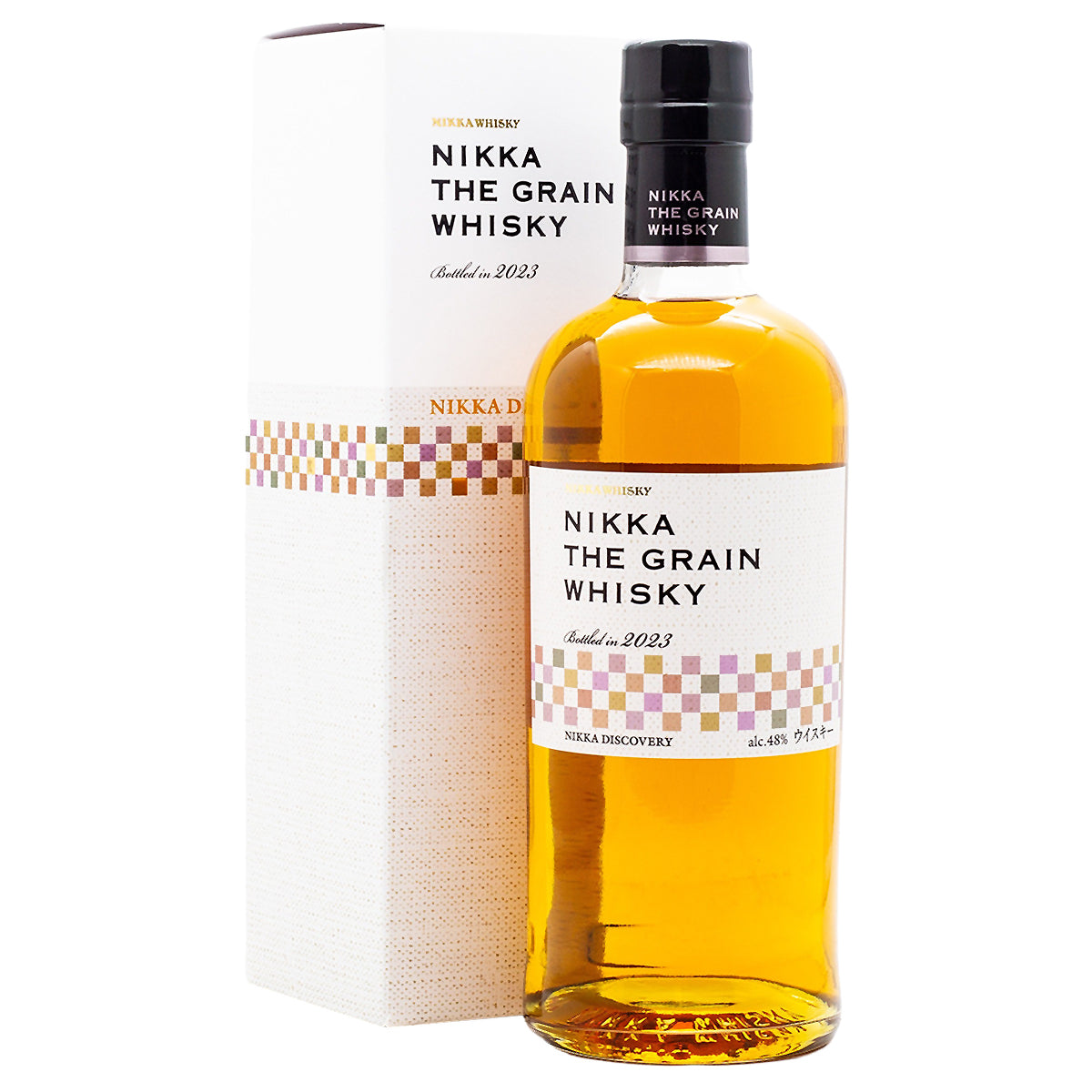
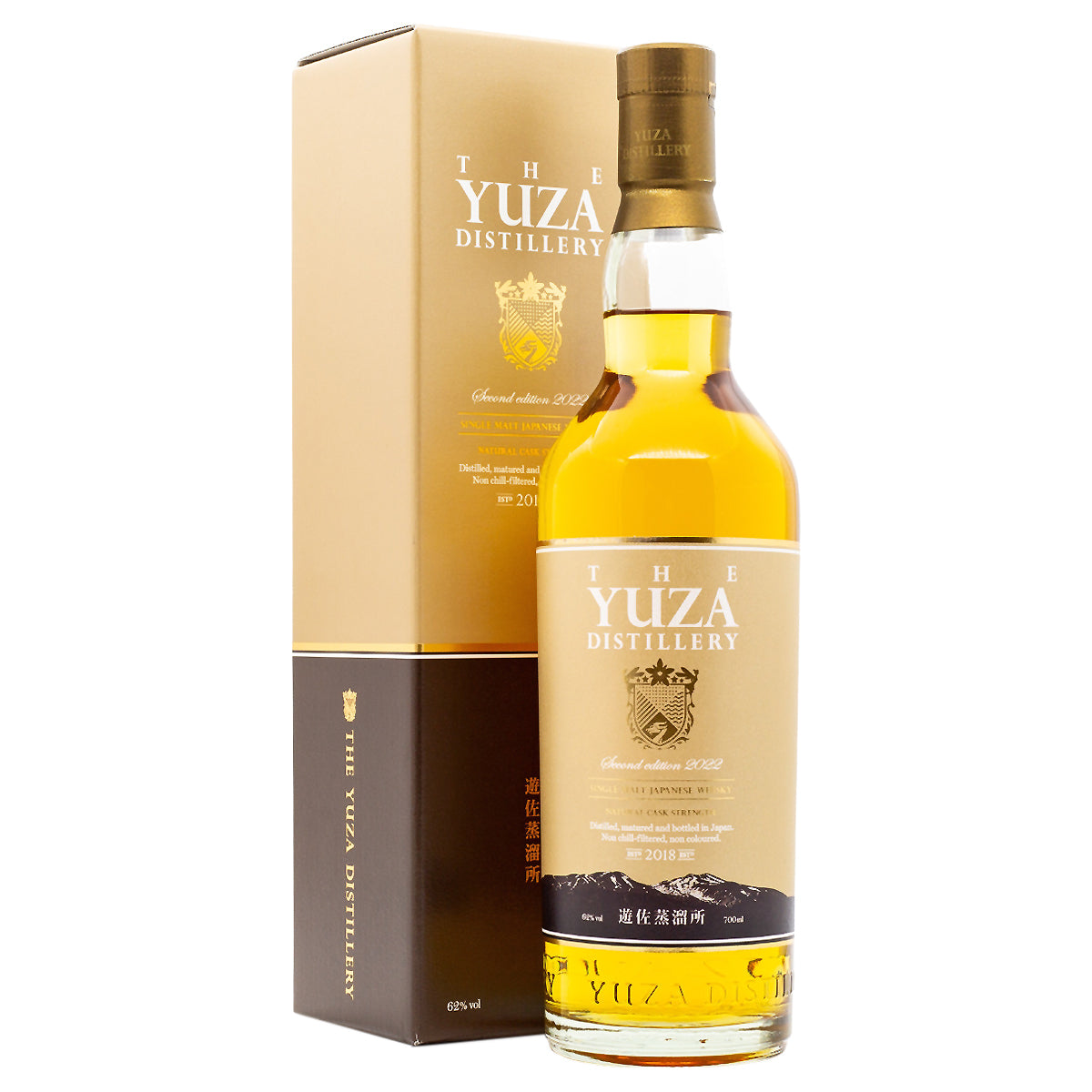
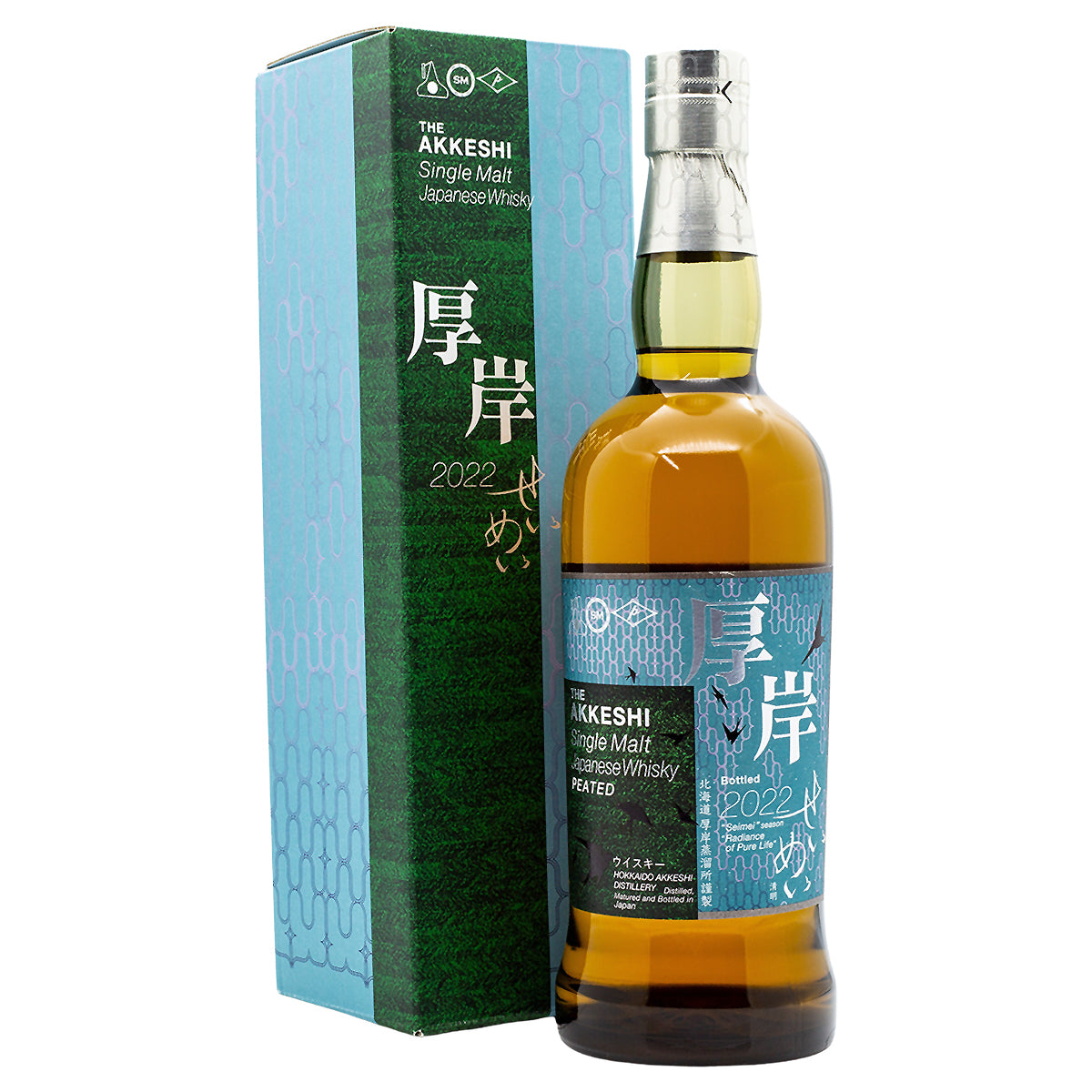
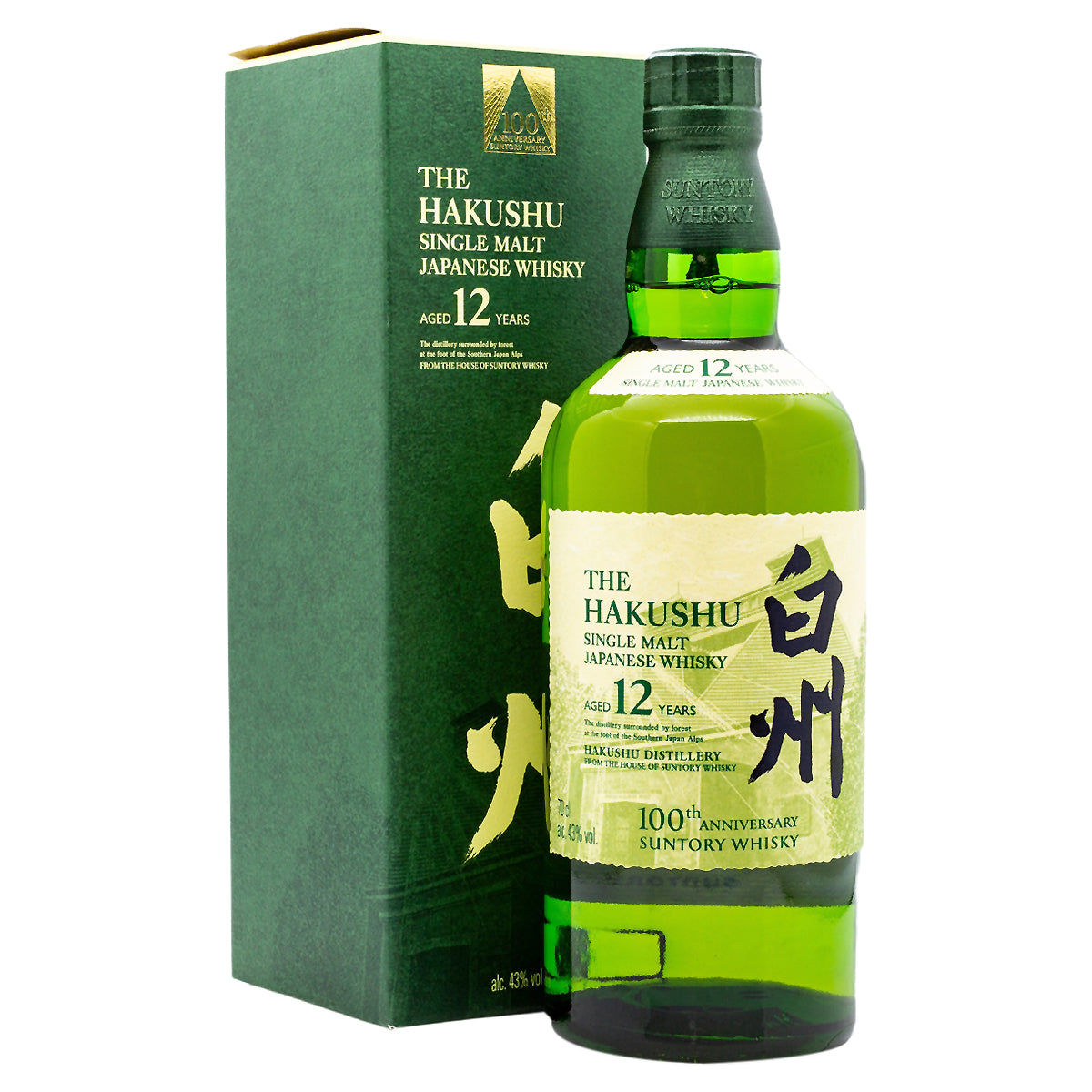
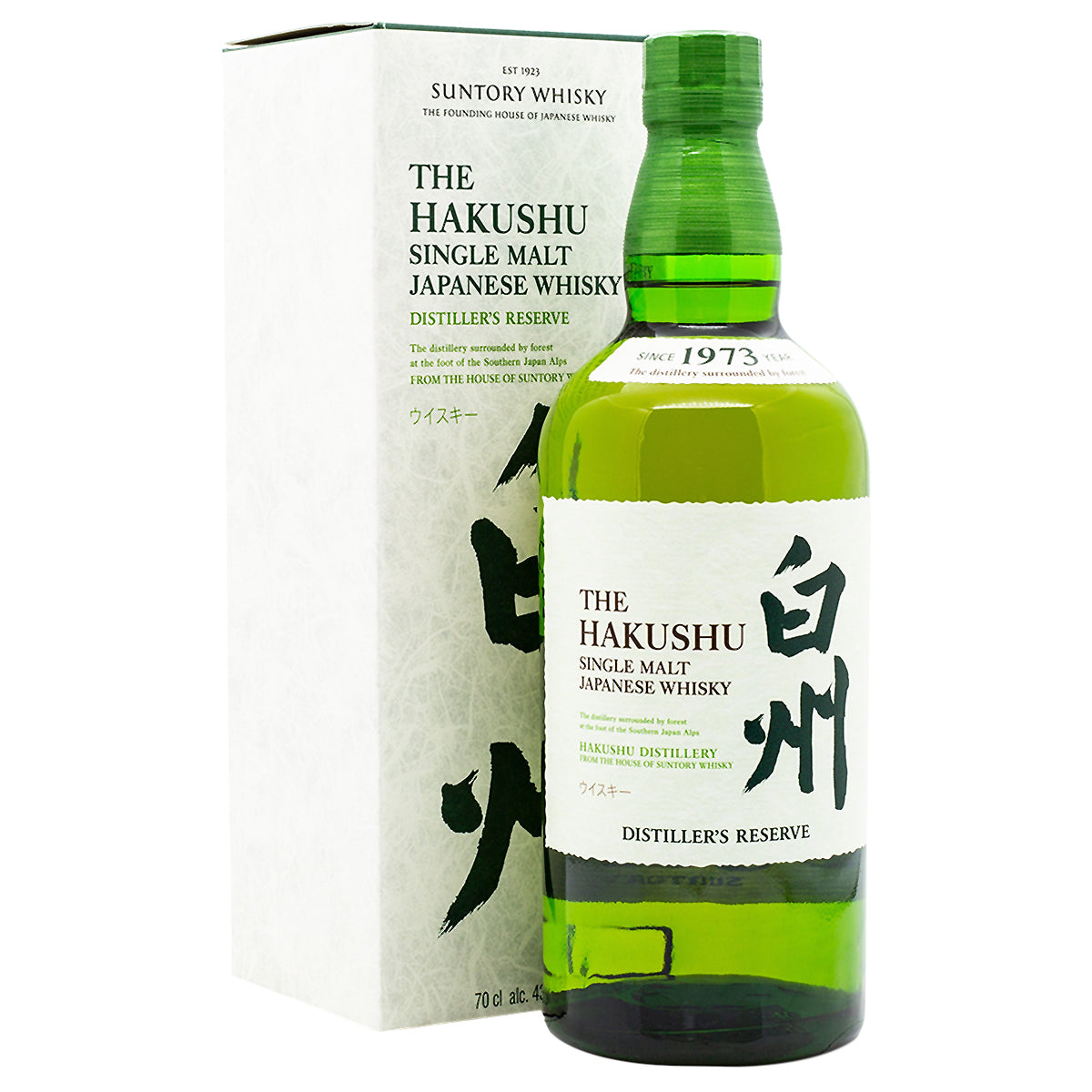
House of Suntory shows that Japanese whisky includes several types of products. Yamazaki stands for Single Malt from the Yamazaki Distillery, while Hibiki is a Blended Japanese Whisky. With Nikka it becomes clear why each product must be read individually: Yoichi and Miyagikyo are Japanese Single Malts, while the manufacturer expressly indicates on other bottlings that they do not meet all the criteria for Japanese whisky.
Therefore, first check the exact designation and then the information about the distillery, maturation, and bottling. A Japanese producer can offer both Japanese whisky and internationally blended whiskies.
Frequently asked questions about Japanese whisky
What is considered Japanese whisky according to the JSLMA?
Production up to and including distillation must take place in a Japanese distillery. This is followed by at least three years of maturation and bottling in Japan. Japanese water and malt are required.
Is Japanese whisky legally protected in Japan?
The JSLMA standard is a voluntary industry standard and not a generally binding state whisky law. It is therefore not equivalent to a statutory codification or geographical protection rule.
What distinguishes Japanese whisky from World Malt or World Blend?
Japanese whisky meets the complete Japanese production chain required by the JSLMA standard. World Malt and World Blend can combine whisky components from several countries.
Is whisky bottled in Japan automatically Japanese whisky?
No. Bottling in Japan says nothing about where all the components were distilled and matured.
Must Japanese whisky be made from Japanese barley?
No. The JSLMA standard requires Japanese water and a proportion of malt, but does not specify that the barley or other grains must be grown in Japan.