

Islands Whisky: Whisky from various Scottish islands
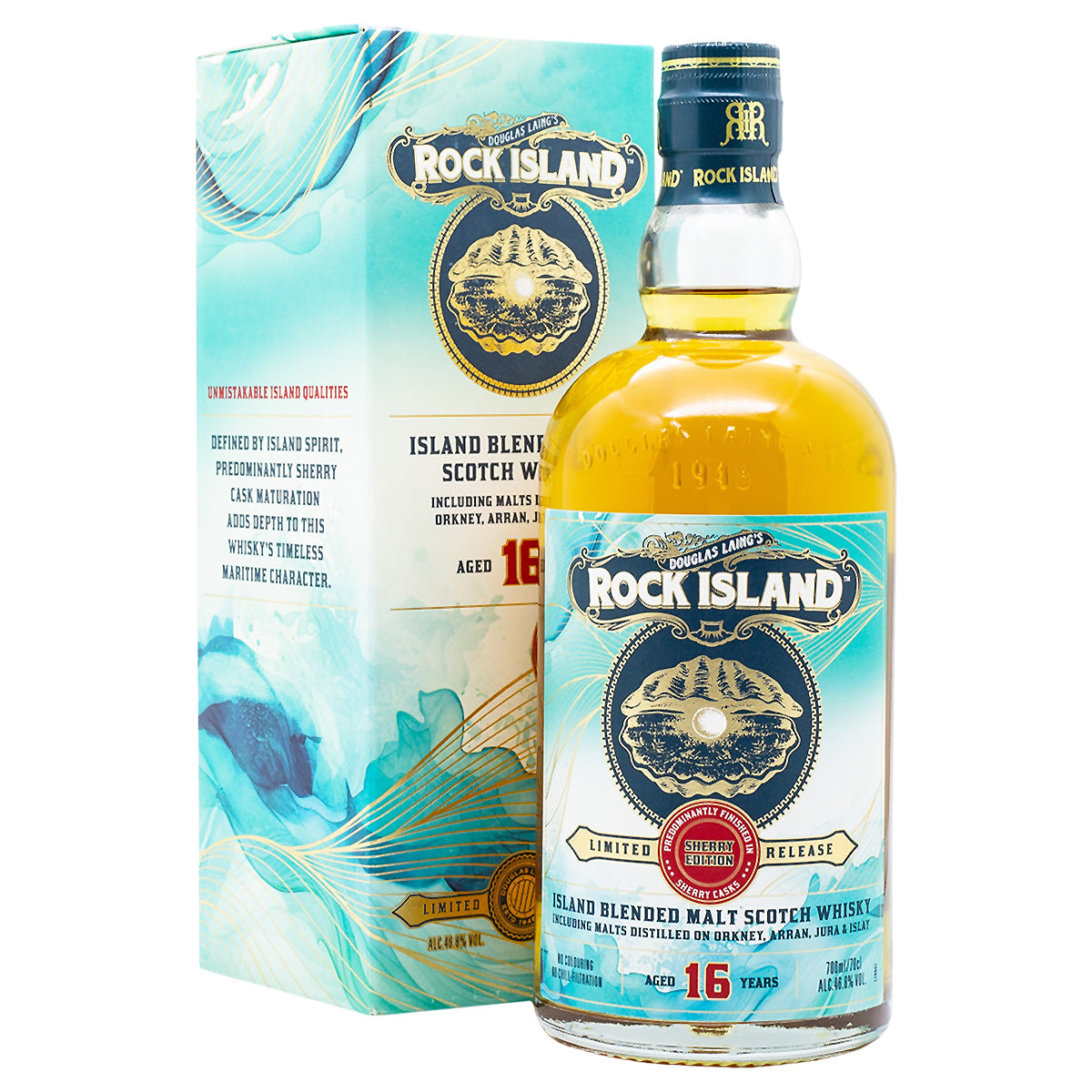
At CaptainScotch, Islands Whisky groups together Scotch from Scottish islands other than Islay. The term makes navigation easier, but it is not a protected Scotch region. Therefore, Islands Single Malt Scotch Whisky cannot simply appear on a label as the regional origin.
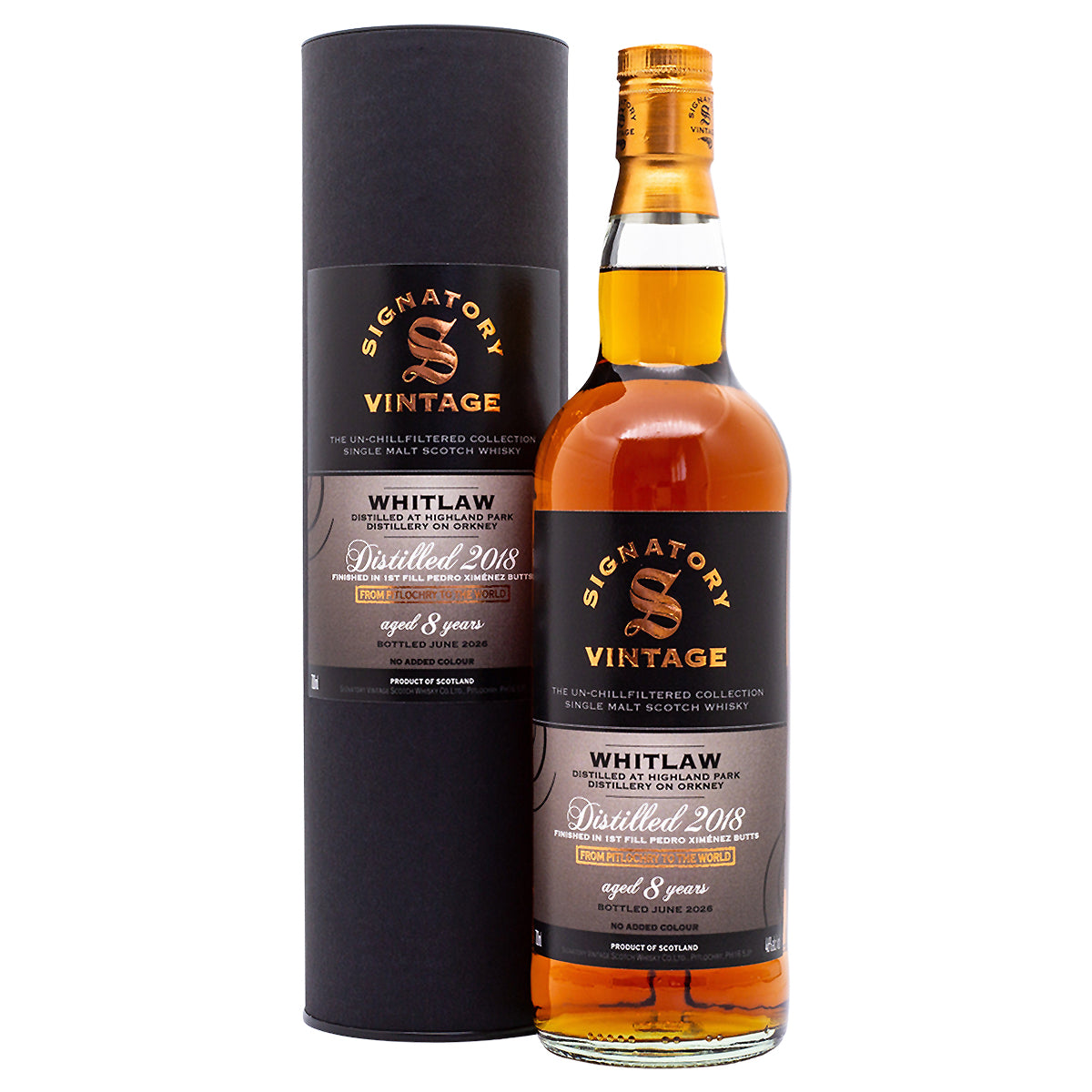
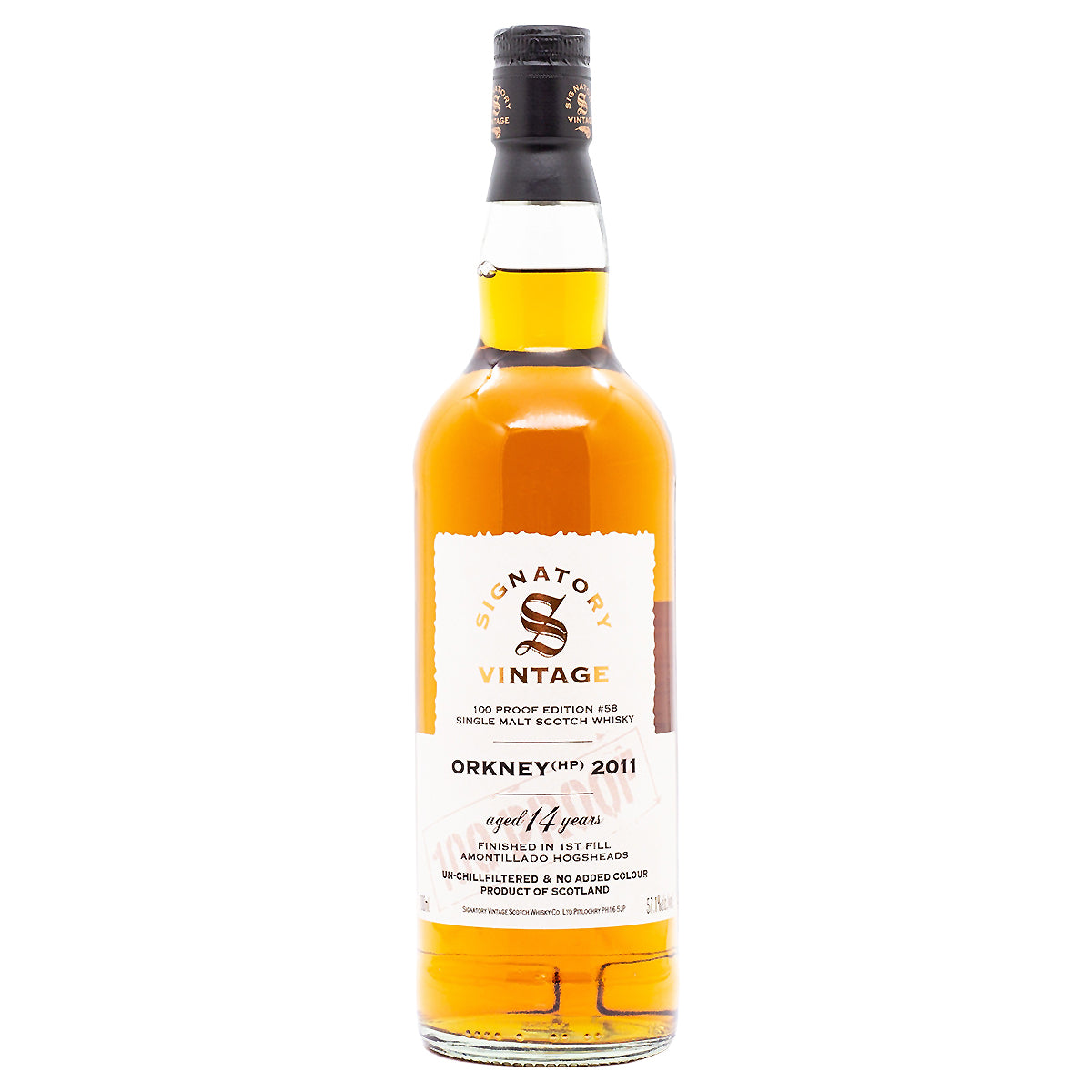
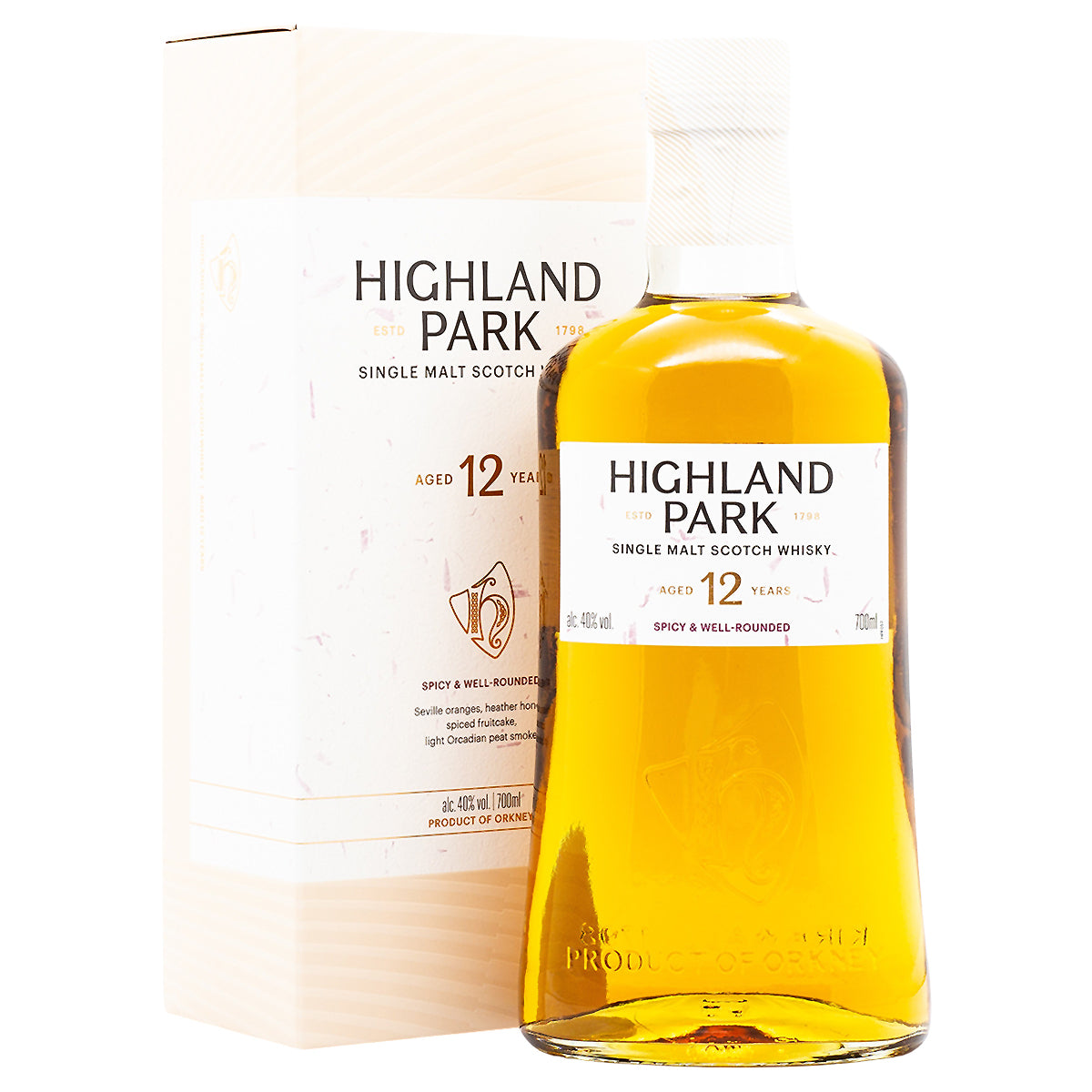
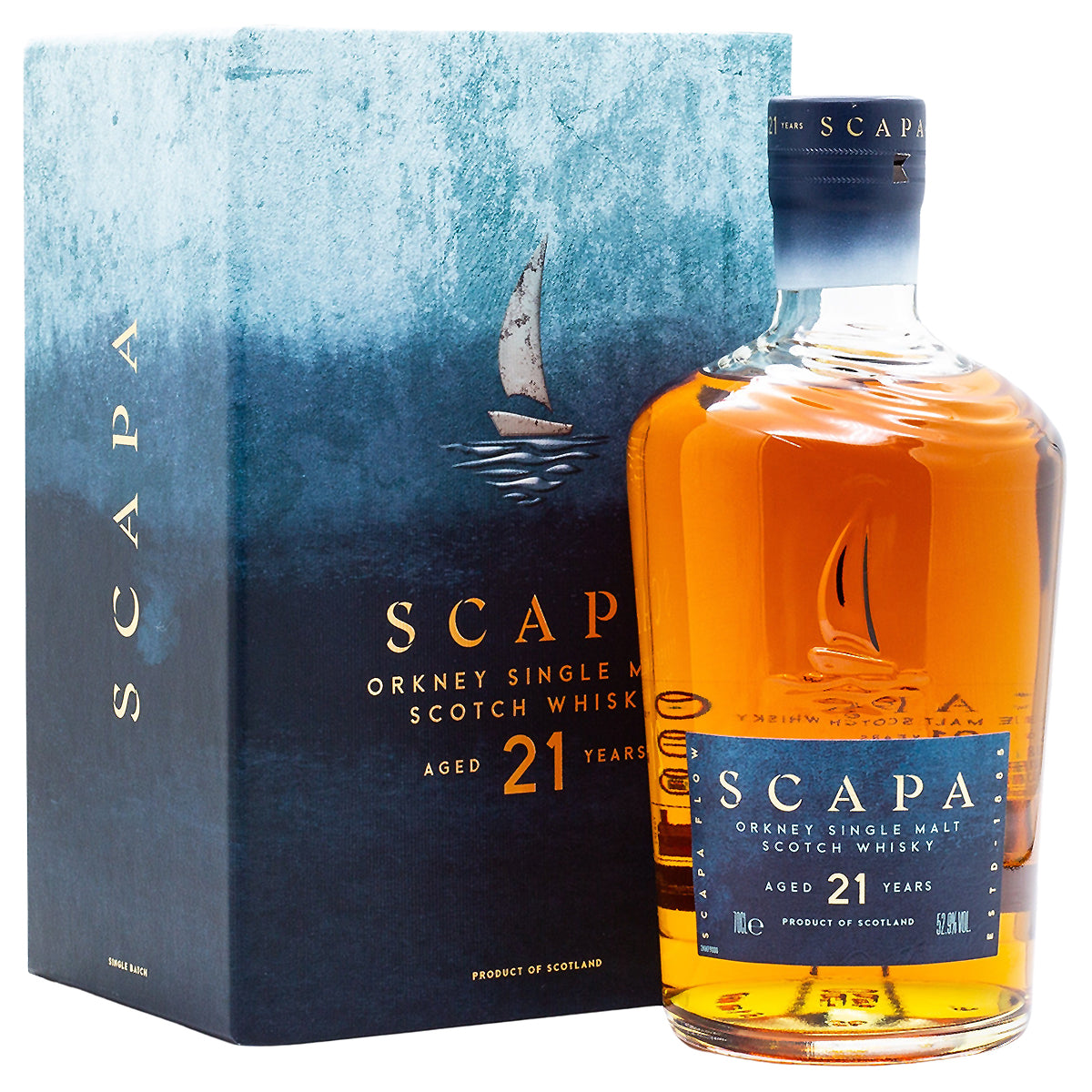
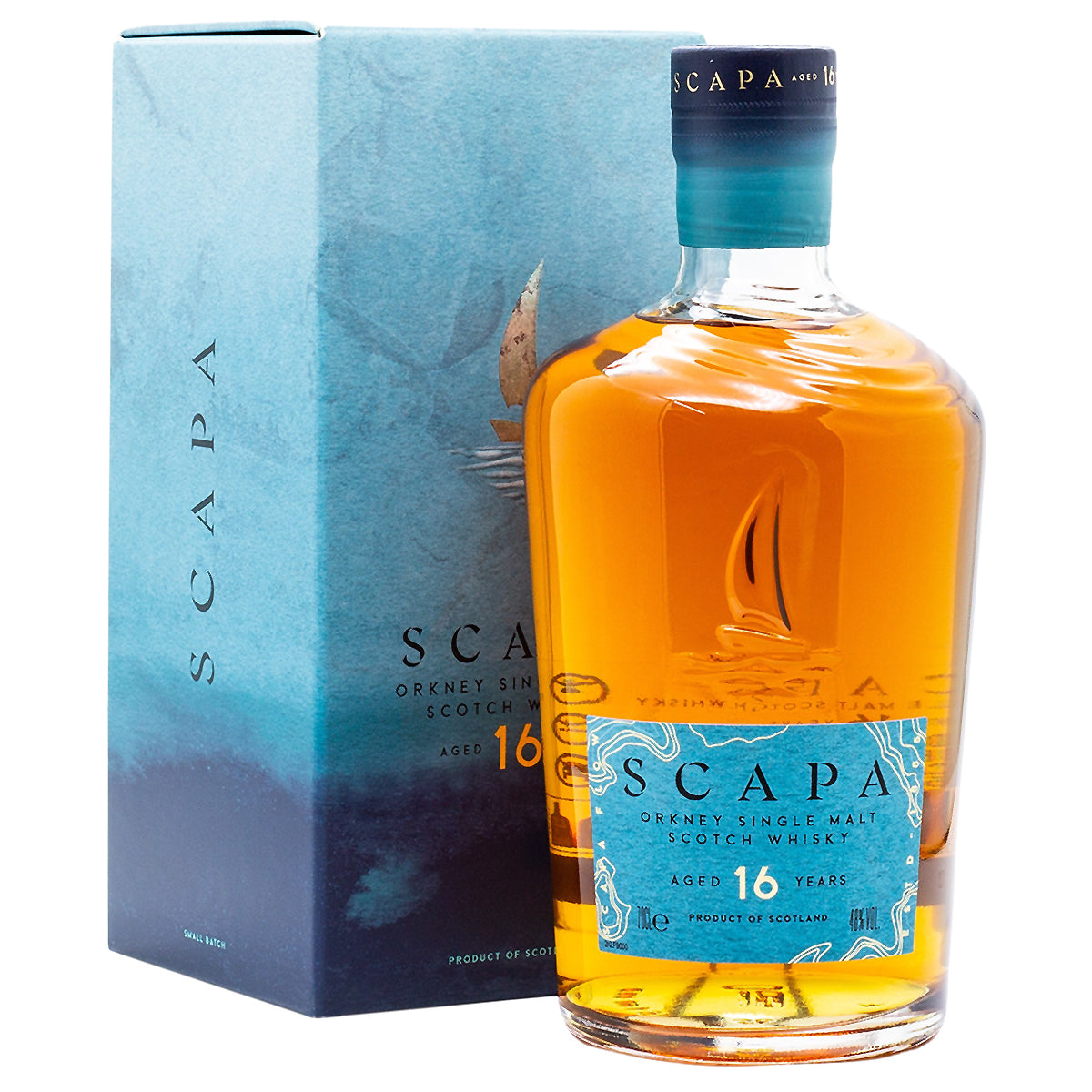
Individual island names may appear on the label along with the exact type of whisky if the whisky contained was distilled entirely there. For example, a whisky from Orkney can be called Orkney Single Malt Scotch Whisky. Legally, many of these island distilleries are located in the protected Highland region.
Which Scottish whisky islands are included
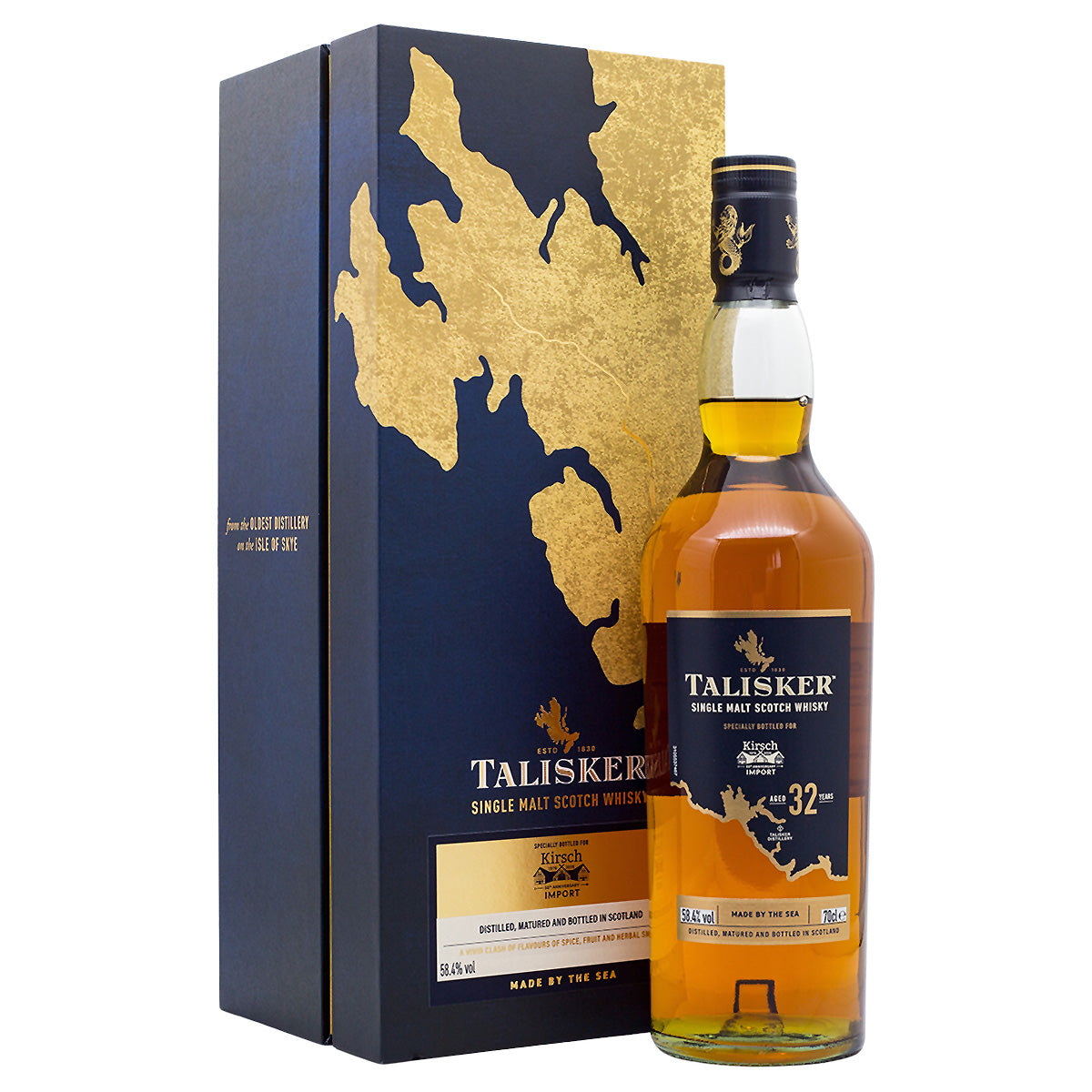
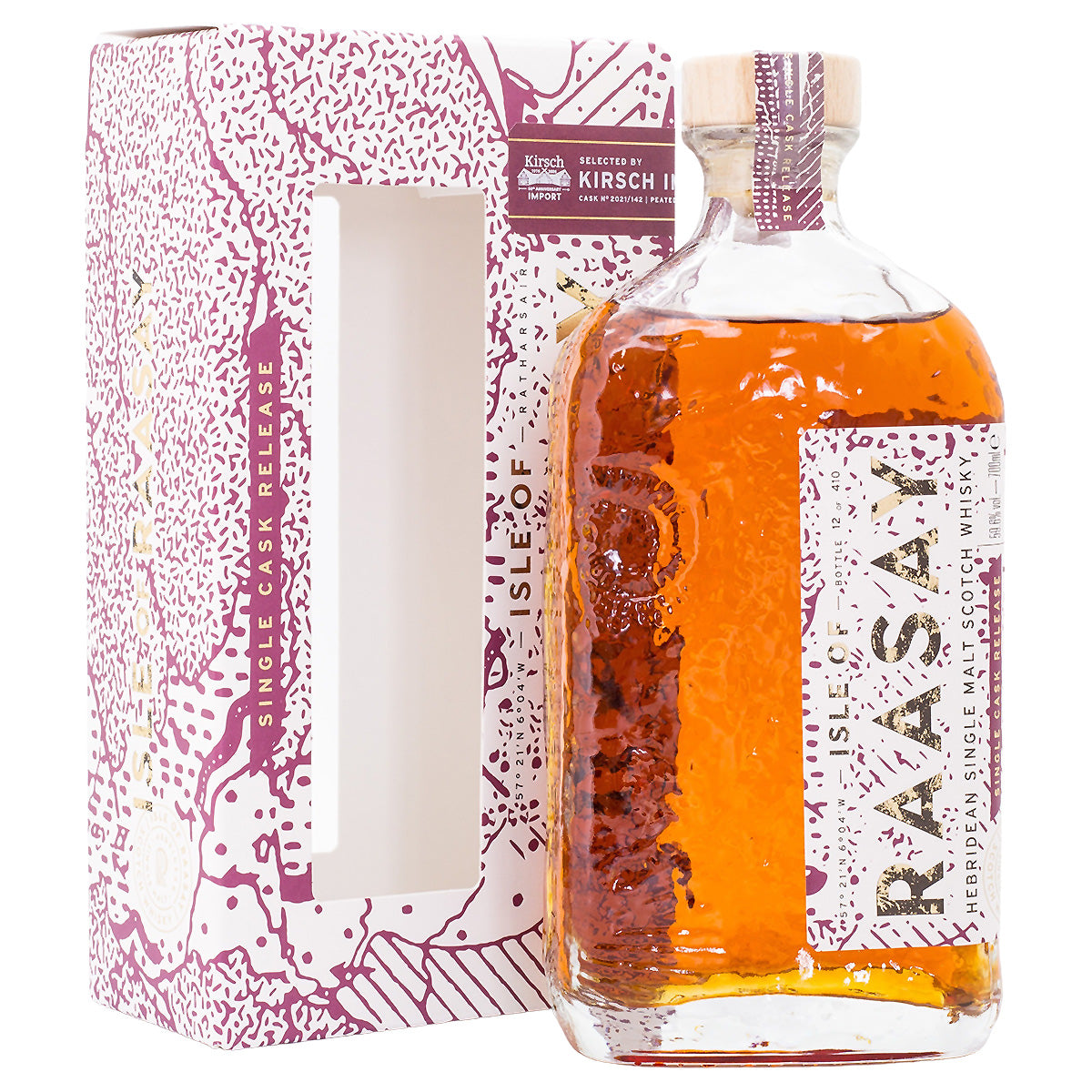
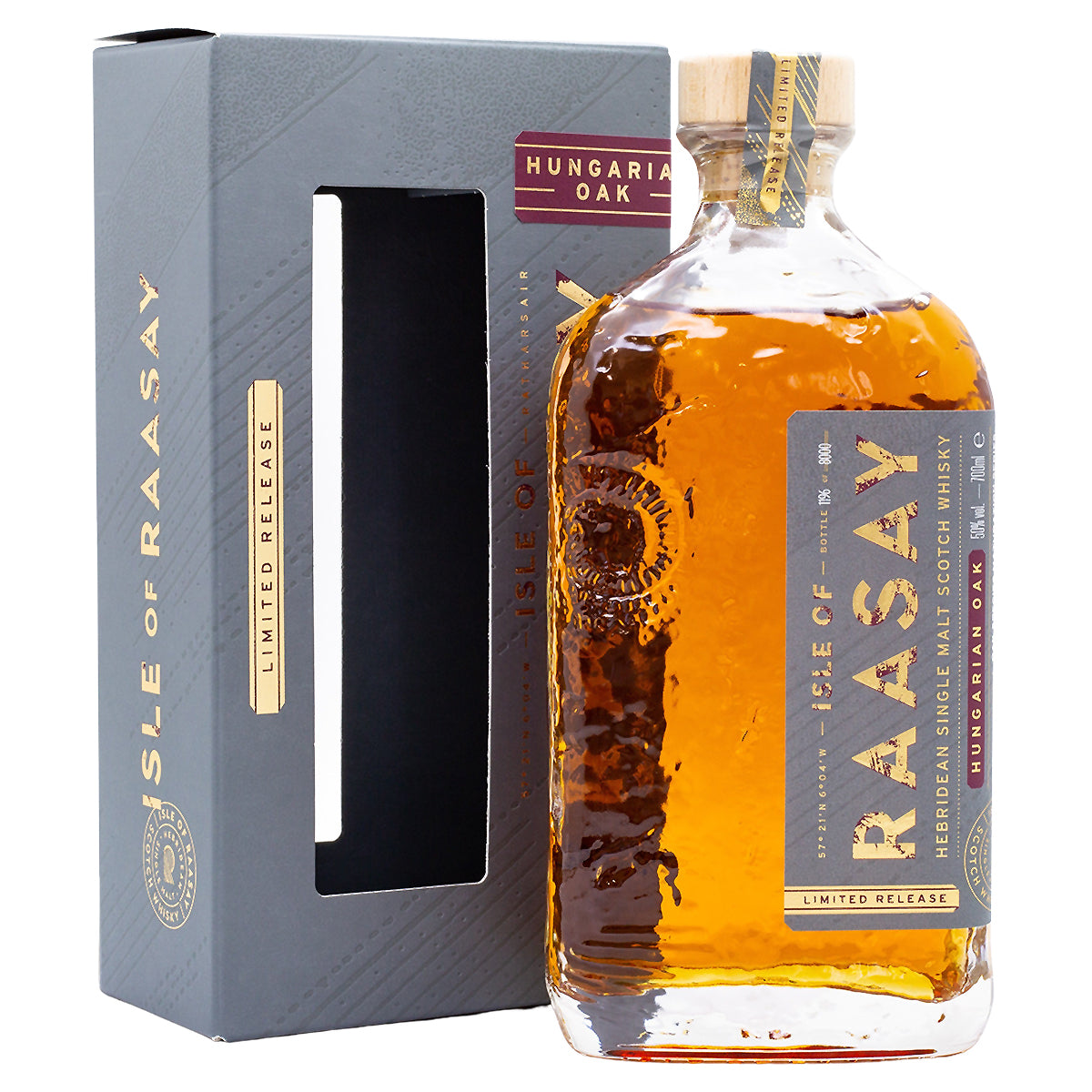
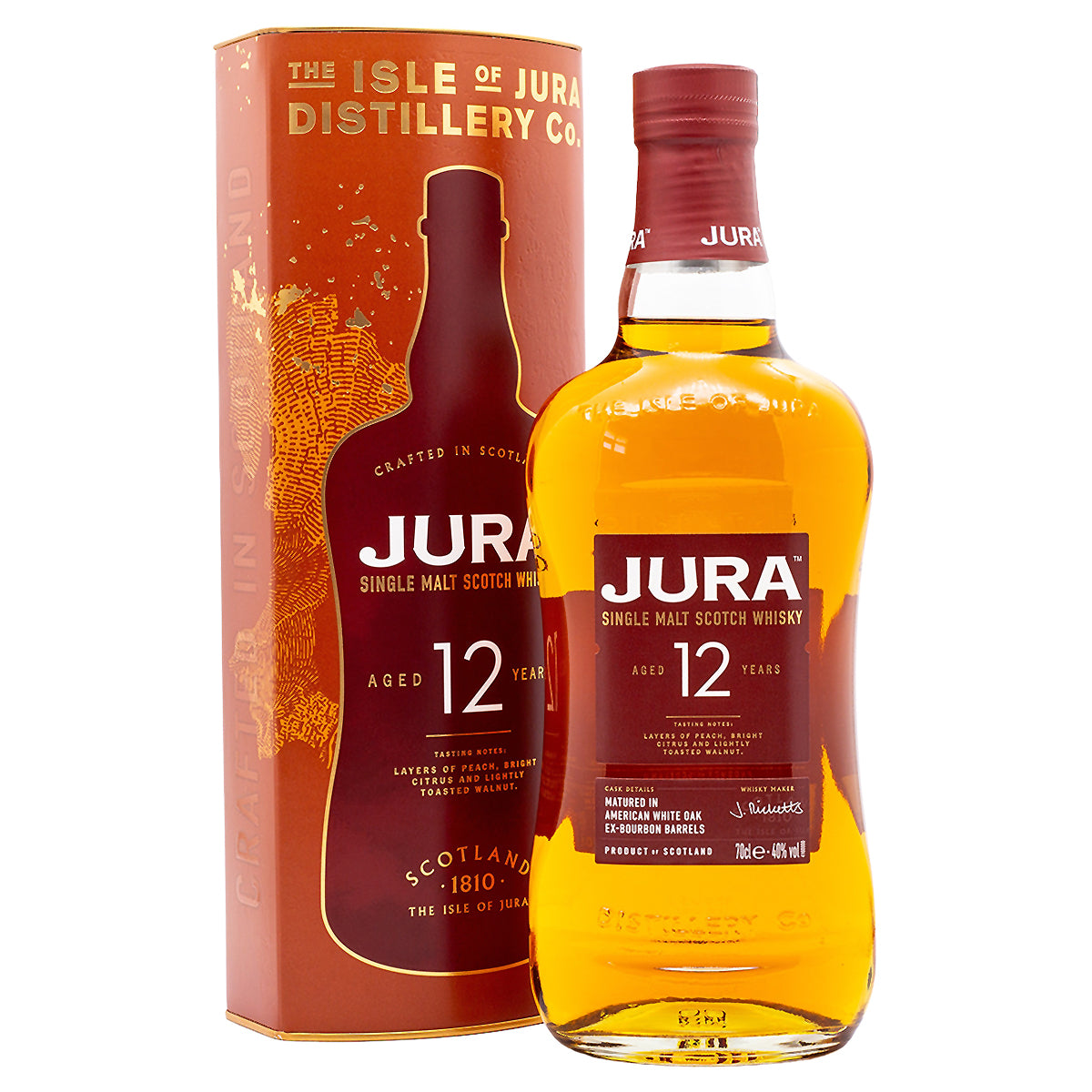
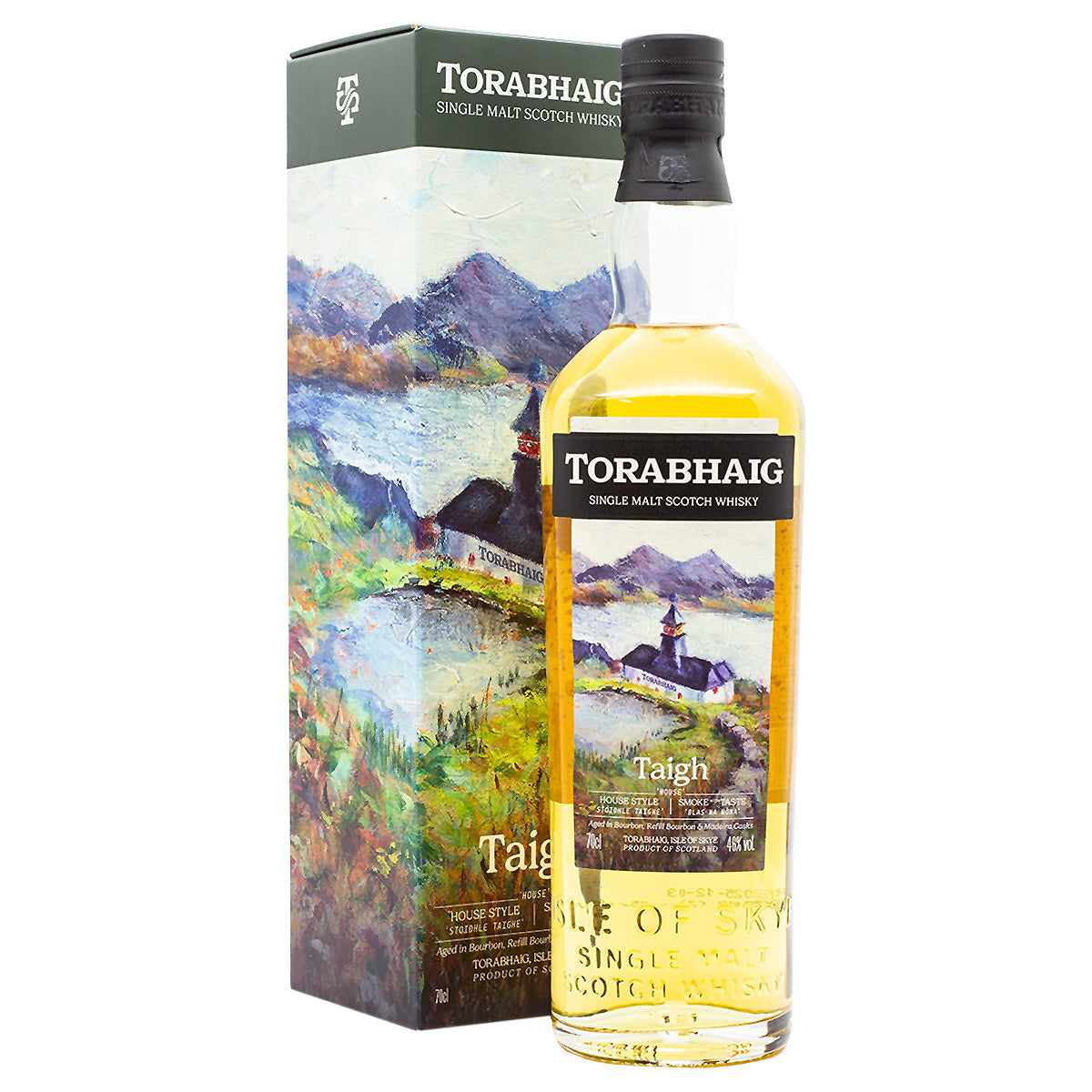
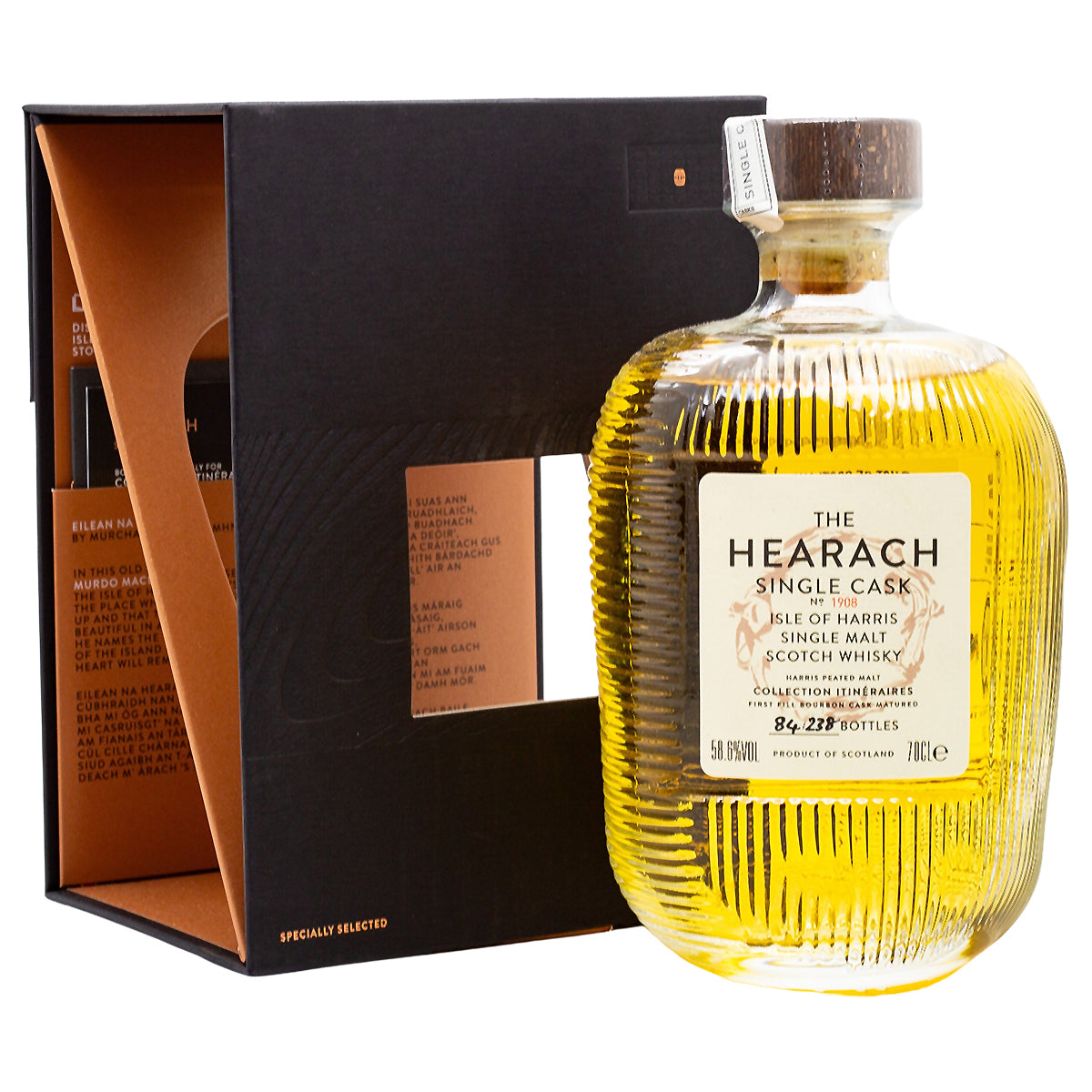
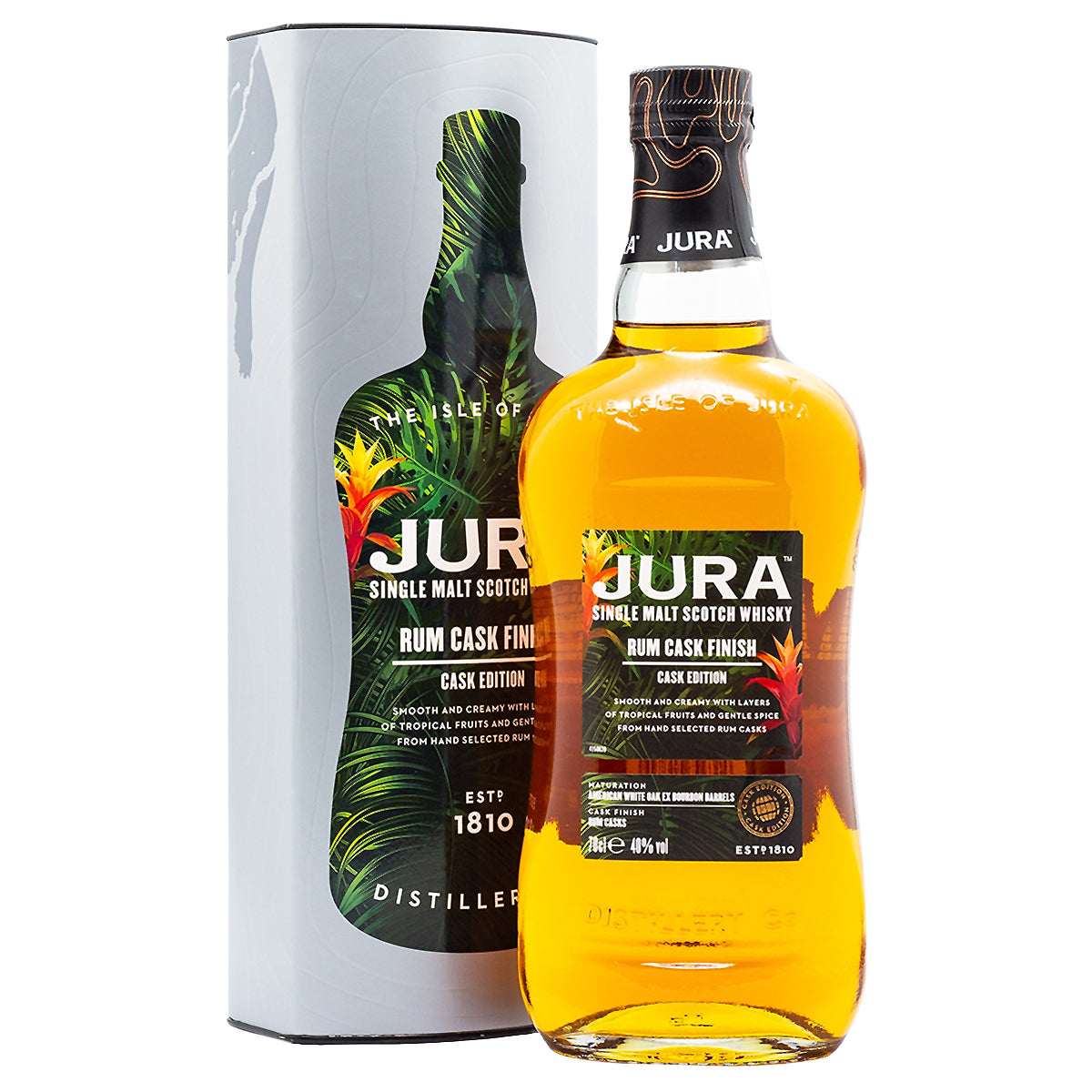
This classification includes whisky from Orkney, Skye, Mull, Jura, Arran and Raasay. Scotch from Harris or Lewis can also be included. Both names refer to different parts of Lewis and Harris, a single island in the Outer Hebrides.
Islay remains outside this group at CaptainScotch. Unlike Islands, the island has its own protected designation of origin and is treated on its own category page.
Two distilleries on the Isle of Arran
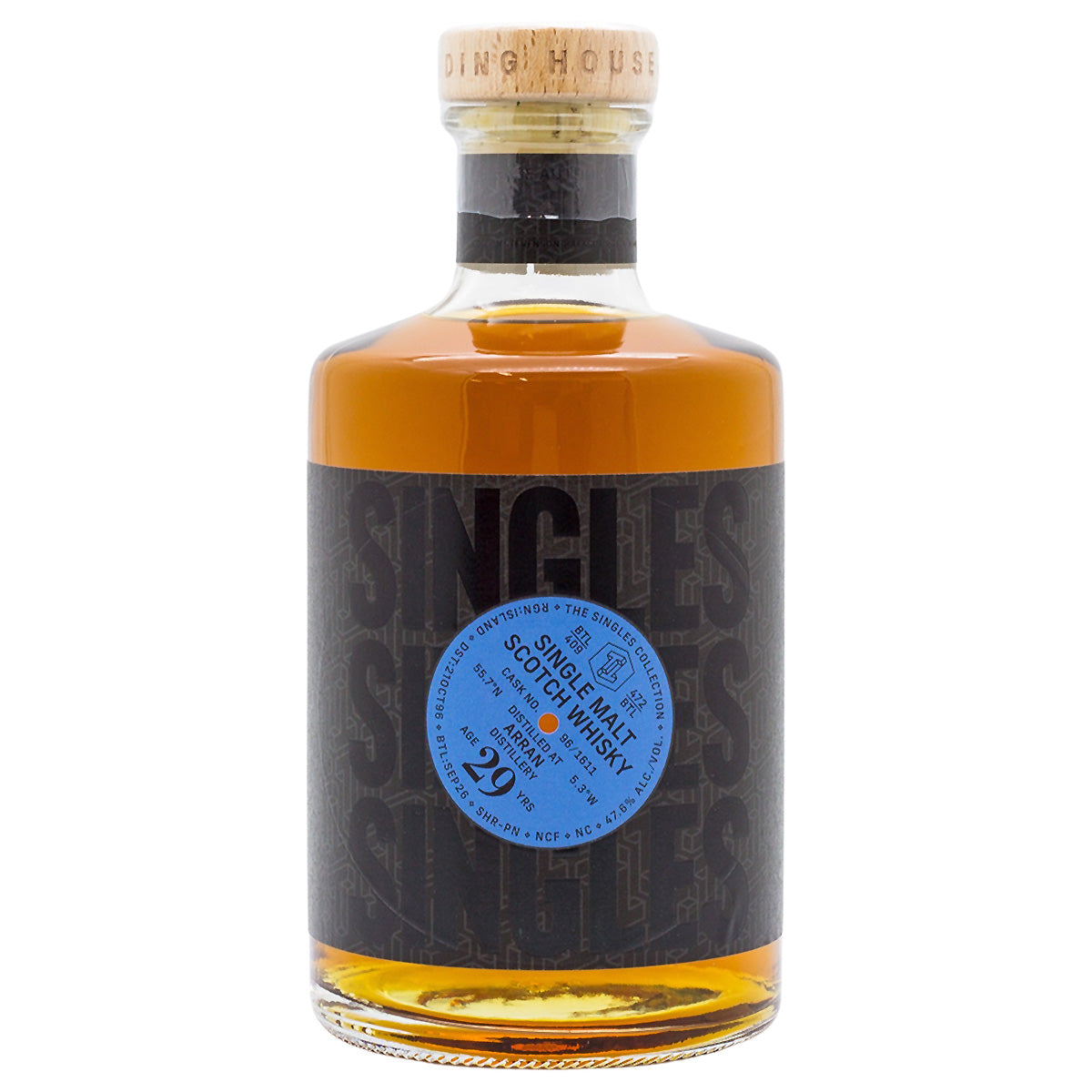
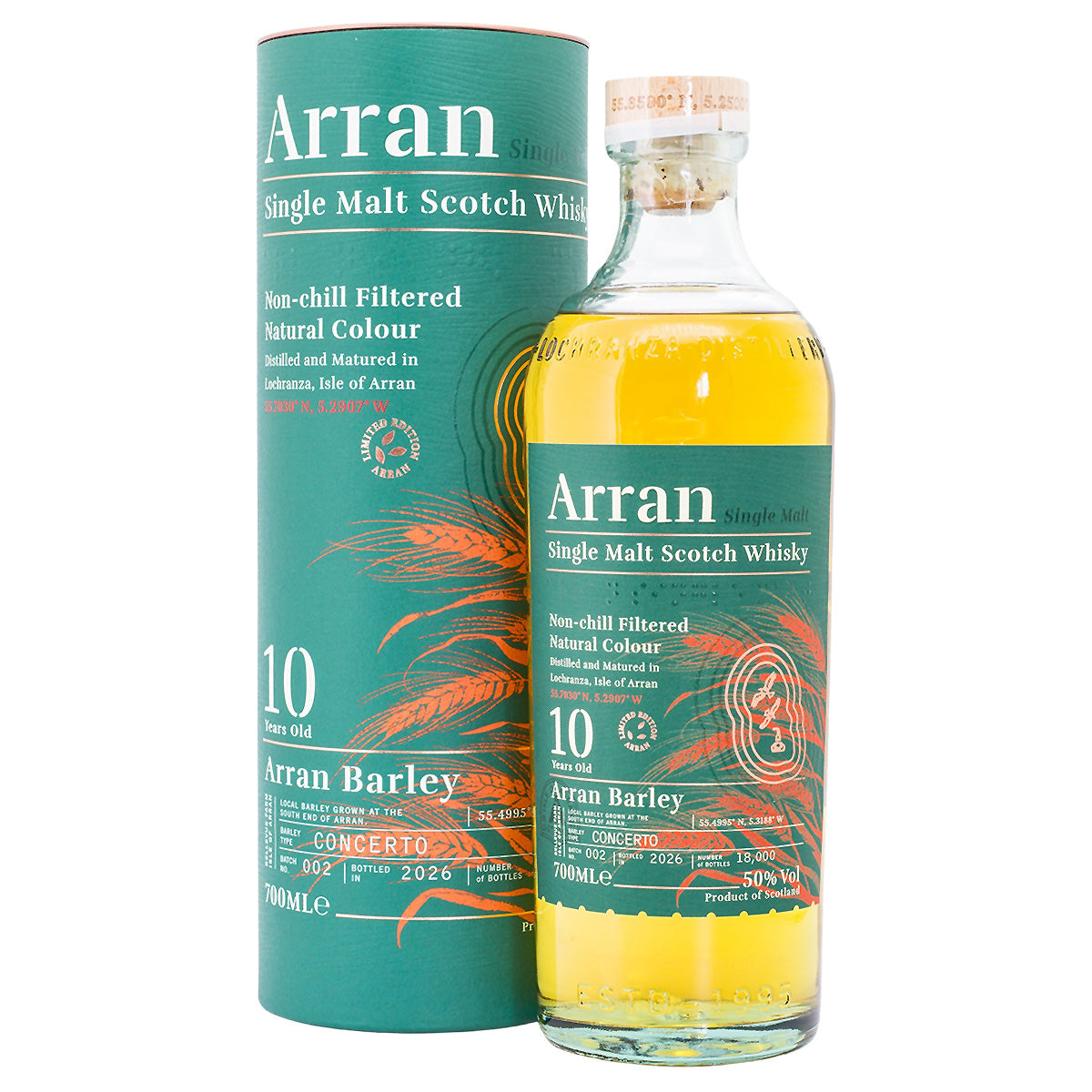
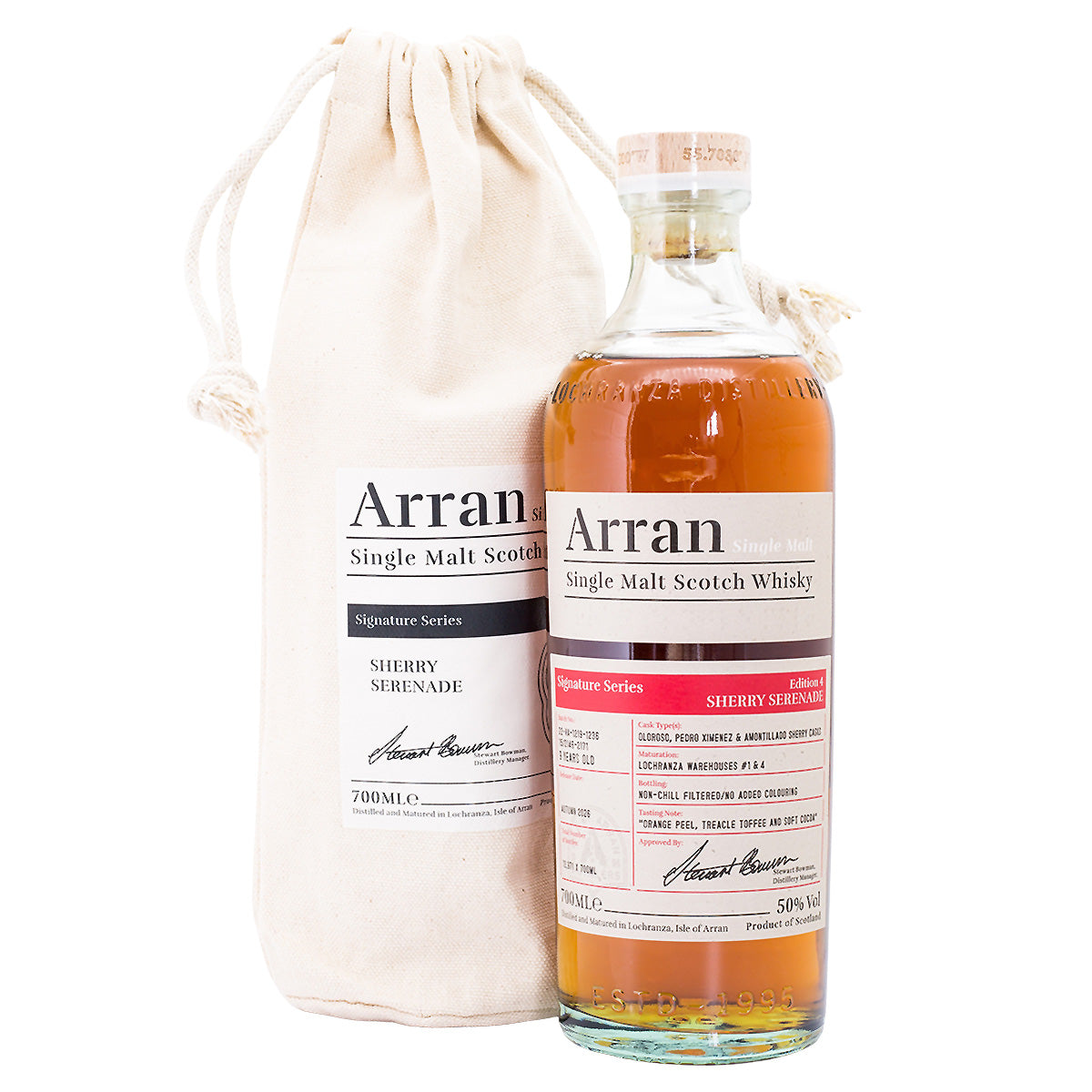
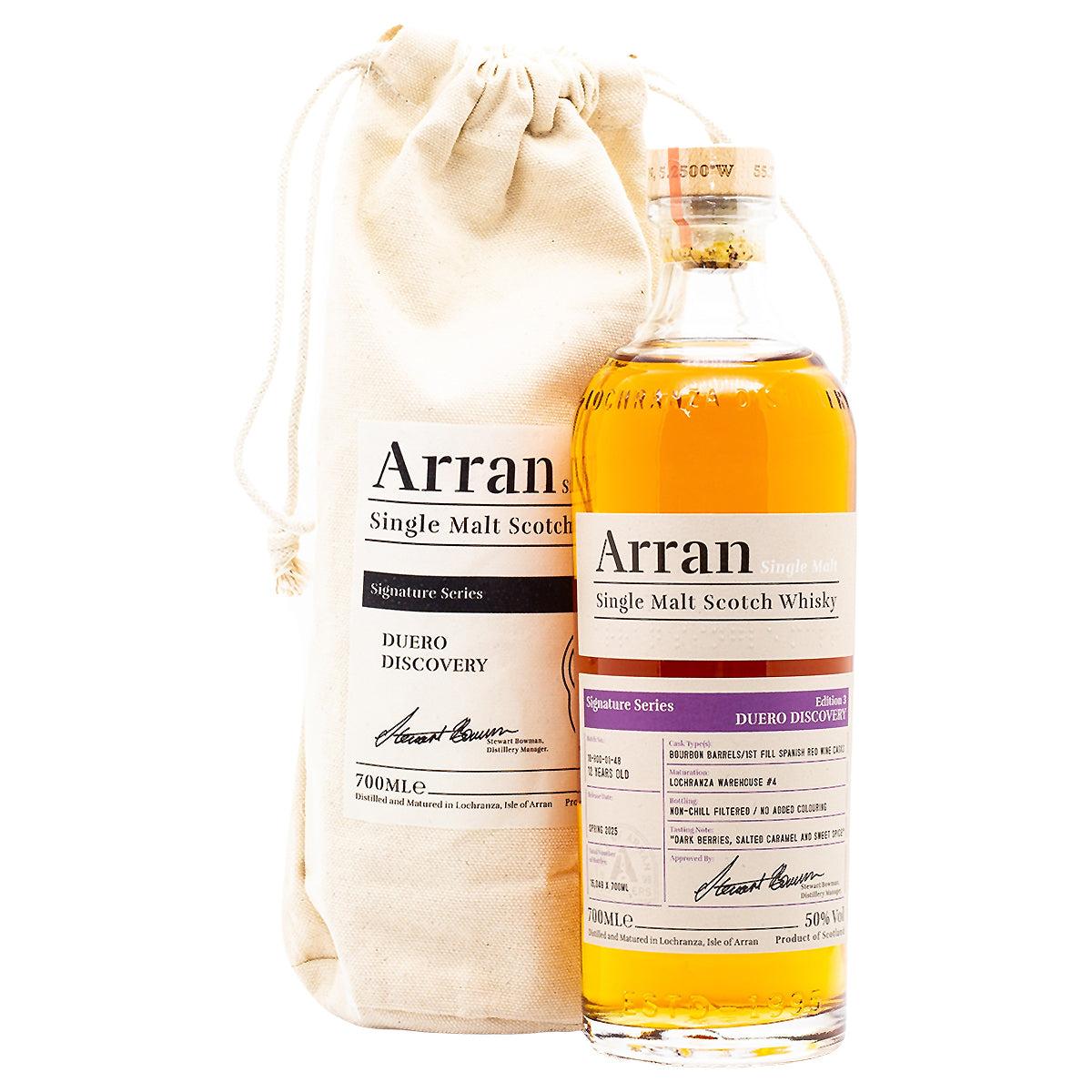
The Isle of Arran has two active distilleries, Lochranza and Lagg, whose brand profiles differ significantly. Lochranza produces the unpeated single malt of the Arran brand. At the southern end of the island, the Lagg Distillery produces peated single malt.
The name Arran refers to the brand of the Lochranza Distillery, not to every whisky from the island. Anyone looking for smoke or an unpeated profile will therefore find more information in the distillery or brand name than in the island name alone.
Tobermory and Ledaig from the Isle of Mull
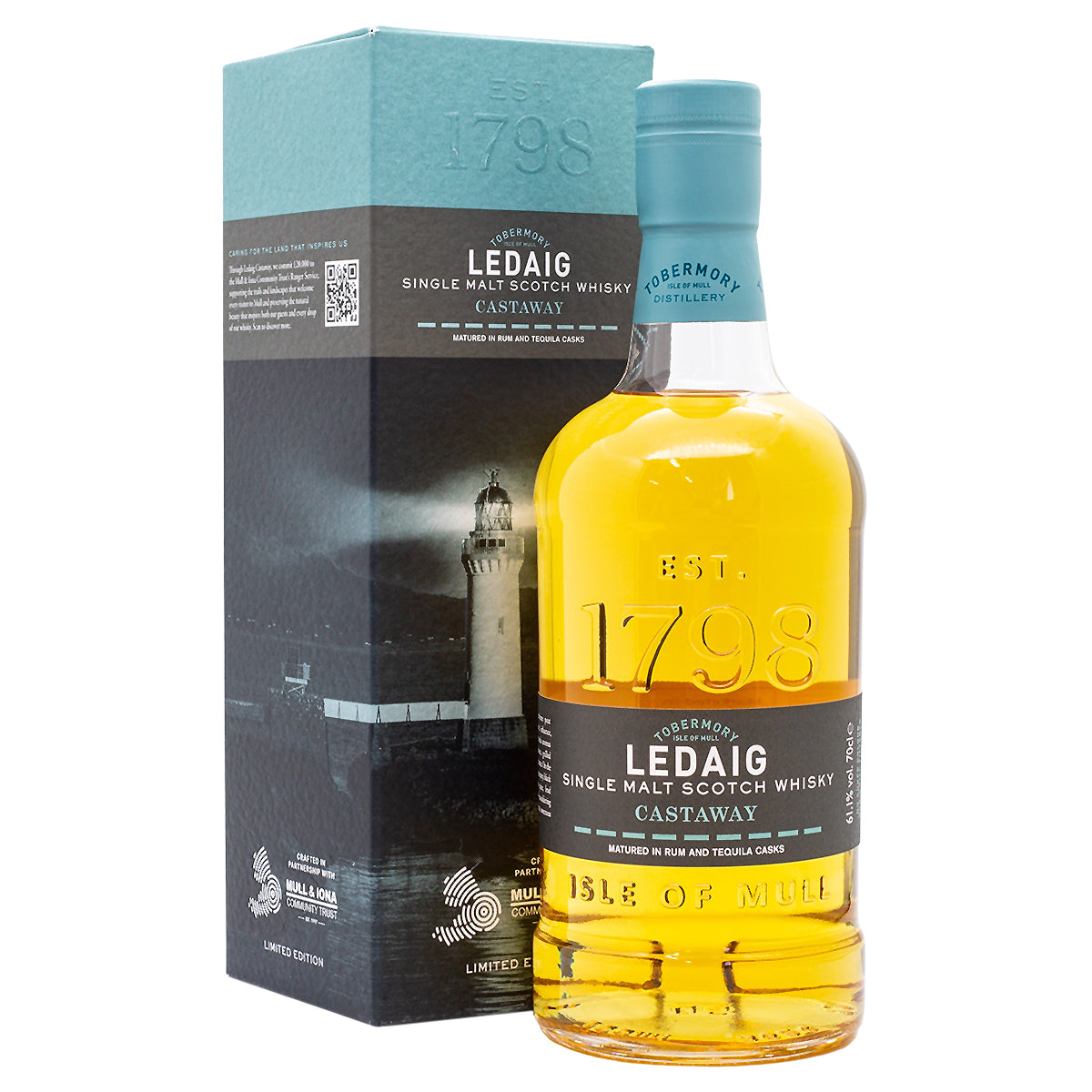
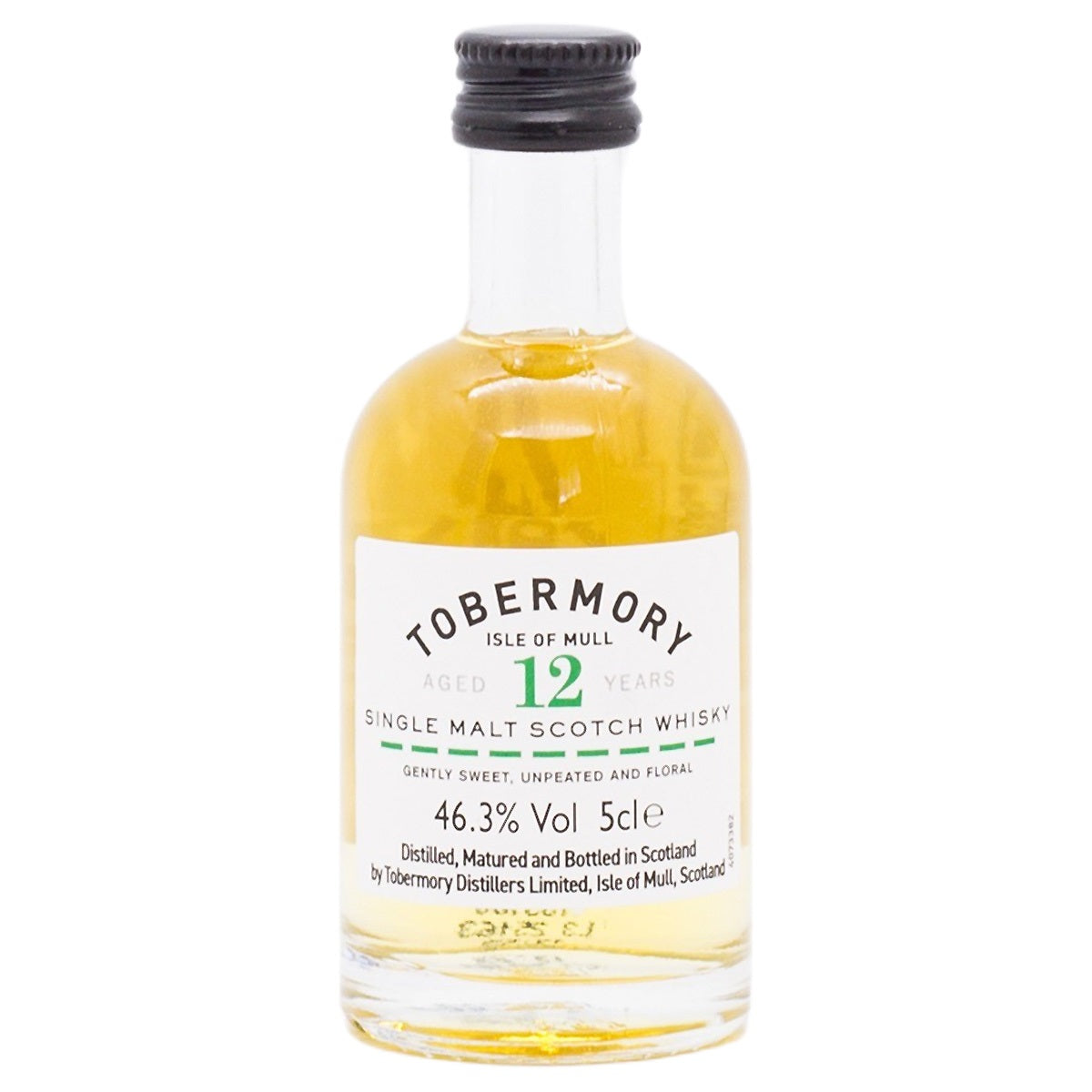
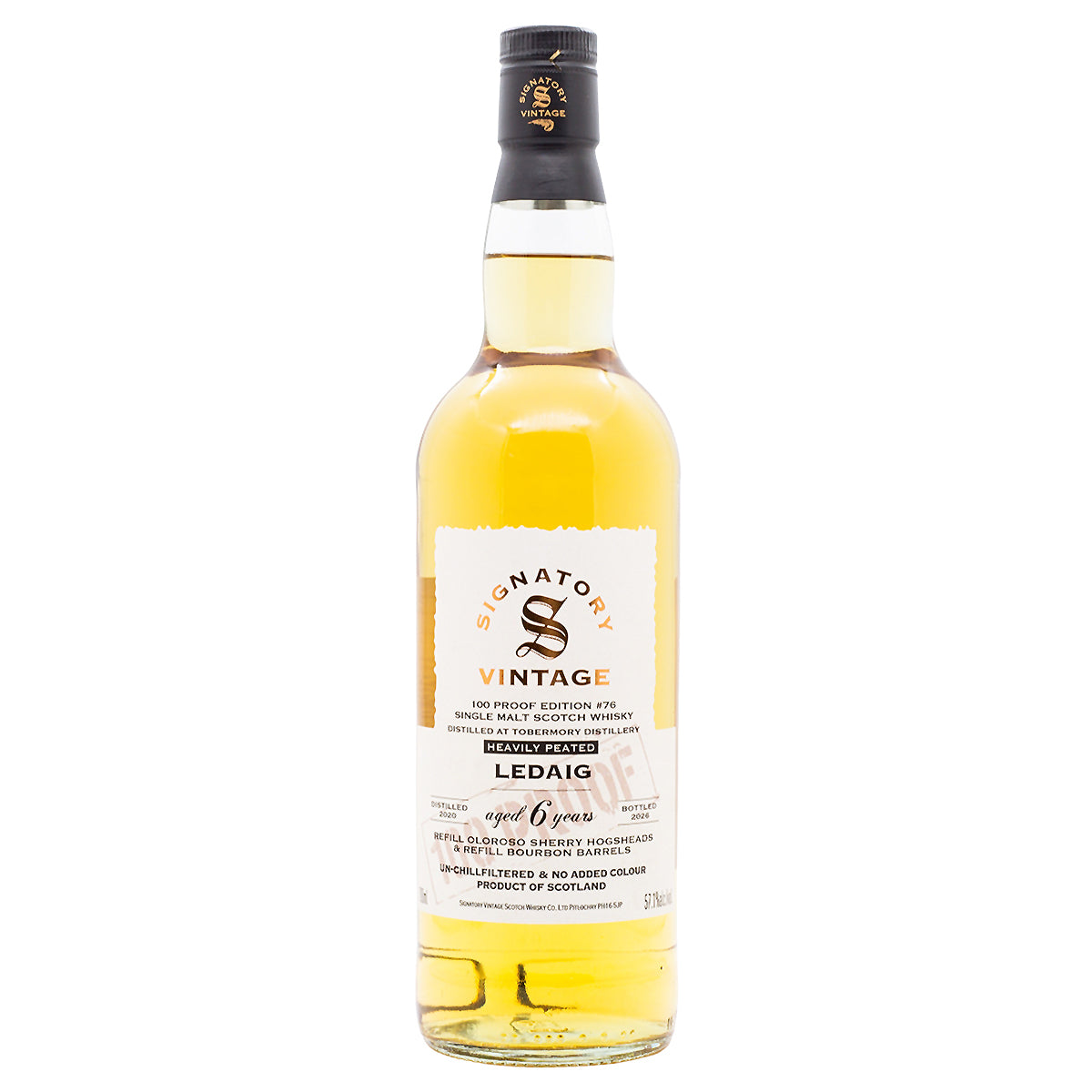
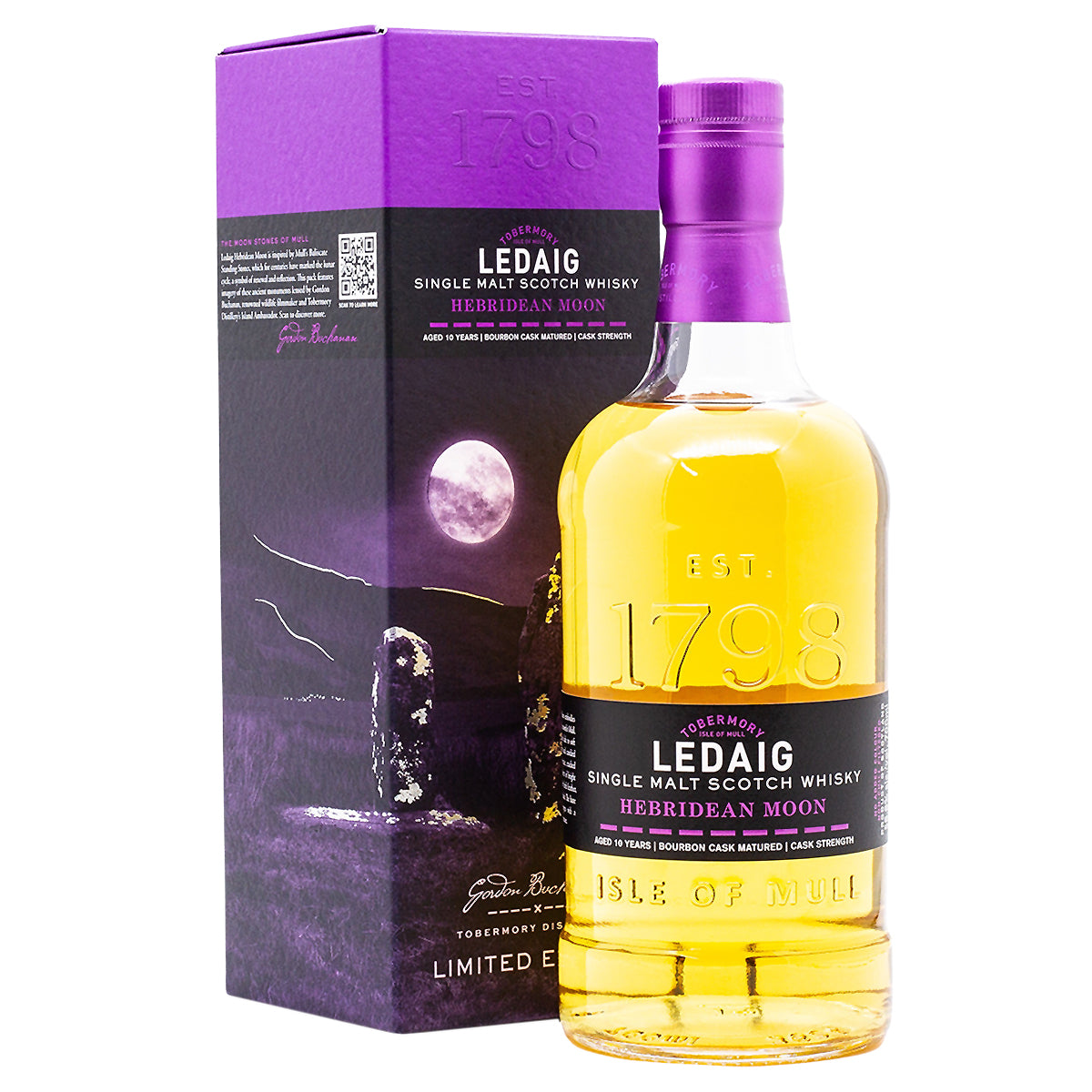
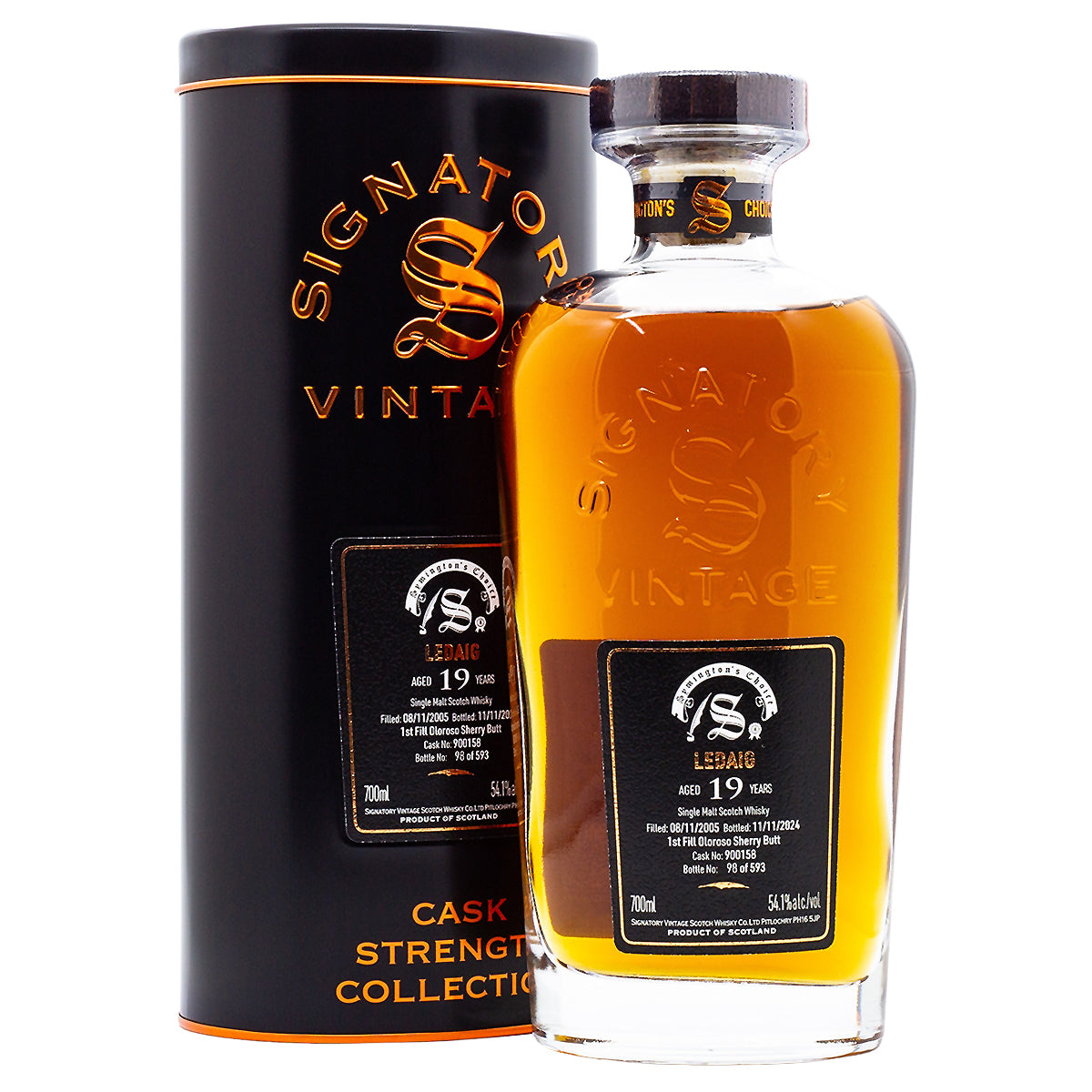
On Mull, a single distillery produces two separate single malt brands. Tobermory stands for the unpeated spirit of the Tobermory Distillery. The peated whisky from the same distillery appears as Ledaig. Ledaig is therefore not a second active distillery on Mull.
Even the distillery and island do not fully answer the smoke question here. Only the brand name clearly separates the two production methods.
What helps further on the product page and label
When selecting an island whisky, you first check the island, distillery, and brand. After that, concrete information such as peated or unpeated as well as the cask description of the bottling in question helps. Terms such as maritime, salty, or coastal are tasting impressions, not guaranteed characteristics of the island origin.
Likewise, it cannot be inferred from the island name that the barley, peat, water, maturation, and bottling all come from the same island. Such origin steps must be explicitly proven by the manufacturer or bottler.
Frequently asked questions about Islands Whisky
Which Scottish whisky islands are there?
The common Islands group includes Orkney, Skye, Mull, Jura, Arran, and Raasay. Whisky from Harris or Lewis on Lewis and Harris can also be included.
Are the Islands a protected Scotch region?
No. Islands is a practical trade and shop designation. The Scotch Whisky Regulations protect Highland, Lowland, and Speyside as regions, as well as Islay and Campbeltown as Localities.
Is Islay part of the Islands group?
Geographically, Islay is an island. In the shop, it is listed separately because Islay has its own protected designation of origin.
Are all island whiskies smoky?
No. Lochranza produces unpeated Arran Single Malt, while Lagg produces peated whisky on the same island. Tobermory and Ledaig also form an unpeated and a peated counterpart on Mull.
Does Islands Whisky always taste maritime or salty?
No. Such words describe possible sensory impressions of individual bottlings. The island name guarantees neither a salty taste nor a specific cask or smoke profile.