

Whisky from a rum cask: Reading the origin of the rum
Whisky from a rum cask is often associated with tropical fruit and sweetness. However, the more specific cask designation tells you more than this general image. A rum from Jamaica can impart its character to the wood differently than Demerara rum from Guyana. Caribbean Rum Cask, on the other hand, remains a very broad designation.
Jamaican rum is produced using different distillation methods and ranges from lighter styles to highly aromatic, ester-rich rums. A Jamaican Rum Cask may offer notes of banana, pineapple, ripe tropical fruit, and bold spices. However, a Jamaican origin does not automatically mean pot still, high ester, or a particularly wild character.
Demerara rum is a protected designation of origin from Guyana. The name does not refer to brown Demerara sugar. Light, medium, and heavy rums are produced under this designation. A Demerara Rum Cask can therefore show fruity, spicy, nutty, herbal, or earthy sides.
Caribbean Rum Cask is a broad designation. Without specifying the country, producer, or style of rum, the previous designation can only be described in general terms. If you want to make a targeted selection, also search for the country, rum producer, or distillery.
Why whisky from a rum cask does not automatically taste sweet
Rum is made from sugarcane juice, molasses, or other sugarcane products. During fermentation, however, sugar is converted into alcohol. A sweet impression in the whisky can come from ripe fruit, vanilla, caramel, and oak. This is different from added sugar.
Before the whisky is filled, the rum cask is emptied. For Scotch, casks that previously held sweetened or aromatized spirits are also not readily permitted. A rum cask finish therefore means neither the addition of rum nor sugar.
How to recognize a meaningful rum cask bottling
In addition to the origin, designations such as pot still, column still, or a blend of both distillation methods are helpful. First Fill refers to the first whisky filling after the rum. With Refill, whisky had already been in the cask. Many rum casks were originally bourbon casks, so this previous use can also play a role.
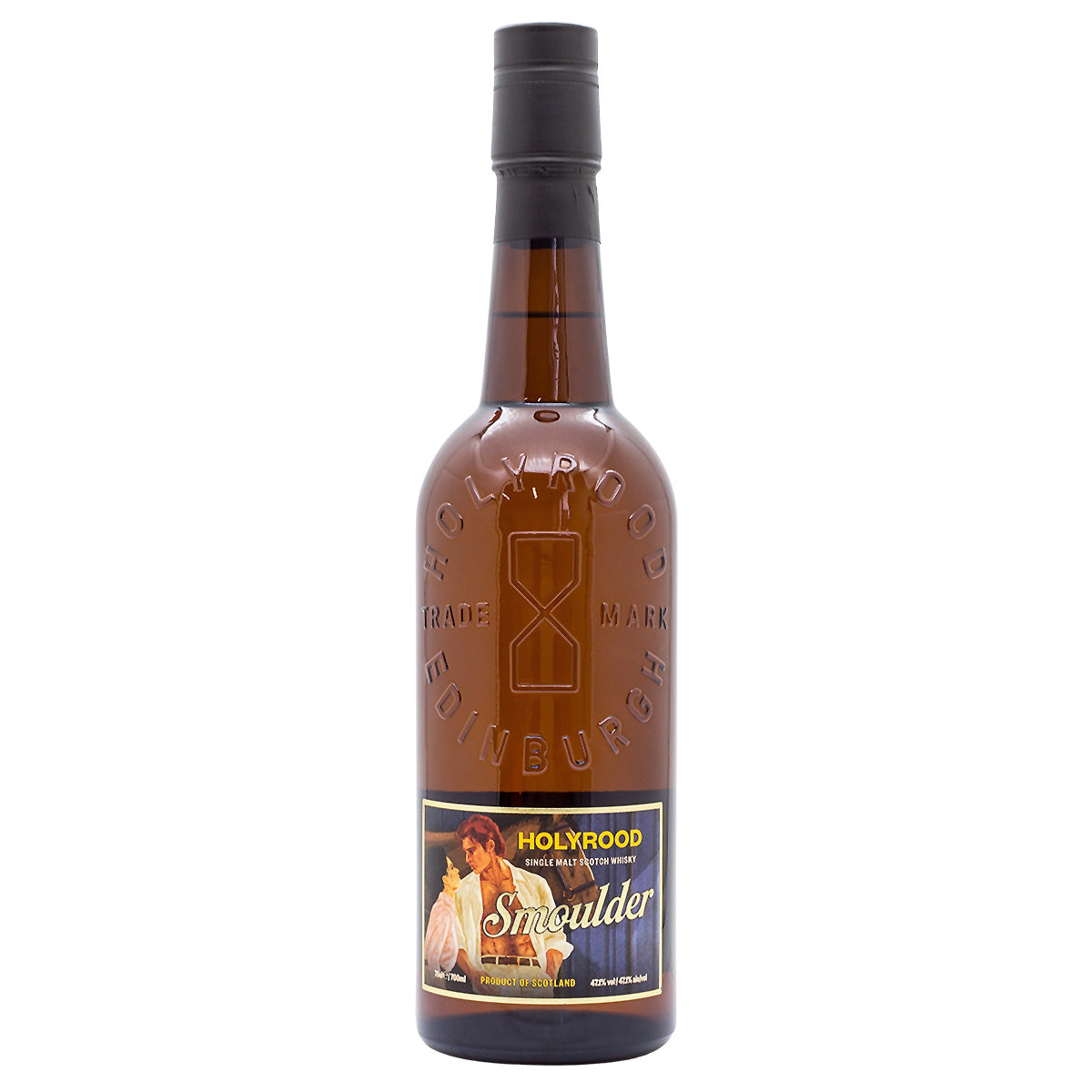
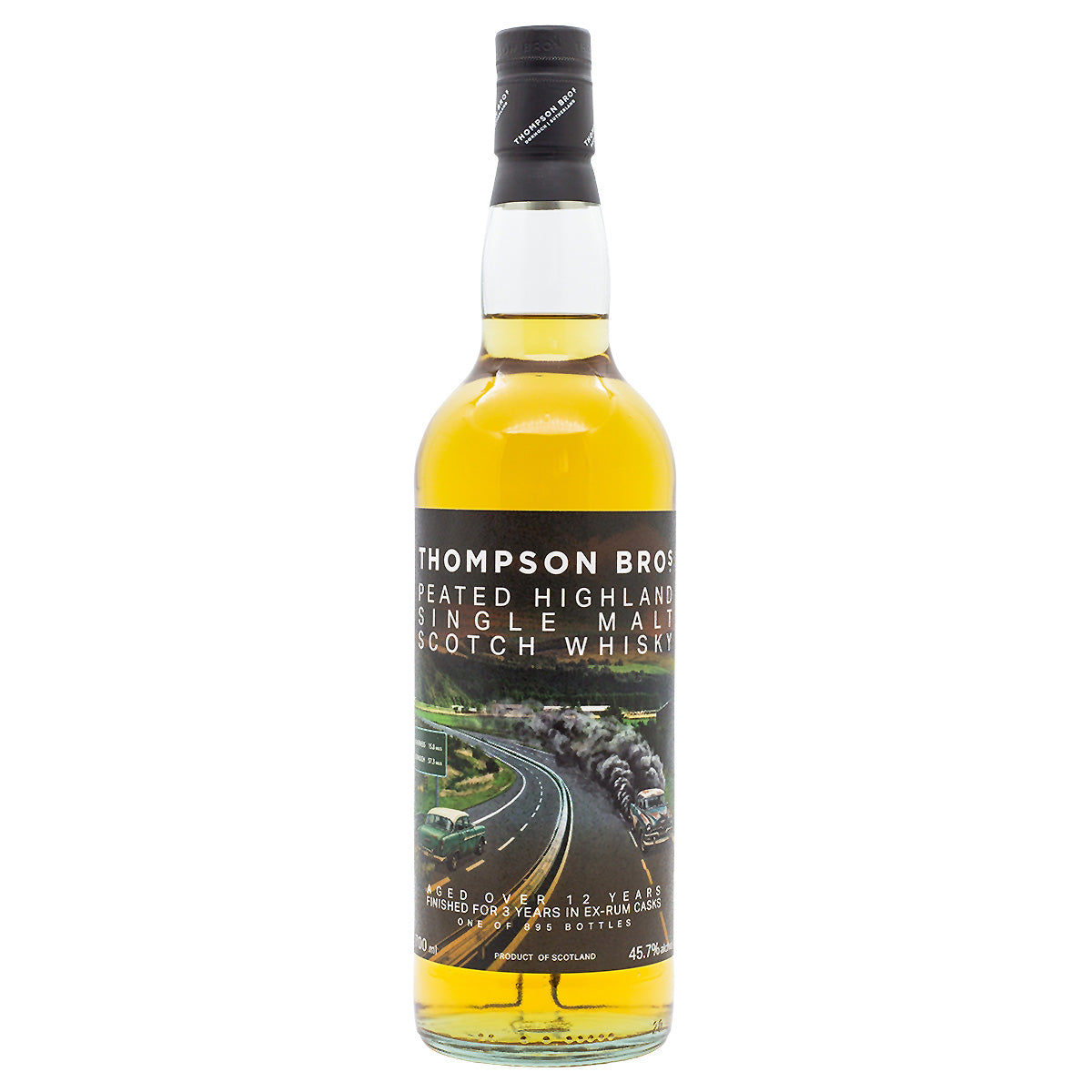
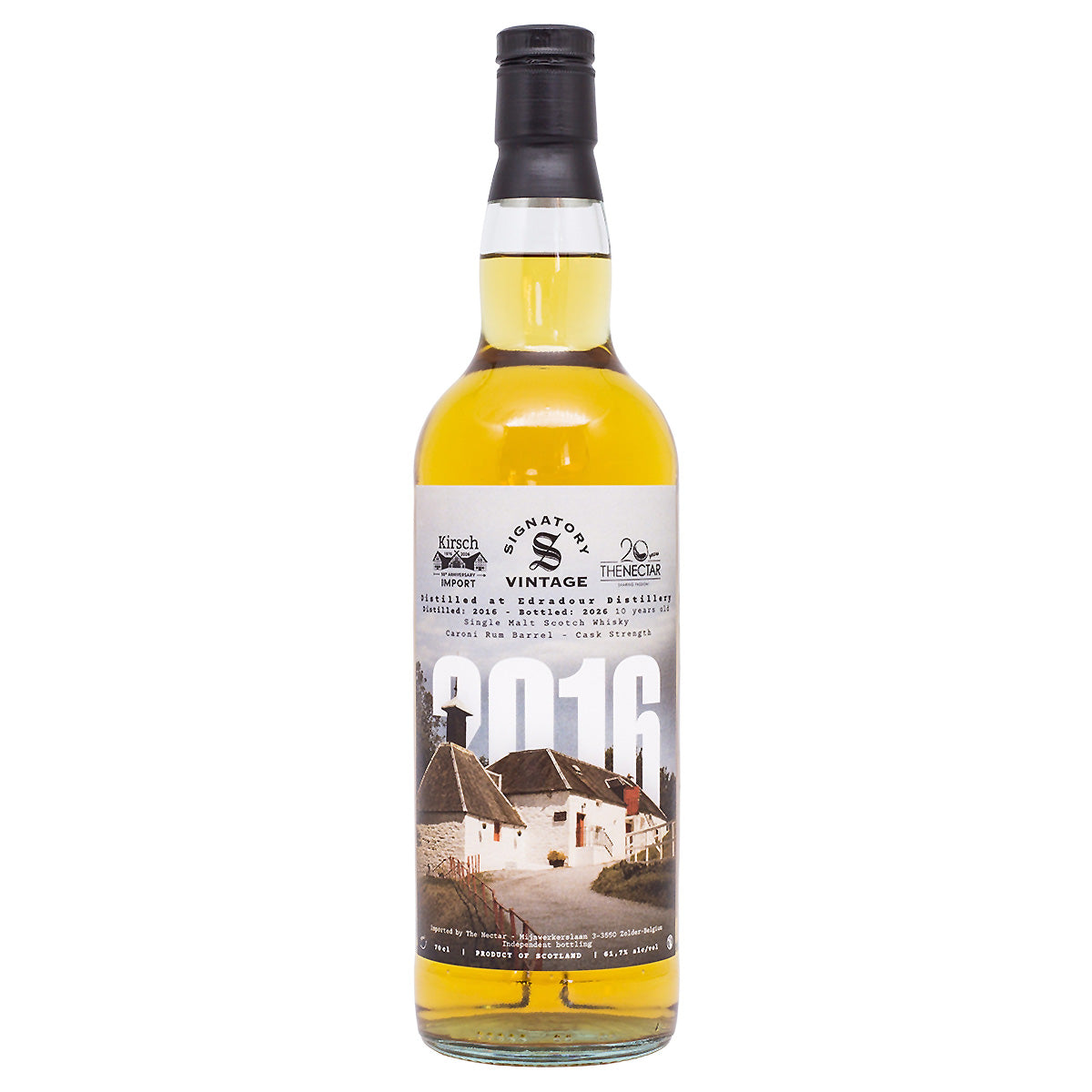
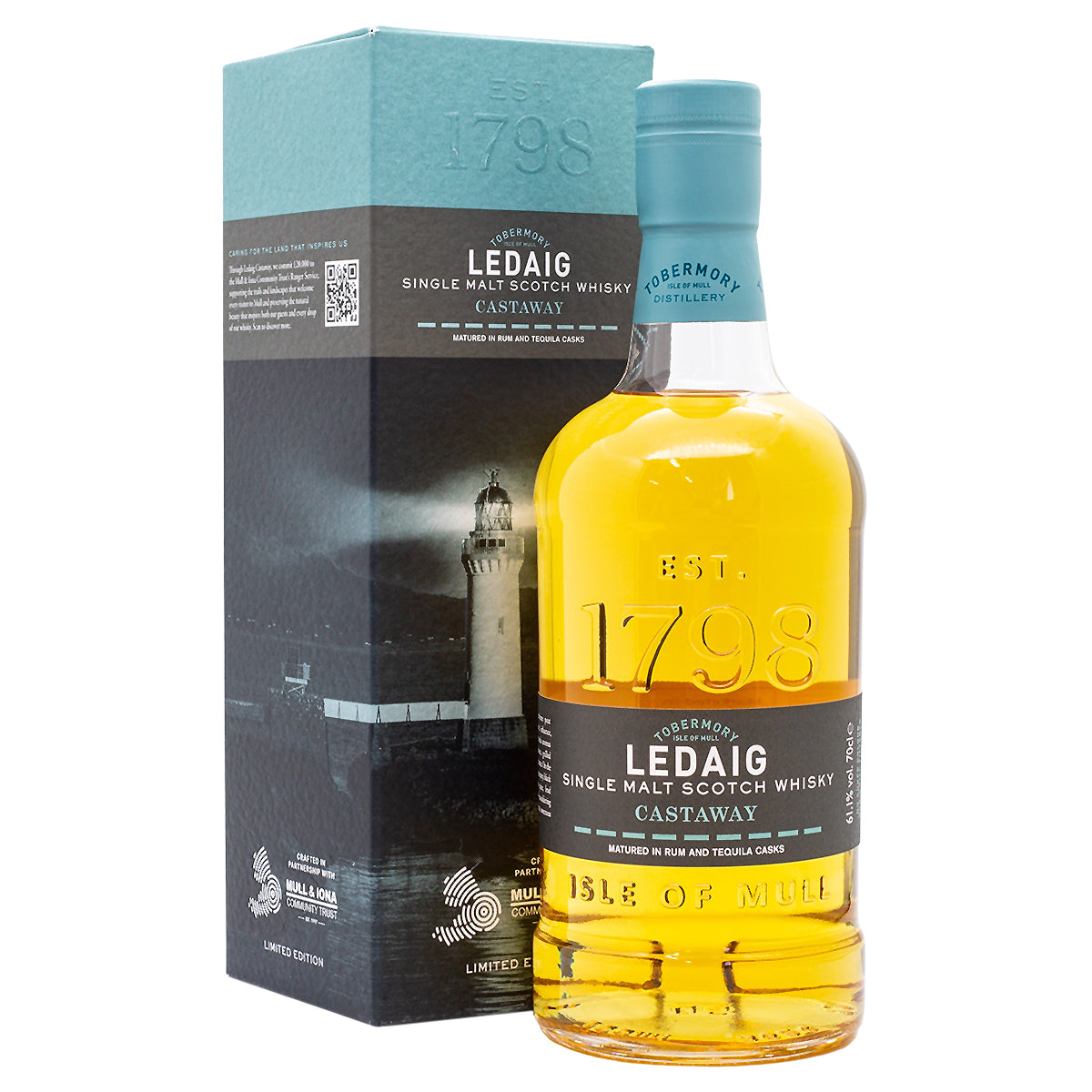
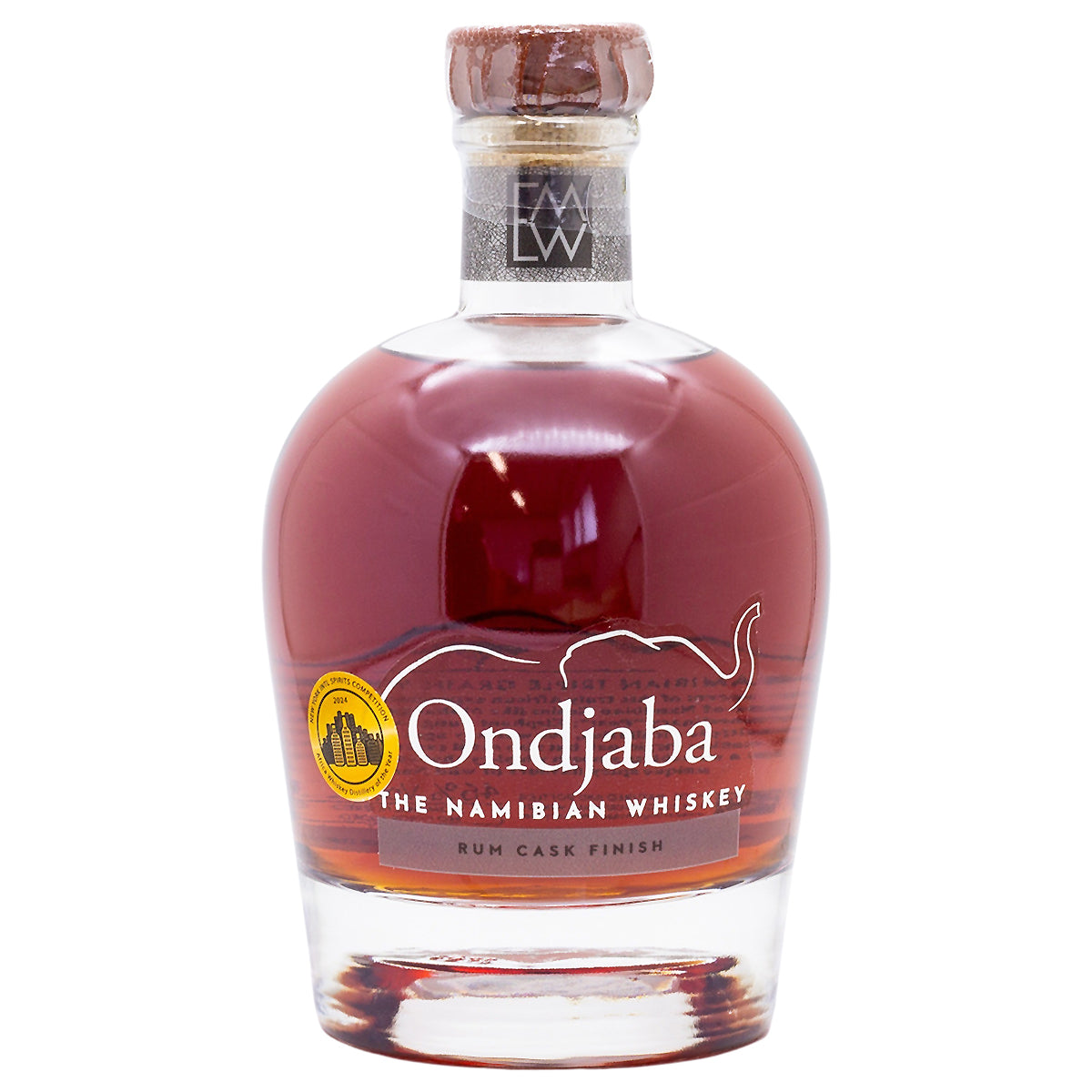
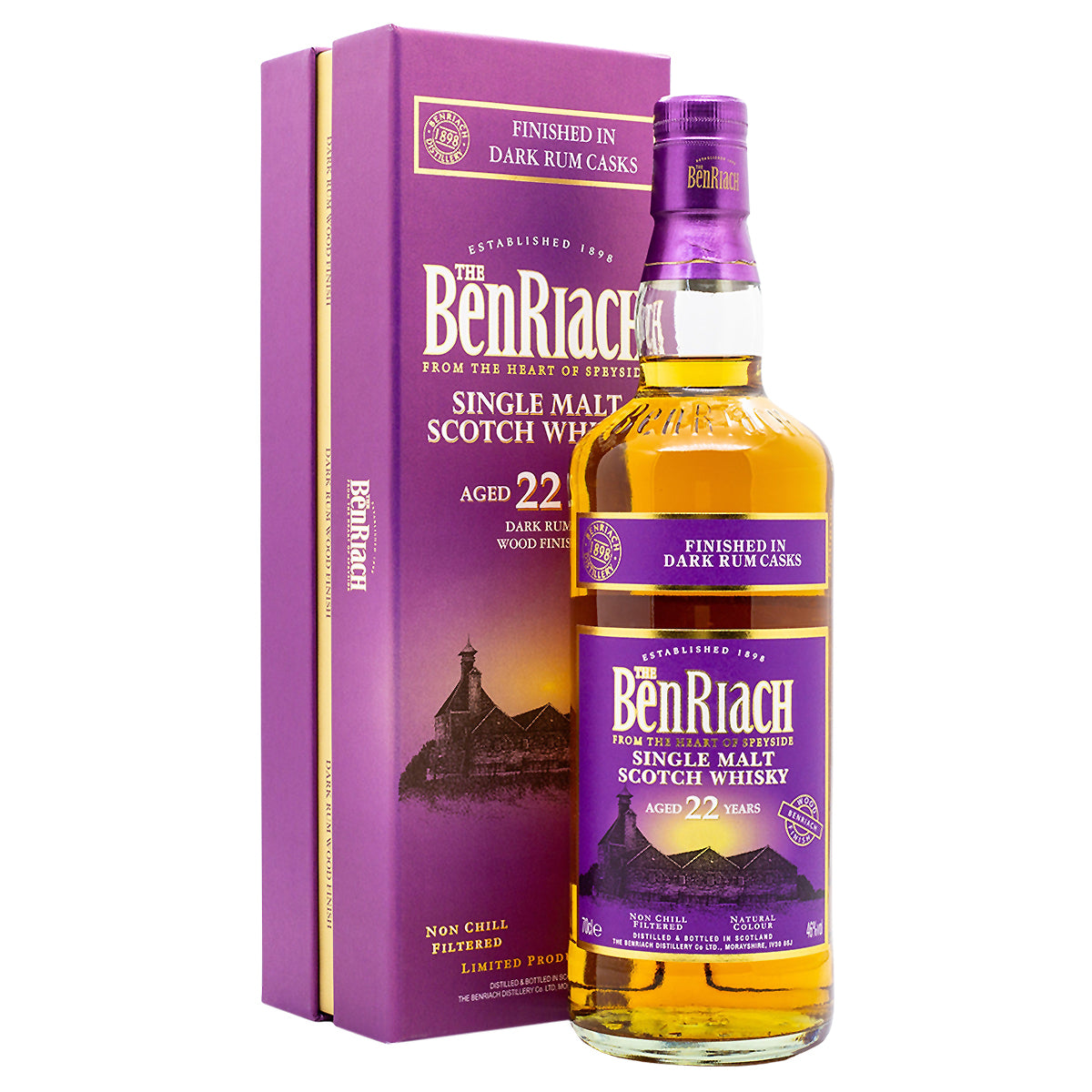
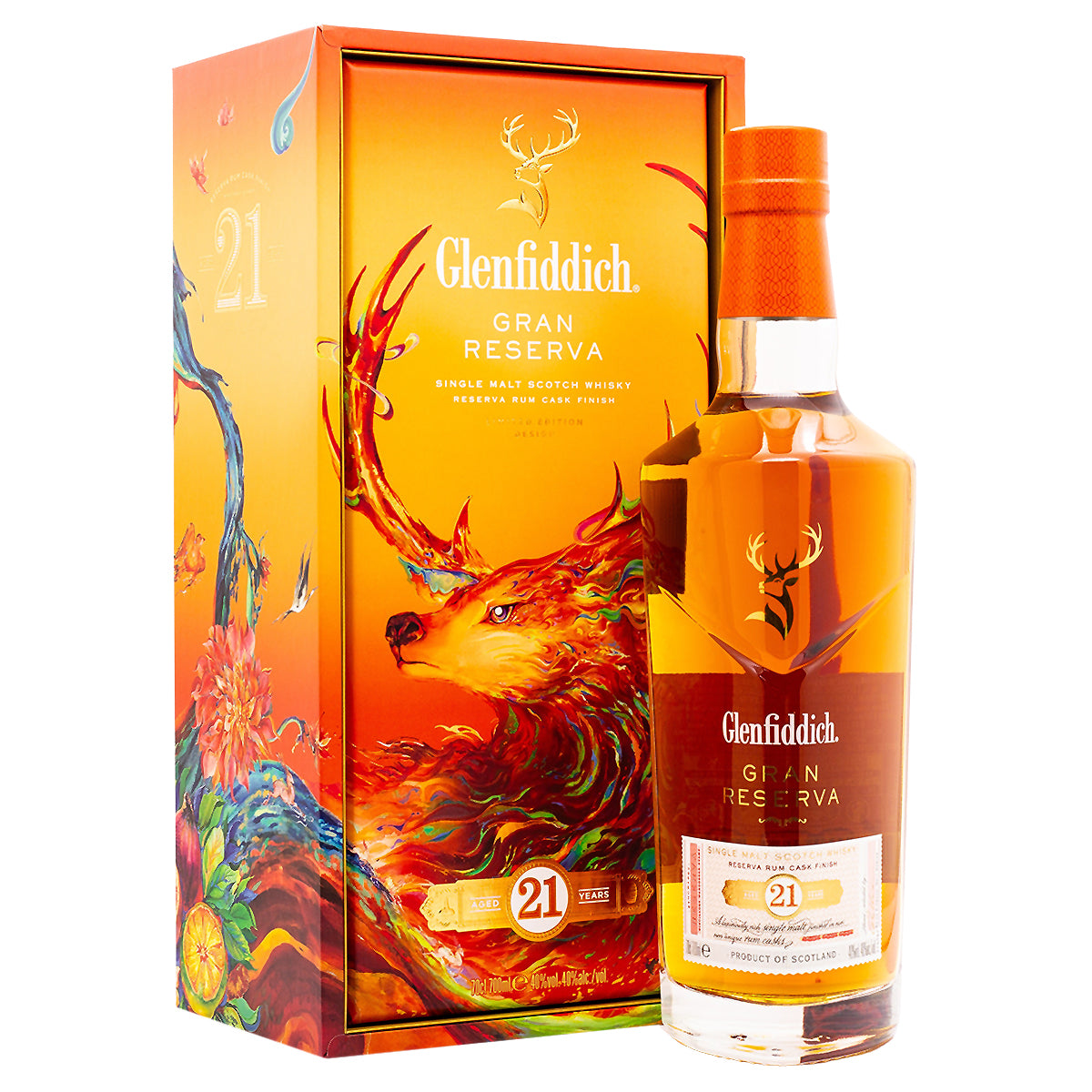
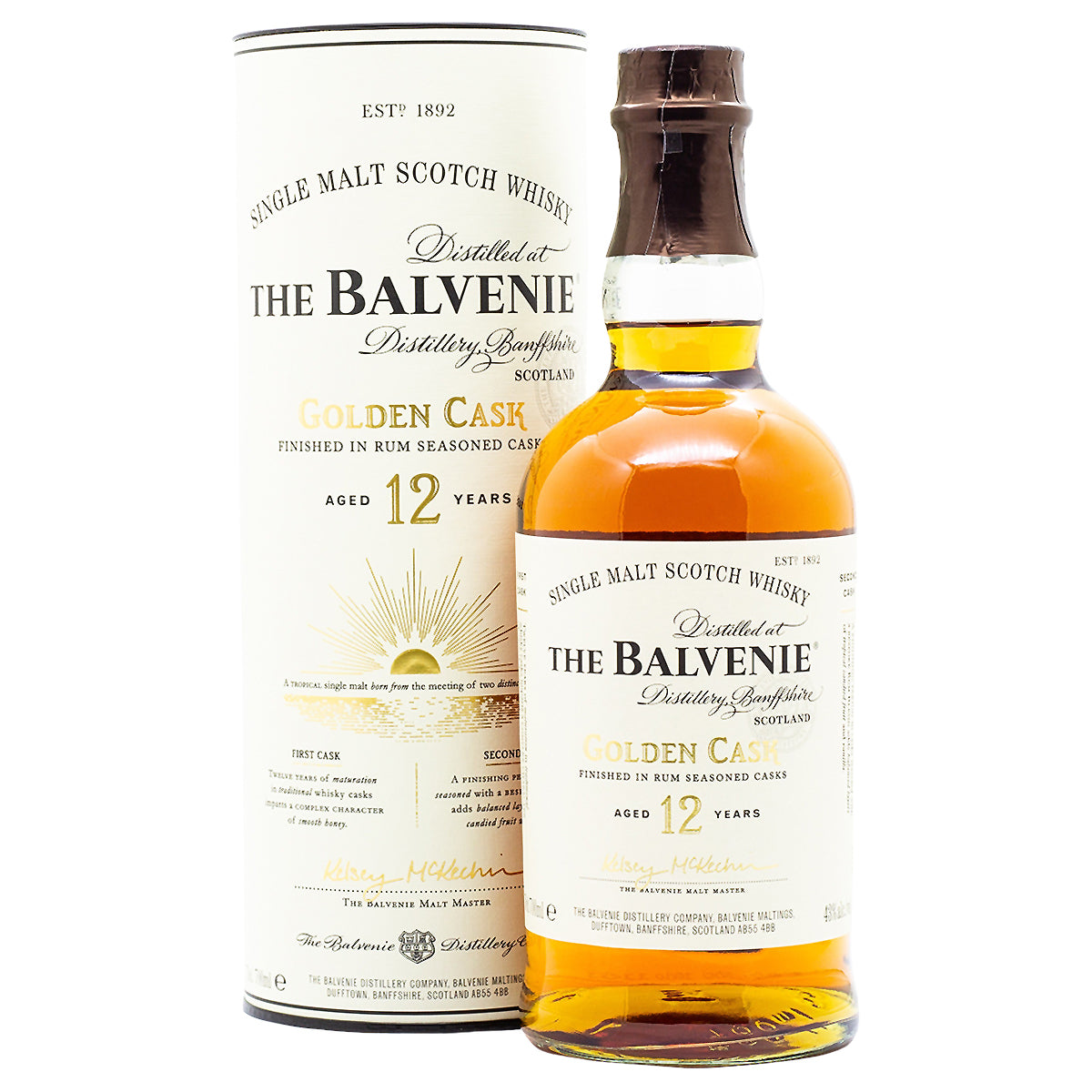
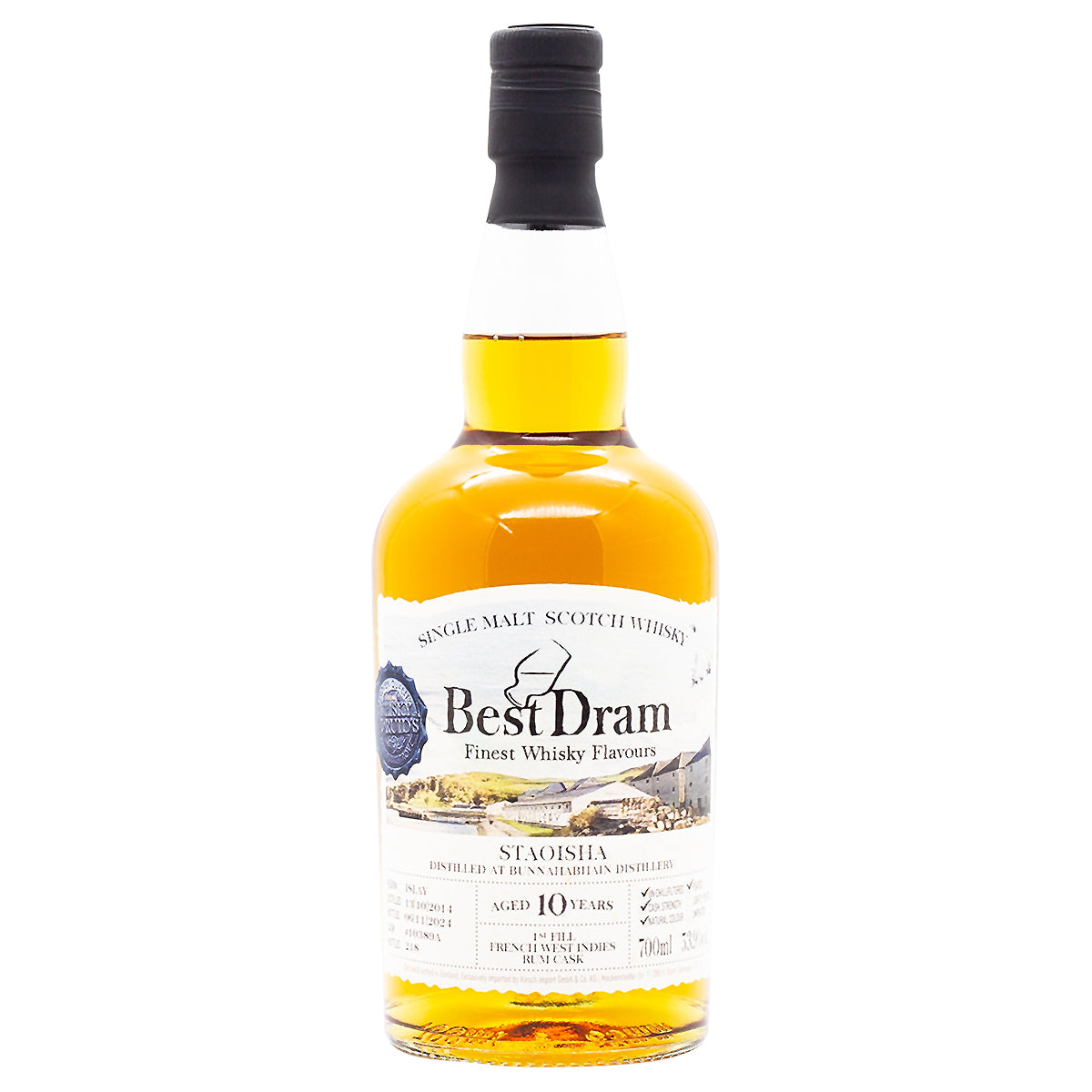
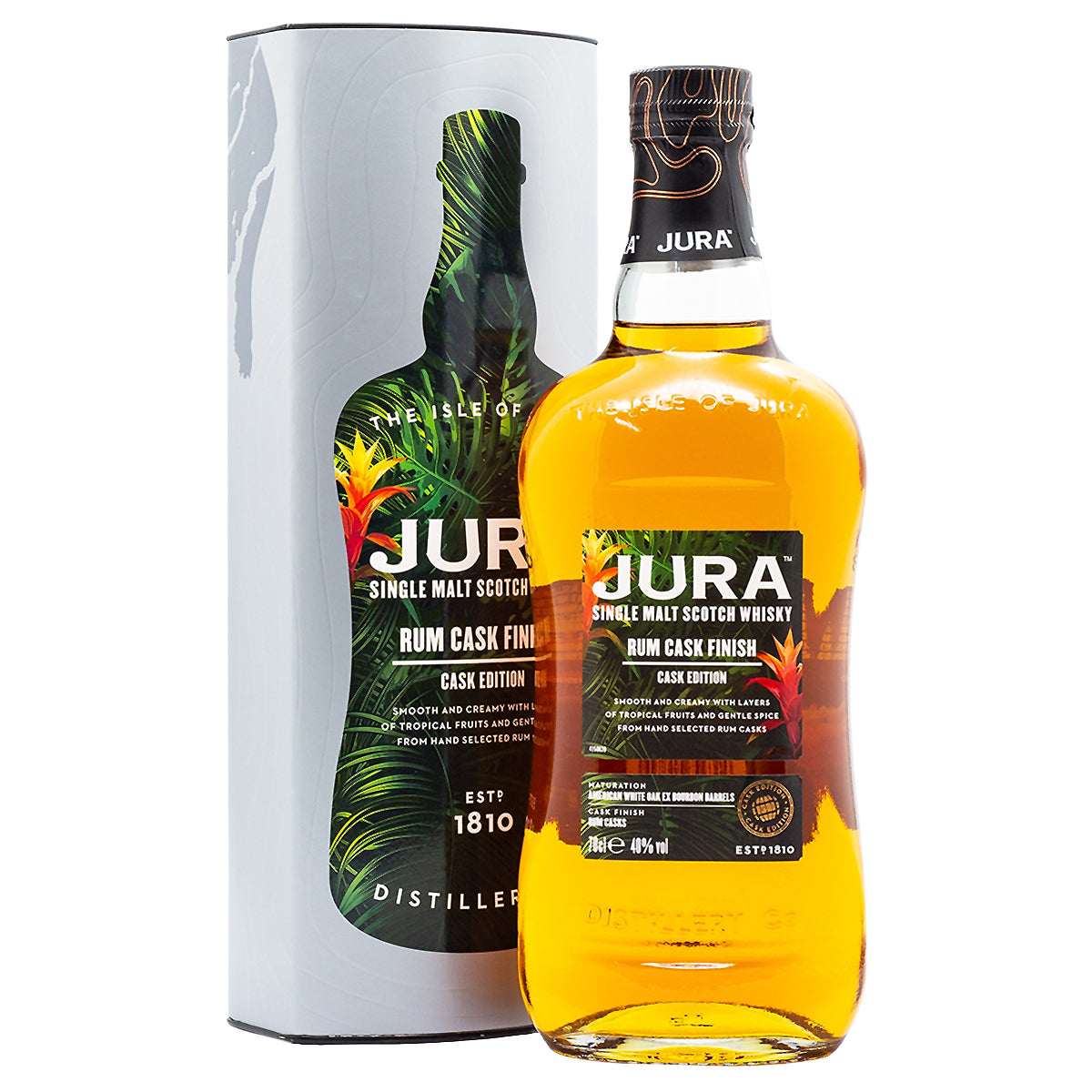
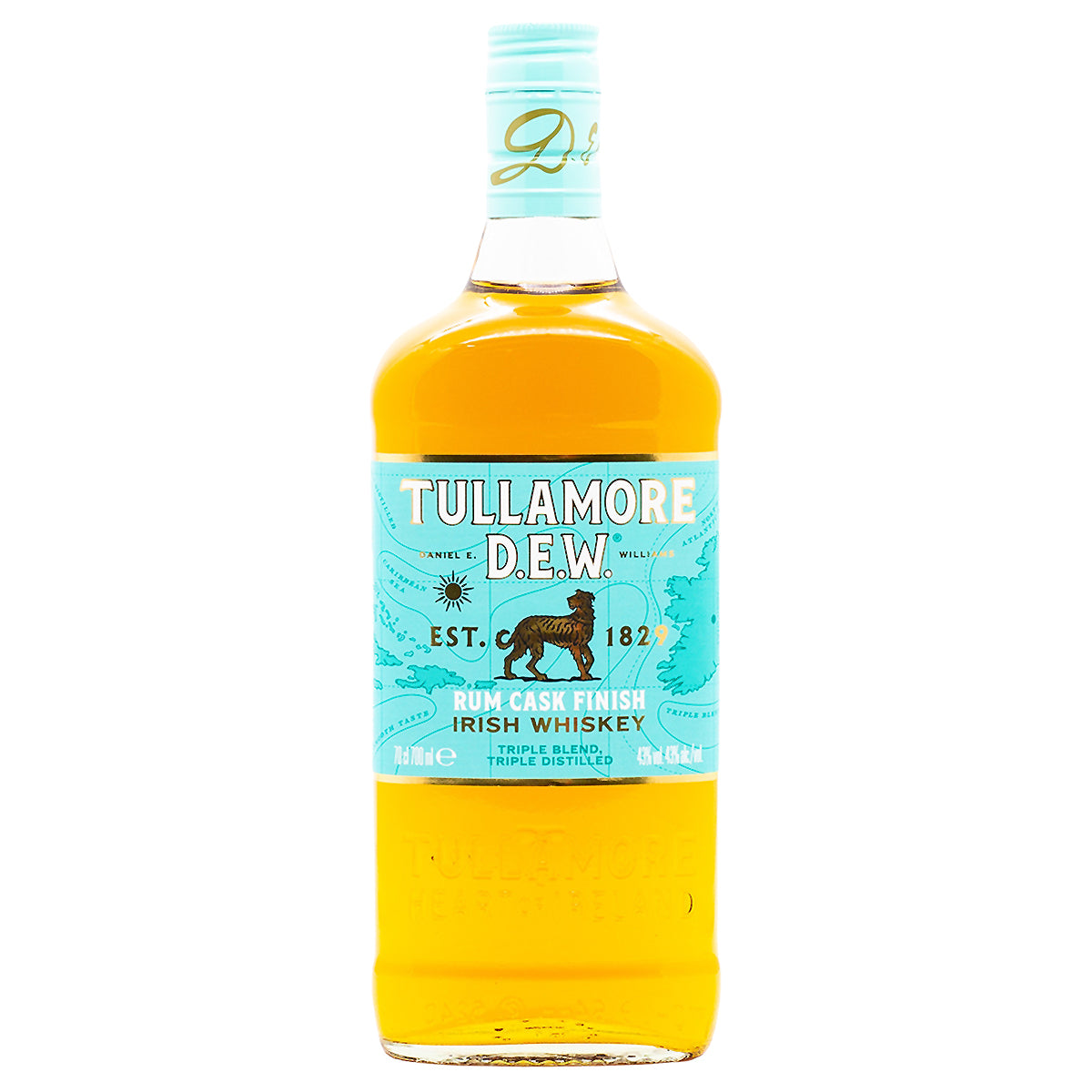
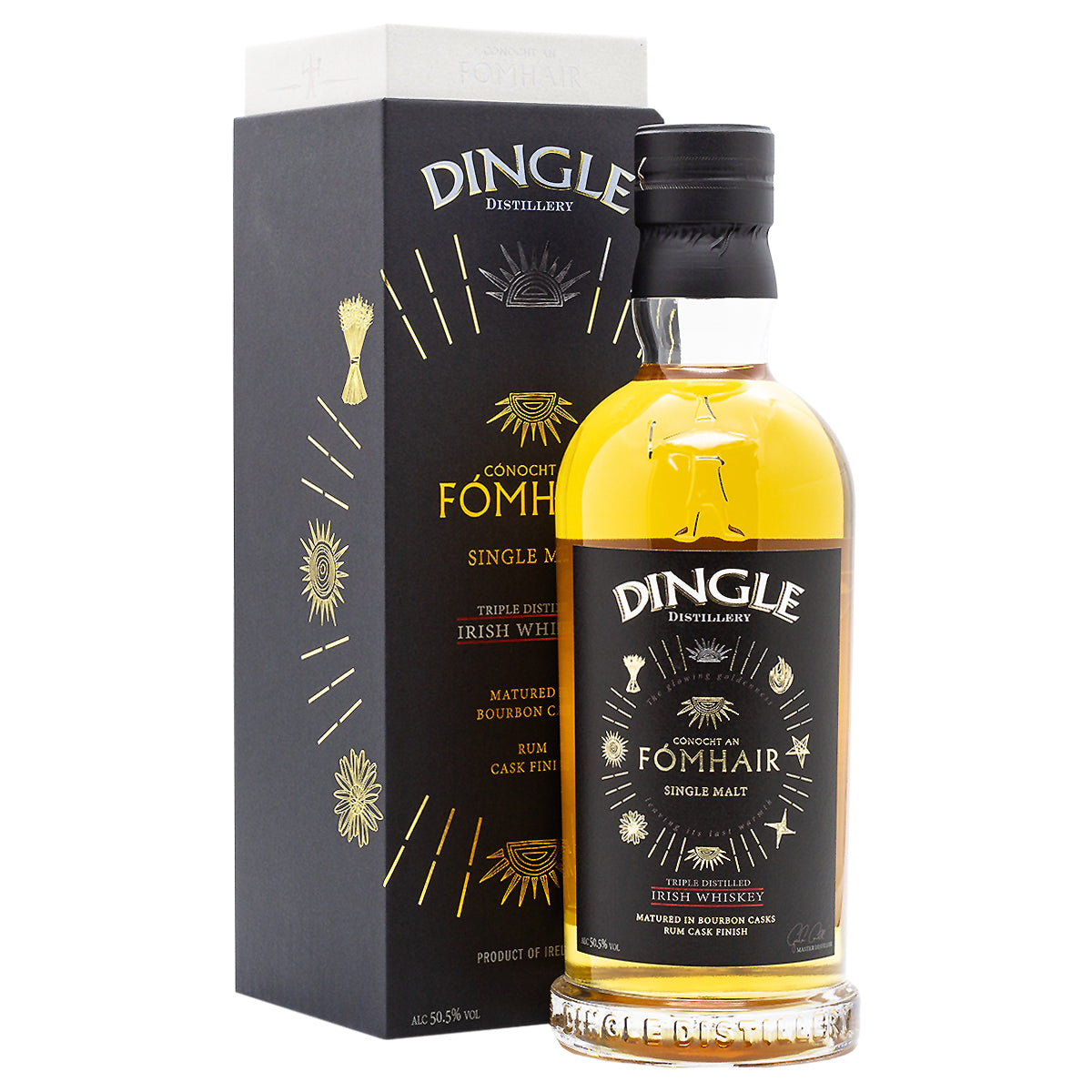
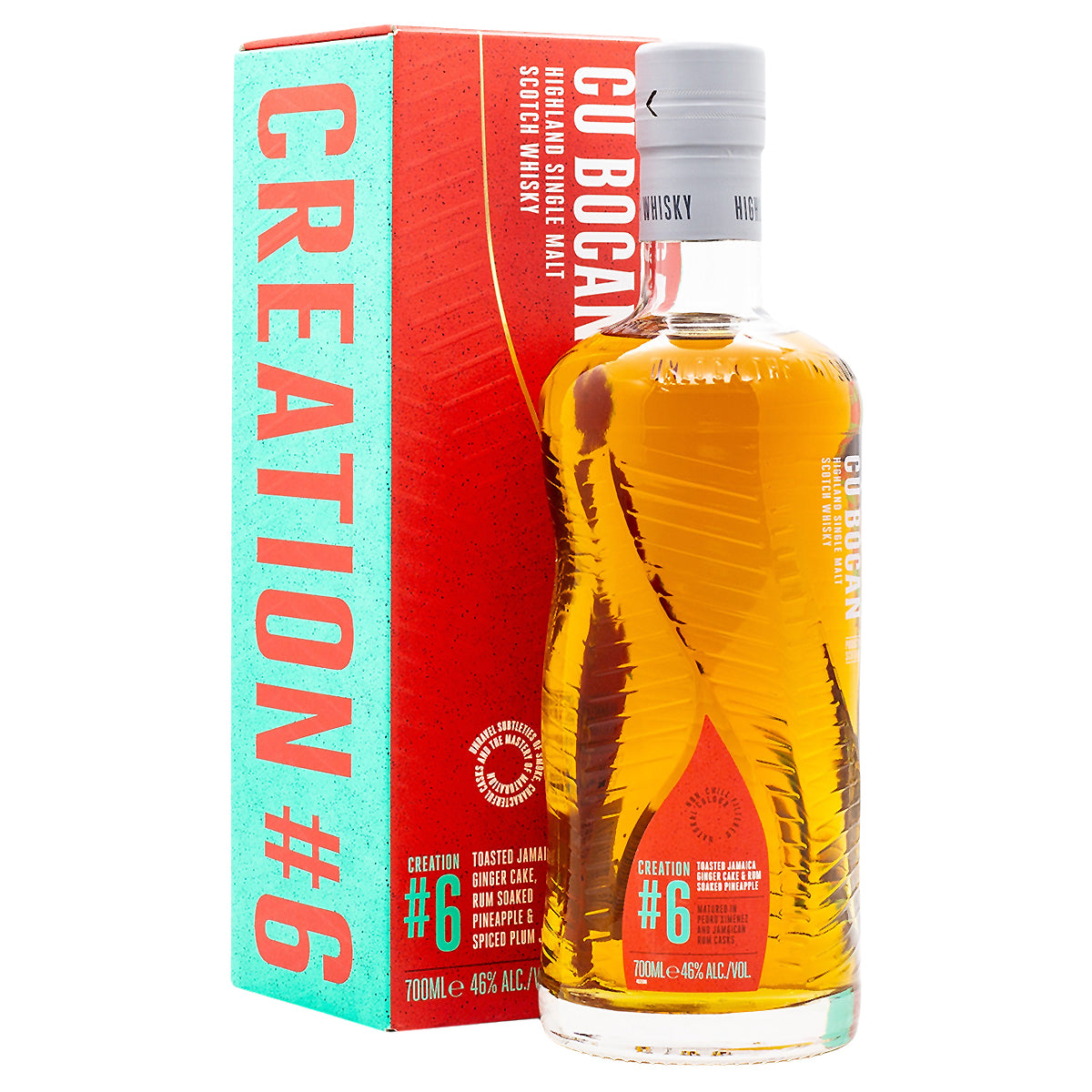
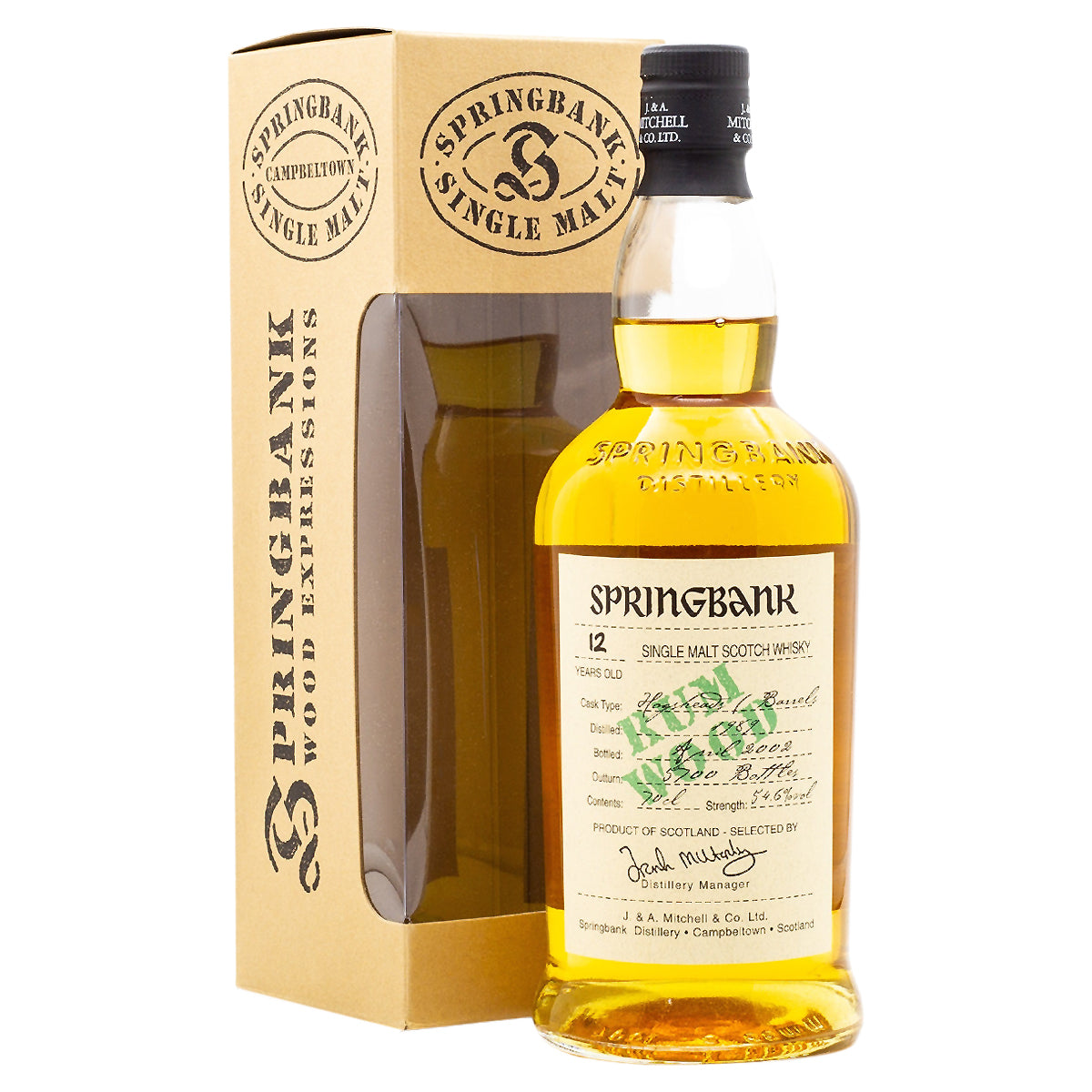
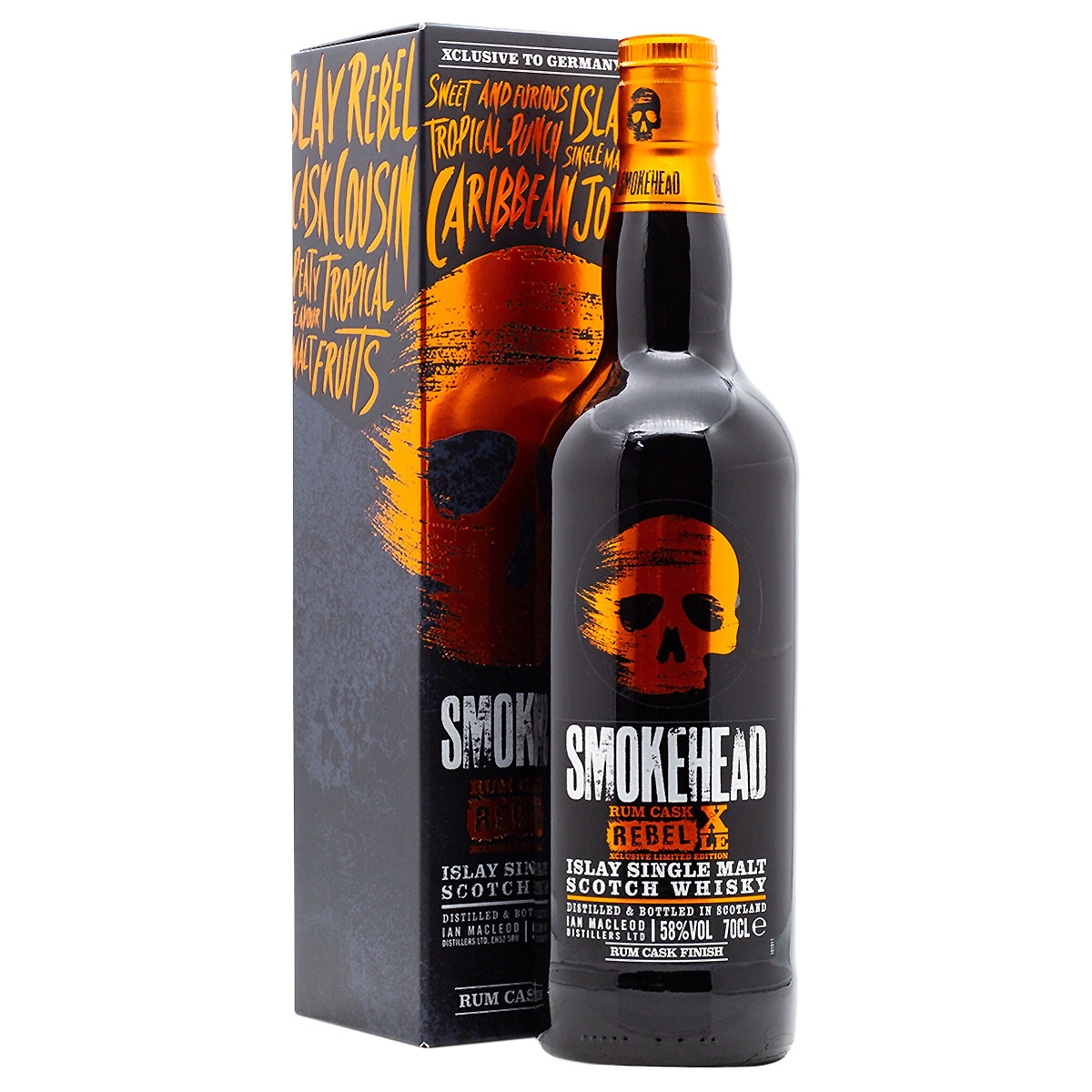
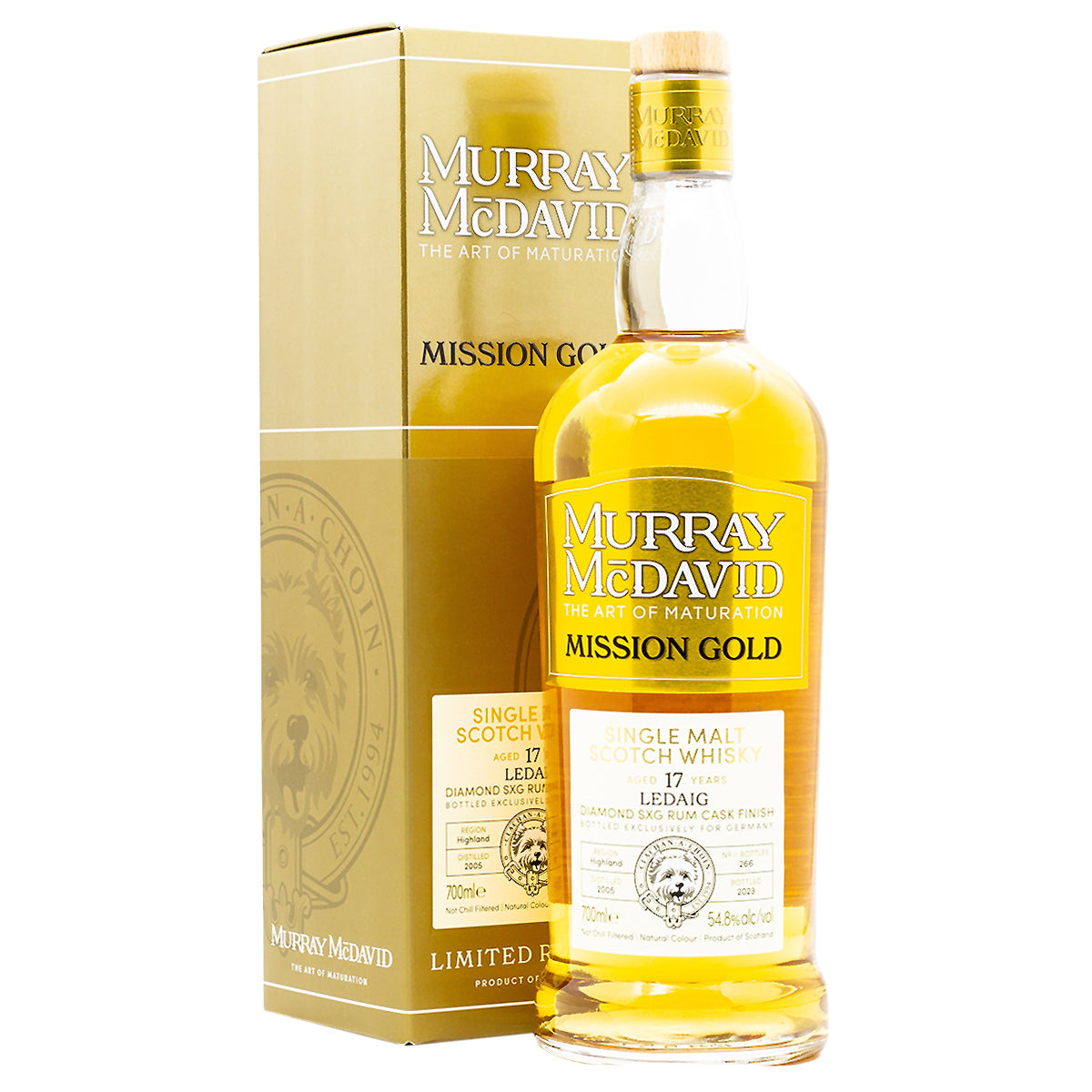
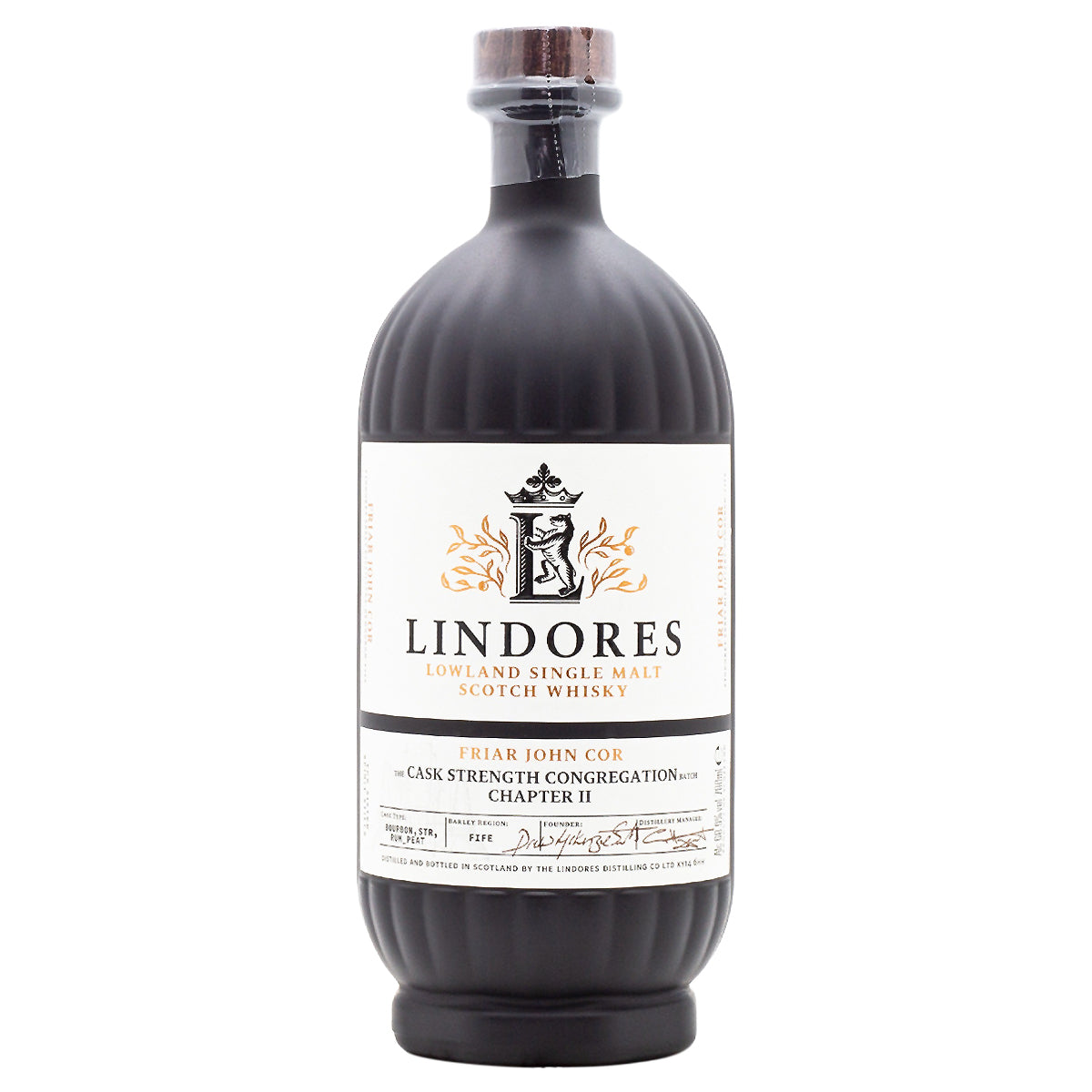
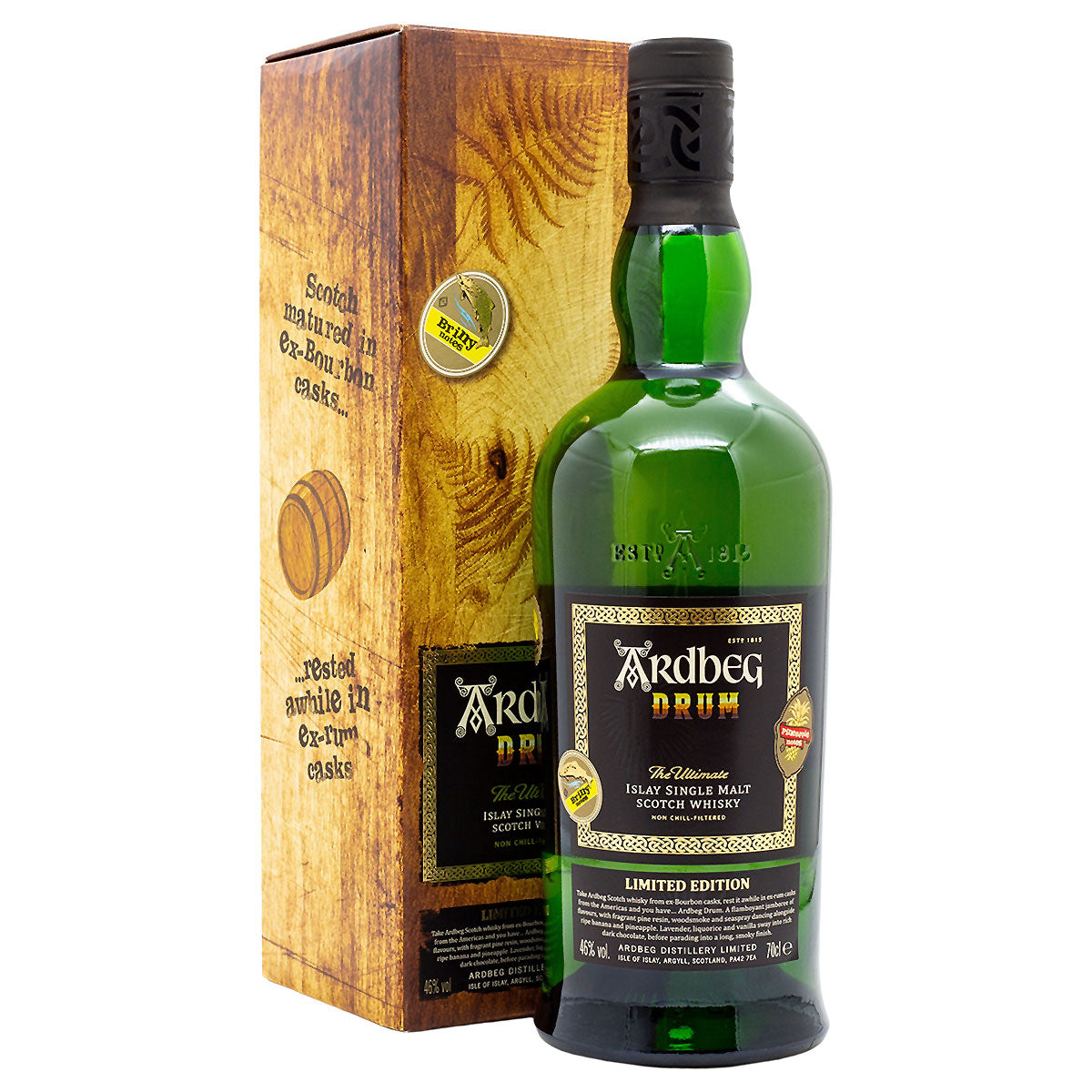
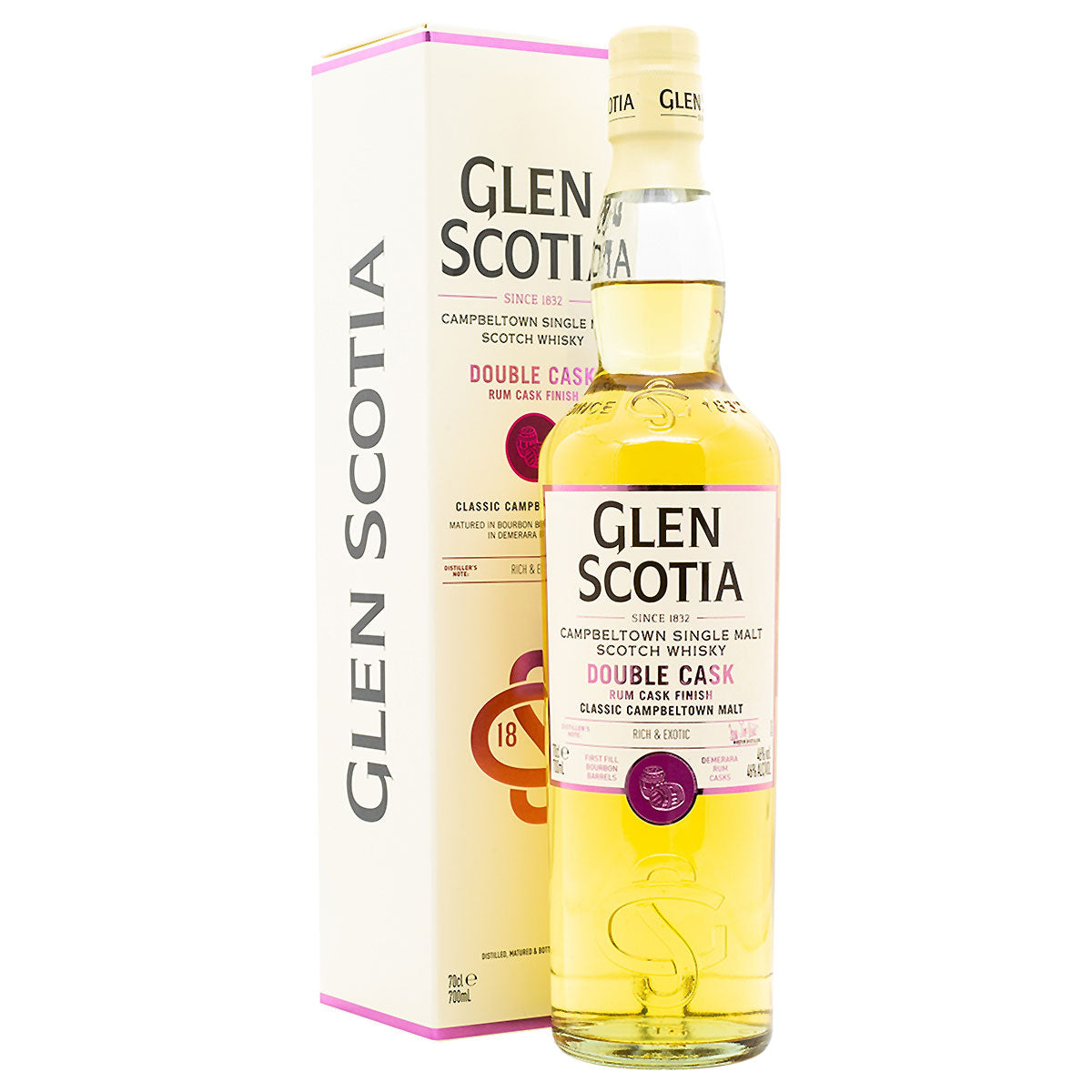
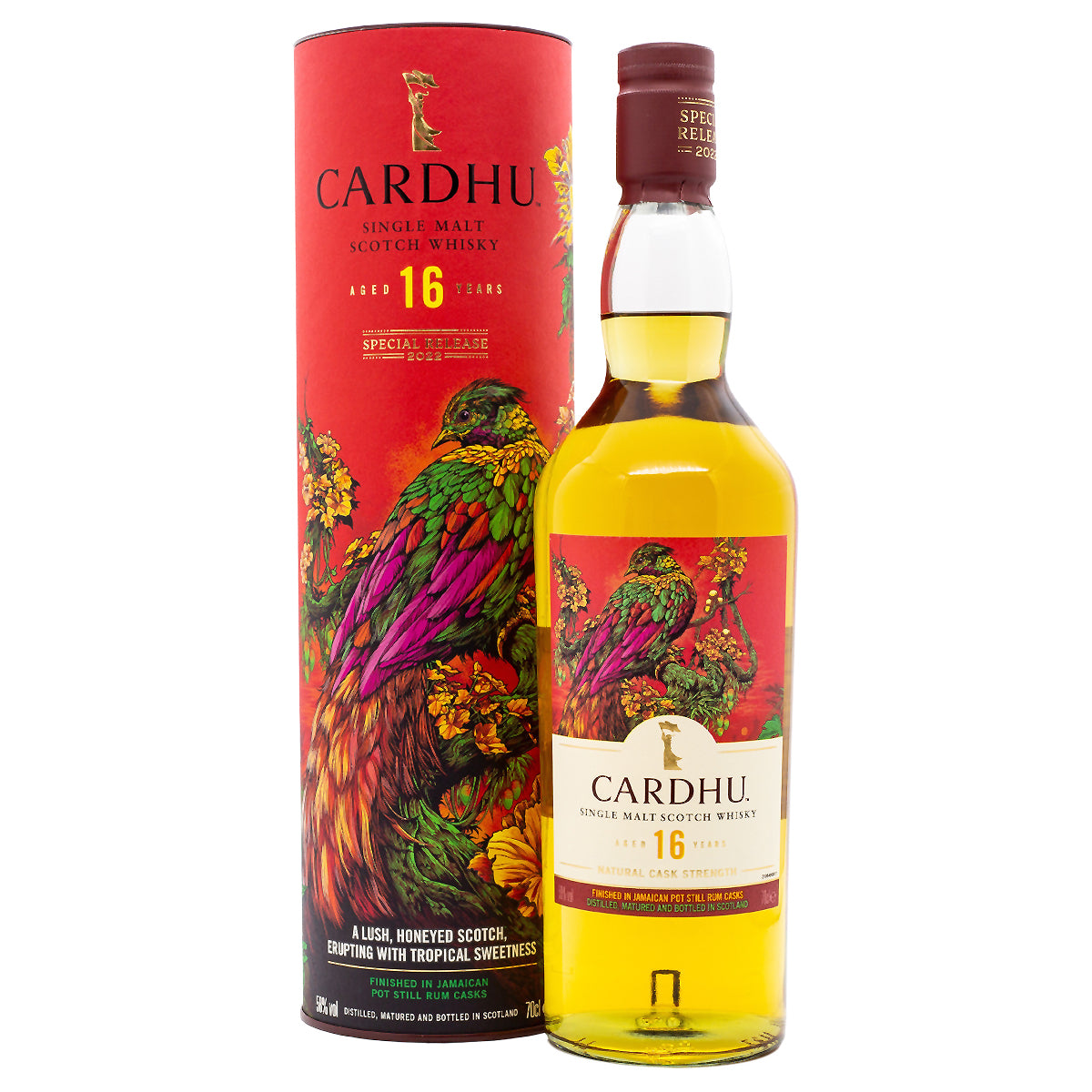
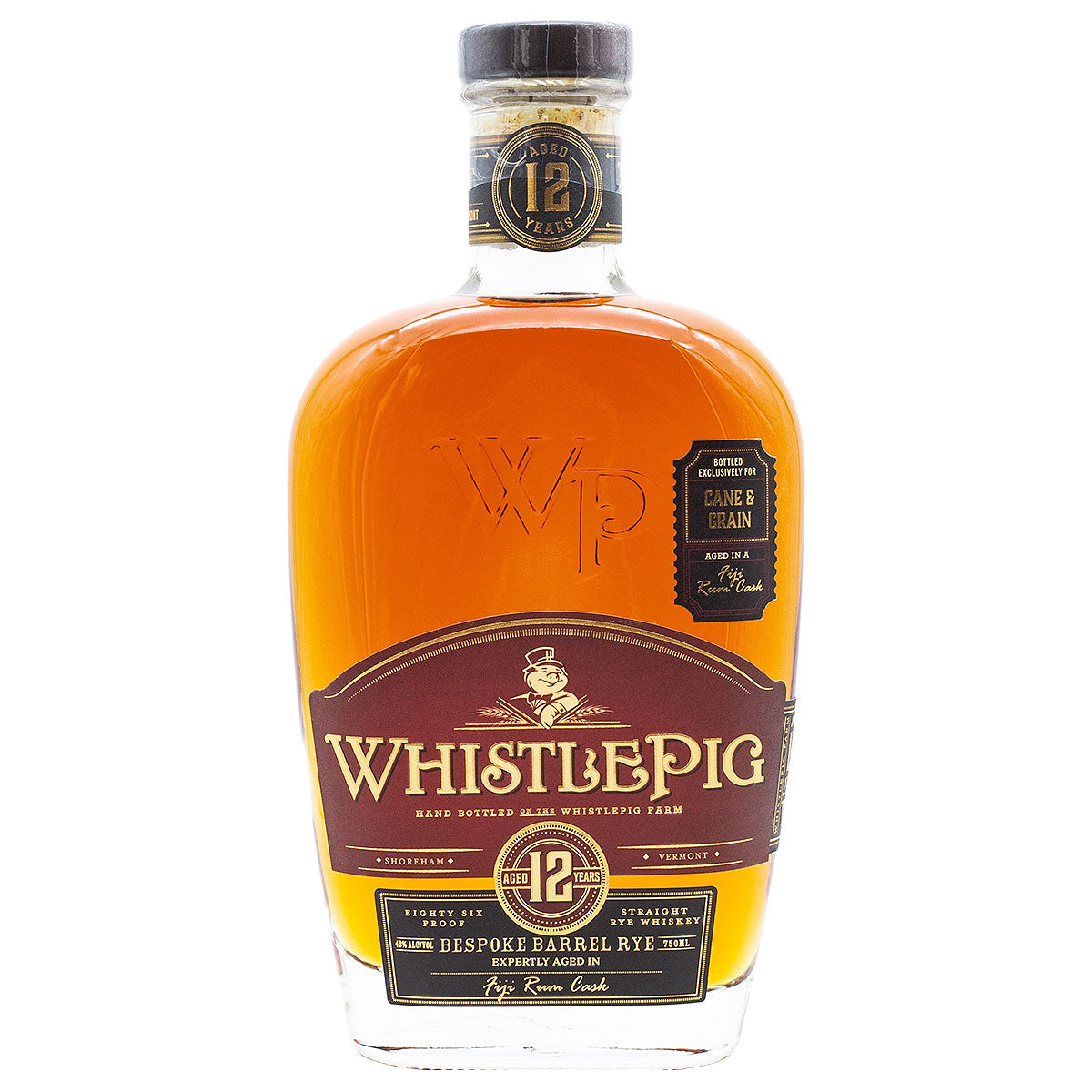
This collection bundles whiskies in which a rum cask was used at at least one stage of maturation. This includes full rum cask maturation, rum cask finishes, and bottlings from multiple cask types. This designation therefore does not mean that the whisky matured exclusively or predominantly in the rum cask. The respective product description shows what role the cask played. You can learn more about finishing in Whisky with Finish.
Frequently asked questions about whisky from a rum cask
How do rum casks from Jamaica and Demerara differ?
They refer to different origins: Jamaica and Demerara in Guyana. Both encompass several rum styles and do not allow for a fixed aroma prediction.
How precise is the designation Caribbean Rum Cask?
The designation is only very broad. Without a country, producer, or distillation method, the previous rum can hardly be determined more precisely.
Does whisky from a rum cask always taste sweet?
No. Fruit, vanilla, and caramel can taste sweet, but the rum cask does not automatically make the whisky sugar-rich or sweet.
Is rum added to rum cask whisky?
No. The whisky matures in the previously emptied cask. The effect comes from the wood and previous filling.