
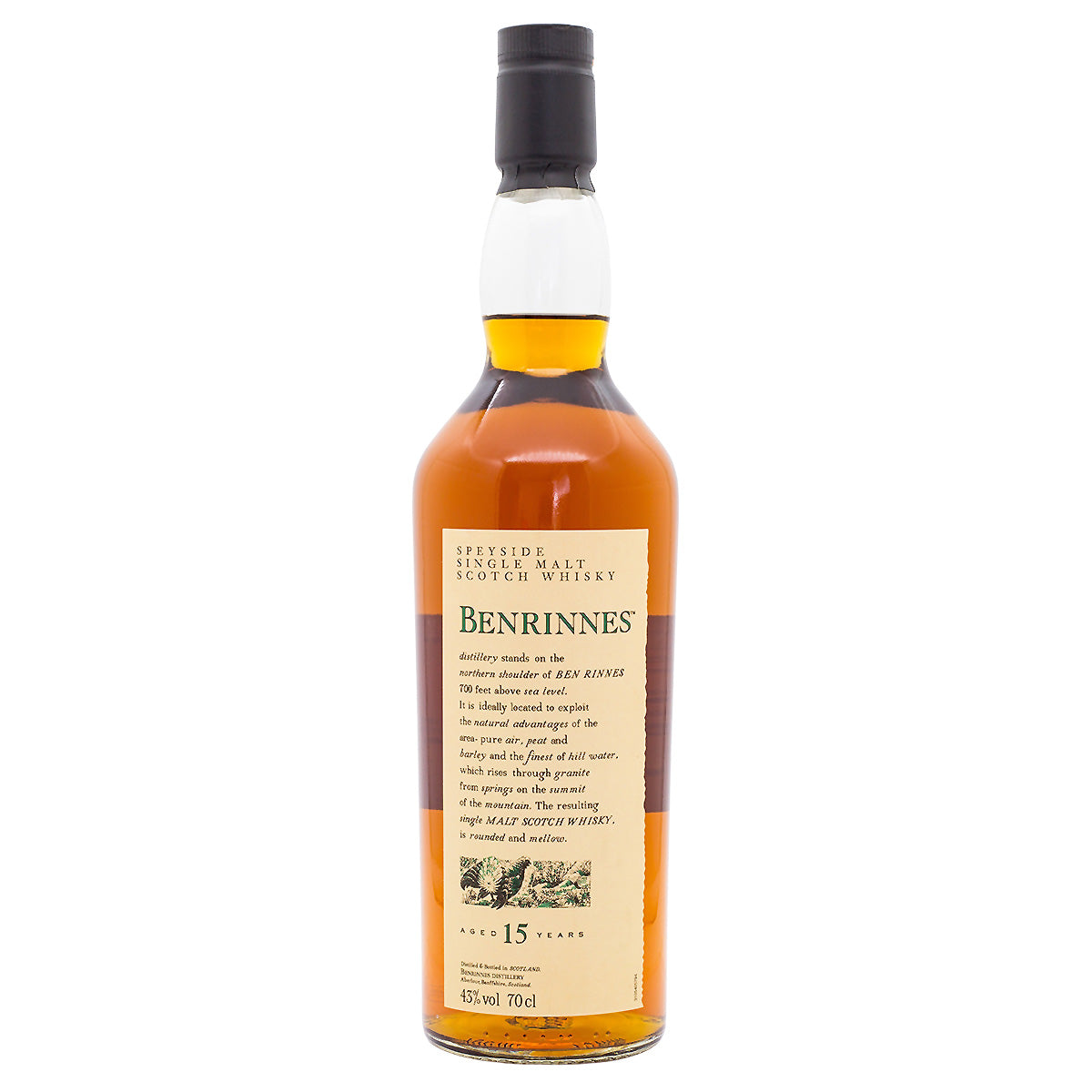
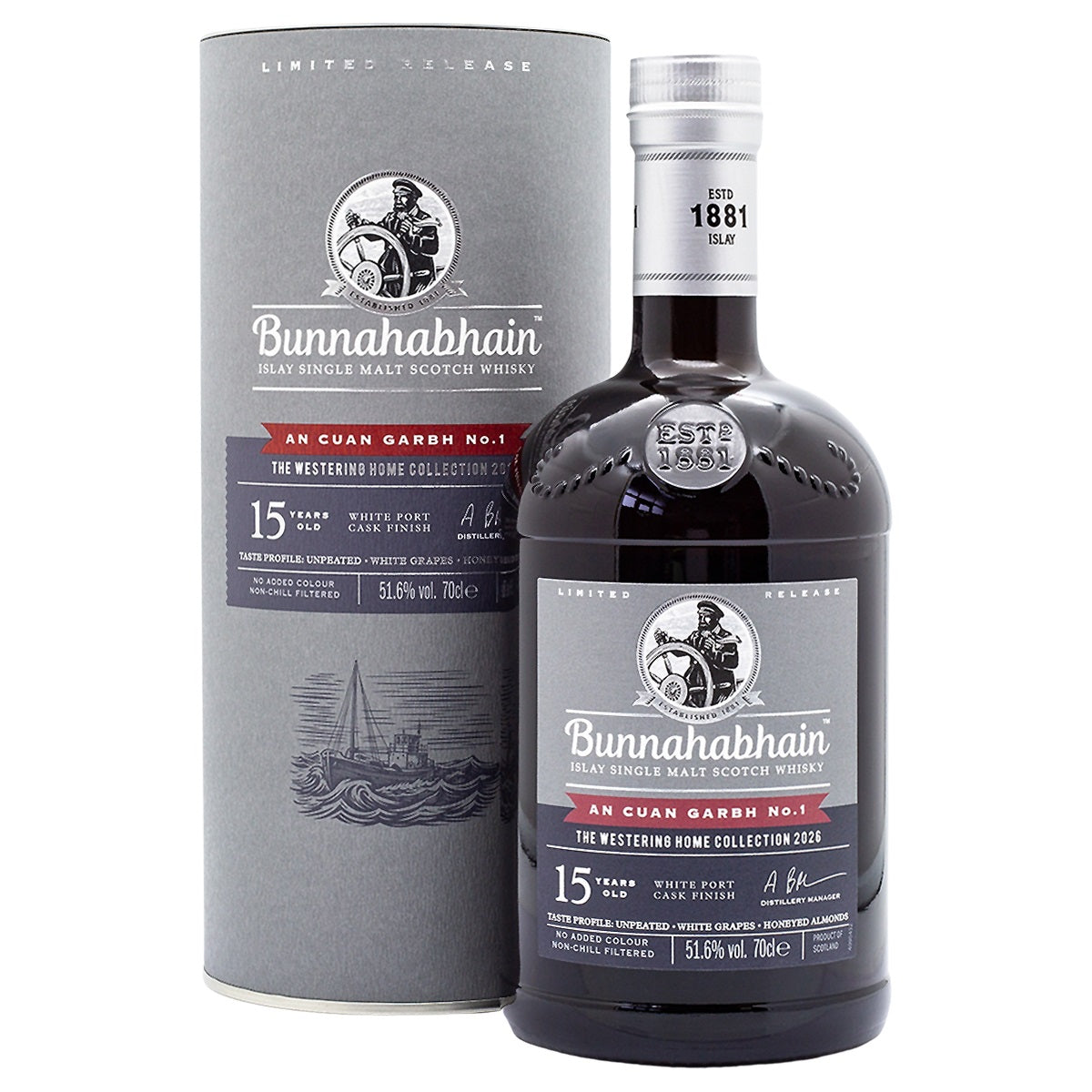
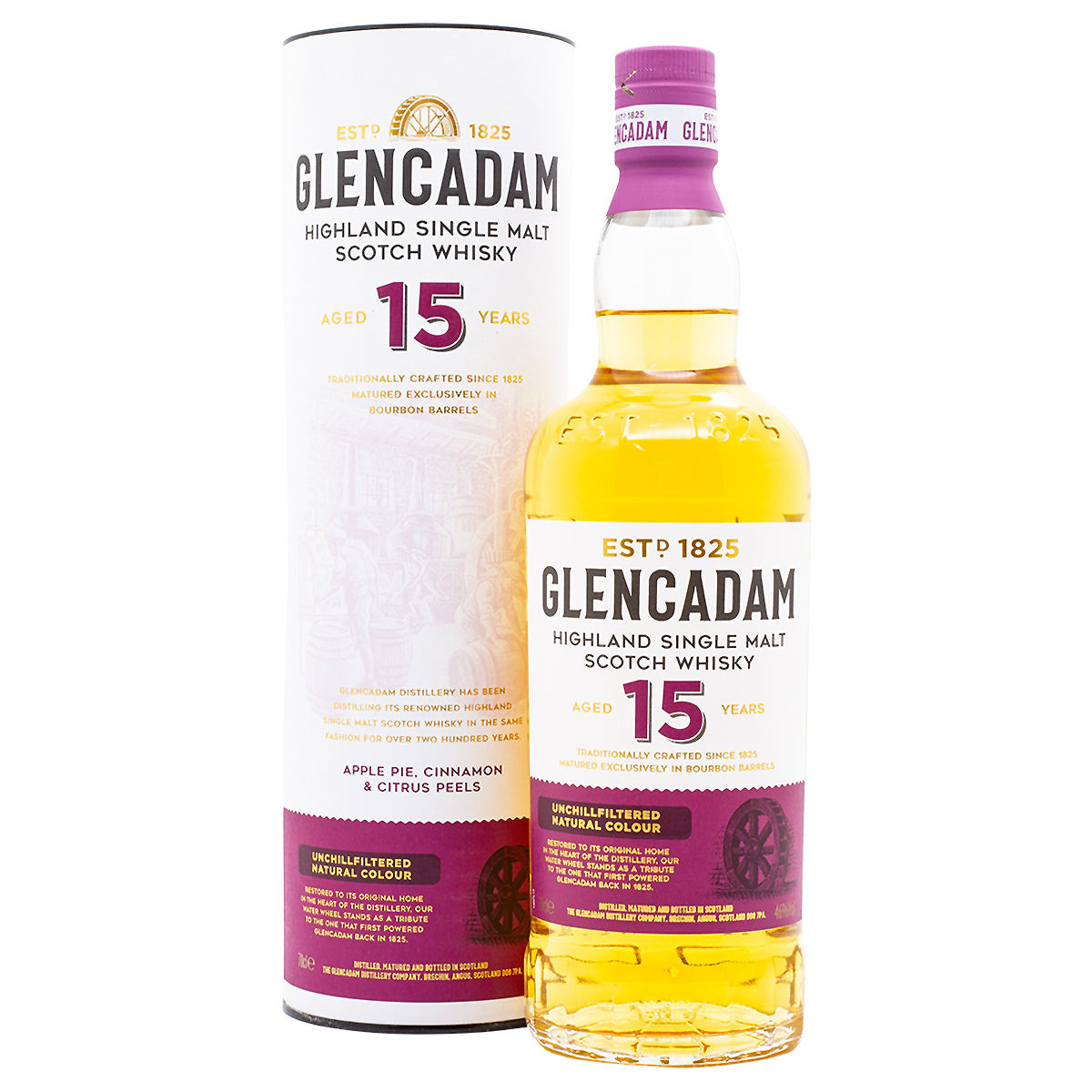

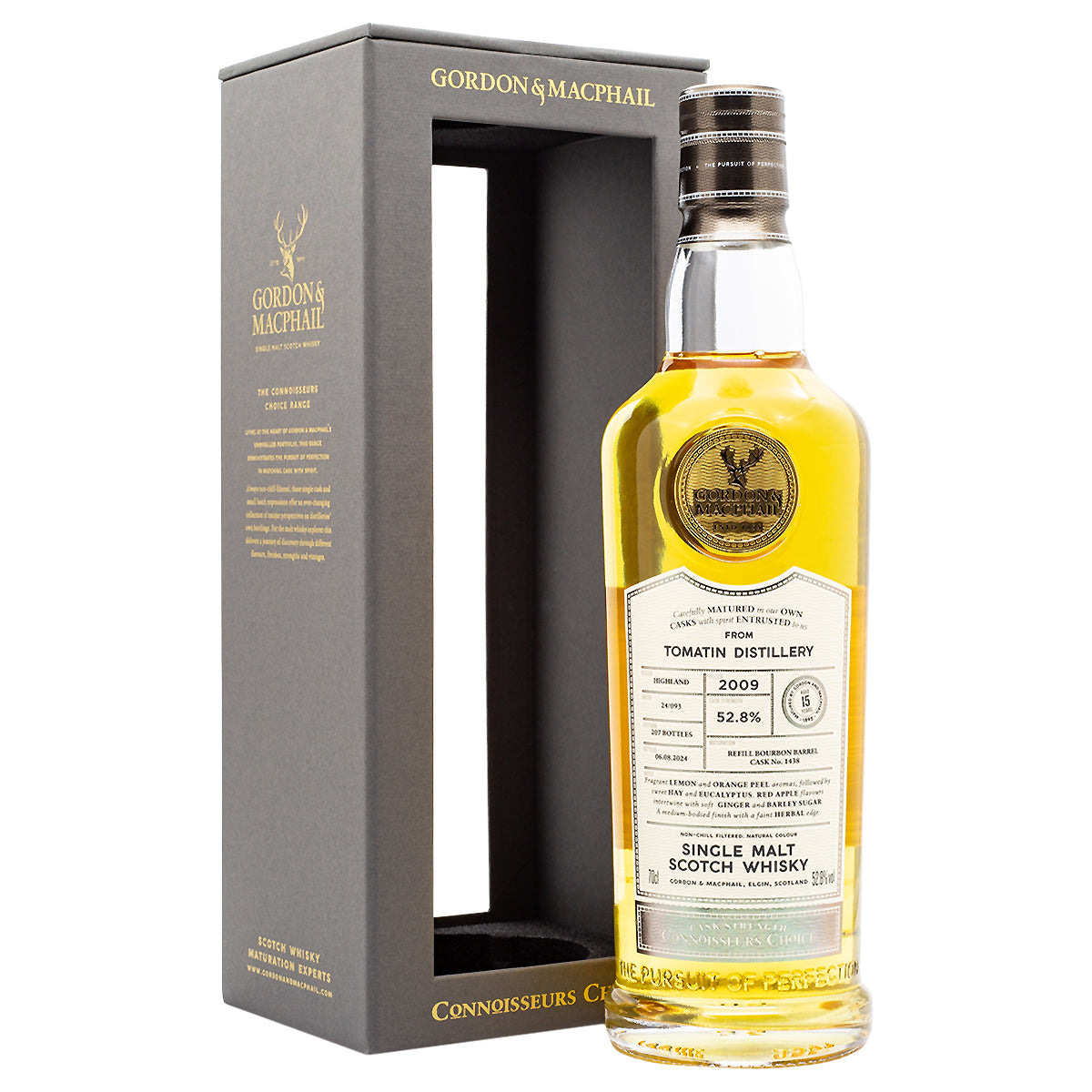
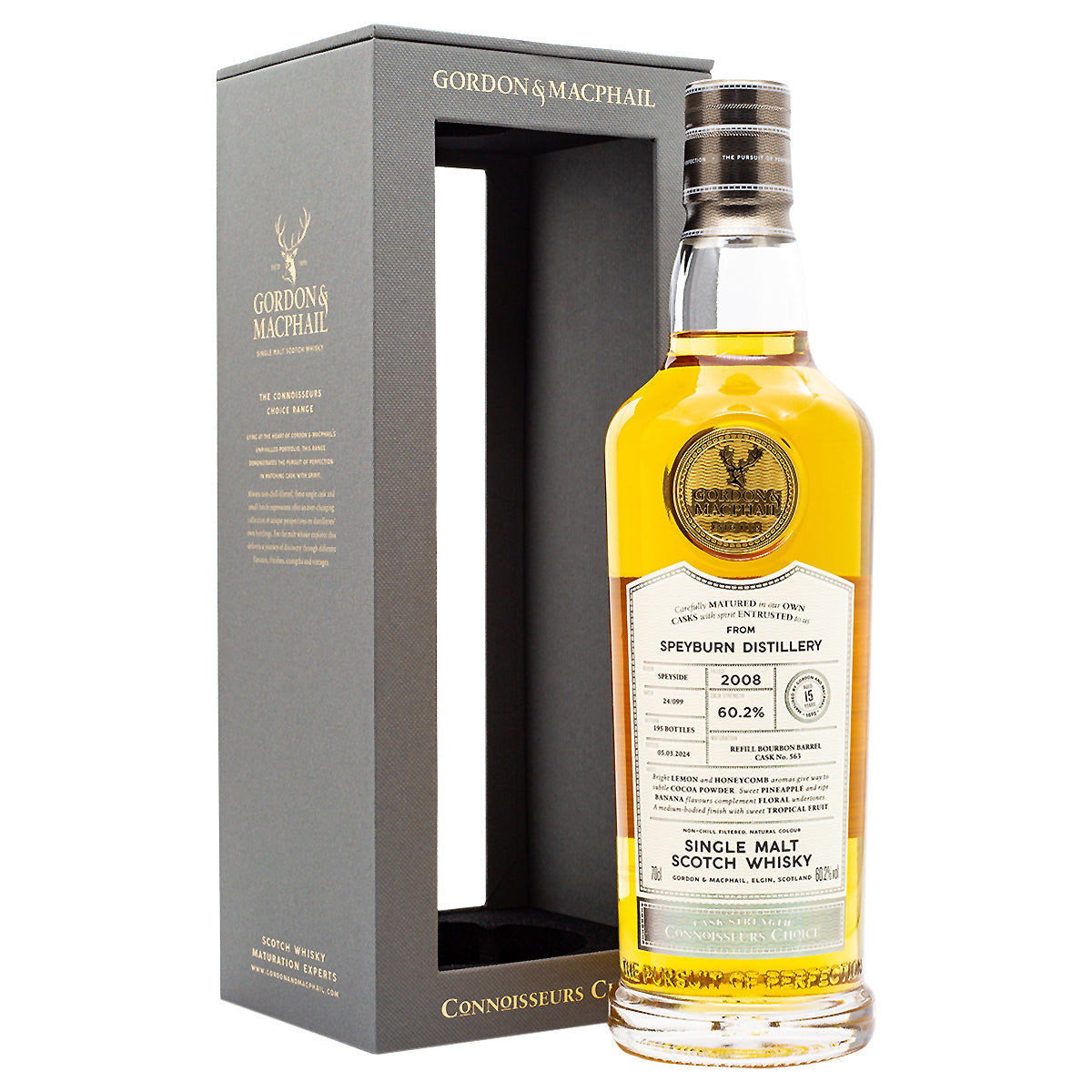
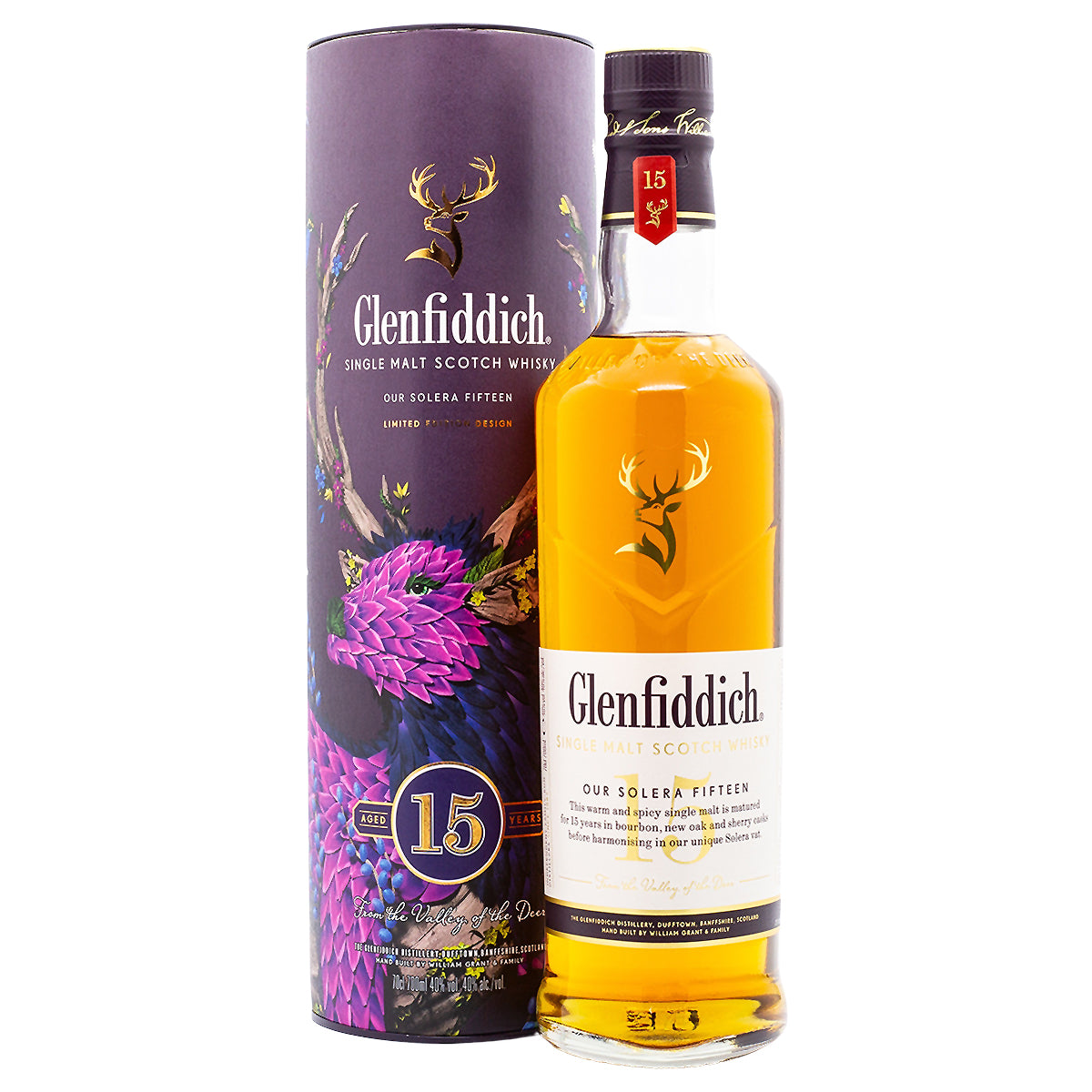
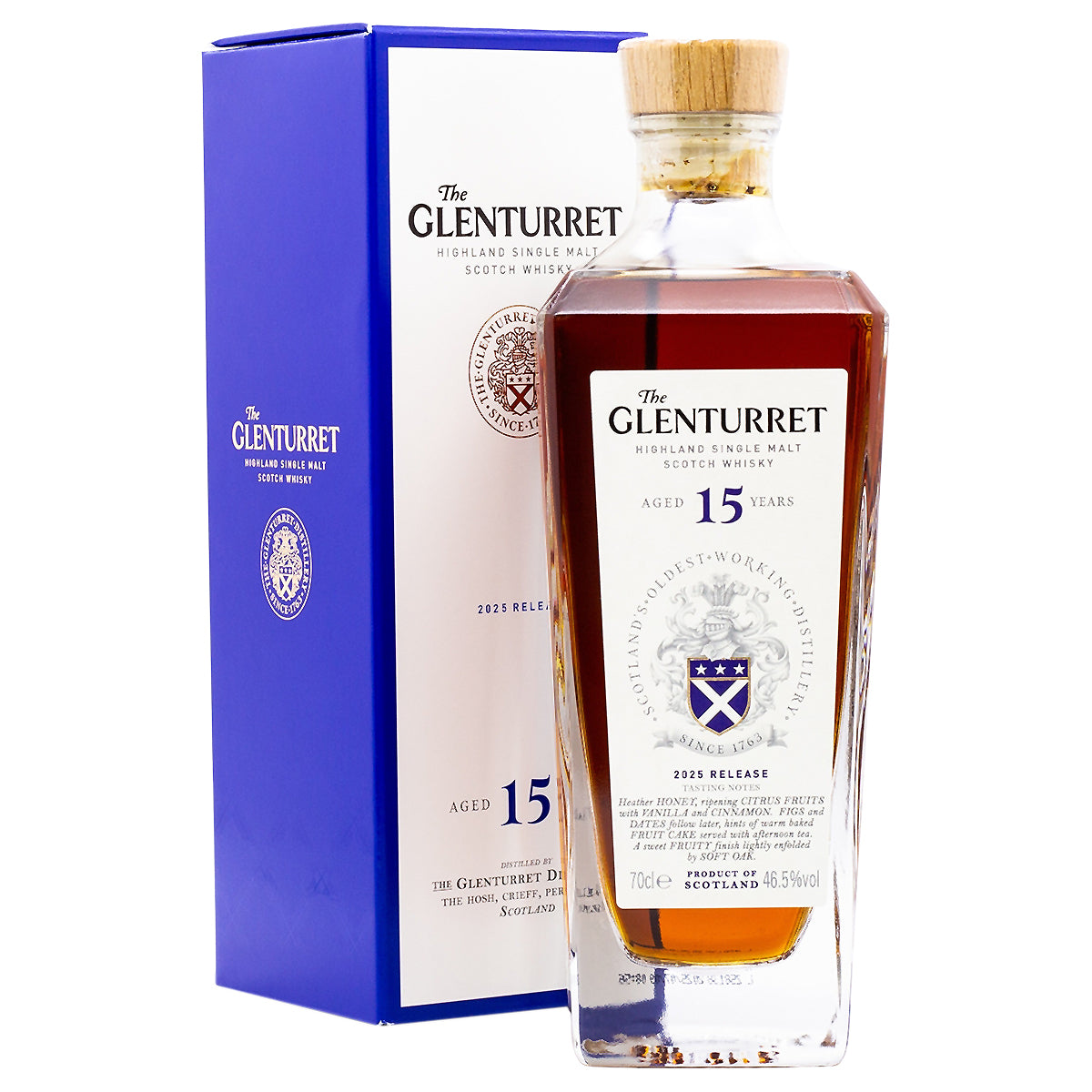
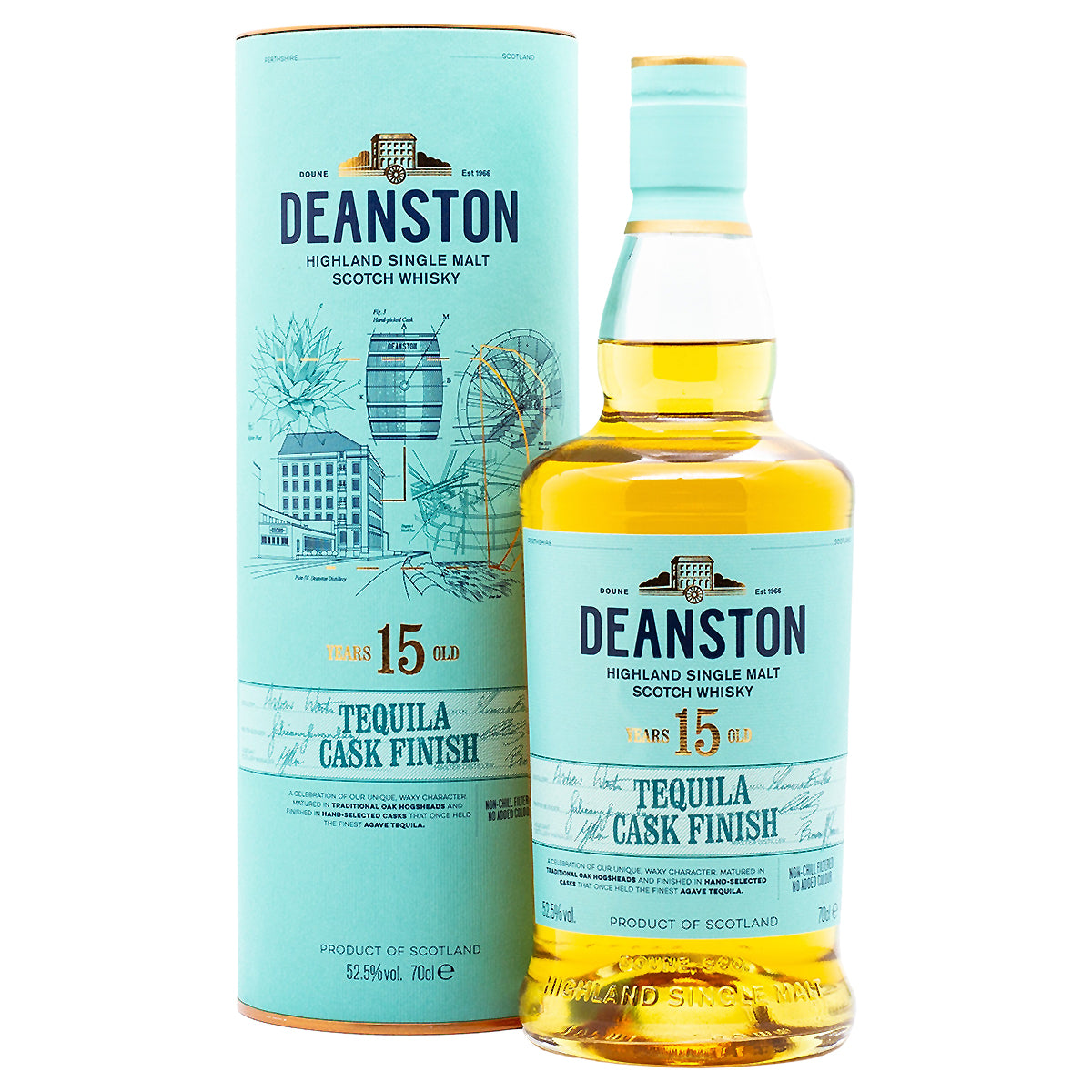
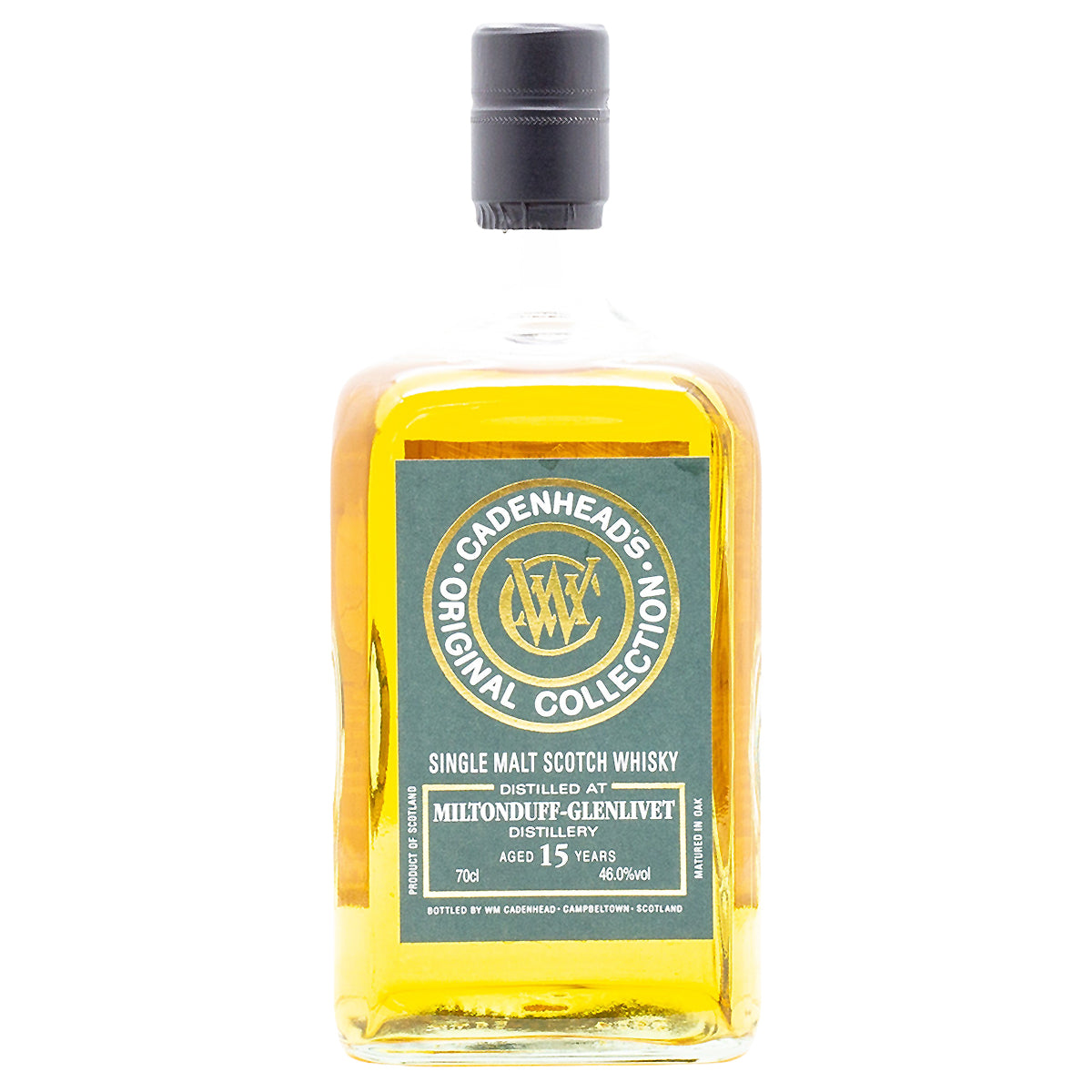
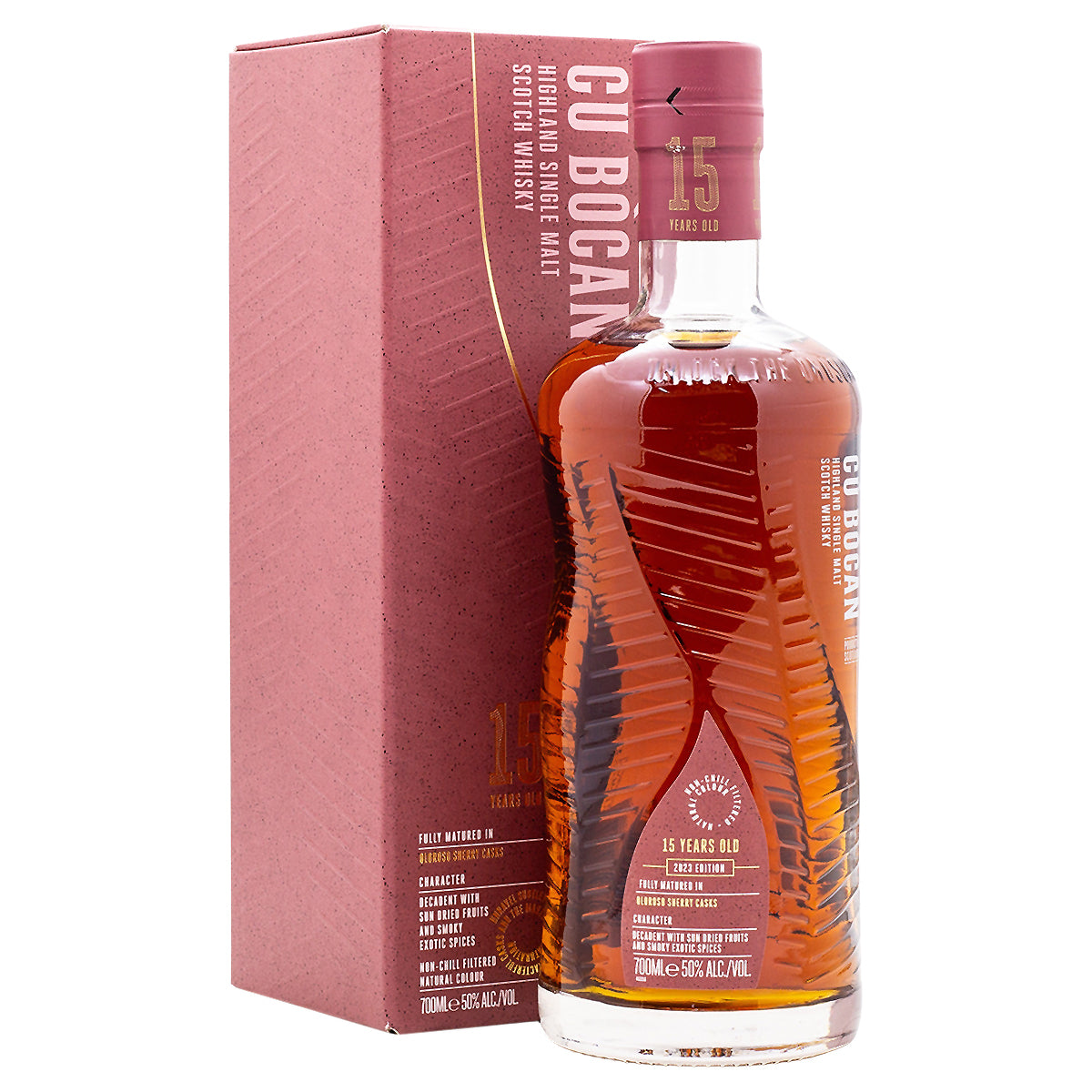

15-Year-Old Whisky: What Changes Besides Age?
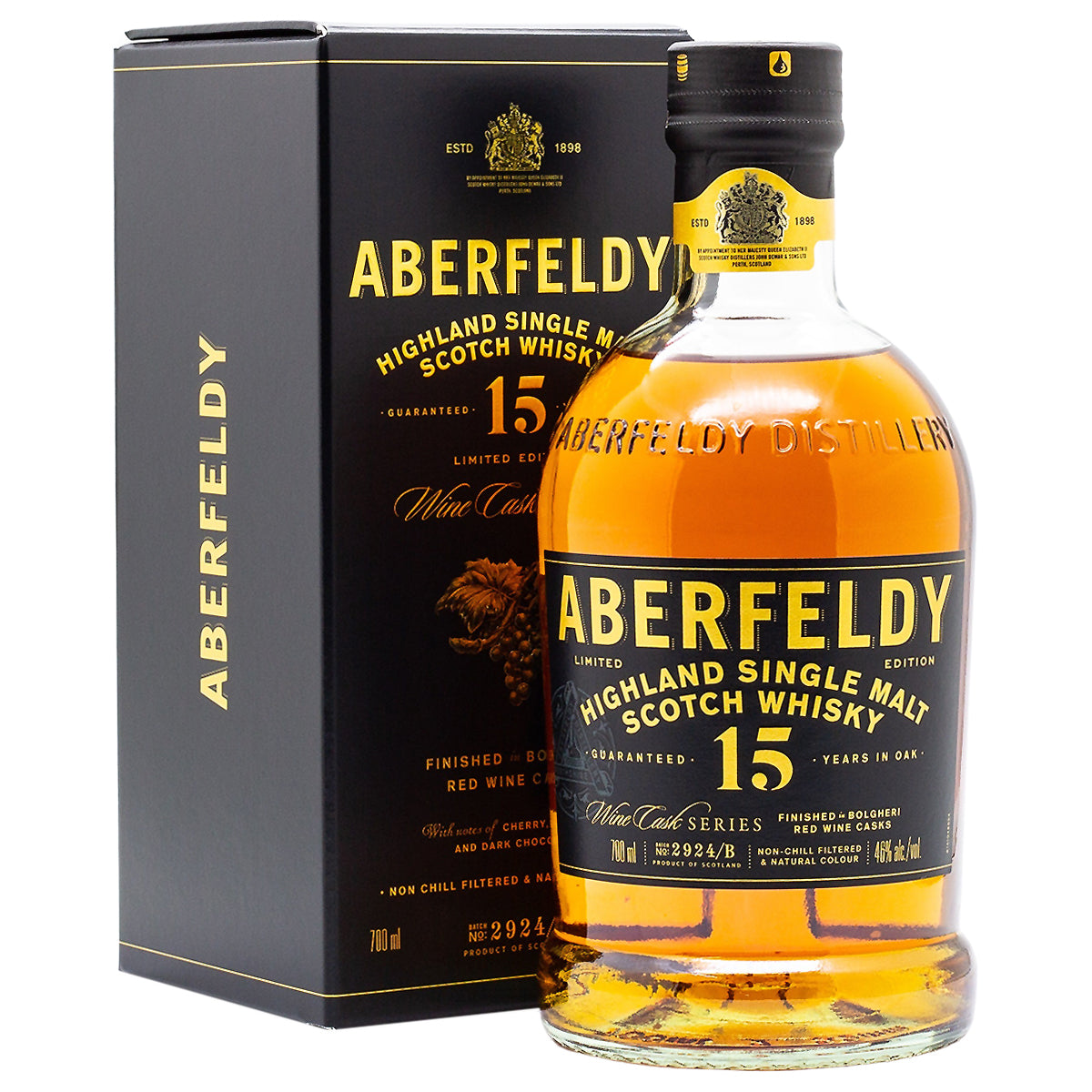
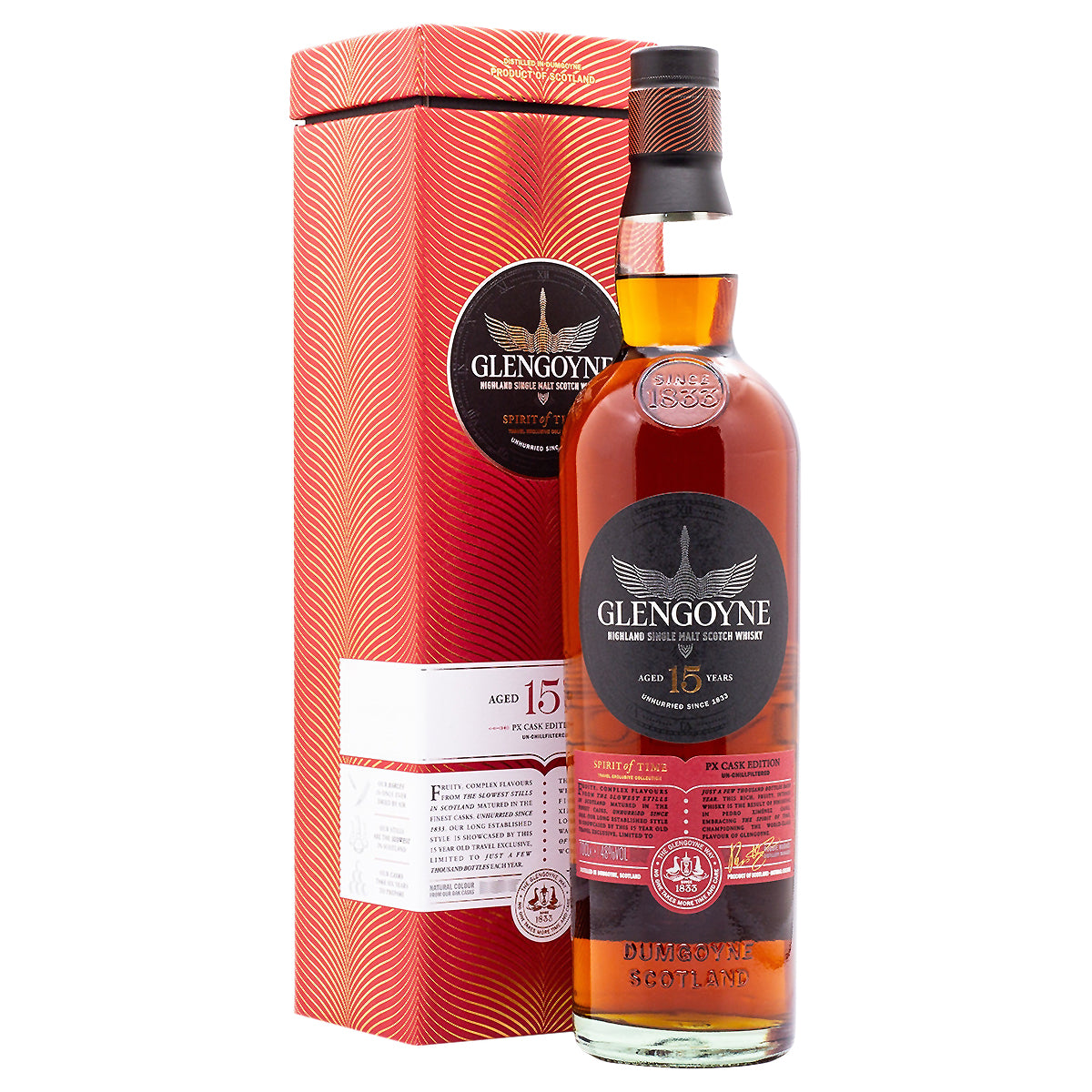
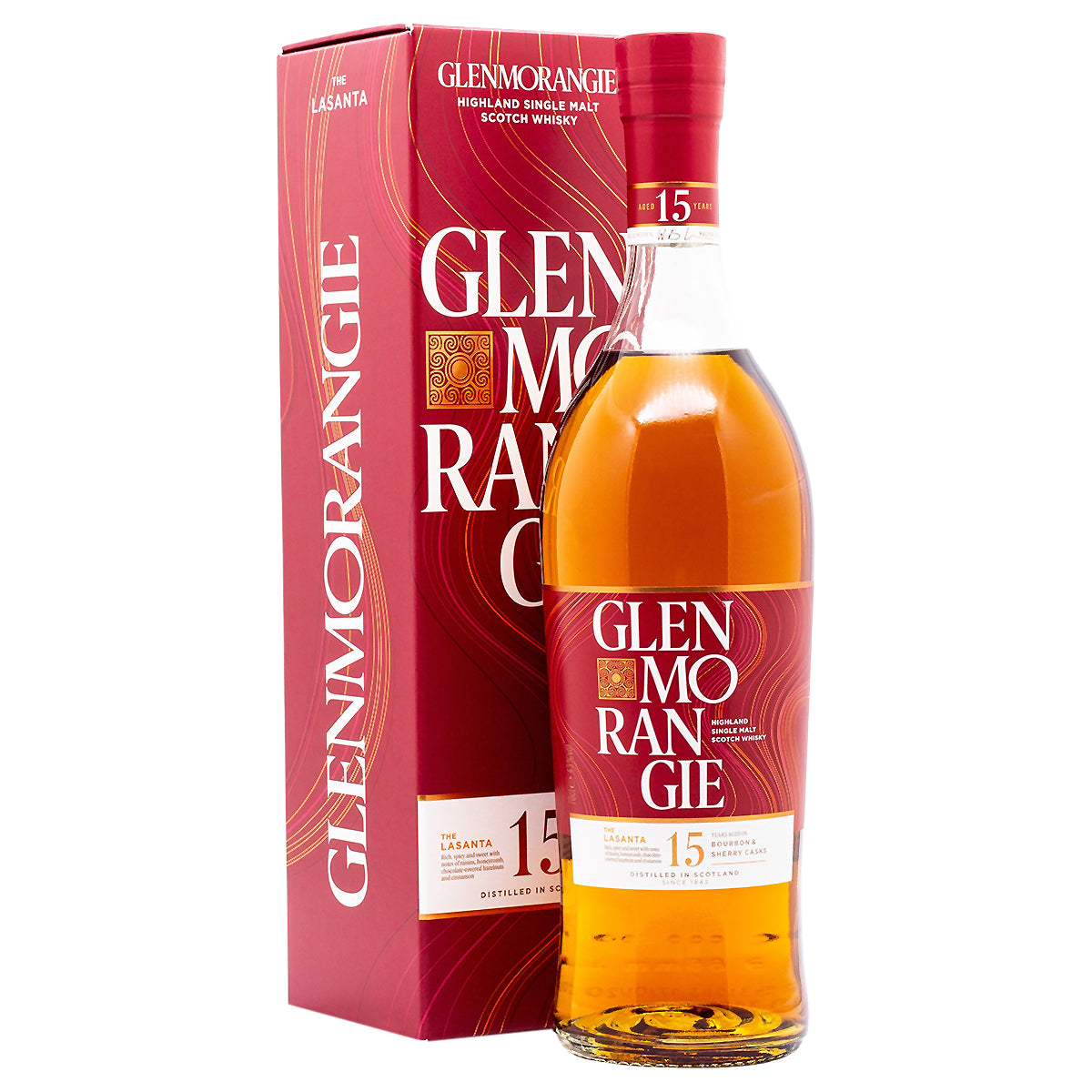
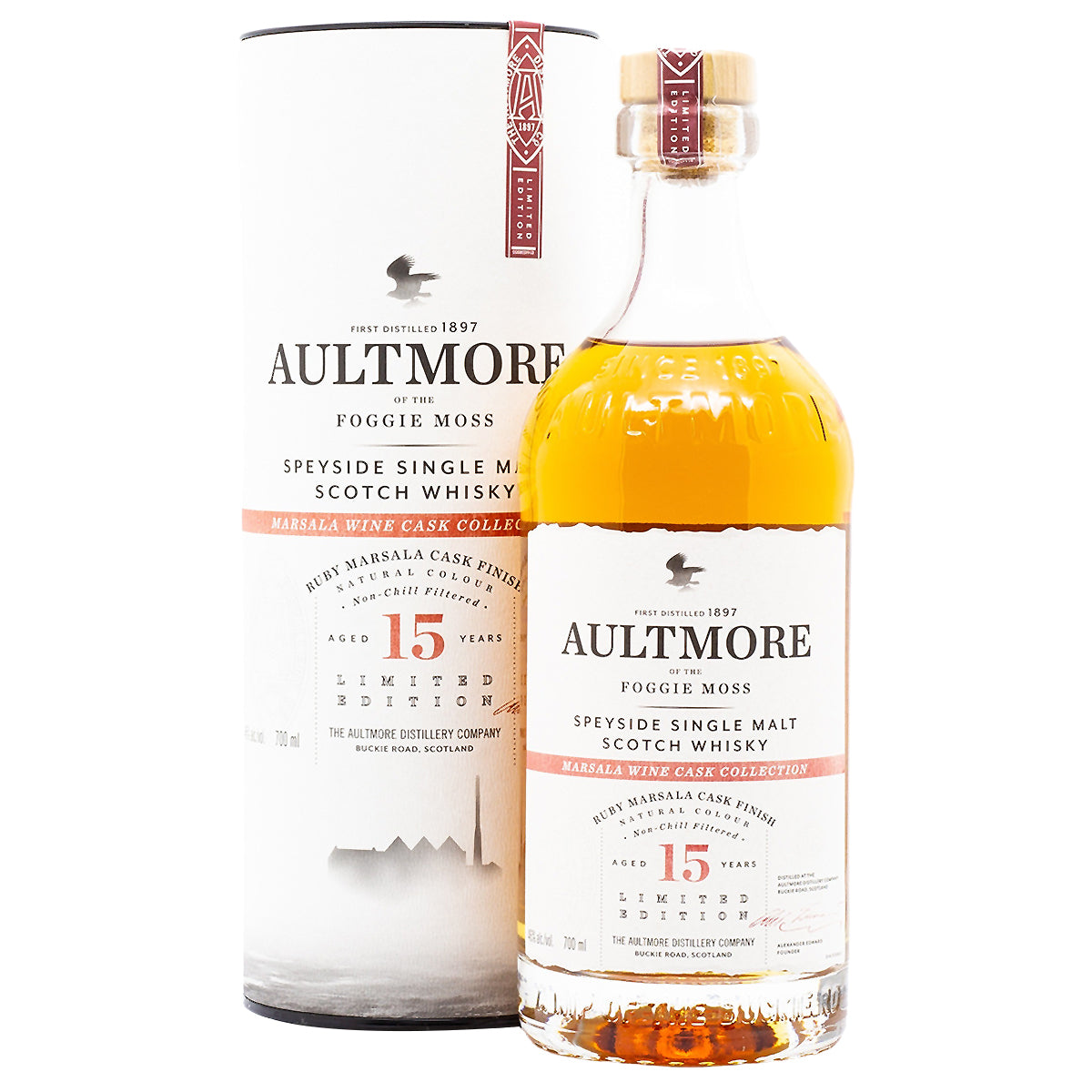
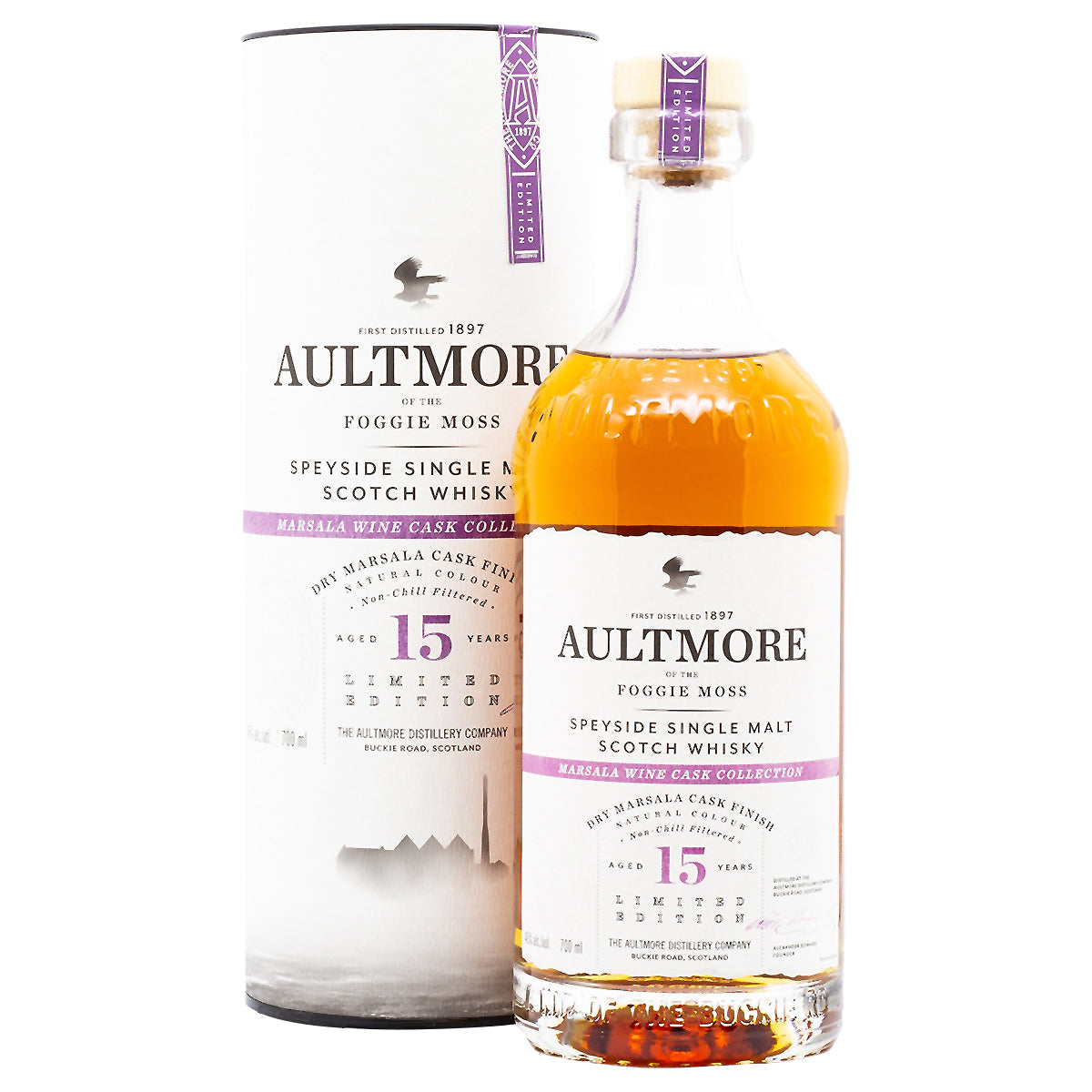
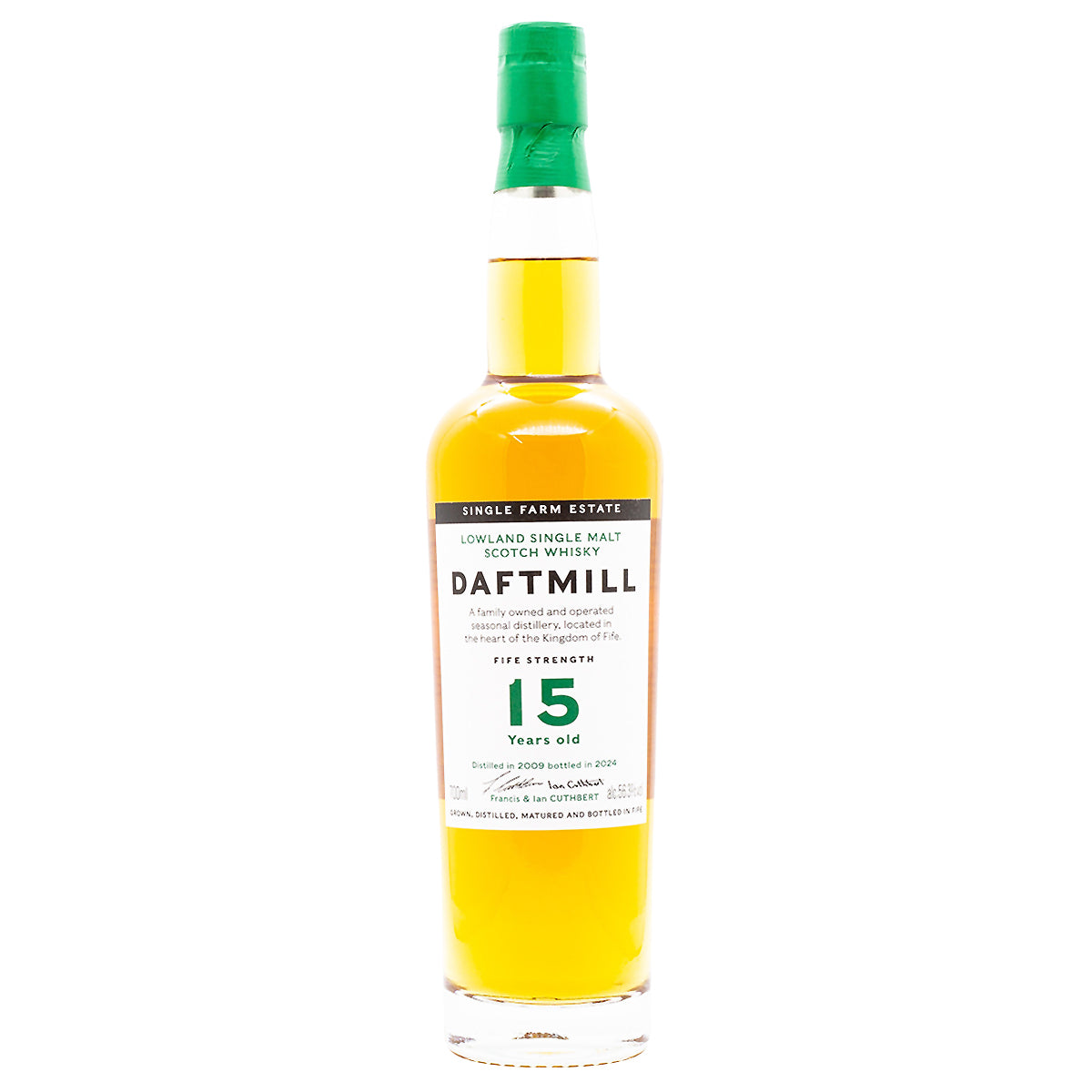
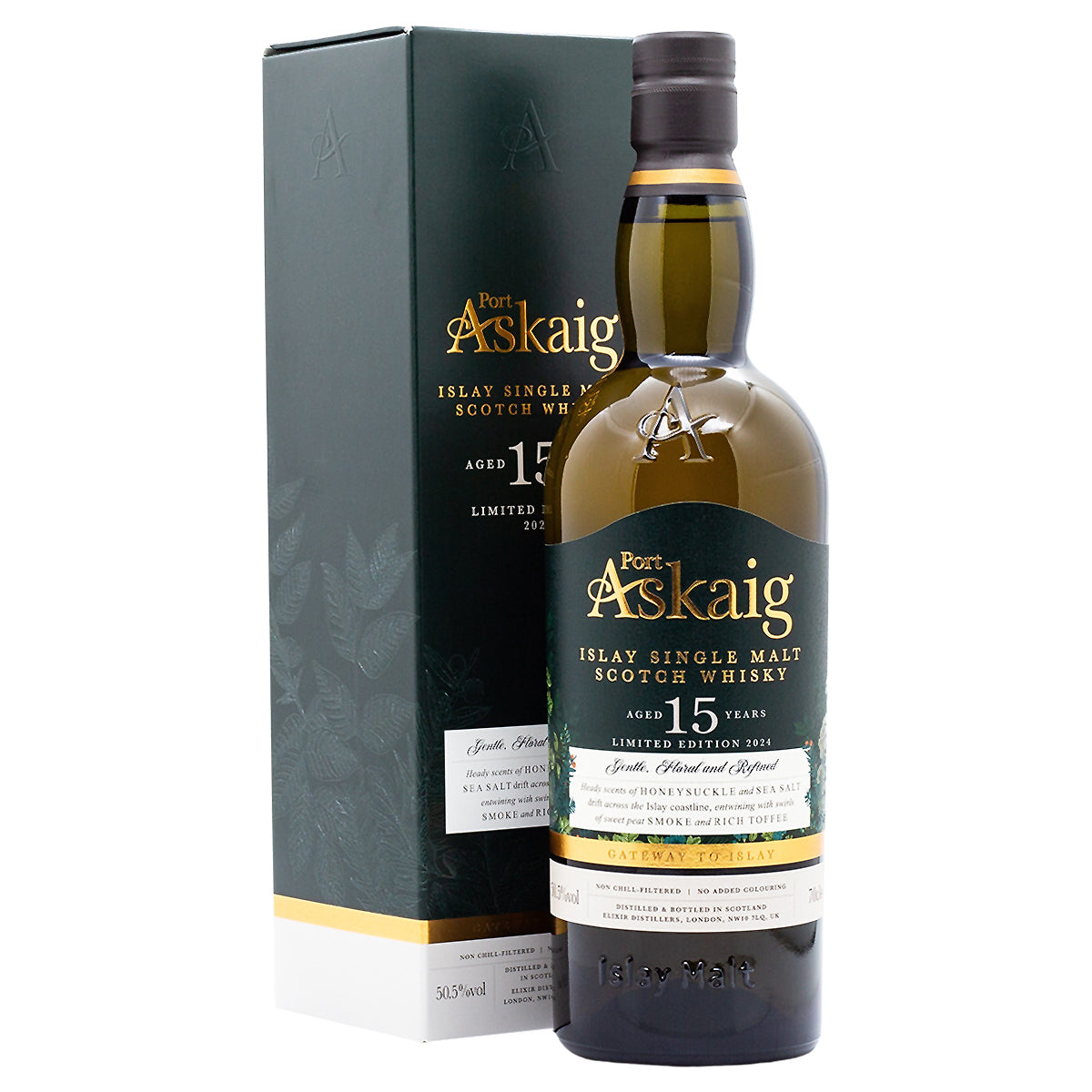
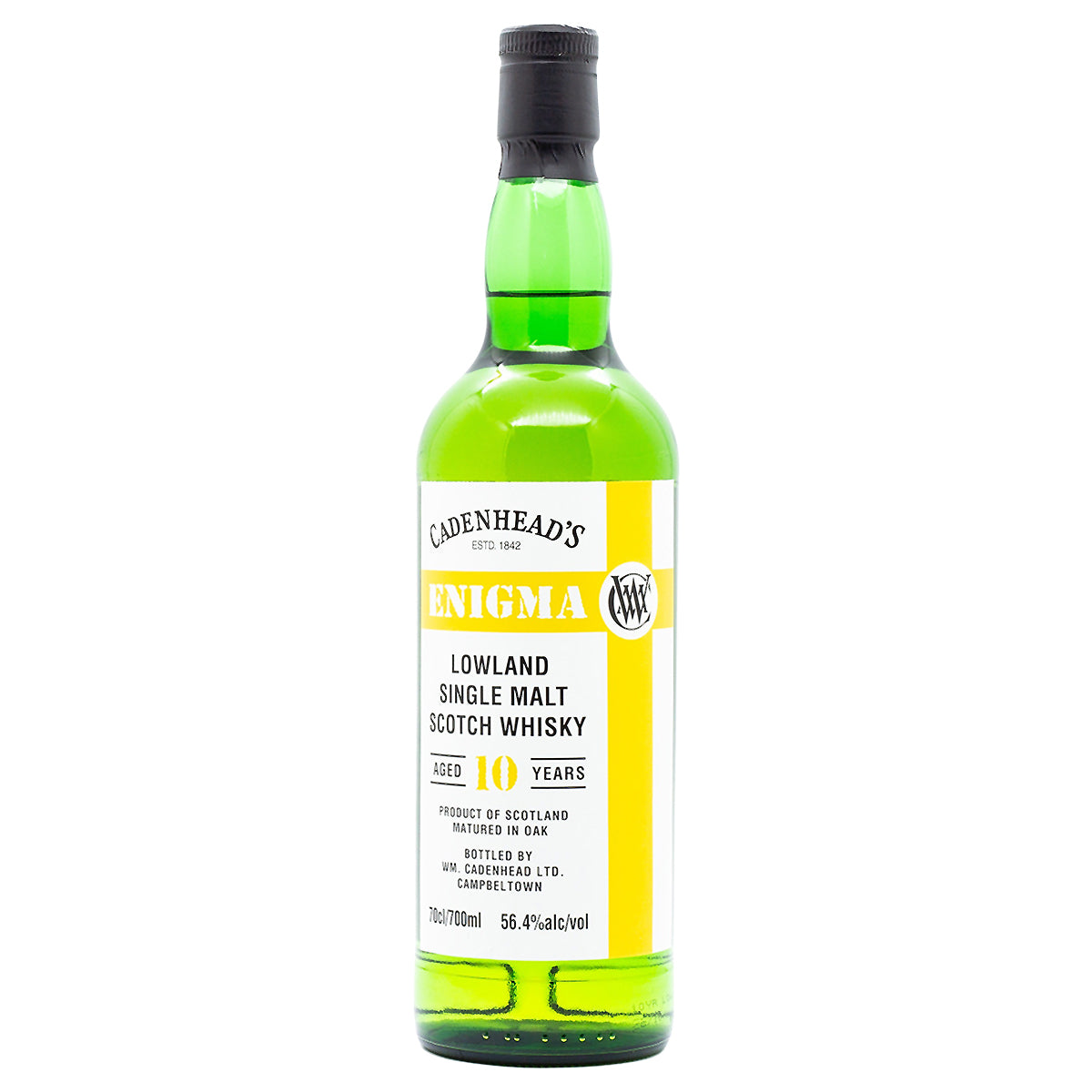
A 15-year-old whisky is not always simply an older version of a 12-year-old. Some distilleries use different casks for this age statement, change the alcohol strength, or give the bottling its own distinct style. That is exactly what makes this age statement interesting.
You can find the basic significance of the age statement under Whisky by Age. For this collection, it is especially important to see which characteristics have remained the same between two bottles.
Look closely at a range
If you are comparing 12-Year-Old Whisky, 15-year-old, and 18-Year-Old Whisky from the same distillery, first check the level of smoke, cask types, and strength. If these details are similar, you can better trace the development over the additional years. If several points differ, you are instead discovering three independent bottlings.
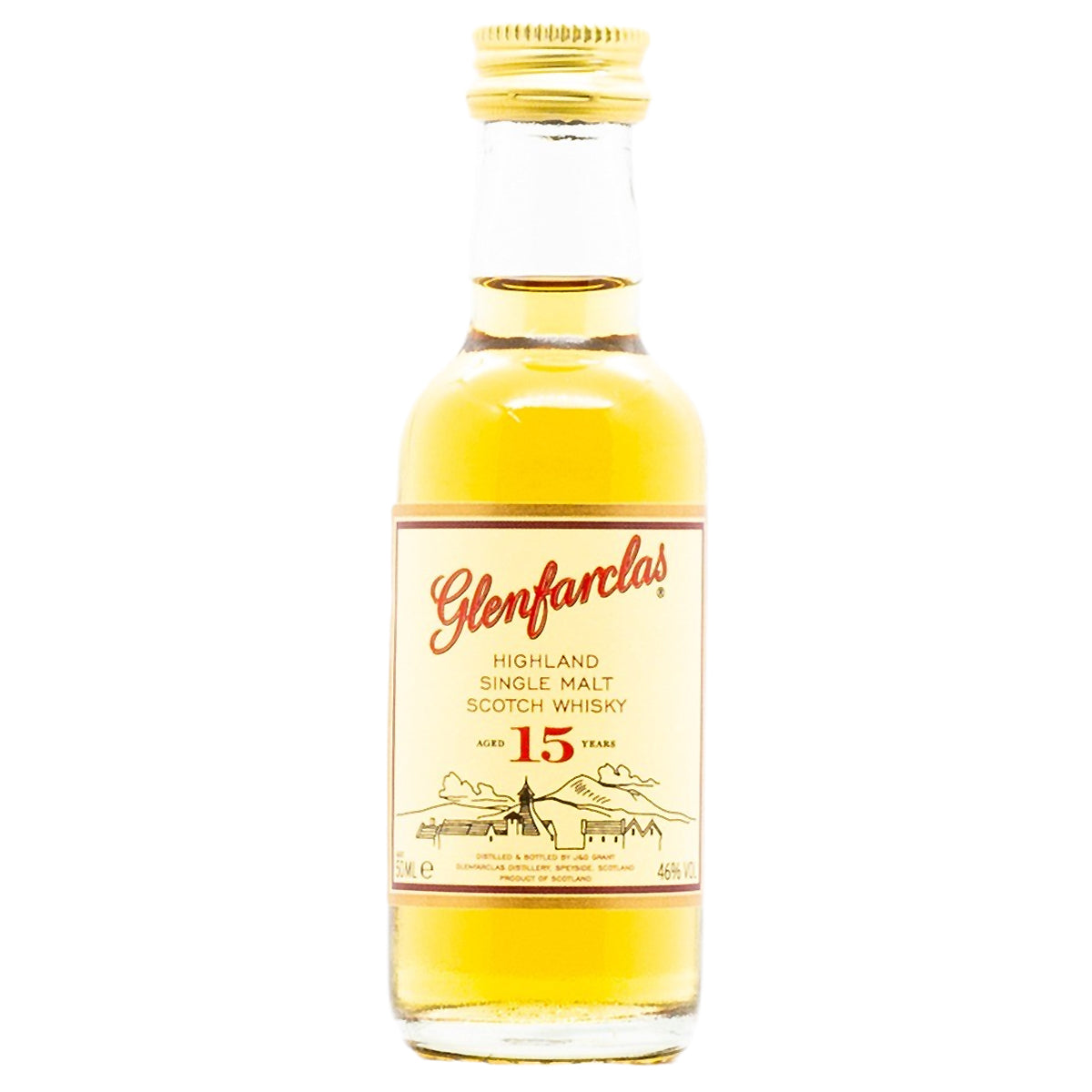
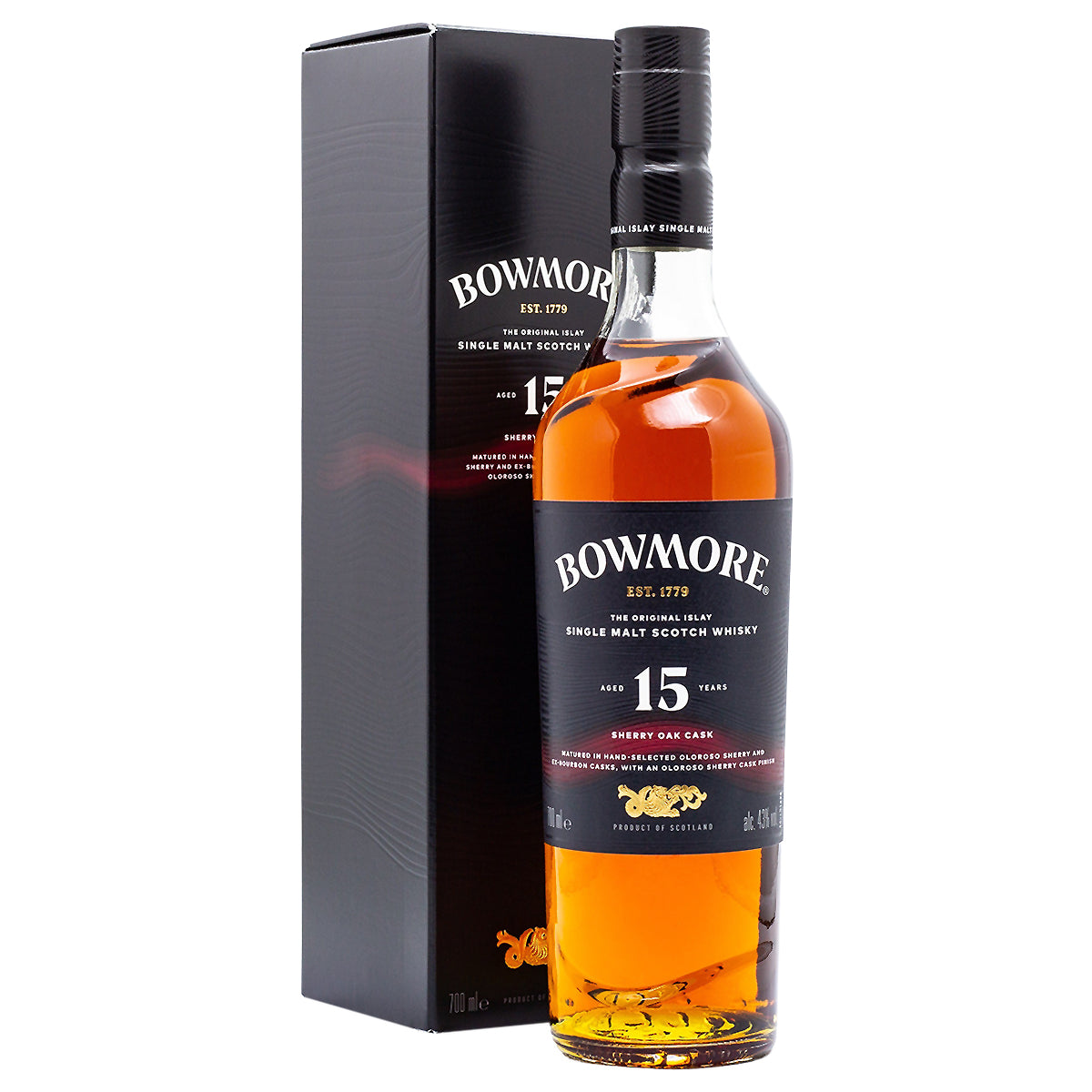
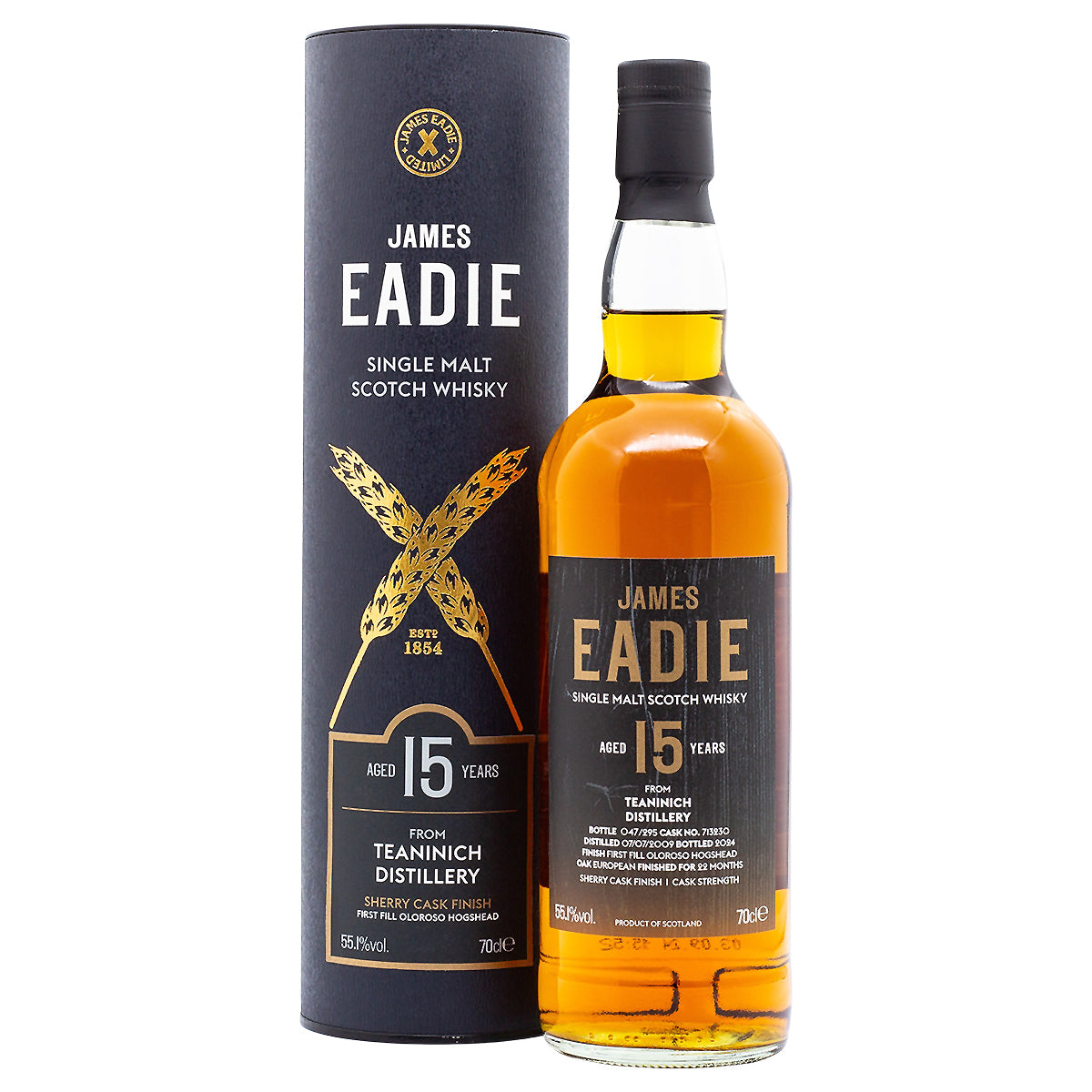
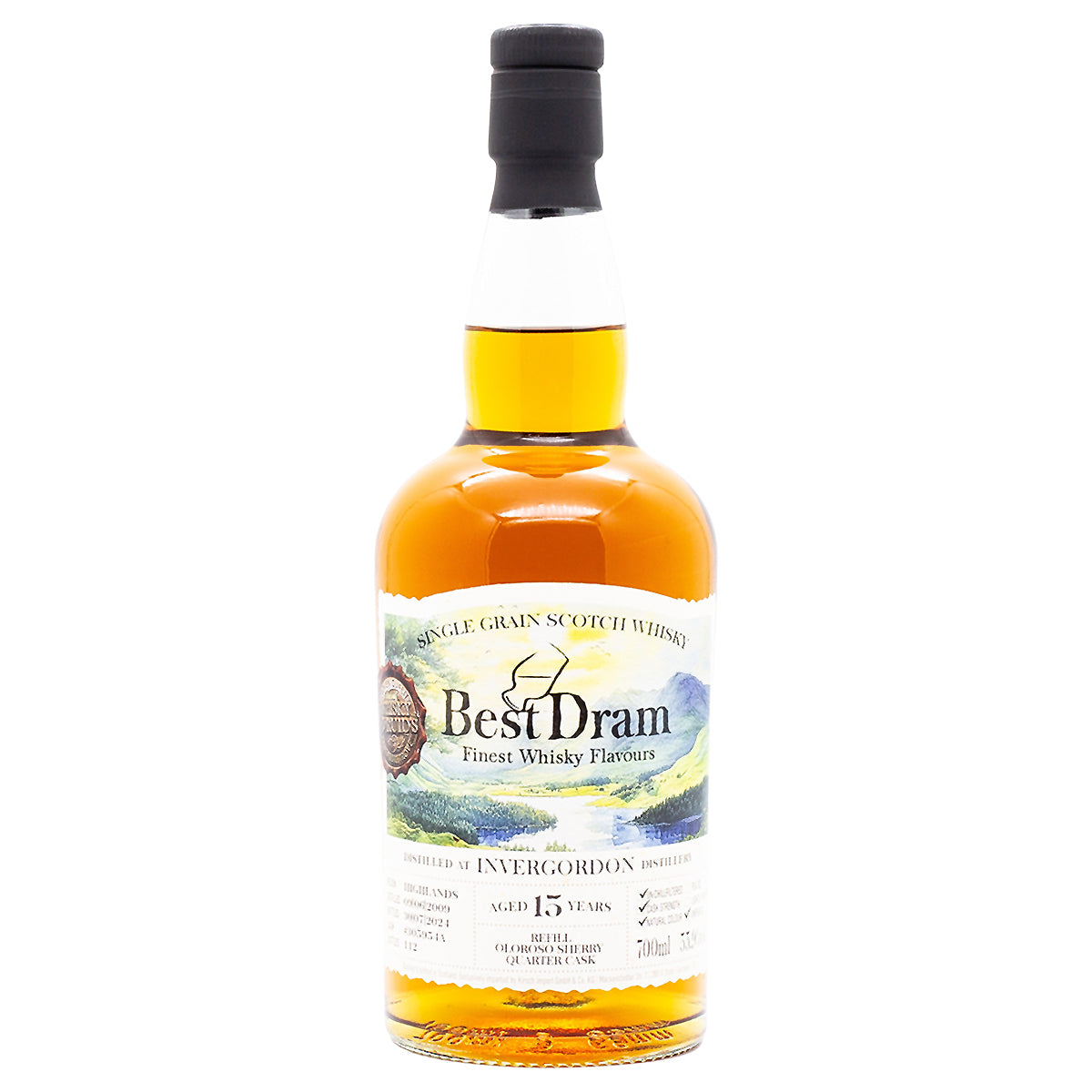
For example, the 12-year-old may come predominantly from ex-bourbon casks, while the 15-year-old receives a larger proportion of sherry casks or a finishing period in different casks. In that case, the difference is not due to the three additional years alone. 43% ABV instead of 46% can also change the texture and intensity.
For a tasting, the range does not therefore have to be as strict as possible. Pay close attention to how a distillery crafts different age statements. Note down the cask details beforehand and pour the whiskies in the same order and quantity. This will make it easier to see whether you are more drawn to the distillery's character, the cask selection, or the strength.
Frequently Asked Questions About 15-Year-Old Whisky
Is a 15-year-old simply an older 12-year-old?
Often not. In addition to time, the casks, smoke, strength, and type of bottling can also differ.
How can I best compare 12, 15, and 18 years?
Start with bottlings from the same distillery and check which details besides age remain the same. The more similar the casks and strength are, the better you can assess the impact of the additional time.