



Classifying German whisky by the label
German whisky does not have a uniform national style. It can be made exclusively from malted barley or may contain rye, wheat, spelt, emmer and other cereals. Three pieces of information are therefore useful for classification: the exact type of whisky, the raw materials used and the actual producer.
European spirits regulations apply to whisky from Germany. The distillate is made from fermented cereal mash and distilled at no more than 94.8% ABV. It must be aged for at least three years in a cask of no more than 700 litres. It must be bottled at no less than 40% ABV. These basic rules define whisky, but not a typically German flavour.
Single malt, rye and ancient cereals
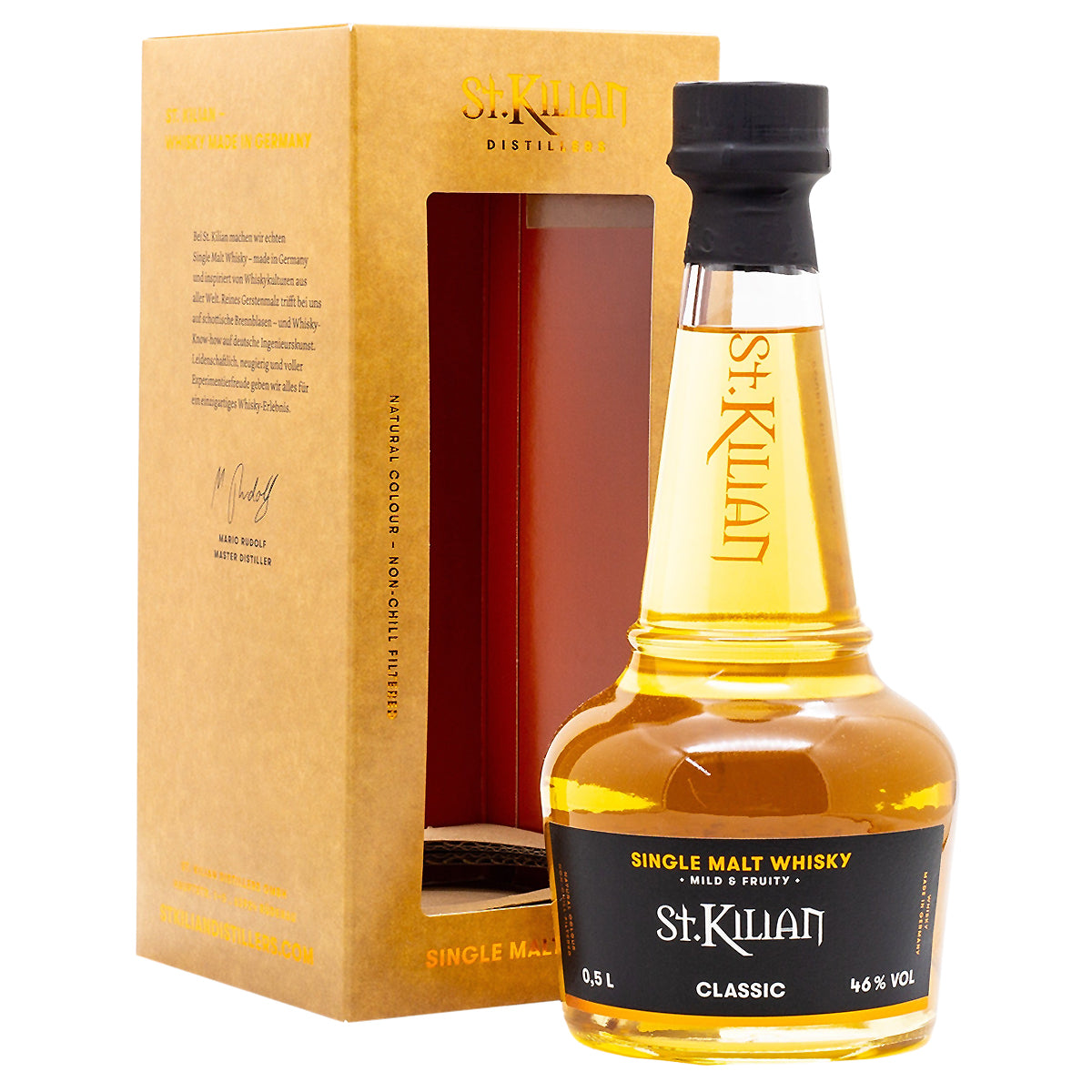
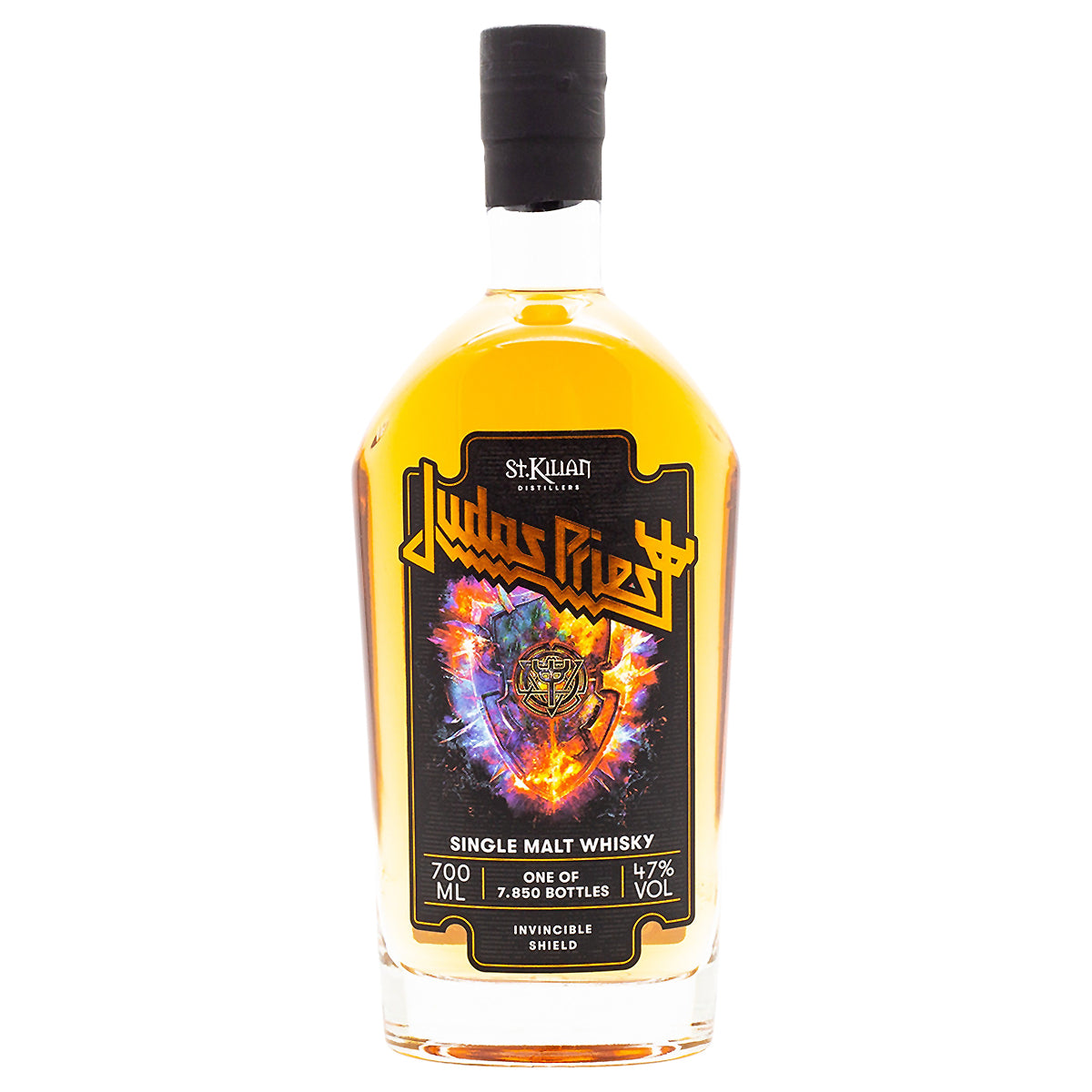
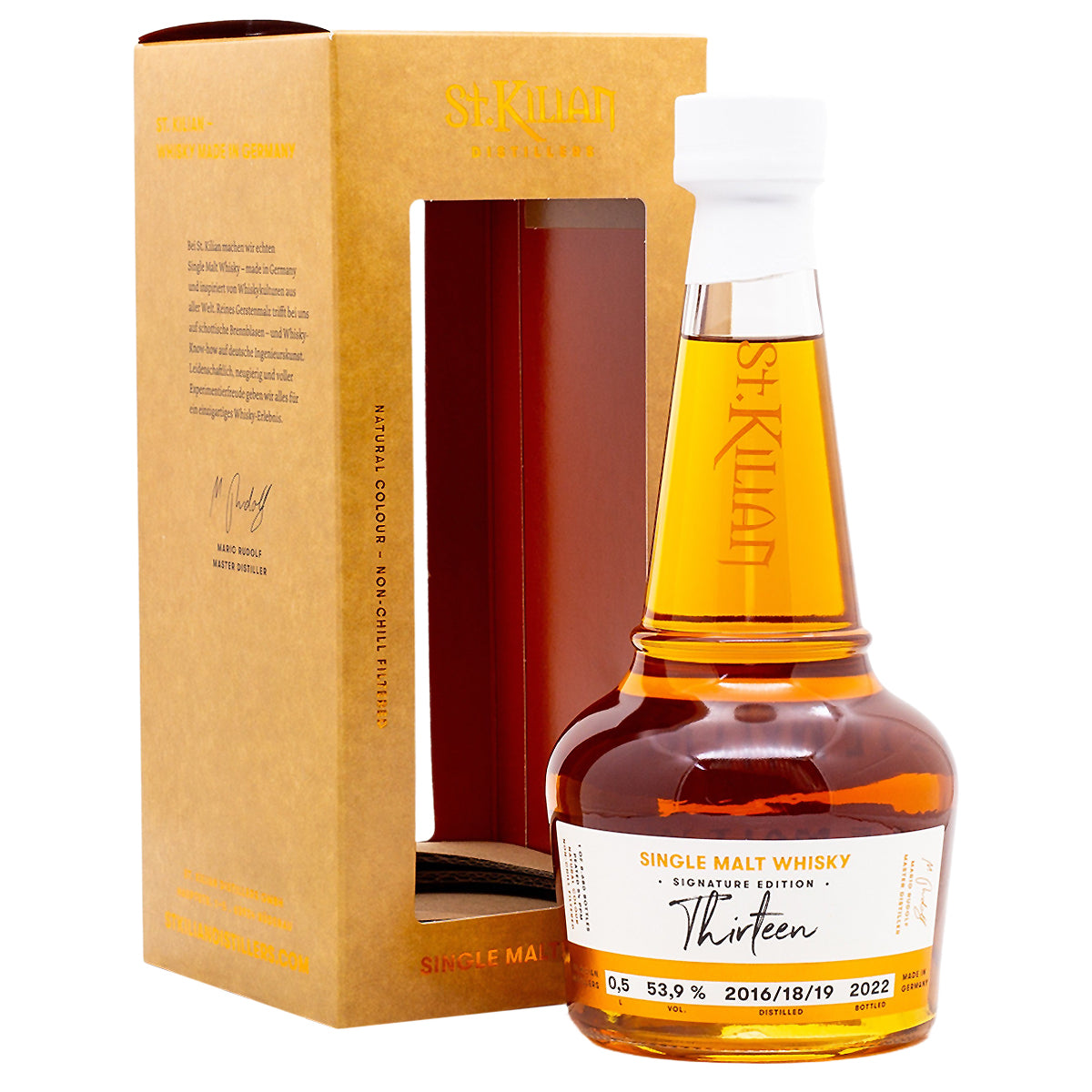
The term single malt is clearly defined in the European Union: only malted barley may be used as the cereal, and distillation must take place entirely at a distillery. The country where the barley is grown is therefore not specified. Single malt also means neither single cask nor bottling from a single production batch.
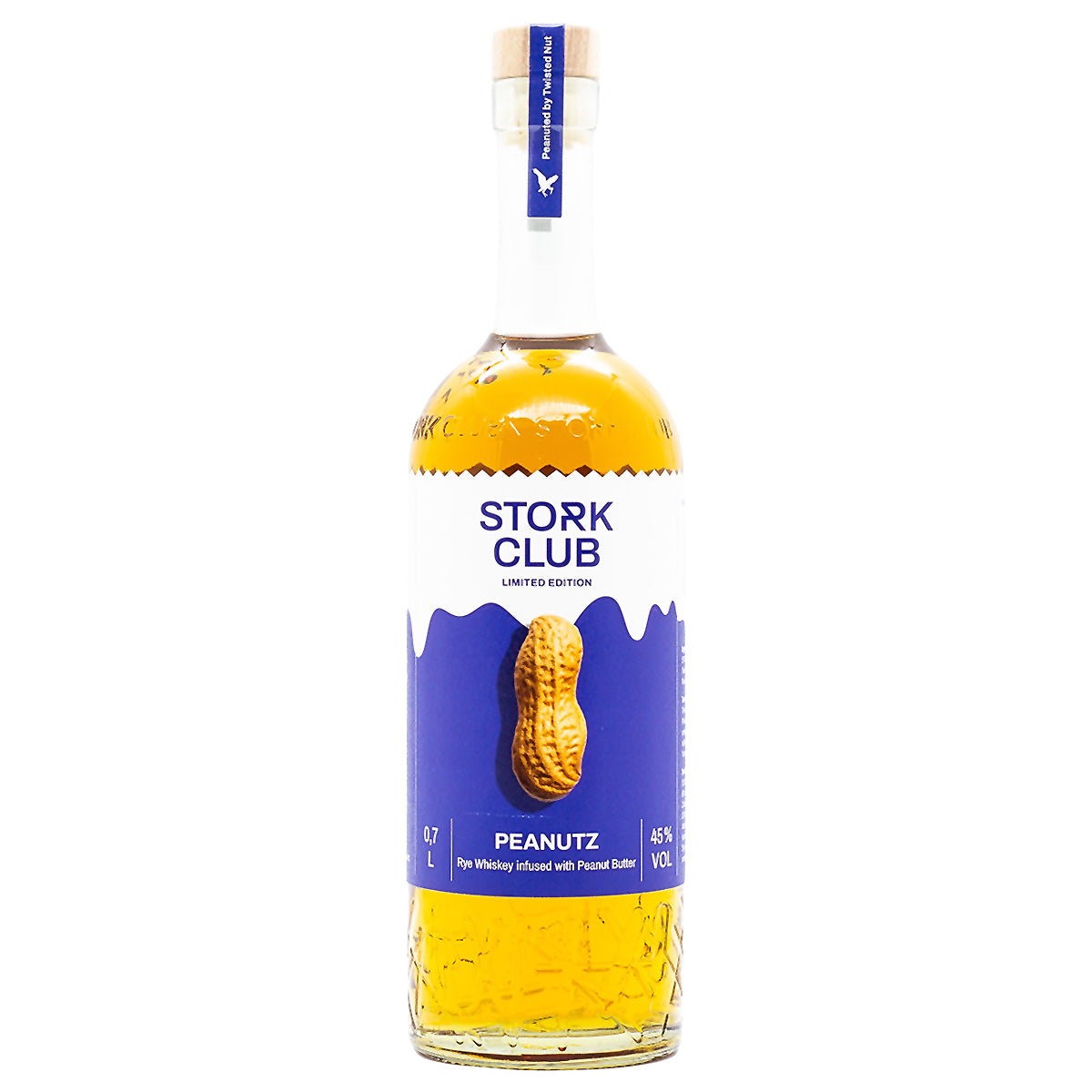
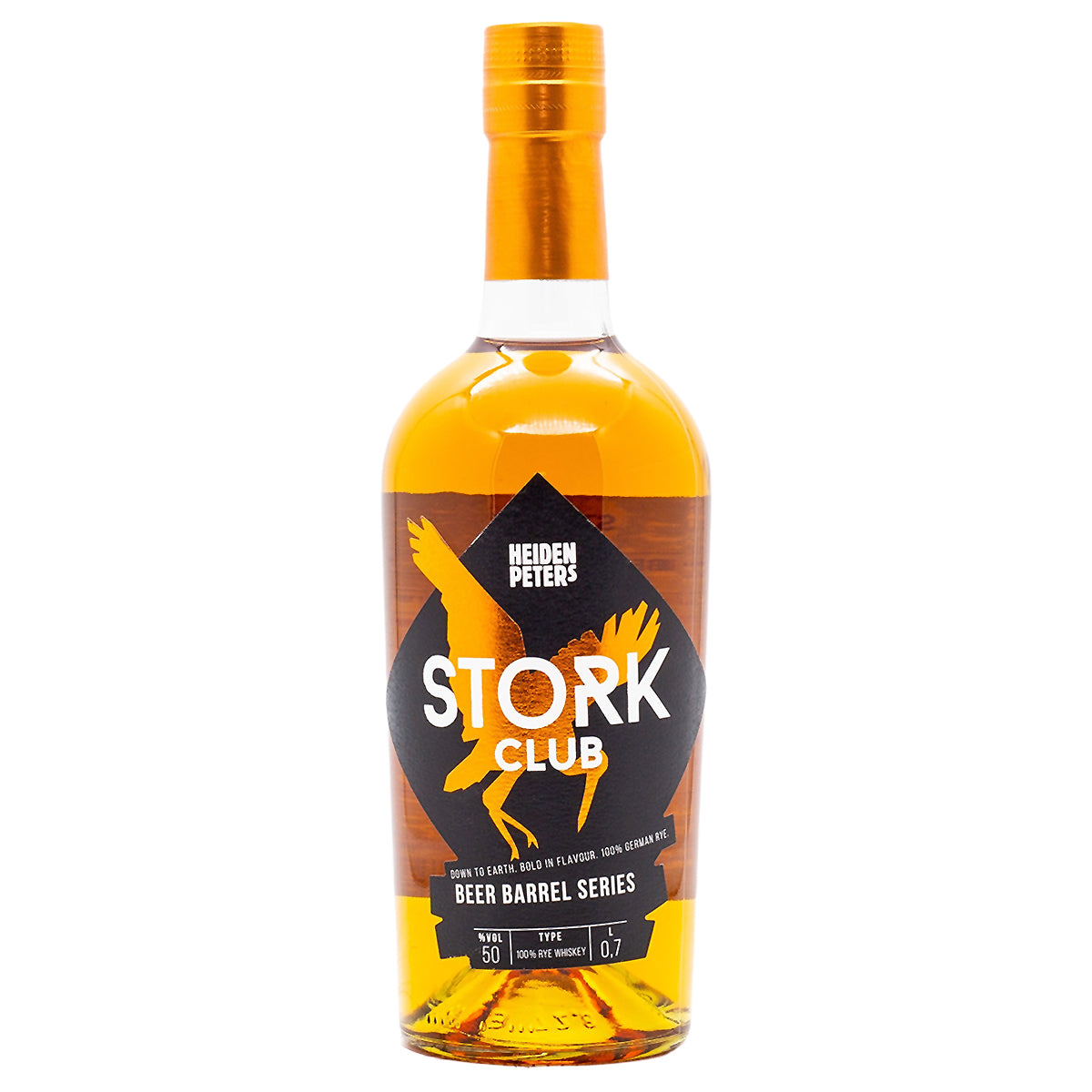
For German rye whisky, the specific recipe is what counts. The American requirement of at least 51% rye does not apply. Terms such as emmer or spelt also refer first to the cereal used. They are not a separate quality grade.
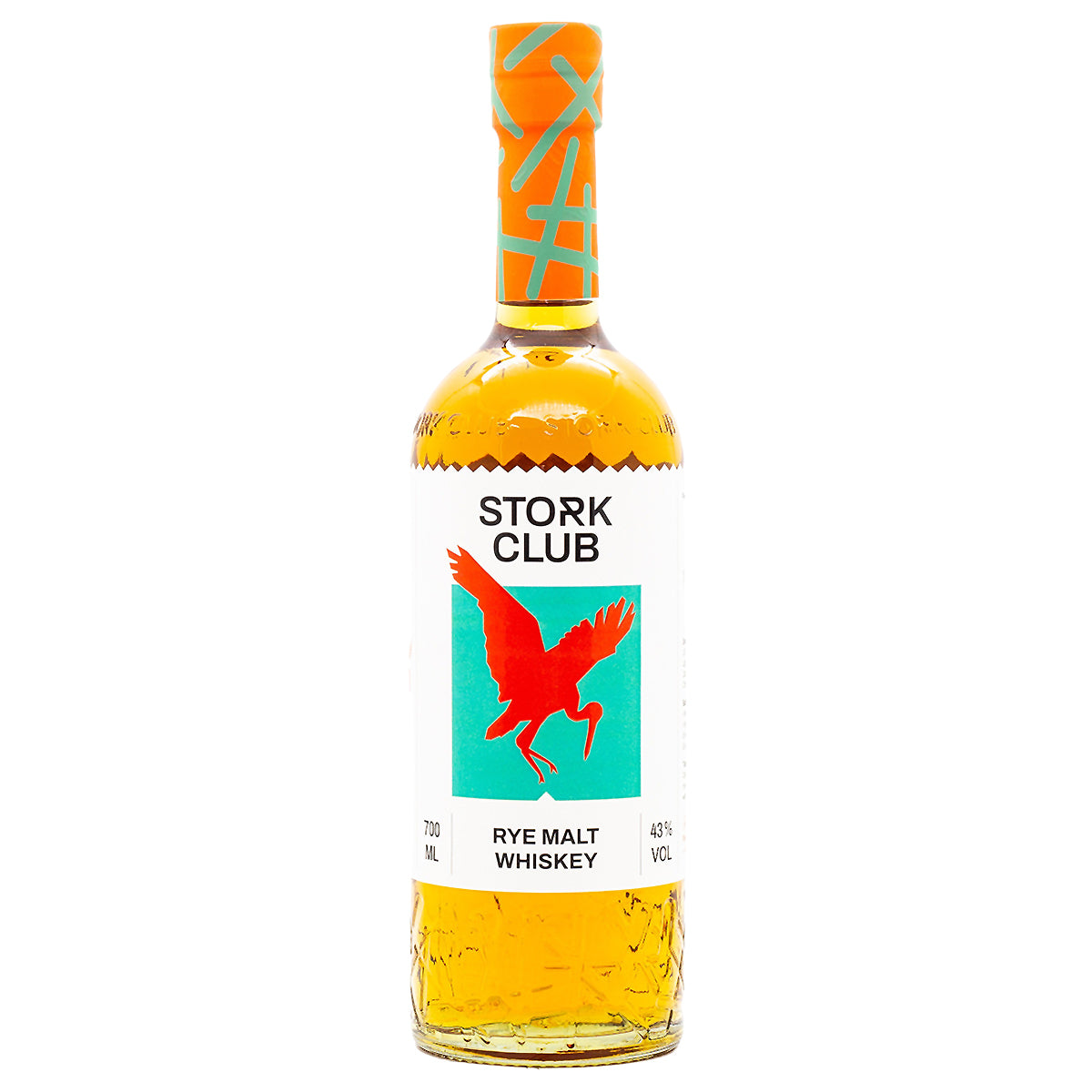
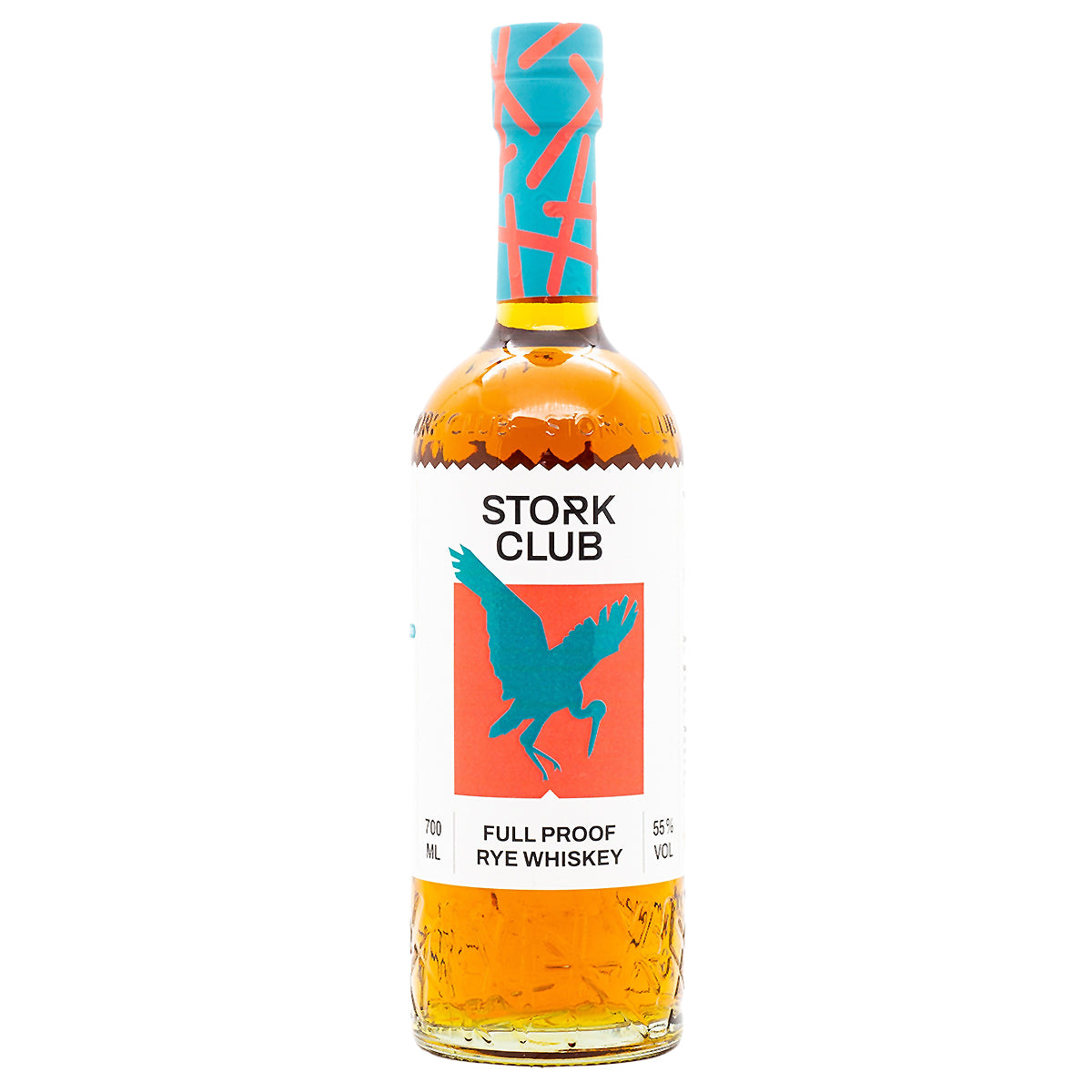
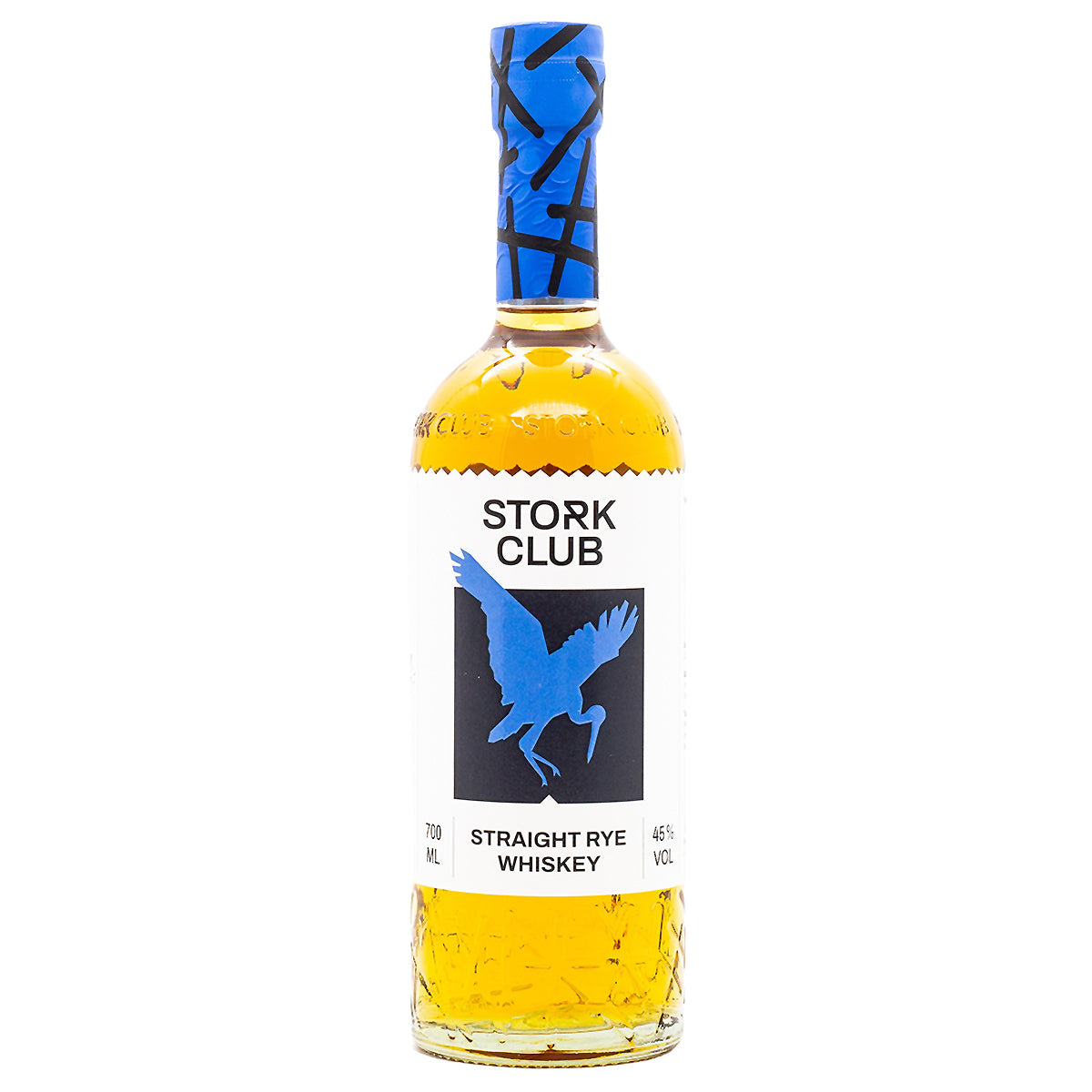
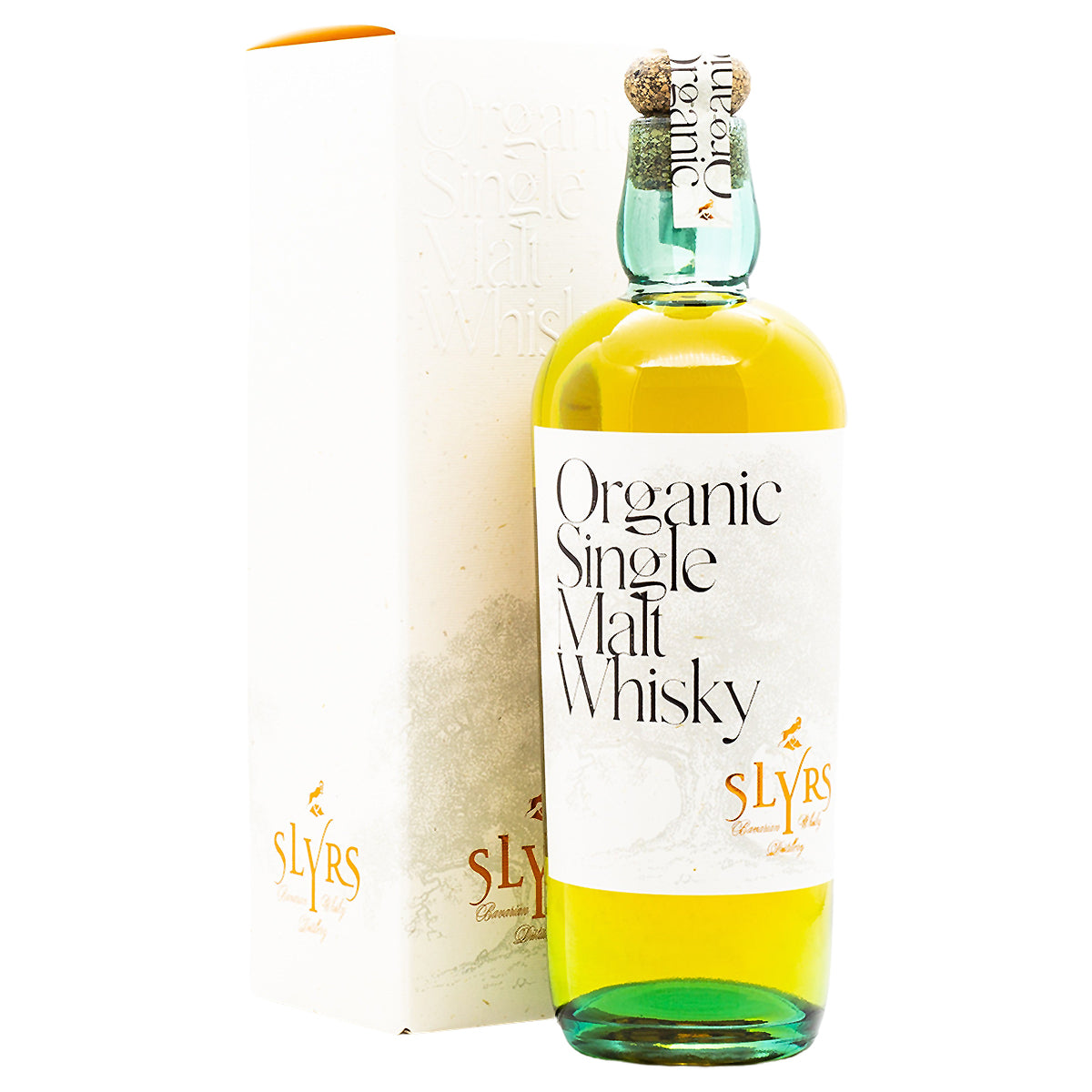
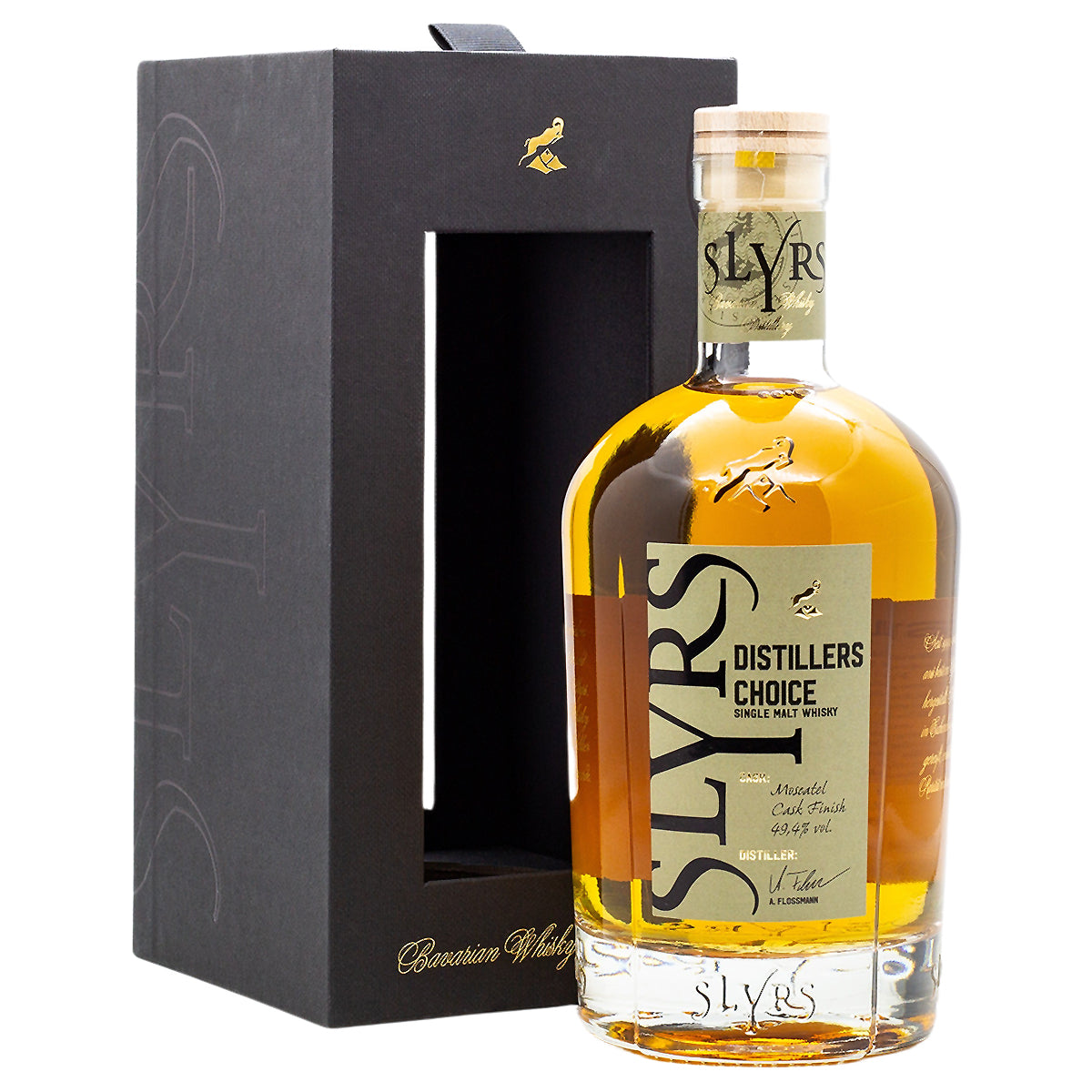
Slyrs represents the single malt side of German production. The distillery at Schliersee uses barley malt and distils its own whisky. finch, by contrast, illustrates the range of raw materials: the distillery uses barley, wheat, spelt, emmer and rye grown on its own farms. Stork Club focuses on rye. The three names do not indicate a hierarchy, but rather different recipes within the same origin category.
Distillery and bottler are different
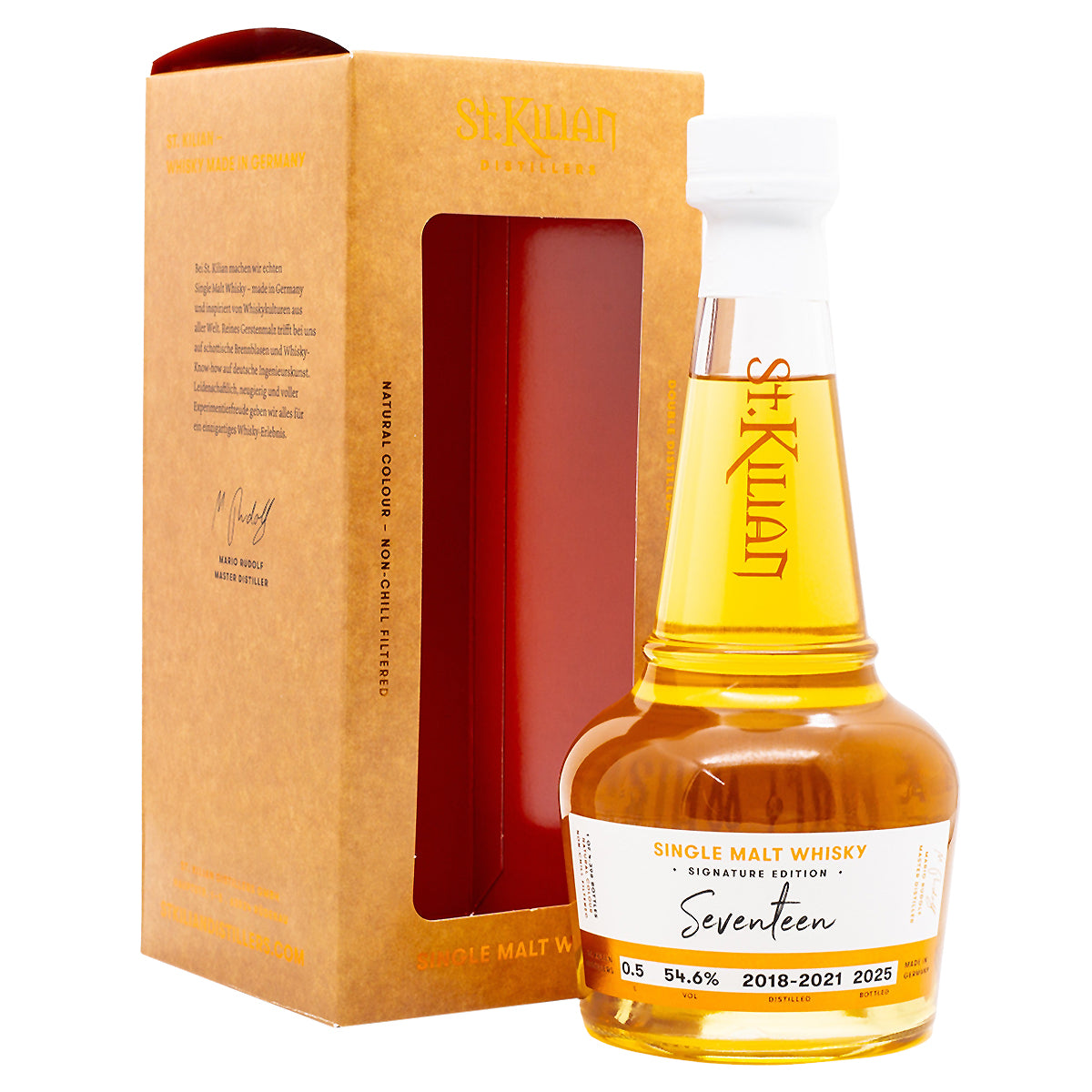
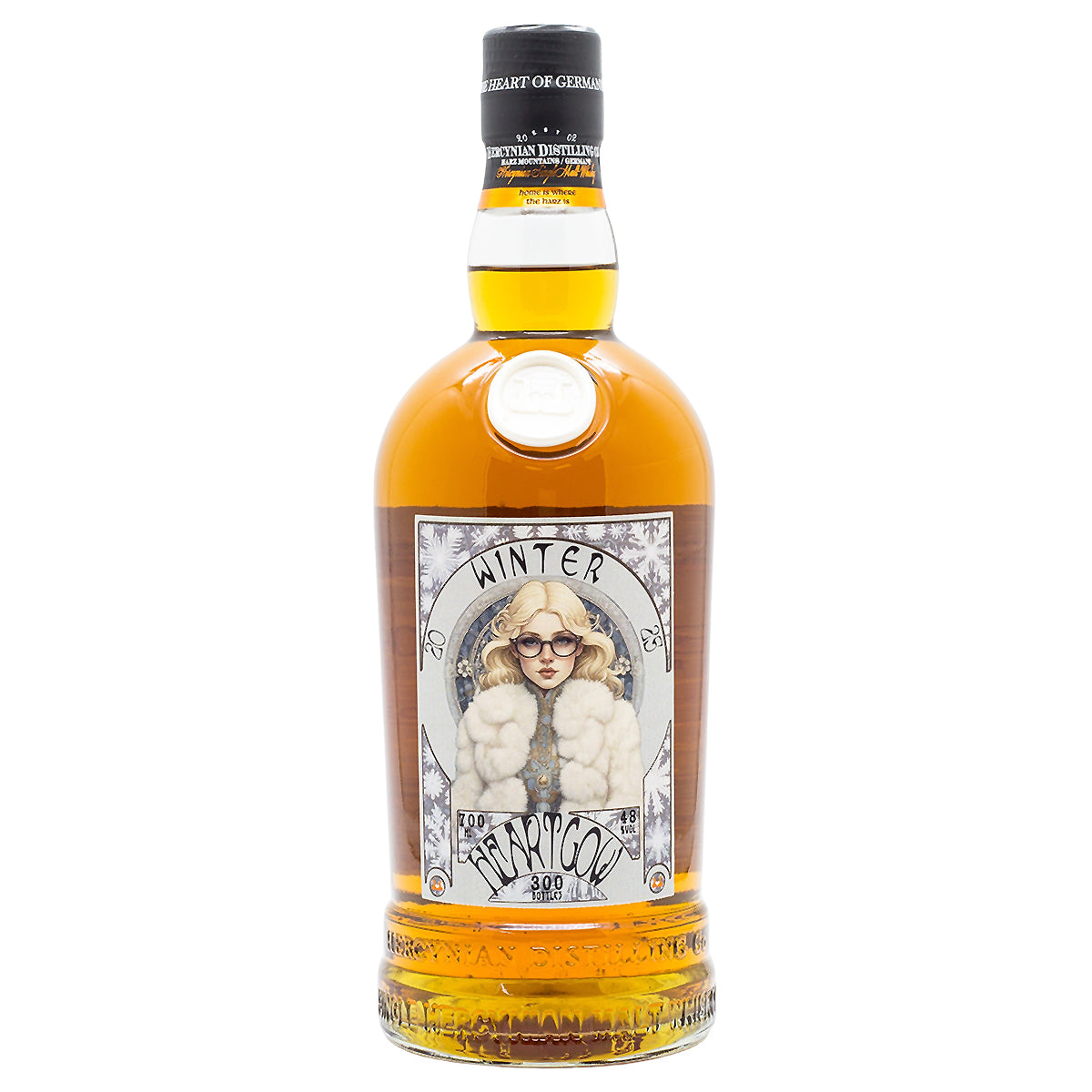
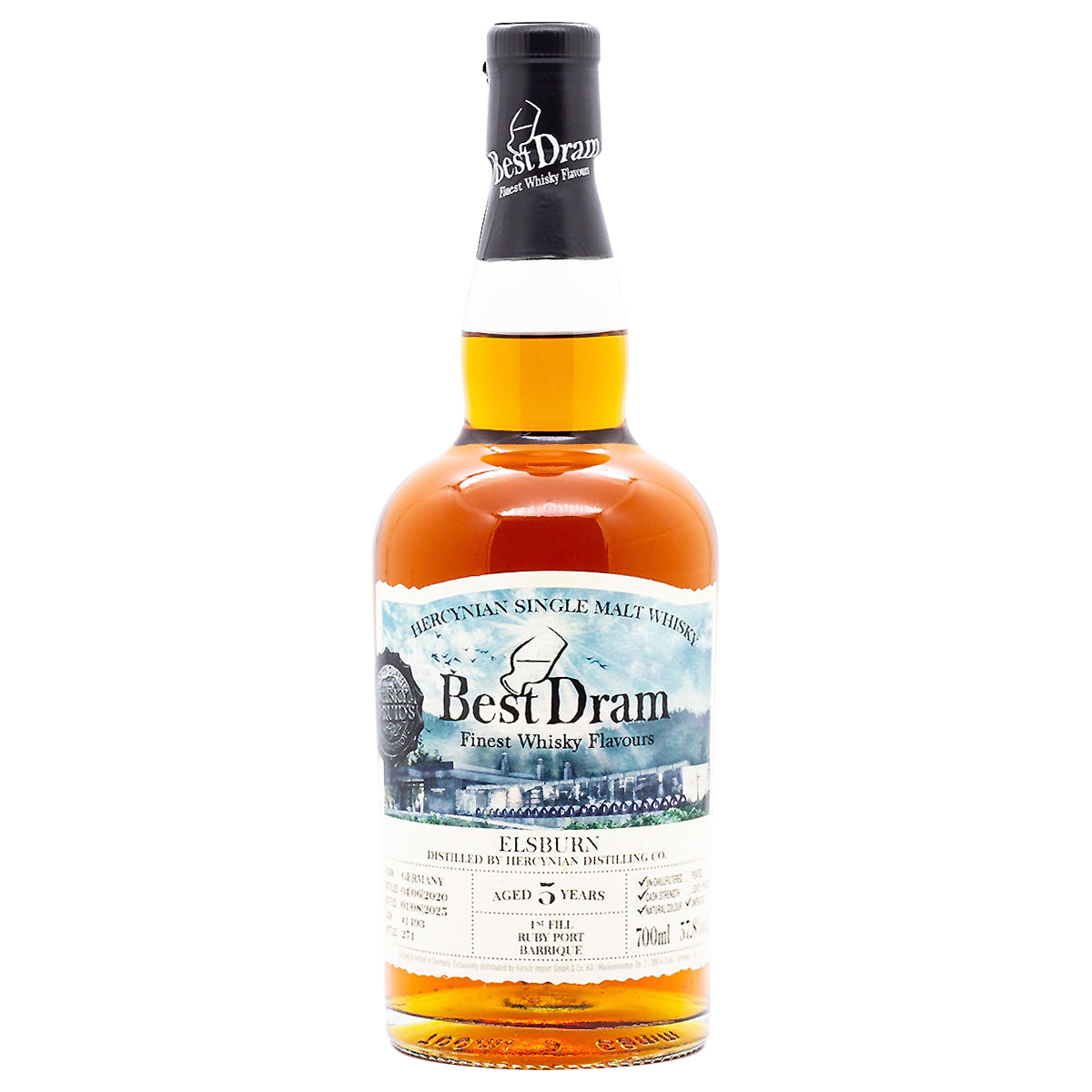
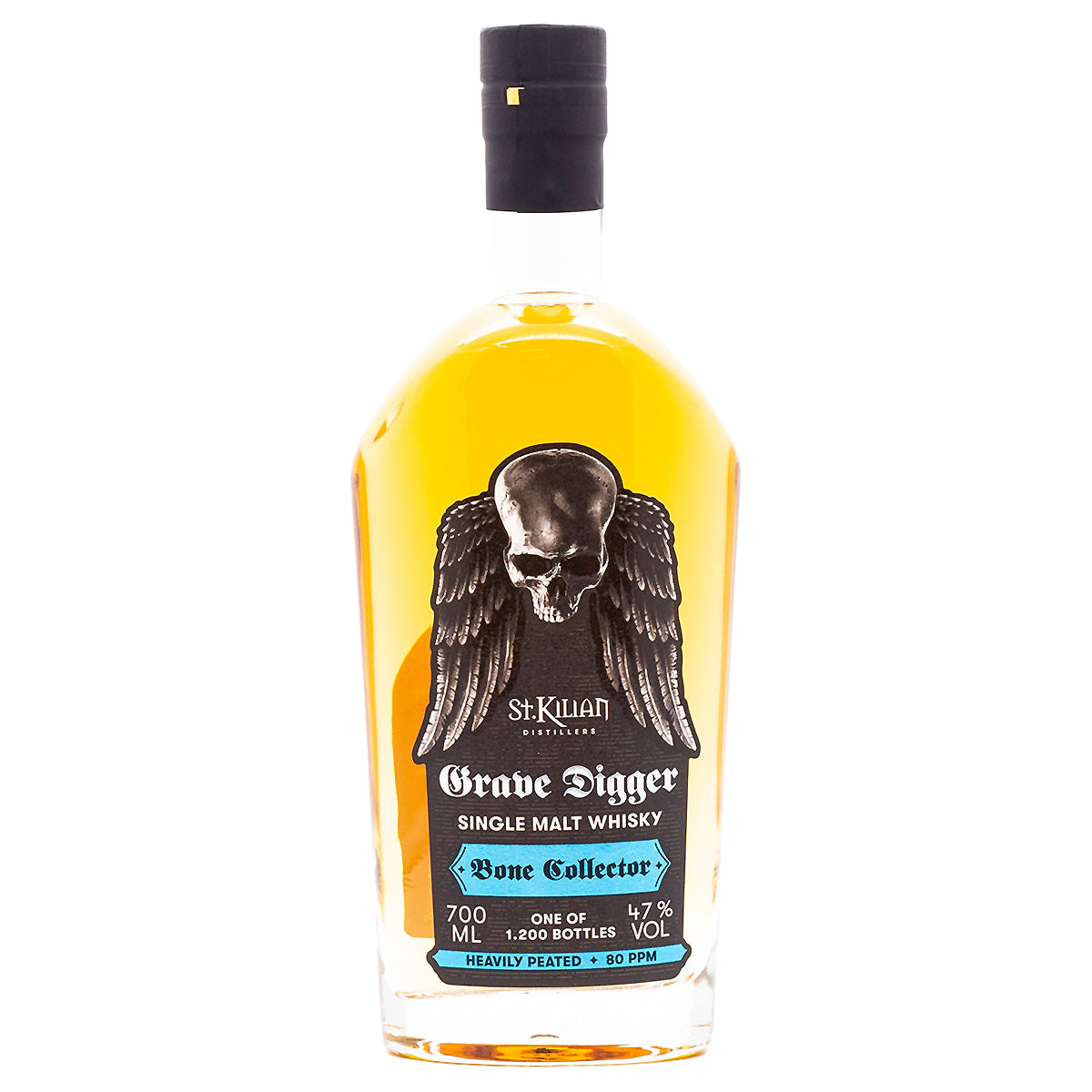
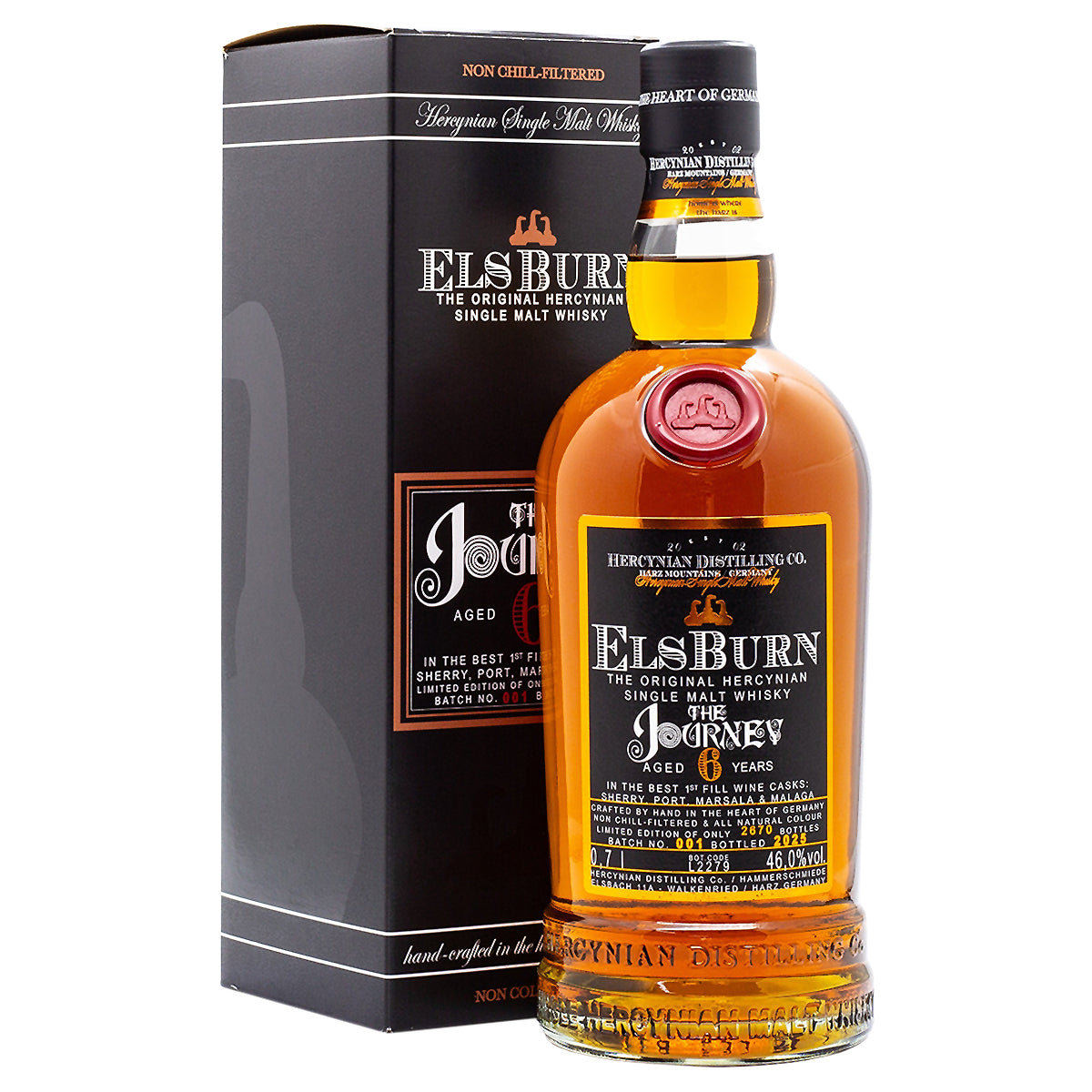
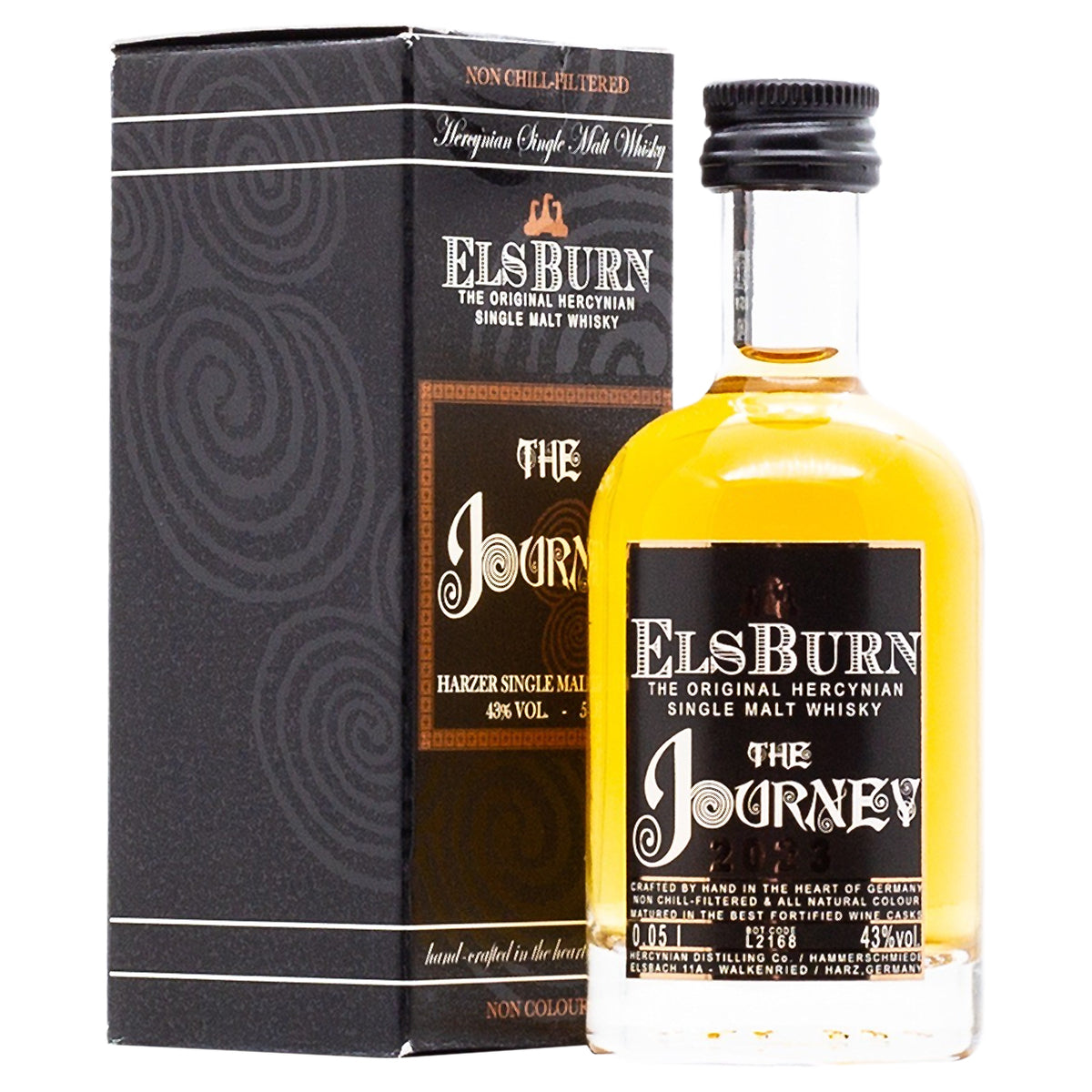
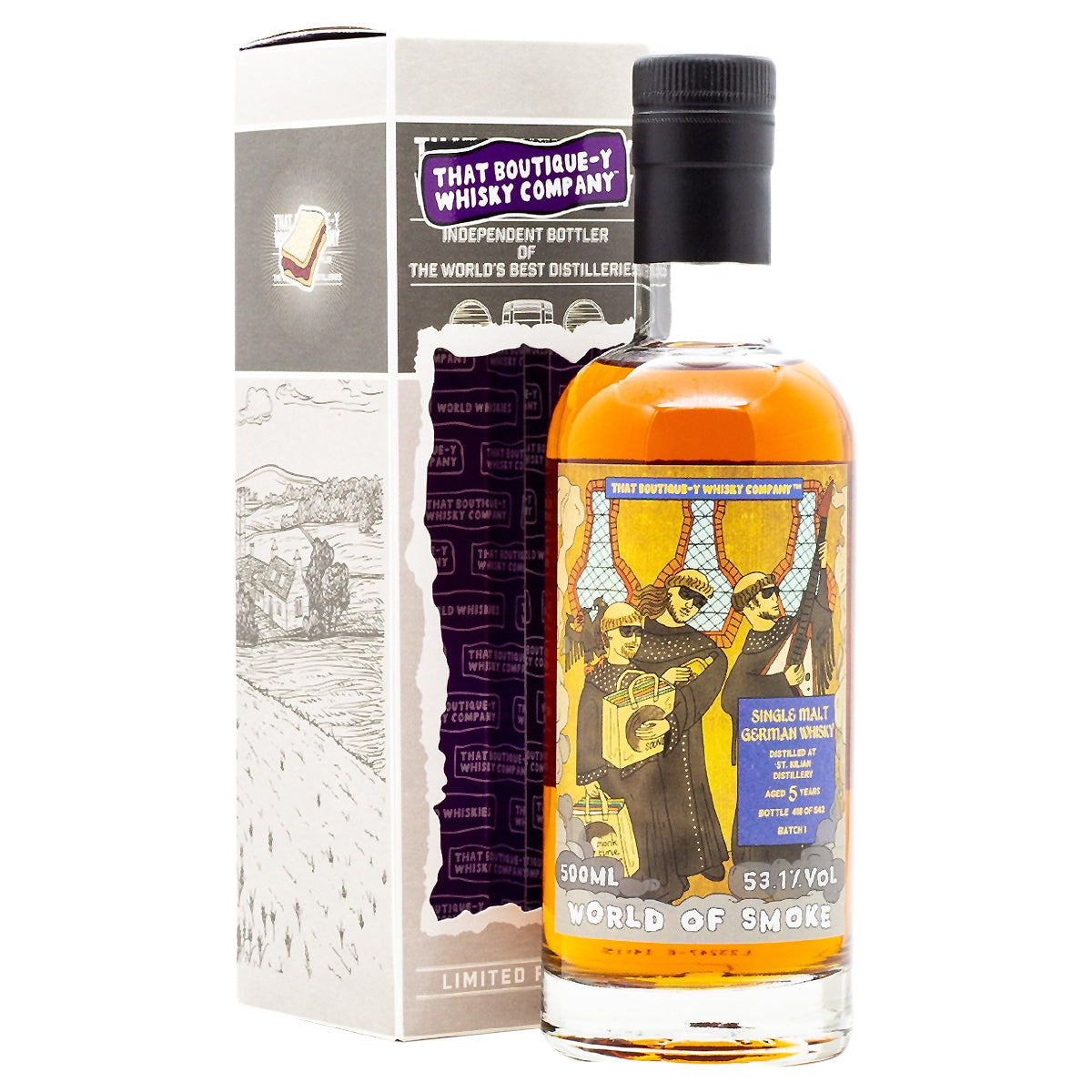
A brand name or a German company address does not necessarily indicate who distilled the whisky. Look for clear wording such as "distilled by", "produced by" or the name of the distillery. "Bottled by" and "bottled for", by contrast, describe the bottling and do not indicate that the bottler also distils.
This also applies to independent bottlers. They can select and blend casks and offer them under their own brand without operating a distillery themselves. On a transparent product page, the product type, distillery and bottler's role should be clearly distinguishable.
Locally sourced raw materials are also a specific indication of origin, but they are no substitute for this check. A German distillery does not have to use only German cereals. Conversely, regionally grown cereals alone do not make a spirit German whisky.
Frequently asked questions about German whisky
What makes a whisky German whisky?
The deciding factor is whether it is actually made in Germany. Neither a German brand name nor the bottler's company seat or address is sufficient on its own.
Is German whisky always single malt?
No. In addition to single malt, German distilleries also produce whisky made from rye, wheat, spelt, emmer and other cereals.
Must German single malt be made from German barley?
No. Single malt requires malted barley and distillation at a distillery, not that the cereal be grown in Germany.
What does rye mean in German whisky?
Rye indicates that rye is used in the recipe. Unlike US rye whisky, this does not result in a general statutory minimum of 51% in Germany. The manufacturer's specific information is reliable.
How can I tell the distillery and bottler apart?
Look for wording such as "distilled by" or "produced by" and distinguish it from "bottled by" or "bottled for". Only the former indicates that the bottler also distils.