
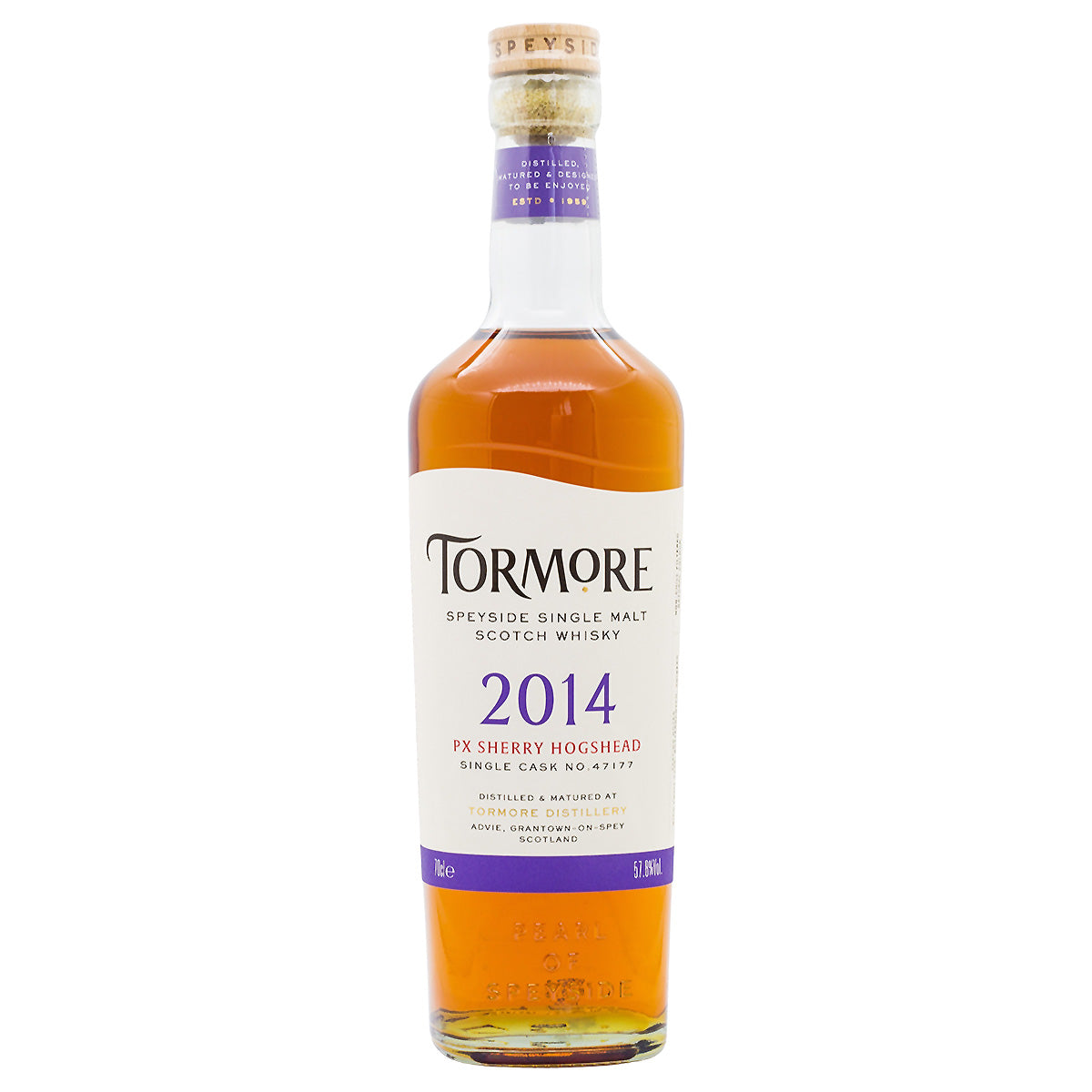
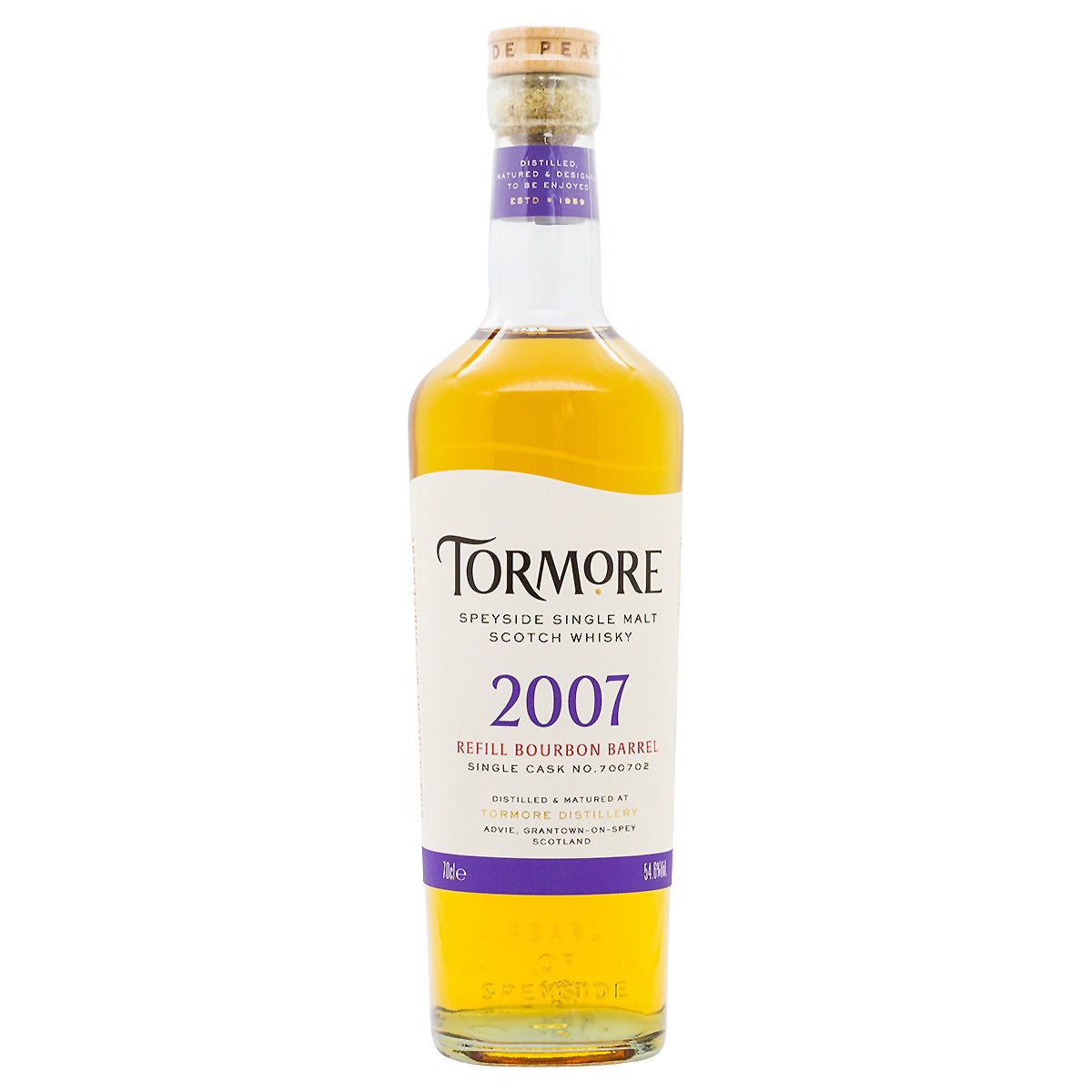
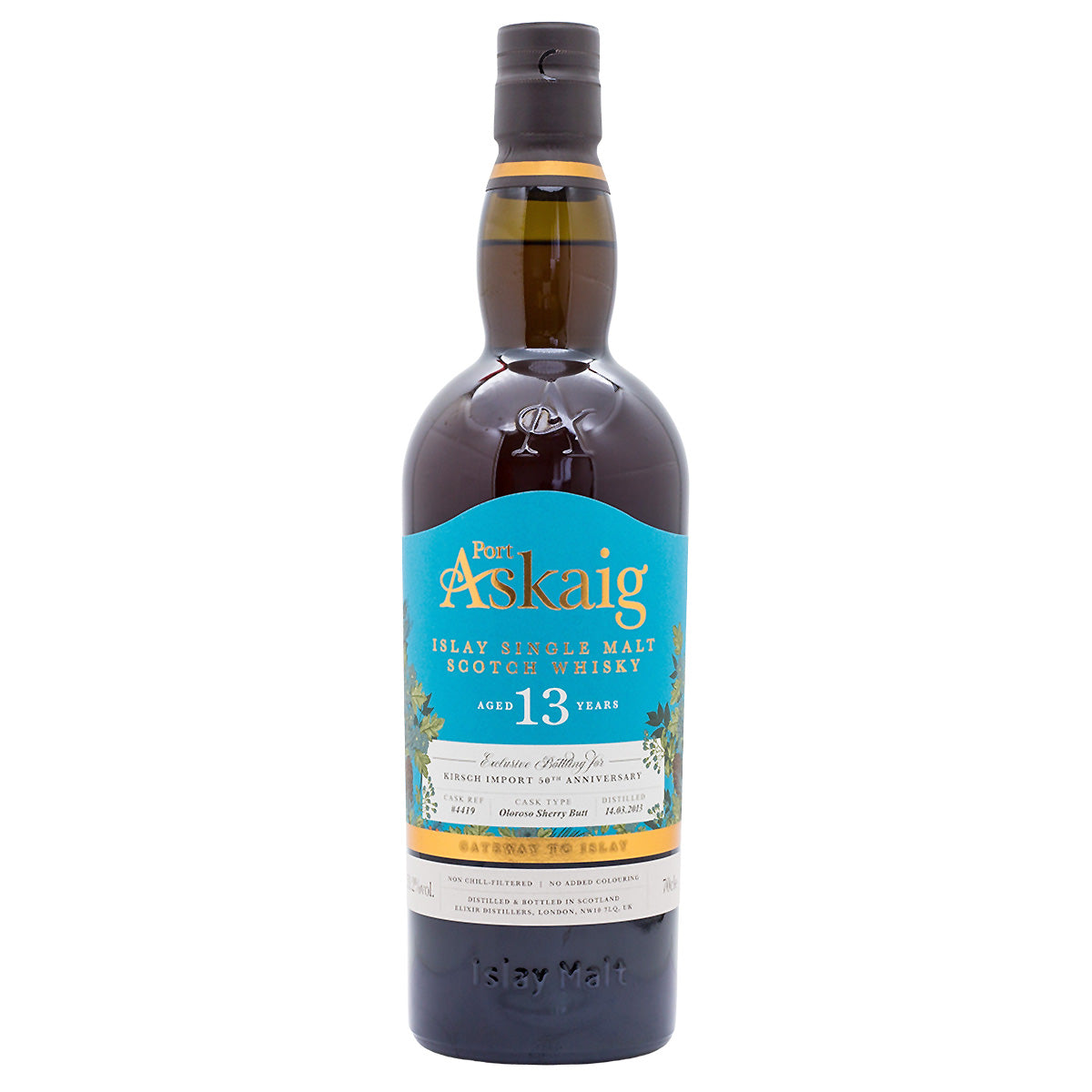
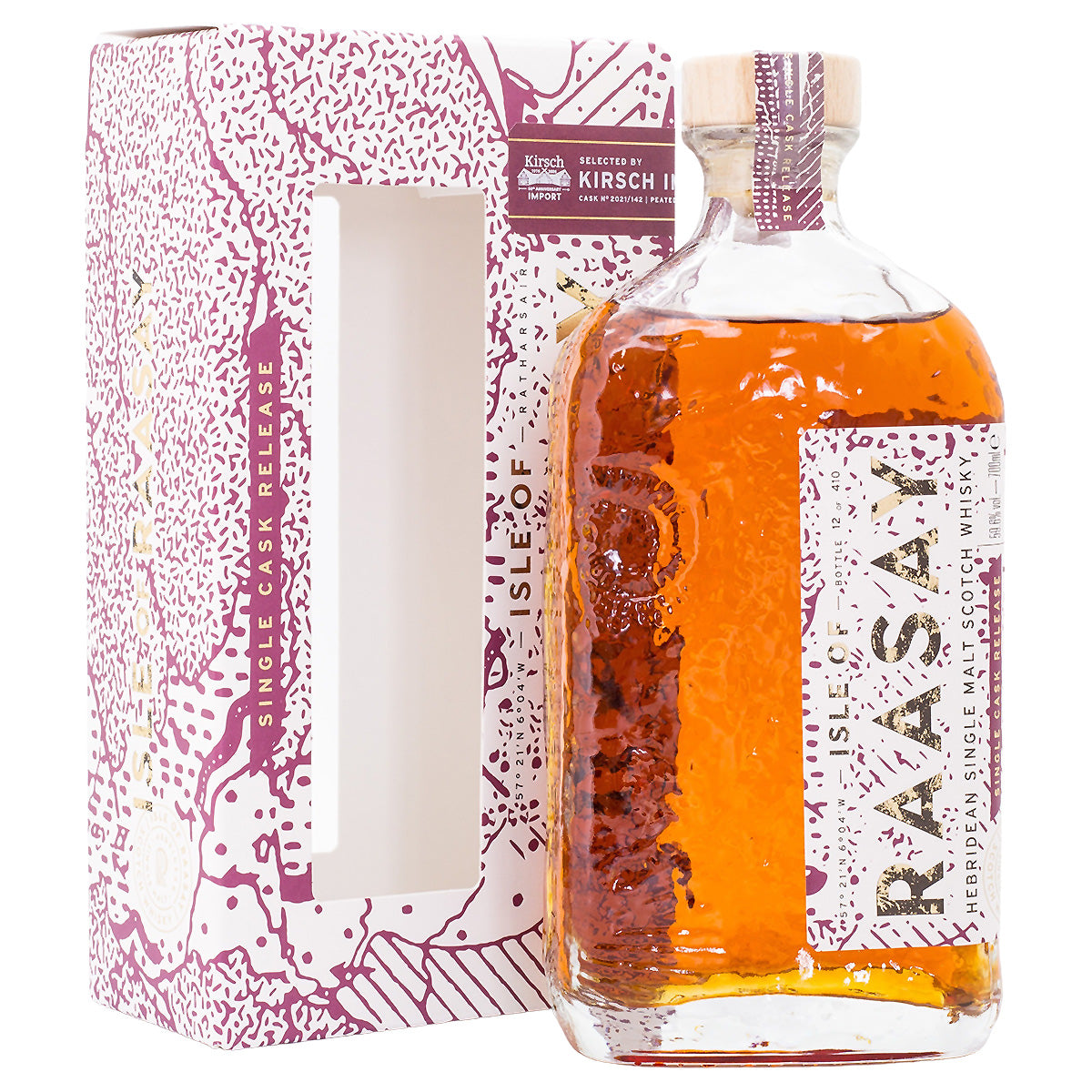
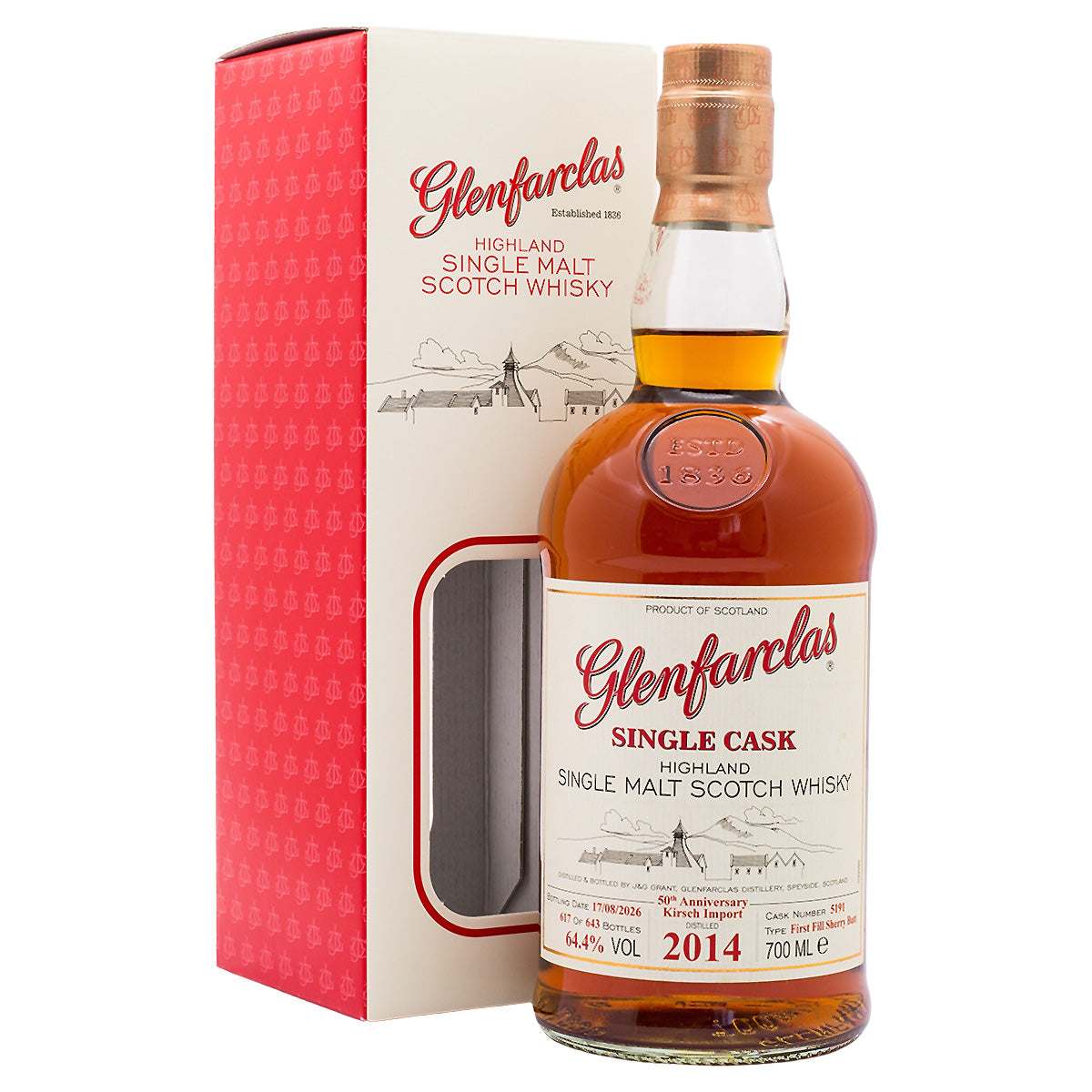
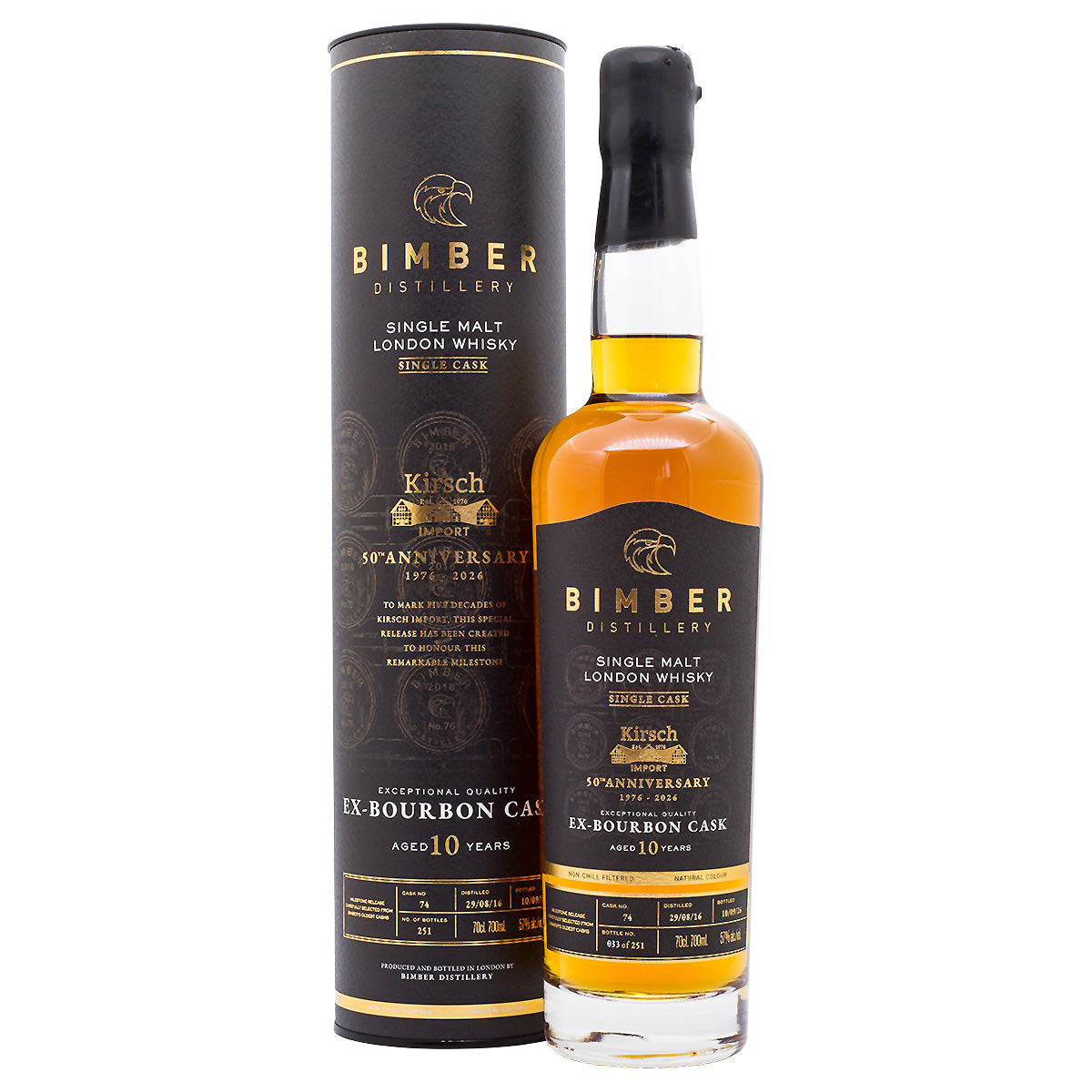
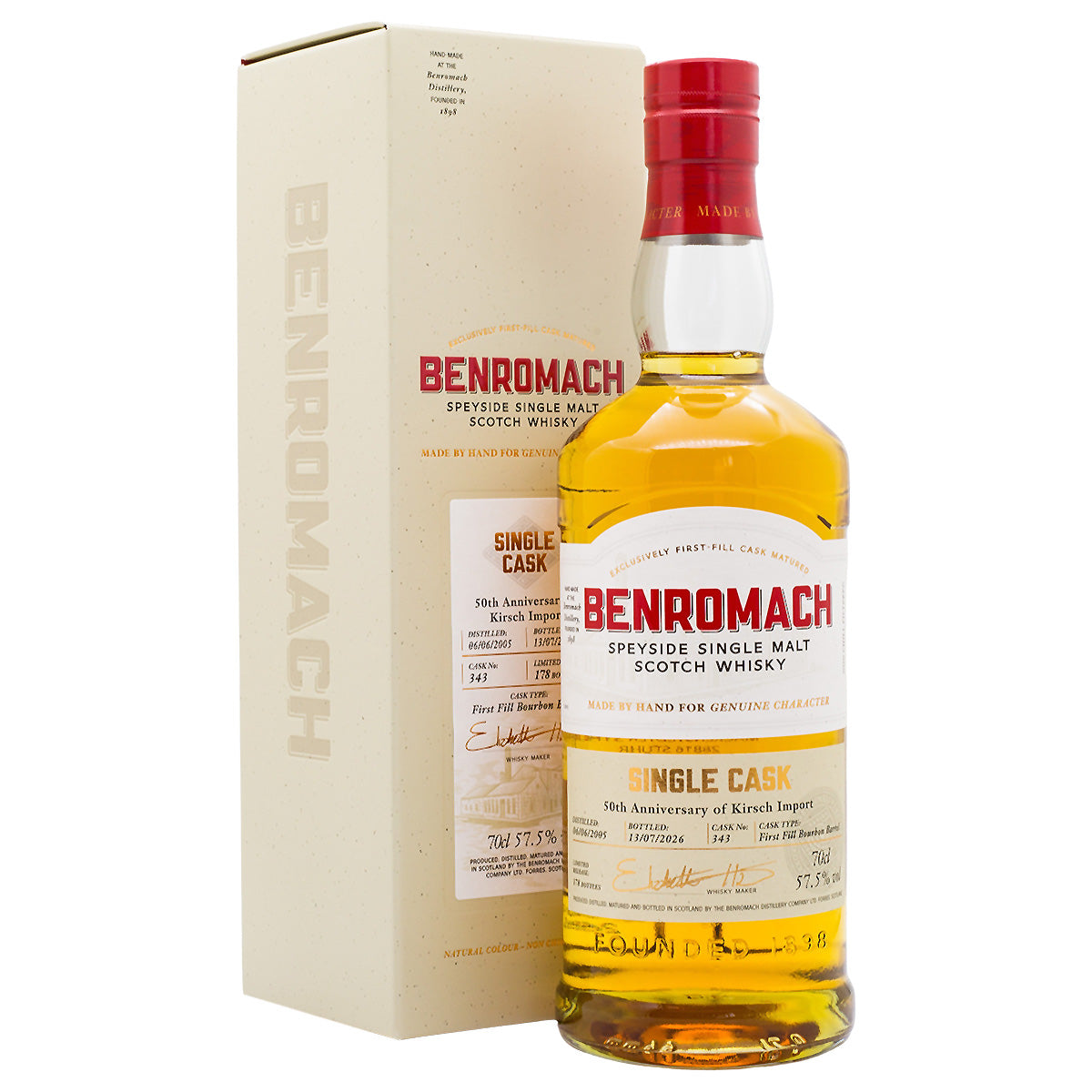
Single Cask Whisky: One cask for one bottling
Single Cask whisky is bottled from the contents of a single cask. For American whiskey, Single Barrel is usually used instead. This term describes the cask source of the specific release, but is not a distinct type of whisky. The cask may contain Single Malt, Single Grain, bourbon, rye, or another type of whisky.
A regular single malt may consist of many casks from various vintages from the same distillery. Single refers to the distillery. With single cask, it refers to the cask used.
Single cask does not automatically mean cask strength
Single cask refers to the number of casks. Cask Strength or Barrel Proof describes how the alcohol strength was handled. The contents of a single cask may also be diluted with water before bottling. Conversely, a cask-strength whisky may come from several casks.
Being uncolored, non-chill filtered, or particularly old are also not necessary characteristics of a single cask. Small Batch usually refers to a blend of several casks, but has no universally uniform maximum batch size.
Original bottlers and independent bottlers
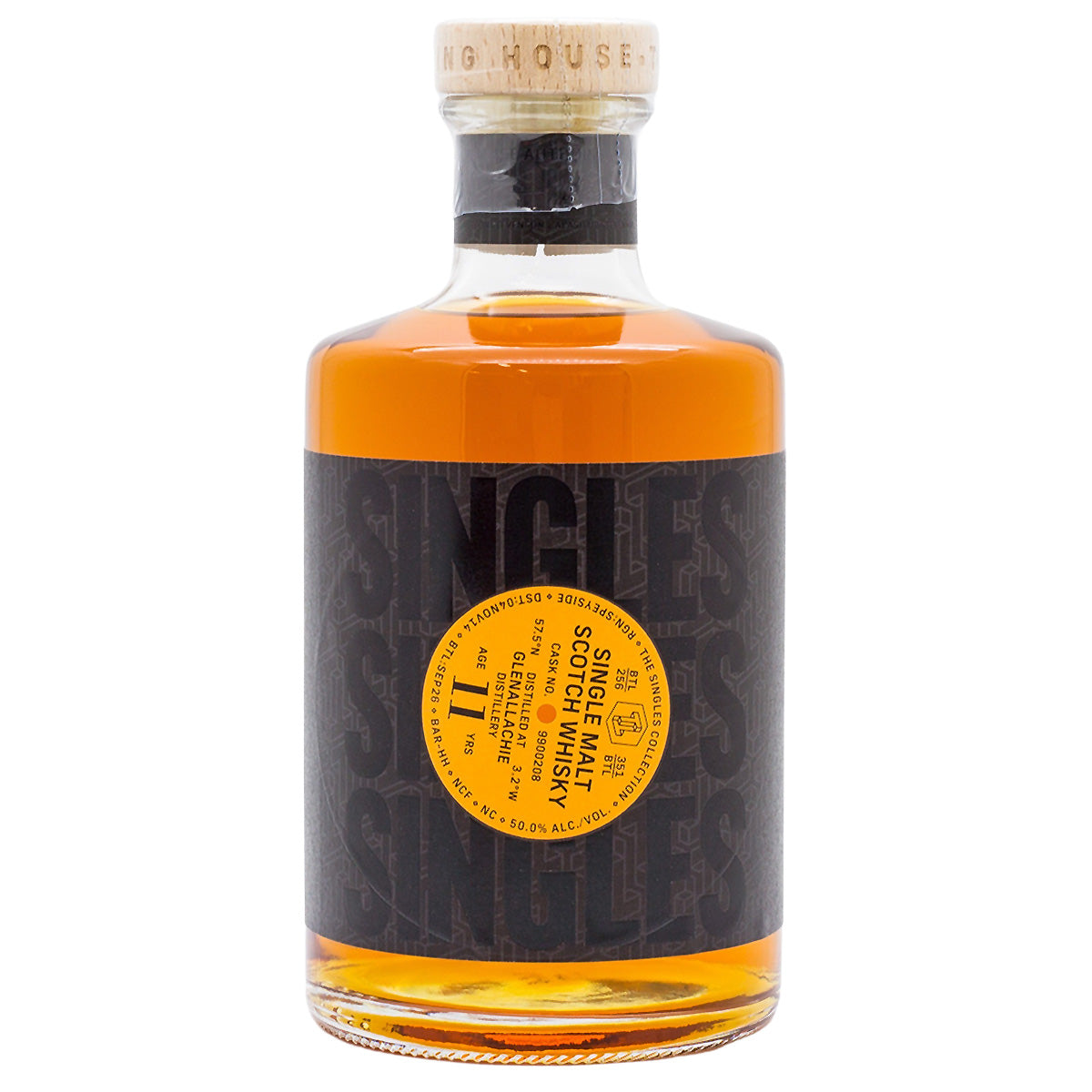
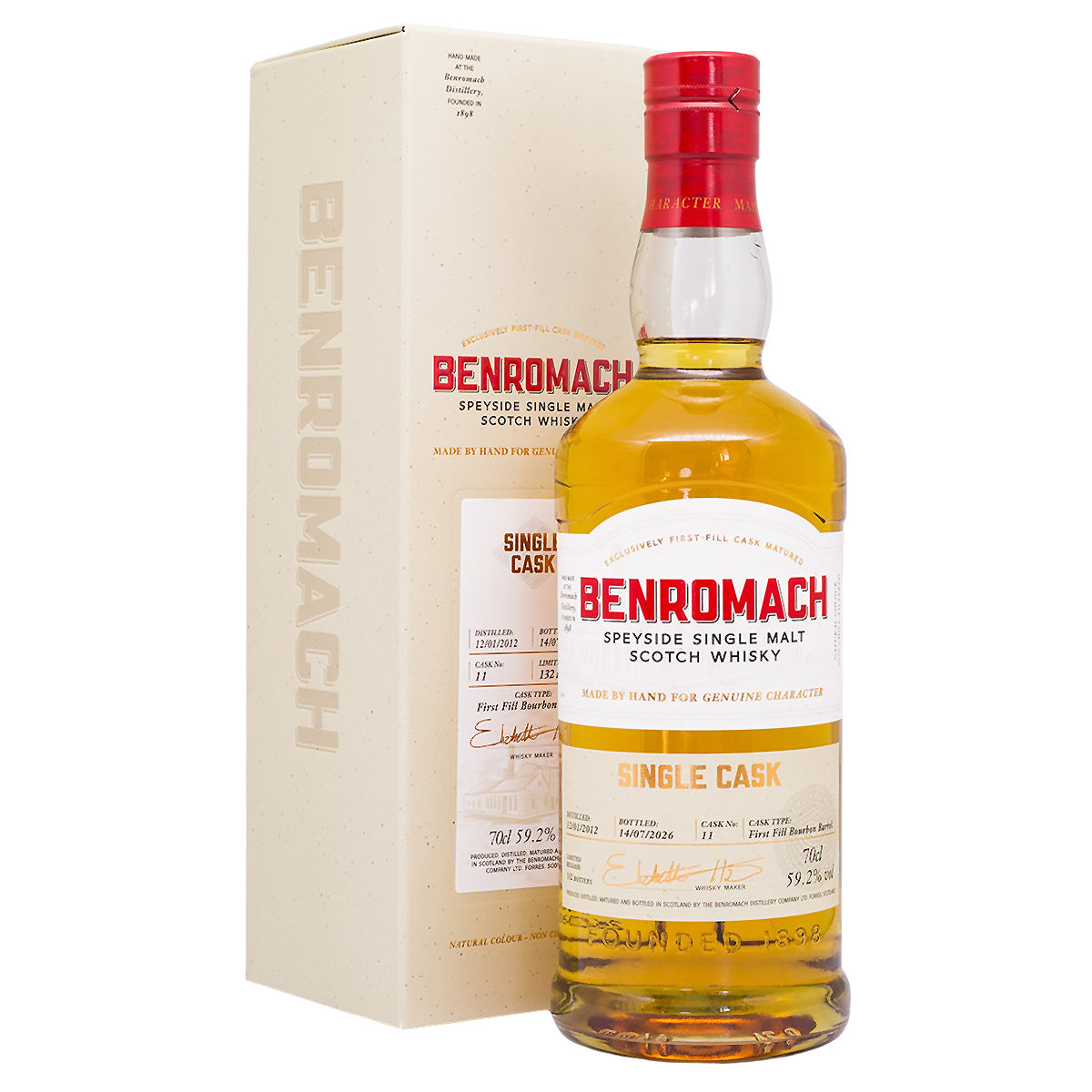
With an original bottling, the distillery selects its own cask and is responsible for the release. GlenAllachie, for example, releases single casks with details on the cask number, cask type, alcohol strength, and bottle count. Whether individual releases are also bottled at cask strength and without colorant is an additional decision made by the distillery.
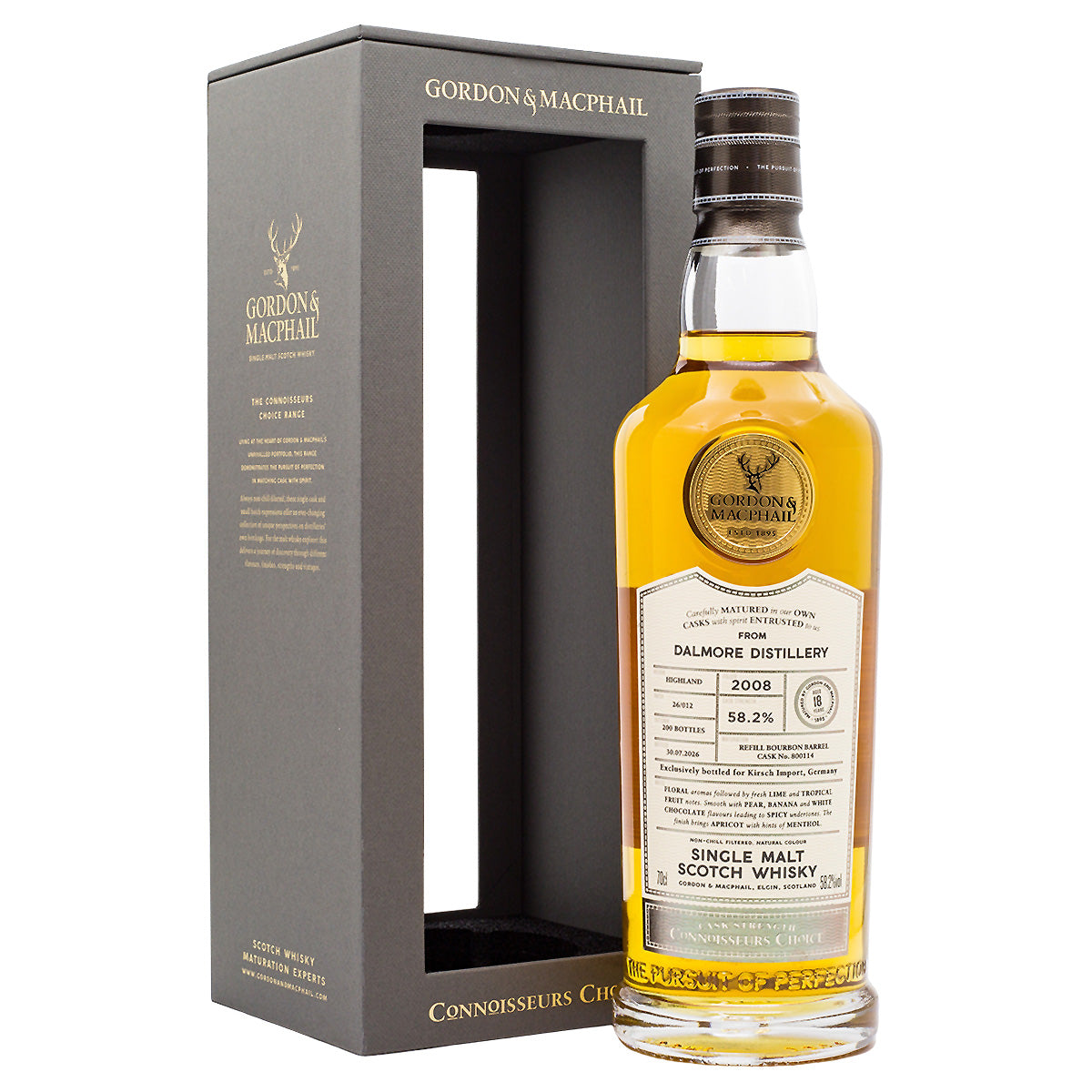
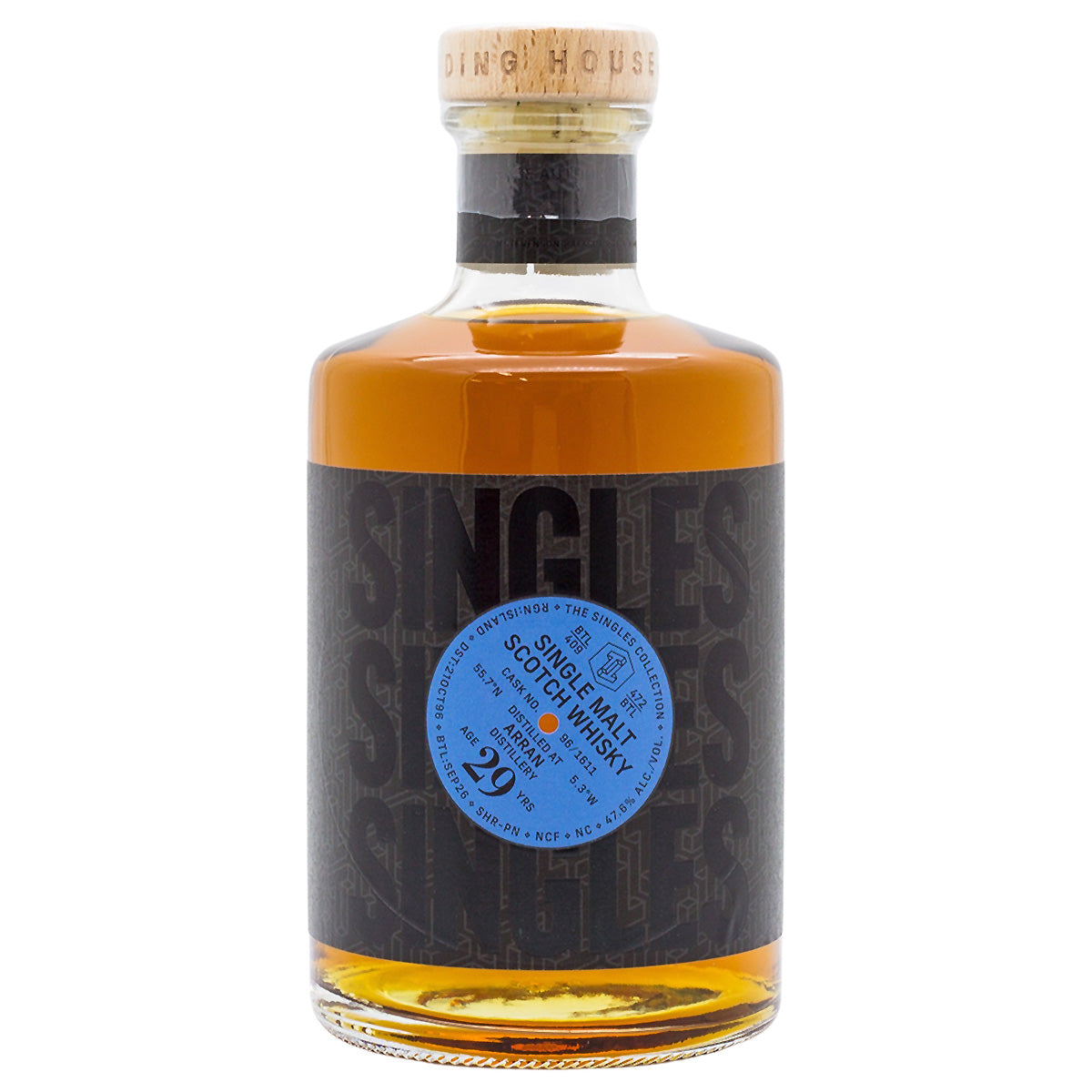
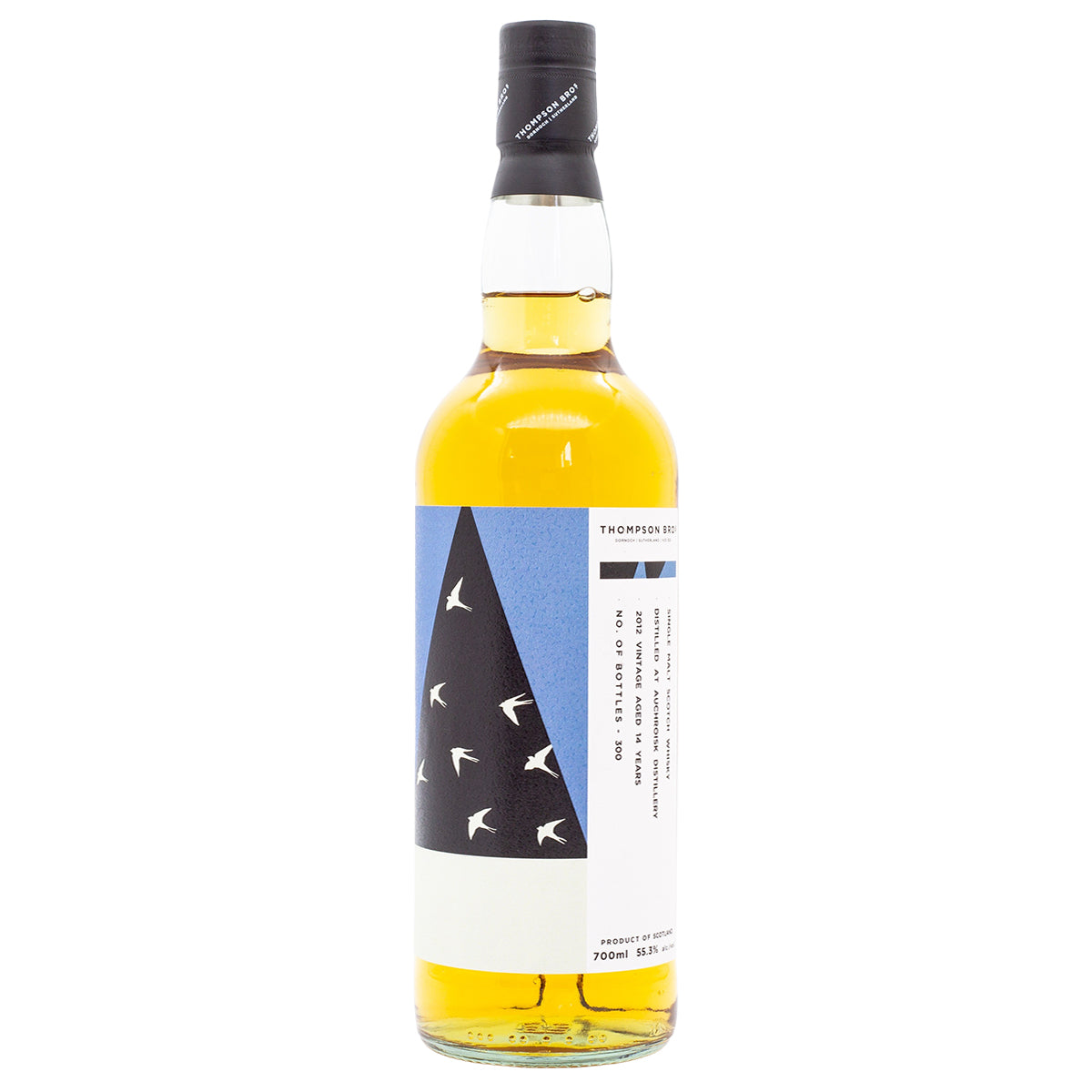
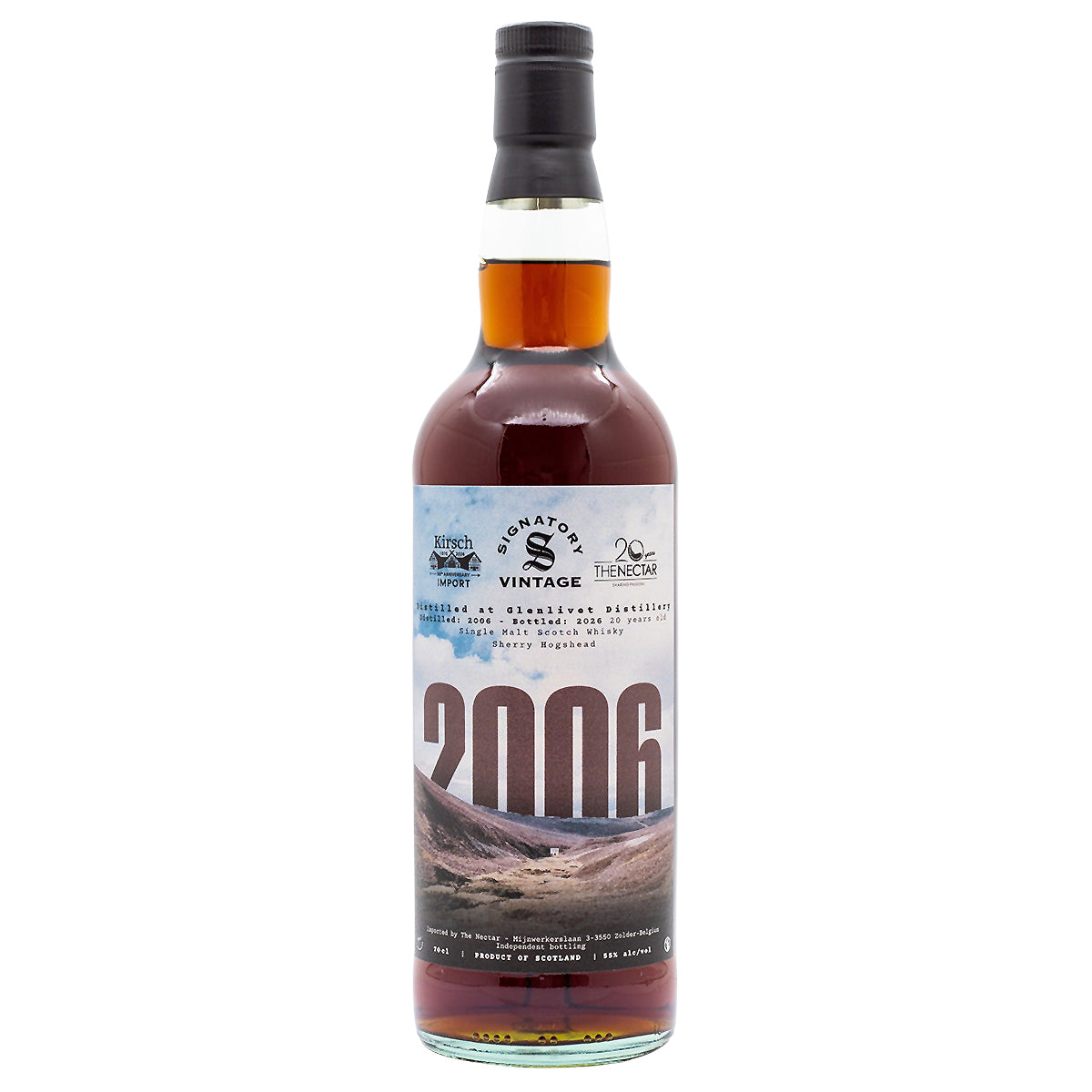
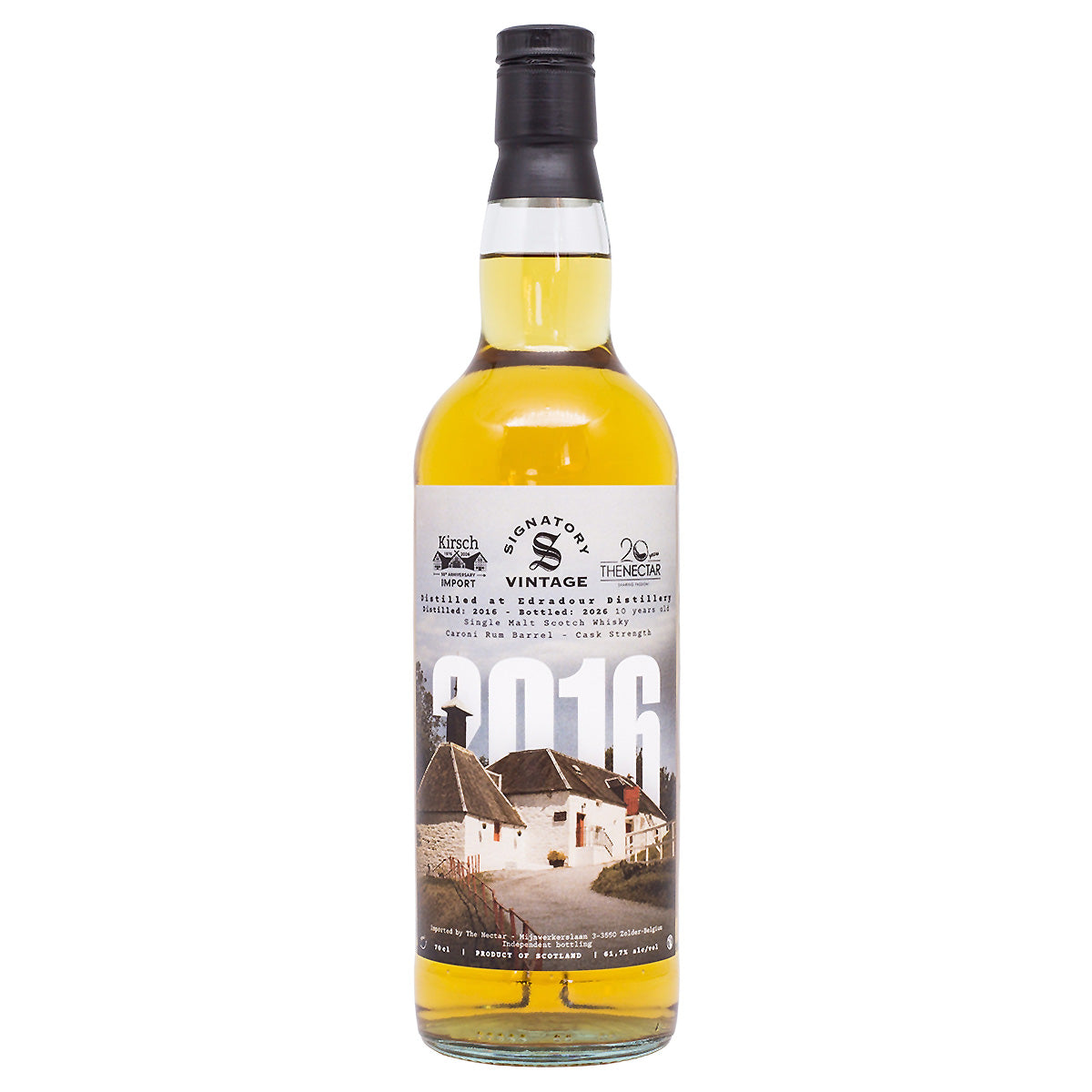
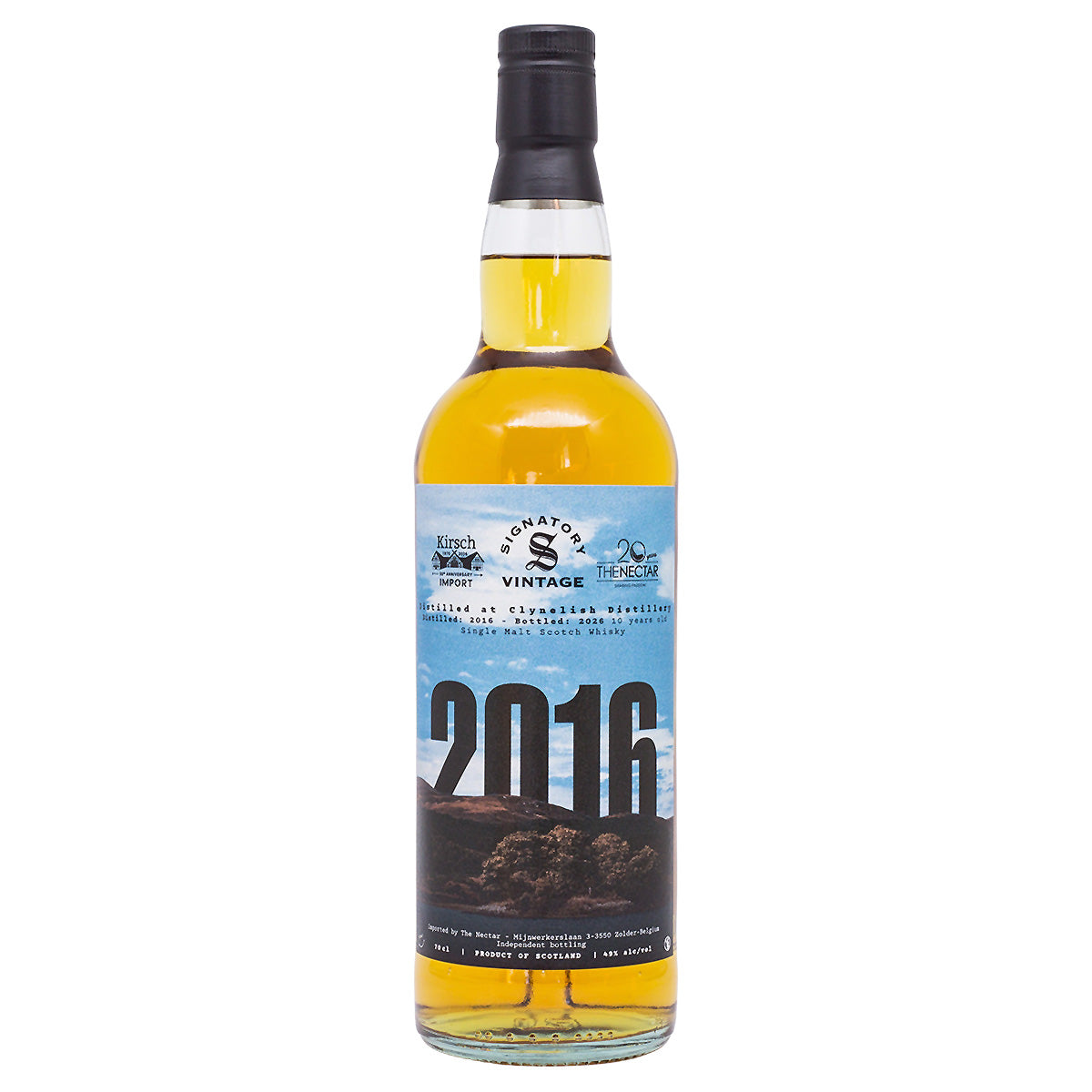
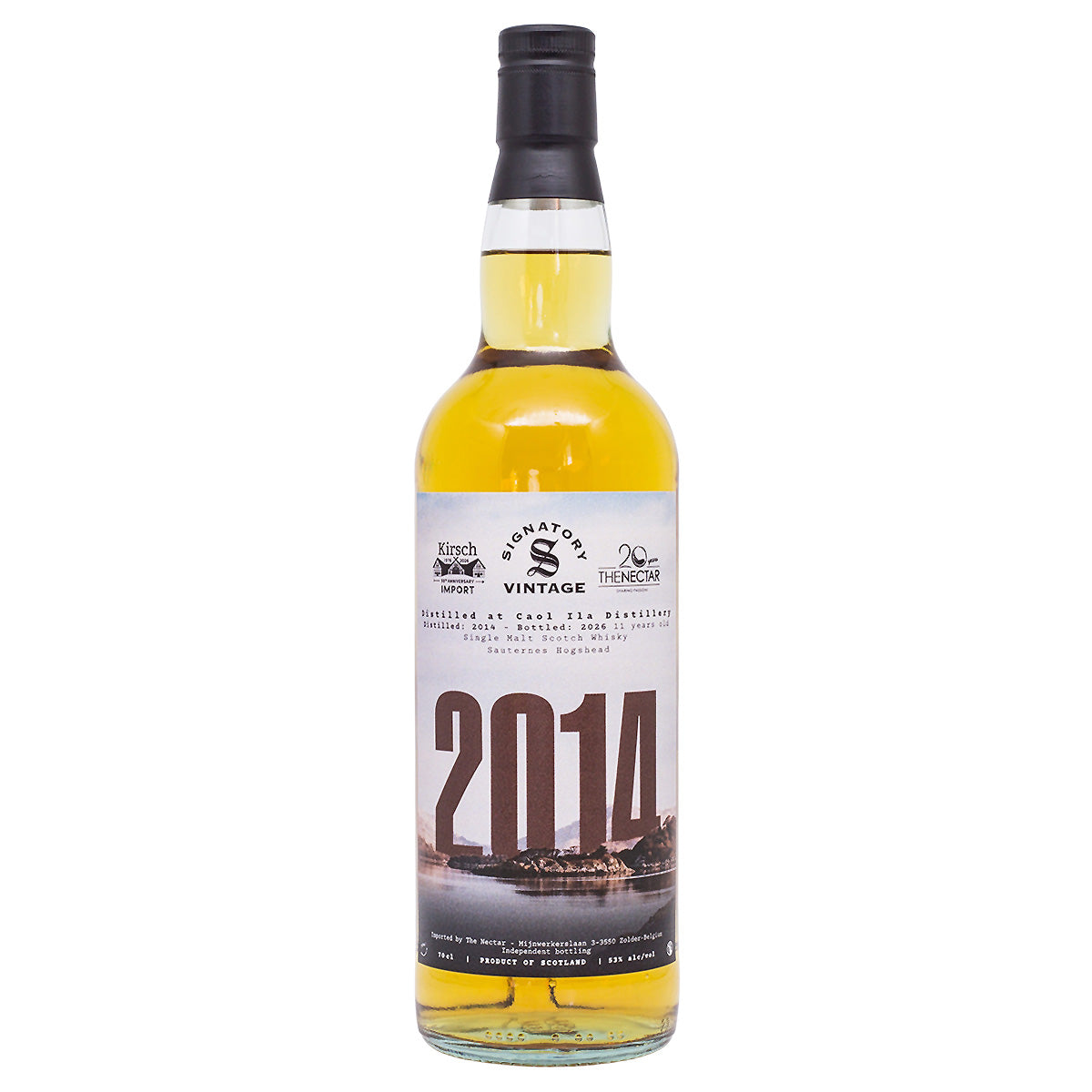
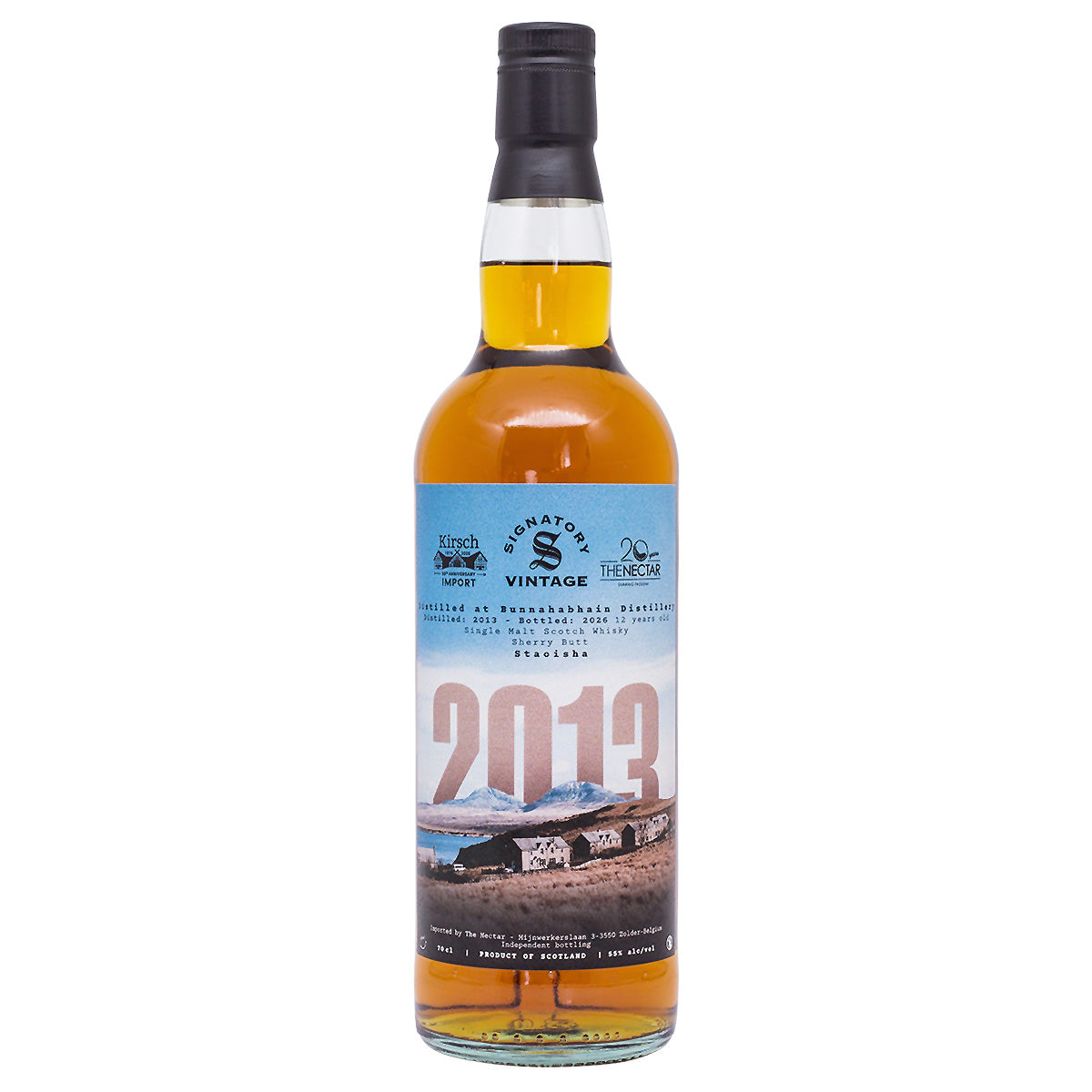
An independent bottler buys distillate or matured whisky, manages casks, and releases them under their own name. Gordon & MacPhail lists the distillery, distillation and bottling years, cask type, cask number, strength, and outturn for such bottlings, among other details. The distillery and the bottler are two different companies with different responsibilities.
How to correctly read the cask number and outturn
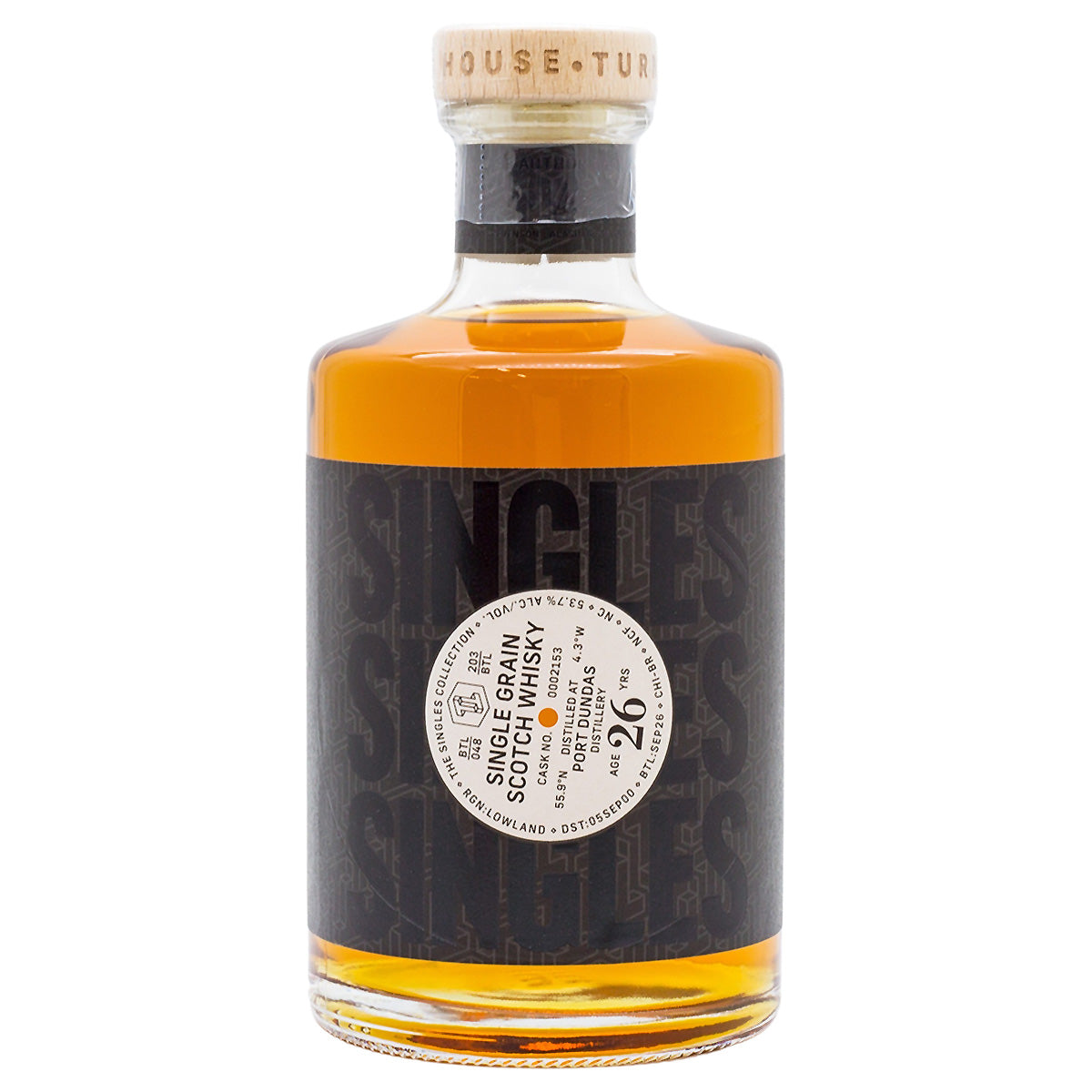
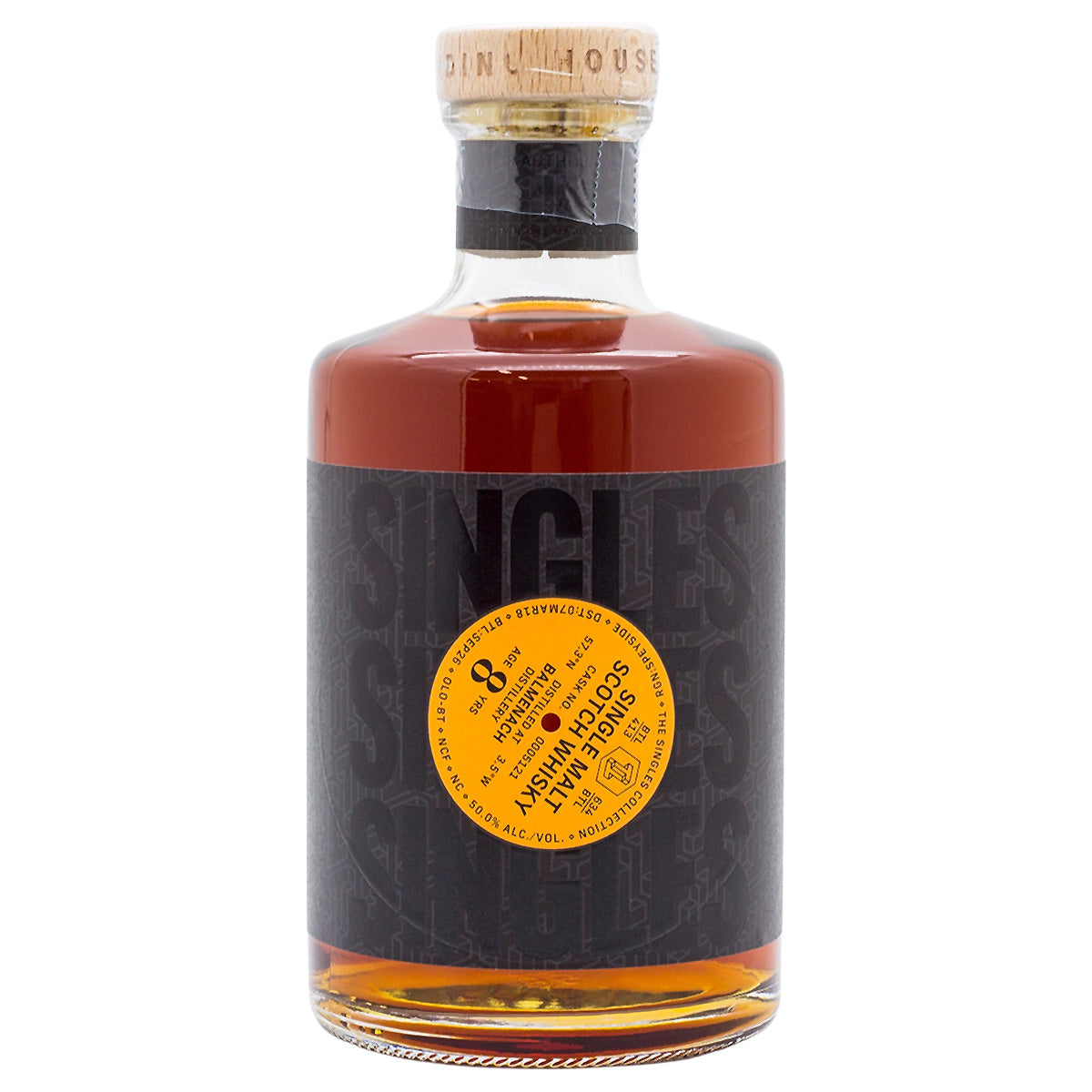
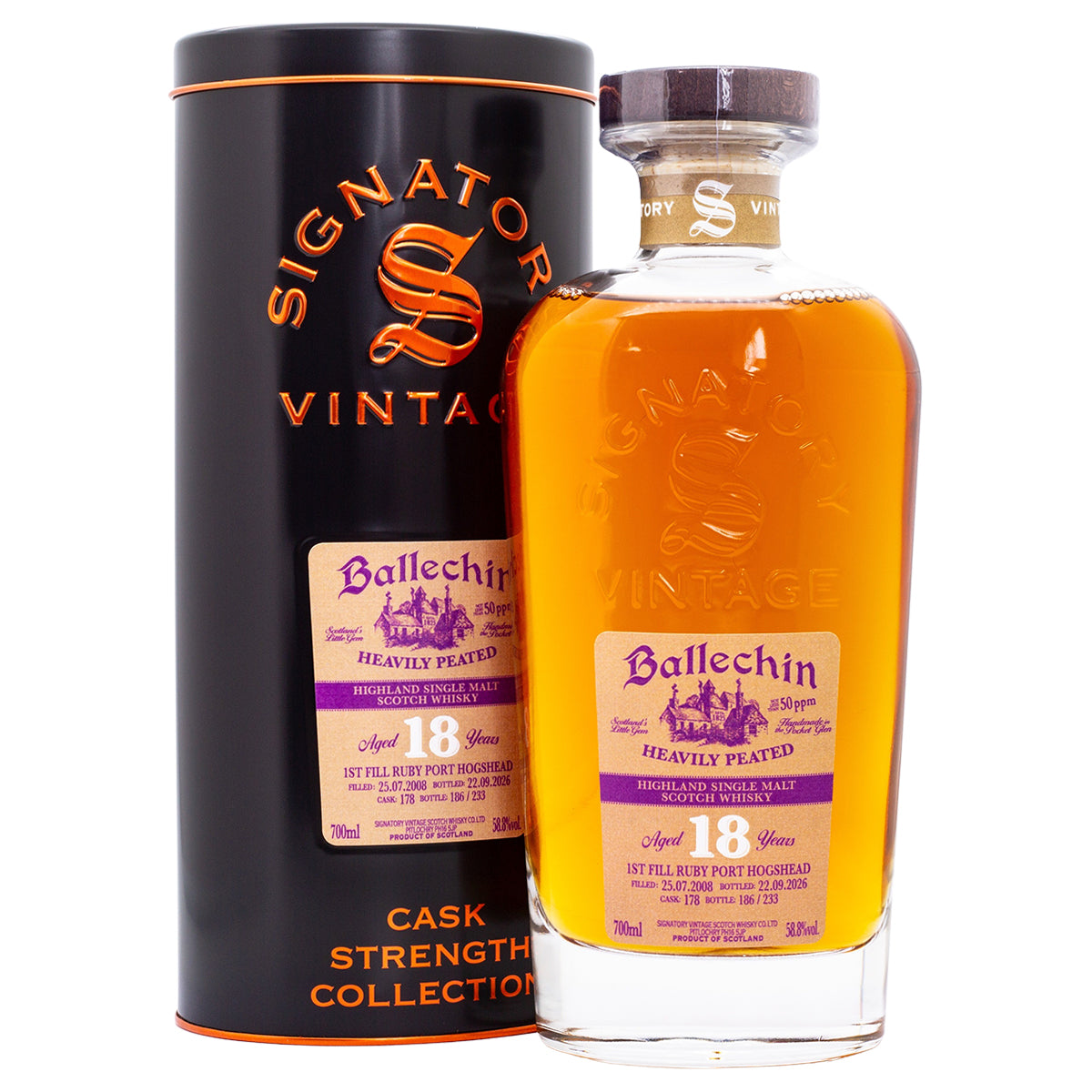
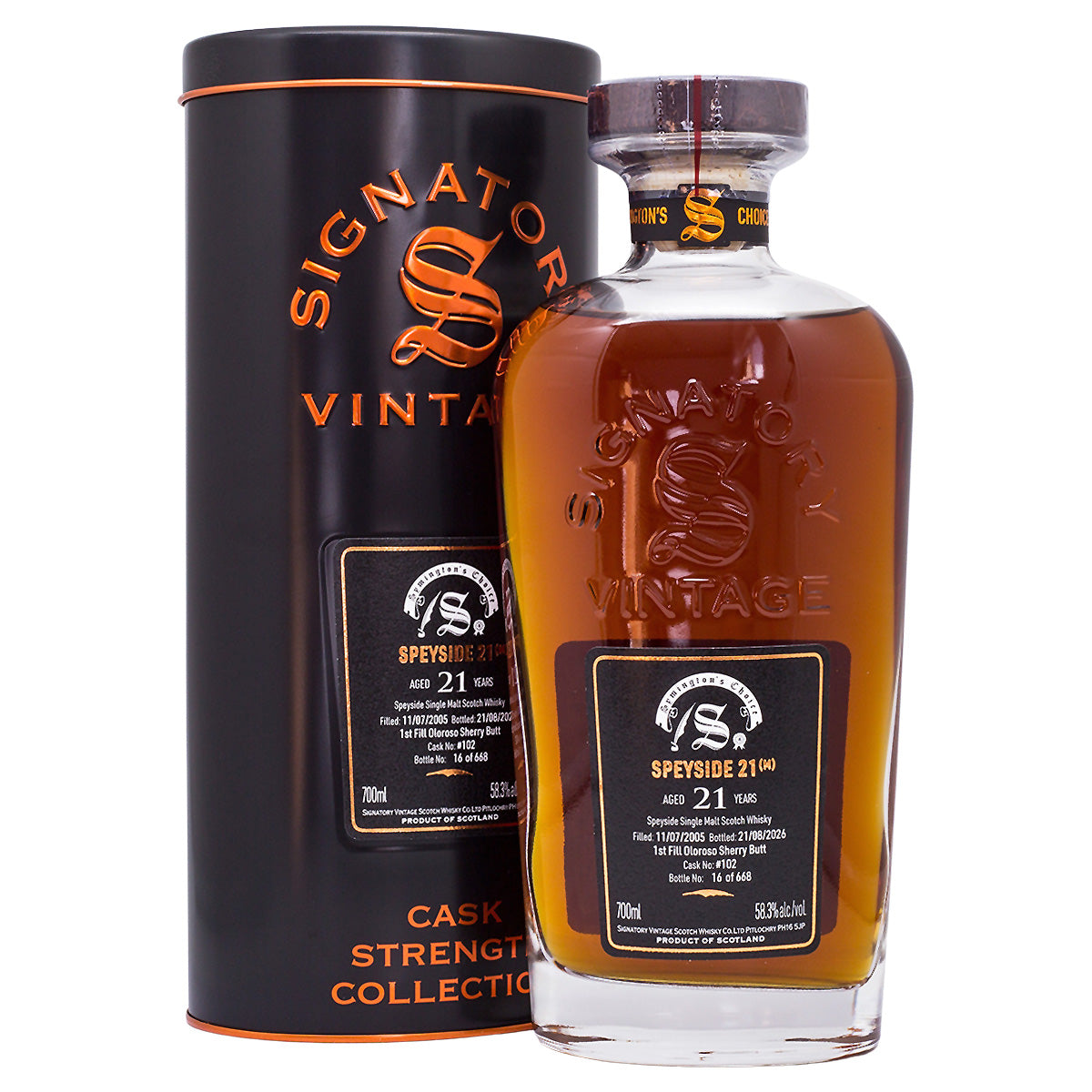
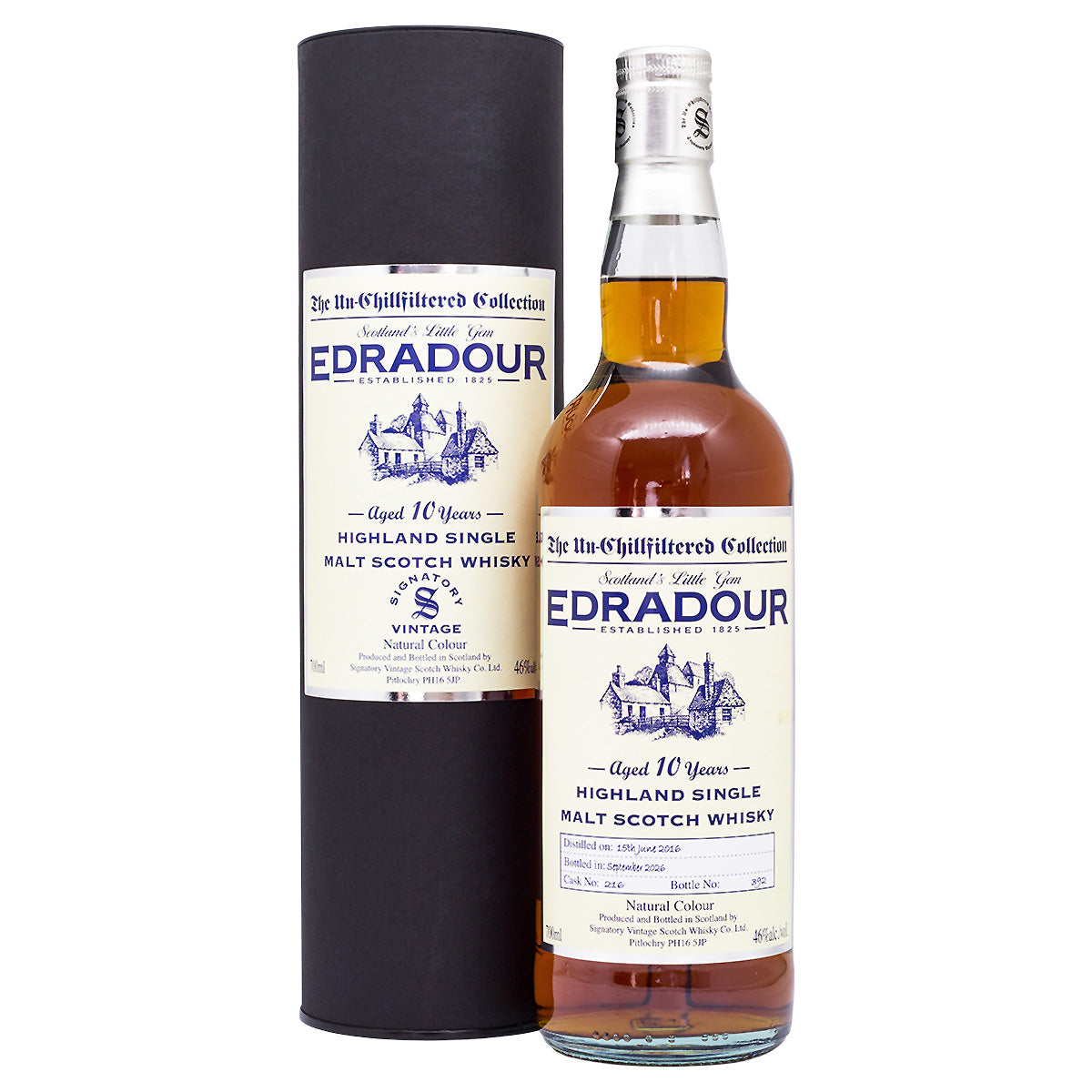
The cask number is usually an identifier used by the producer or bottler, not a globally standardized serial number. It helps to distinguish the specific cask from other releases. The same applies to a bottle number within the bottling.
The outturn states the number of bottles in this release. This does not reliably indicate that the cask was completely emptied or bottled only once. Partial bottling is possible. The bottle count alone proves neither quality nor a specific collector's value. Cask volume, evaporation, bottle size, and bottling strength affect the quantity.
When the whisky passes through more than one cask
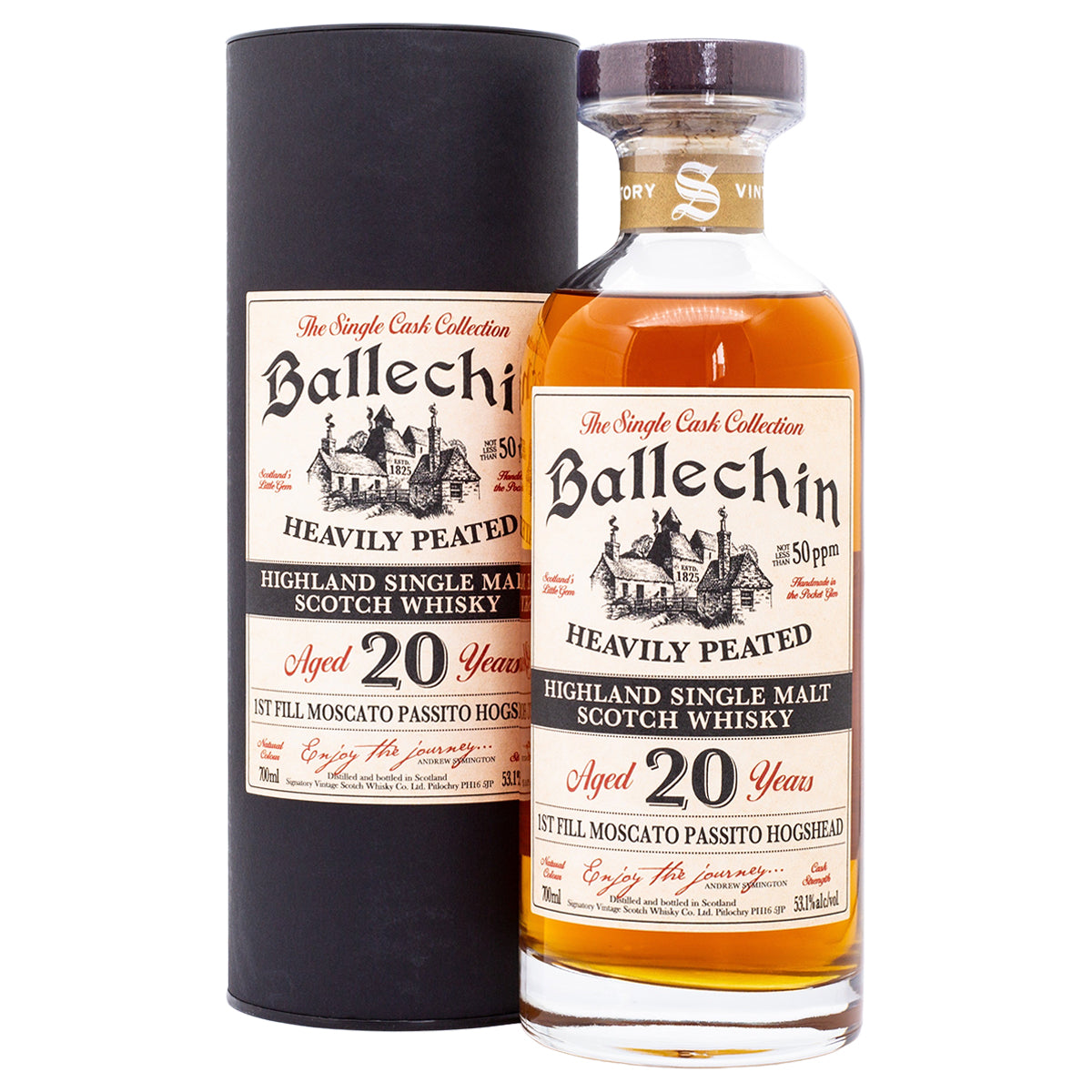
A finish requires that the whisky first matured in a different cask. It is also transferred during reracking. Whether such a bottling can still be called single cask is not defined uniformly worldwide.
Therefore, the complete cask history is more important for selection than a single final number. Product pages should state the initial and final casks, as well as the duration of the finish if possible. The number of the final cask does not mean that the whisky spent its entire maturation period in it.
Information for classification
First check the full type and origin of the whisky. This is followed by the distillery, bottler, distillation and bottling years or age statement, cask number, cask type, and previous filling. Alcohol strength, outturn, and indications of partial bottling complete the description.
Single cask can show the development of a cask particularly directly and differ from the well-known house style. This makes the specific cask biography interesting, but does not automatically elevate it above a carefully assembled multi-cask bottling.
Frequently asked questions about single cask whisky
What does single cask whisky mean?
The whisky in a specific bottling comes from a single cask. Single cask is not a distinct type of whisky.
Is single cask the same as single malt?
No. Single malt describes the raw material, brewing process, and a distillery. Single cask refers to the cask source of a release.
Is single cask always cask strength?
No. A single cask can be diluted with water to a lower bottling strength. Conversely, a cask-strength whisky may consist of several casks.
What do the cask number and outturn indicate?
The cask number identifies the cask designated by the bottler. The outturn states the bottle count of the release, but does not guarantee that the cask was completely emptied.
Can single cask whisky have a finish?
A finish involves a sequence of several casks. The use of single cask is not regulated uniformly worldwide for this purpose; a transparent statement of the entire cask history is crucial.