

Canadian whisky: Rye without a fixed rye quota
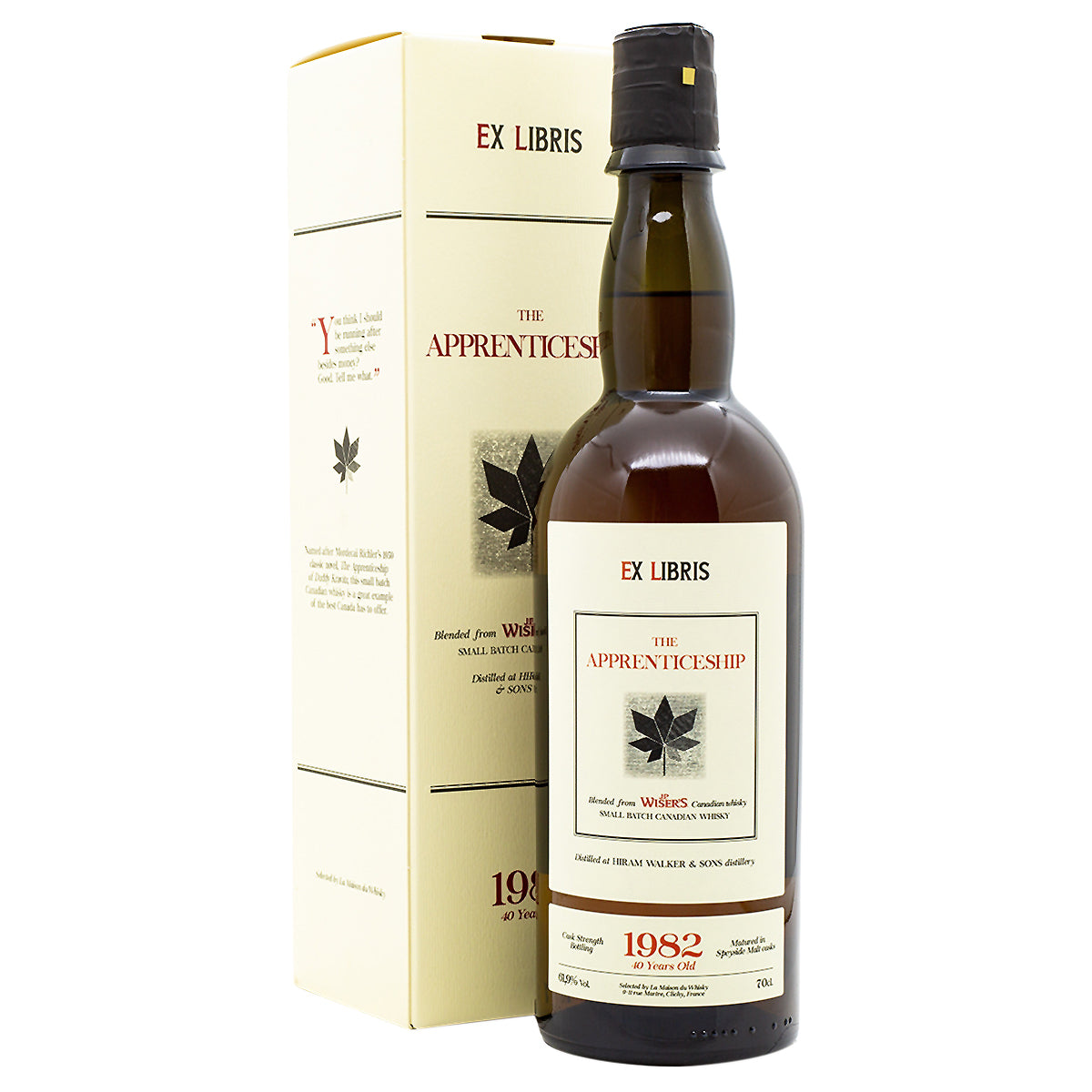
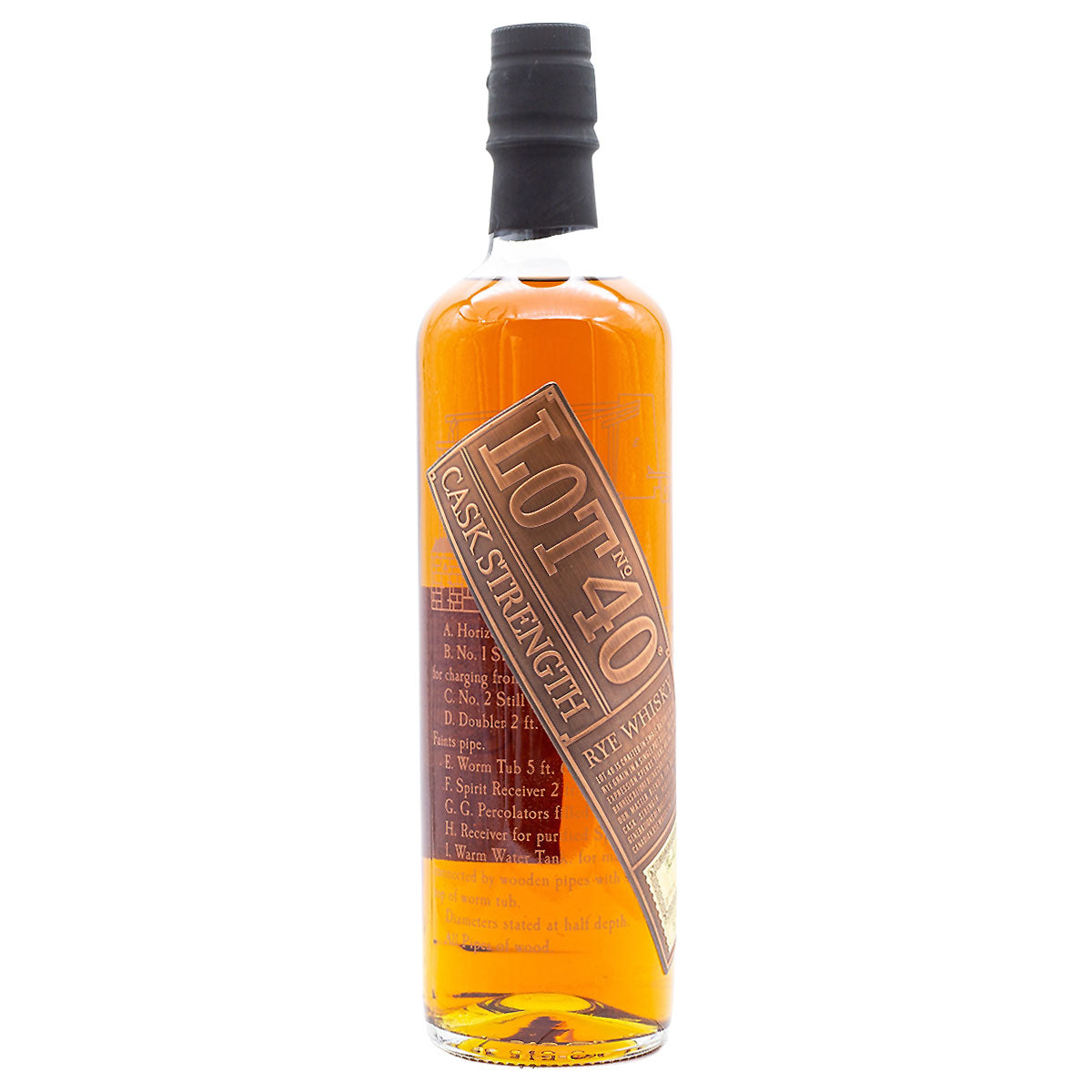
The Canadian identity standard treats three designations equally: Rye Whisky, Canadian Rye Whisky and Canadian Whisky. The word Rye does not prescribe a minimum proportion of rye. Unlike US Rye Whiskey, the category name therefore does not indicate the mash bill.
Mashing and distilling must take place in Canada. There, the whisky also matures for at least three years in wooden containers with a maximum capacity of 700 litres. At bottling, a minimum alcohol content of 40 percent is required. An express requirement to bottle in Canada is not part of this standard.
Components instead of a common mash
Many classic blends combine whiskies that were produced separately. A rather neutral, highly distilled base whisky can be combined with more aromatically intense components made from rye, barley or other grains. In production, these are often referred to as base whisky and flavouring whisky. This model is common, but is not required for every Canadian whisky.
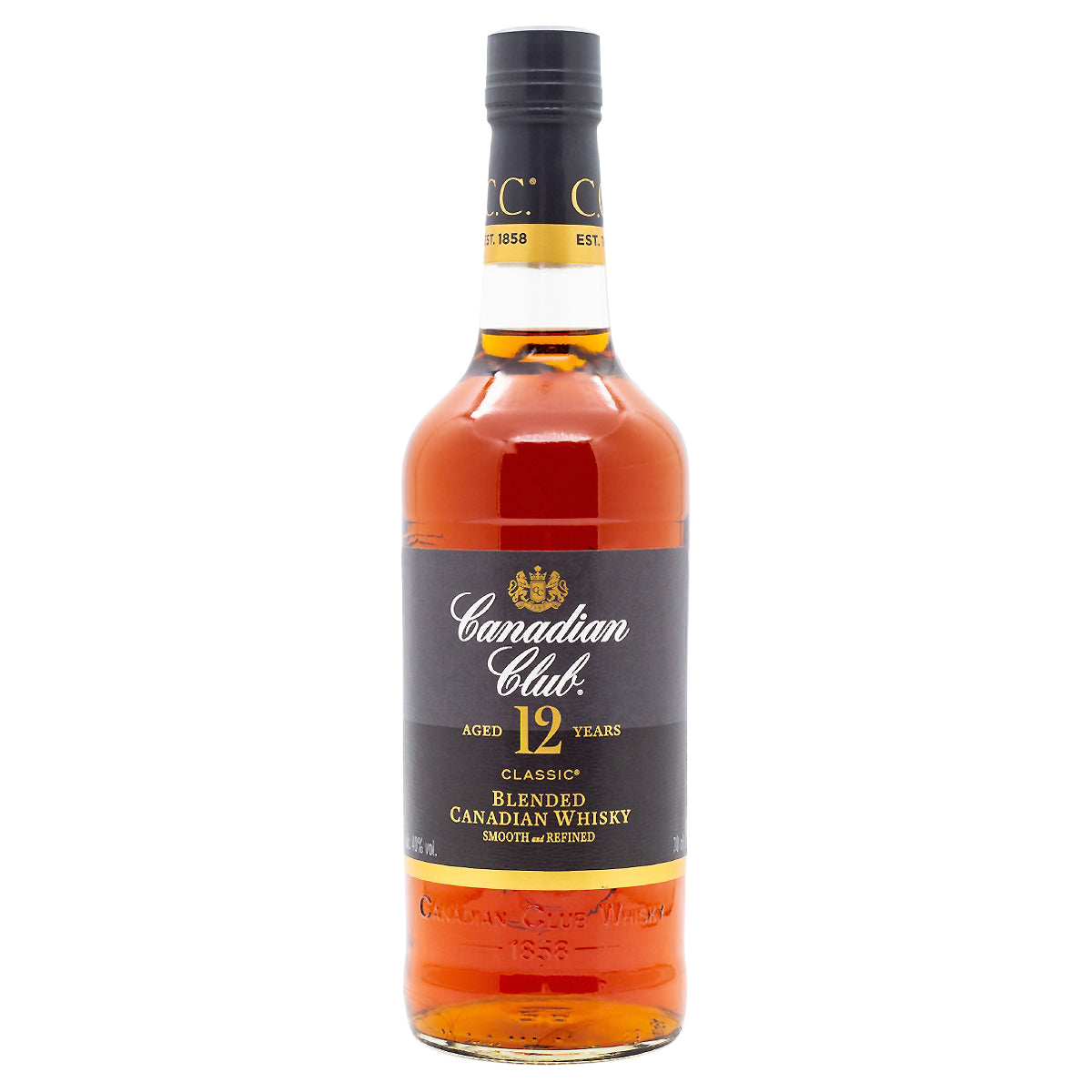
Canadian Club uses a different order according to the manufacturer: Various grain distillates are brought together before maturation. The brand name does not reveal this production method on its own; the producer's process description is required for that.
Alberta Premium explicitly states the rye content
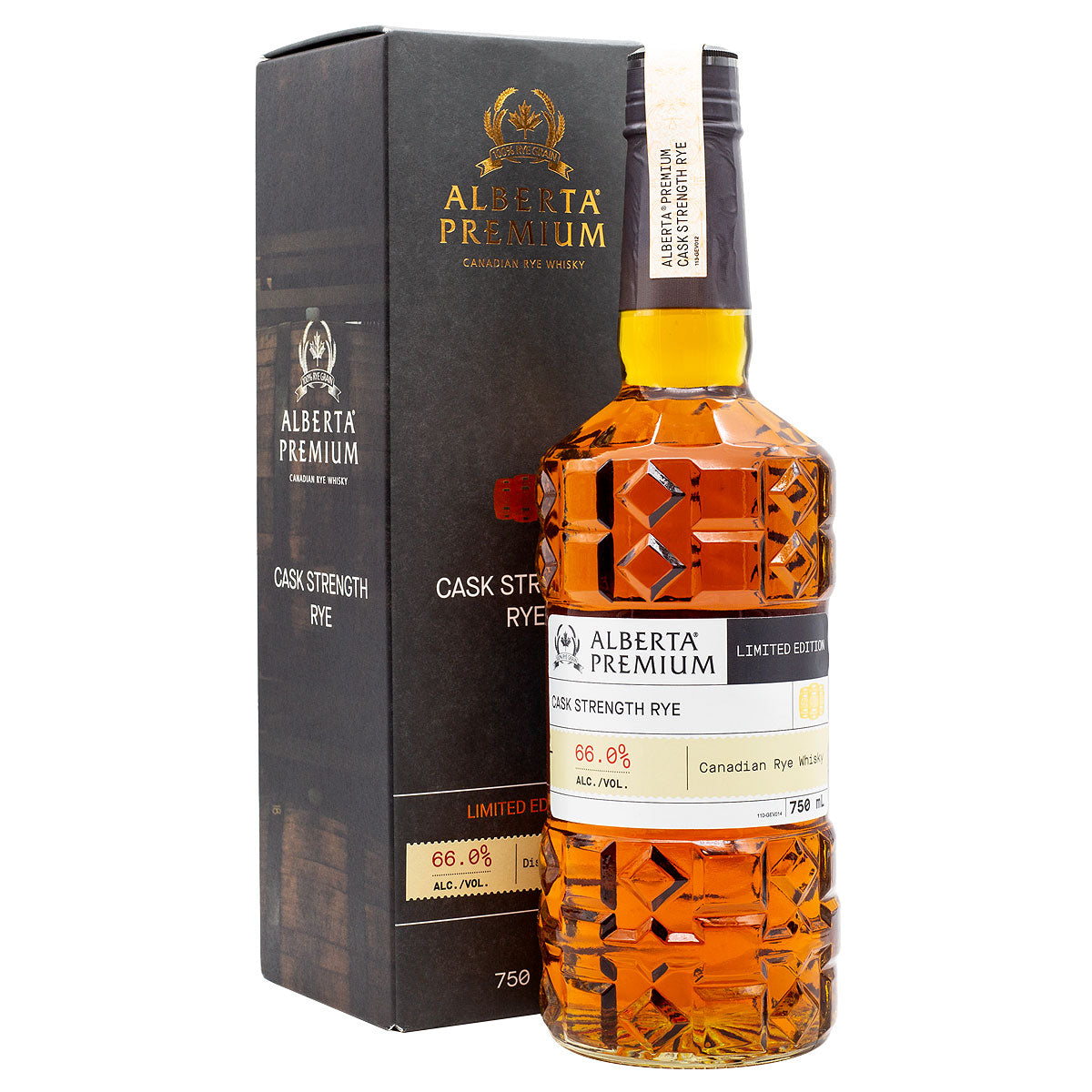
Alberta Distillers declares Alberta Premium as a whisky made from 100 percent rye. This statement is significantly more precise than the word Rye in the Canadian category standard. It describes the grain recipe, but does not guarantee a fixed flavour for every bottling of the brand.
When comparing Canadian Rye and US Rye, you should therefore first look for an explicit percentage. If it is missing, Canadian Rye Whisky must not be tacitly understood as a whisky with at least 51 percent rye.
What the flavouring rule actually allows
The Canadian standard allows flavouring under specified conditions, for example with wine or matured spirits. The frequently cited threshold of 9.09 percent is often reported misleadingly. What matters is the proportion of pure alcohol in the finished product, not the corresponding proportion of the liquid volume in the bottle.
This option does not mean that every Canadian whisky contains such components. Nor is it a judgment of quality. Without voluntary manufacturer information, the exact recipe cannot be reconstructed from the label.
Which details help when choosing
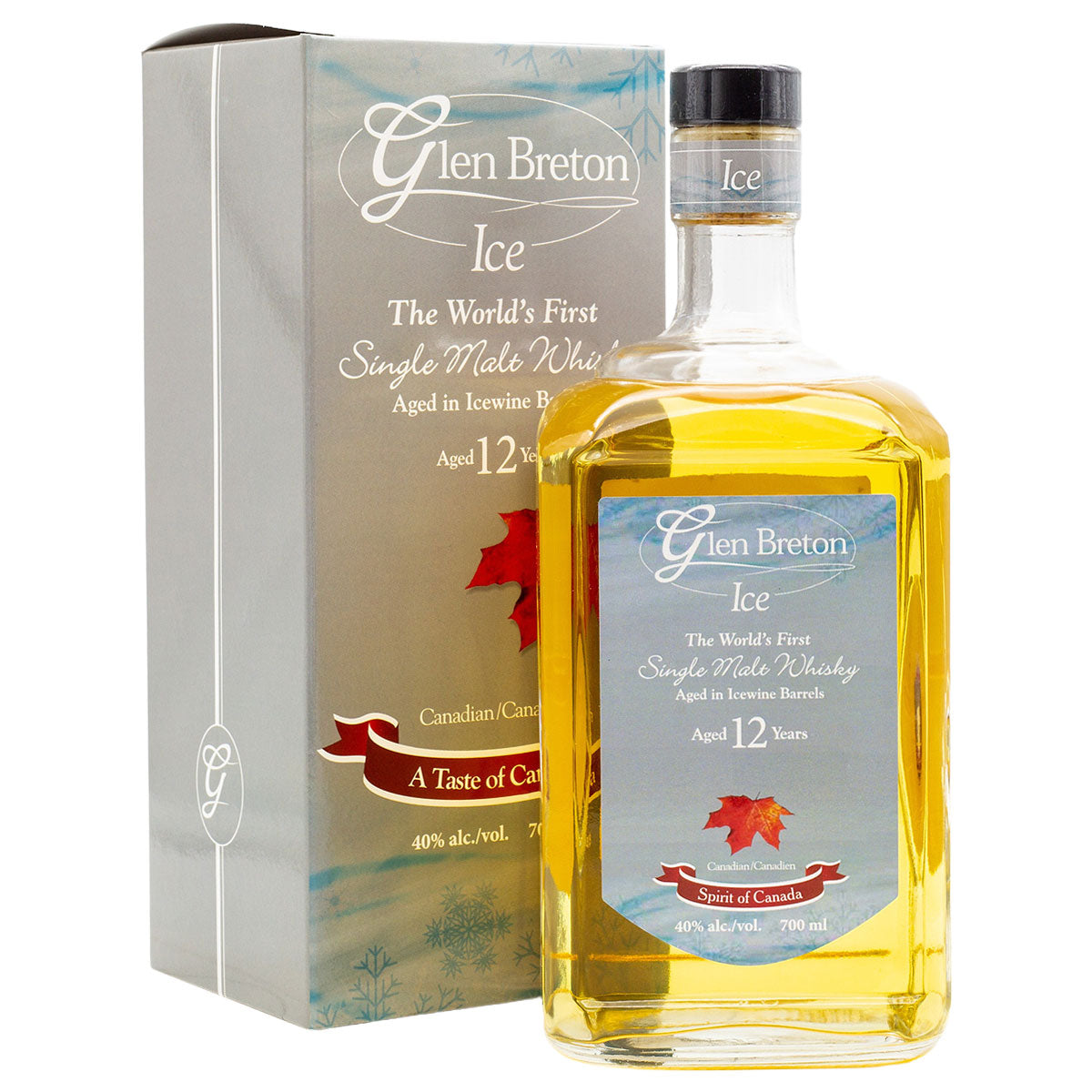
First, pay attention to explicitly stated grain proportions such as 100% Rye. Next, it is crucial whether the manufacturer combines separately matured components or combines the distillates before maturation. For single malt or other clearly designated production methods, the producer's own recipe specifications apply.
Cask type, age and alcohol strength then describe the specific bottling. They do not replace grain information. Although the spelling Canadian Whiskey is encountered in search queries, on Canadian products and in the official standards, Canadian Whisky is the authoritative form.
Frequently asked questions about Canadian whisky
What is Canadian whisky?
Canadian whisky is mashed and distilled in Canada, matured there for at least three years in small wooden containers, and bottled with at least 40 percent alcohol.
Must Canadian Rye Whisky contain at least 51 percent rye?
No. Rye Whisky and Canadian Rye Whisky follow the same definition there as Canadian Whisky, without any minimum rye quota being stated.
What does 100% Rye mean for Canadian whisky?
The statement explicitly confirms a grain recipe consisting entirely of rye. Alberta Premium is a well-known example of this.
Is Canadian whisky always a blend?
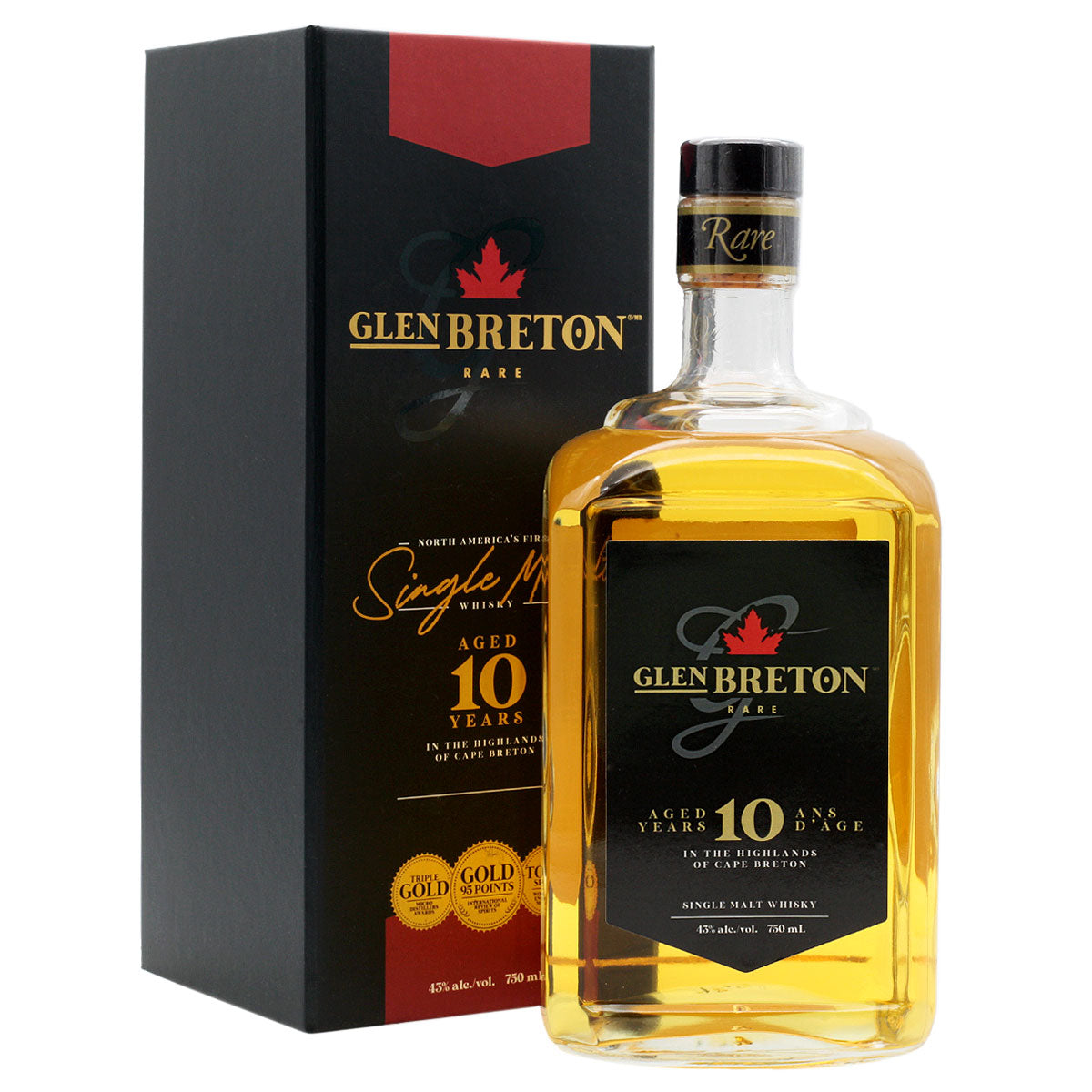
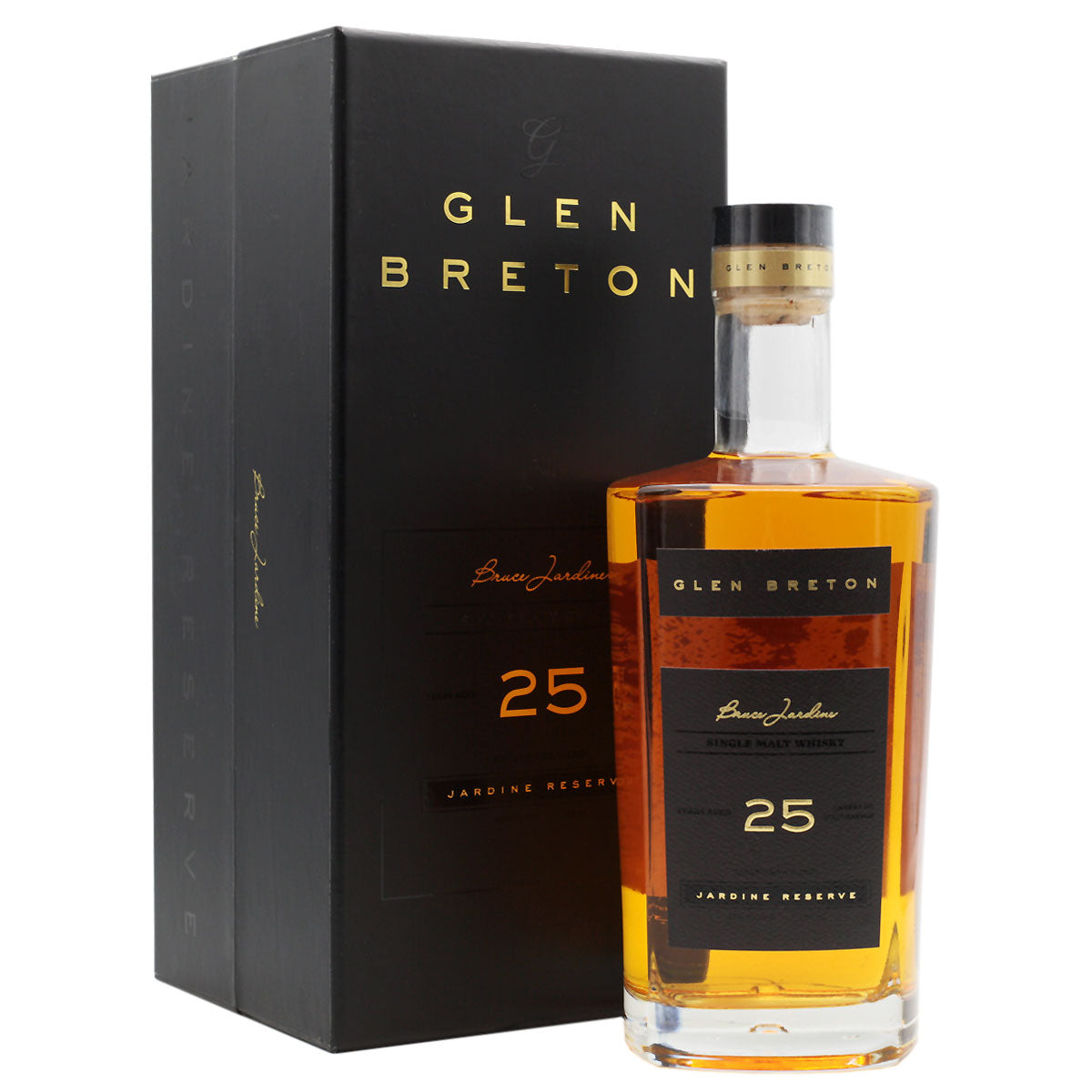
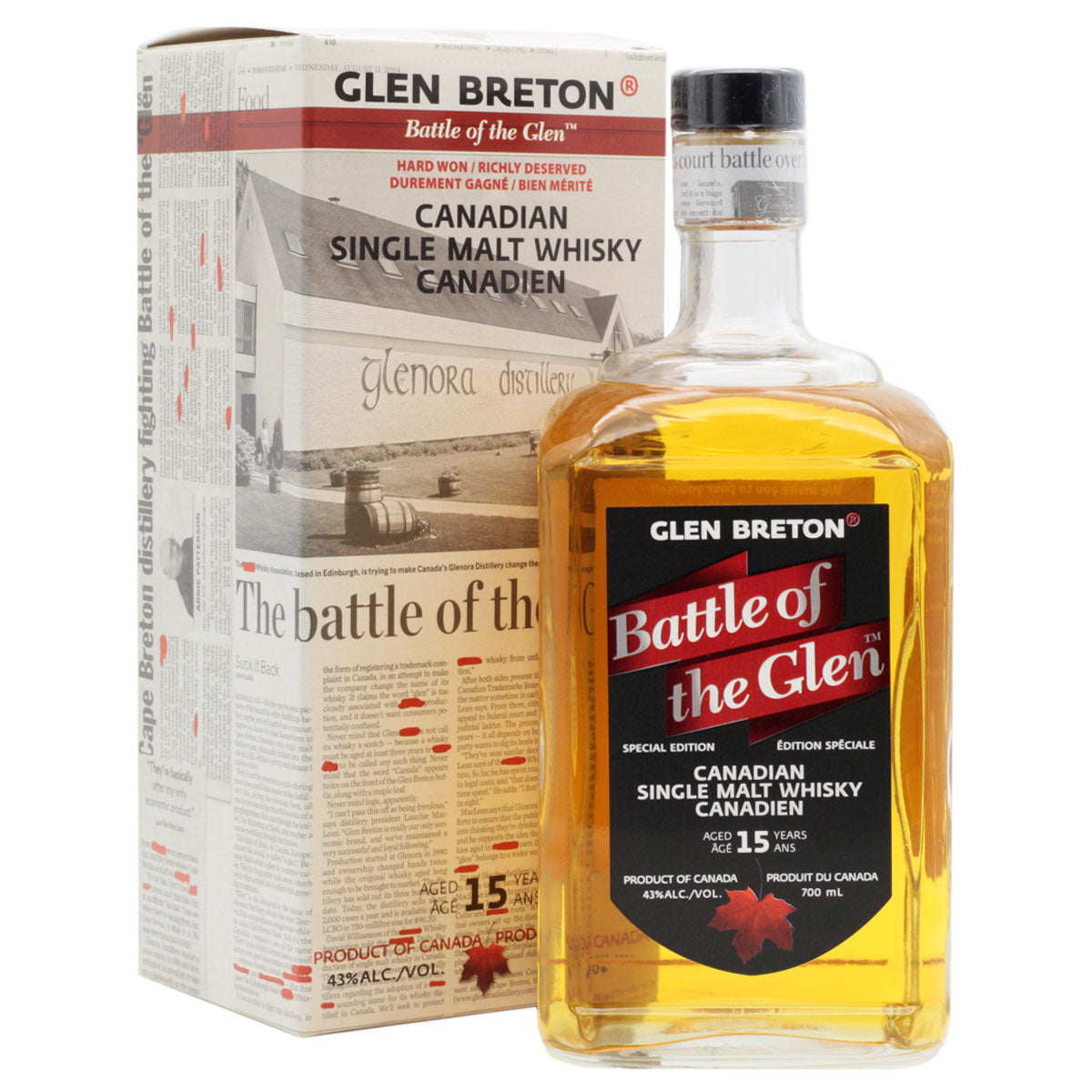
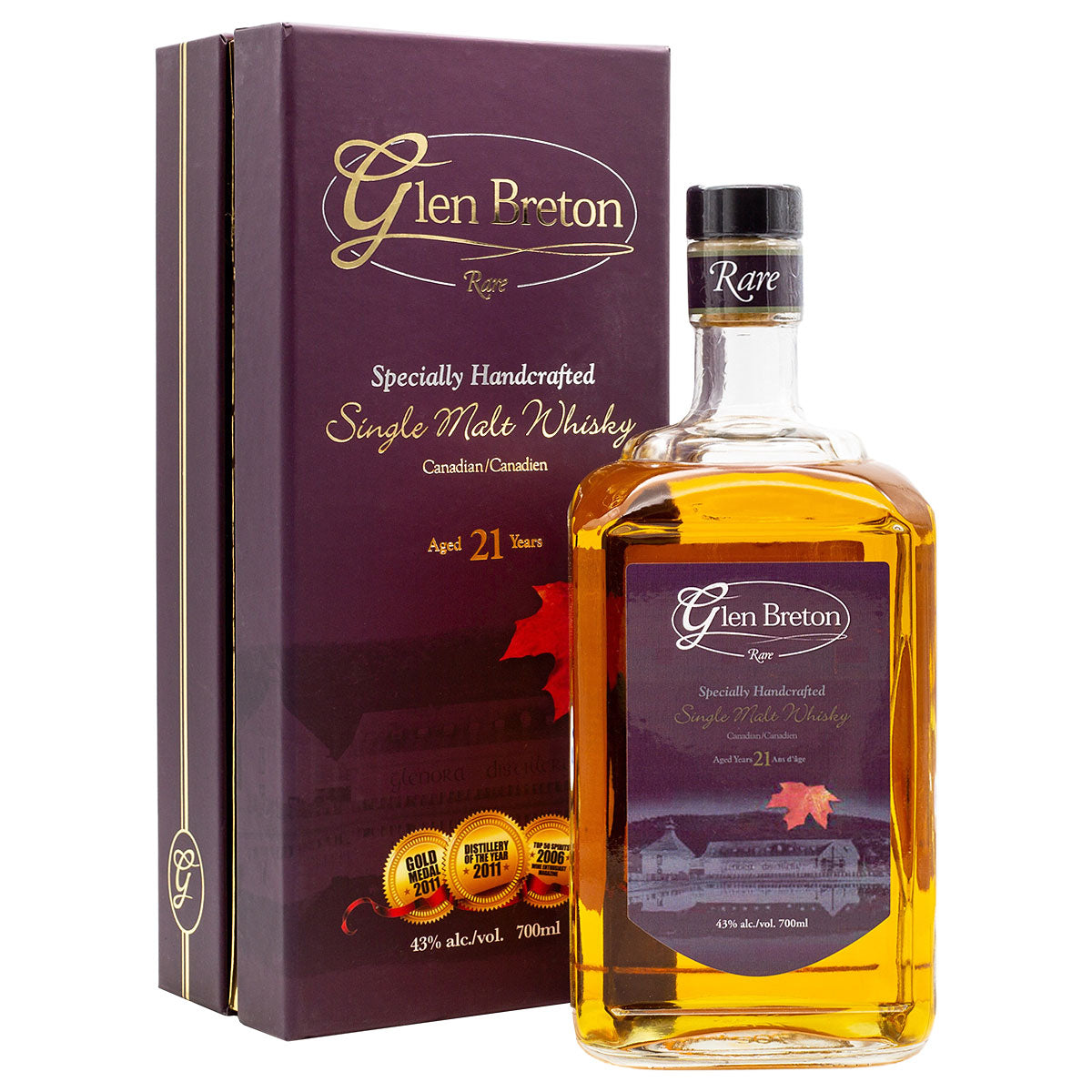
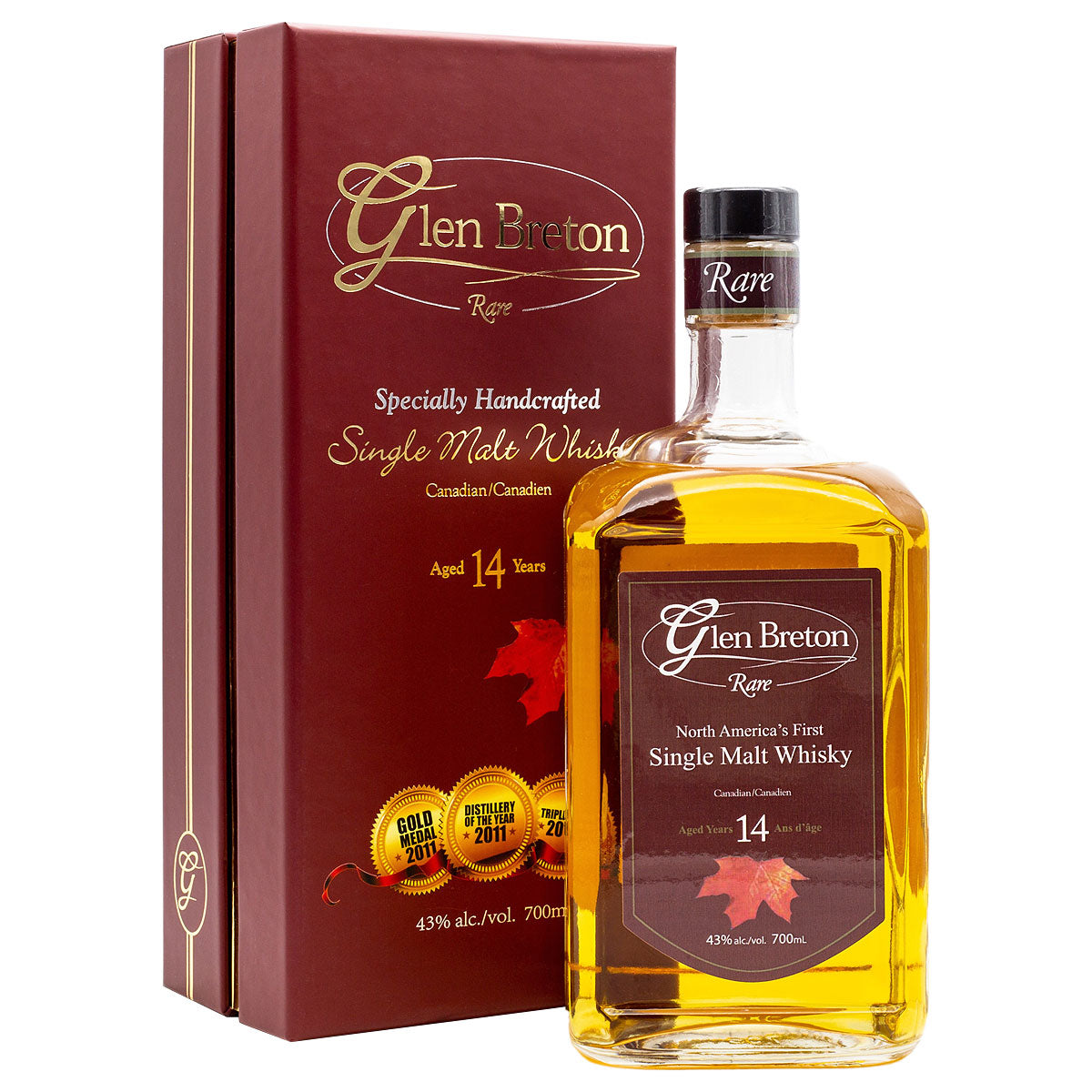
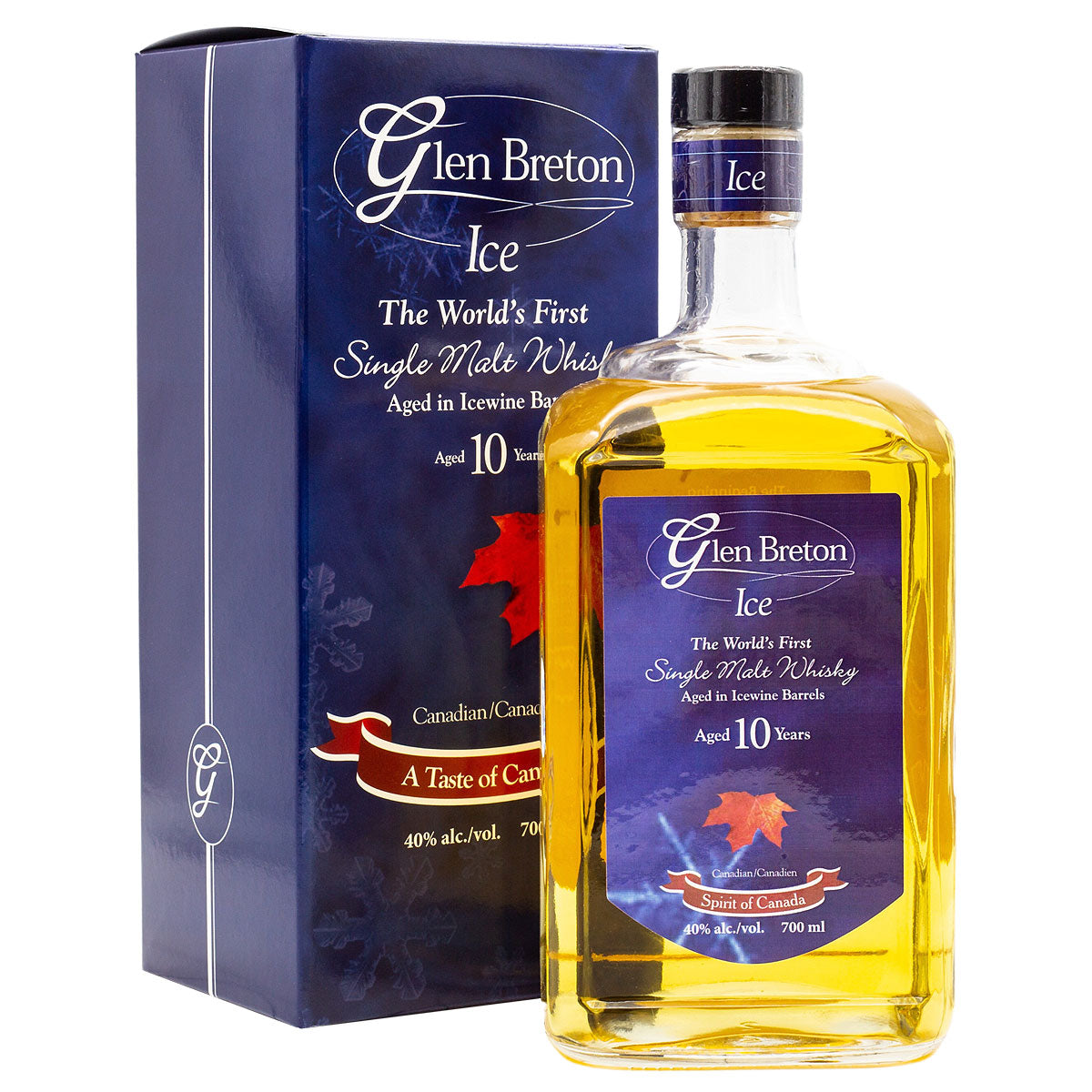
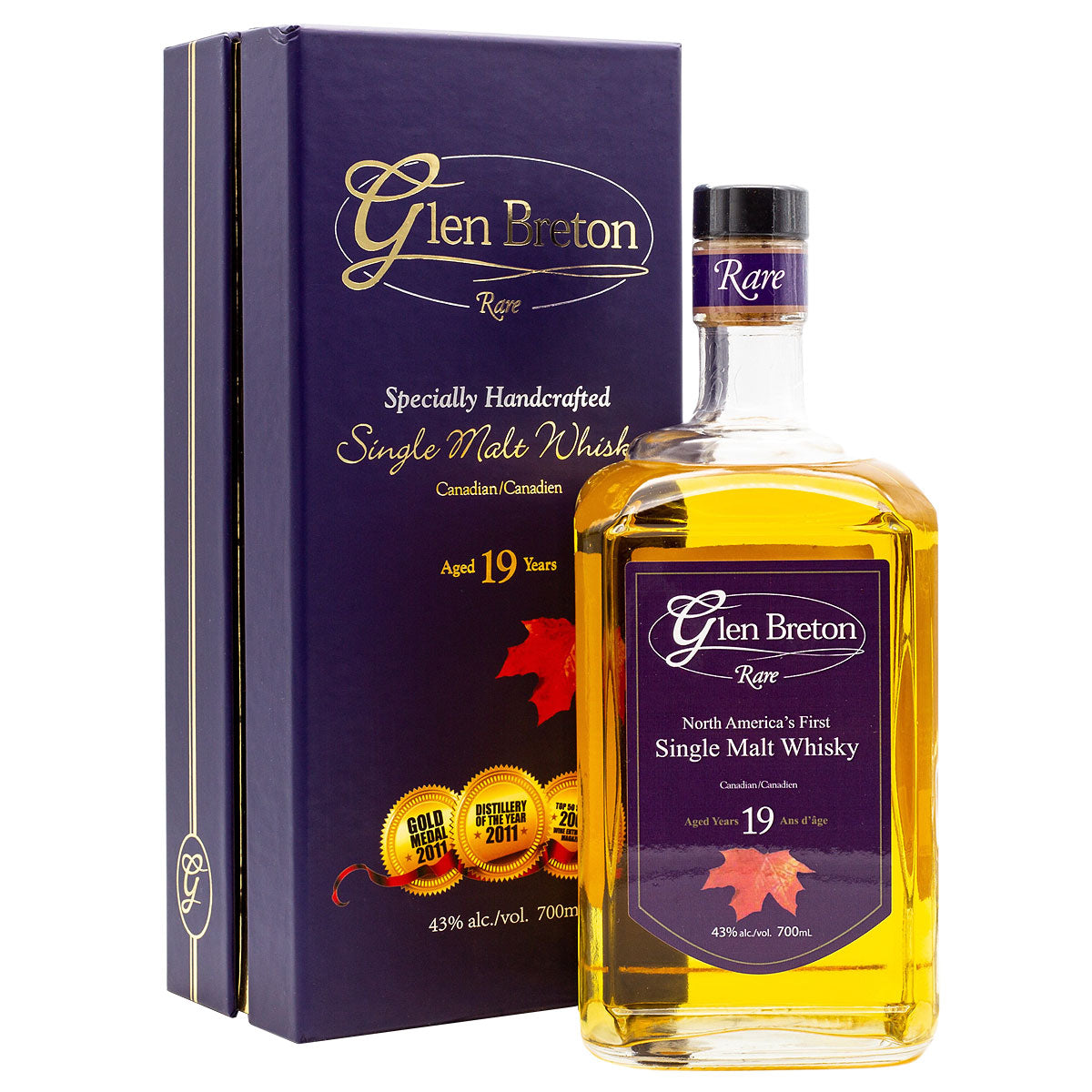
No. Blends are common, but whiskies with an explicitly 100 percent rye recipe and Canadian single malts are also produced.
Can Canadian whisky contain wine or other spirits?
The standard allows flavouring under certain conditions. This does not mean that every Canadian whisky makes use of this option; precise information depends on the manufacturer's transparency.