
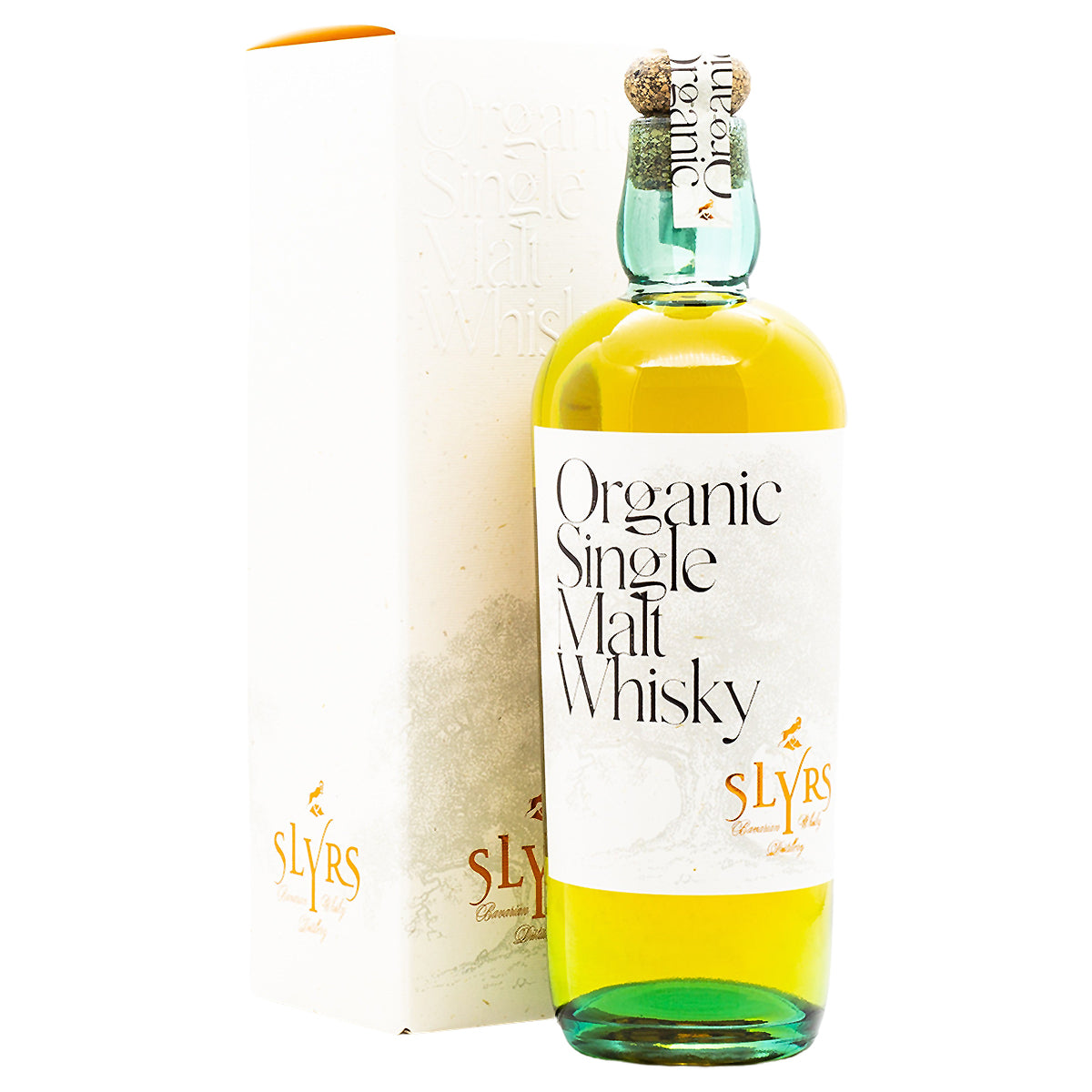
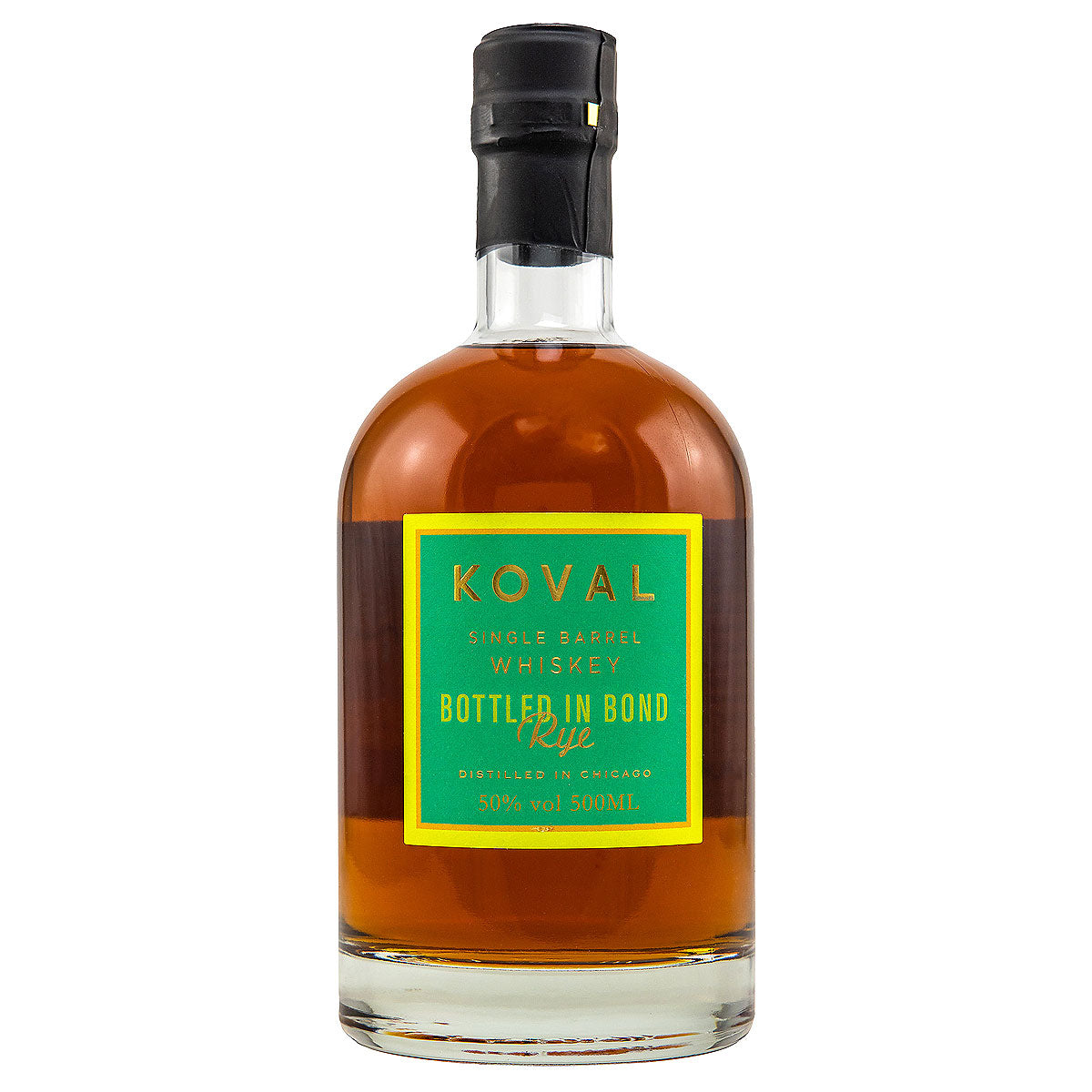
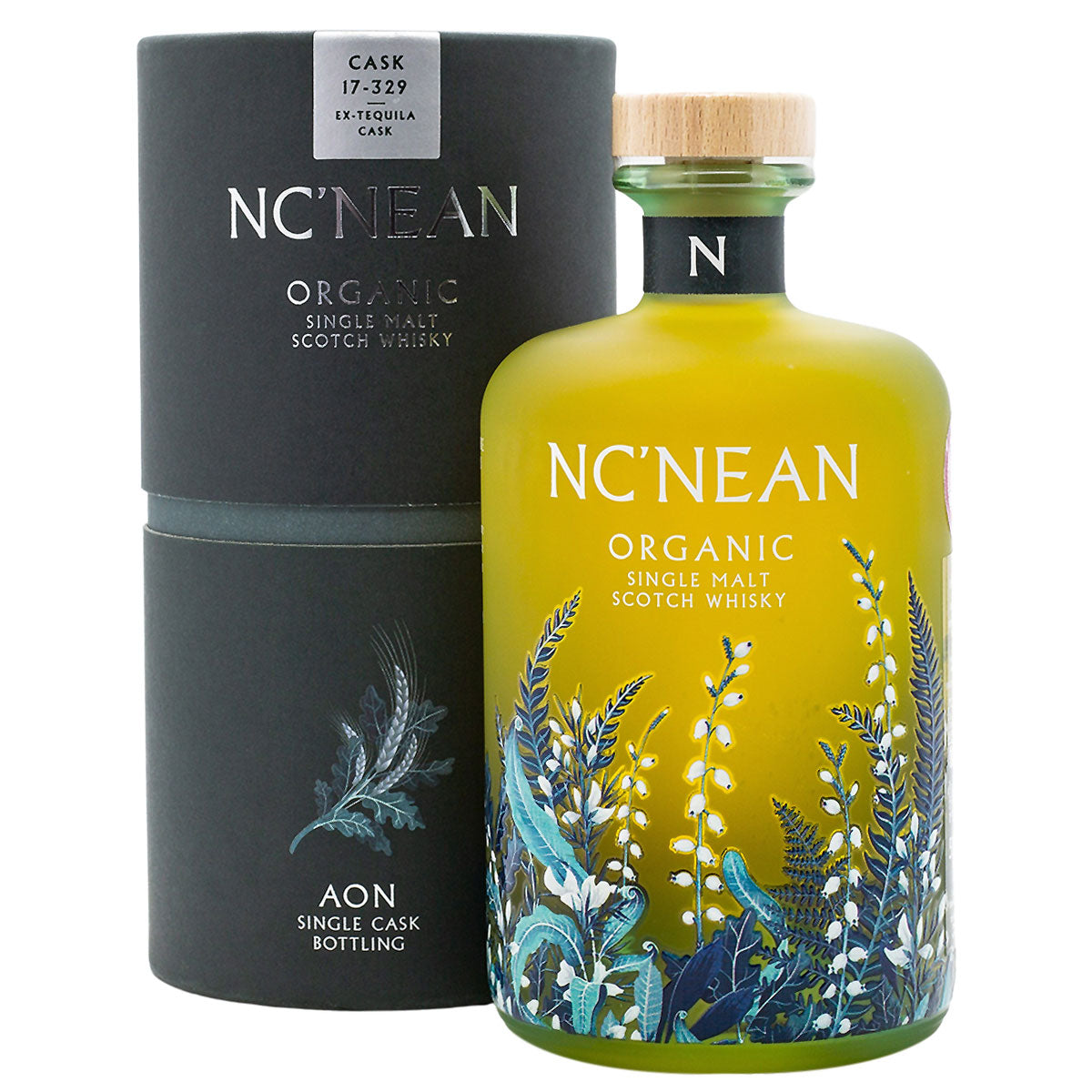
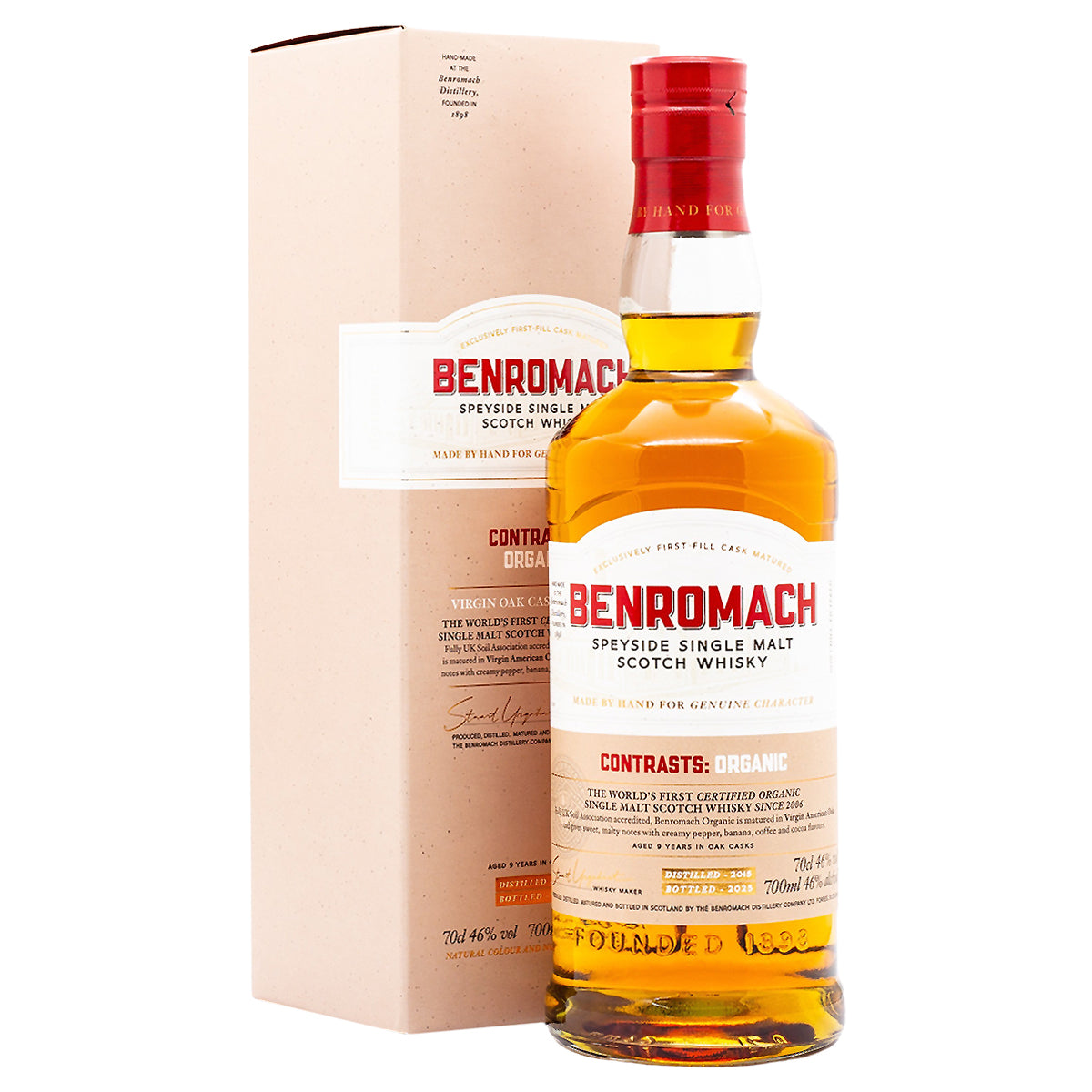
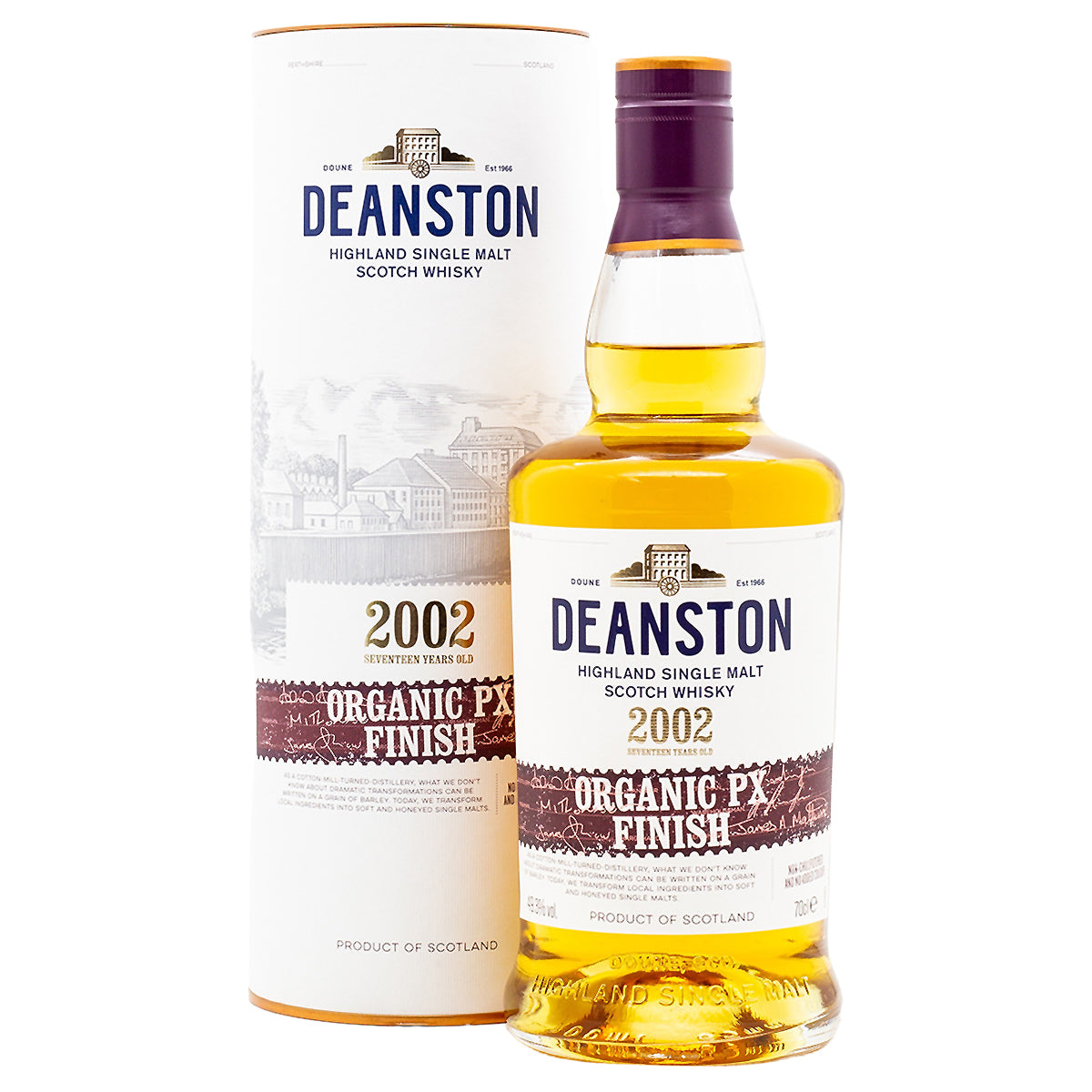
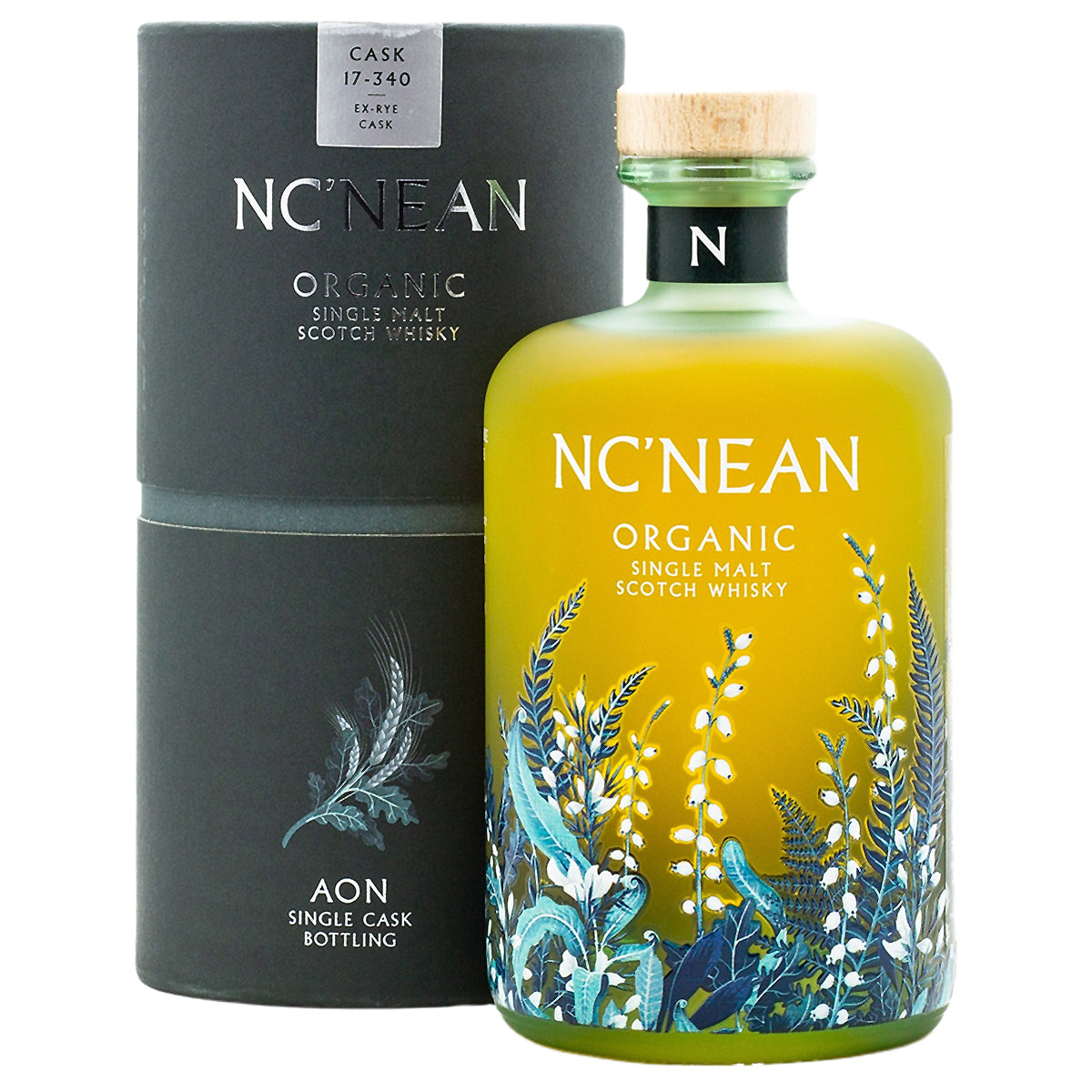
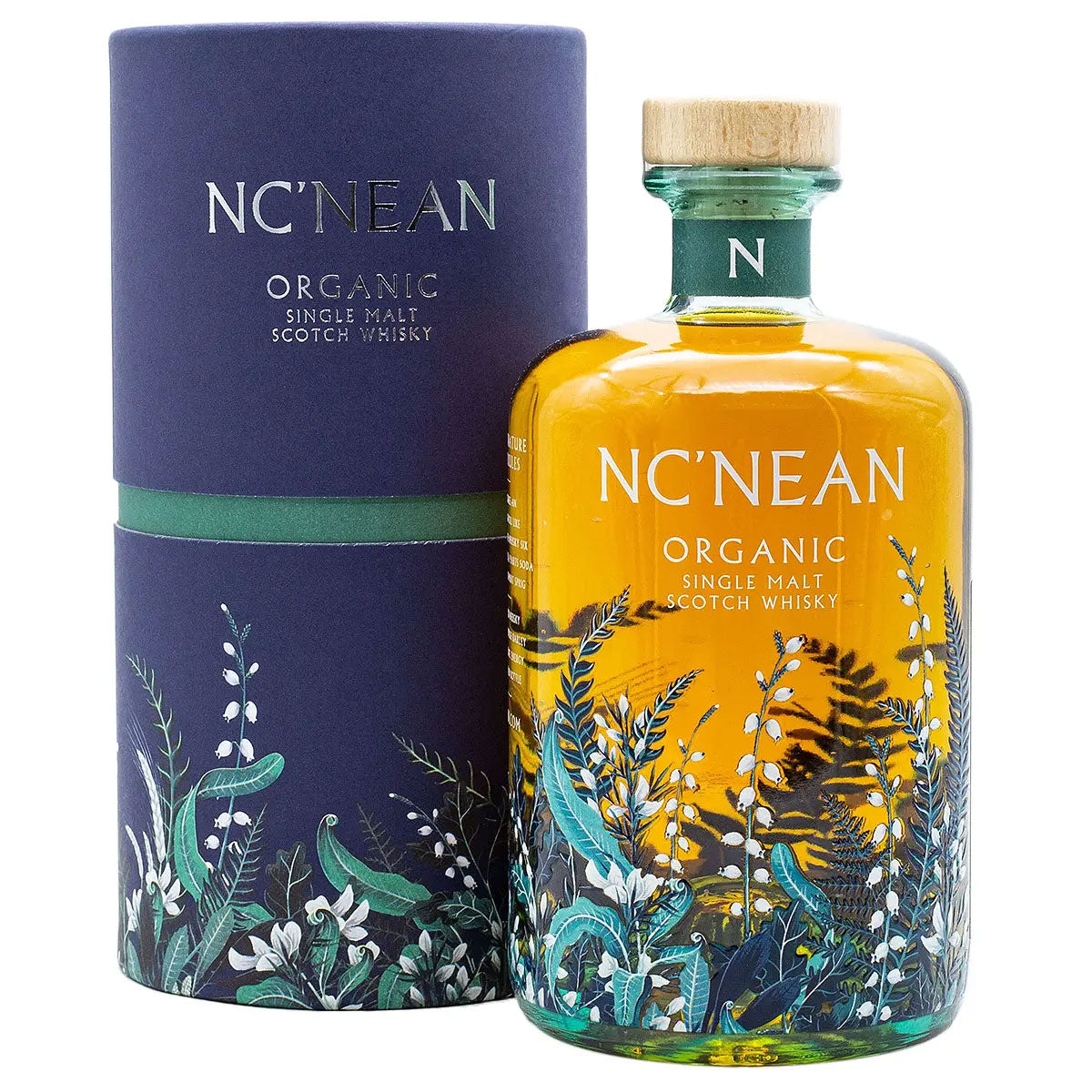
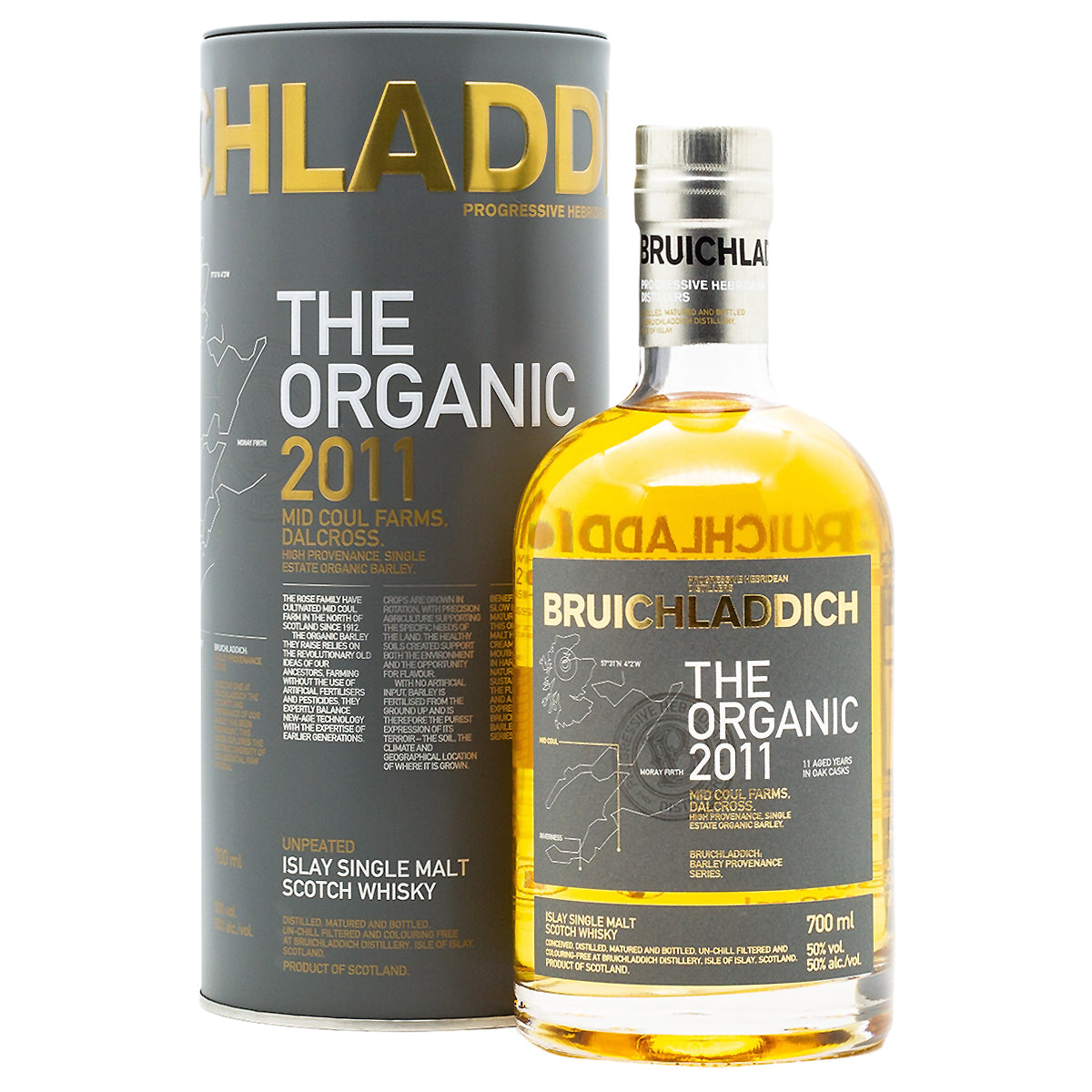

Organic Whisky: The certificate applies to the final product
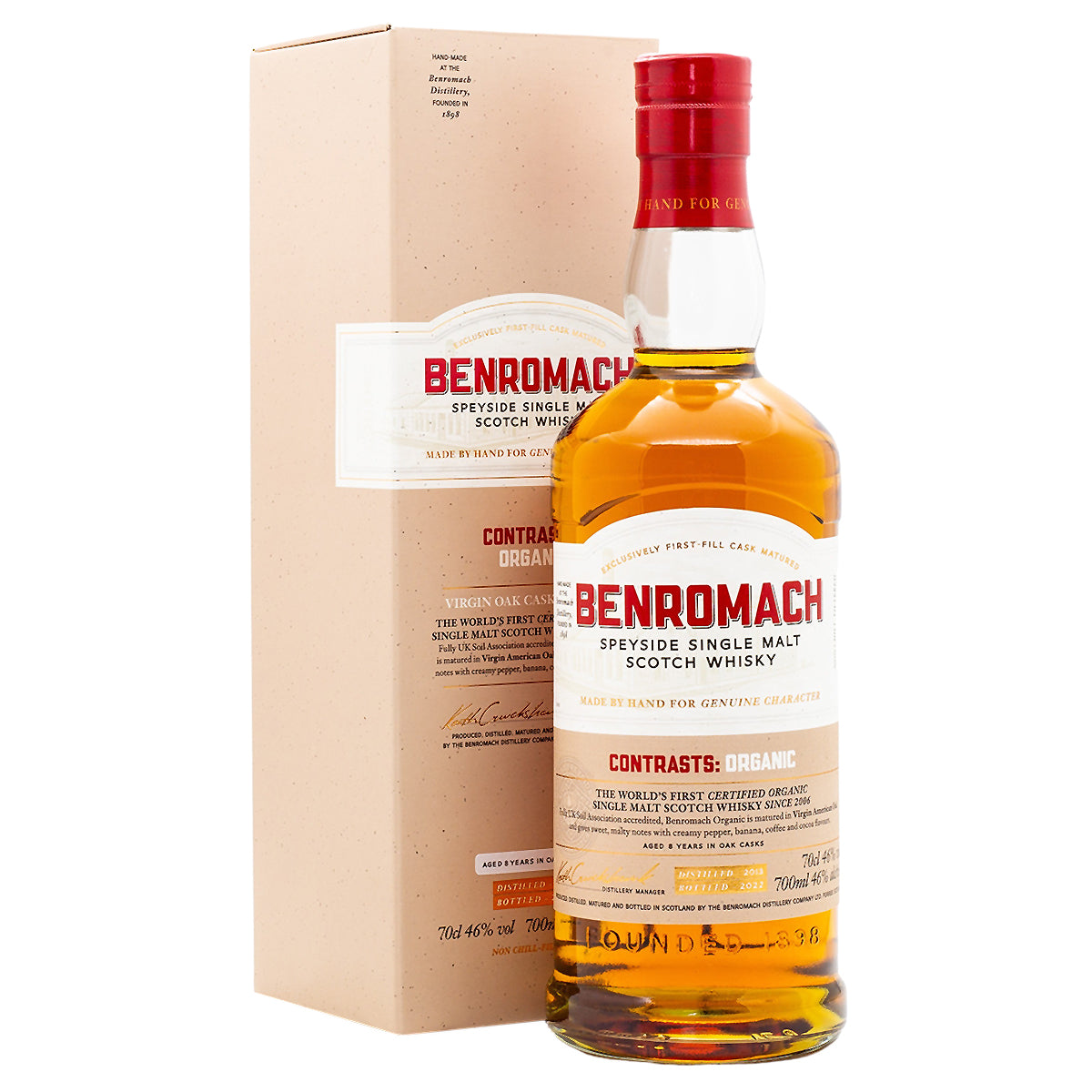
Organic whisky or organic whisky is not a whisky type in itself. The terms describe controlled organic production. The key is the certification of the bottle offered. The mention of organic barley alone does not prove that the processing and finished product have also been controlled according to the relevant organic rules.
For pre-packaged organic food from the European Union, in addition to the EU organic logo, there is the code of the responsible control body and an indication of the origin of the agricultural raw materials. This indication of origin can state, for example, "EU agriculture", "Non-EU agriculture" or a specific country. It refers to the cultivation of the ingredients and does not necessarily to the distillery, cask maturation or bottling plant.
Organic complements single malt and Scotch
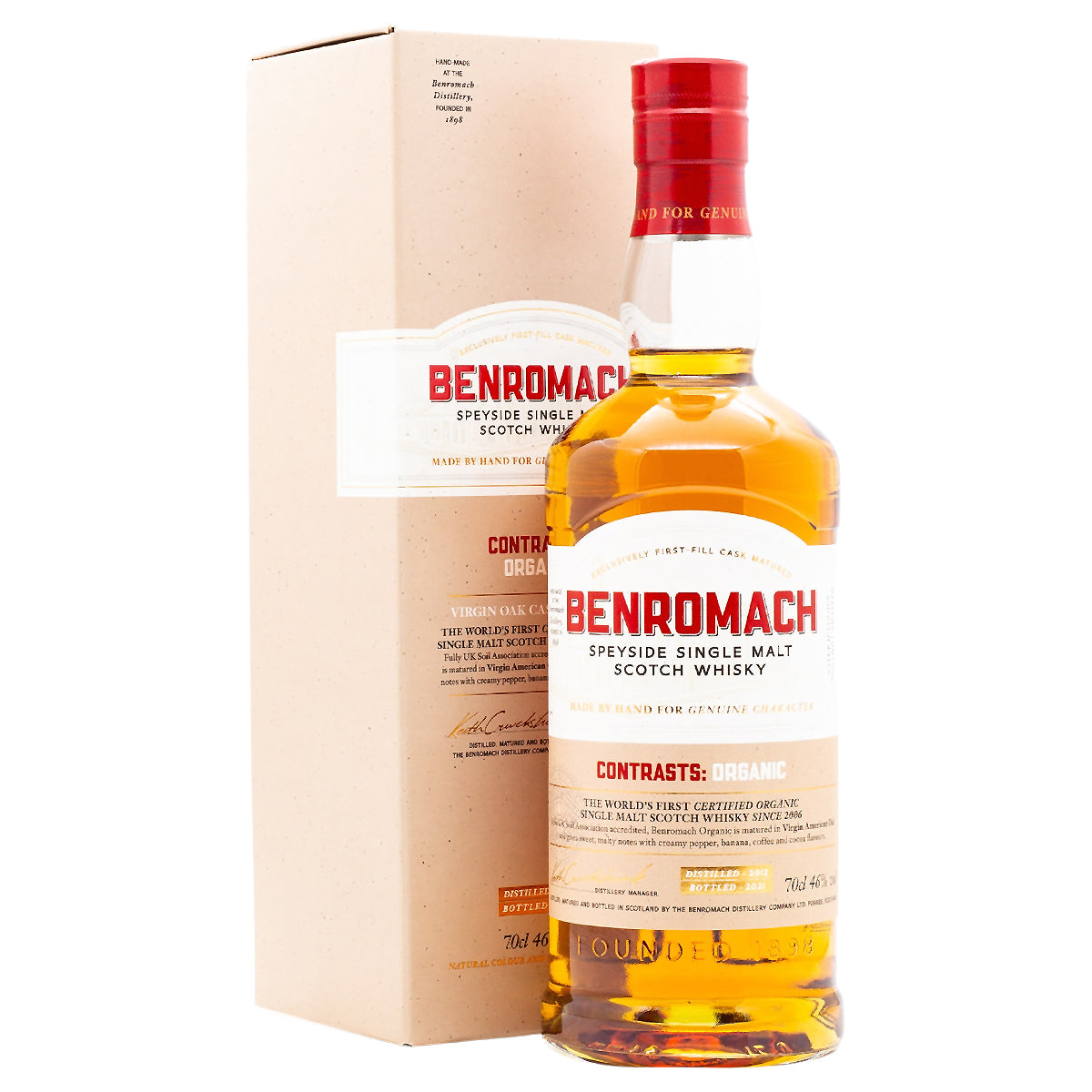
An organic single malt whisky must meet two independent statements. For single malt, only malted barley and a single distillery are required. "Organic" adds the controlled organic property. For organic Scotch whisky protected Scottish origin and its production rules are also added.
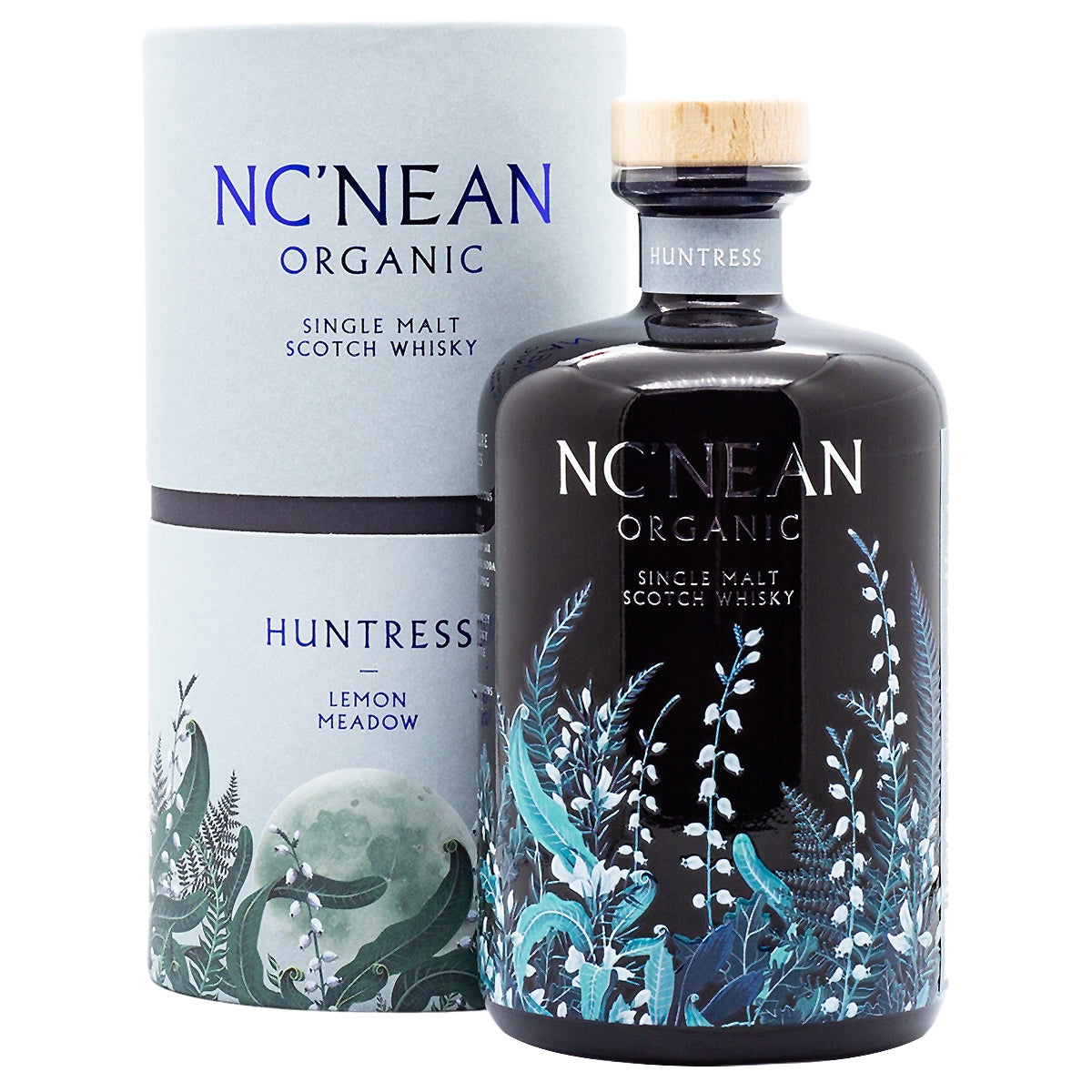
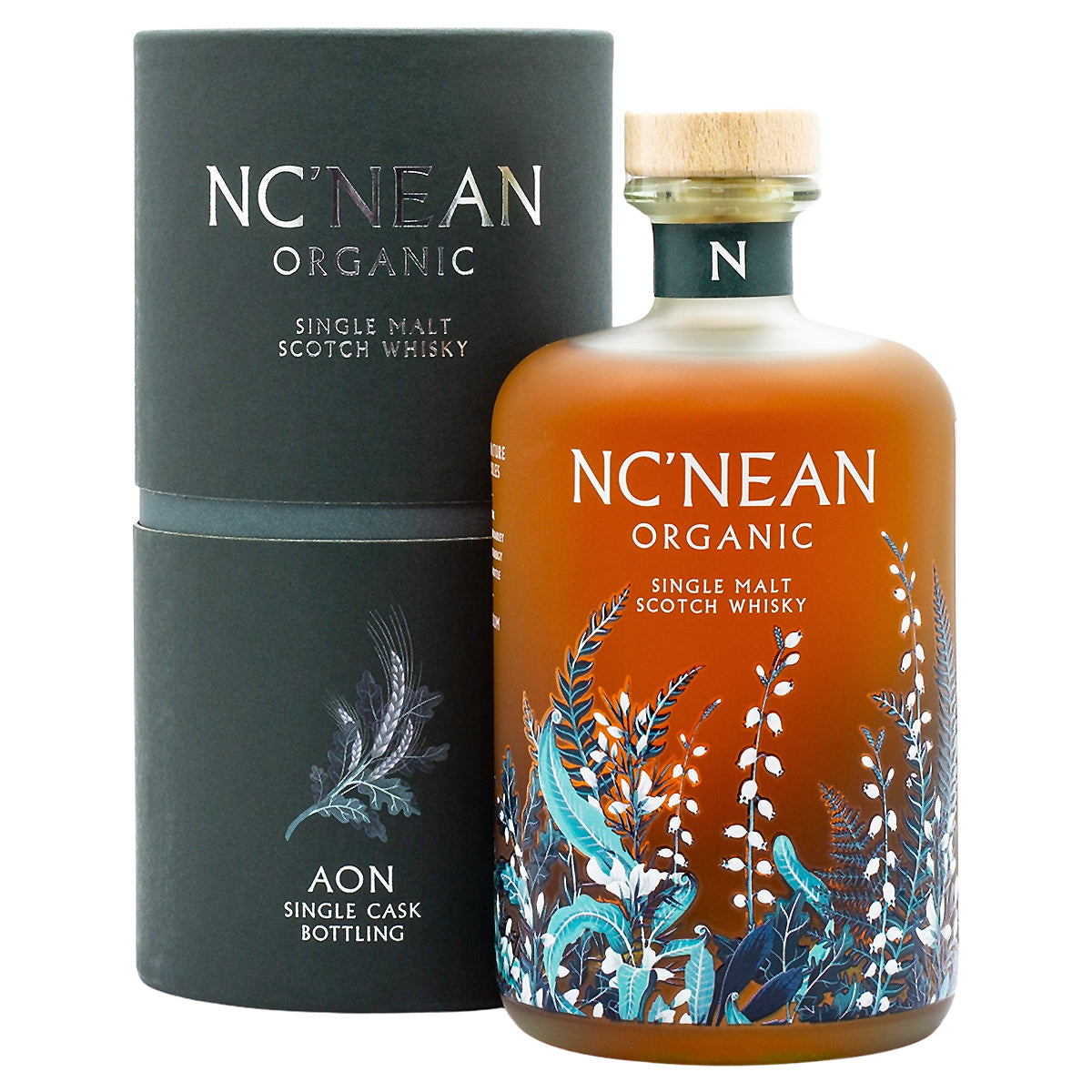
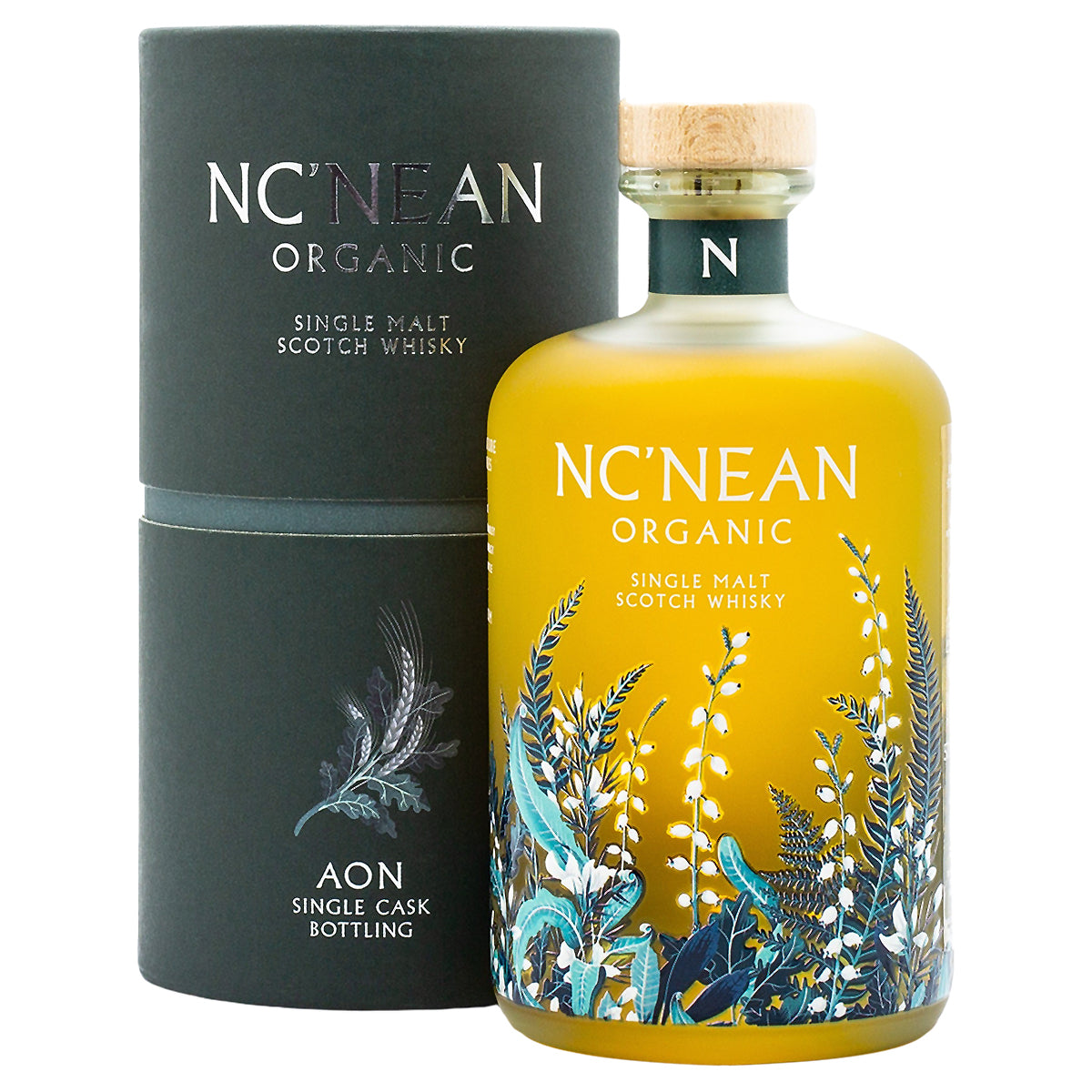
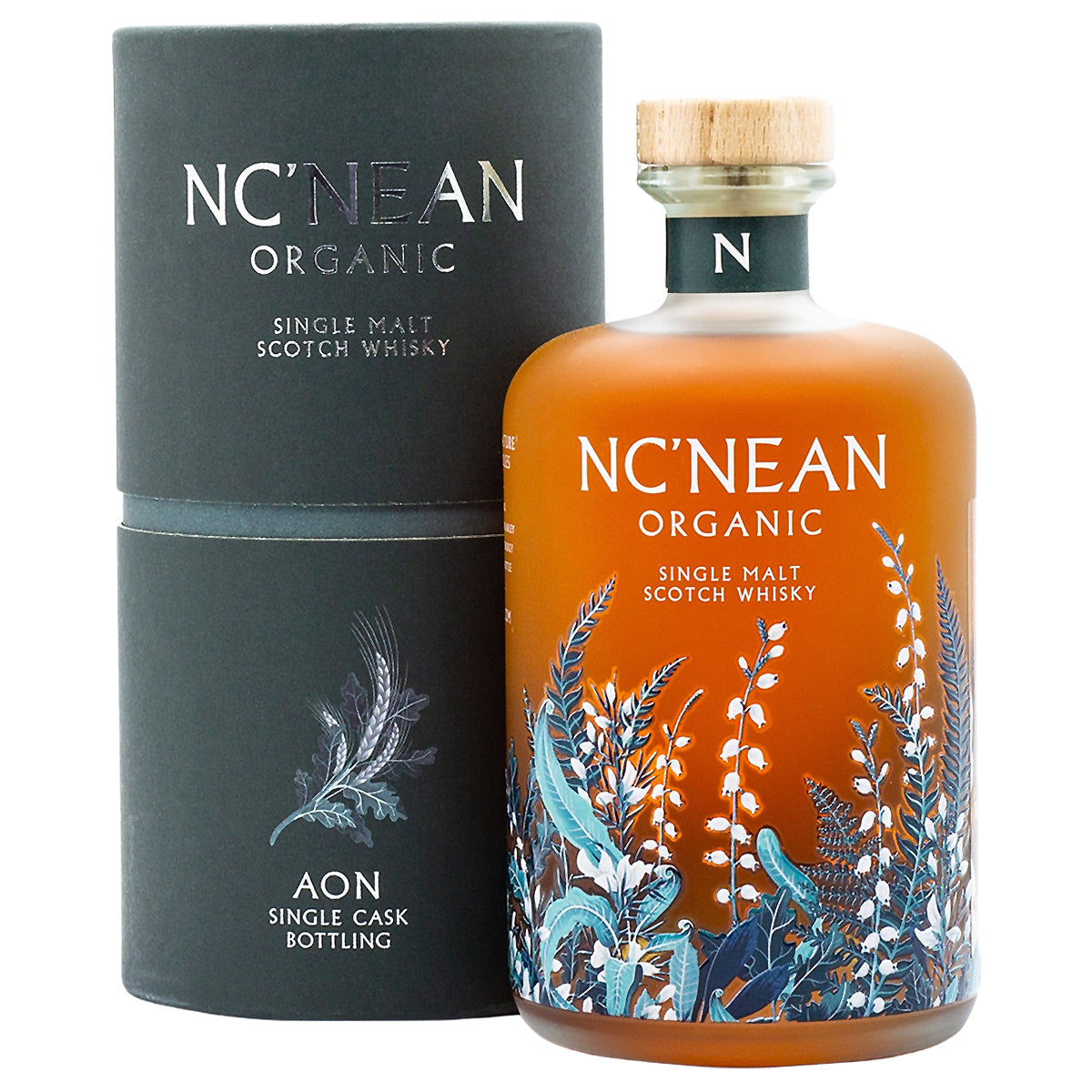
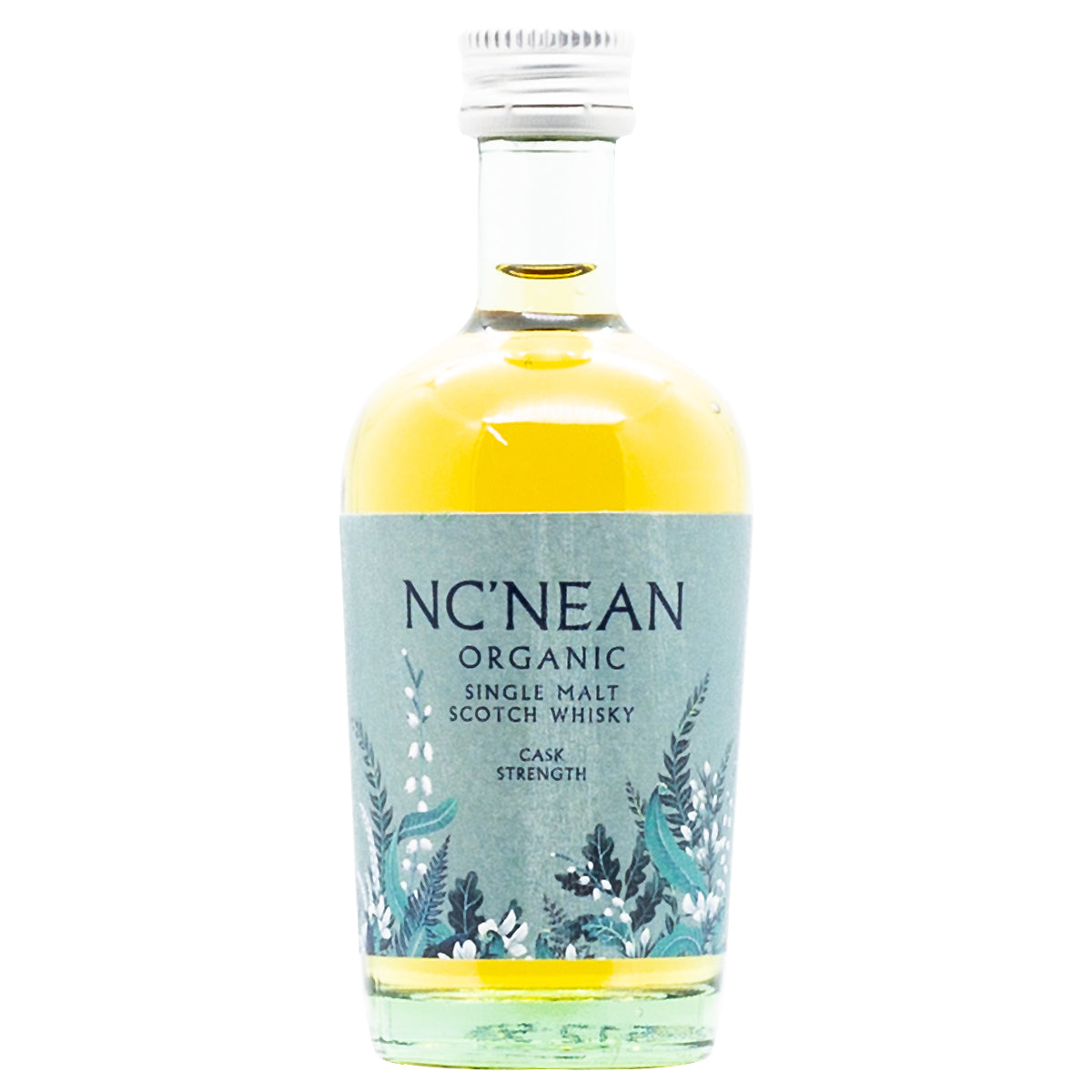
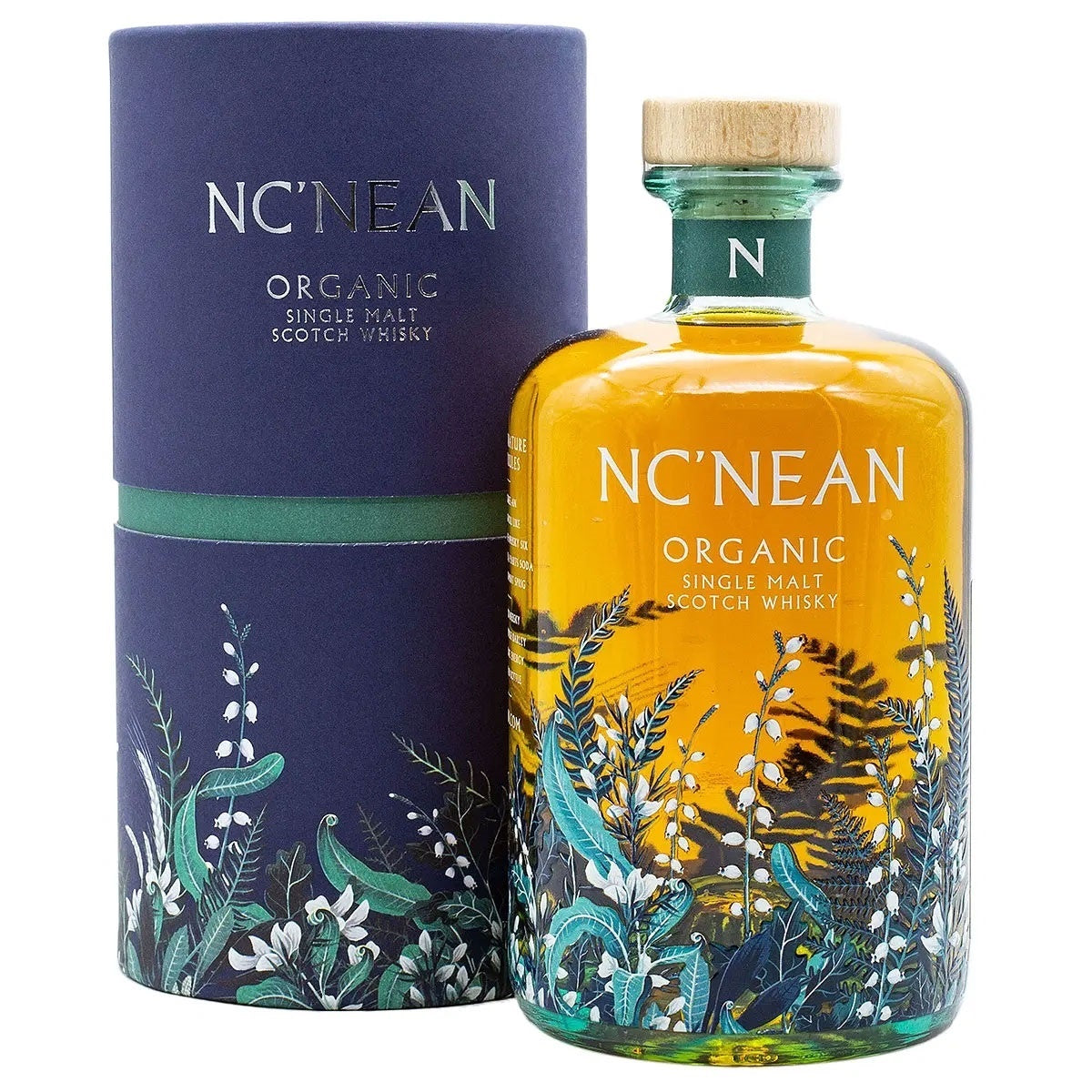
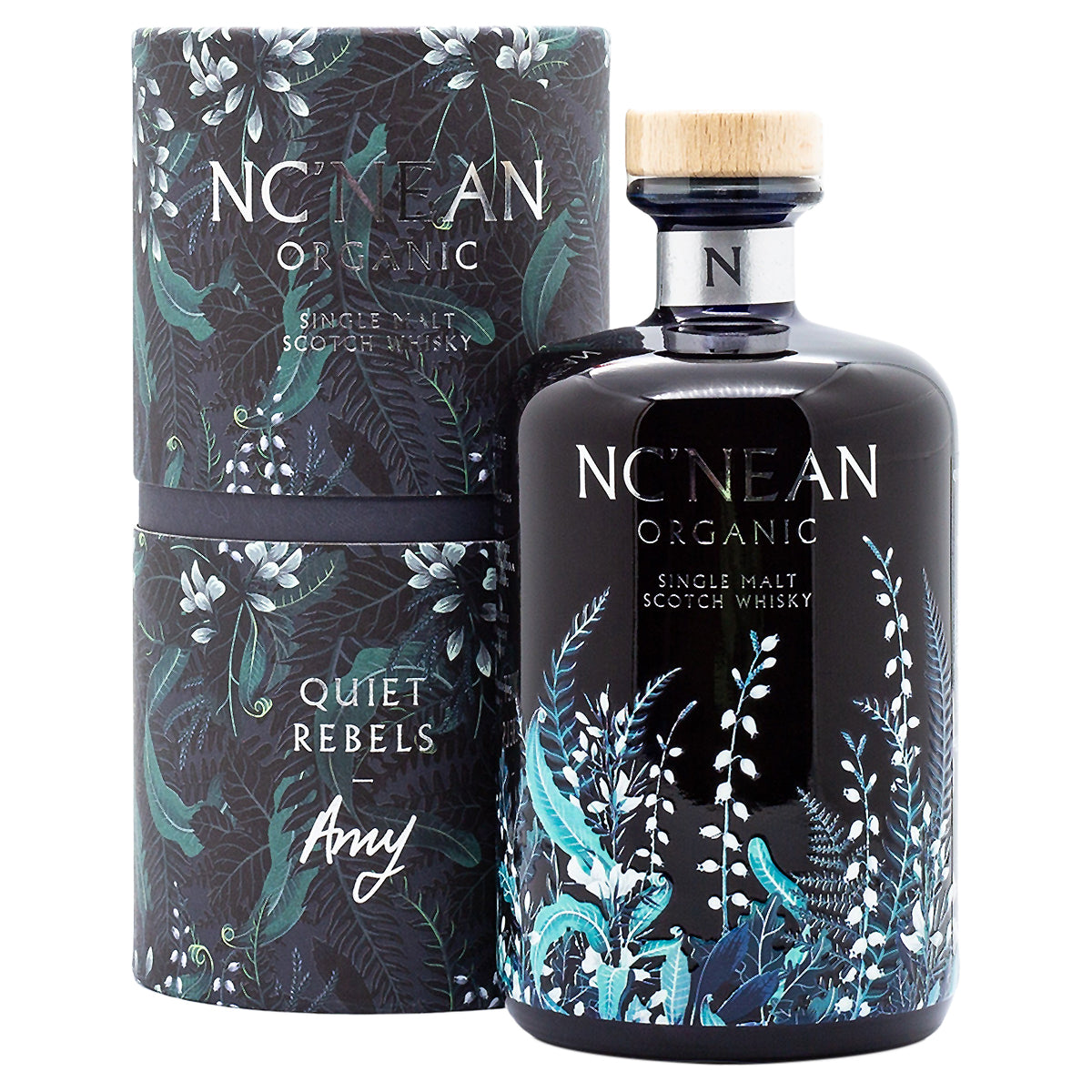
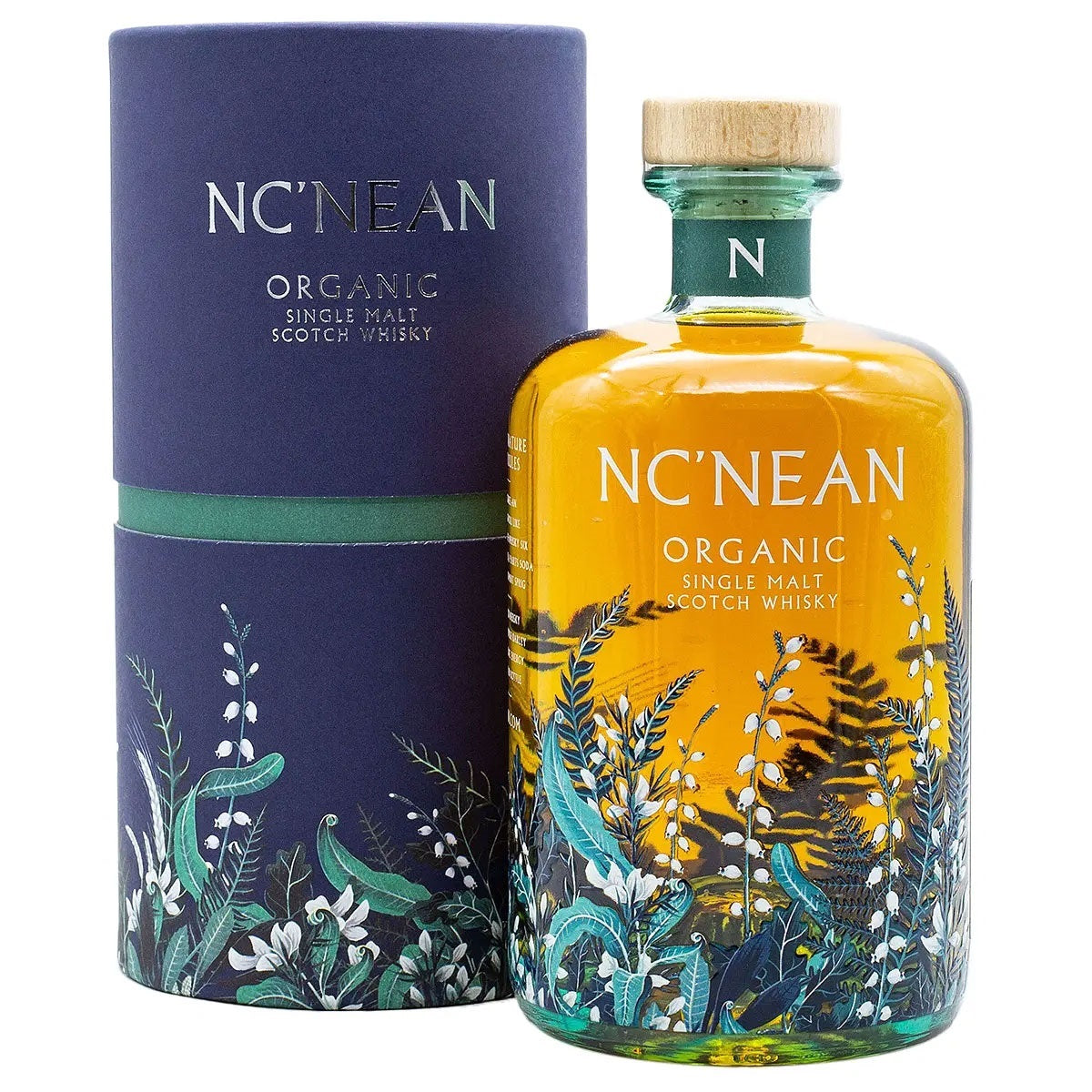
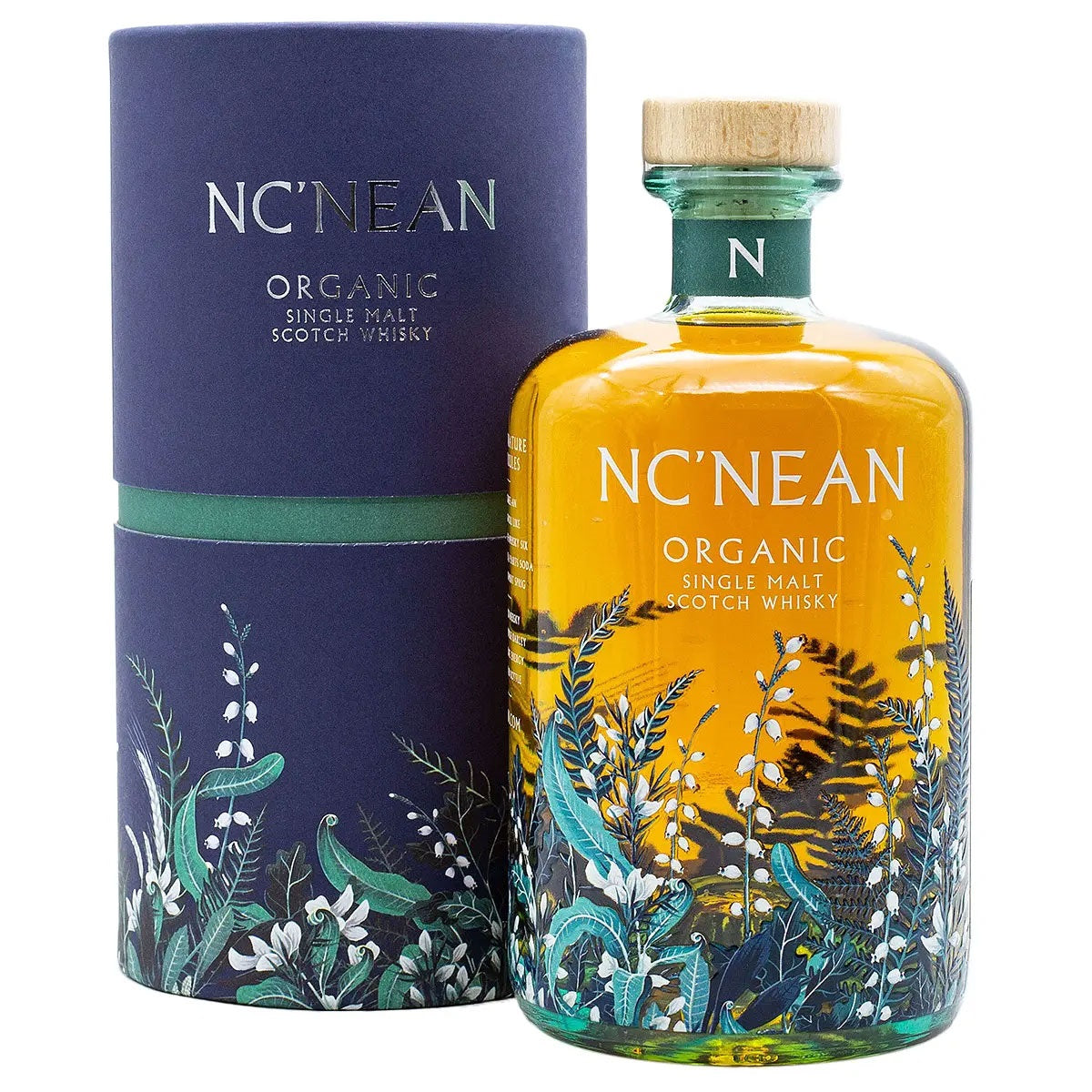
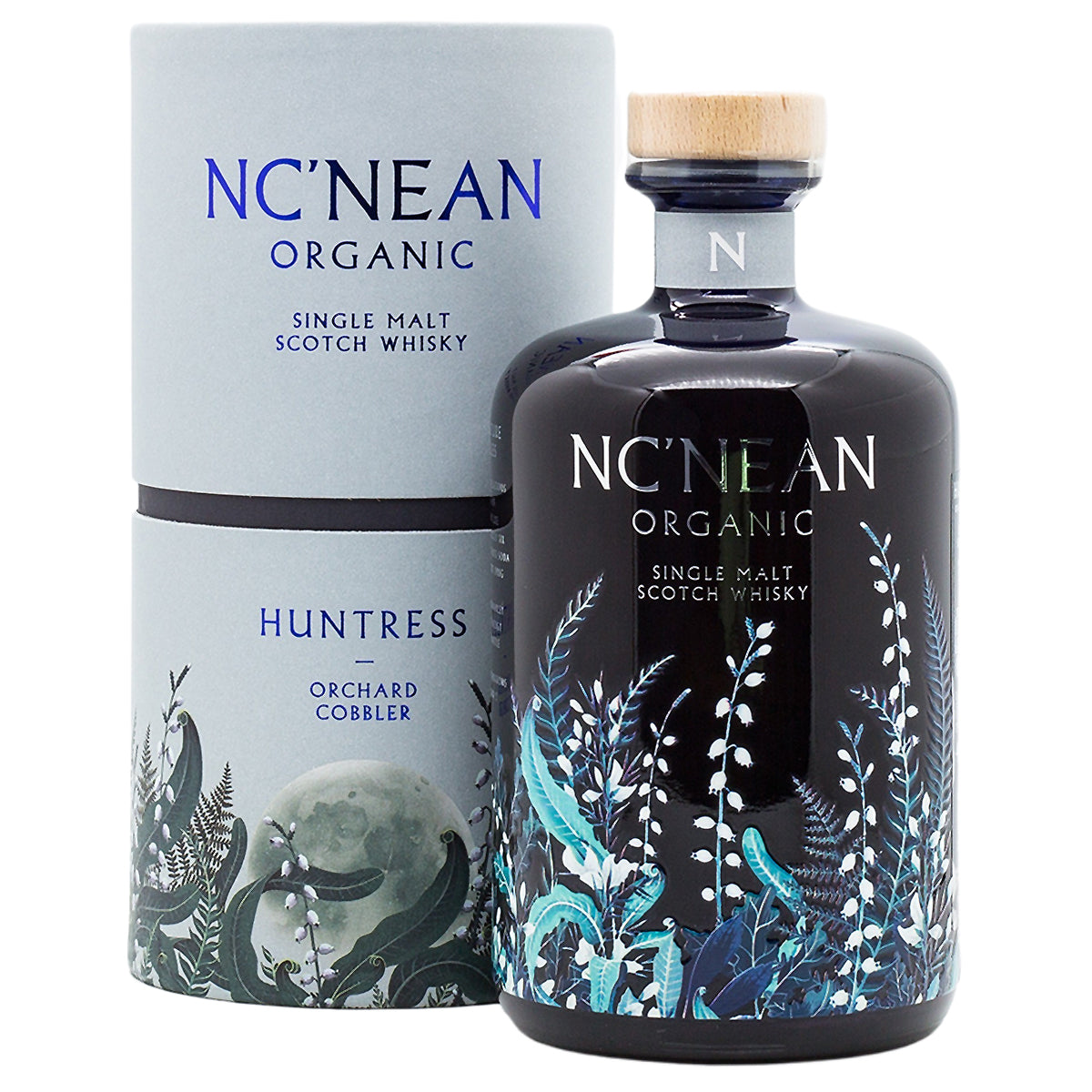
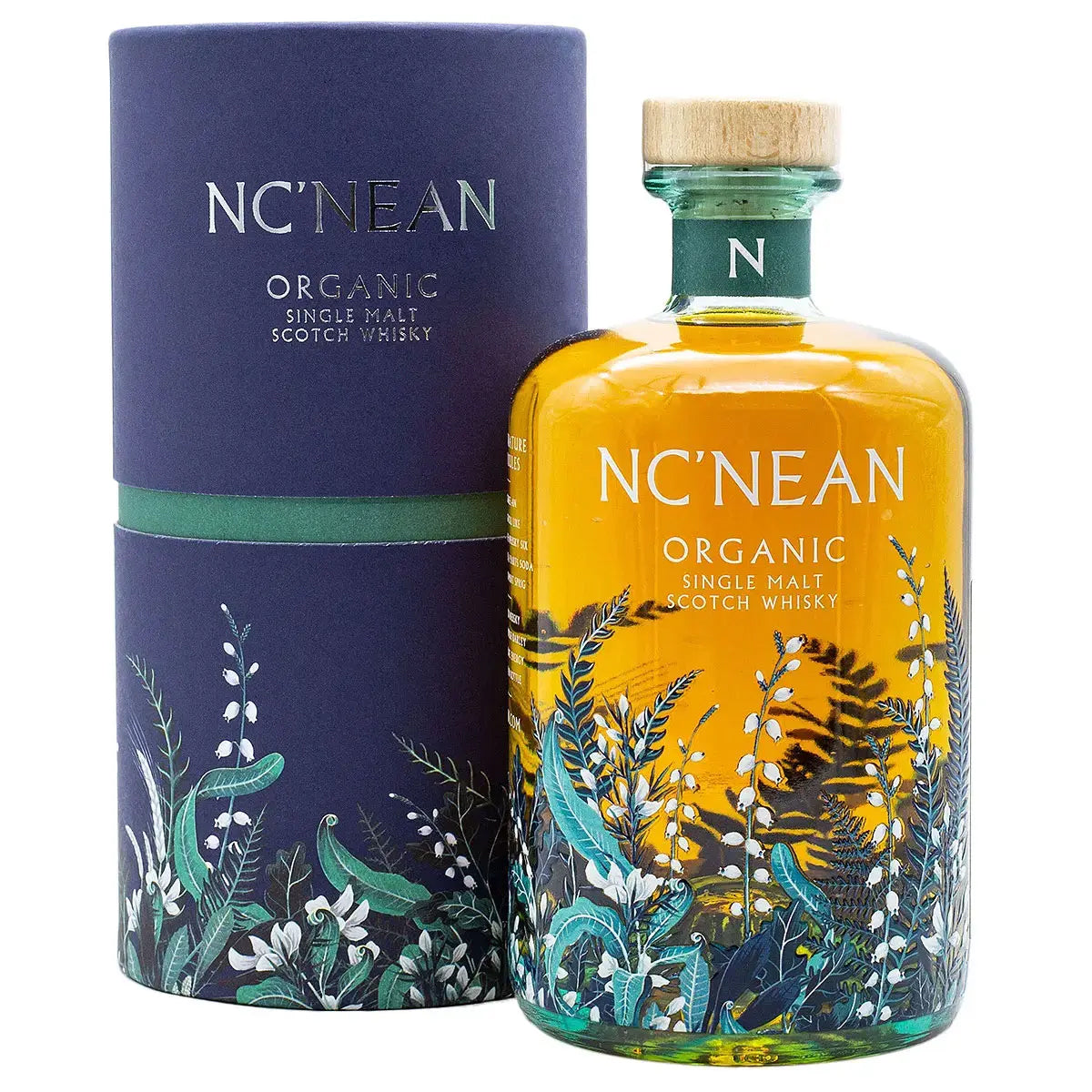
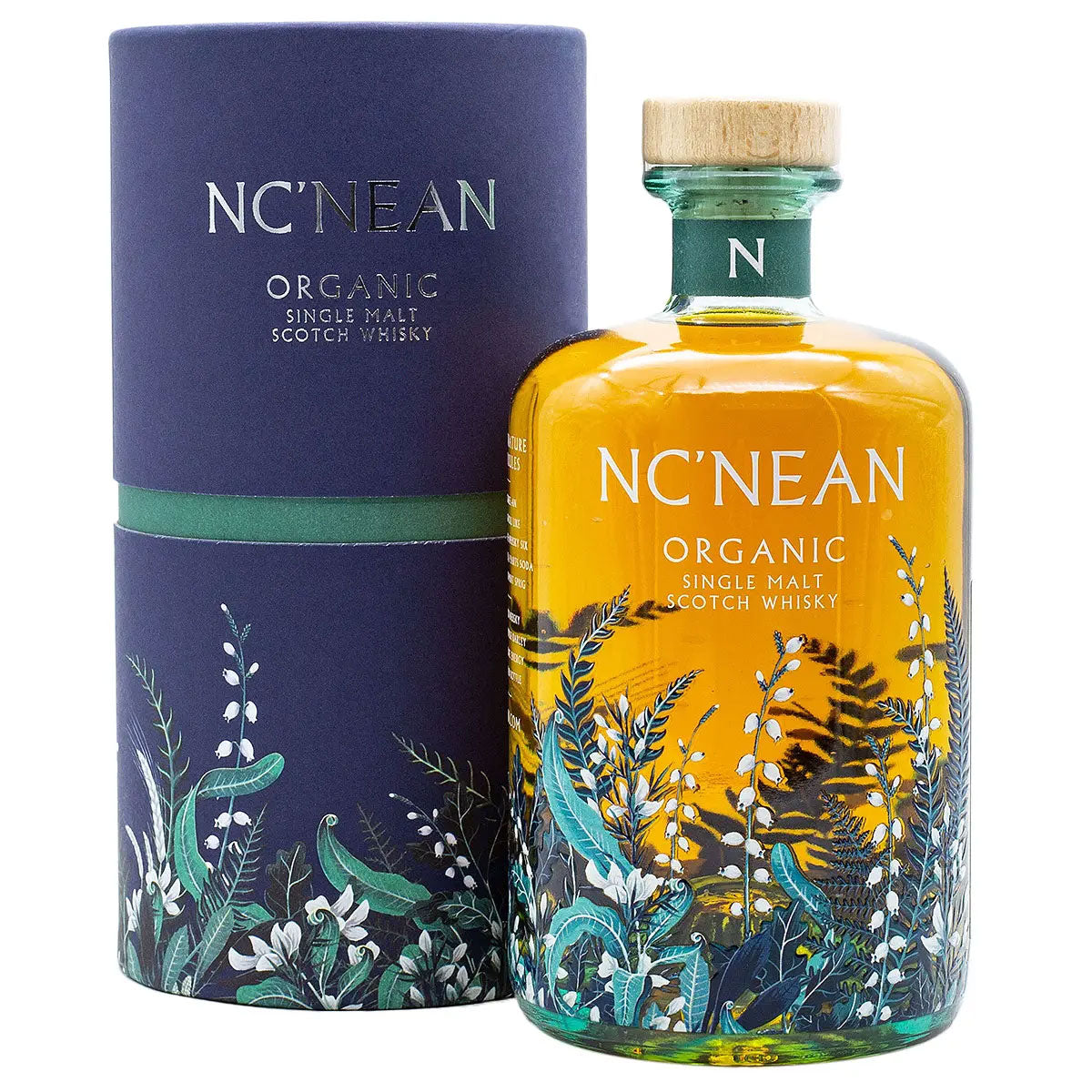
Nc'nean makes this connection visible at the distillery level. The Scottish distillery processes organic barley according to its own statements, has its operations and products controlled, and produces certified organic single malt Scotch whisky. The organic certificate does not replace single malt or Scotch, but rather stands alongside both designations.
Armorik shows a second variant. The Breton whisky brand of the Warenghem distillery has stated its range as organic certified since 2021. At the same time, Armorik whisky remains Breton and single malt. Regional origin, whisky type and organic status each answer a different question.
Organic is not a judgment of taste or quality
No specific aroma can be derived from the organic seal. It does not predict mild, smoky, fruity or full-bodied. Nor does it guarantee a higher age or a special type of cask. The distillery, recipe, distillation and maturation remain decisive for the profile.
The quality of a bottling cannot be determined by the certificate alone either. The seal confirms compliance with controlled organic rules. Whether the specific whisky meets your own expectations is answered by the product type and manufacturer information.
Sustainable whisky needs additional evidence
Organic farming is part of possible environmental measures, but not a complete sustainability balance. Energy source, water and wastewater management, bottle weight, recycled glass, transport, as well as the use of by-products are not fully assessed by the organic seal.
Nc'nean, for example, lists renewable energy, emissions data and recycled glass in addition to organic certification. Such statements require their own evidence and may not be derived from "organic". Conversely, a distillery can implement effective measures in energy or packaging, although not all of its bottlings are organic certified.
Frequently asked questions about Organic Whisky
What does Organic Whisky mean?
The designation stands for a whisky controlled according to organic rules. The key is the certification of the final product, not just a single organically produced ingredient.
How do I recognize organic whisky from the EU?
Look for the EU organic logo, control body code and the indication of origin of the agricultural raw materials. For imported products, the labeling rules may differ.
Is Organic Single Malt a whisky type in itself?
No. Single malt describes the raw material and distillery affiliation. Organic complements this product type with organic certification.
Does Organic Whisky taste different?
The seal does not define a taste. Recipe, fermentation, distillation and maturation shape the specific bottling.
Is organic whisky automatically completely sustainable?
No. The certification covers organic production rules. Energy, packaging, transport and other environmental impacts must be proven separately.