


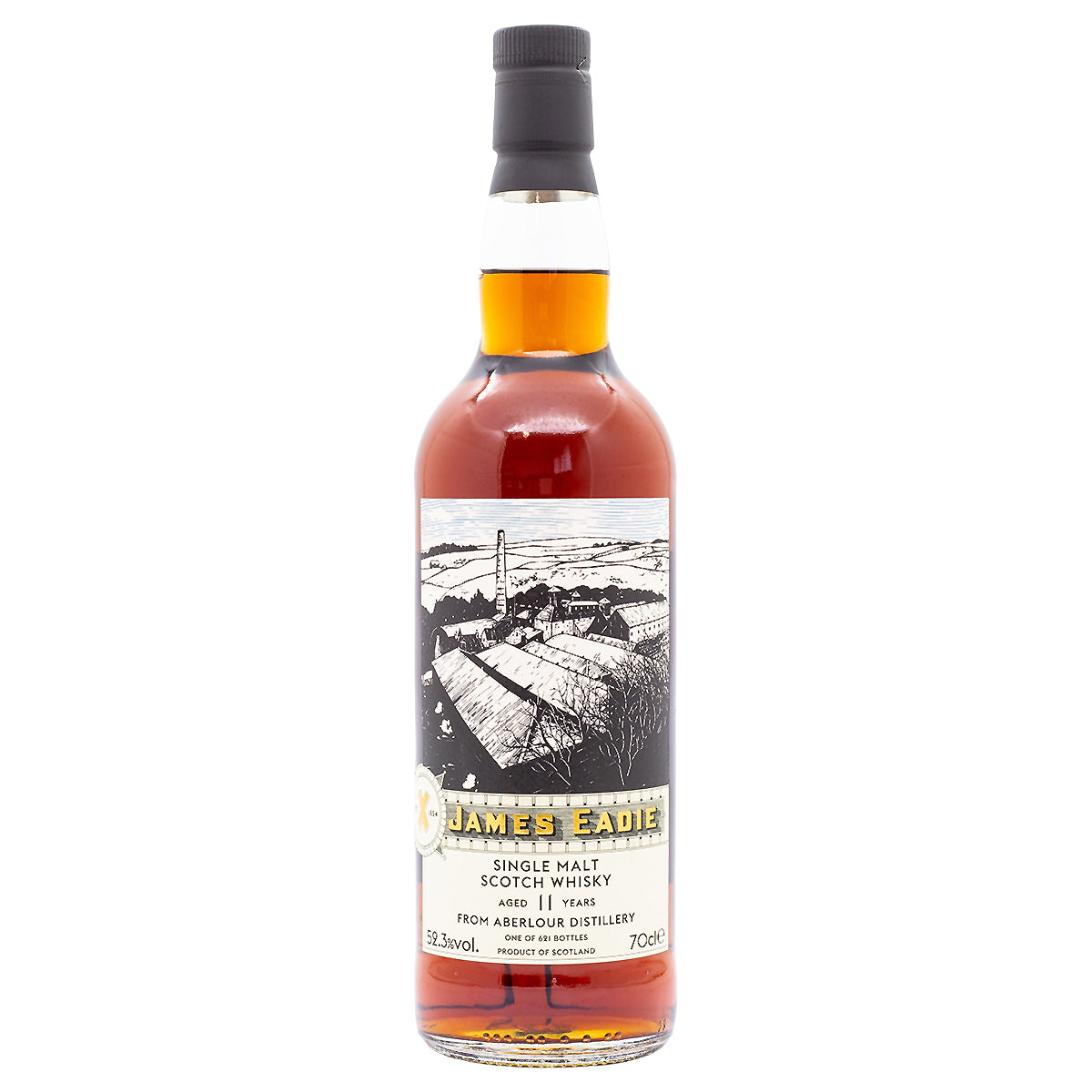
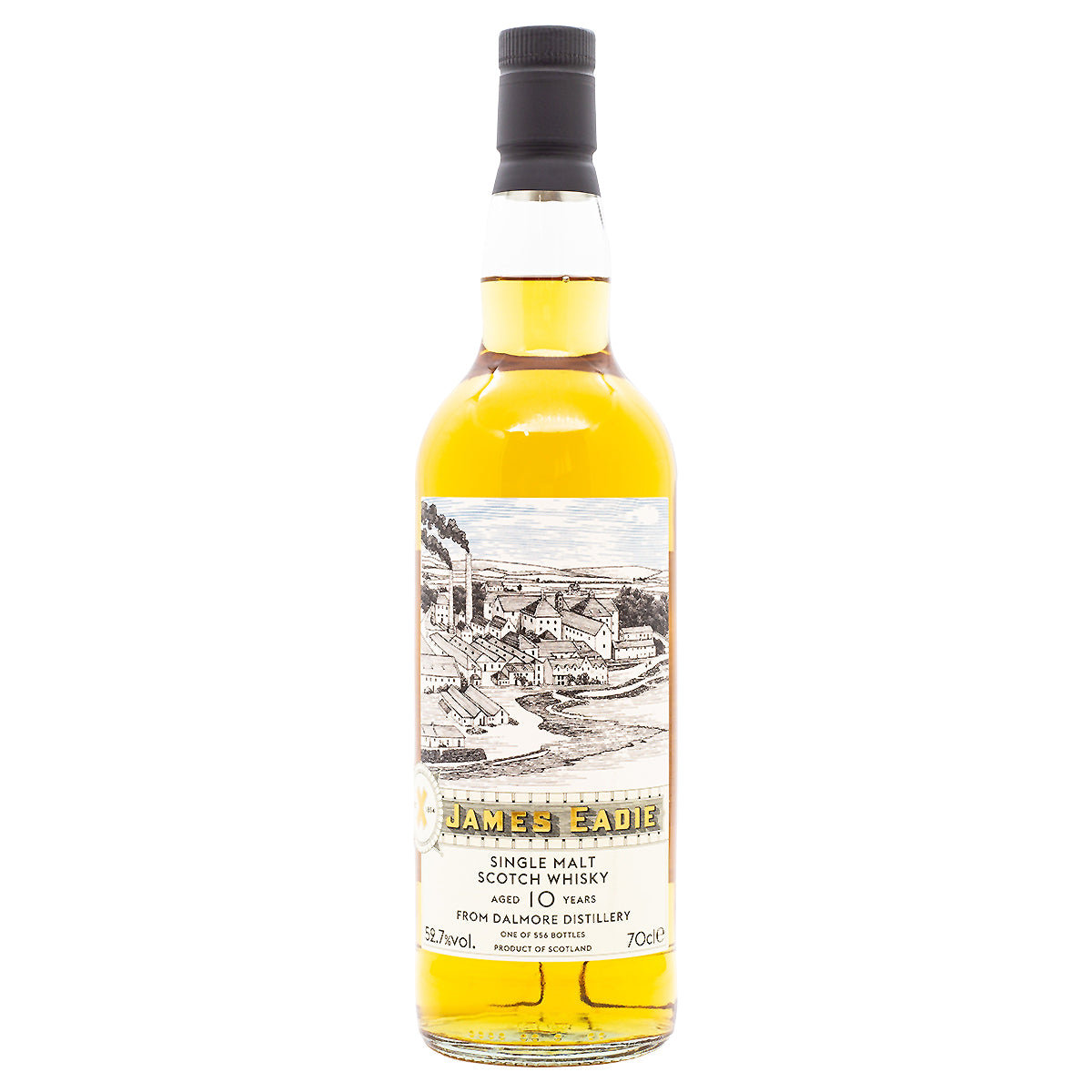
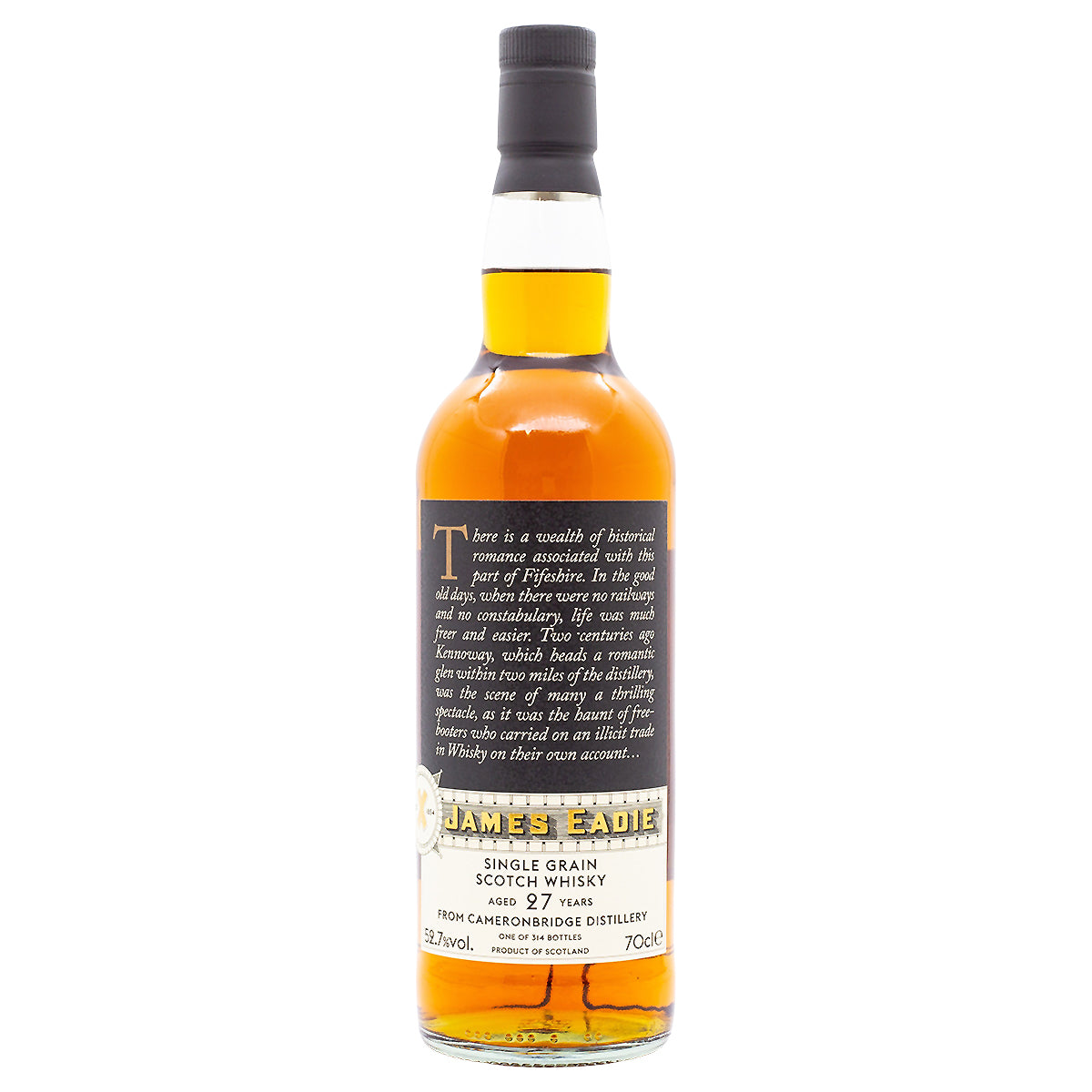
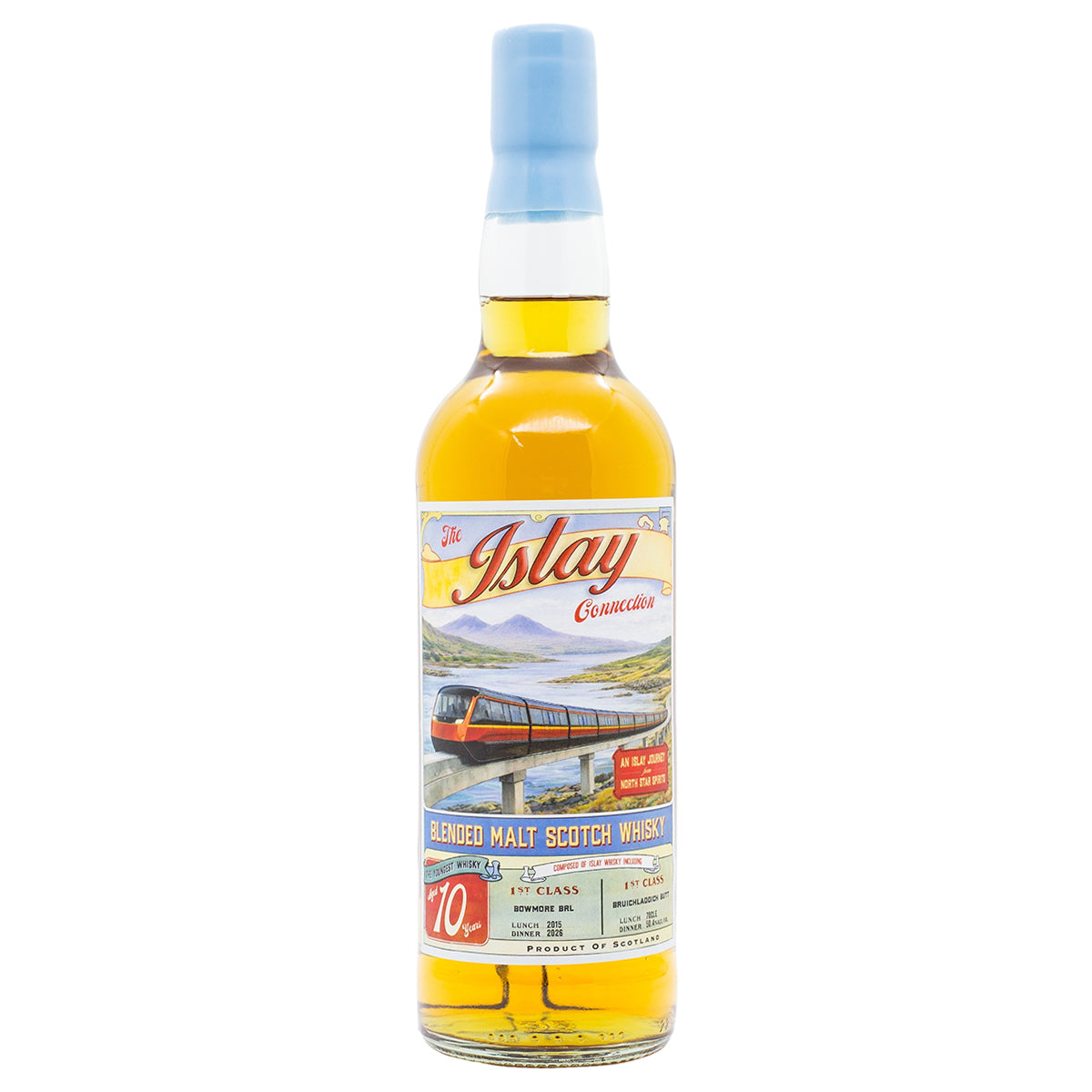
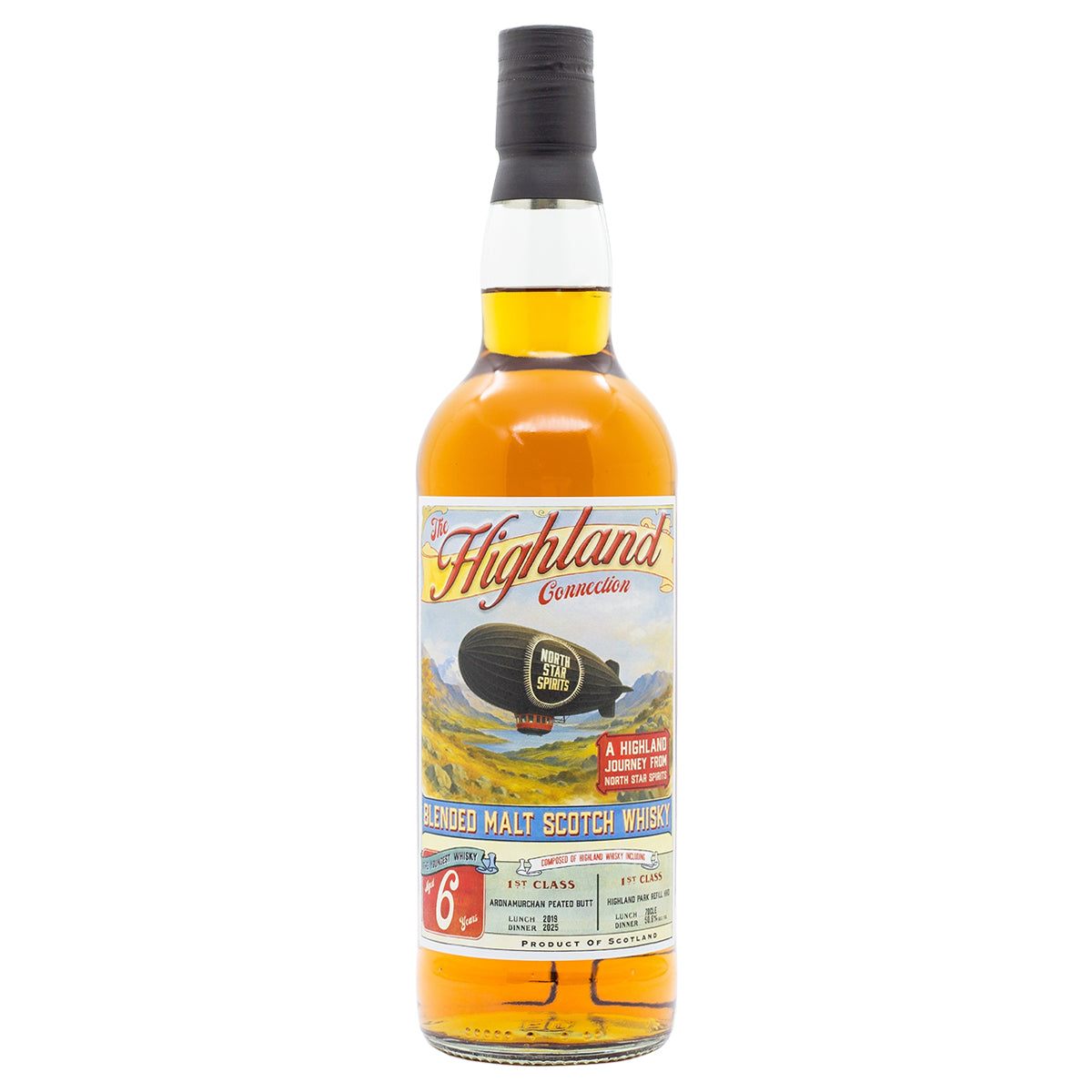
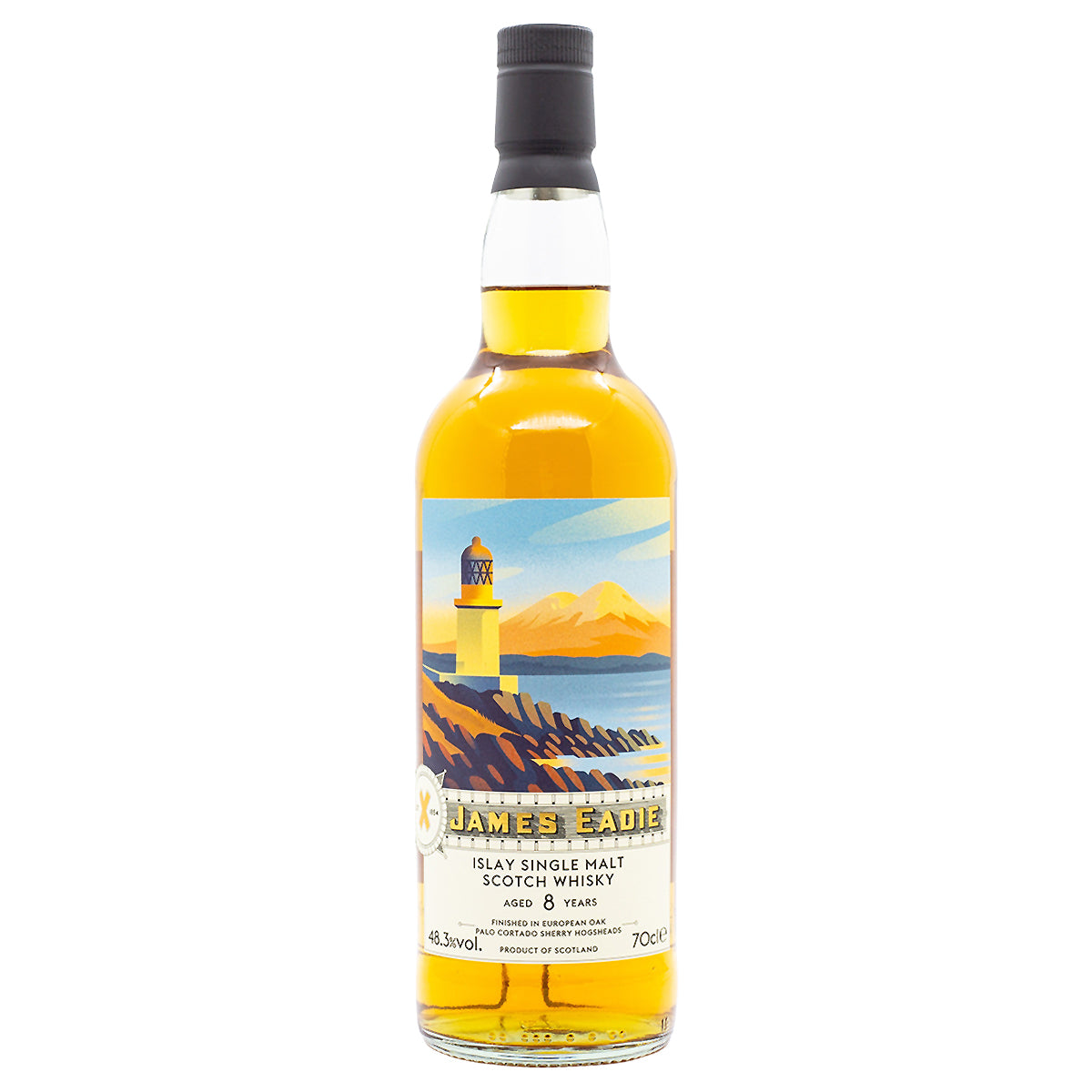
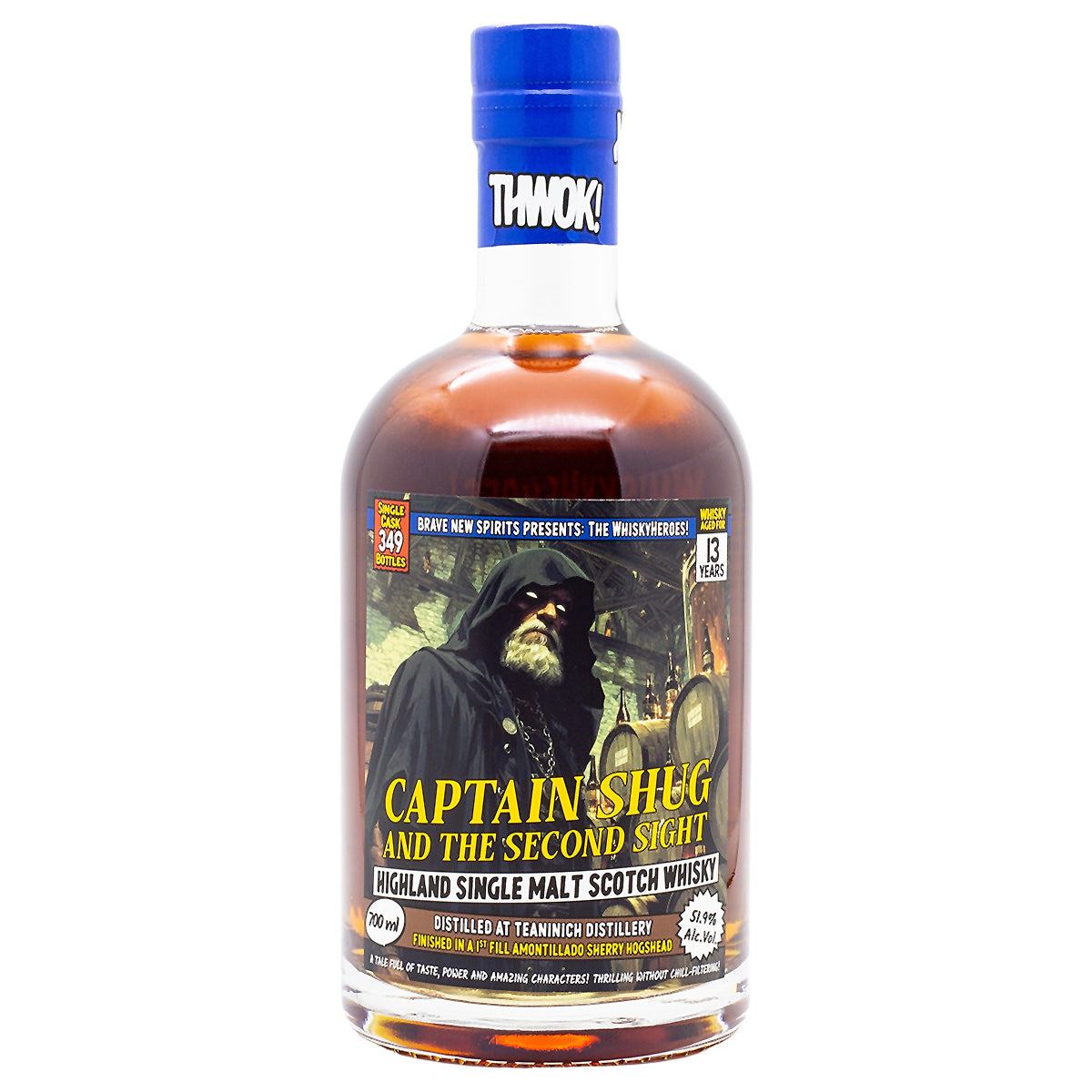
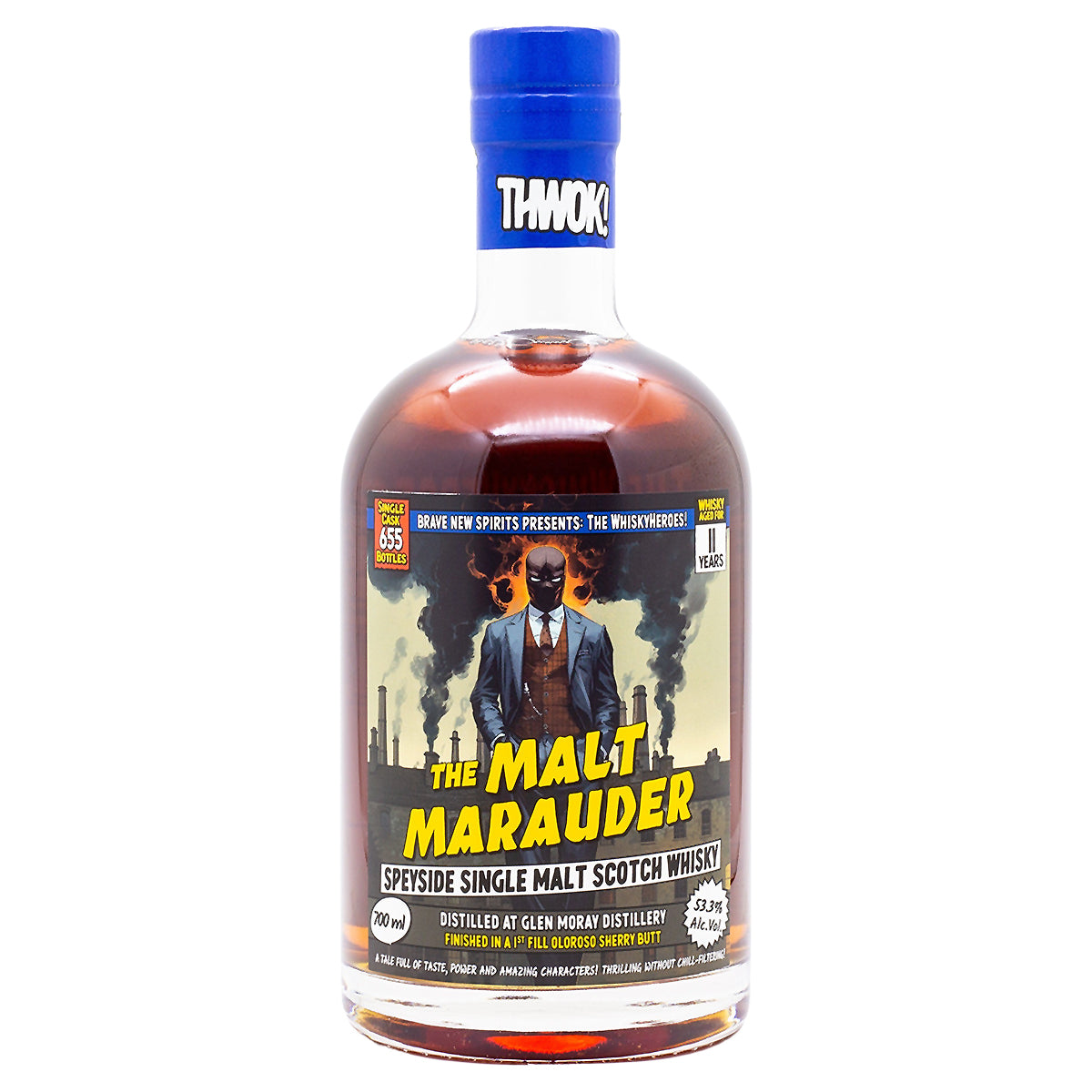
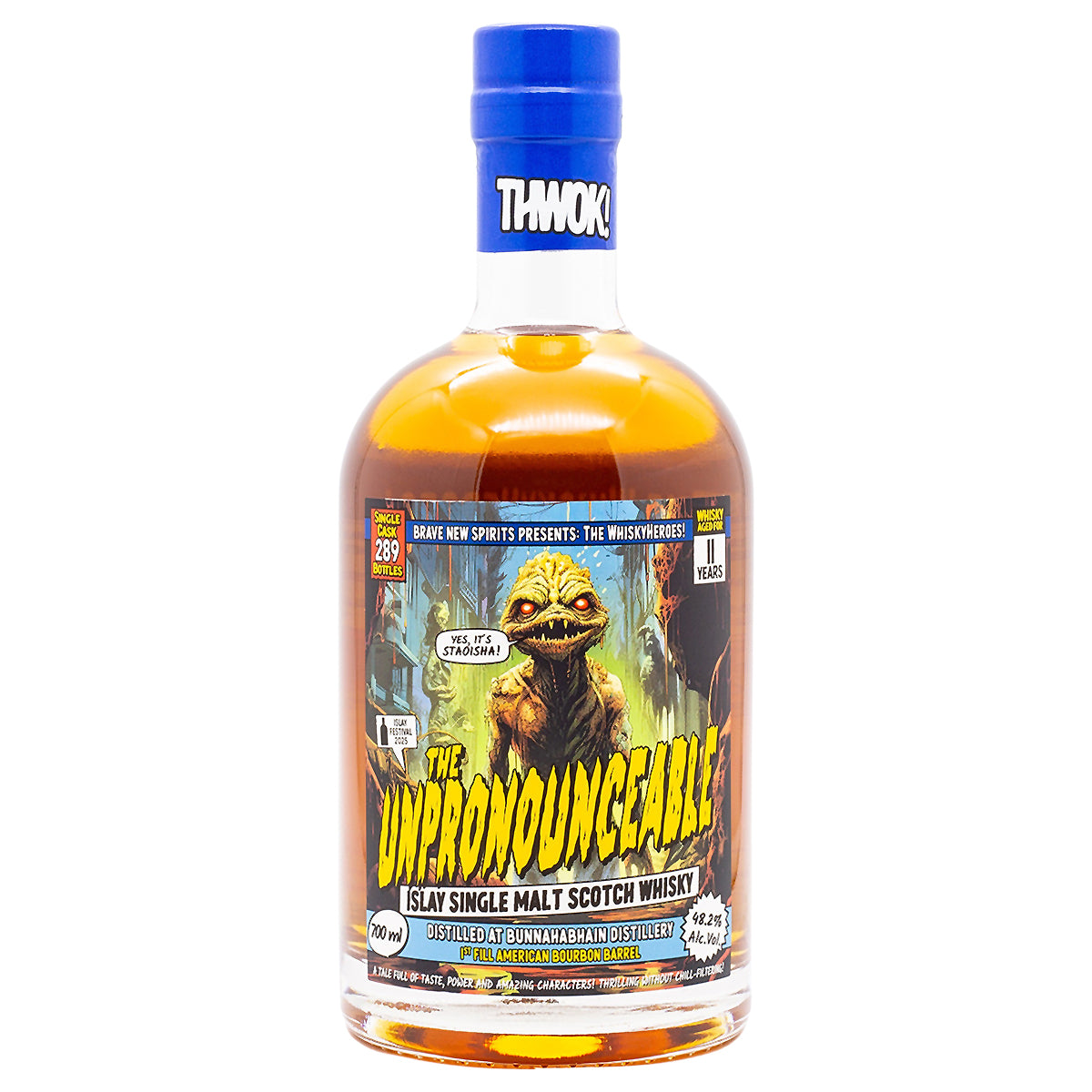
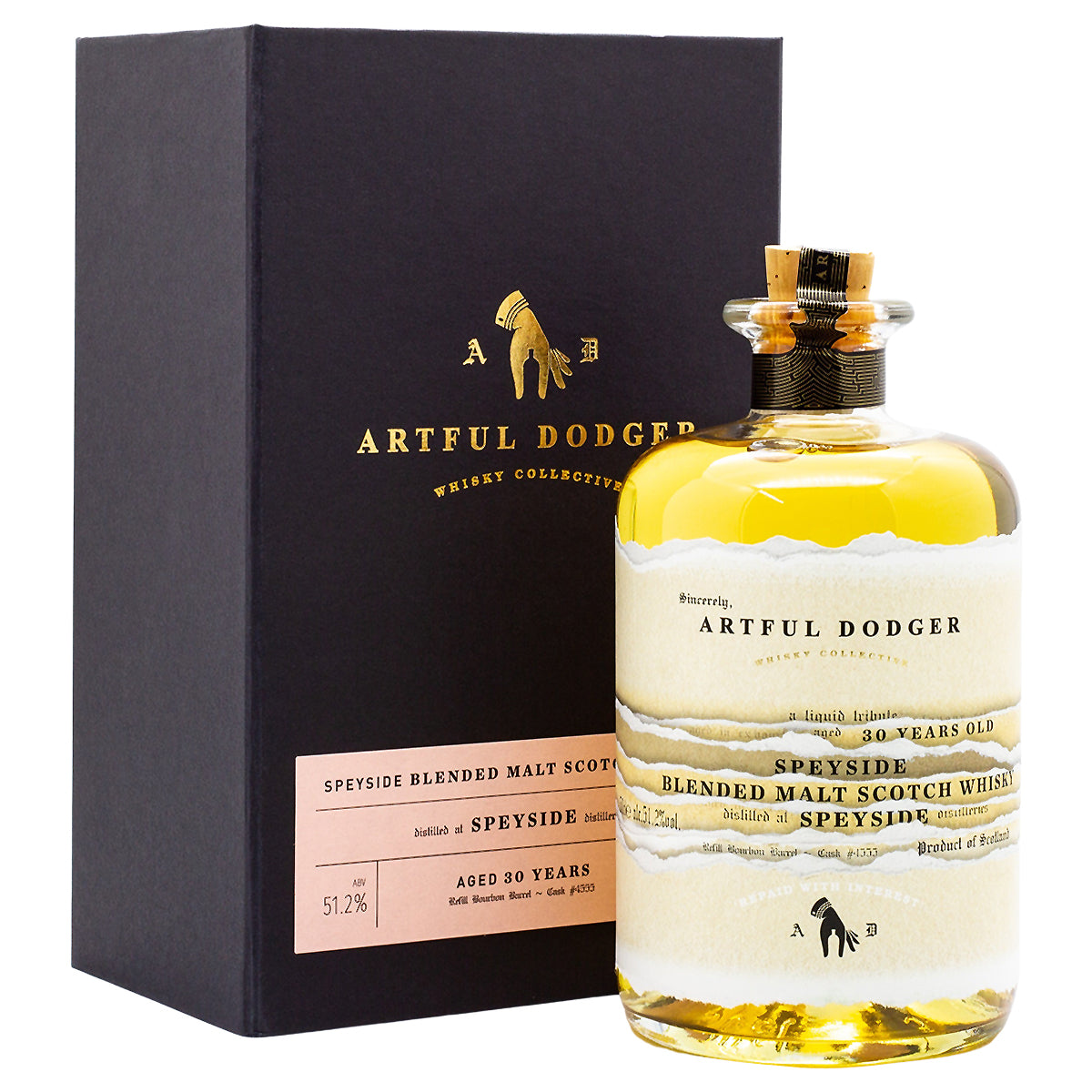
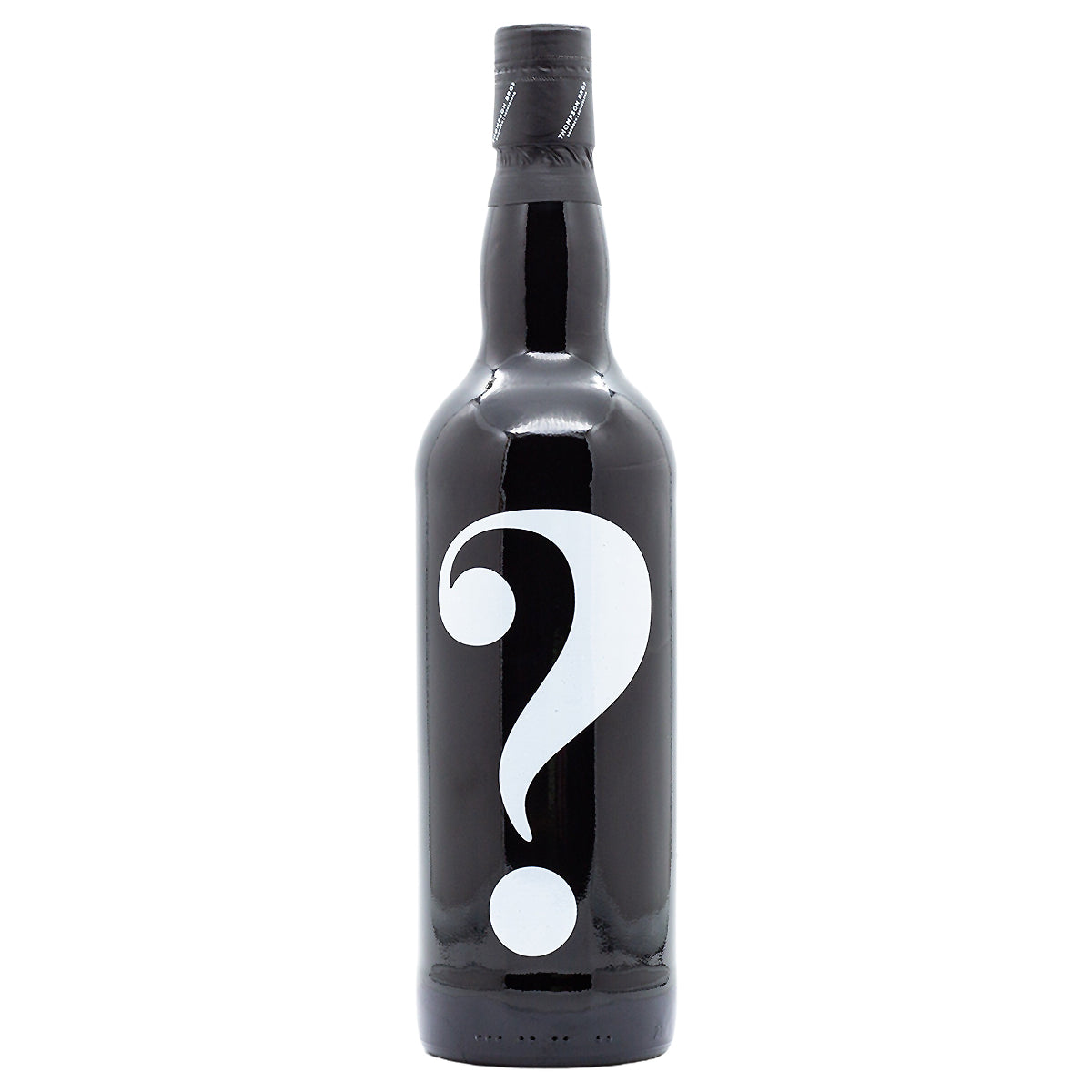

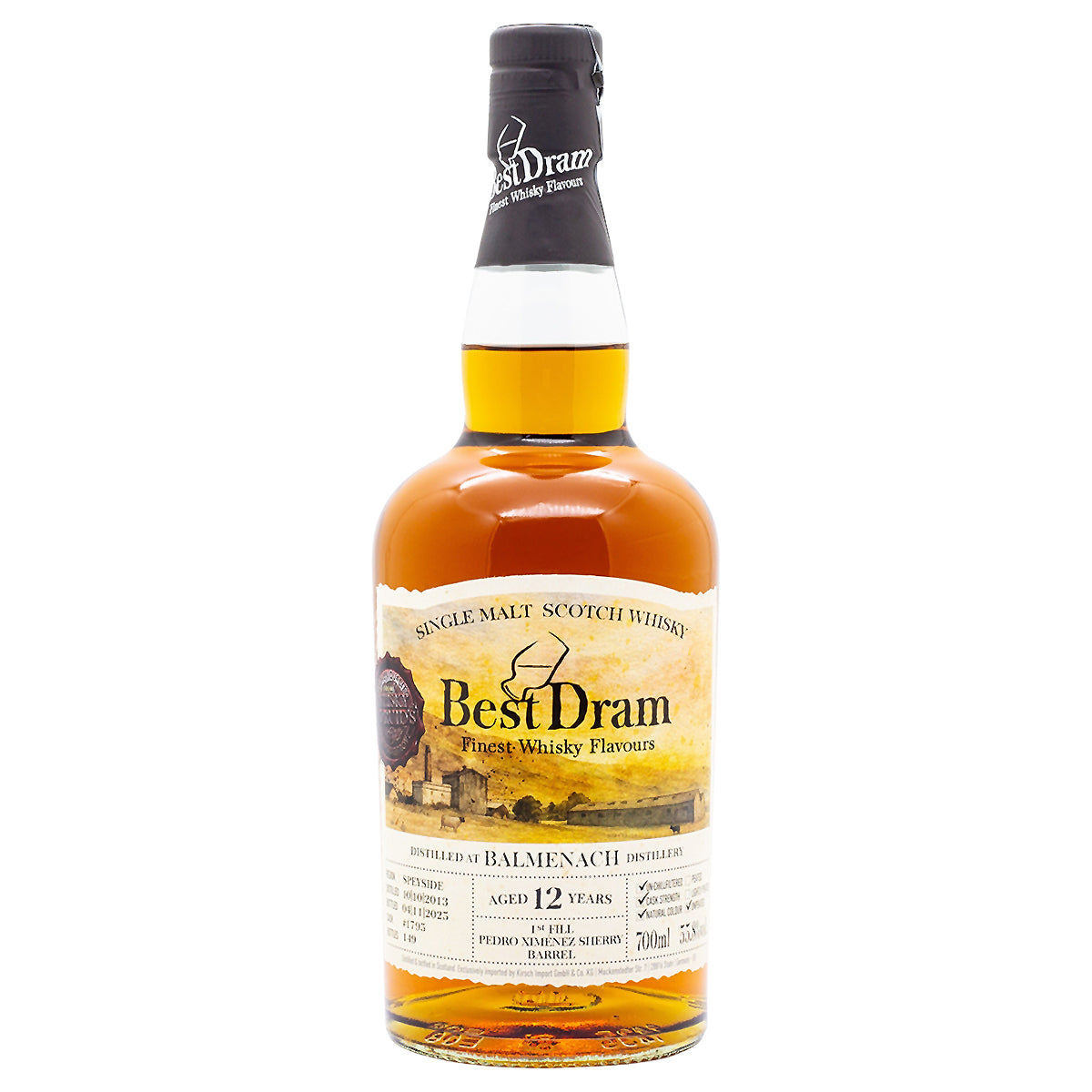
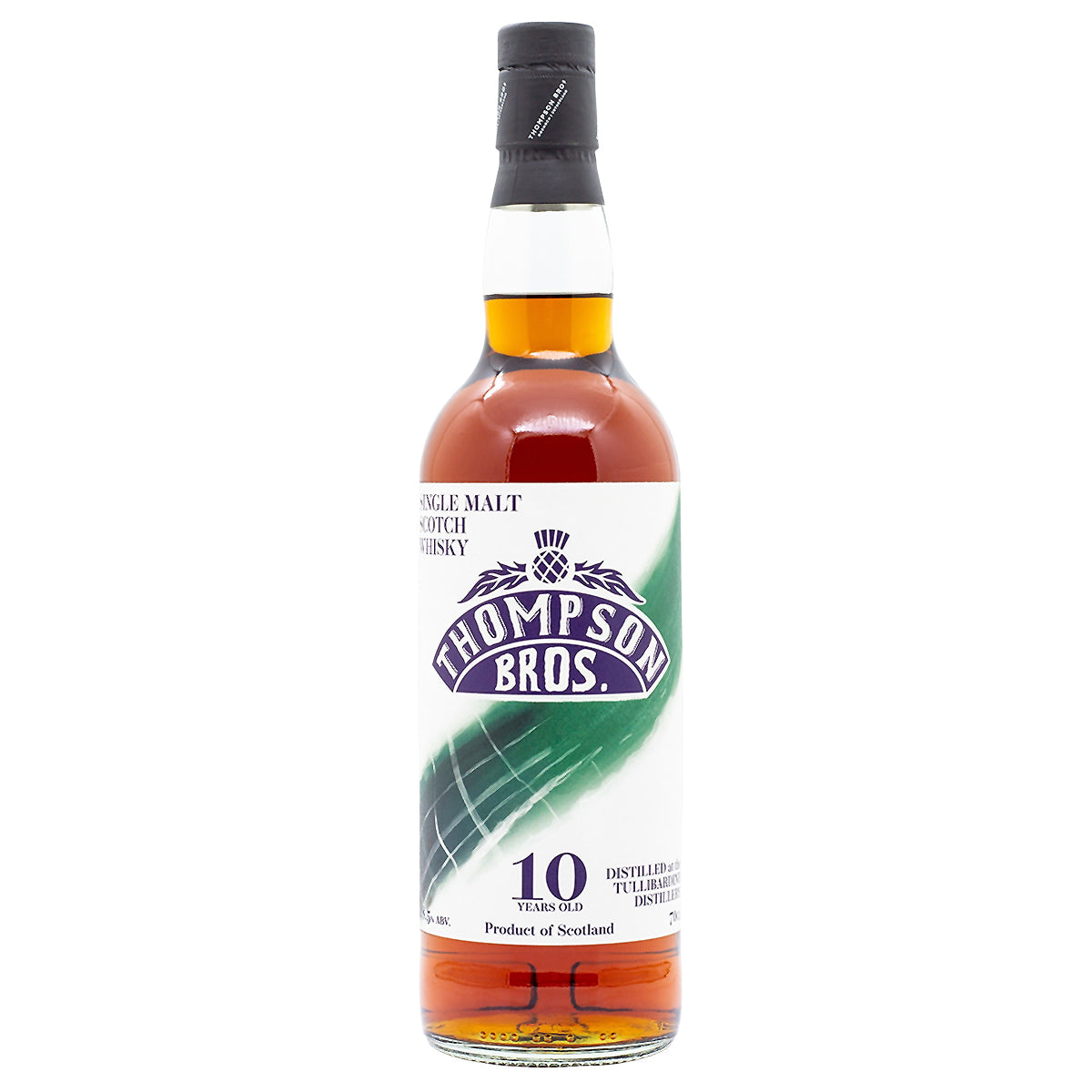
Independent bottlers: whisky with their own cask selection
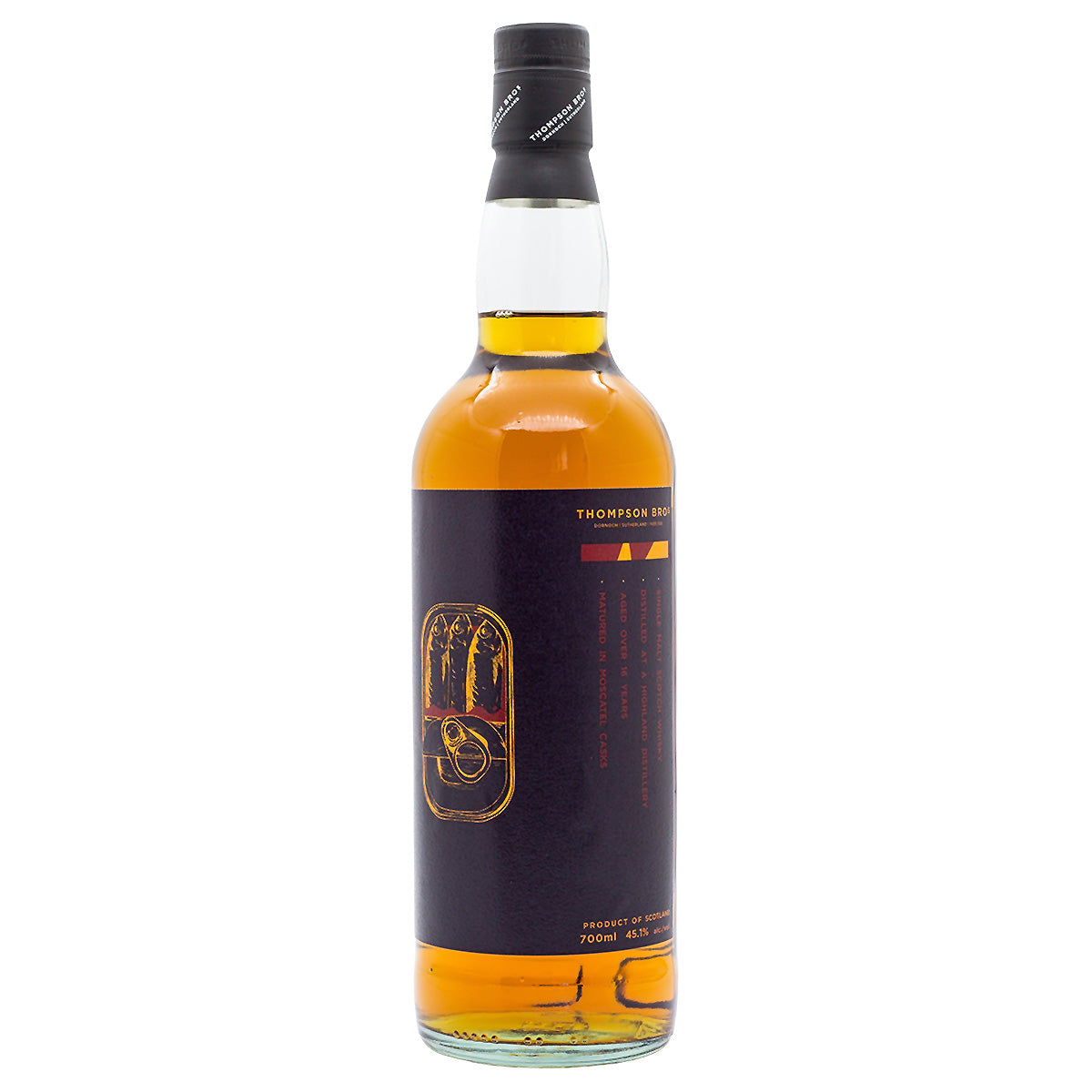
Independent whisky bottlers, or independent bottlers in English, release whisky under their own brands or series, even though the spirit comes from a different distillery. For example, they buy new make, already matured whisky or individual casks. Depending on their business model, they may select the casks themselves, oversee the maturation, finish the whisky in additional casks or determine the timing and strength of the bottling.
An independent bottling is not a separate type of whisky. The bottle may contain single malt, single grain, blended malt or blended Scotch whisky. What you are actually buying is stated in the full description on the label.
Independent bottlings versus official bottlings
An official bottling is released under the responsibility of the distillery or its owner. With an independent bottling, a different company decides which whisky to select and release. The same distillery name can therefore appear on bottlings from completely different vintages, cask types, maturation periods and alcohol strengths.
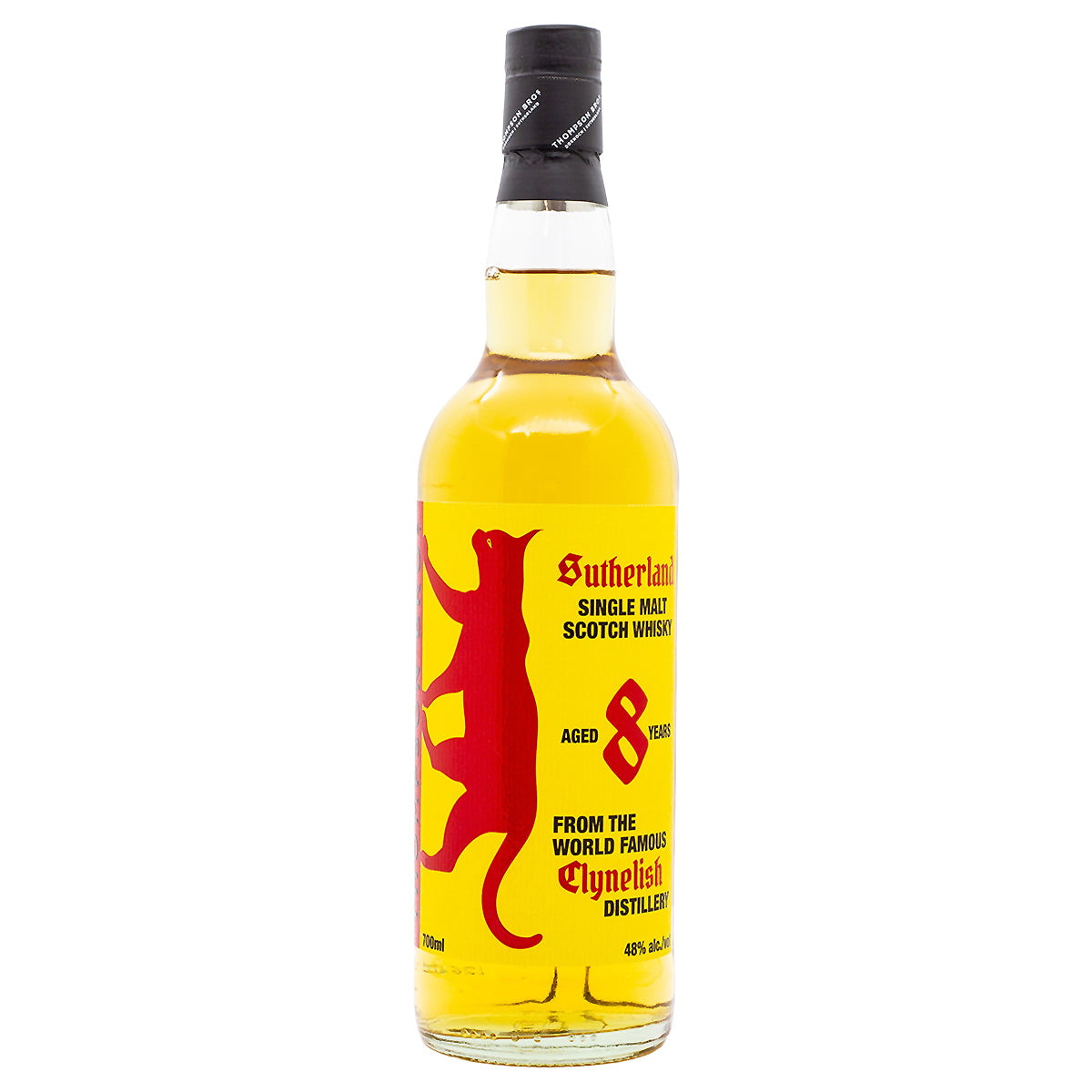
Independent bottlers also release whisky from distilleries whose spirit is otherwise used mainly in blends. The distillery name is not always stated. Terms such as “Secret Speyside” or “Unnamed Islay” then only reveal the region of origin. Which distillery is behind it remains unconfirmed.
Single cask and cask strength are not mandatory
Many independent bottlings come from a single cask or a small group of casks. This is not mandatory. An independent bottler can also release larger batches, blended malts or blends.
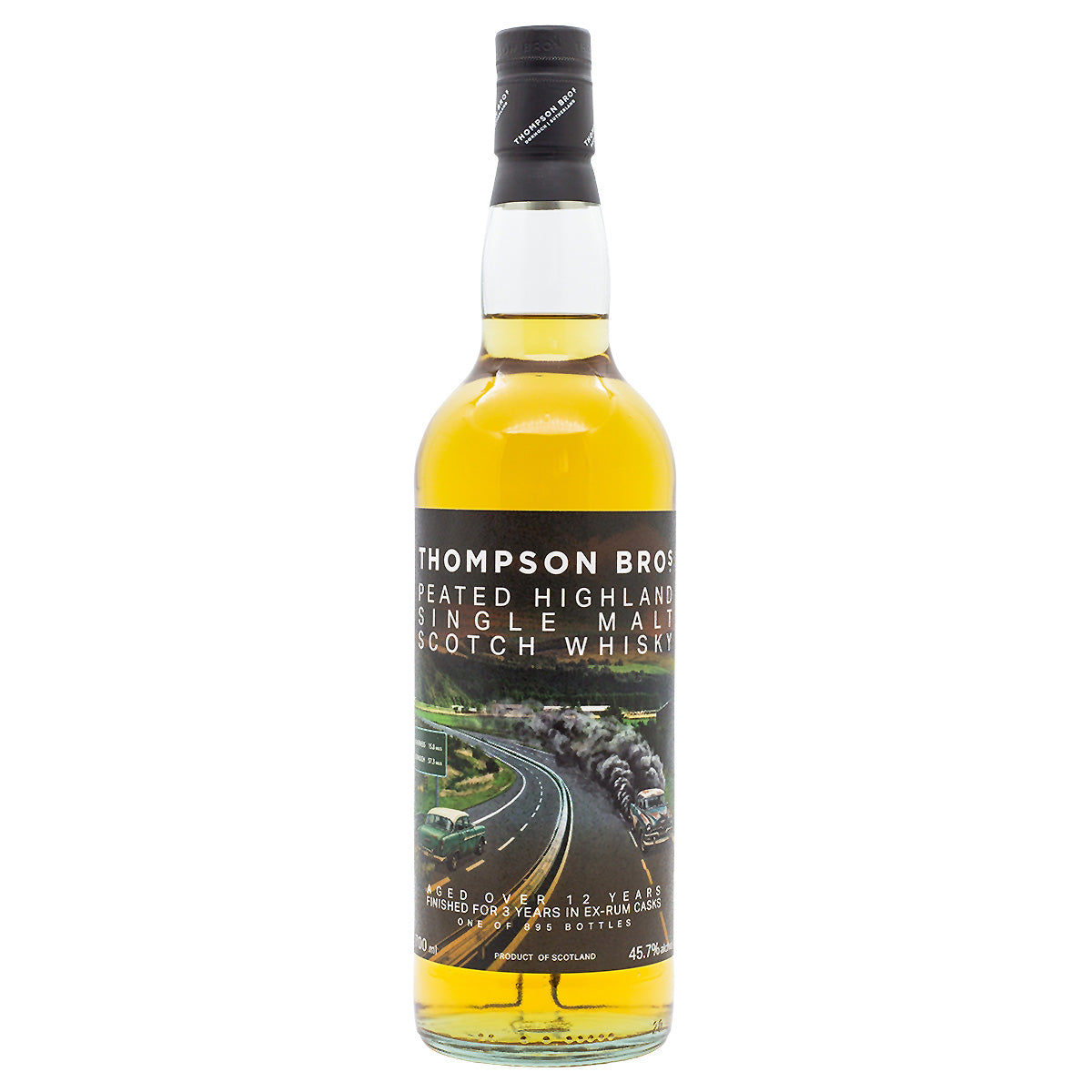
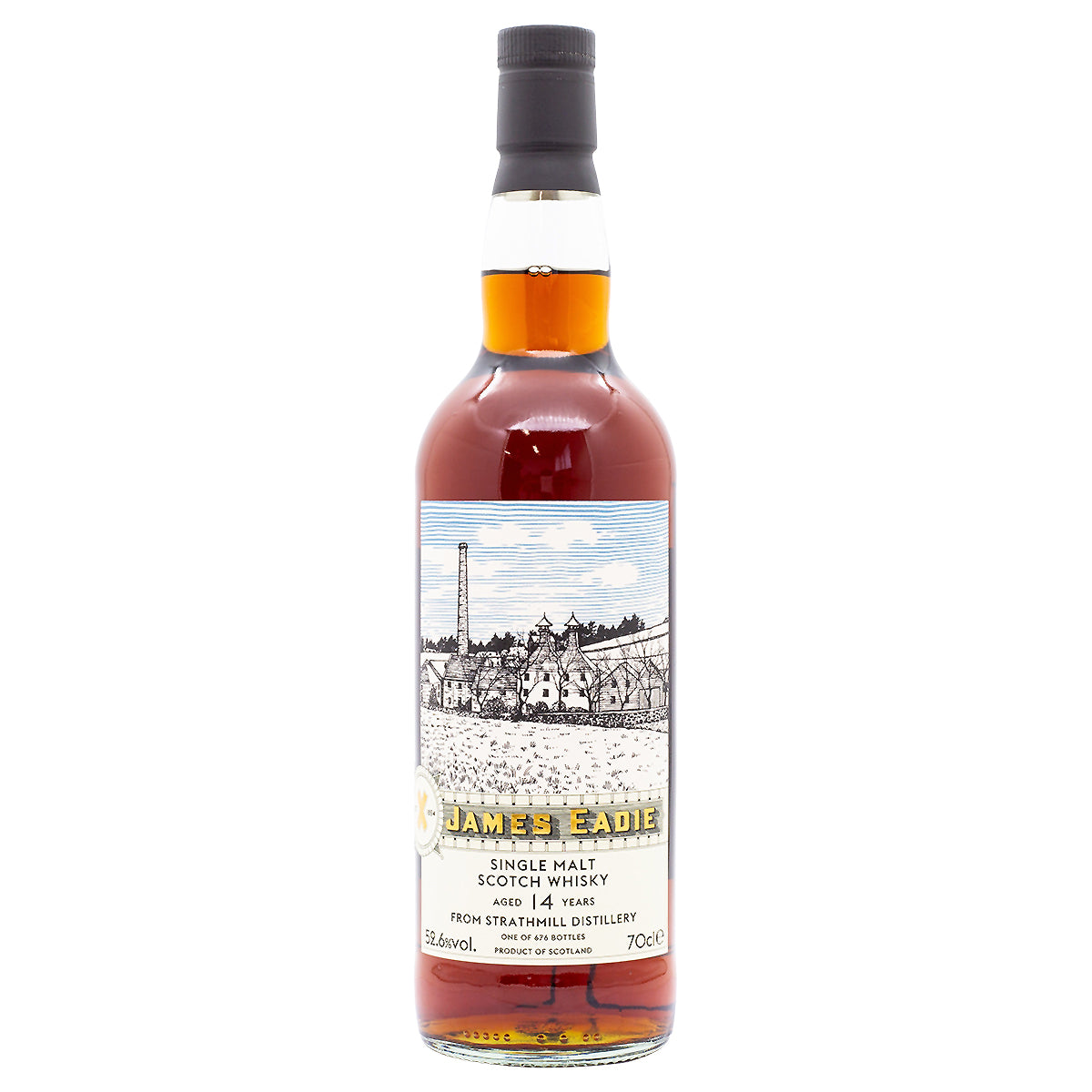
Cask strength, an uncolored bottling and the absence of chill filtration are also independent specifications. A single cask may be diluted to drinking strength. Conversely, a batch from several casks can be released at cask strength. A finishing must also be specifically stated for the respective bottling. Therefore, pay attention to each specification individually.
What you can check before buying
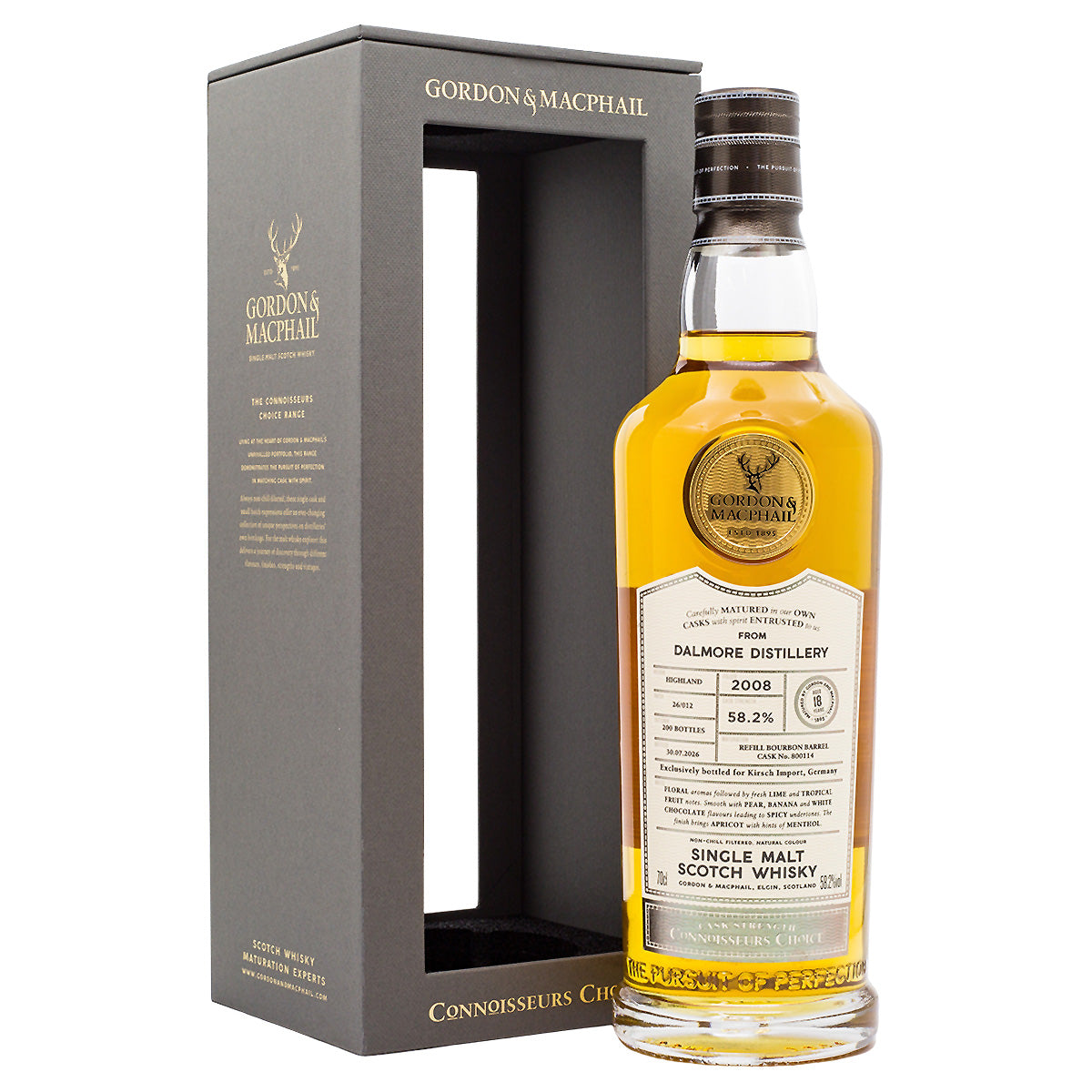
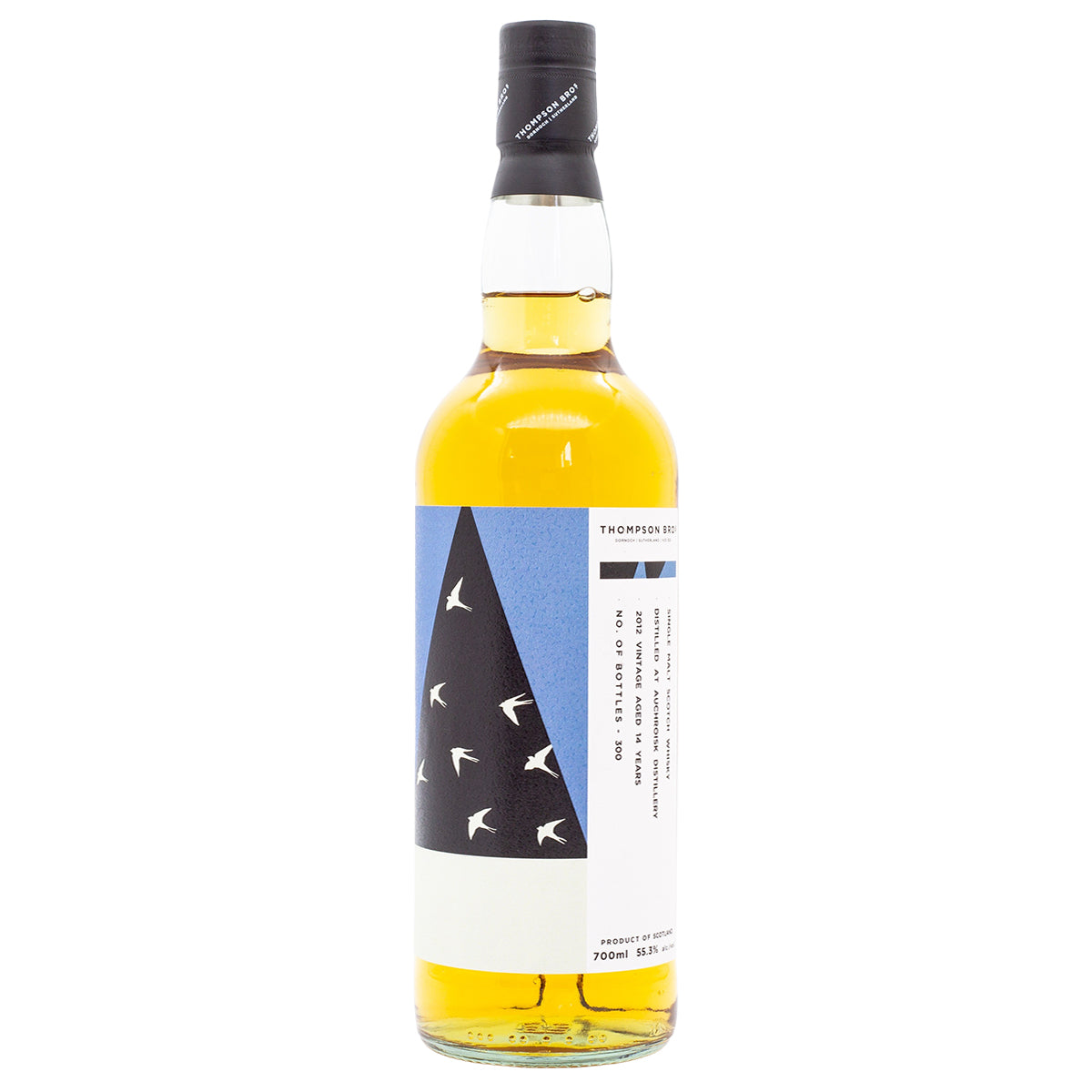
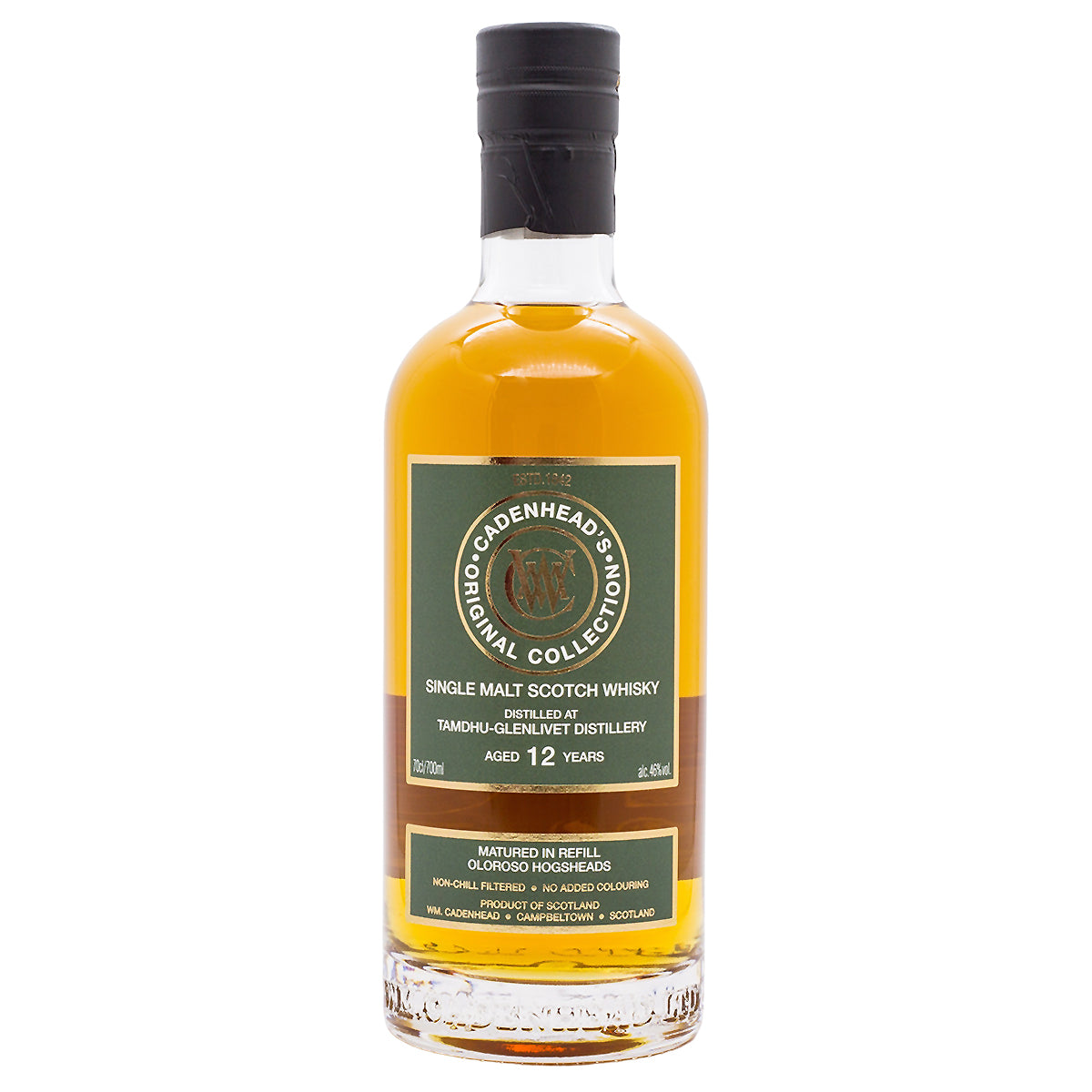
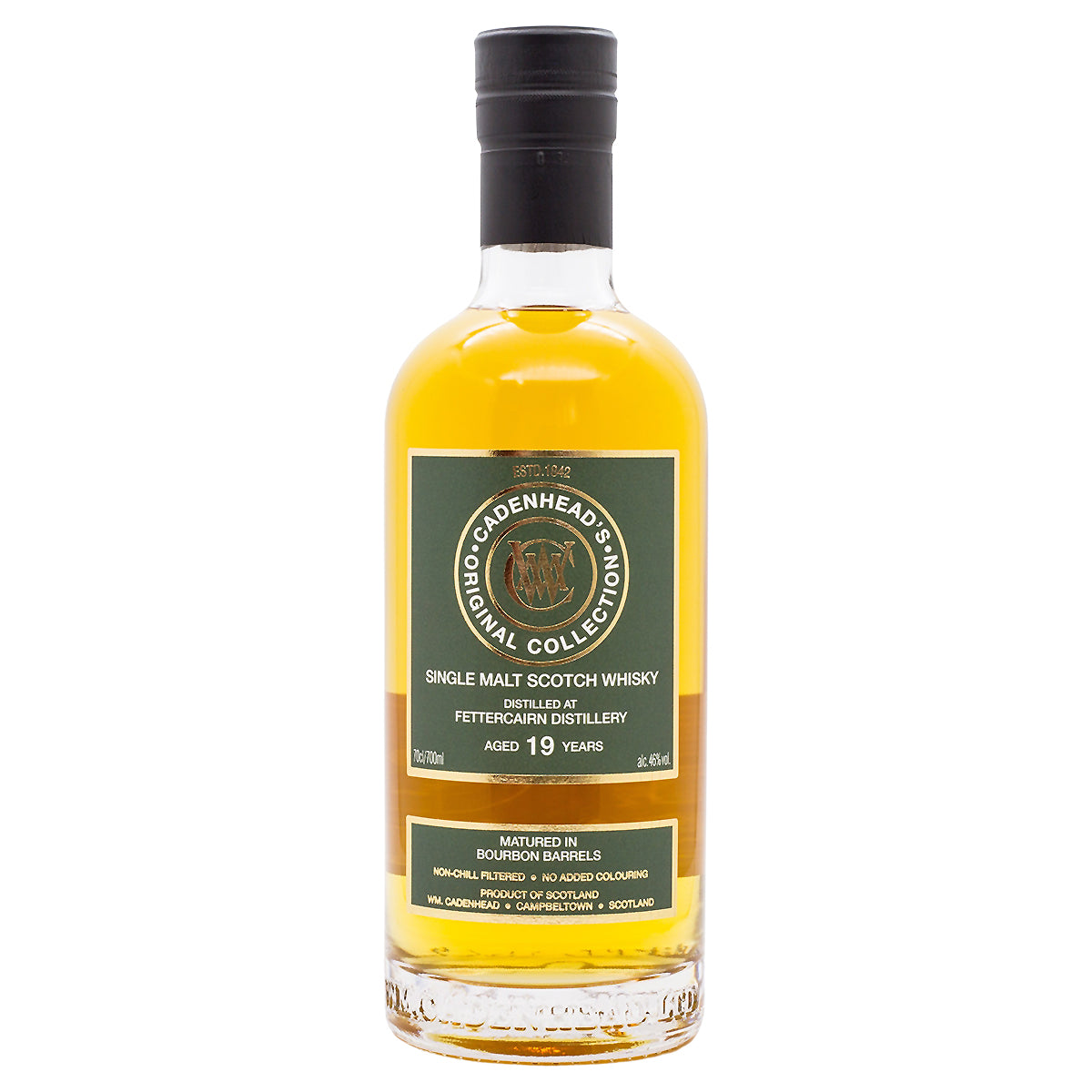
First, read the full whisky description as well as the names of the distillery and bottler. This is followed by the age, distillation and bottling years, cask type, alcohol strength and any possible indications of finishing. With single cask bottlings, you will often also find a cask number and the number of bottles filled. The alcohol strength alone does not prove that a whisky was bottled at cask strength.
Gordon & MacPhail is known for long-term cask management and for many years had its own casks filled with new make at distilleries. Signatory Vintage is an independent bottler and also the owner of the Edradour Distillery. However, a whisky released by Signatory from a different distillery remains an independent bottling.
Companies such as Cadenhead’s and Douglas Laing also show how differently independent bottlers operate: from a single cask to carefully assembled series and blended malts.
If you want to buy whisky from independent bottlers, do not just compare the age and price. Cask type, vintage, bottling strength and processing show more clearly how the release differs from an official bottling or a second independent bottling from the same distillery. The status as an independent bottling is not a measure of quality in itself.
Frequently asked questions about independent bottlers
What are independent bottlers?
Independent bottlers select whisky or new make from other distilleries and release their own bottlings from it. Depending on the company, they also take care of casks, maturation, finishing, blending and bottling strength.
What distinguishes independent bottlers from distilleries?
The distillery produces the spirit. The independent bottler buys it or takes over a cask and is responsible for the subsequent release. Some independent bottlers also own their own distillery. What matters is their role in the respective bottling.
What independent whisky bottlers are there?
Well-known independent bottlers include Gordon & MacPhail, Signatory Vintage, Cadenhead’s, Douglas Laing, Duncan Taylor and Berry Bros. & Rudd. In addition, there are numerous smaller houses with their own cask series and specialisations.
Are independent bottlings always single casks or cask strengths?
No. Independent bottlings can consist of a single cask, several casks or a blend. Cask strength, an uncolored bottling and the absence of chill filtration must also be expressly stated.
What should I look for when buying an independent bottling?
Check the type of whisky, distillery and bottler. Then compare the age, distillation and bottling years, cask type, cask number or batch, alcohol strength and information about colouring and chill filtration.