


Highland Whisky: a region with a wide range
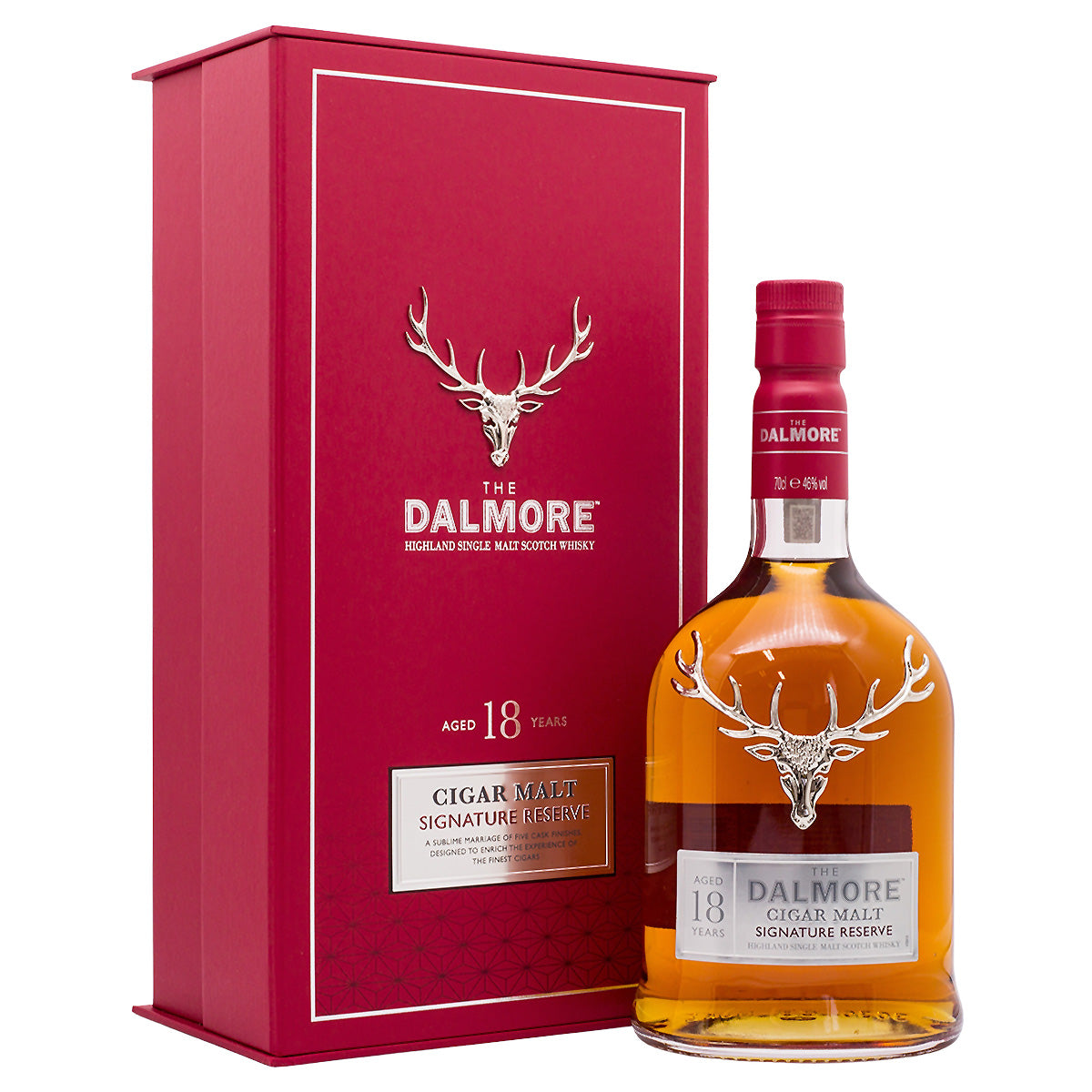
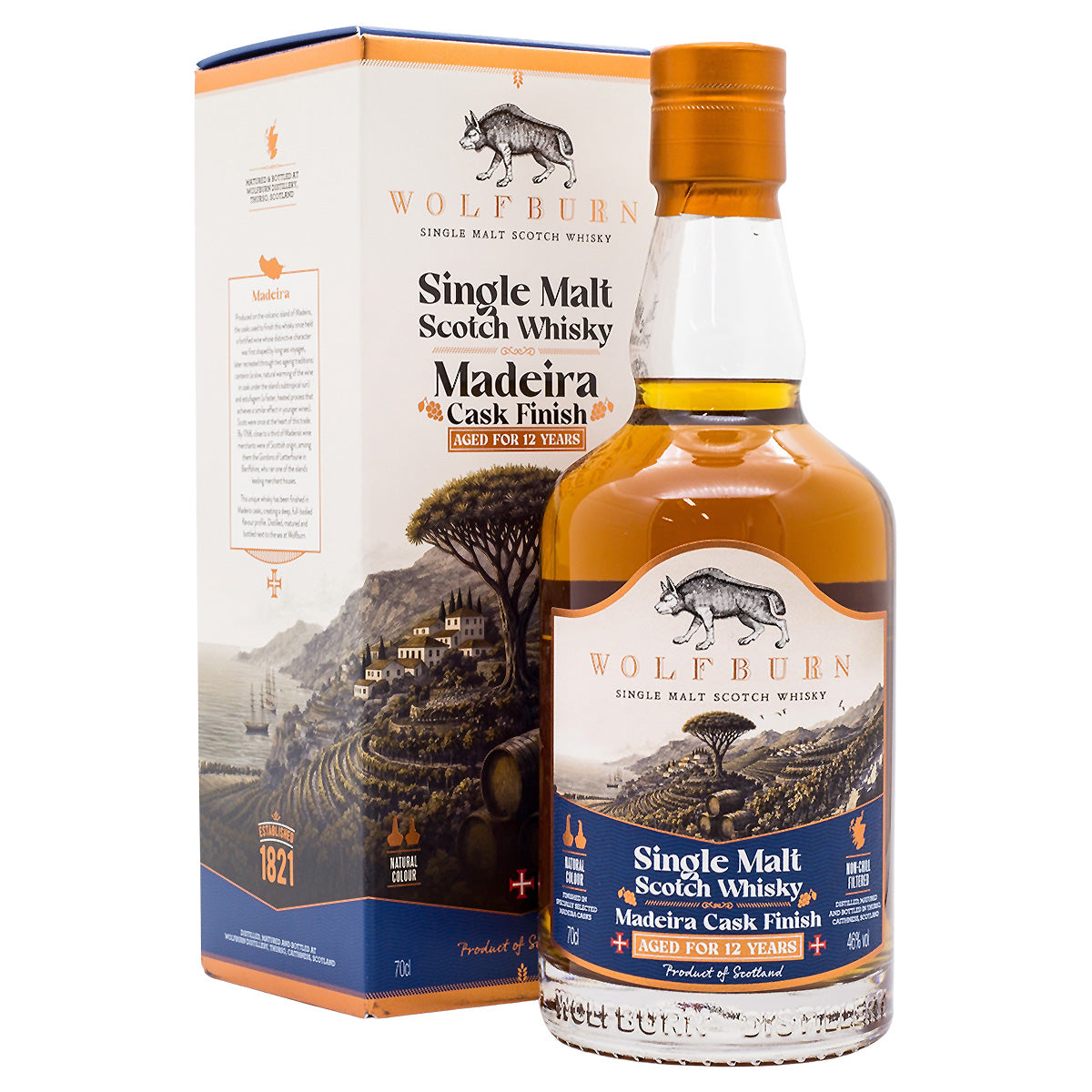
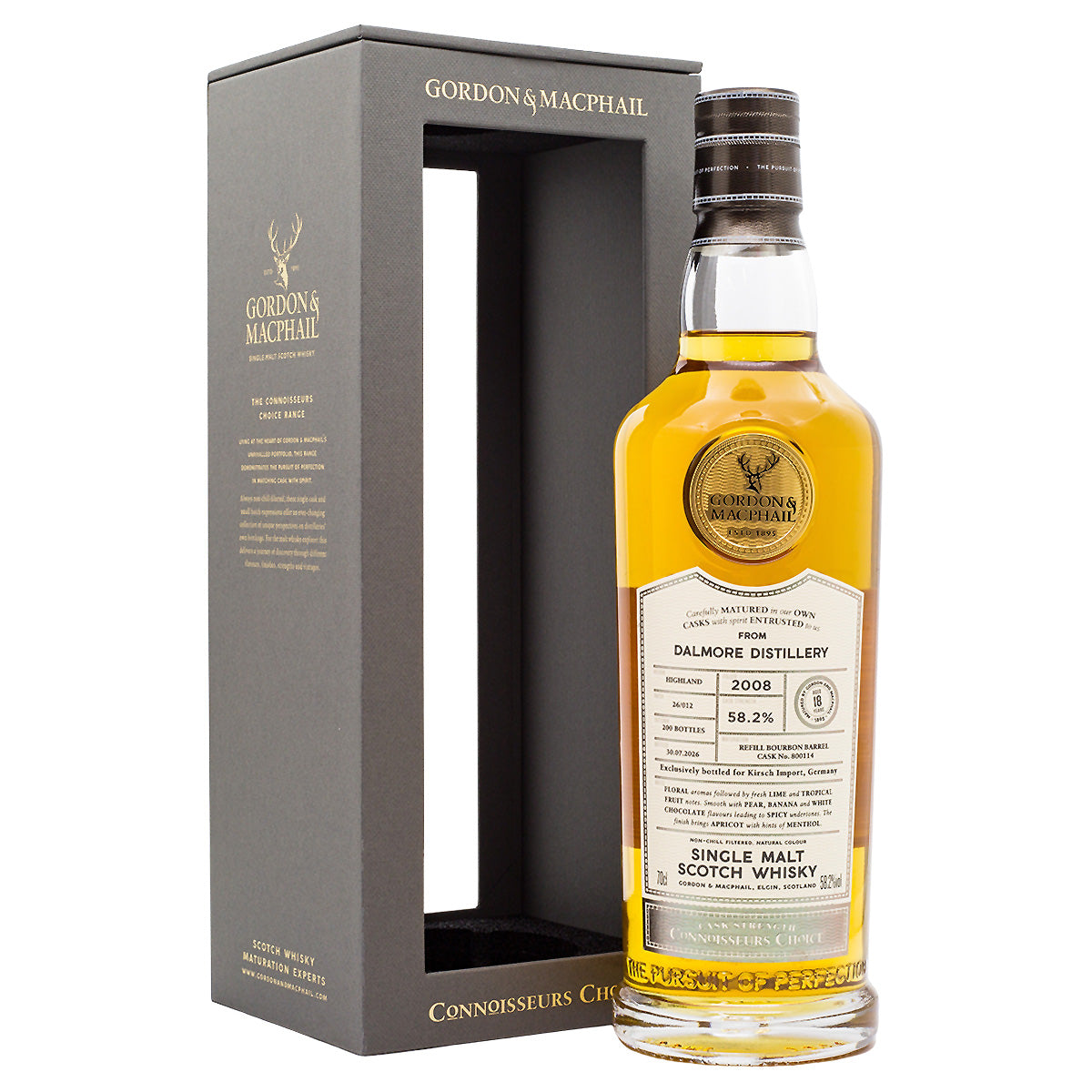
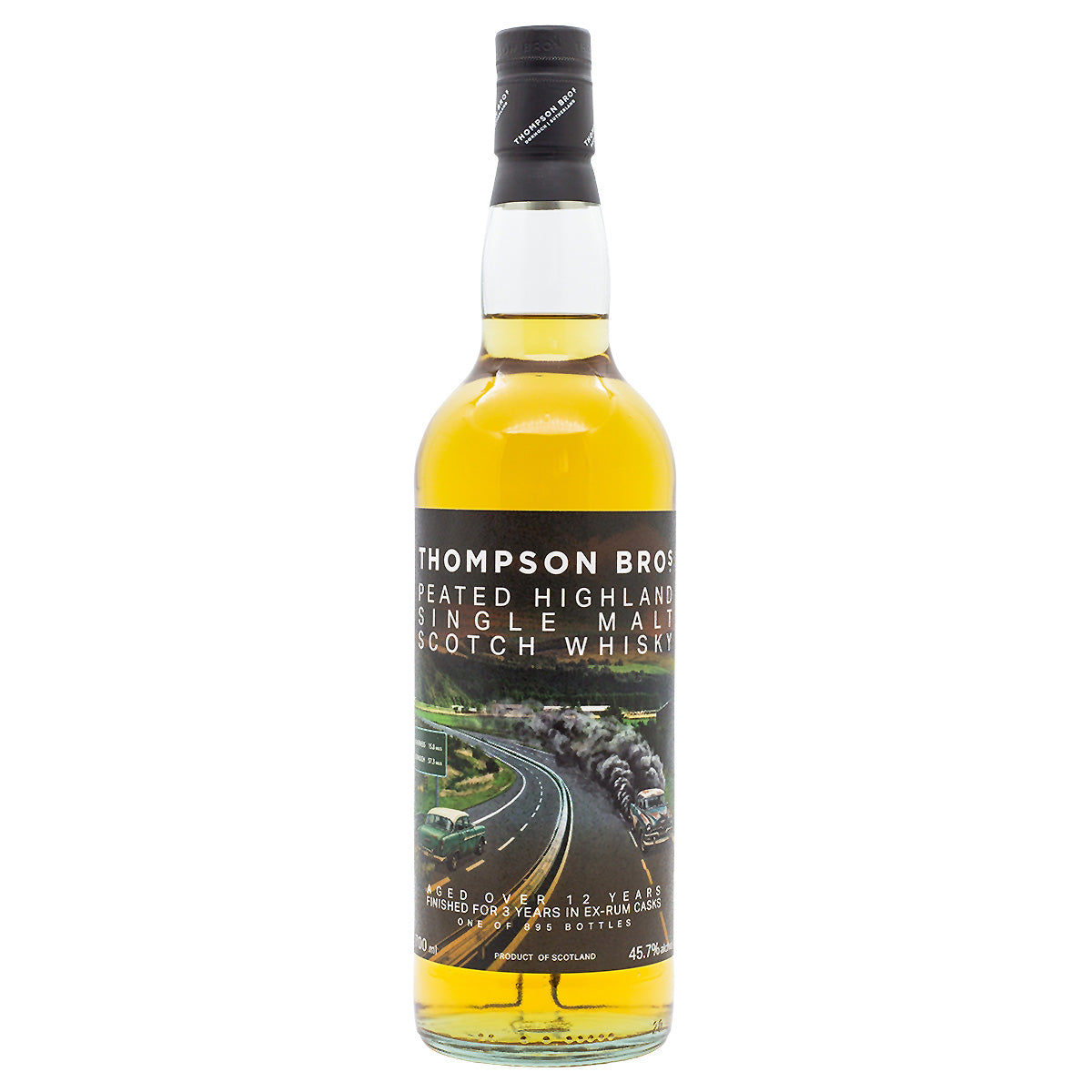
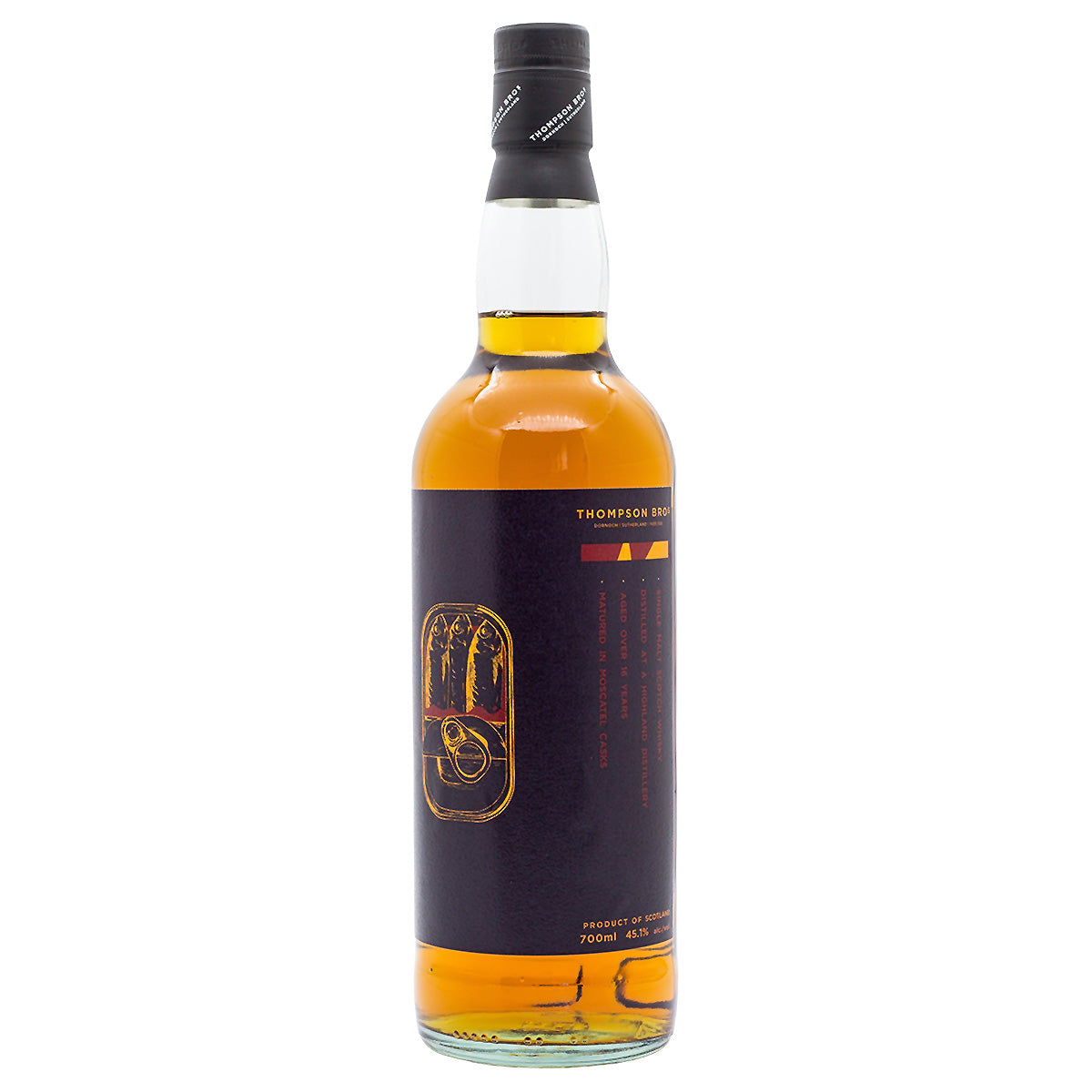
Highland Whisky is Scotch Whisky distilled in the protected Highland region. The designation therefore indicates a region of origin, but not a distinct type of whisky or a defined flavour profile. On the label, it appears alongside the exact type of whisky, for example as Highland Single Malt Scotch Whisky.
The region covers a large part of Scotland and includes a wide variety of distilleries. A Highland whisky can be unpeated or heavily peated, fruity or robust, and shaped by a wide range of cask types. When choosing, the distillery, brand and details about the specific bottling are therefore more informative than broad classifications into North, South, East and West.
The Highlands, Speyside and the Islands
The Speyside as well as Islay and Campbeltown are all located within the broader Highland region and have their own protected geographical indications. Distilleries there may use the more specific origin or Highland, subject to legal requirements. Speyside is therefore not simply outside the Highlands, but Islay and Campbeltown are also not merely style groups without their own protection.
For Island whisky, a different particularity applies. Many distilleries on islands outside Islay are located in the protected Highland region. Islands is not, however, a protected Scotch region, but a common commercial designation. Islay distilleries are placed in their own category on CaptainScotch.
Distilleries with distinctly different profiles
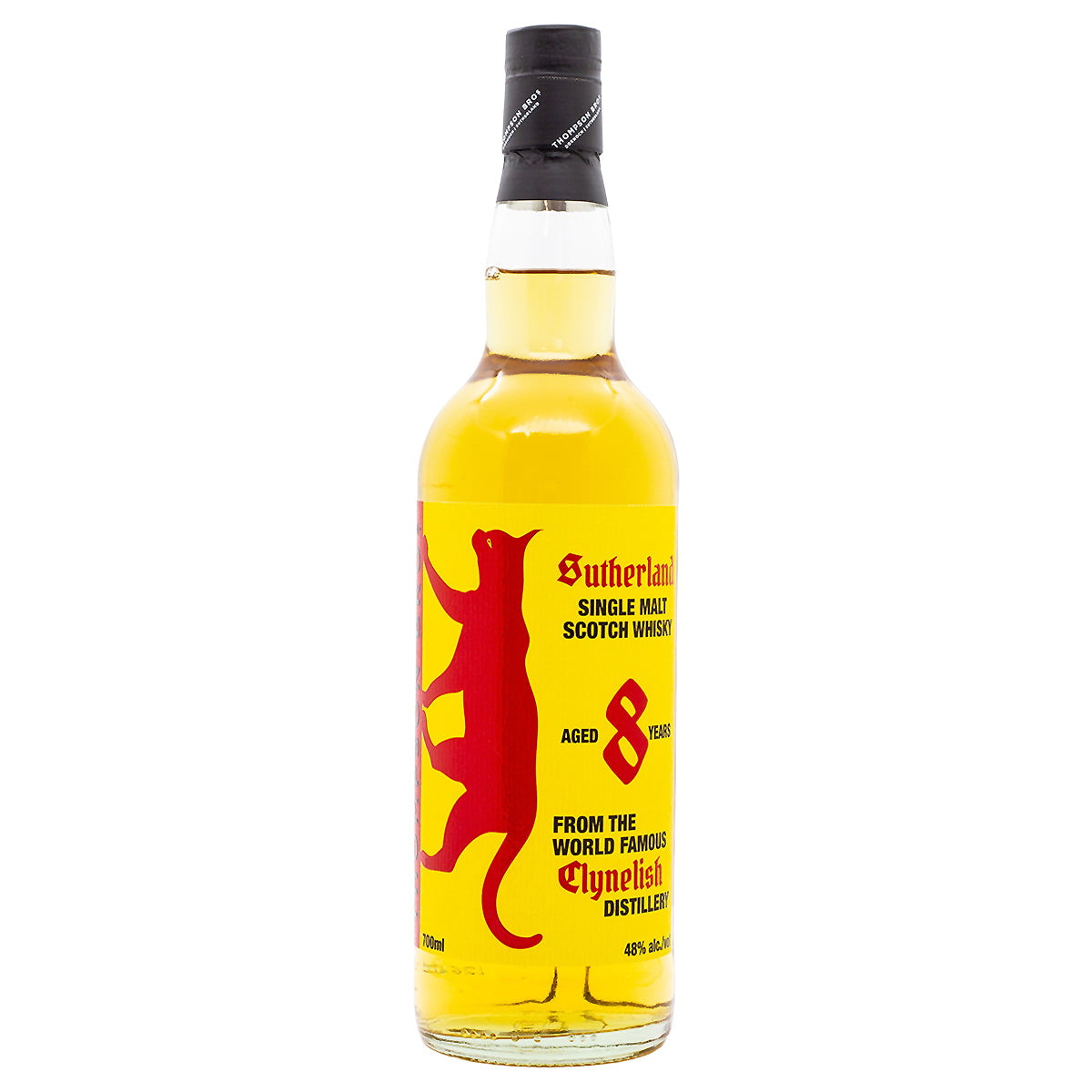
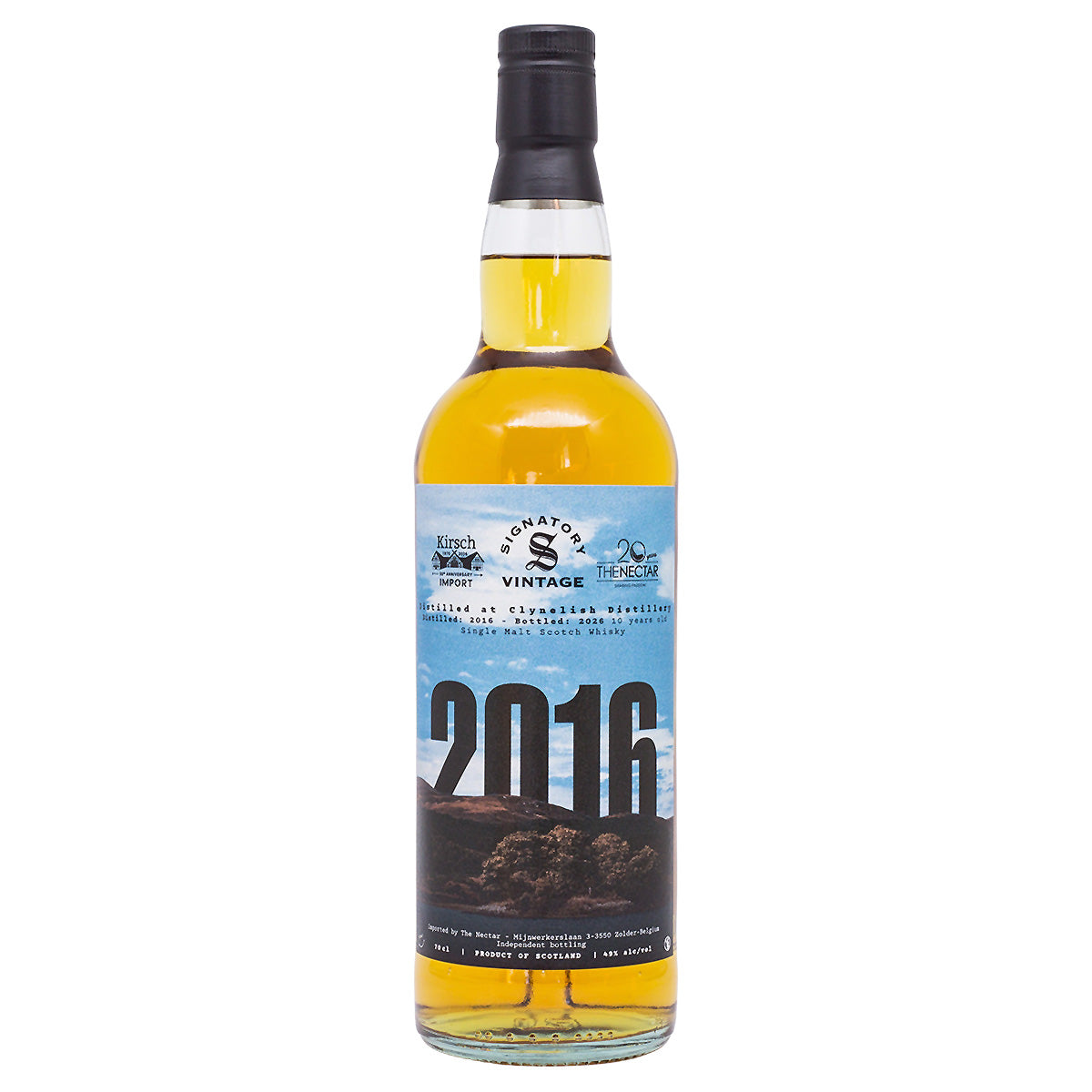
Clynelish is known for a distillery character often described as waxy, creamy and fruity. These characteristics are associated with Clynelish and are not typical of coastal distilleries or the Highland region as a whole.
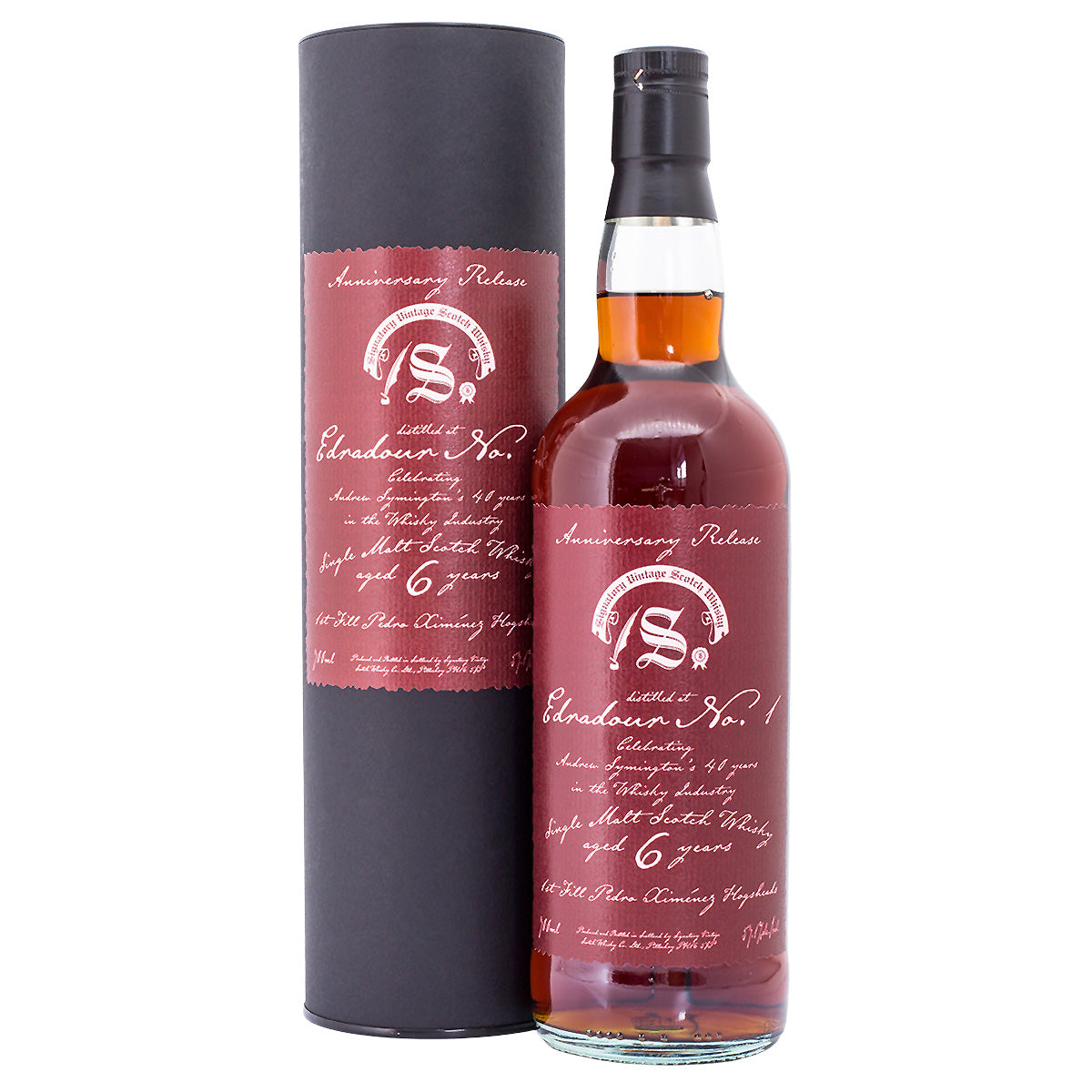
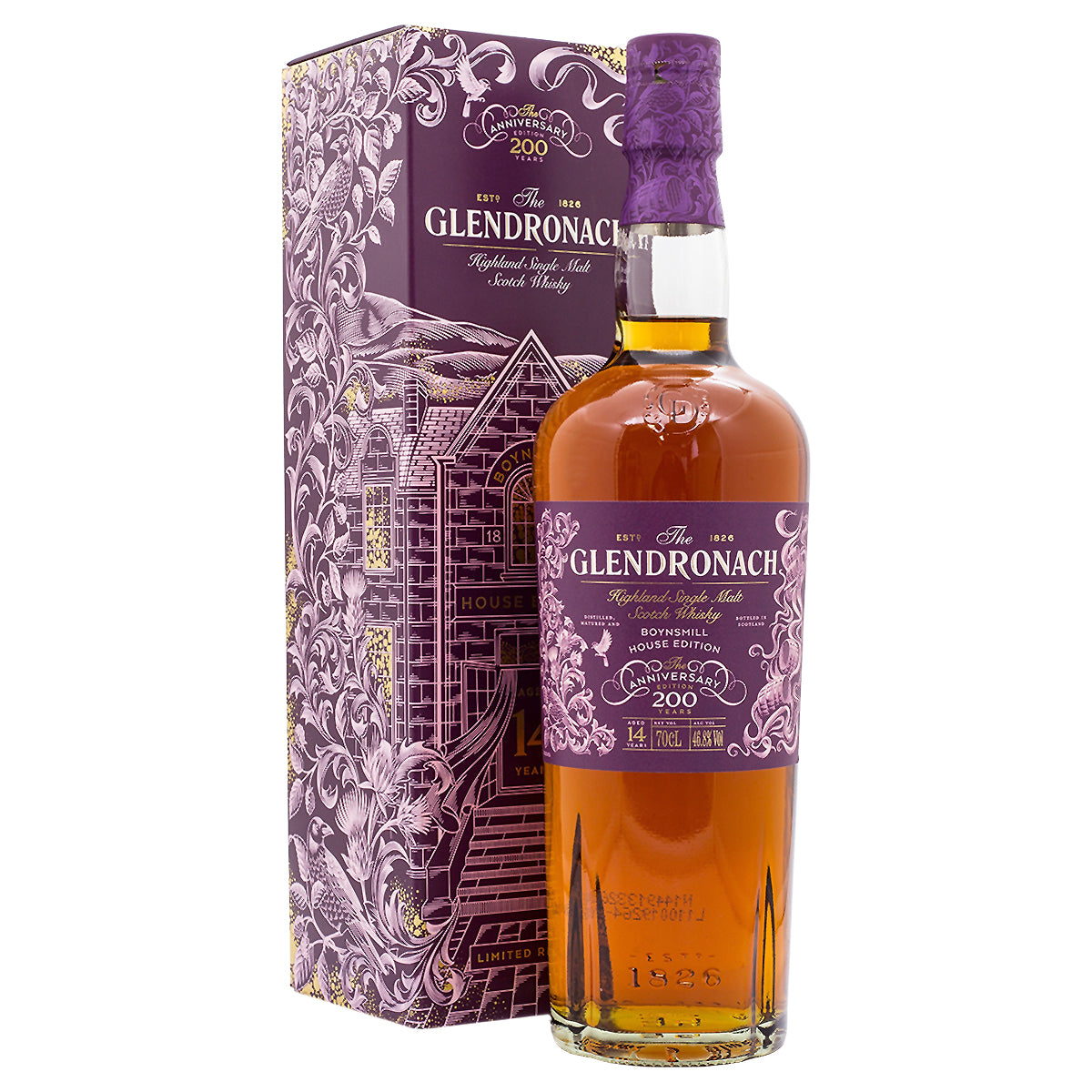
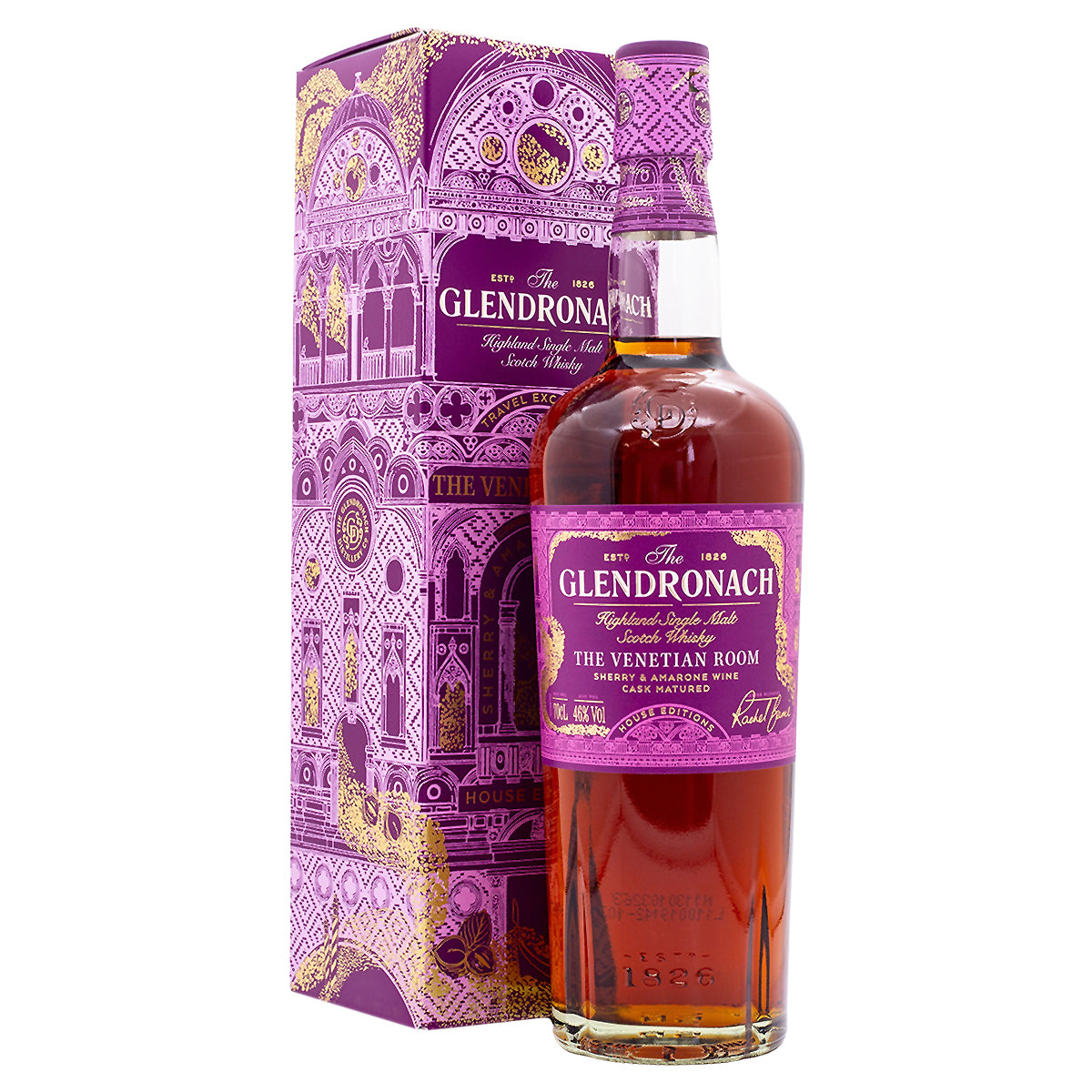
The GlenDronach focuses its profile heavily on Pedro Ximénez and Oloroso sherry casks. The choice of cask explains a major part of the brand's character here. This does not mean that Highland whisky is always matured in sherry casks.
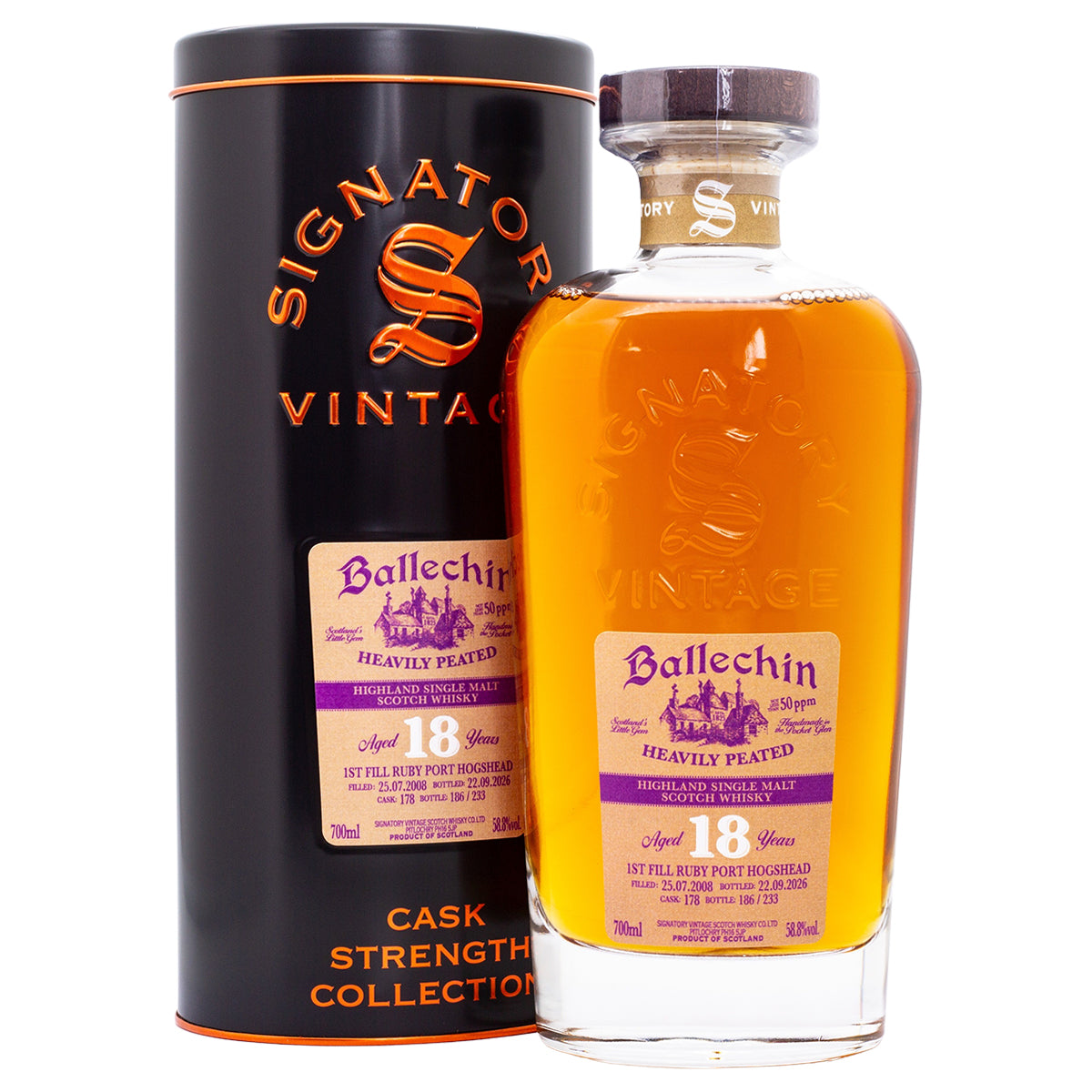
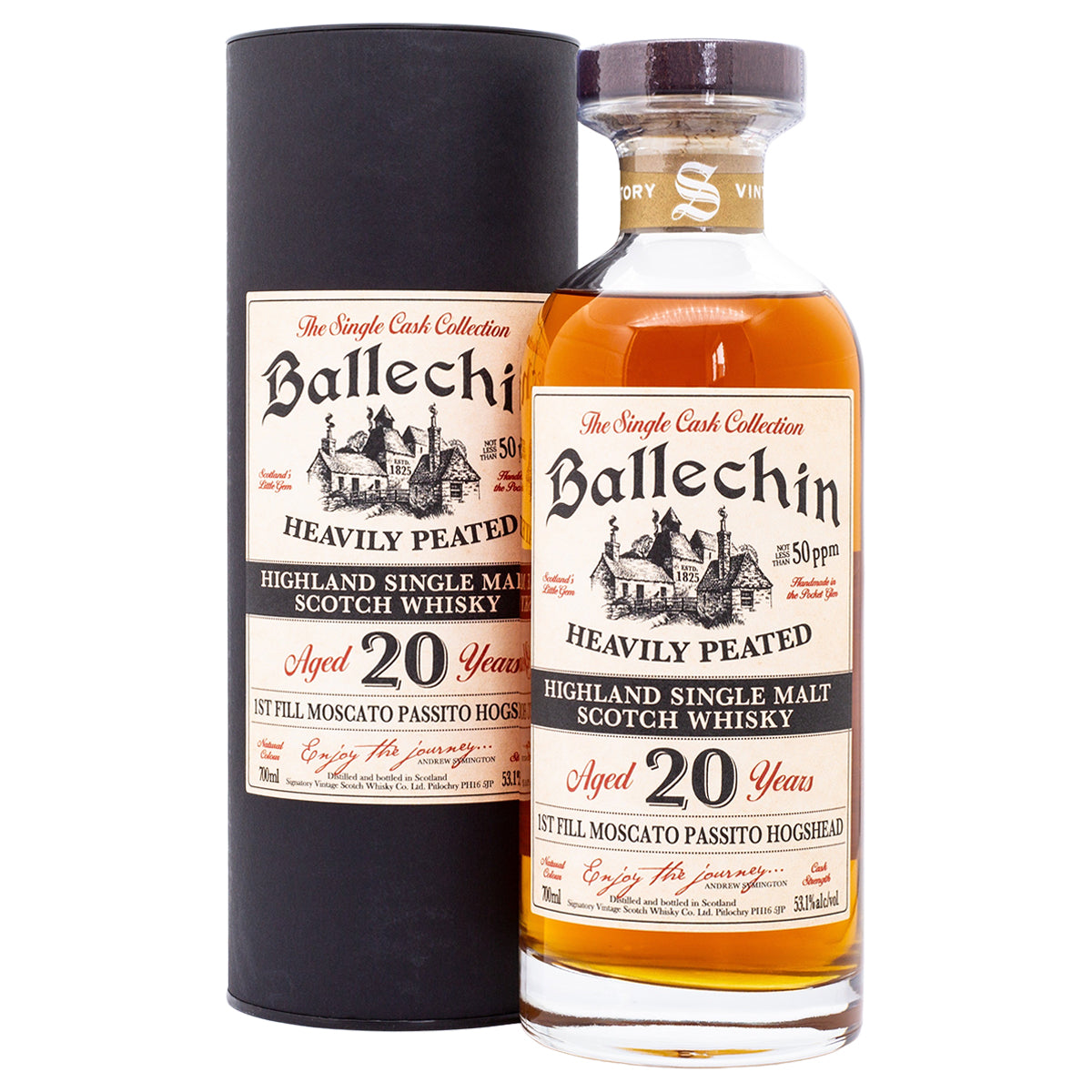
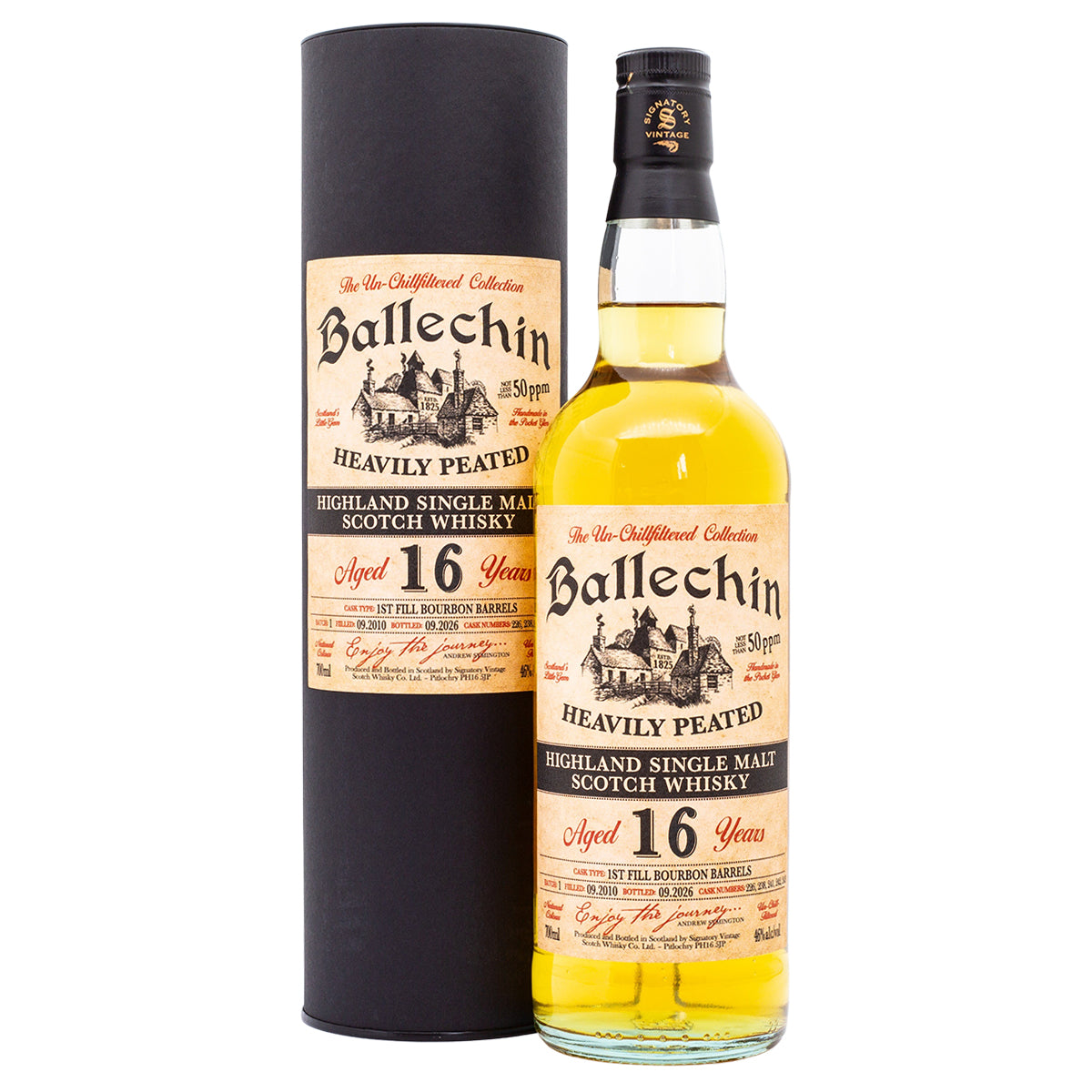
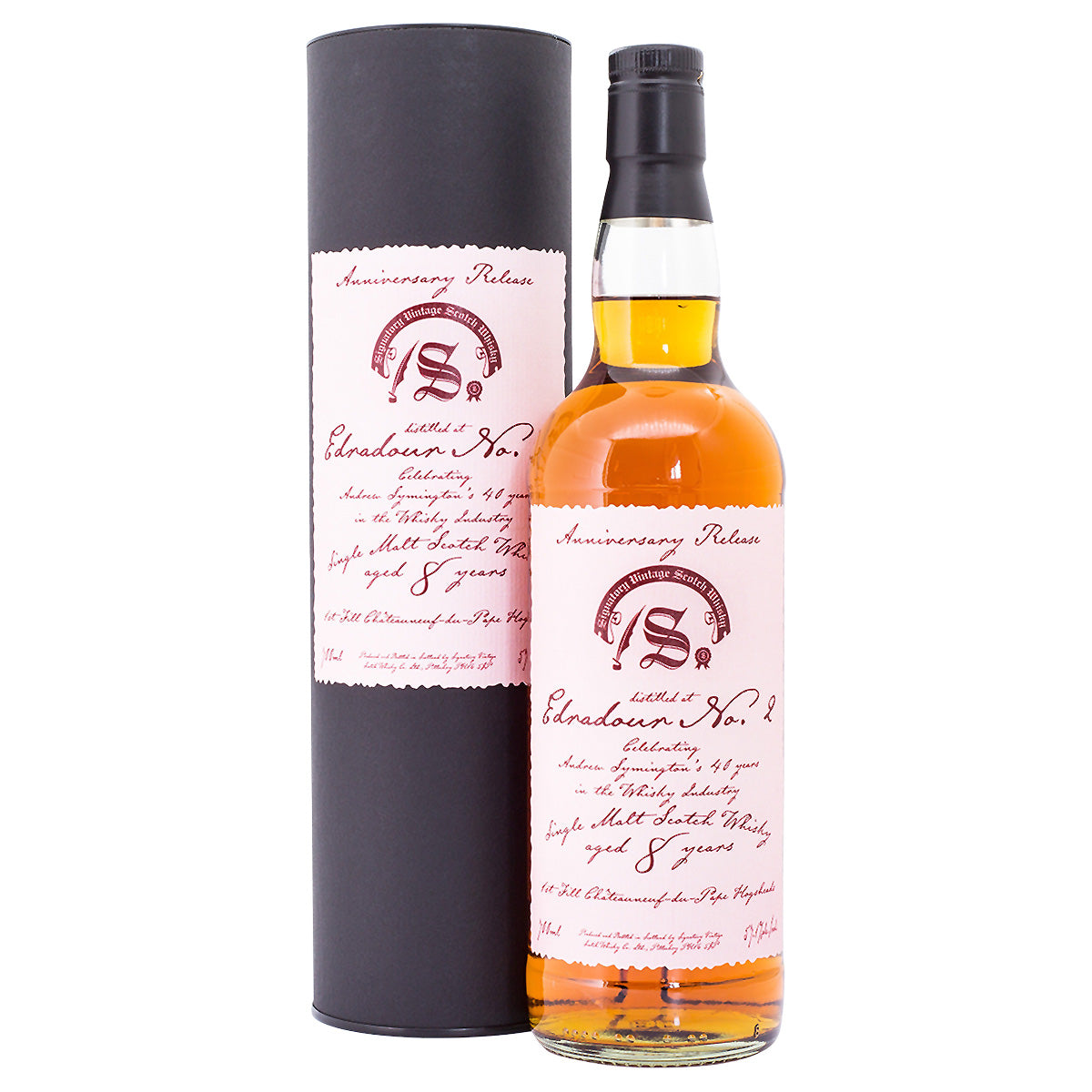
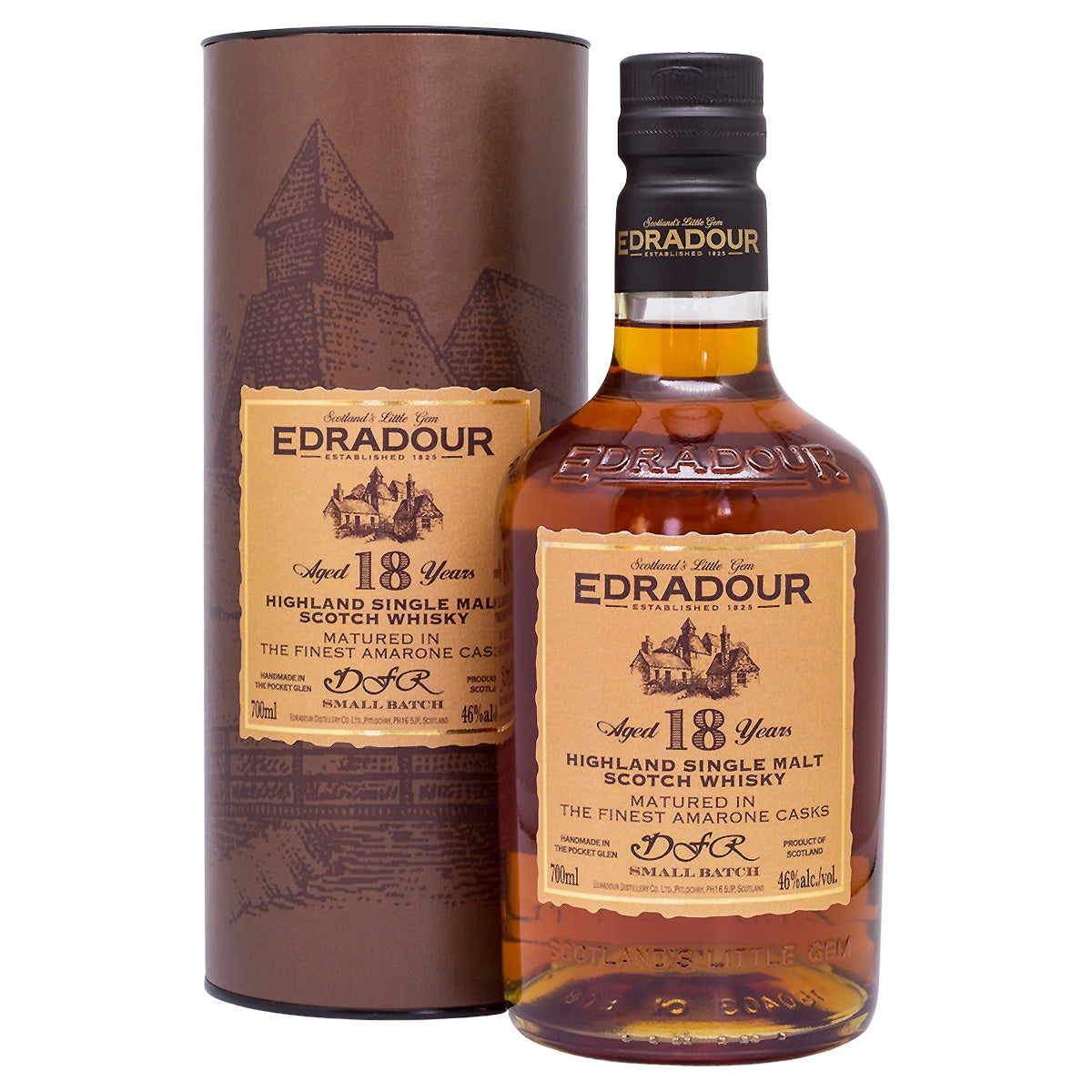
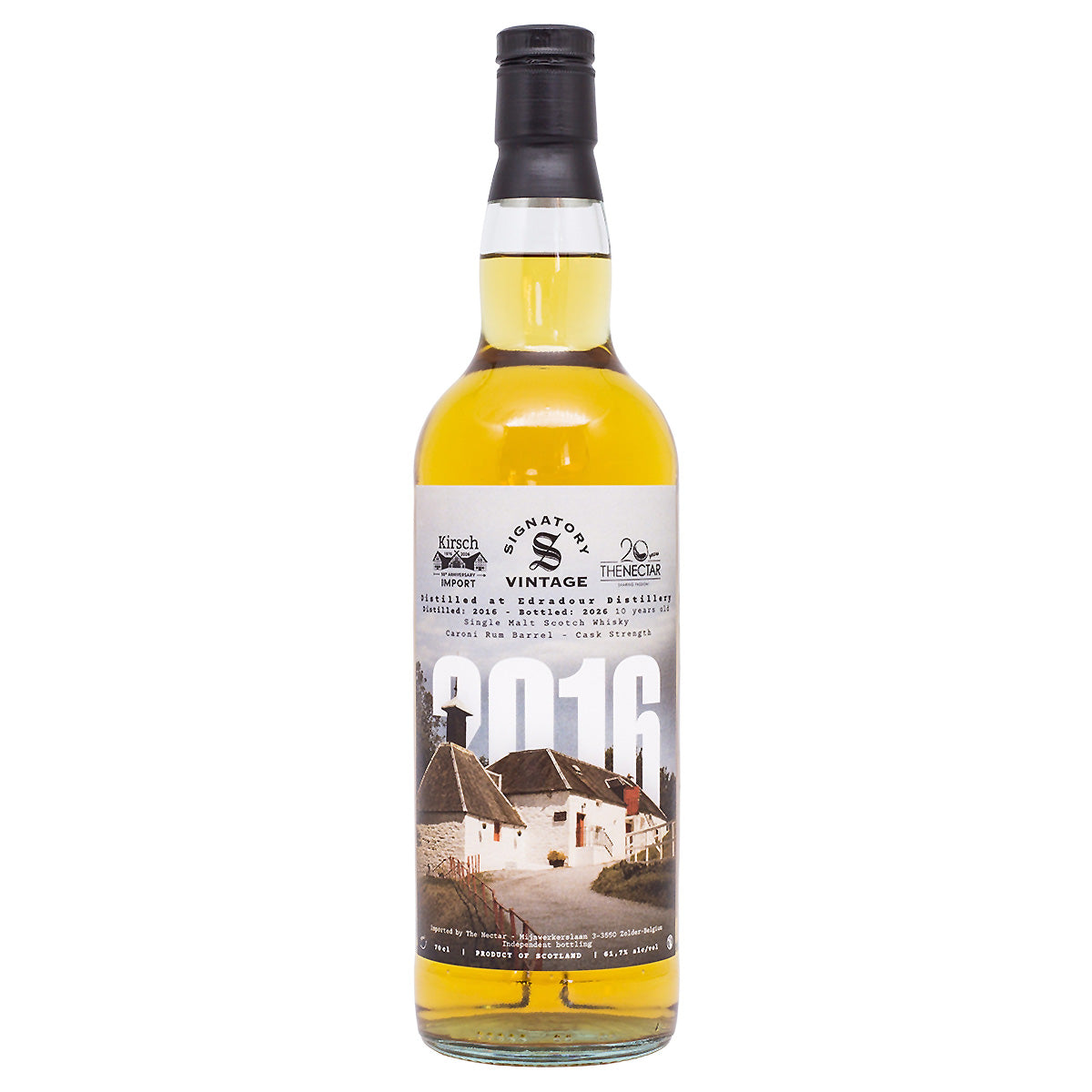
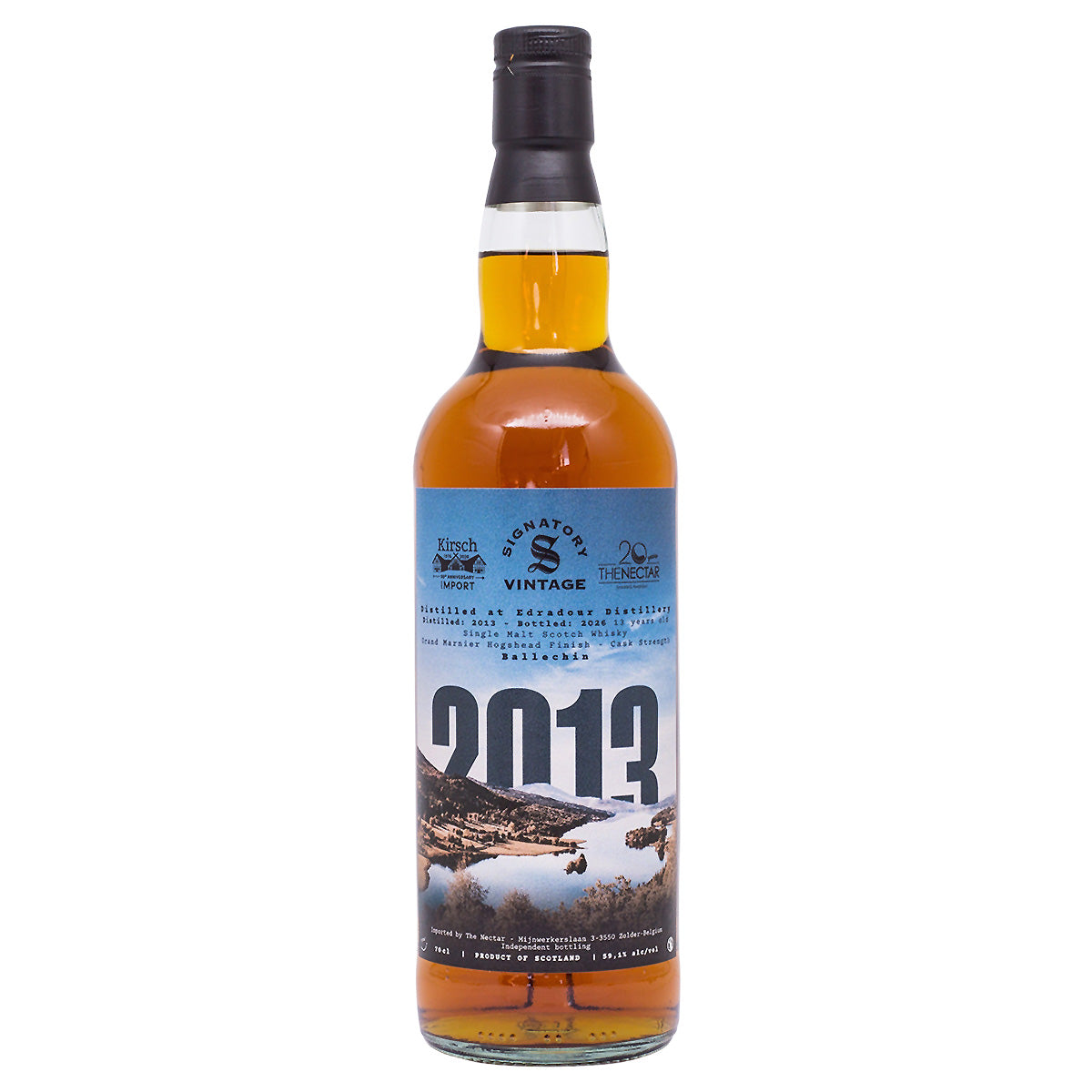
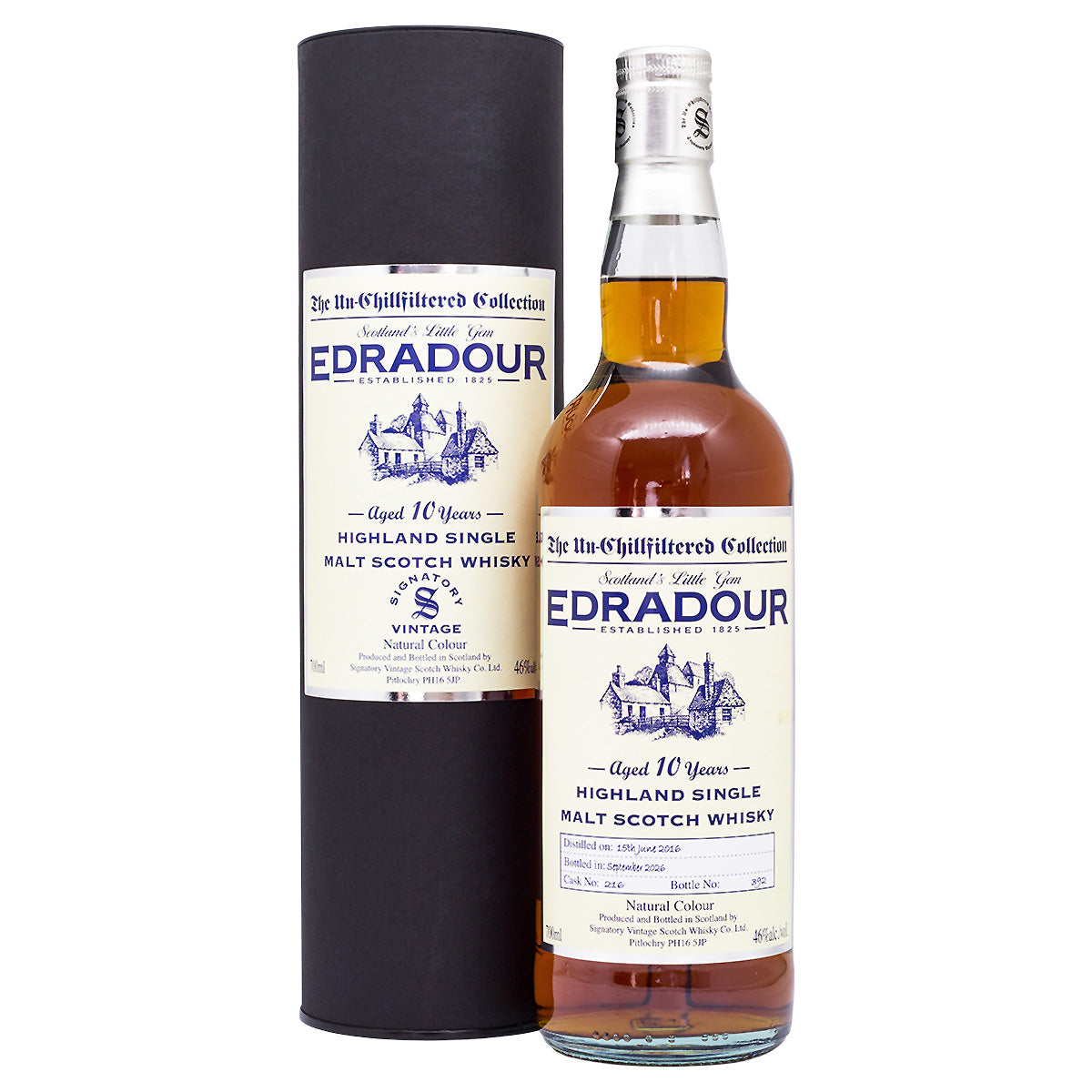
Edradour and Ballechin demonstrate the range within a single distillery. Edradour predominantly produces unpeated single malts. Ballechin is the heavily peated brand of the same Edradour Distillery and not a second active distillery.
Which details are helpful when choosing
The geographical indication Highland tells you where the whisky was distilled. Single Malt, Single Grain or a blended category, on the other hand, explains the raw materials and distillery affiliation.
After that, it is worth looking at the distillery or brand. Manufacturer information about peating, distillery character and cask selection can help with the initial selection, provided it refers to the specific whisky. A designation such as Sherry Cask describes a cask type, while peated or unpeated more precisely defines the smoky character. The Highland origin alone does not replace this information.
Frequently asked questions about Highland whisky
What is Highland whisky?
Highland whisky is Scotch whisky distilled in the protected Highland region. Highland refers to the region of origin and can be combined with various legally defined types of whisky.
What does Highland whisky taste like?
There is no uniform Highland flavour. Bottlings range from unpeated, fruity or waxy profiles to heavily peated whiskies with a pronounced cask character.
Is Speyside part of the Highlands?
Speyside is located within the broader Highland region but has its own protected regional designation. Distilleries in Speyside can label their Scotch as Speyside or Highland.
Are Islands whiskies part of the Highland region?
Many island distilleries outside Islay are located in the Highland region. Islands is not, however, a protected Scotch region, but a common commercial designation.
Is Highland whisky always unpeated?
No. In addition to predominantly unpeated Edradour, Edradour Distillery also produces heavily peated Ballechin.