

International Whisky: Variety Beyond Scotch
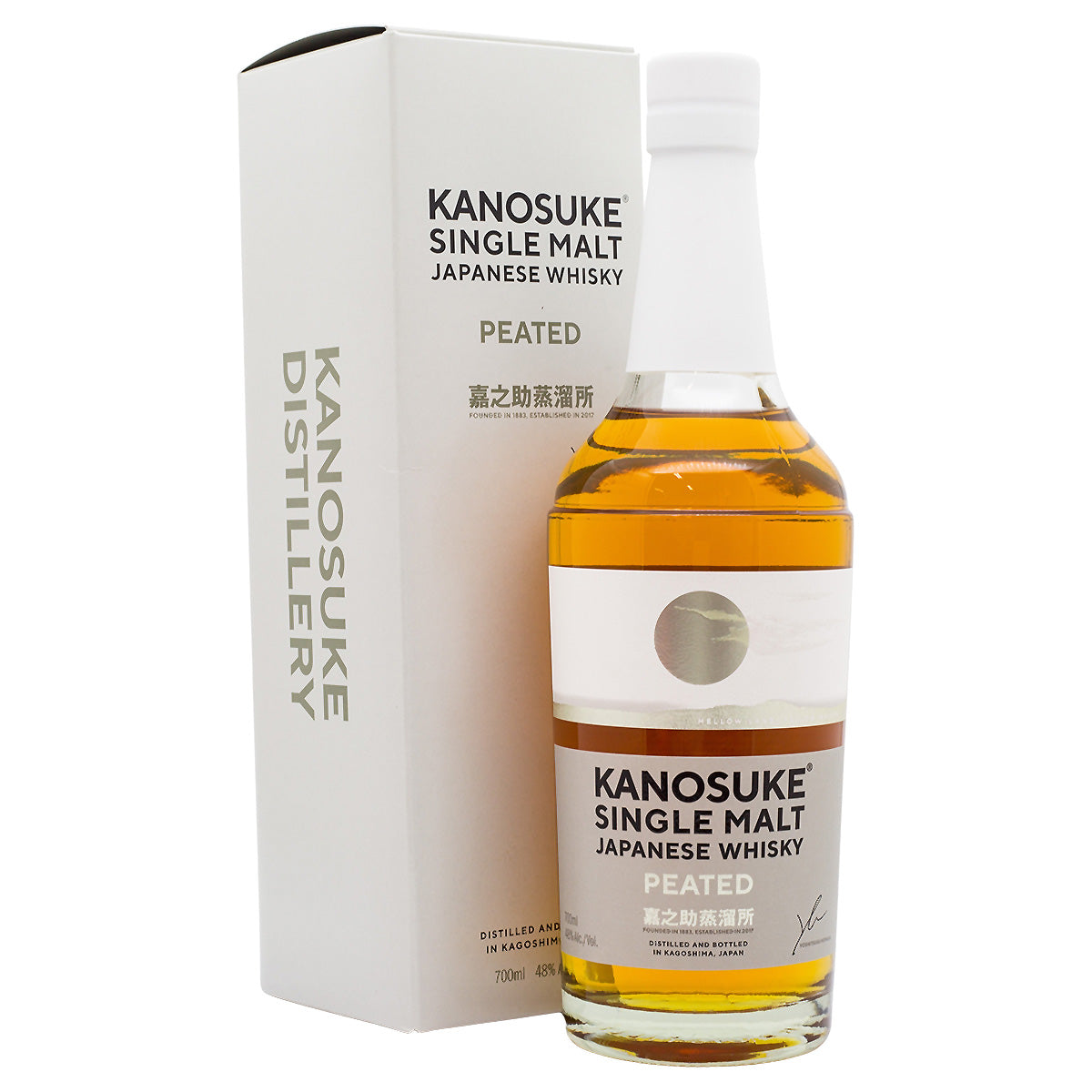
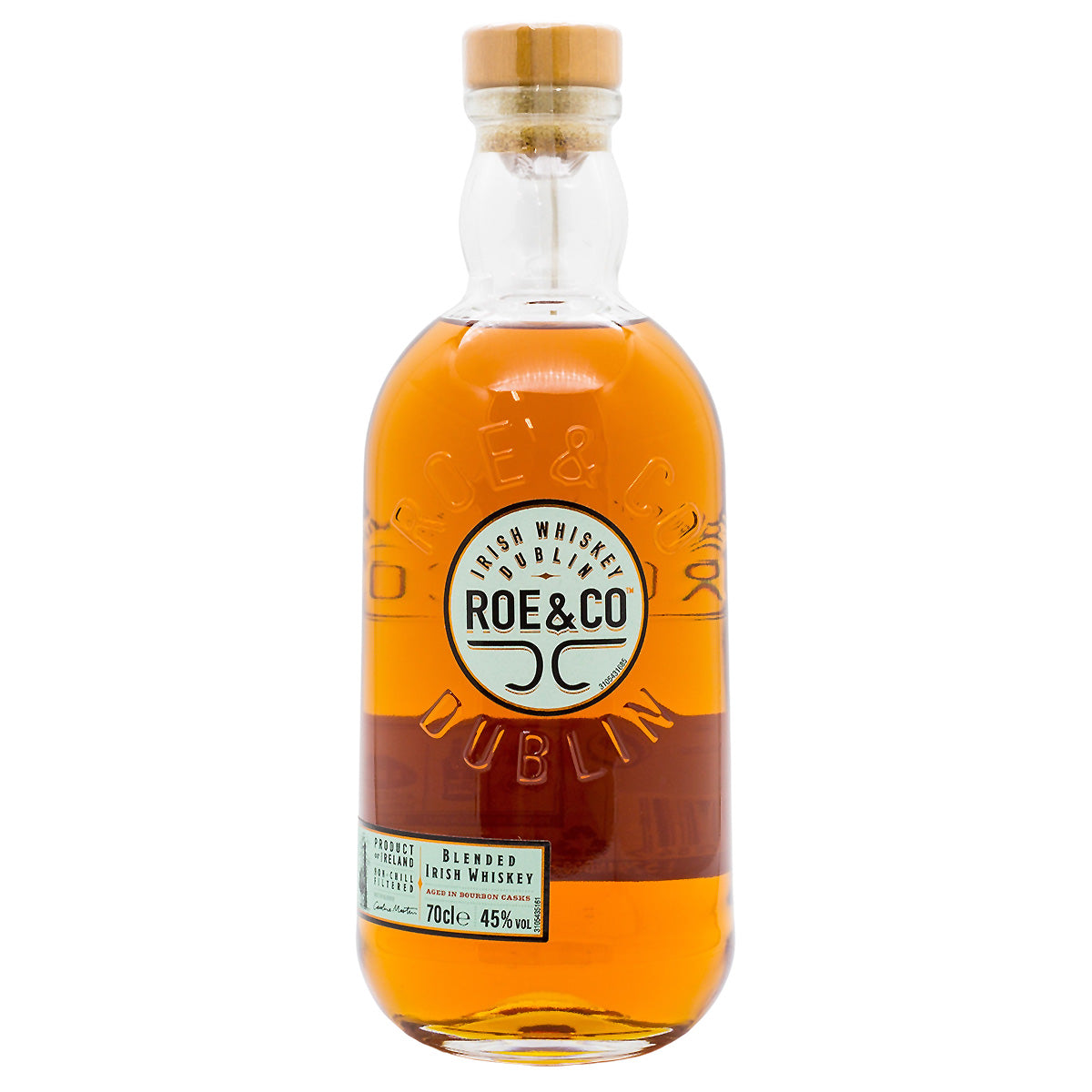
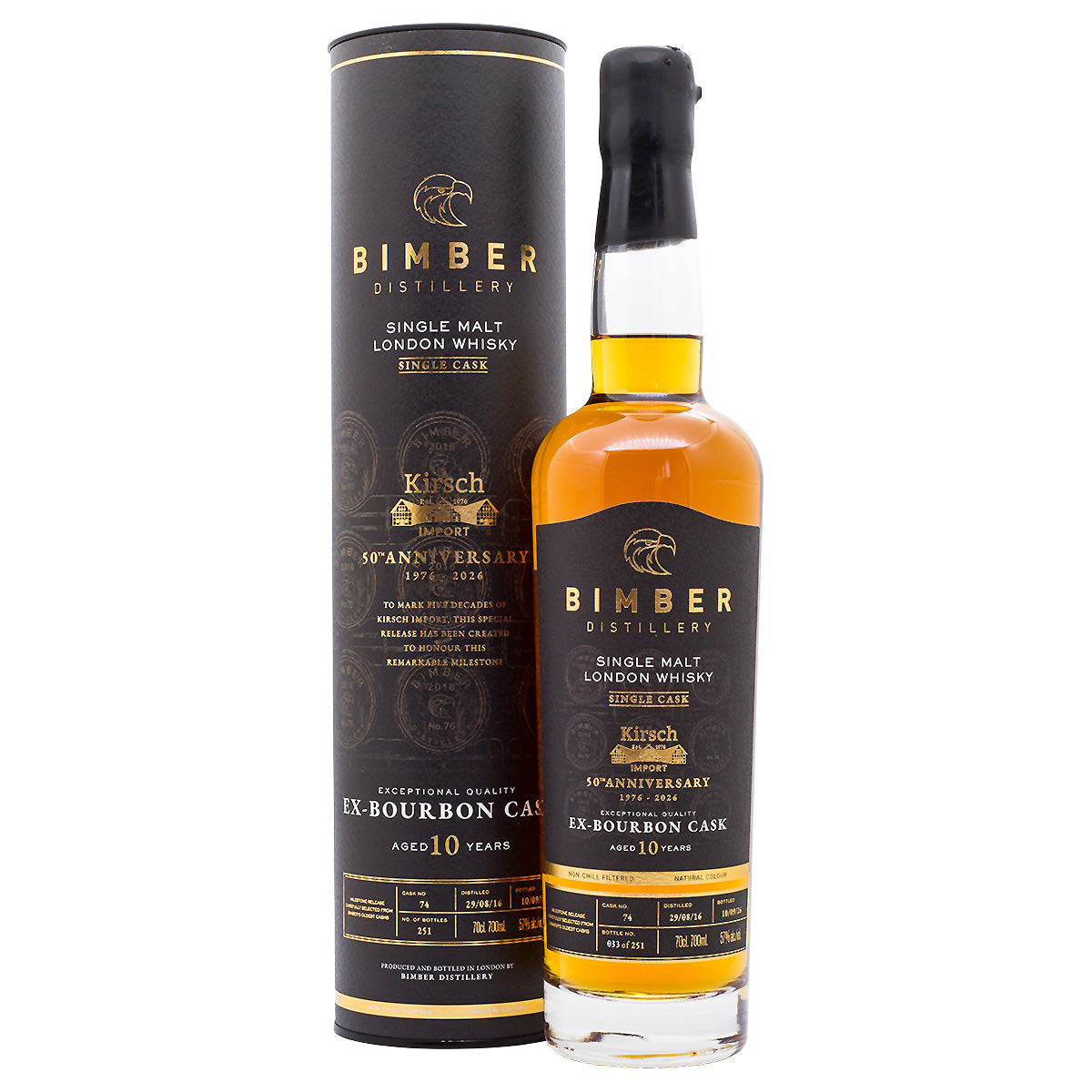
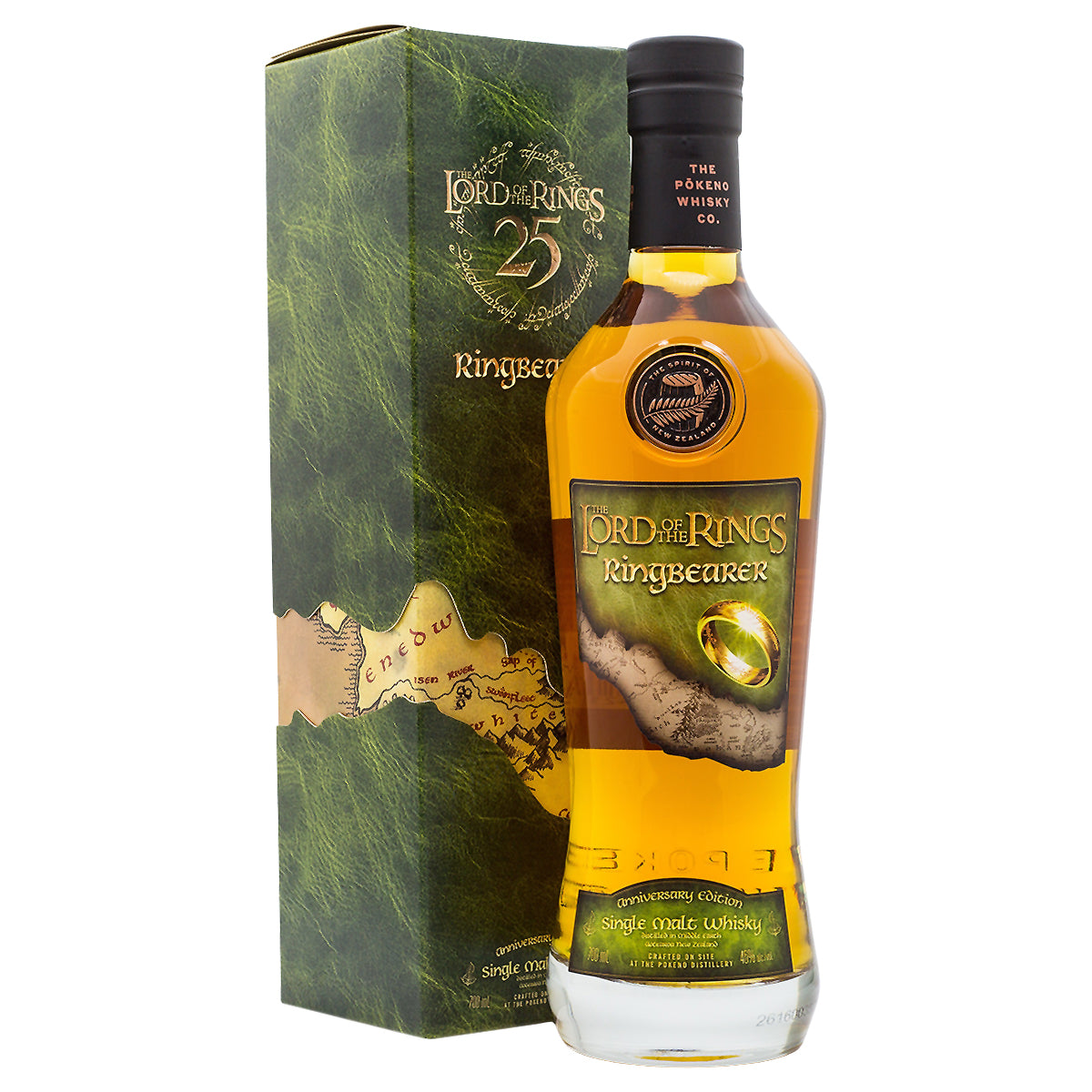
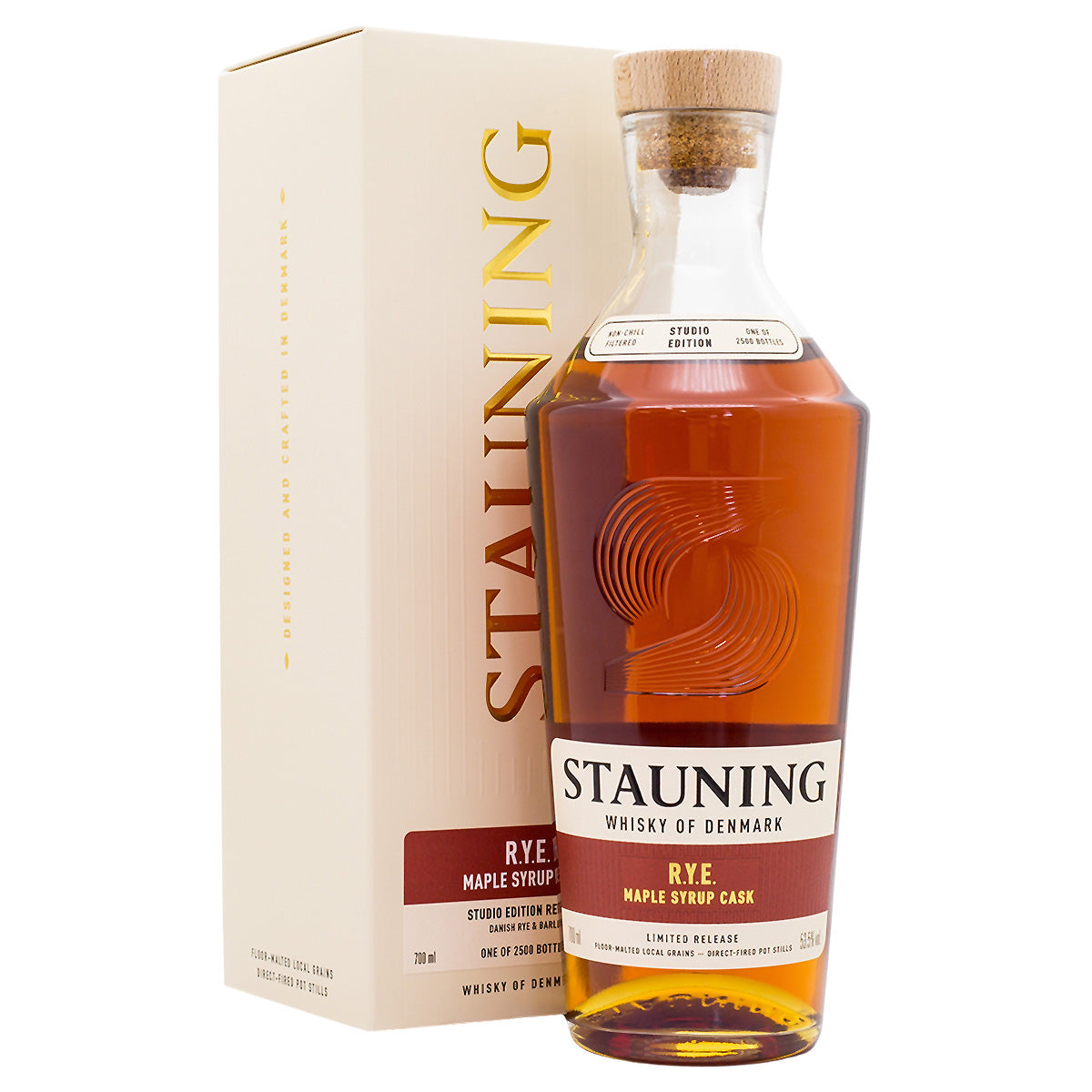
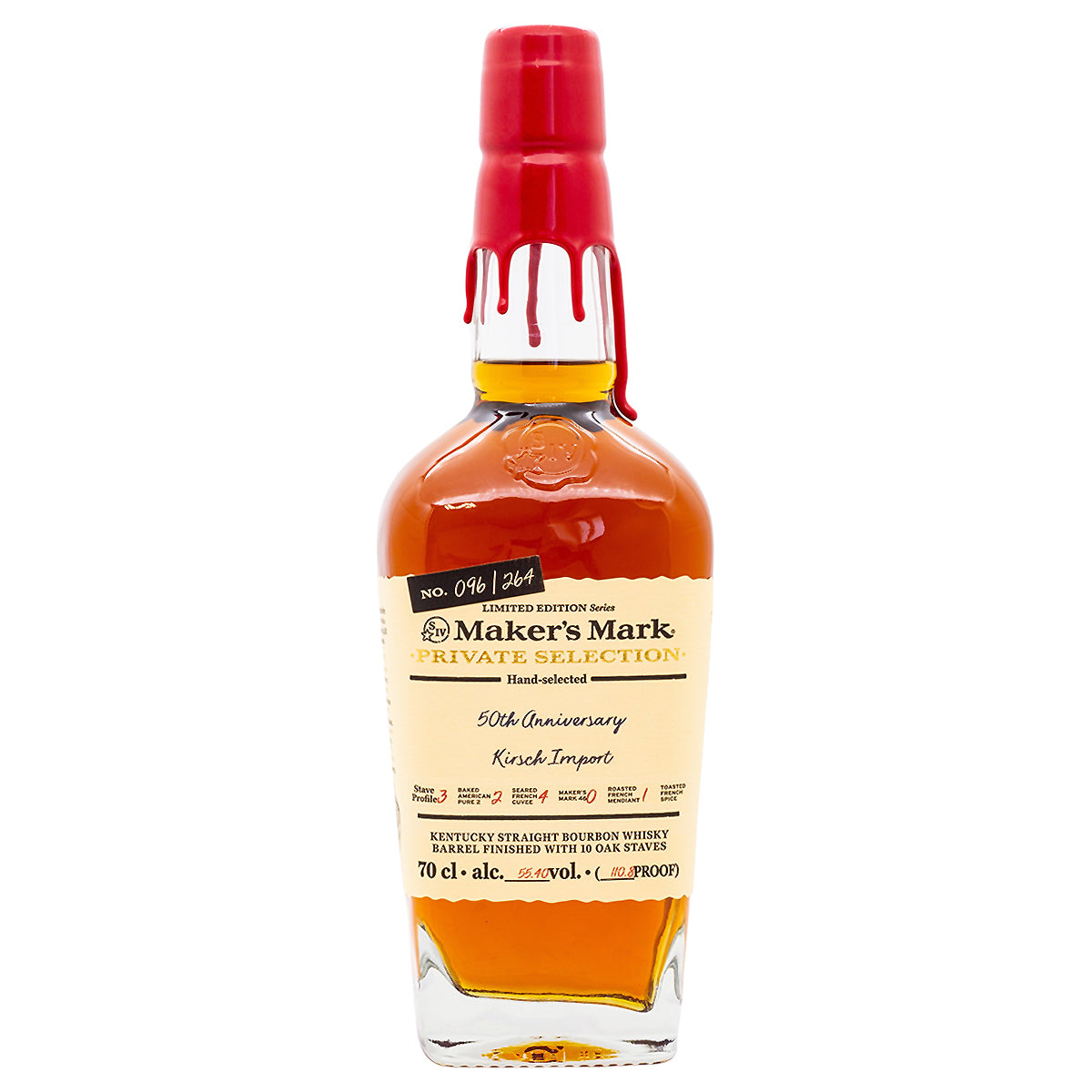
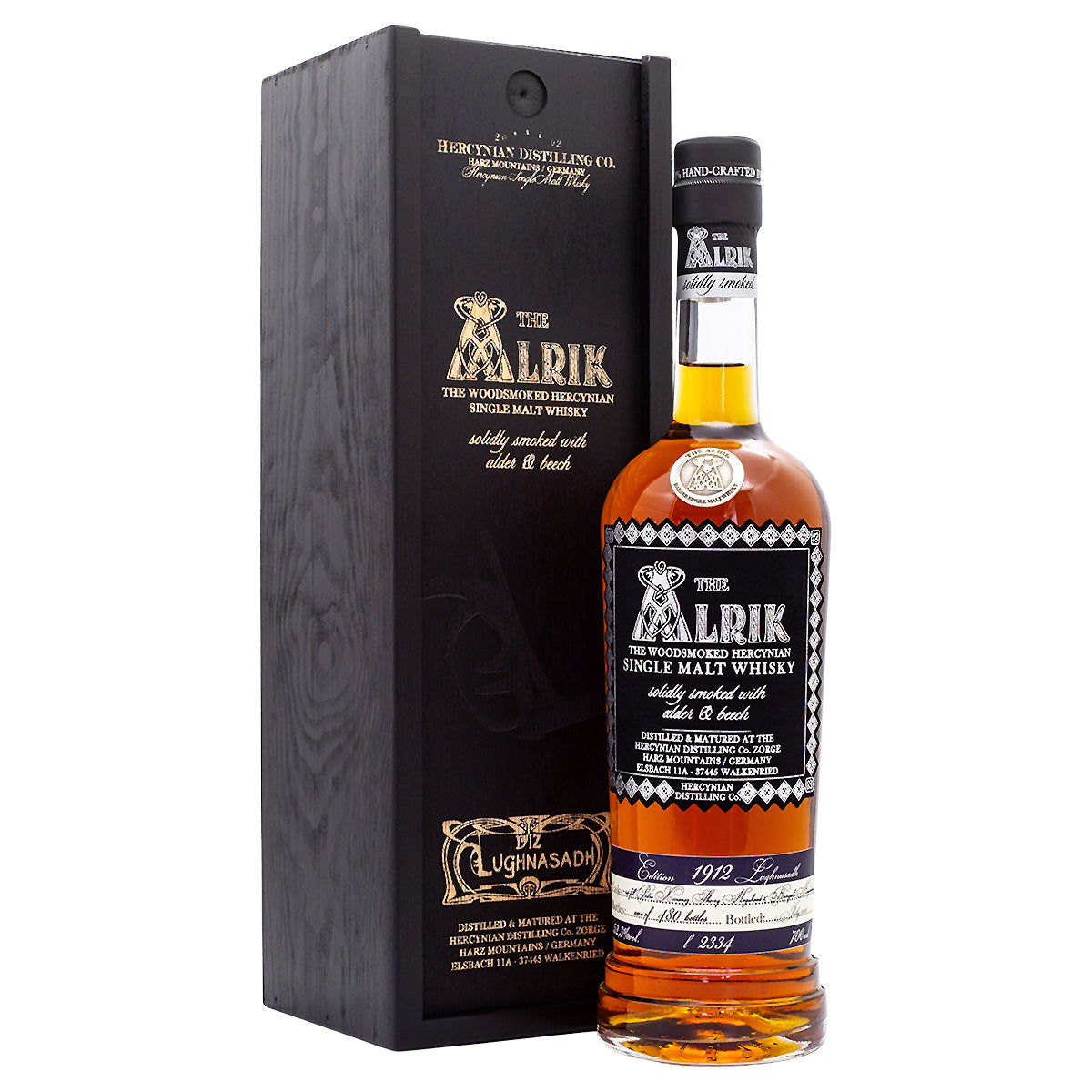
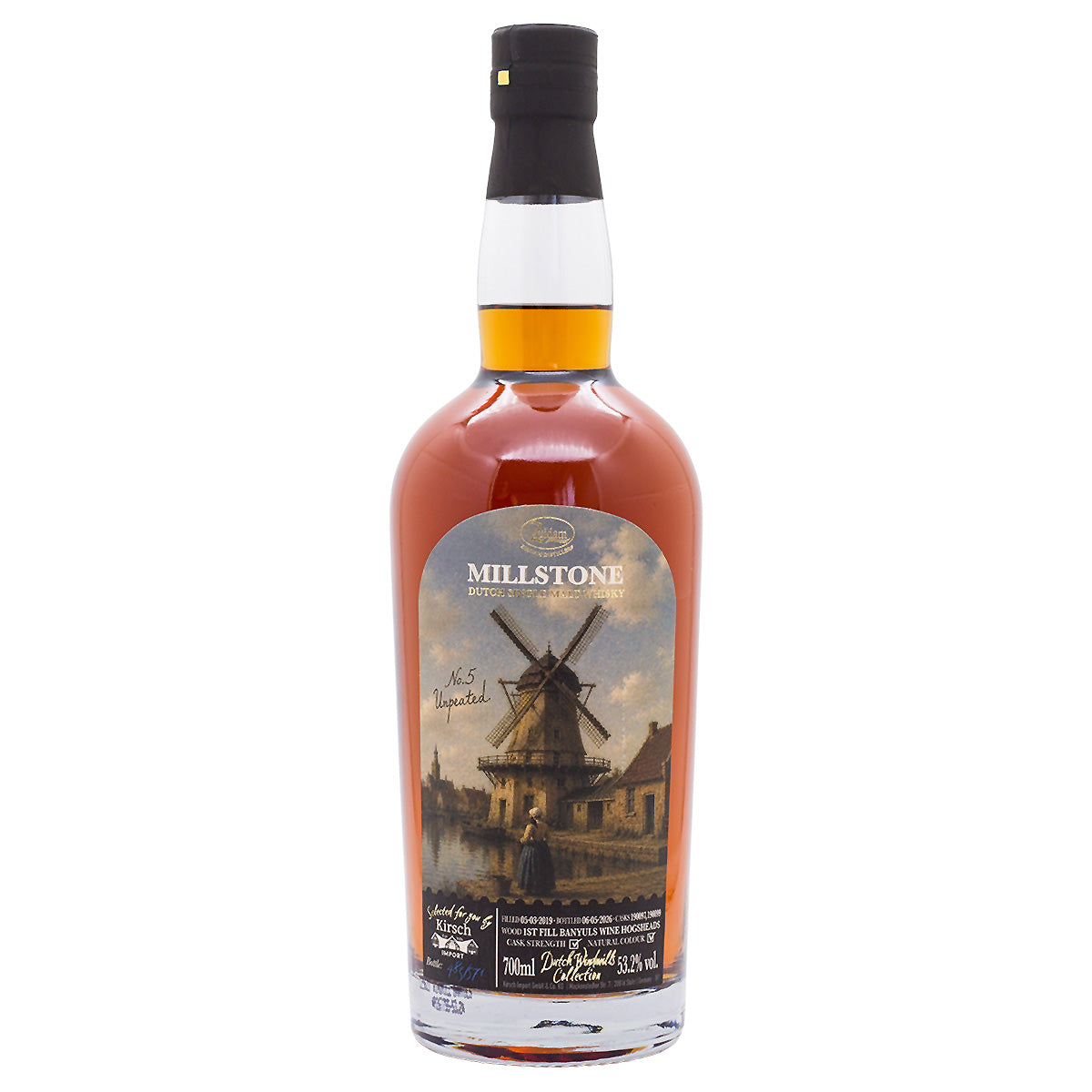
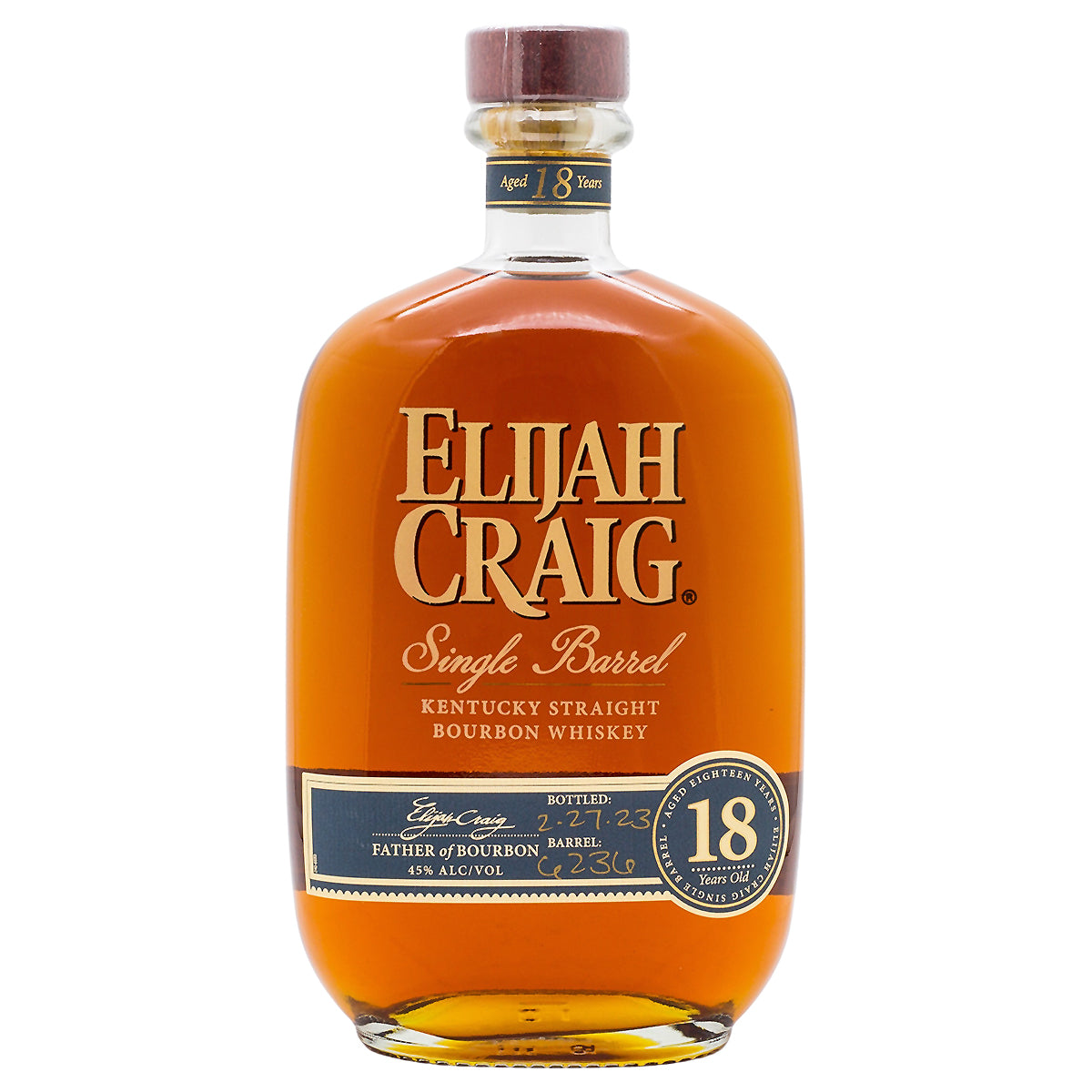
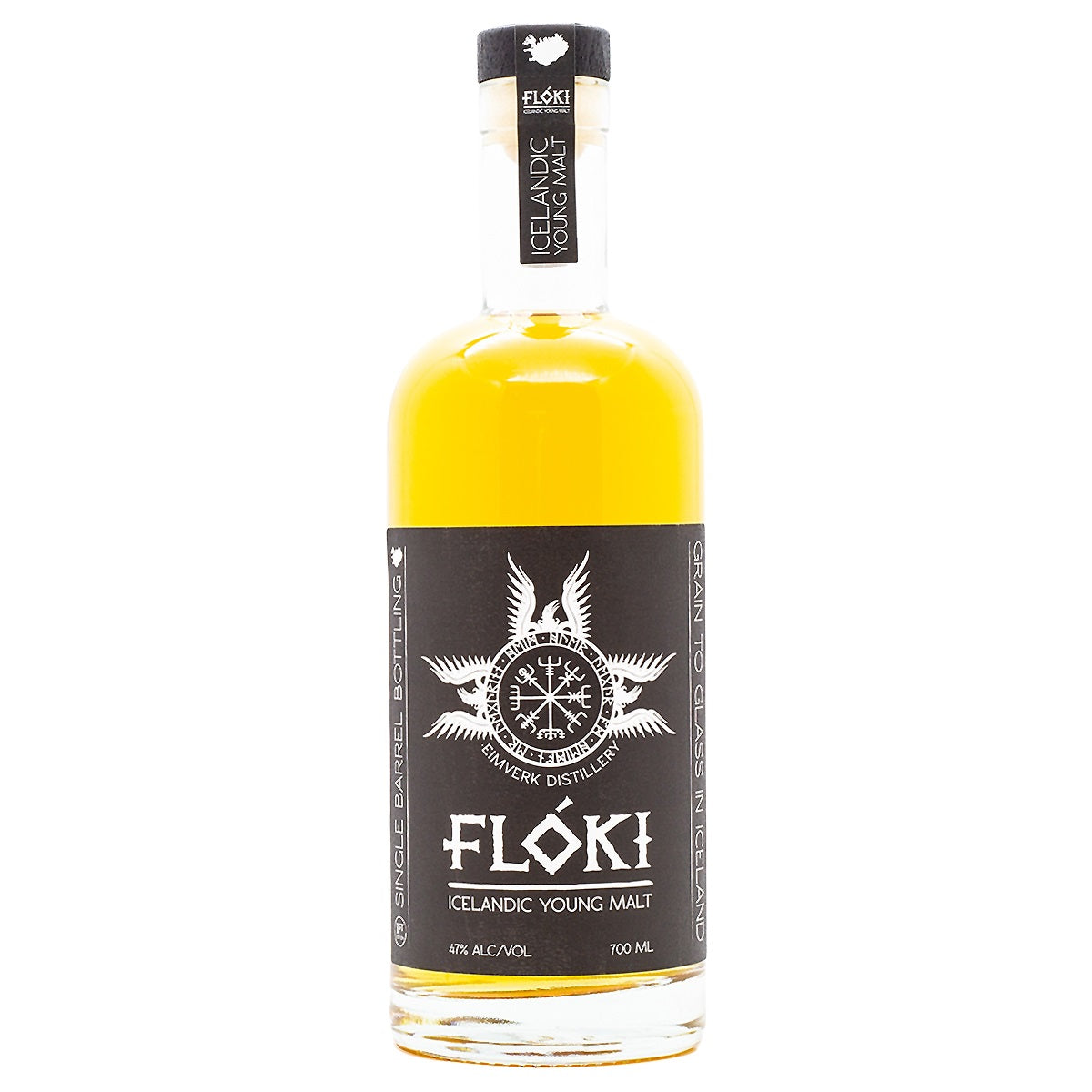
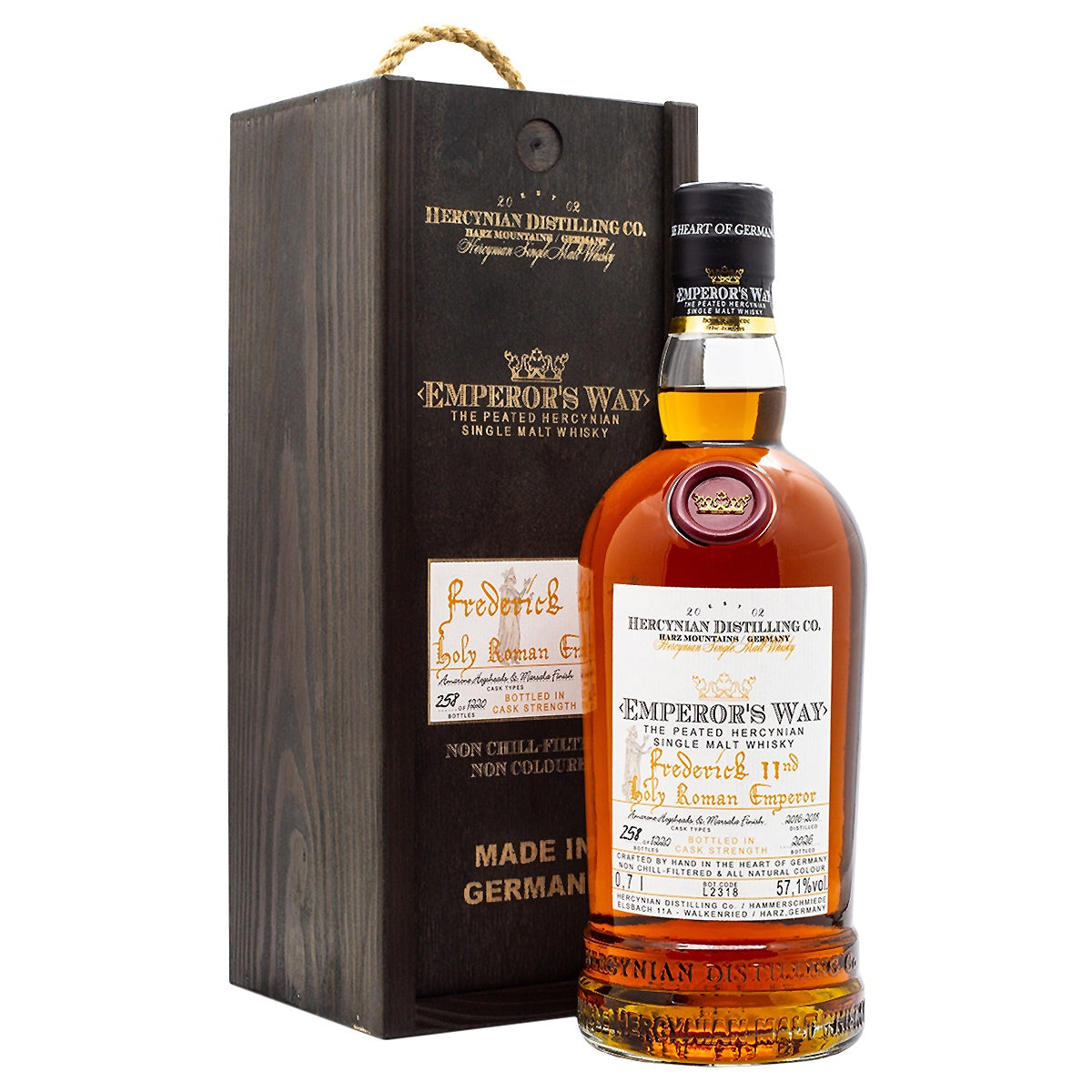
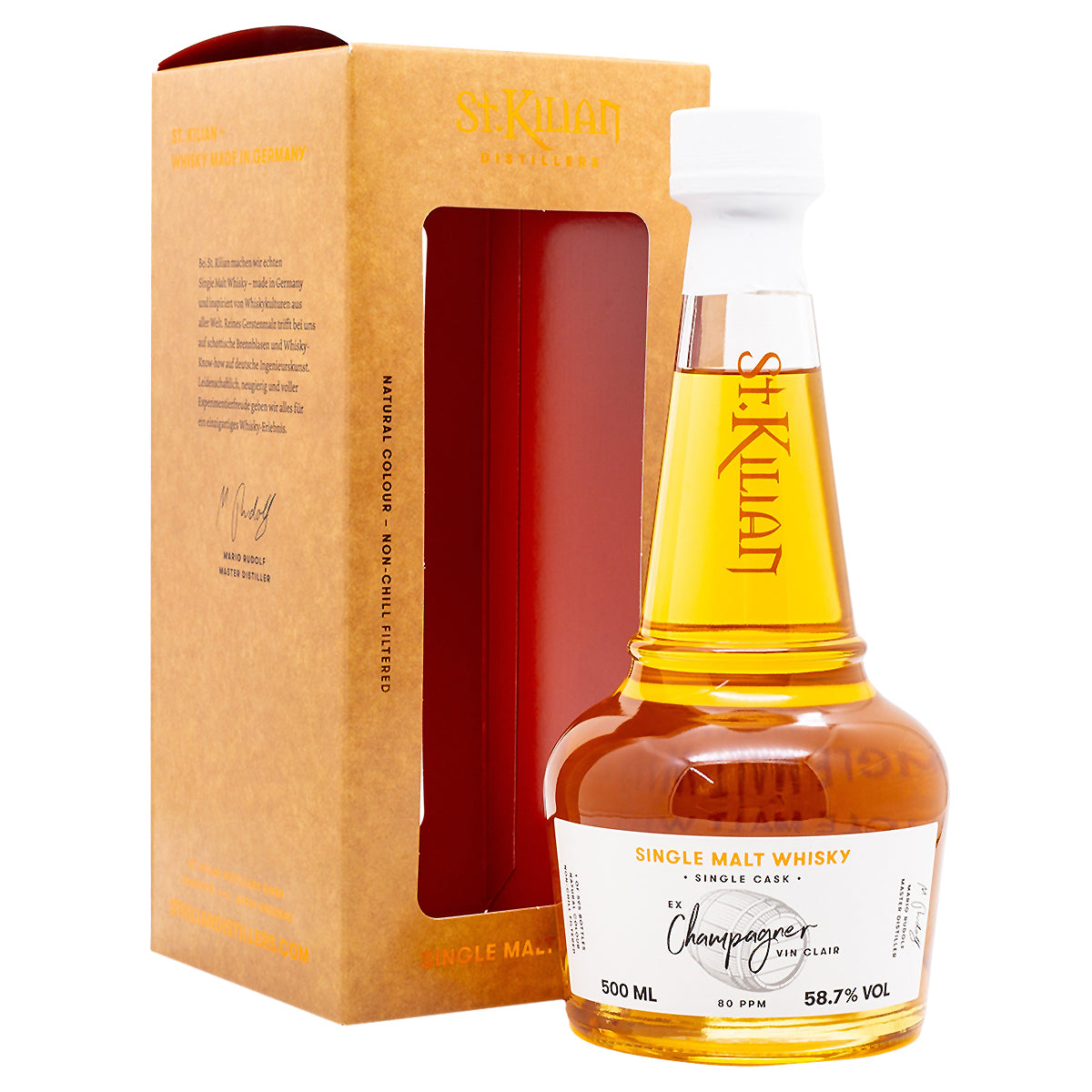
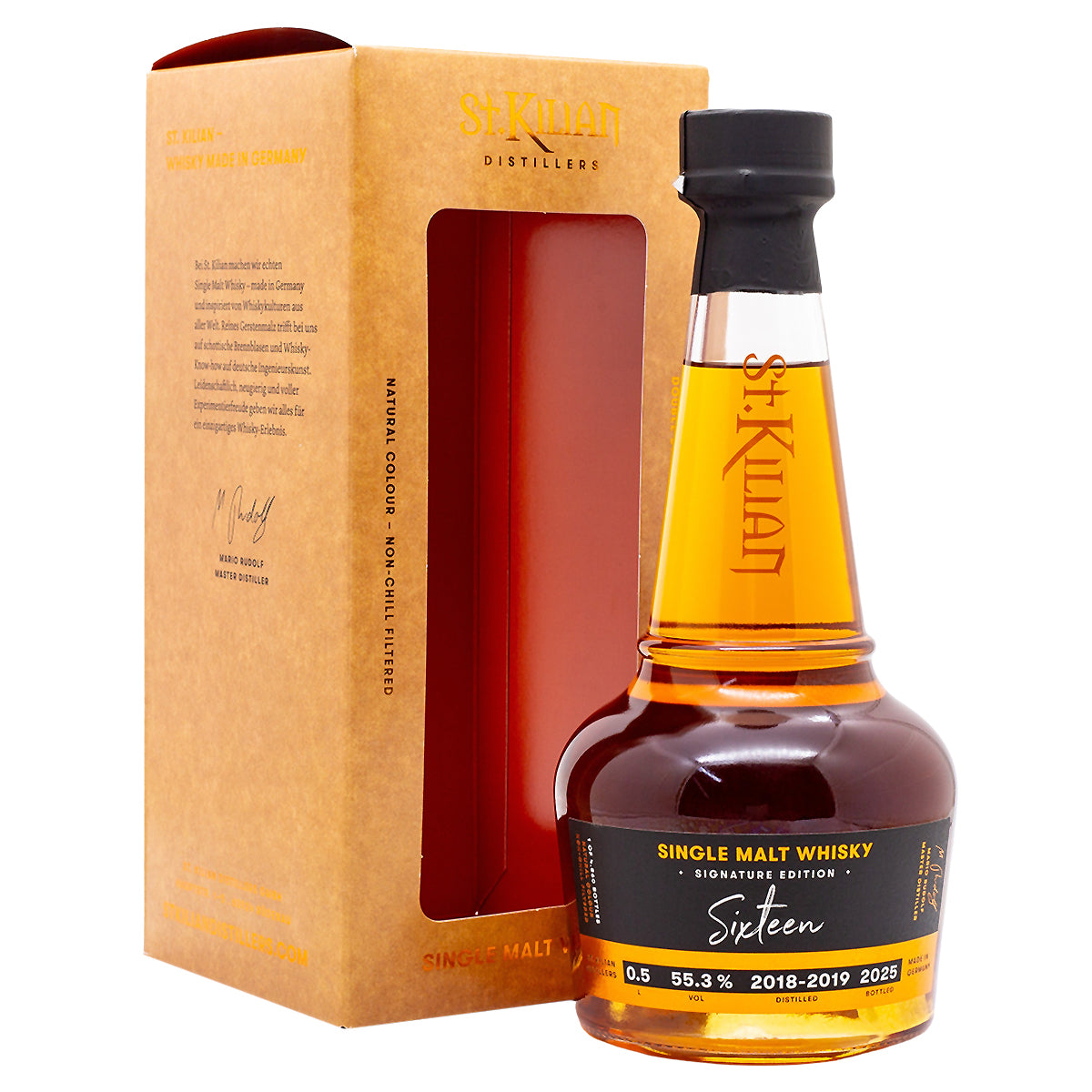
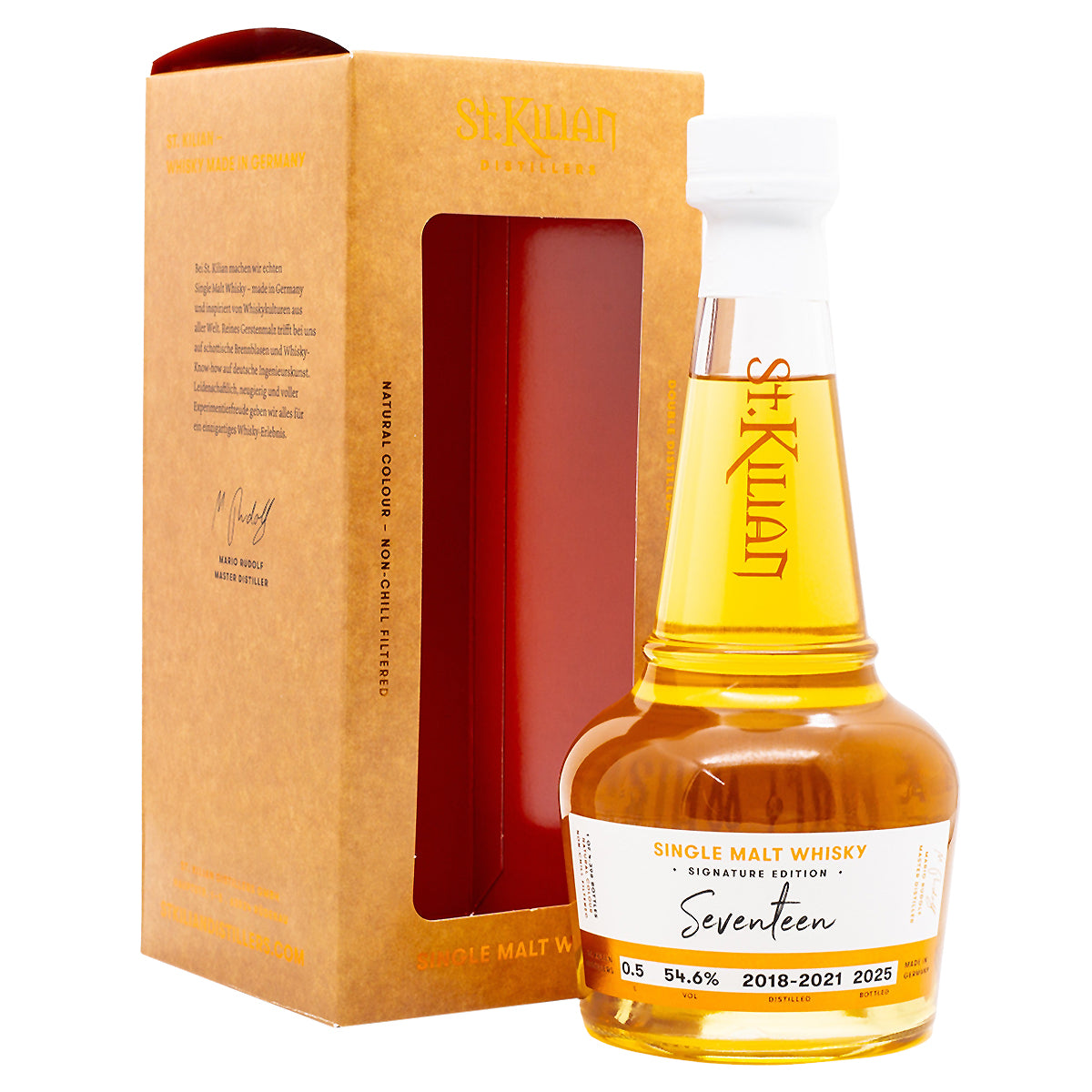
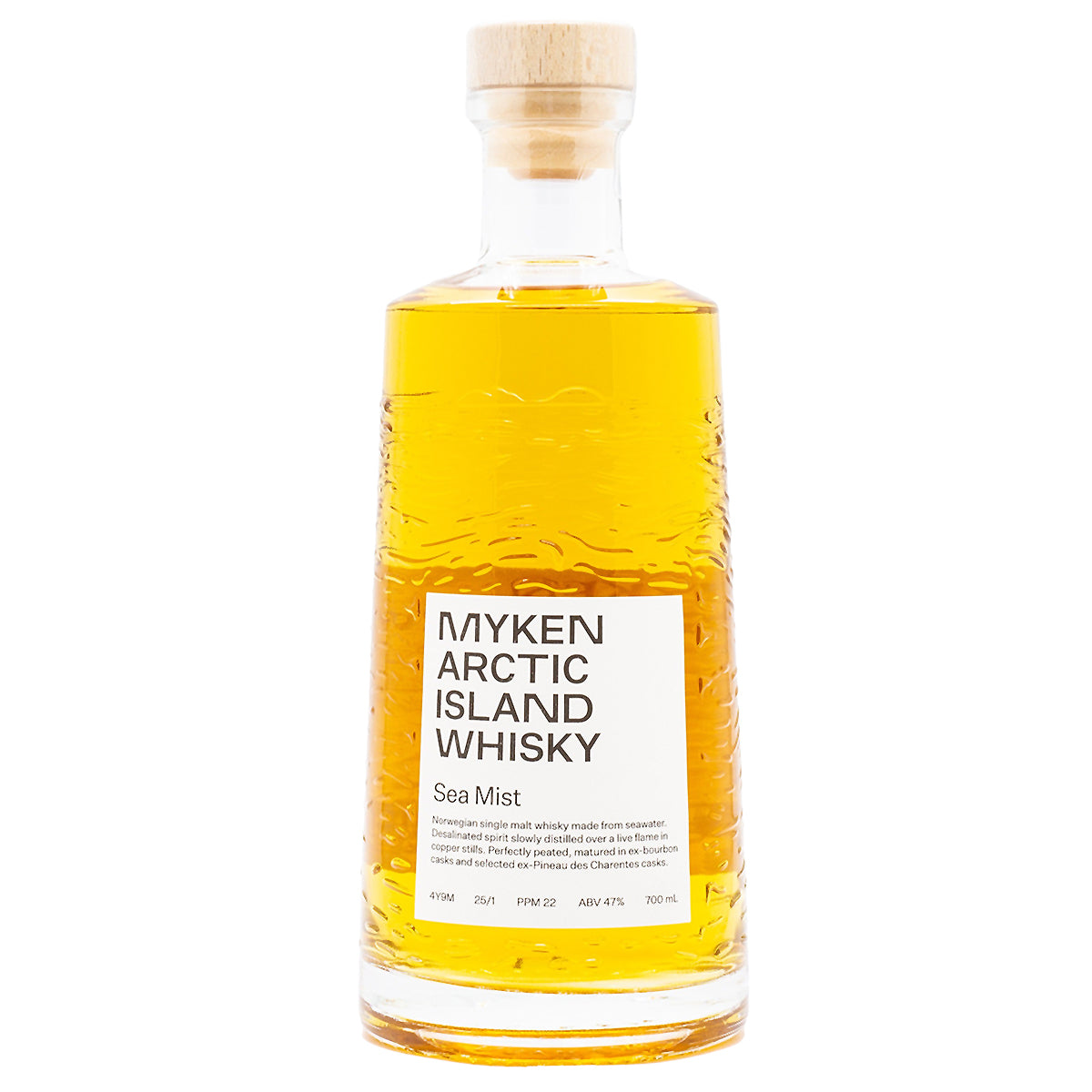
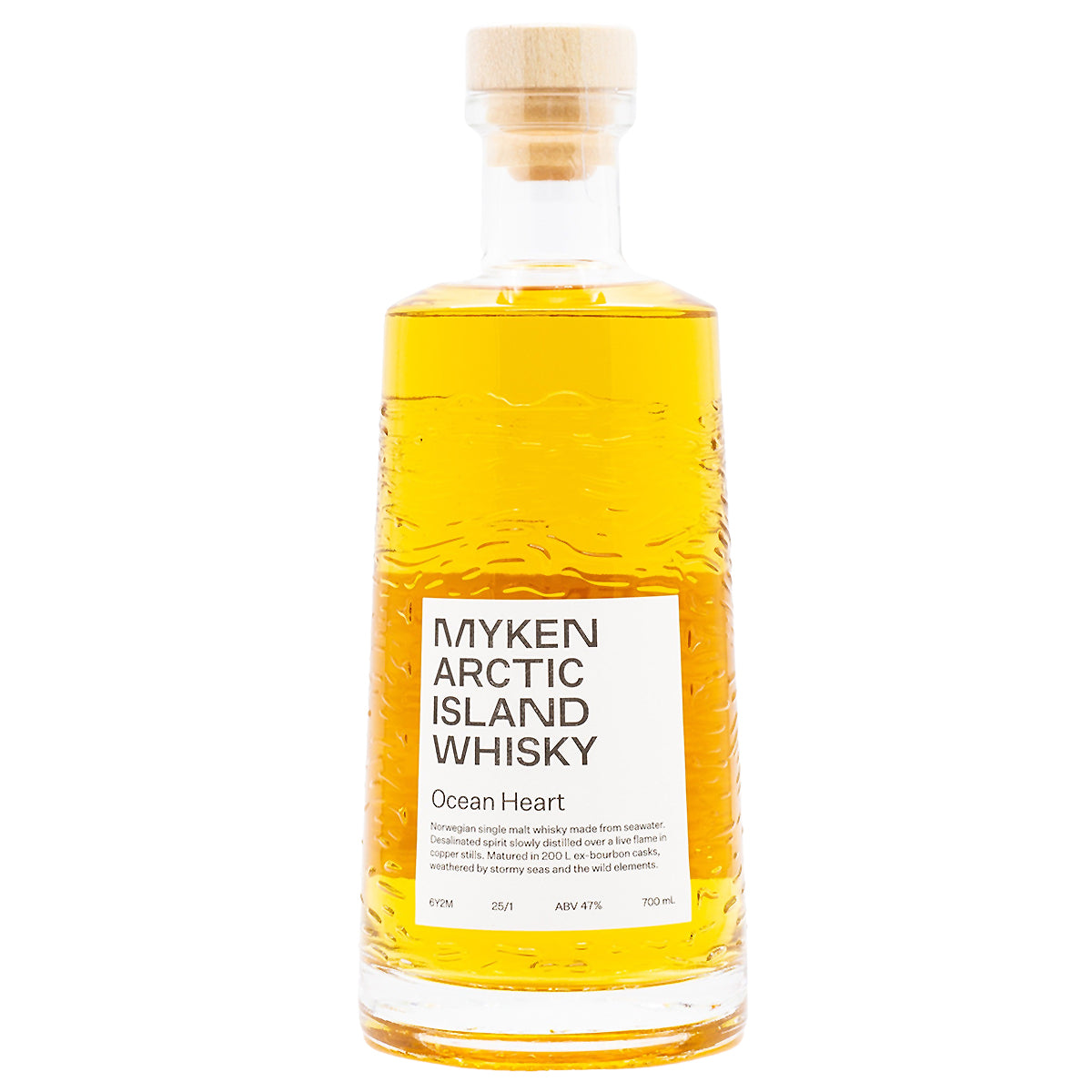
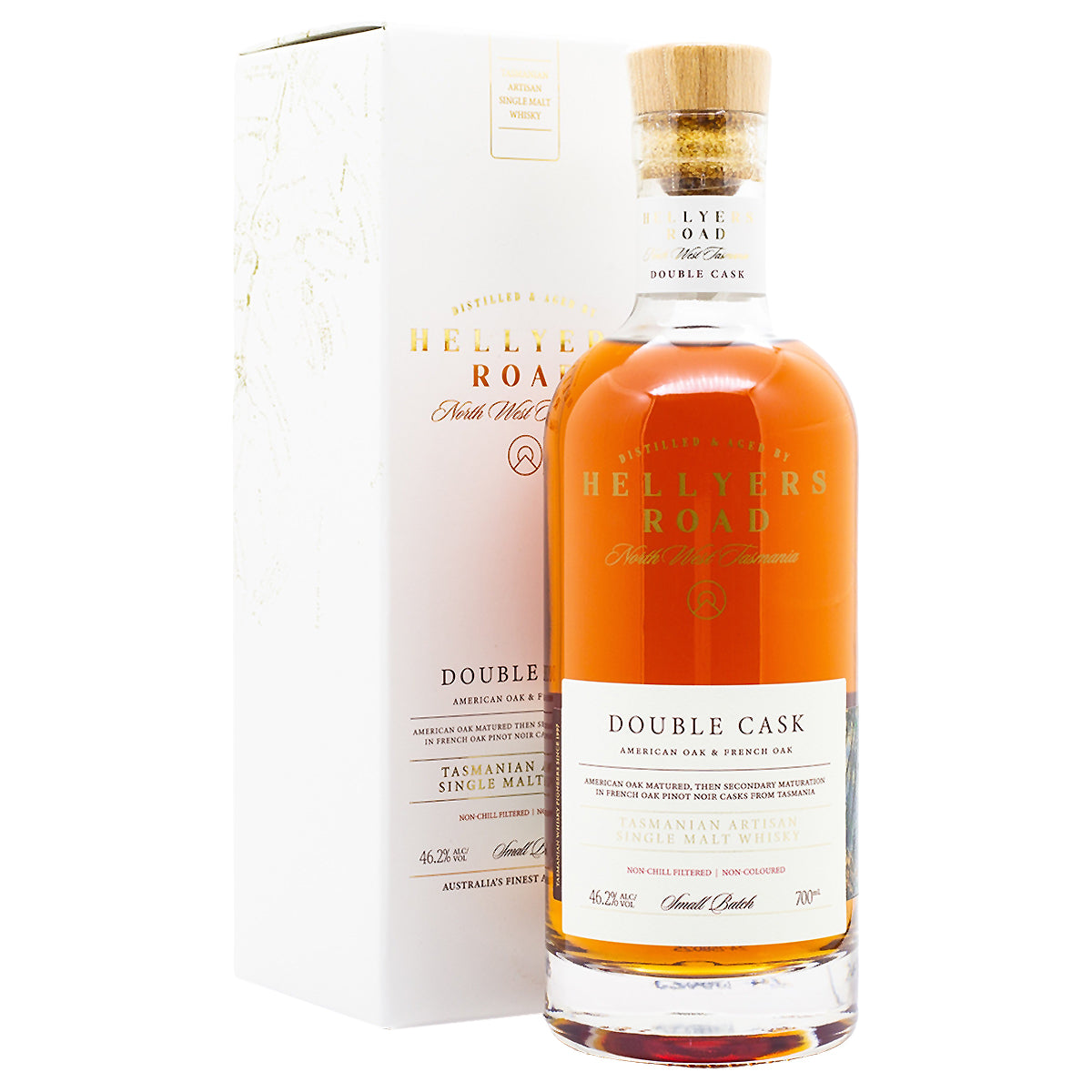
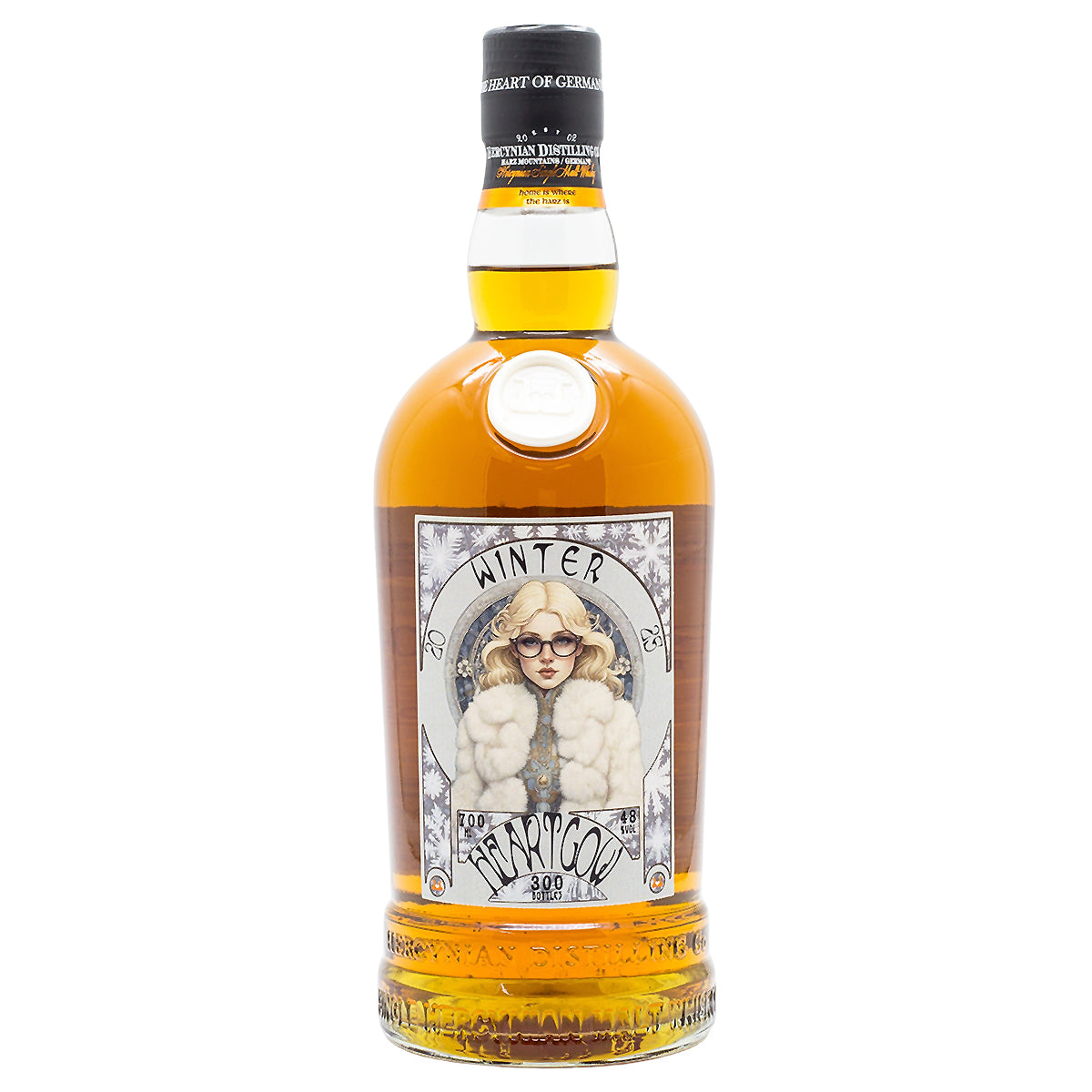
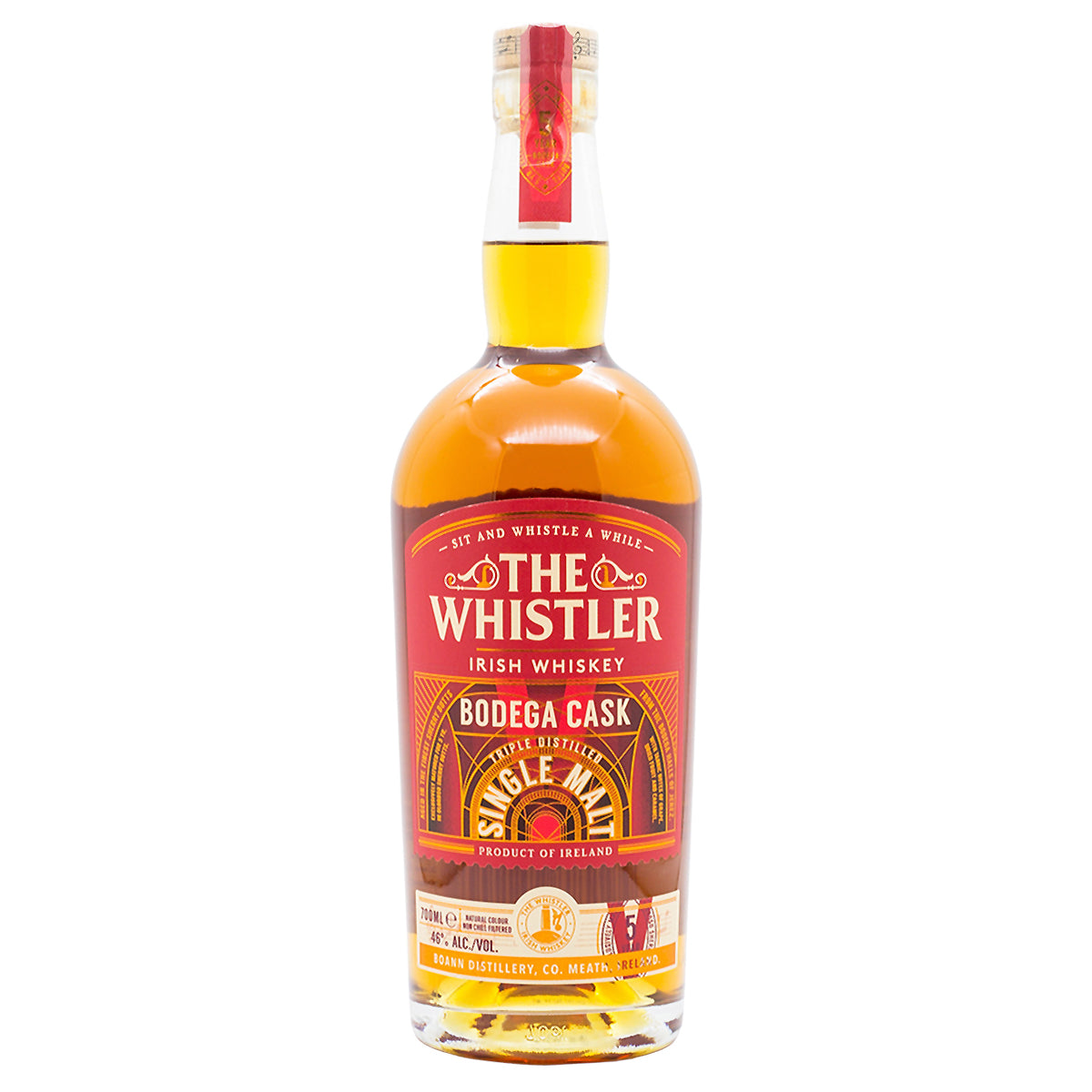
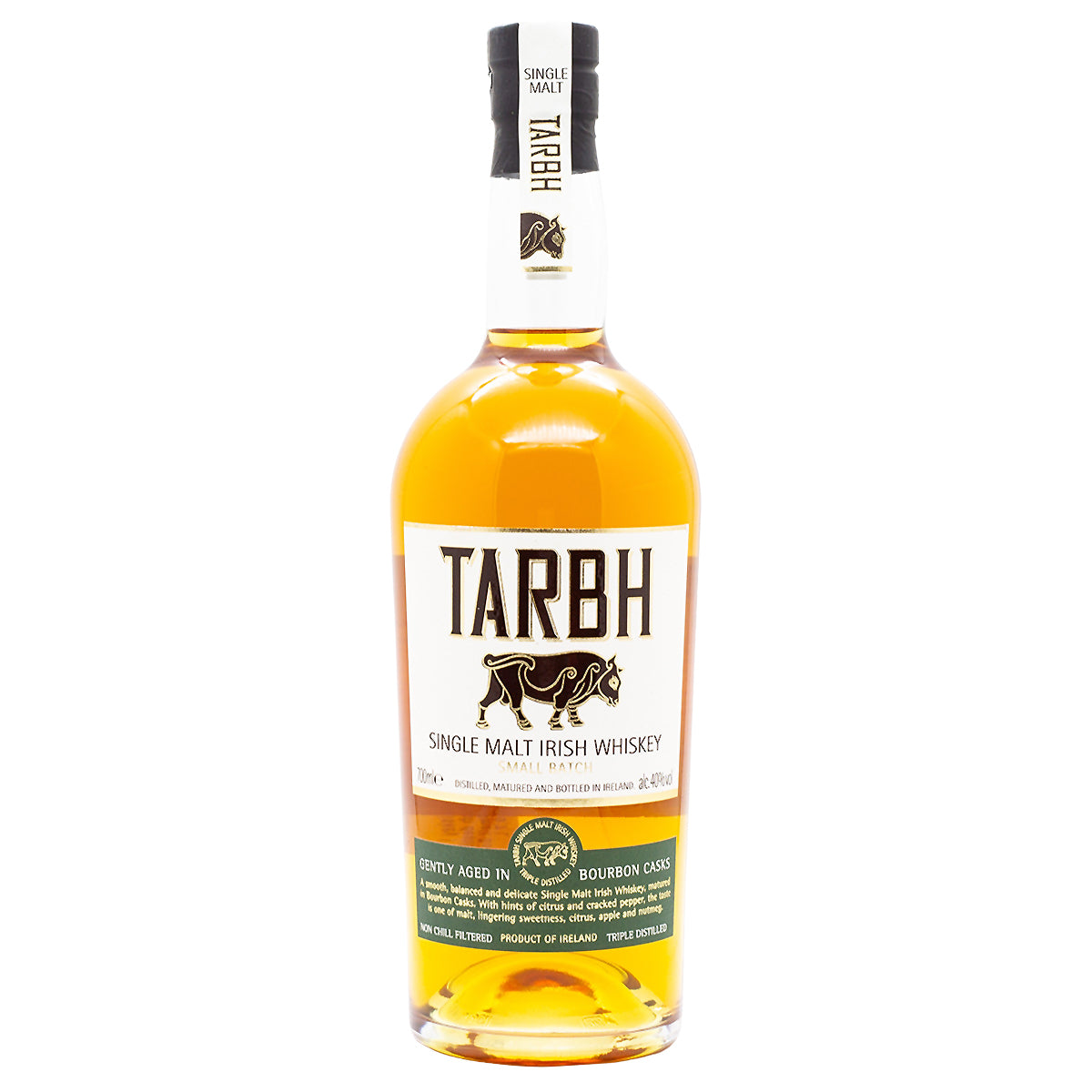
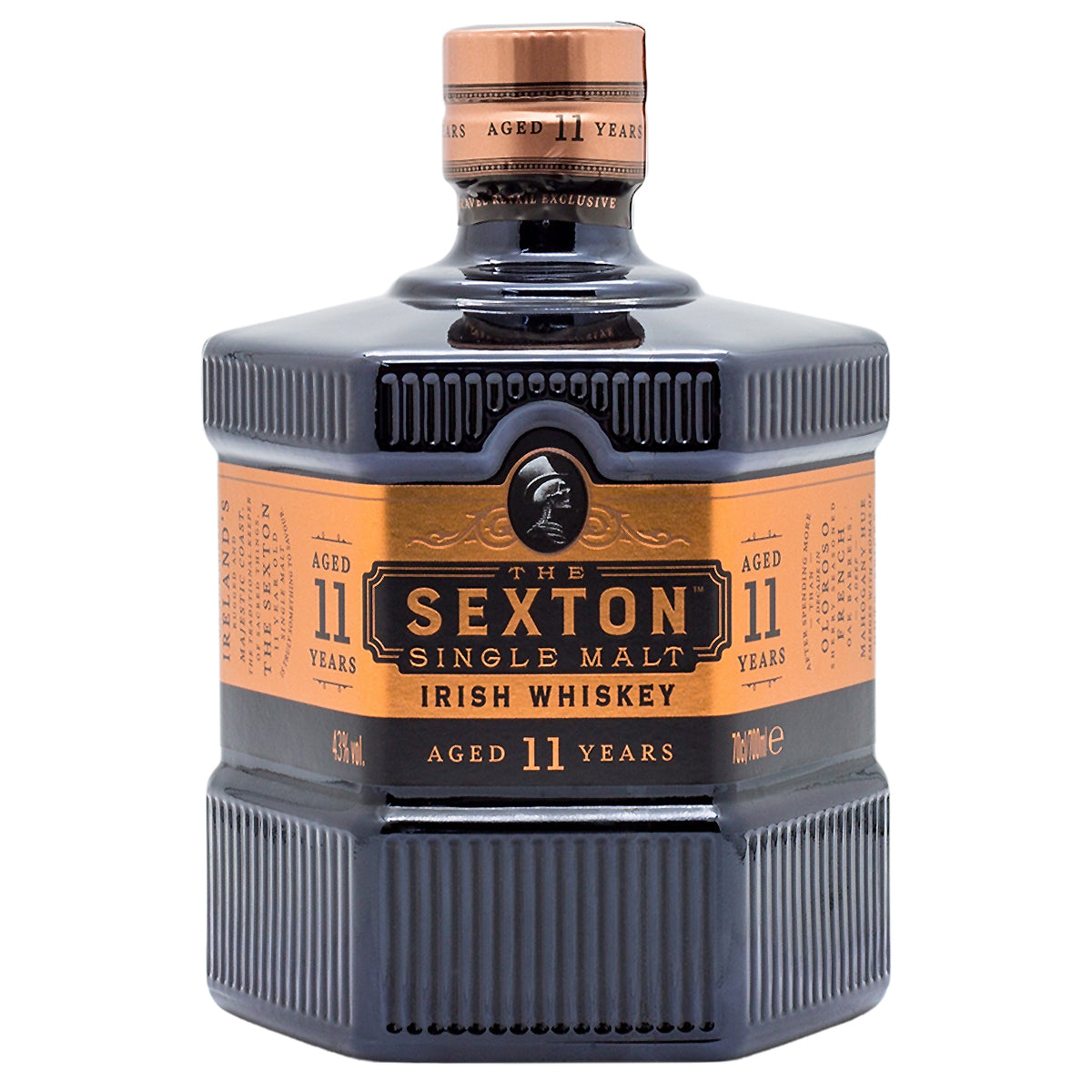
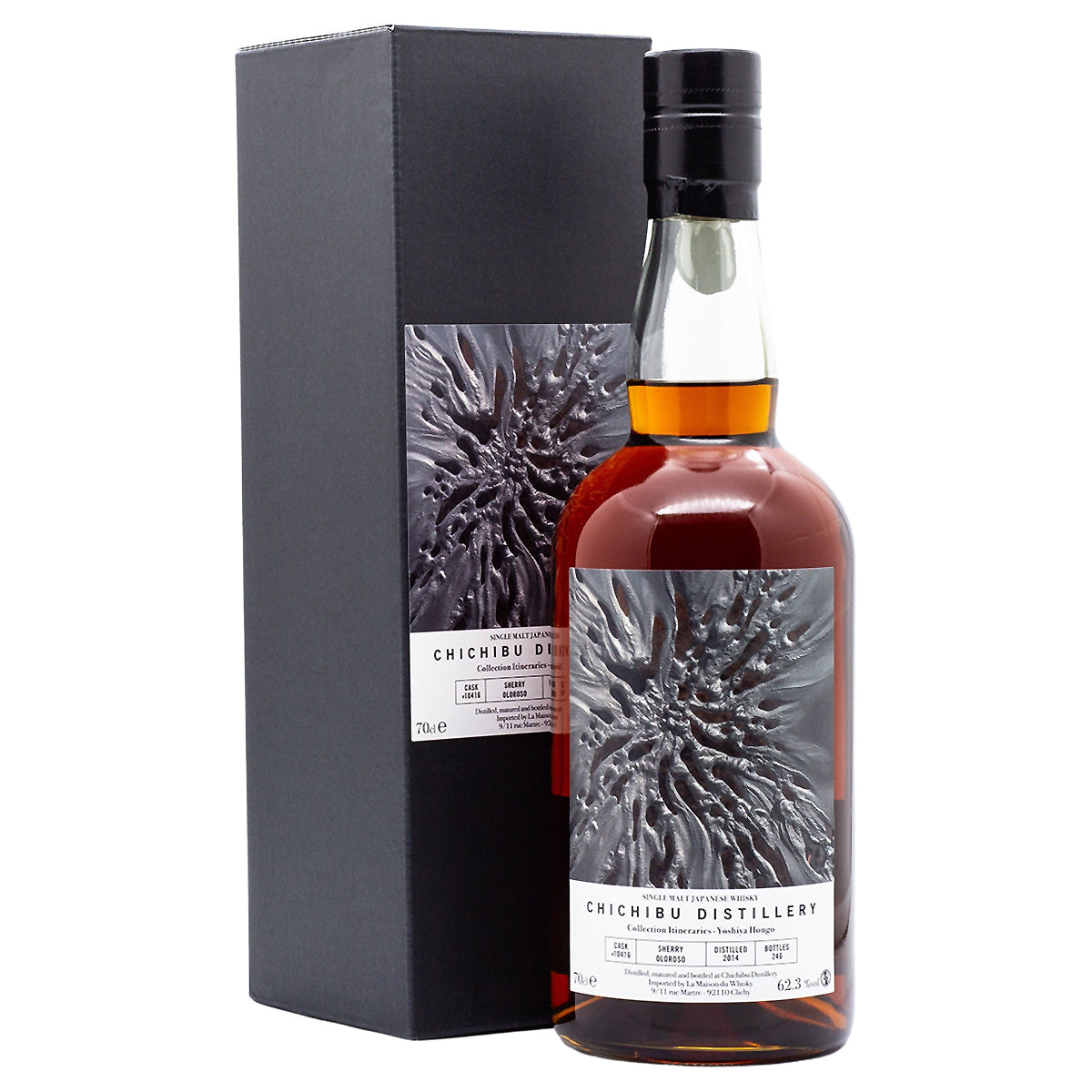
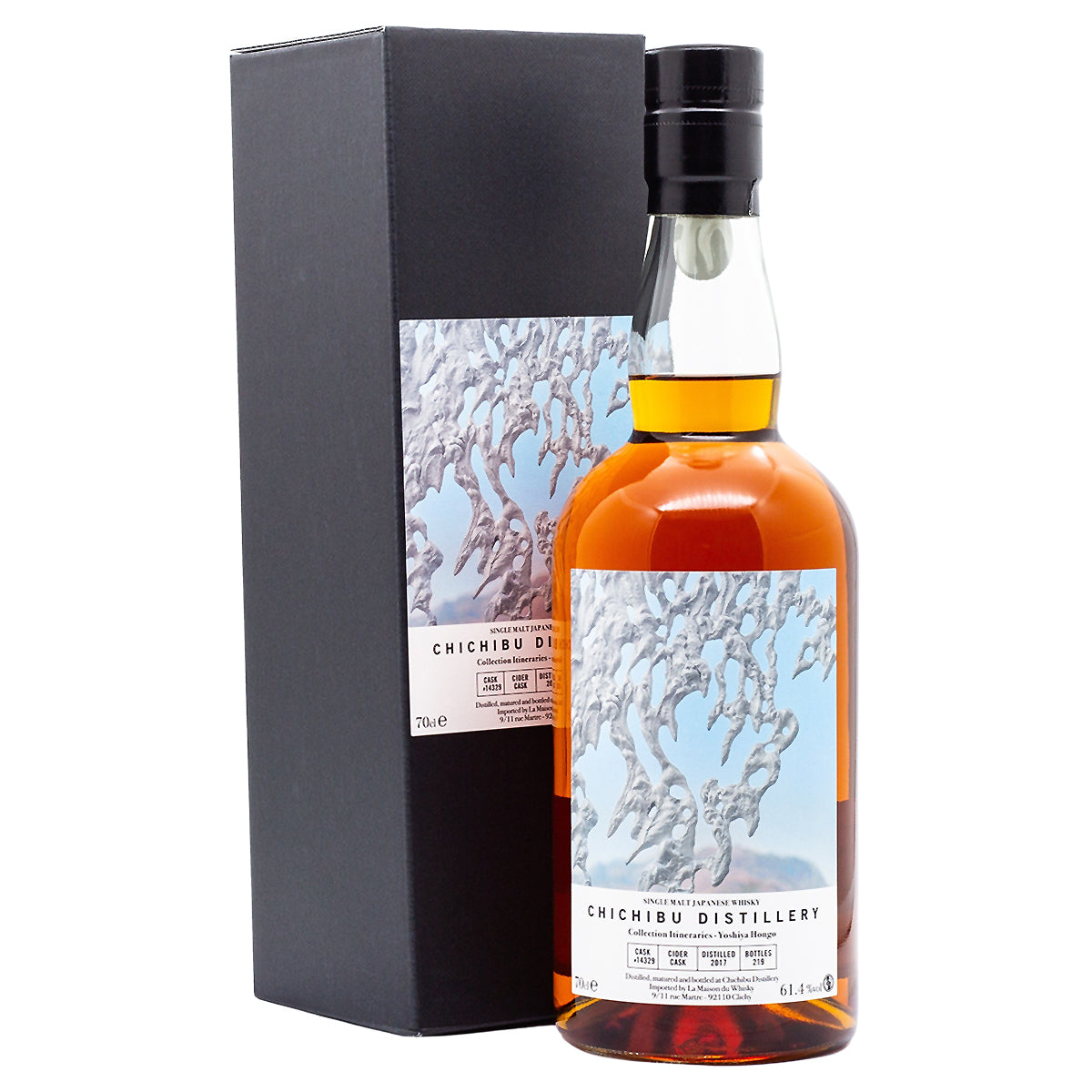
International whisky shows how diverse whisky can be outside Scotland. In this selection, you'll find bottlings from Ireland, the USA, Japan, Germany, Canada, India, and Australia, among others. We list Scotch whisky in its own category. There is no single international style: origin, whisky type, and the specific details on the bottle are much more helpful than broad national stereotypes.
Read origin and whisky type together
Start by choosing the country of origin. Irish Whiskey is a protected designation of origin. For American whisky, terms such as Bourbon or Rye provide additional clues about the grains used and the cask maturation. Japanese whisky may, in turn, be produced according to a voluntary industry standard. The country name alone therefore does not tell you what to expect in your glass.
Next, read the full designation: Single Malt, Blended Whisky, Bourbon, Rye, or Grain Whisky. Similar-sounding terms may be subject to different rules depending on their origin. For example, a Rye from Canada does not necessarily have to meet the same rye content requirements as a Rye Whiskey from the USA.
How to choose the right international whisky
For a practical selection, the flavour profile and product details are then helpful. Look for smokiness, the grains used, the type of cask, the alcohol strength and, if stated, the age. Those looking for fruity and malty styles may, for example, find what they're looking for in German whisky or Scandinavian whisky. Corn-forward whiskies from the USA are often sweeter, while a high rye content often brings more spice. These are guidelines, not firm flavour promises.
The most reliable way to categorise bottlings is to consider origin, whisky type, and specific details together. This will help you quickly identify whether a bottle suits your taste, how you plan to enjoy it, and your budget.
Frequently asked questions about international whisky
What does international whisky mean?
At CaptainScotch.de, the category groups whiskies from various countries outside Scotland. The term does not refer to a specific legal type of whisky or a uniform flavour.
Do the same rules apply to Single Malt, Rye, and Blended Whisky everywhere?
No. The exact meaning depends on the country of origin and its regulations. Therefore, always read the whisky type together with the origin and the information on the bottle.
Is it spelled whisky or whiskey?
Both spellings are common. “Whiskey” is especially prevalent in Ireland and the USA, while many other countries use “Whisky”. However, the spelling alone is not a reliable indicator of origin.
How do I choose international whisky?
First, decide on the origin and whisky type. Then narrow down your selection by smokiness, grains, cask maturation, alcohol strength, age, and price.