


Wine Cask Whisky: The Previous Wine Makes the Difference
Wine cask whisky is a broad category. Wine casks can be made from dry red wine, fresh white wine, sweet Sauternes, or fortified wines such as Madeira and Marsala. That is why a precise description is more helpful than a general term.
Red wine casks often lead to darker fruit notes. Red berries, plum, spices, and a dry tannic structure are typical examples. White wine casks are more likely to bring out stone fruit, citrus, floral notes, and livelier acidity. However, the grape variety, winemaking method, oak, and the previous use of the cask can significantly alter this general classification.
Sauternes and Amarone Represent Two Opposites
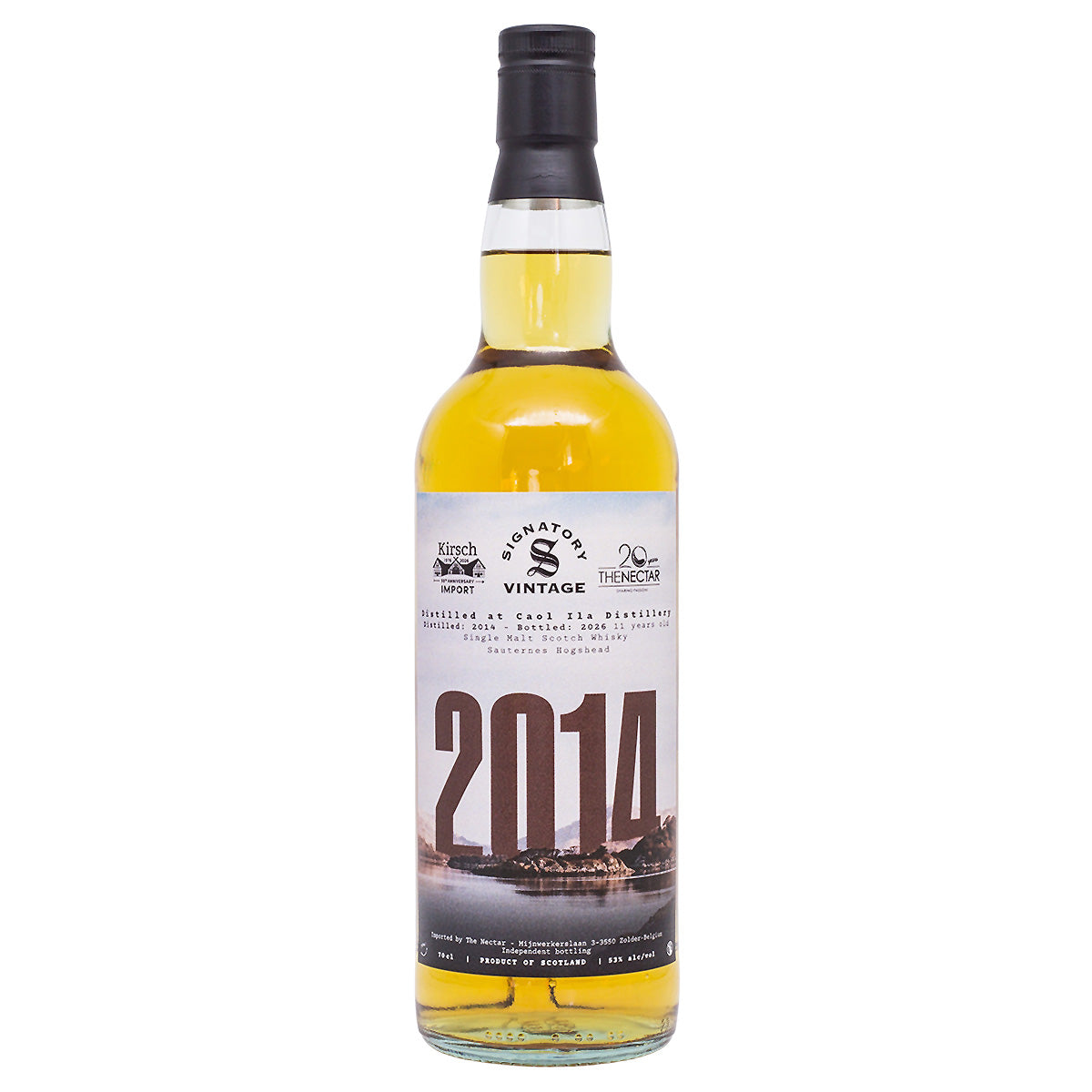
Sauternes is a sweet white wine from a protected appellation in the Bordeaux region. The grapes are often affected by noble rot, which concentrates the sugar and aromas. In whisky, this can be complemented by notes of honey, citrus, stone fruit, or candied fruit. If you are looking for a soft, rich style, this is a good place to start.
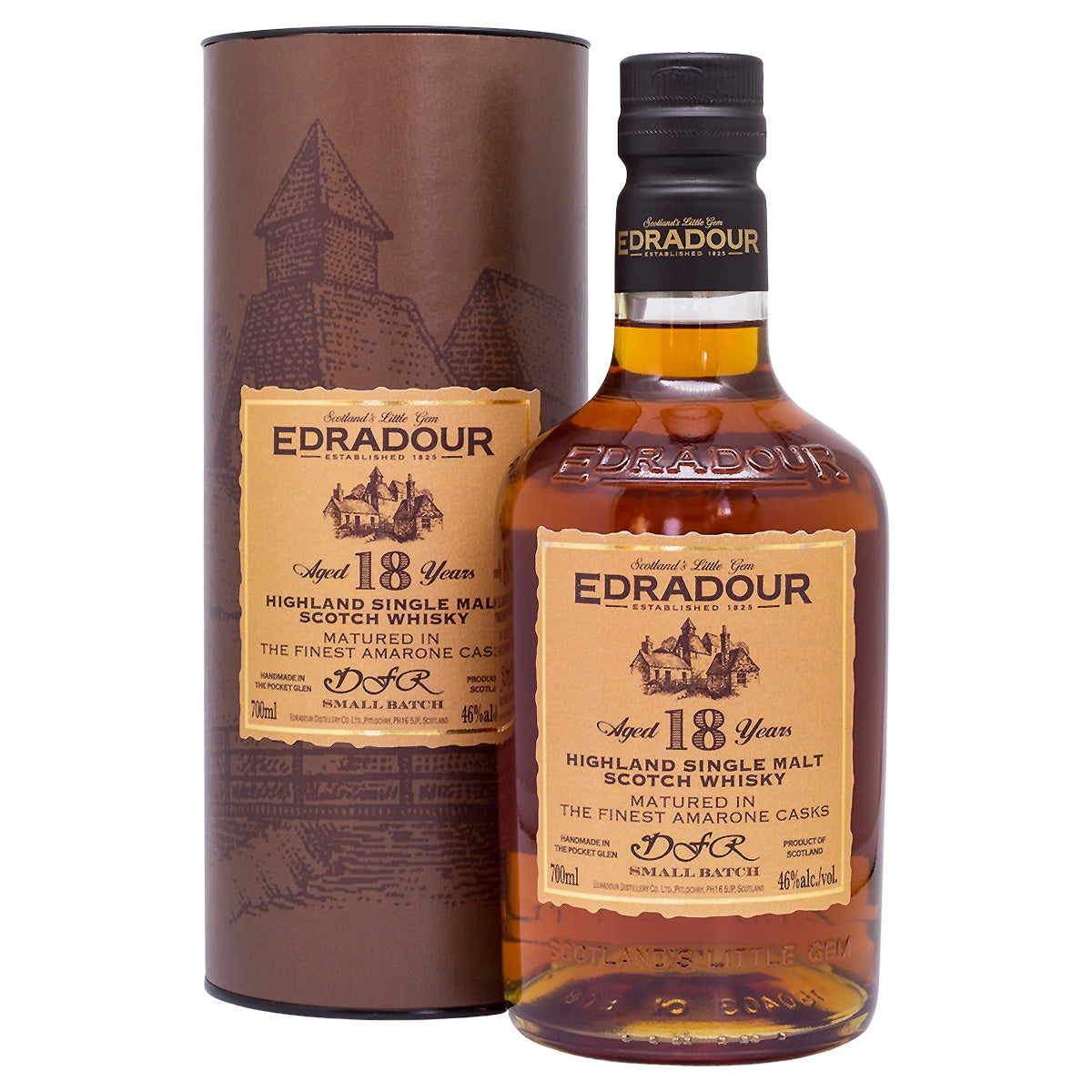
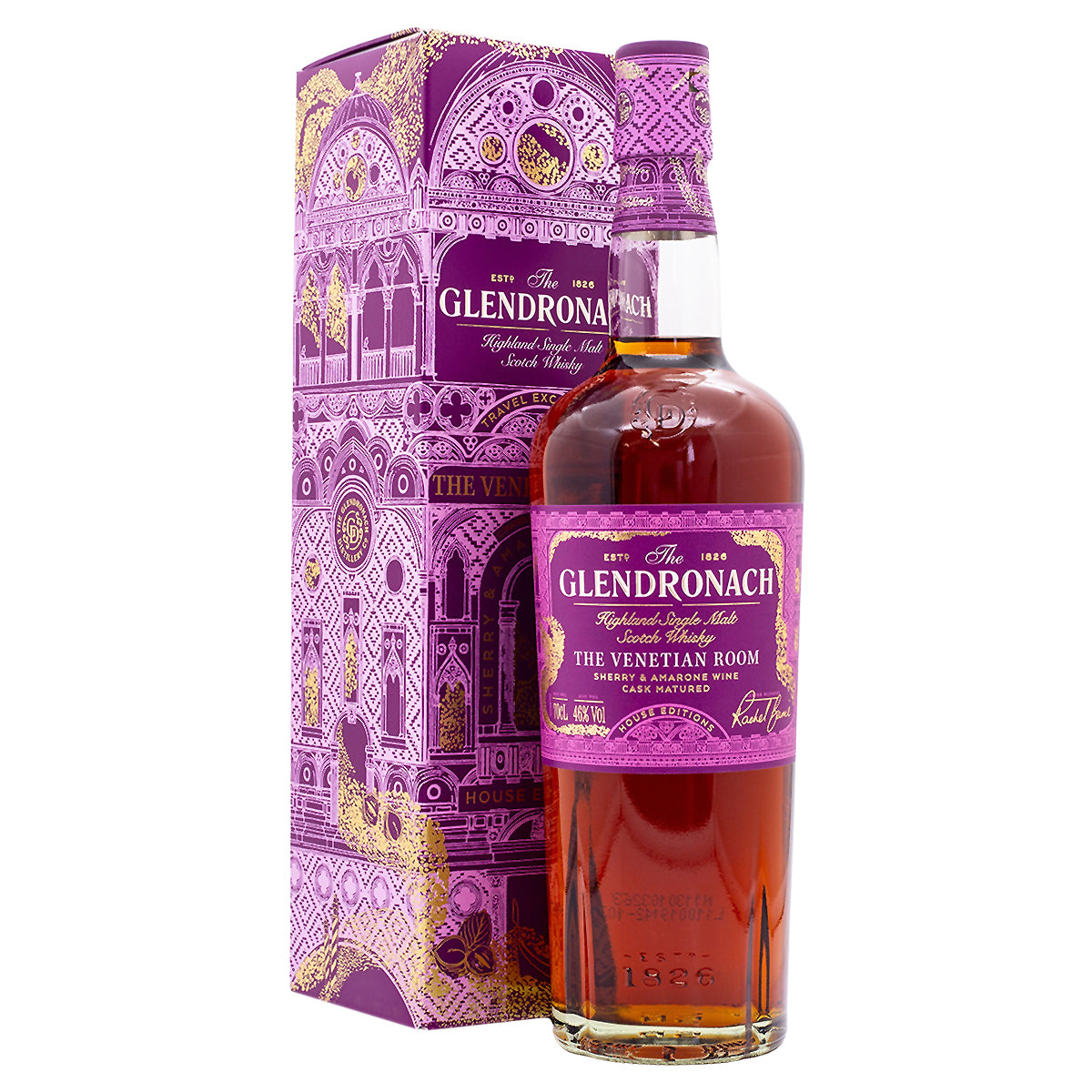
Amarone della Valpolicella, on the other hand, is a dry Italian red wine. Its grapes are dried before fermentation. This concentrates the fruit and structure, but does not make Amarone a sweet wine. Amarone casks are better suited to whiskies with dark fruit, spice, and noticeable tannins.
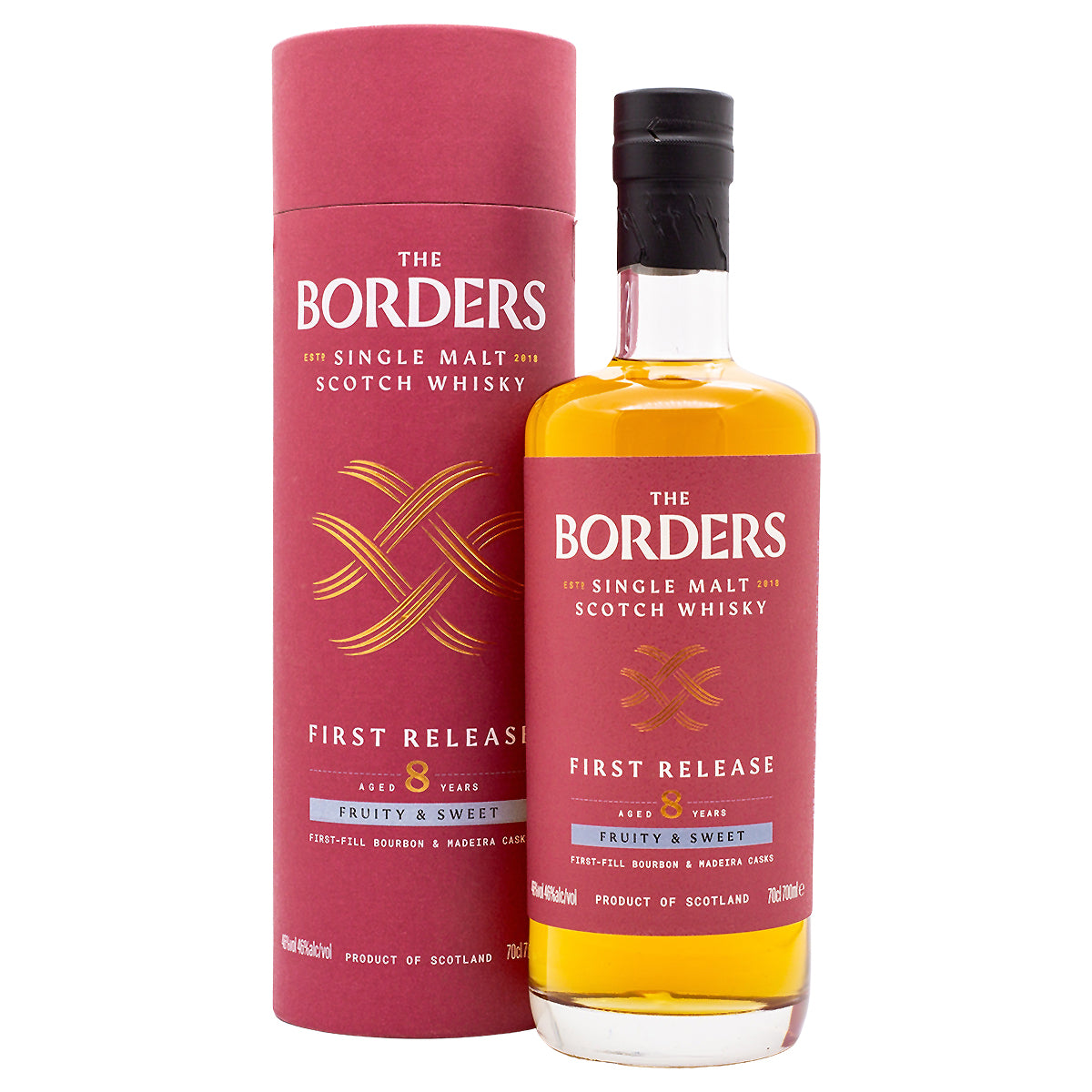
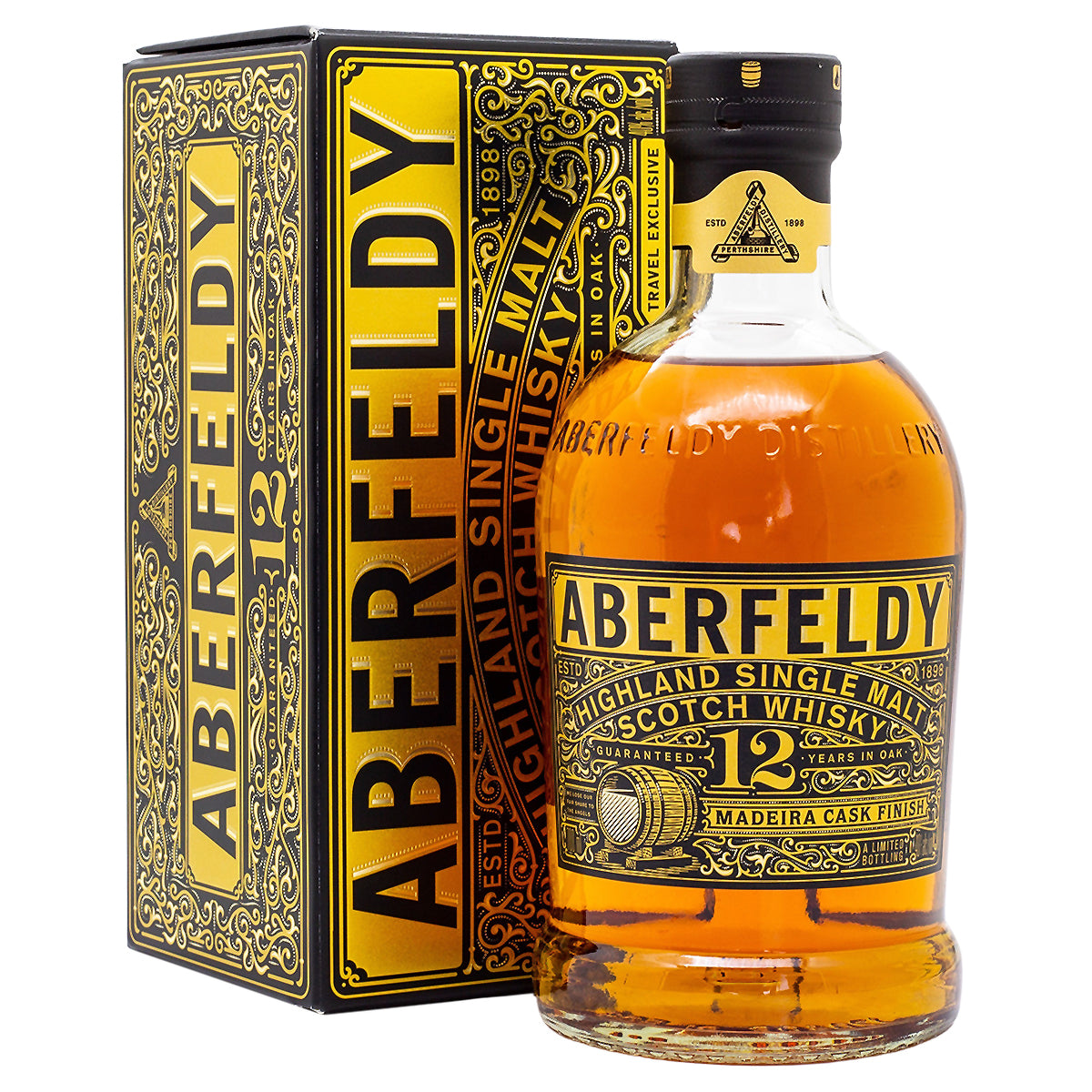
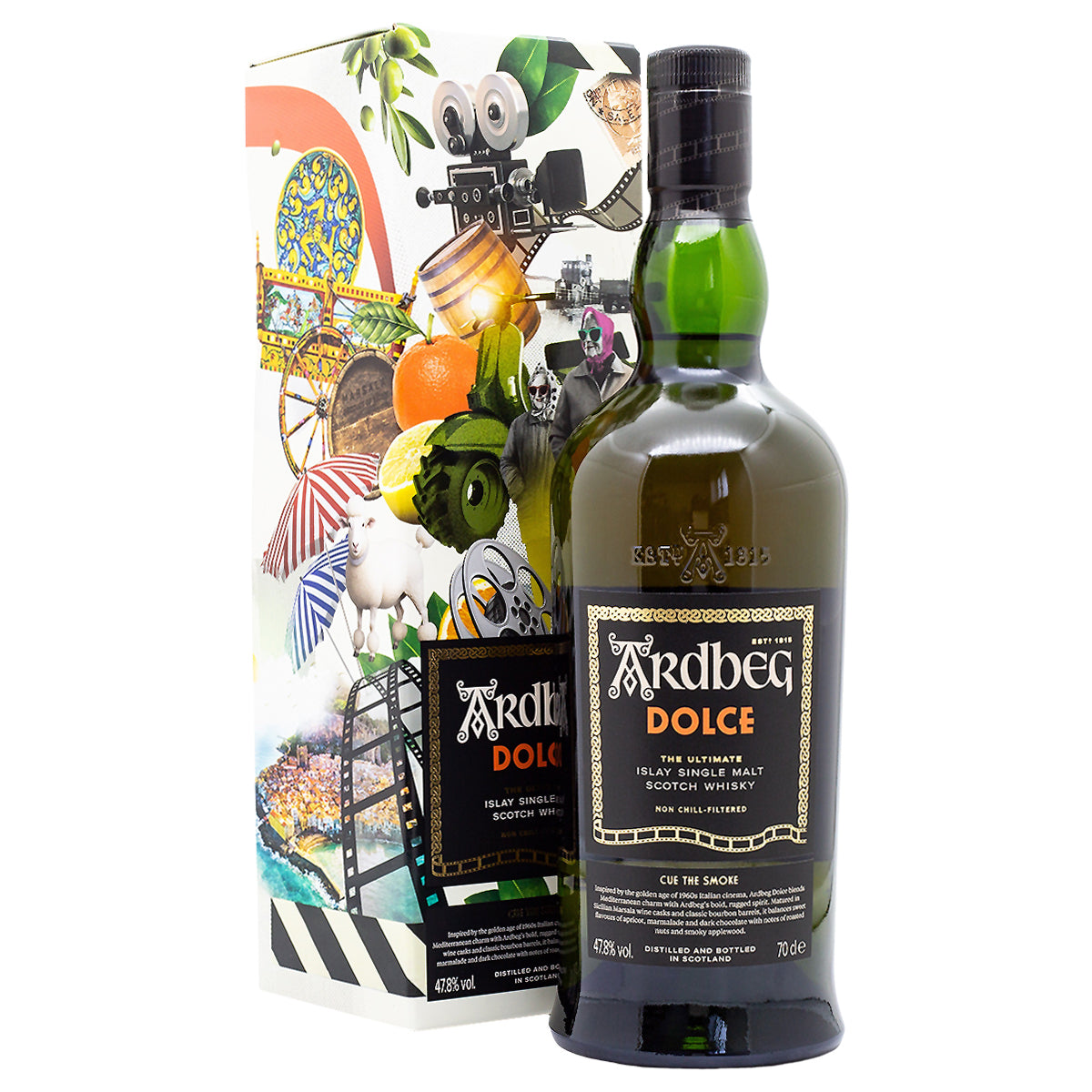
Madeira and Marsala are also protected wines, but each encompasses several styles and sweetness levels. A product page with a precise description and producer is more informative than the cask designation alone. Bordeaux cask also remains imprecise without further detail, as Bordeaux produces red, white, dry, and sweet wines.
How to Find the Right Wine Cask Bottling
Start with the type of wine: dry or sweet, red or white, still or fortified. First fill usually indicates a more pronounced influence from the previous cask. Refill can be more subtle and allow the spirit more room. The type of oak, cask size, and duration complete the picture.
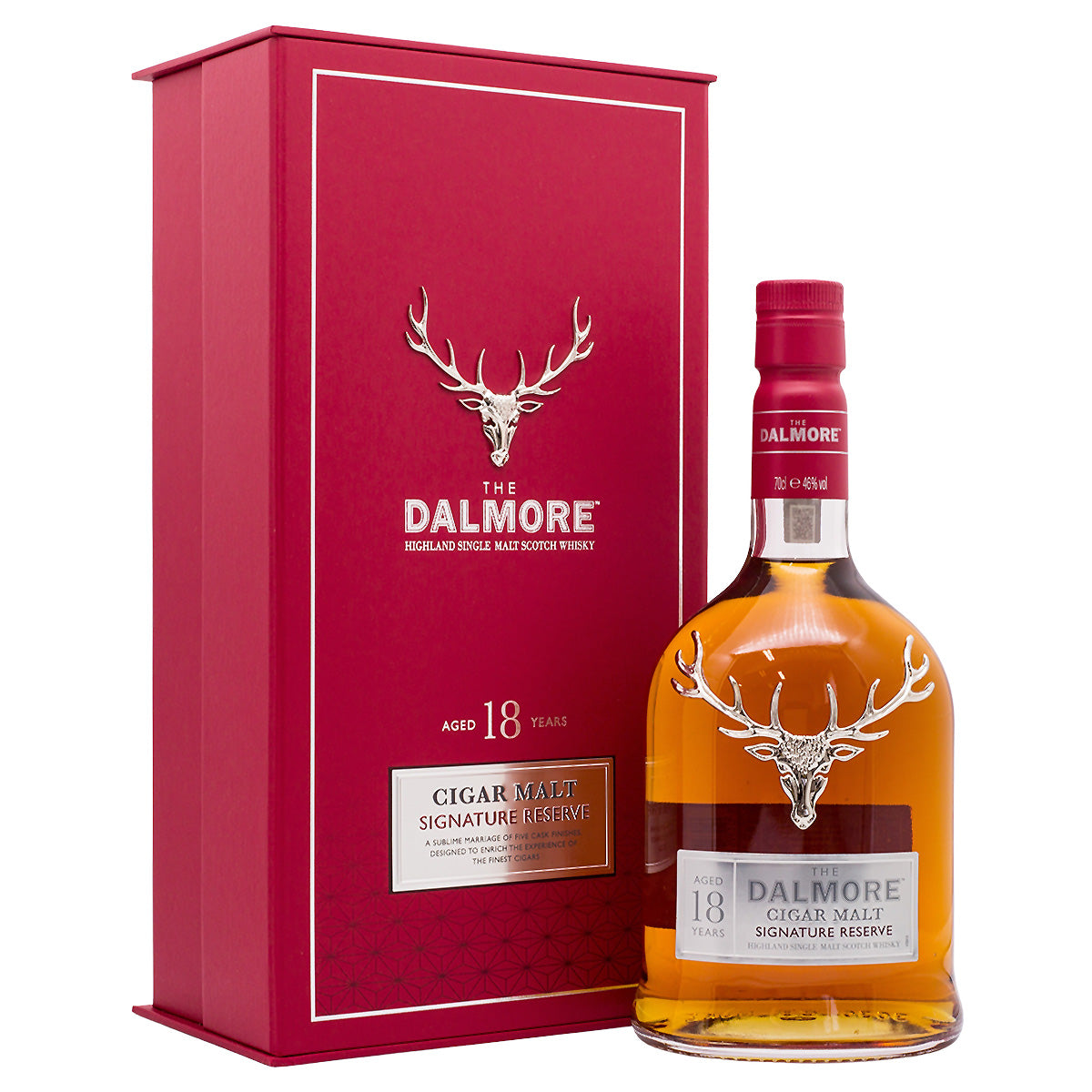
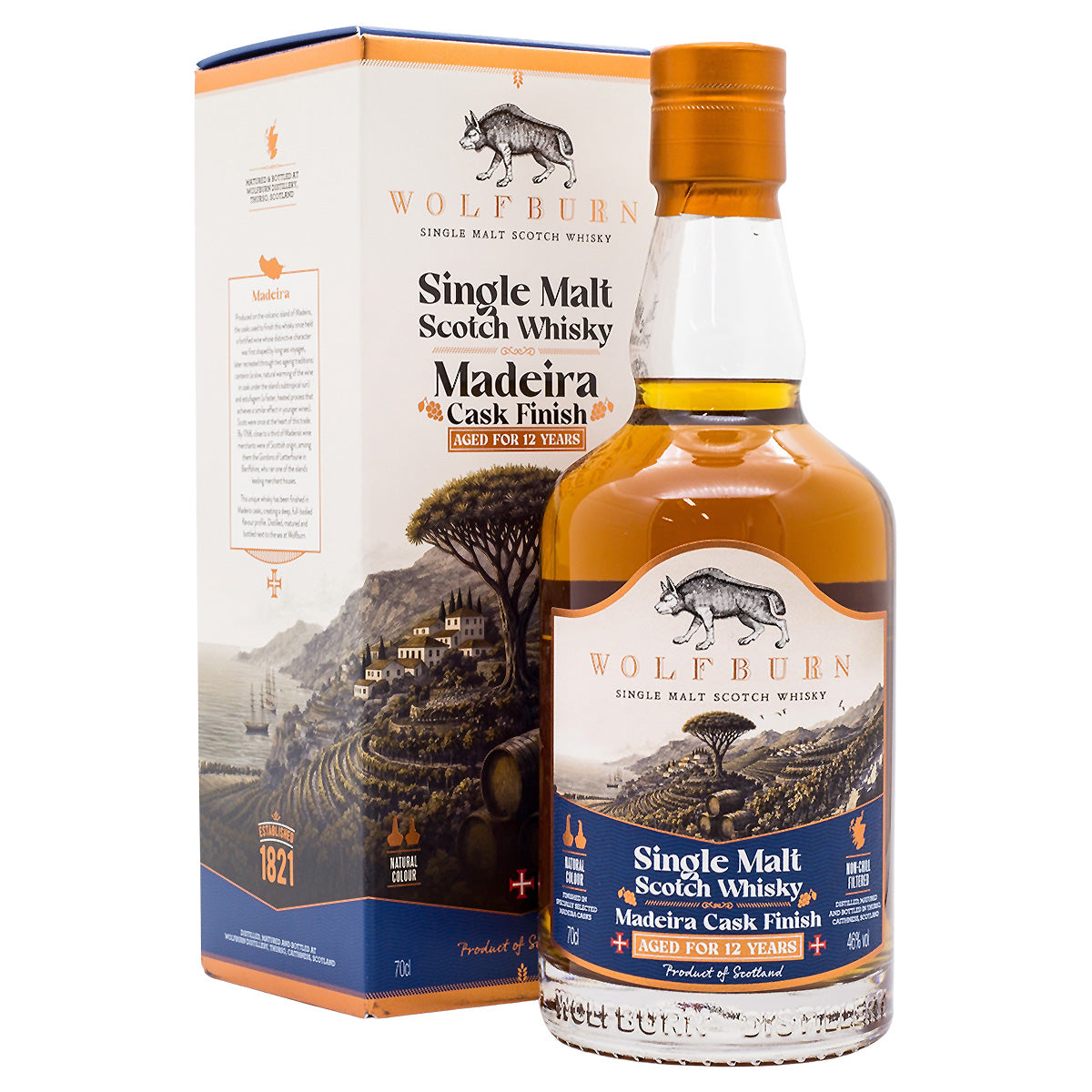
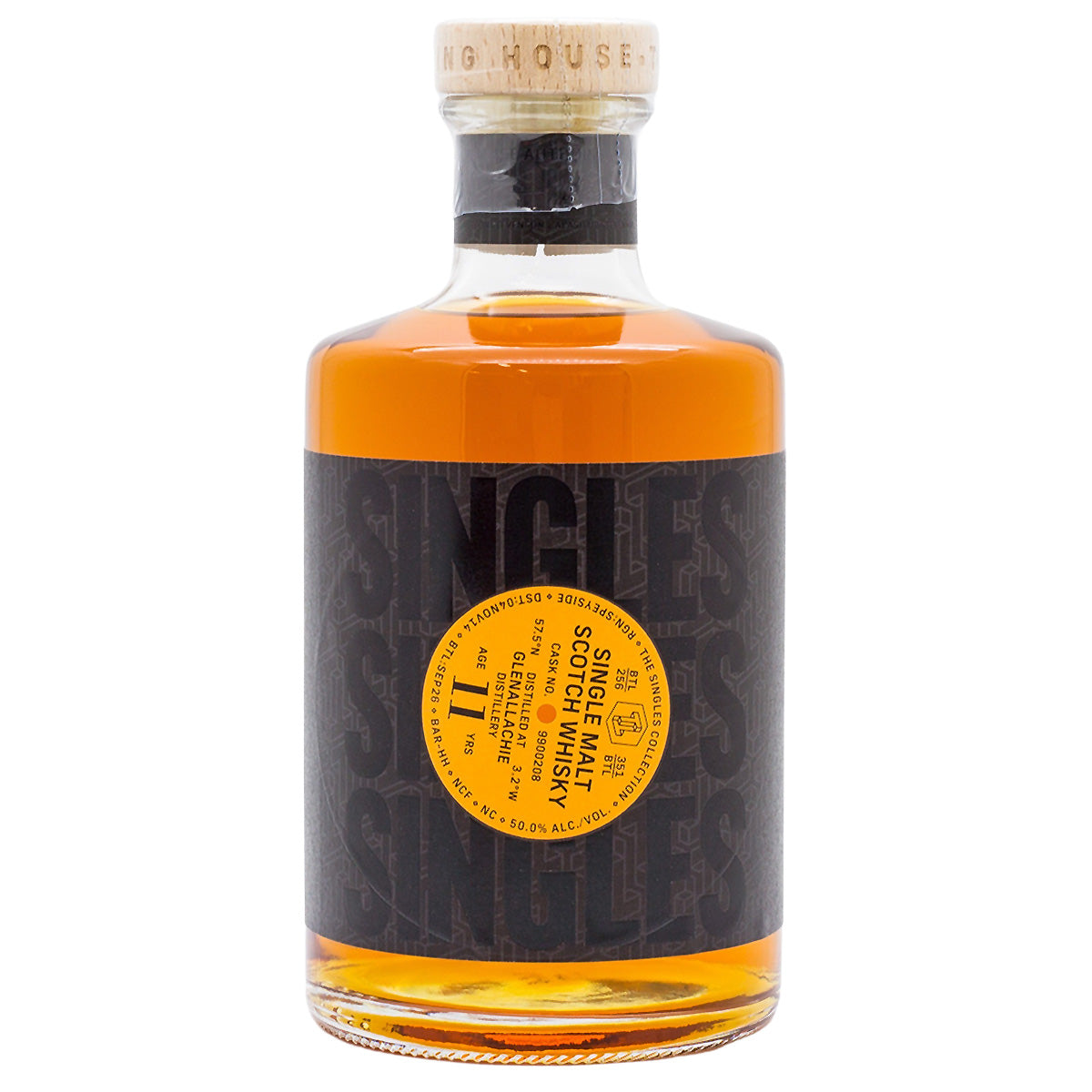
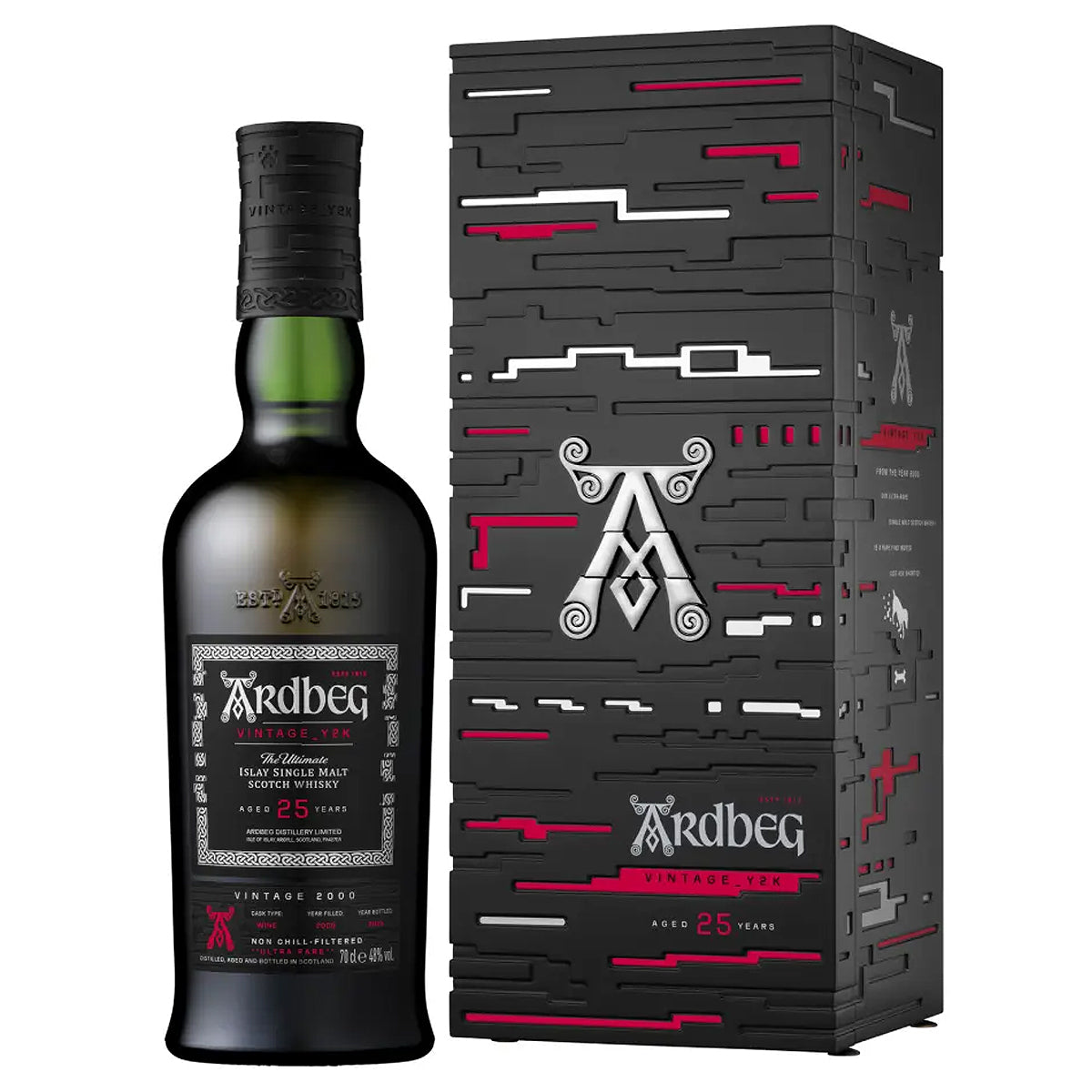
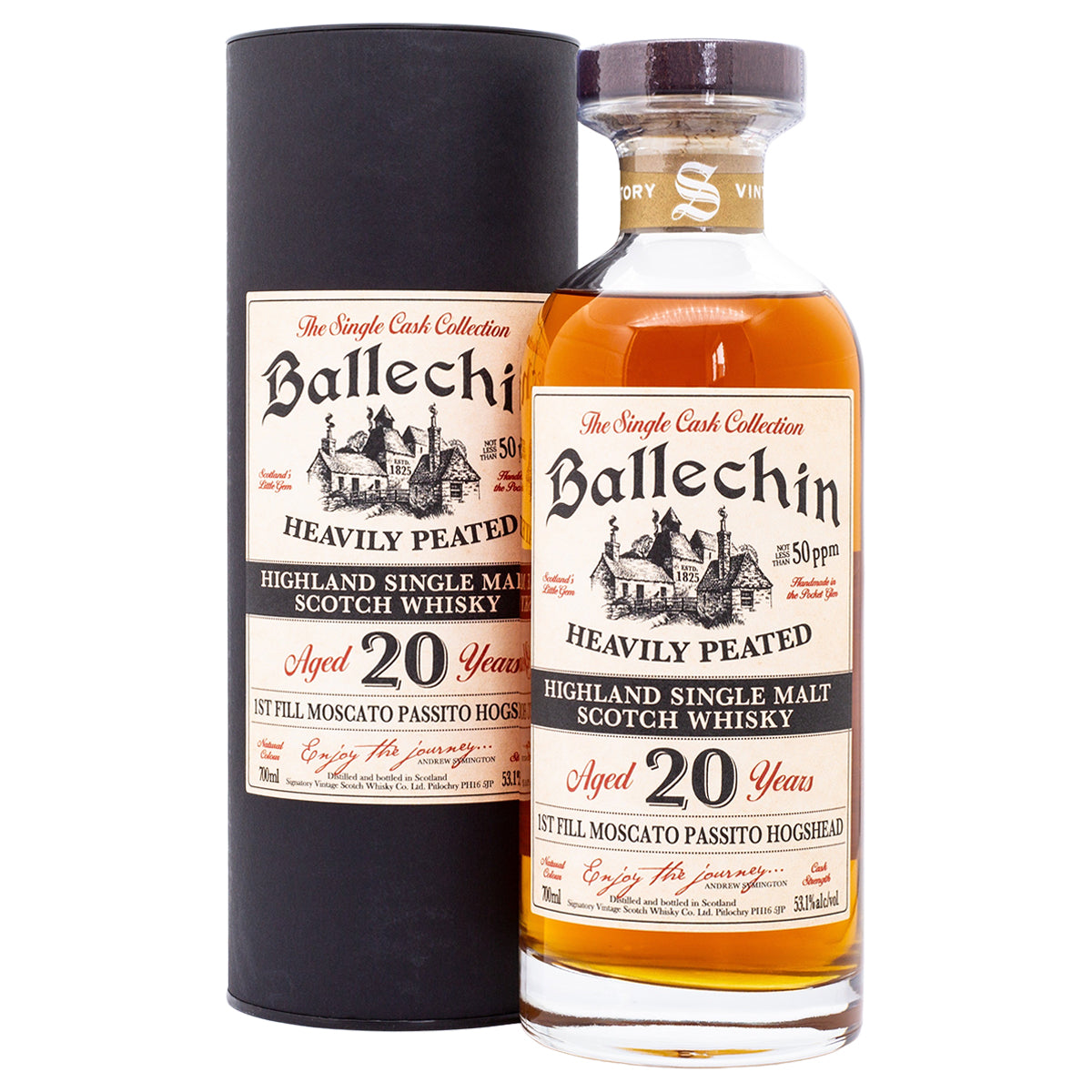
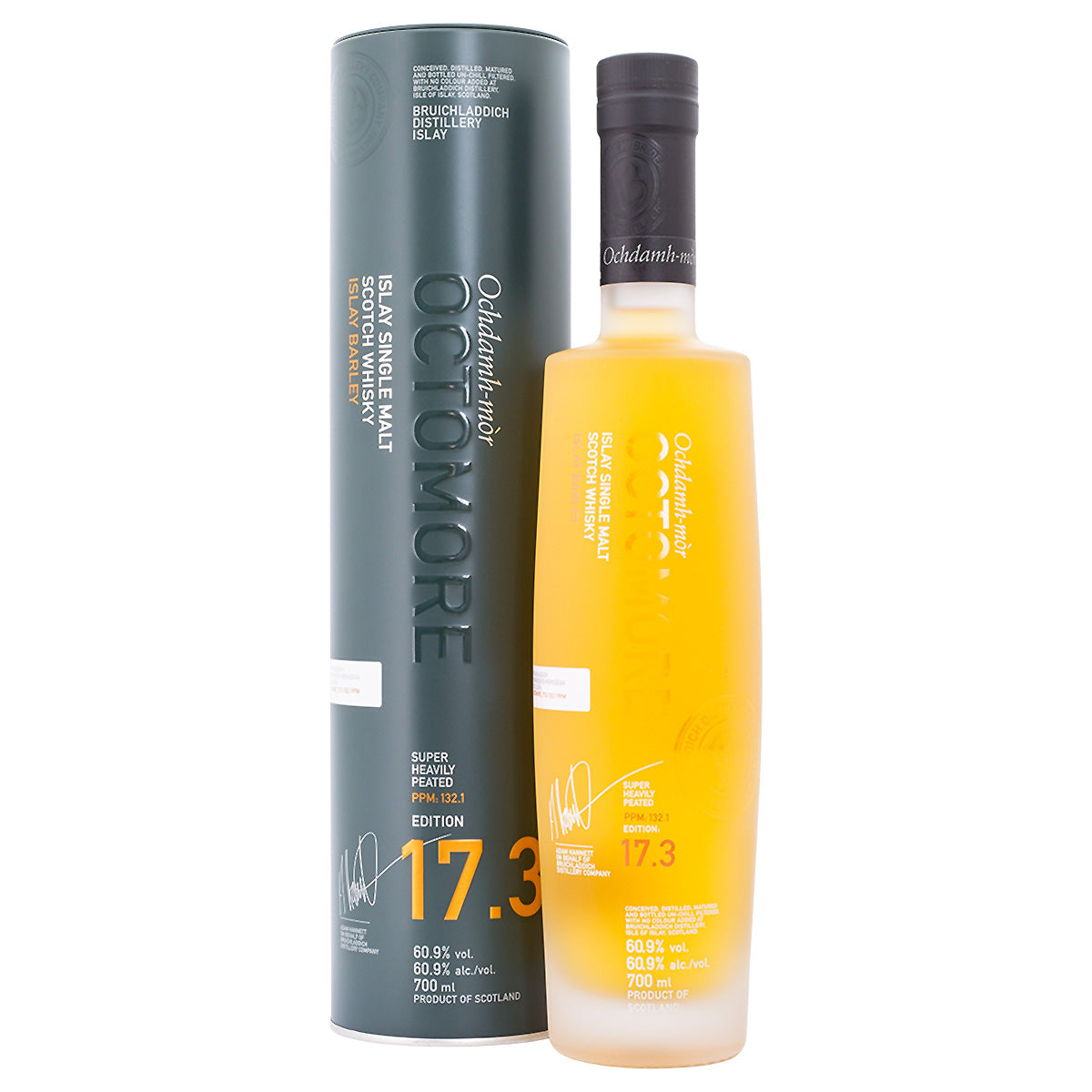
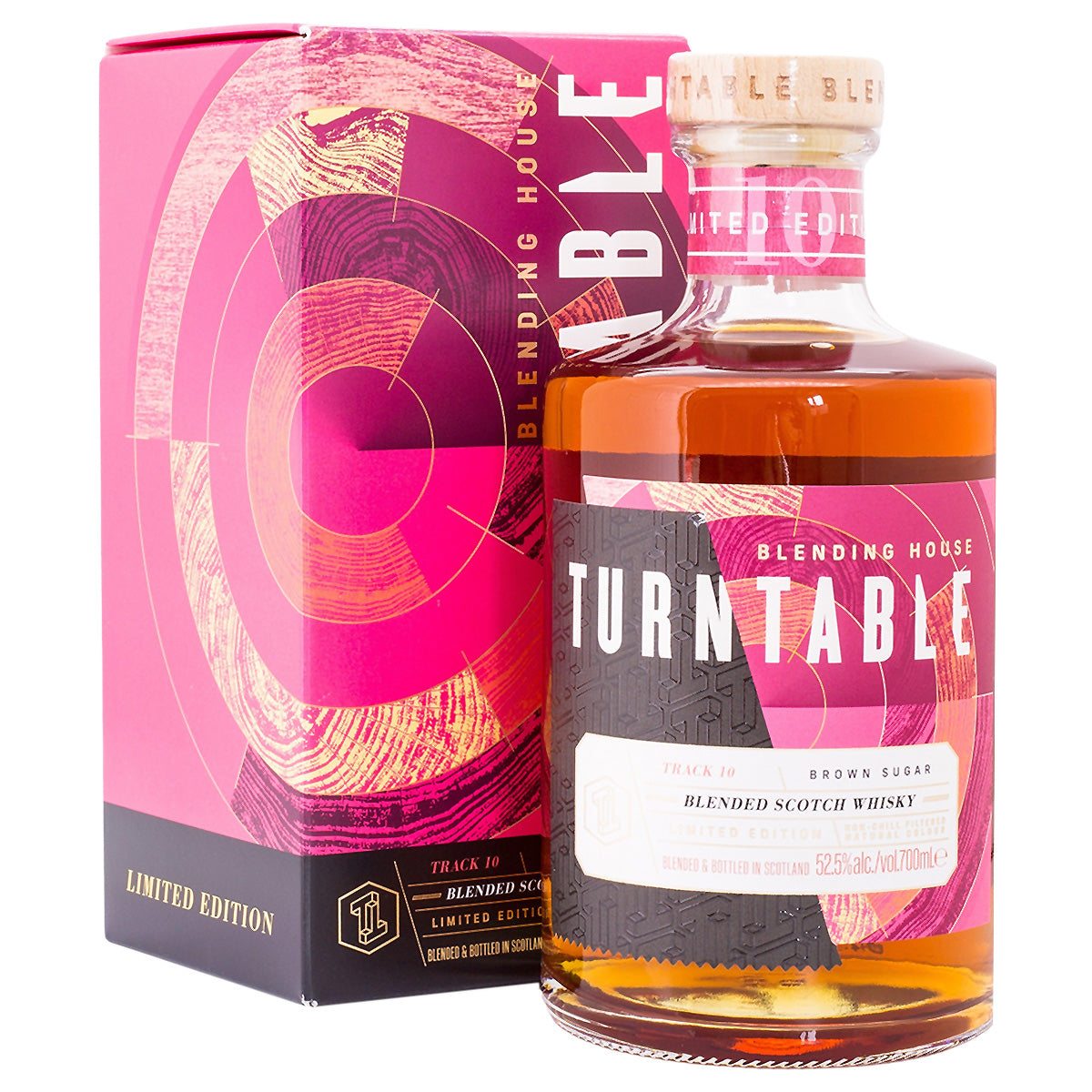
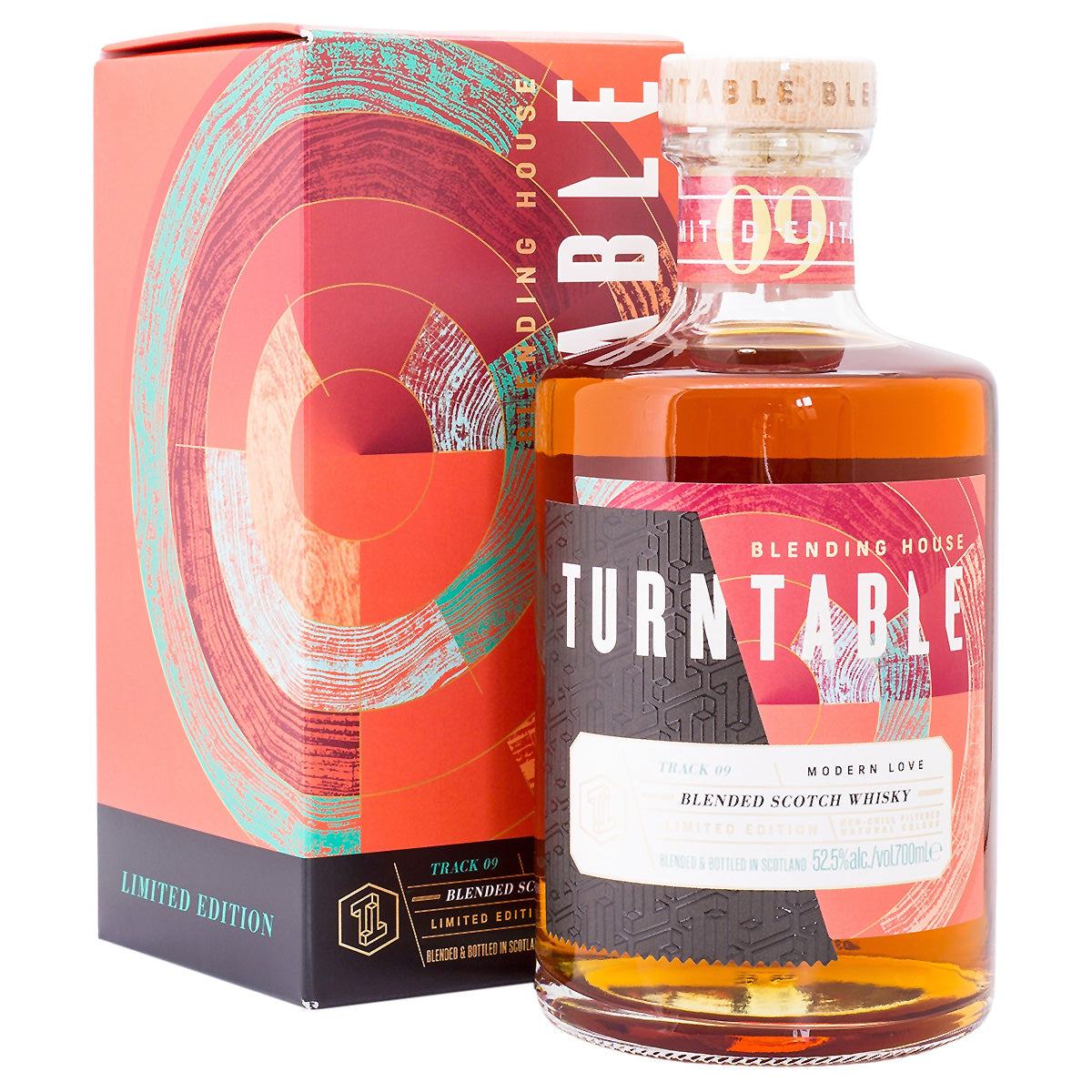
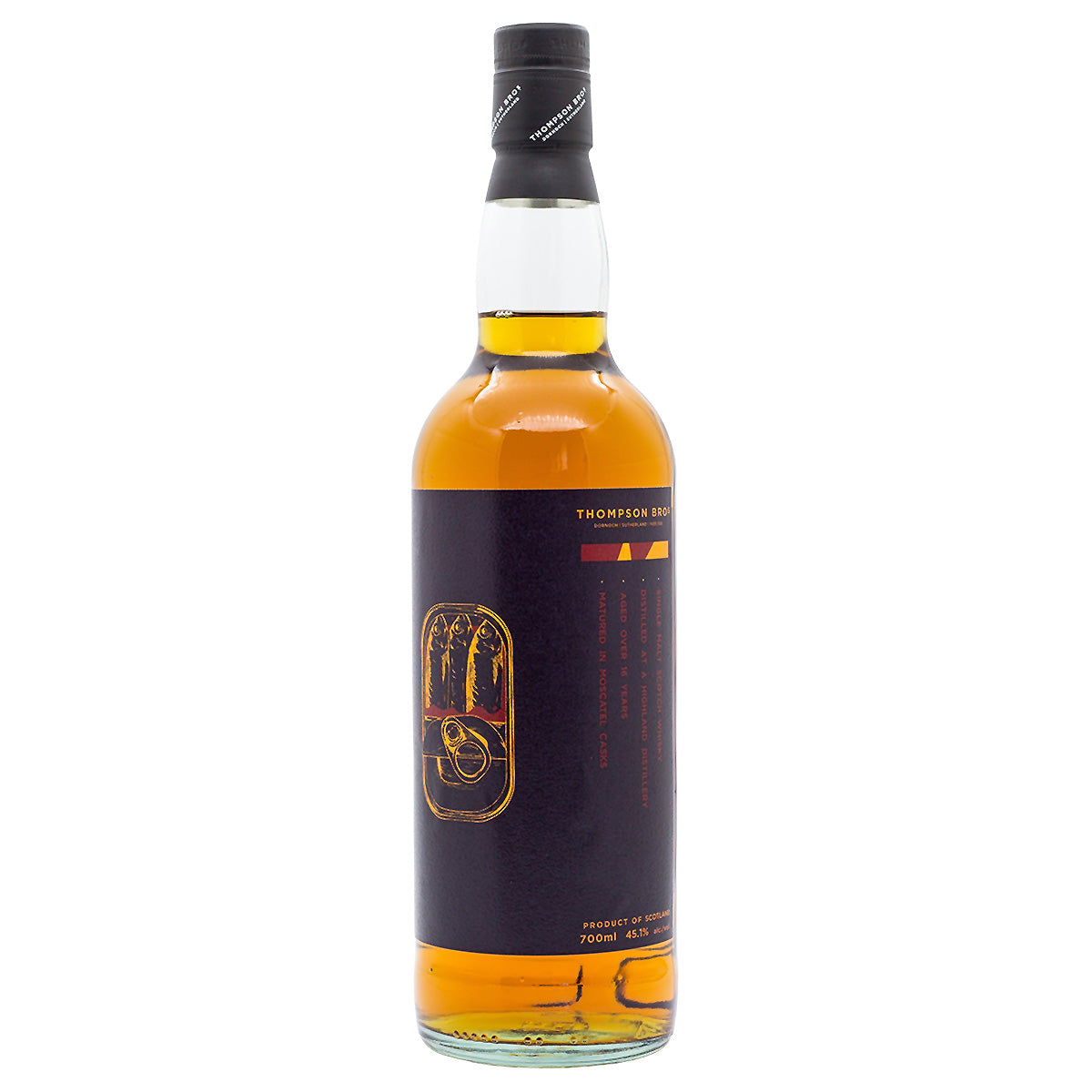
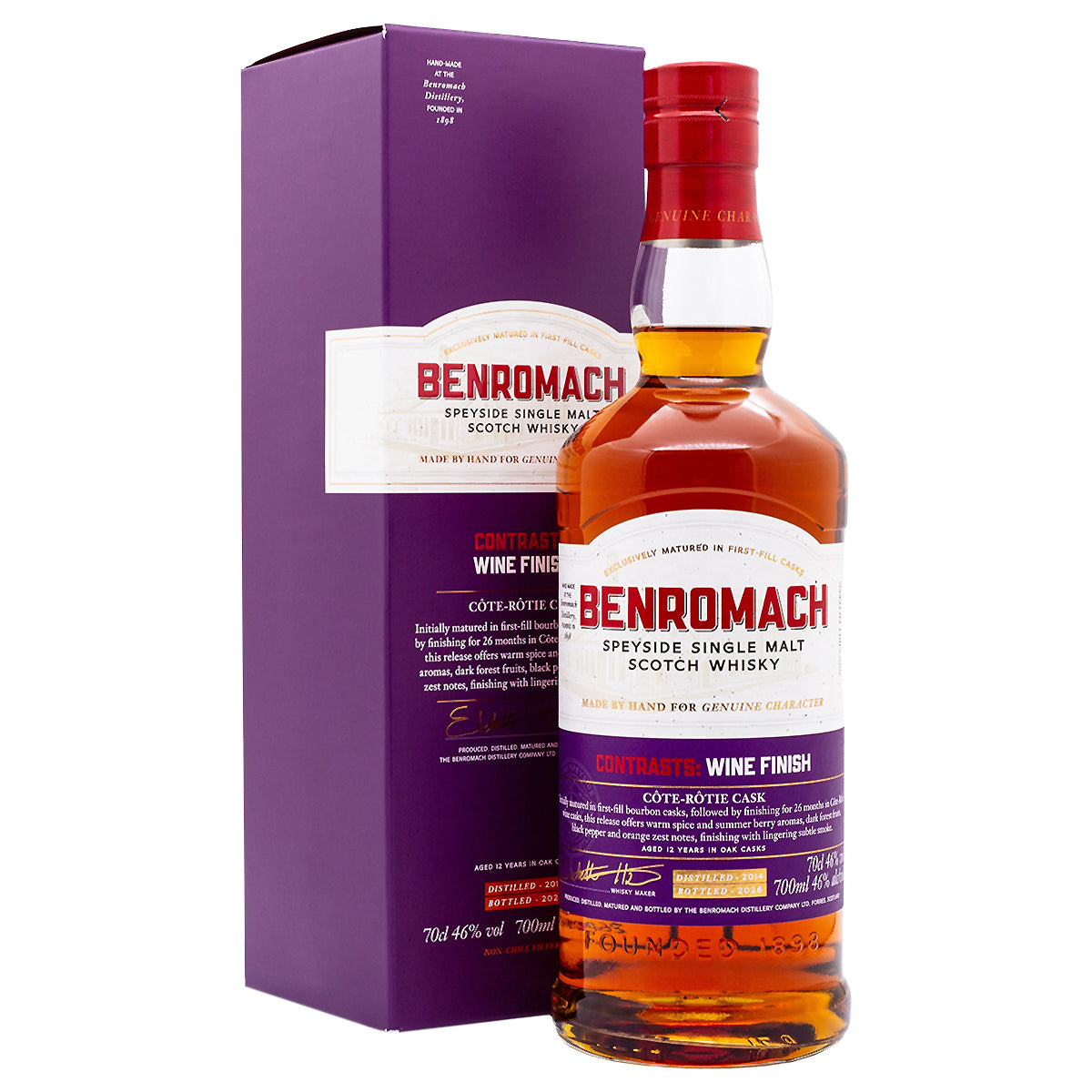
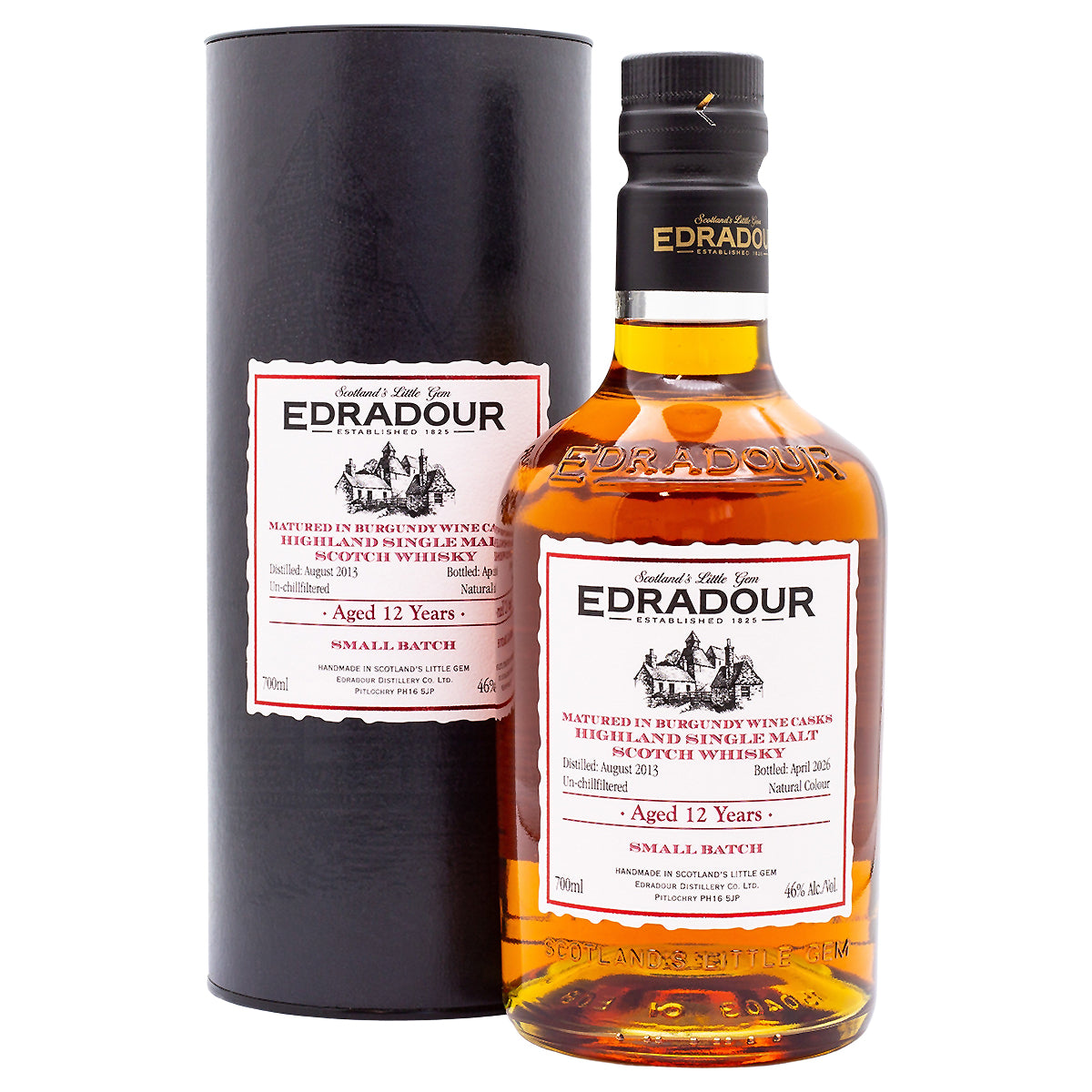
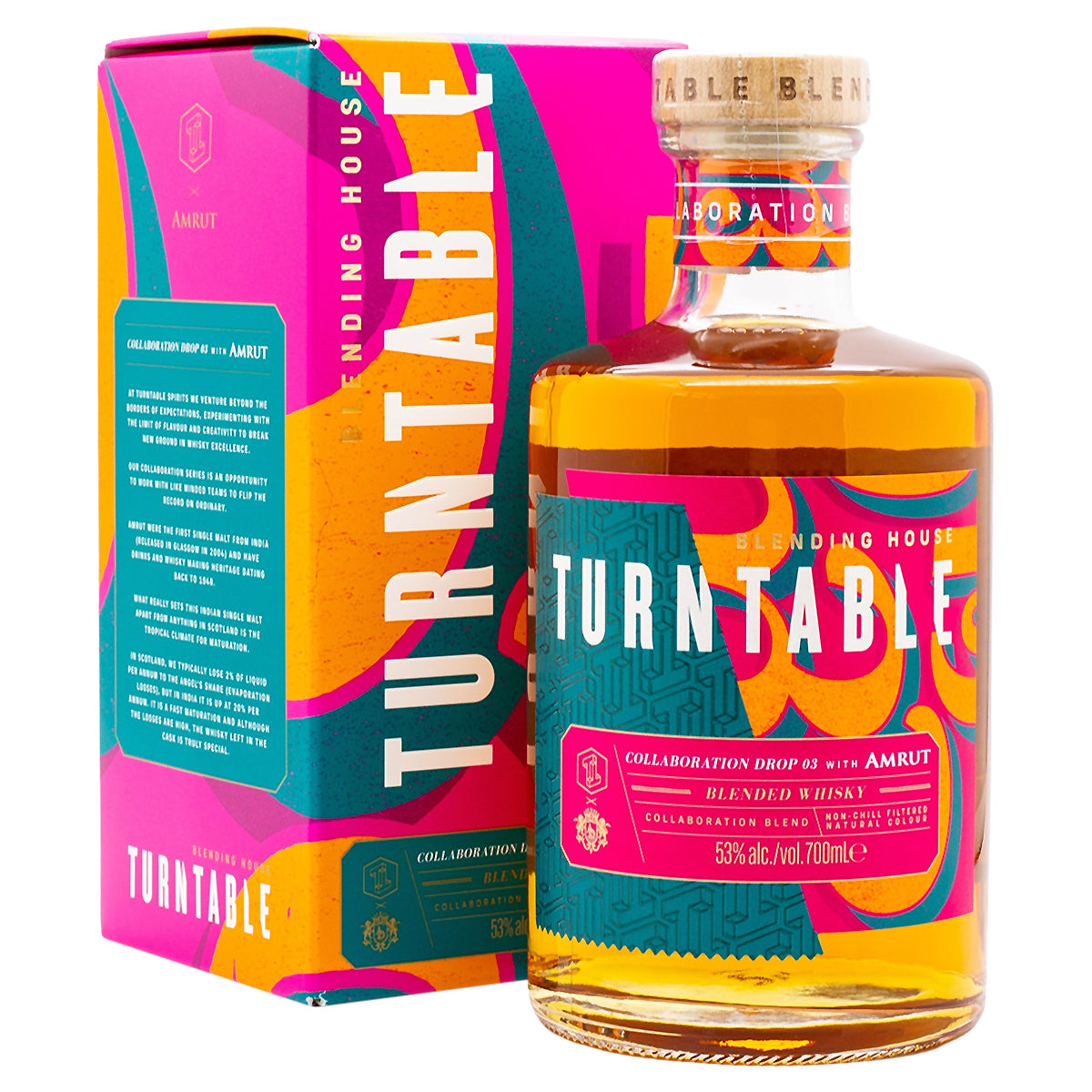
This collection brings together whiskies that were matured in a wine cask at one or more stages of maturation. This includes full wine cask maturation, wine finishes, and bottlings from multiple cask types. This classification does not therefore mean that the whisky was matured exclusively or predominantly in a wine cask. The respective product description shows what role the cask played. You can find out more about finishing in Whisky with Finish. Sherry and Port have their own collections: Sherry Cask Whisky and Port Cask Whisky.
Frequently Asked Questions About Wine Cask Whisky
Is wine cask whisky always sweet?
No. Many red and white wines are dry. Even with a sweet wine cask, the impression in the whisky depends on the wood, the spirit, and the maturation time.
What is the difference between red wine and white wine casks?
Red wine casks are more likely to bring out dark fruit, spice, and tannins. White wine casks can emphasize lighter fruit, floral notes, and acidity. The specific wine remains more important than its colour.
Is Amarone a sweet wine?
No. Amarone della Valpolicella is a dry red wine made from dried grapes. Its concentrated fruit can nevertheless taste sweet.
What does the term Bordeaux cask indicate?
By itself, very little. Bordeaux includes red wine, dry white wine, and sweet wine. A more precise appellation or at least the type of wine is more helpful.