
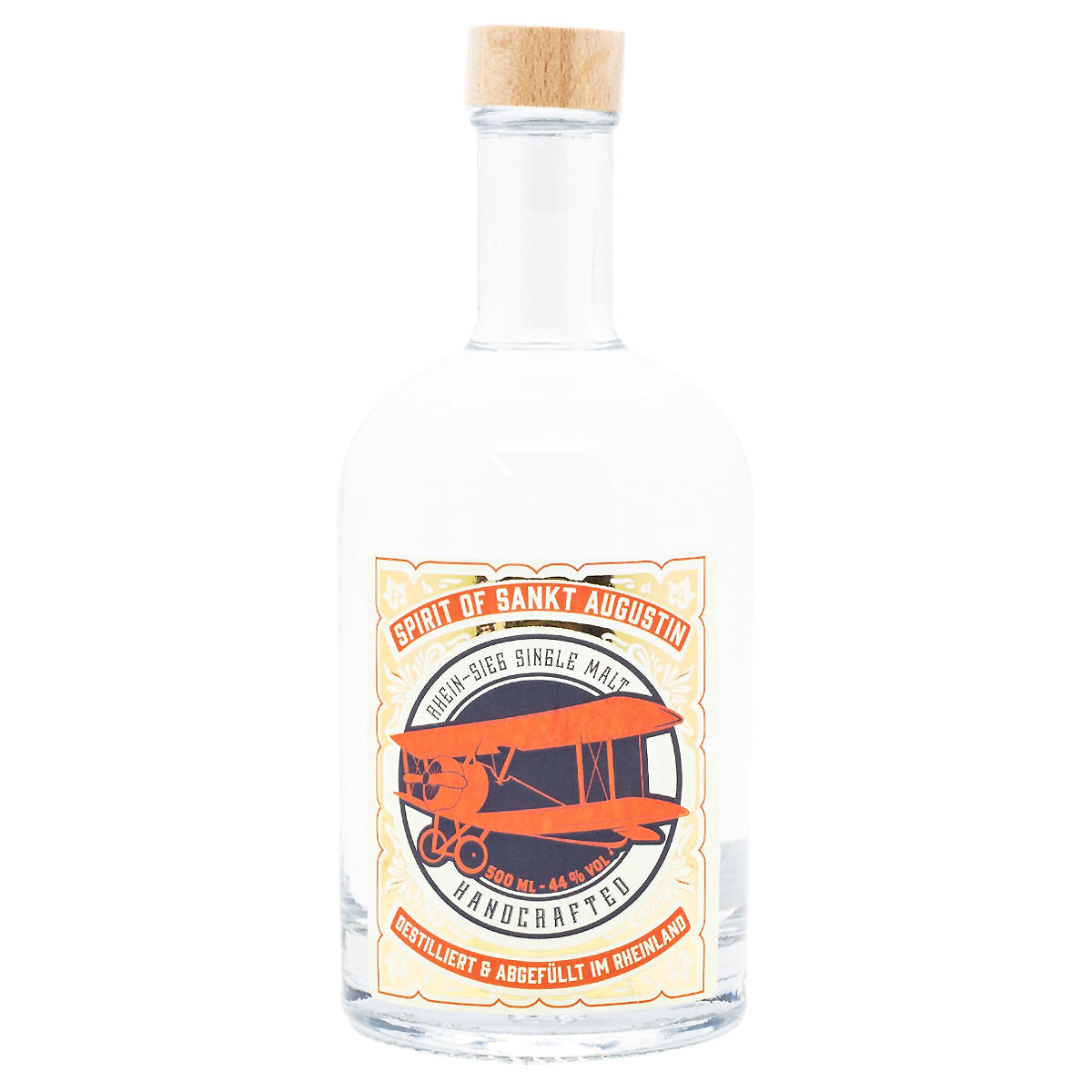
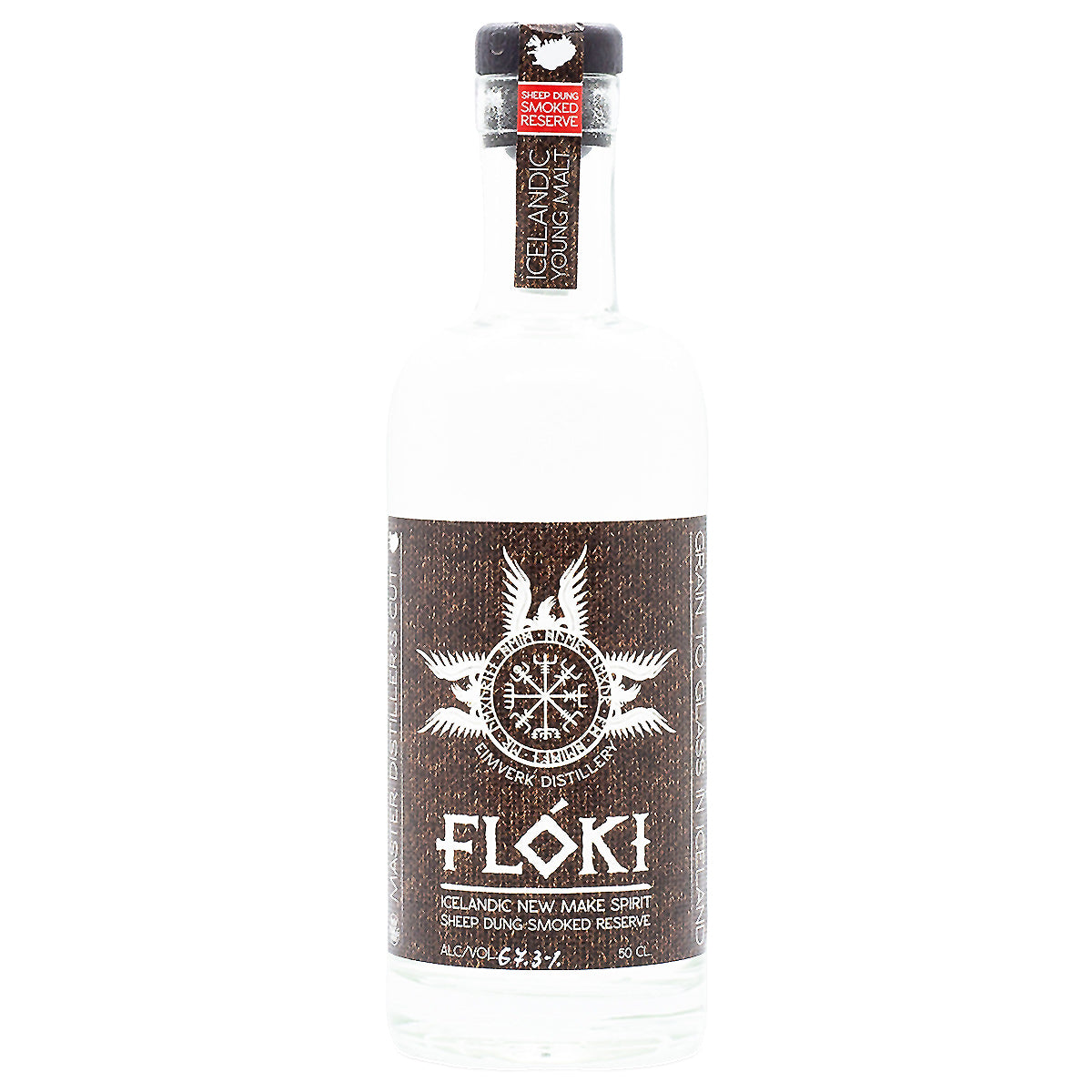
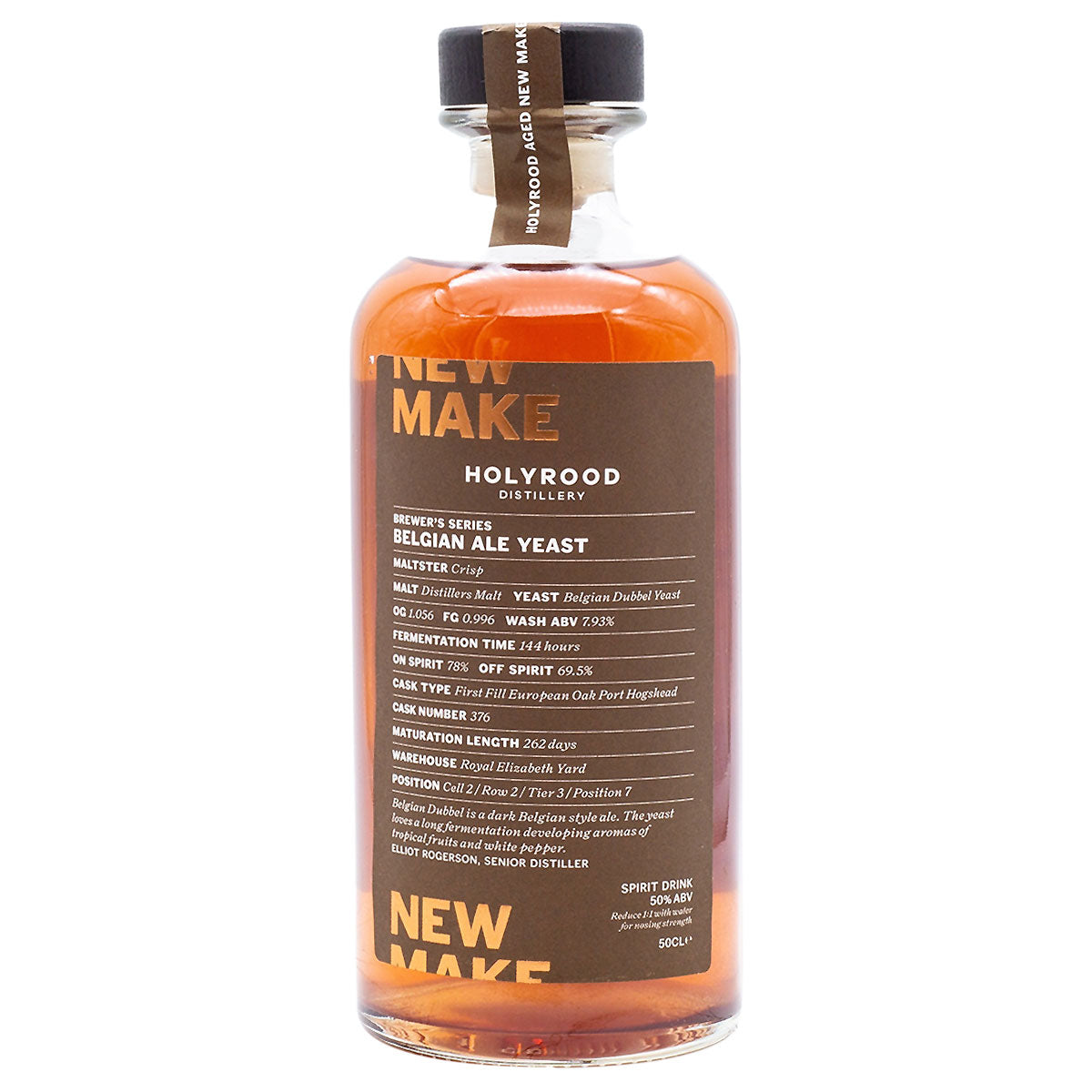
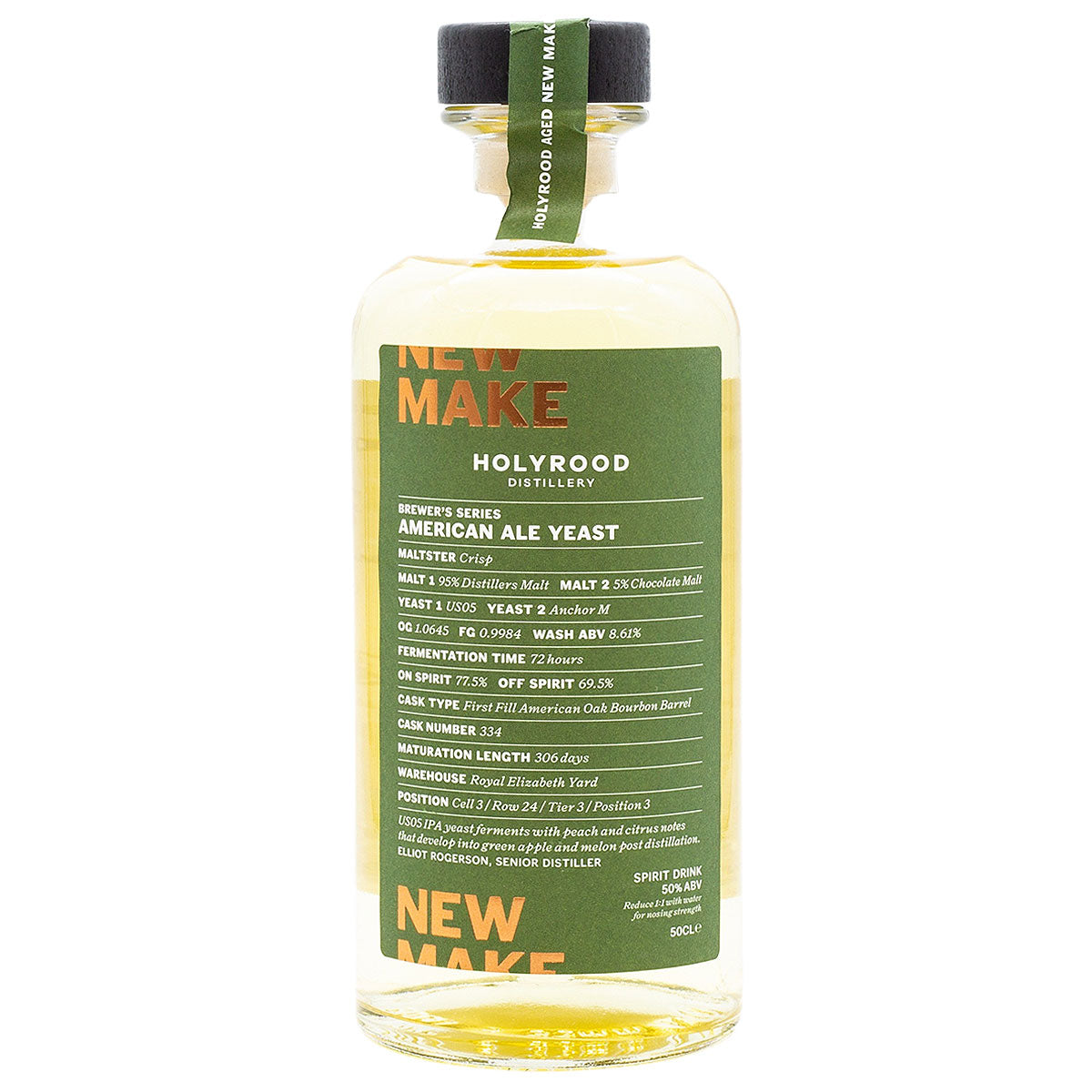
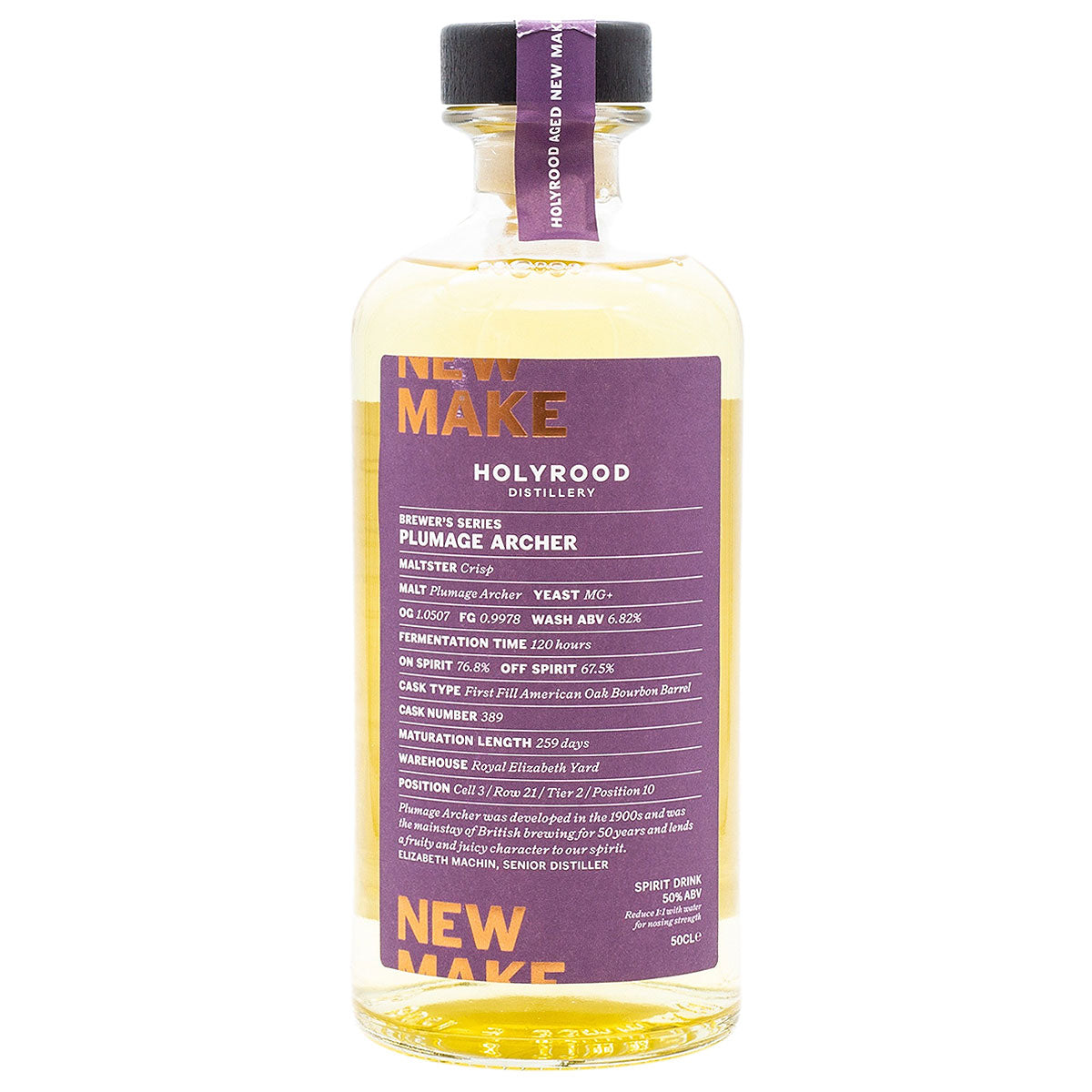
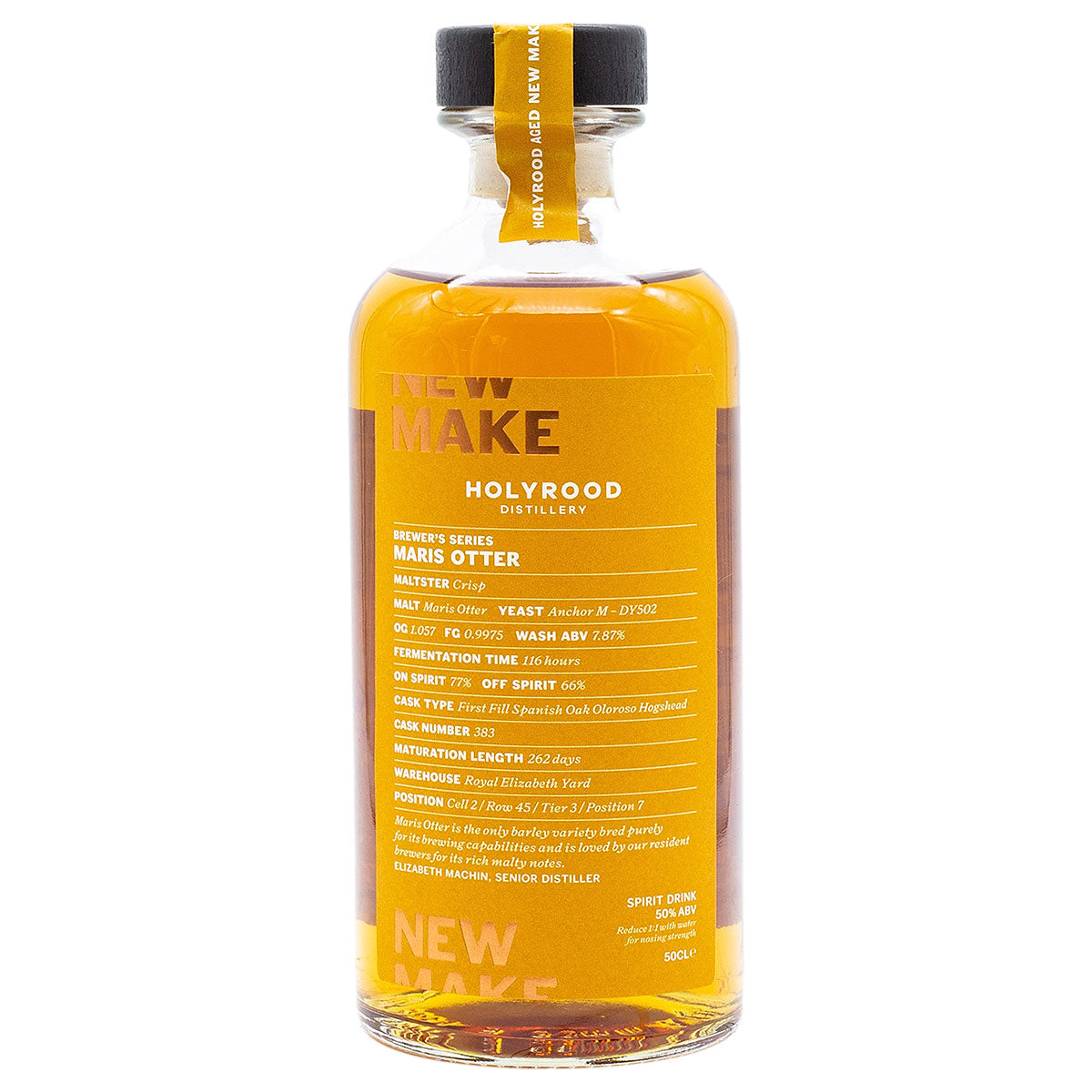
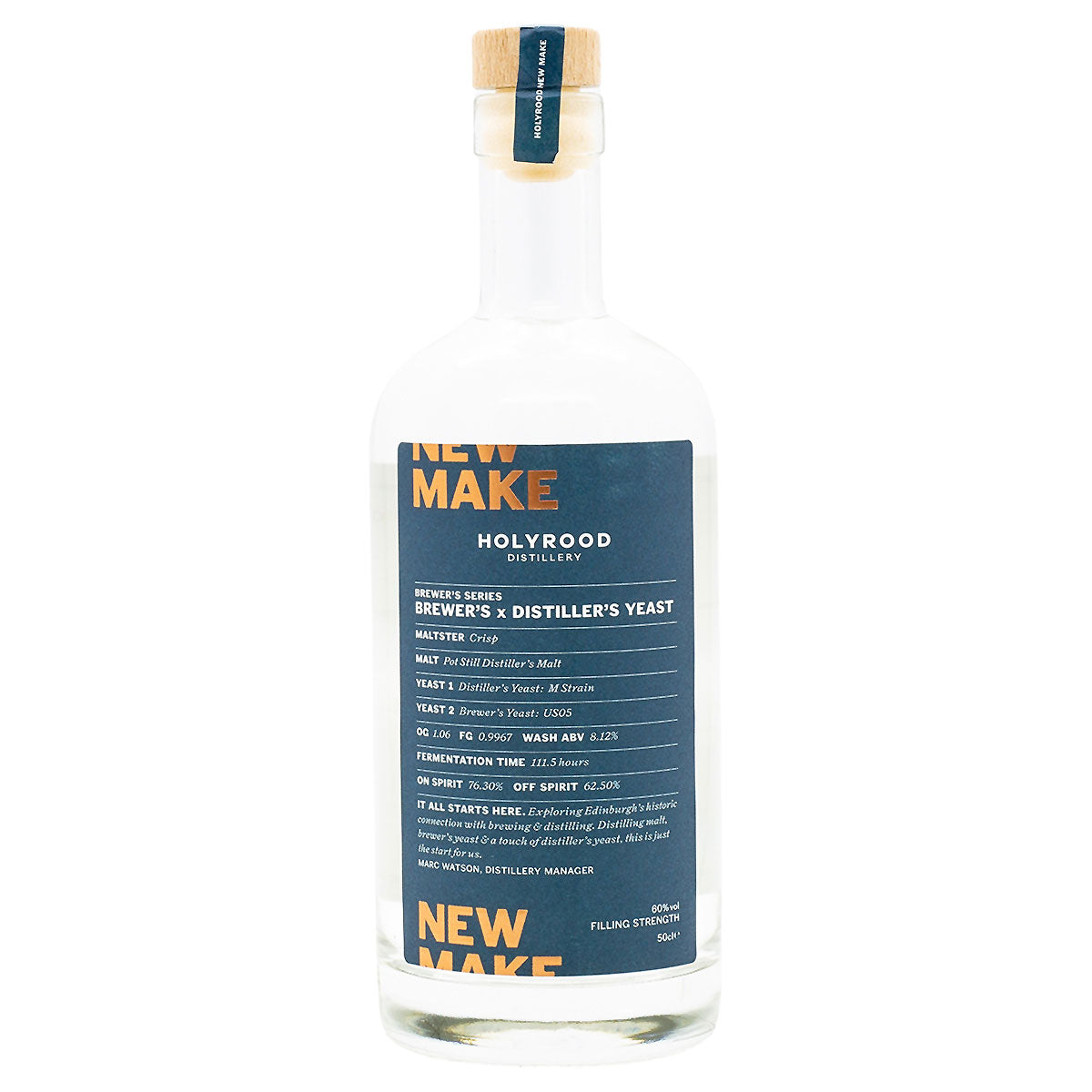
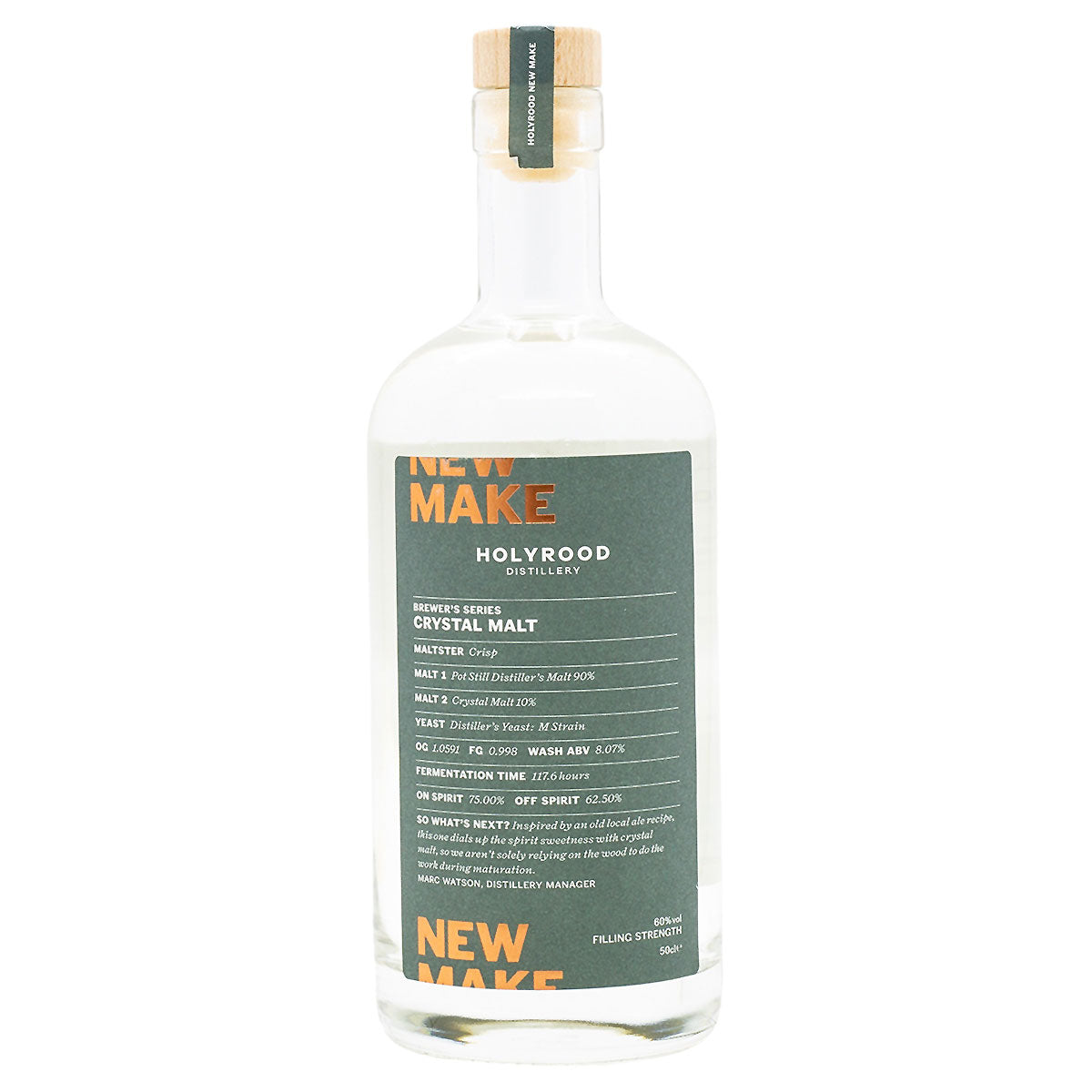
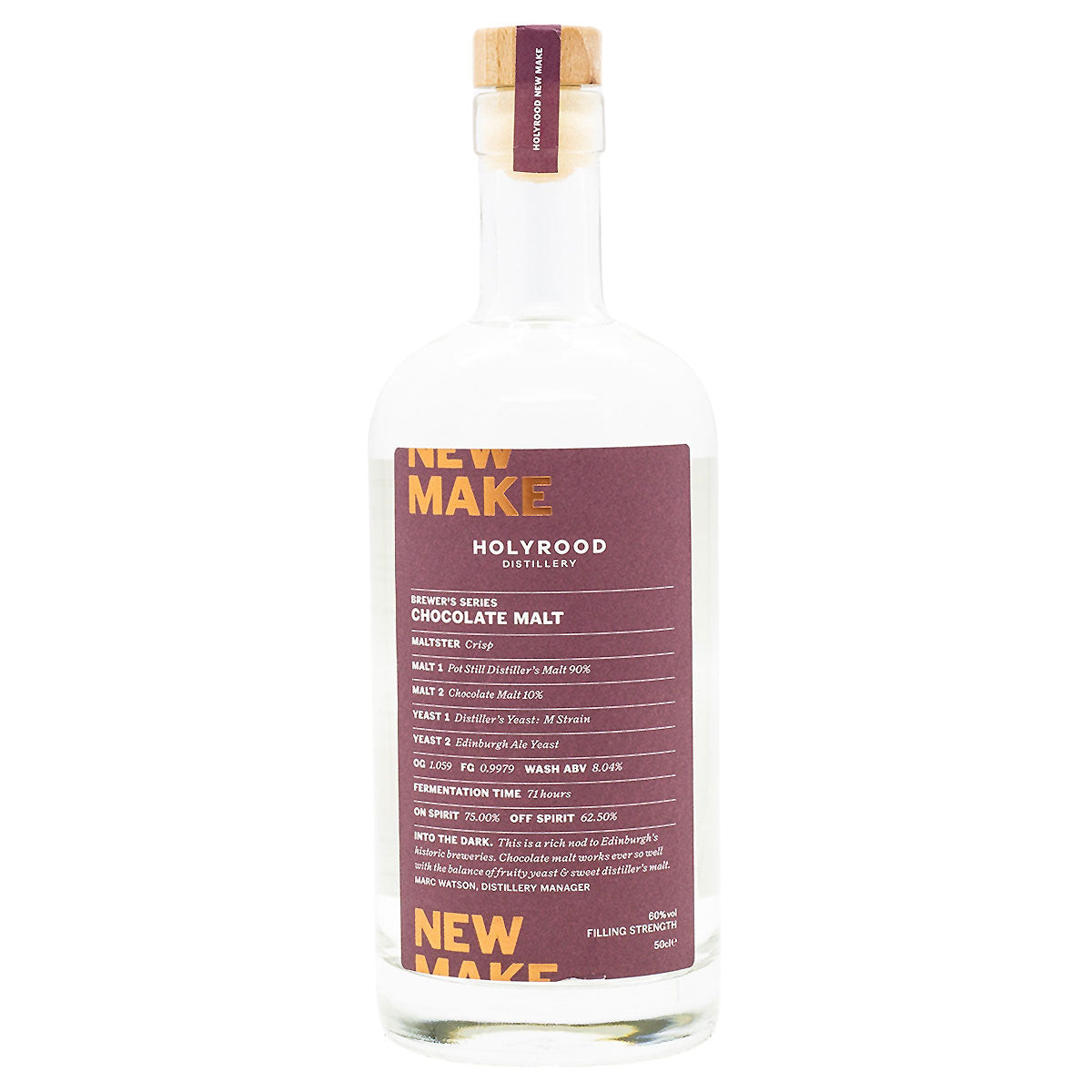
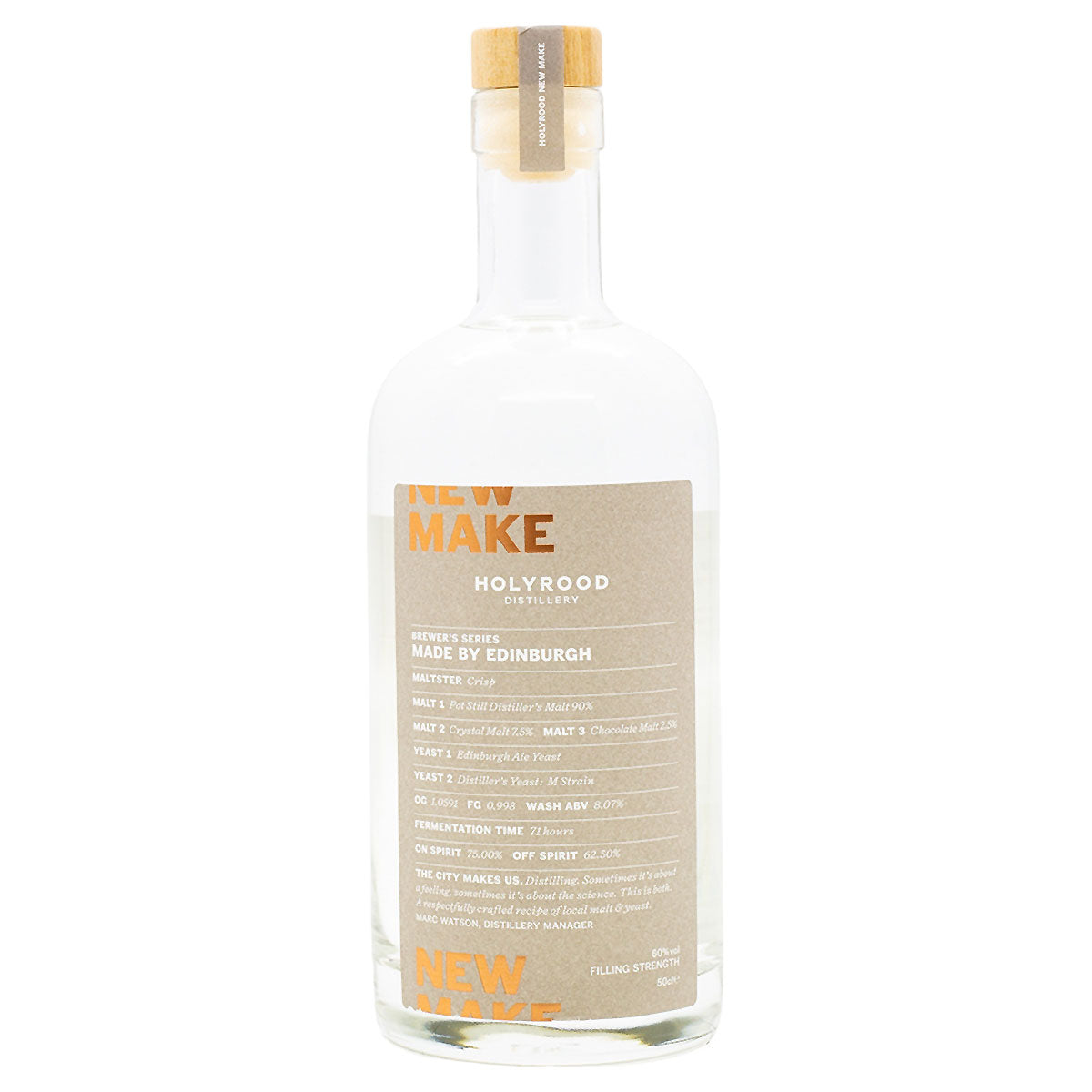
New Make: Distillate before whisky maturation
New make is a distillery's freshly distilled spirit before it begins cask maturation. It comes from the selected heart cut, collected after the foreshots and before the tails. Legally, the distillate is not yet whisky. Depending on its origin, it lacks the prescribed maturation period and other requirements.
As soon as the spirit is filled into a cask, its maturation phase begins. Therefore, a spirit under three years is not simply still fresh new make. How such a bottling can be sold and labelled depends on the respective country and its actual production.
The heart cut bears the distillery's signature
During distillation, the distillery decides which section of the distillate is collected as the heart cut. The position and width of these cuts influence which light, heavy, oily or sulphurous components end up in the new make. Distillation speed, reflux and copper contact also play a role.
Bruichladdich refers to new make as the heart cut before cask maturation. The distillery combines its own spirit with long copper stills and slow distillation. Such manufacturer statements explain the specific process; they do not establish a general rule according to which a certain still shape always produces the same aroma.
Pot still, column still or hybrid plant are also not quality levels. The design and operation must be considered together.
Raw materials and fermentation before the influence of wood
Without cask maturation, differences arising from grain, malting, peat, yeast and fermentation become particularly direct. In addition to alcohol, fermentation produces numerous flavour compounds and precursors. Their effect depends not only on duration, but also on temperature, seasoning, yeast strain and subsequent distillation.
New make therefore offers an immediate insight into production, but does not fully predict the finished whisky. Wood type, previous cask use, maturation period and storage conditions can shift, soften or complement existing characteristics.
White dog is a US term
In the USA, unaged whisky distillate is often called white dog. This is not a globally uniform term with identical rules. Buffalo Trace uses the name for clear, unaged distillates from different mash bills. This allows, for example, a bourbon base recipe and a rye-forward recipe to be compared before they go into a cask.
The brand name or the intended final product does not yet make the distillate bourbon or straight rye. These designations require further legal steps, above all the respective cask maturation.
Information for making a sensible selection
The distillery, country of production, raw materials and grain recipe, as well as a clearly identified batch or distillation date, are helpful. Information on fermentation, distillation plant and cut points helps with classification if the manufacturer discloses it.
The bottle strength is also relevant, but must not be confused with the original collection or cask filling strength. New make can be diluted before sale. Two samples can be better assessed sensorially if their alcohol strengths are known and set similarly.
Anyone who compares matured whisky with new make from the same production can more easily distinguish the influences of distillation and cask. A typical oak note, colour or cask fruit is not to be expected in the fresh distillate, however.
Frequently asked questions about new make
What is new make?
New make is a distillery's selected fresh spirit after distillation and before cask maturation begins.
Is new make already whisky?
No. The distillate does not yet meet the prescribed cask maturation and, if applicable, other rules of its later whisky category.
Is every spirit under three years new make?
No. After filling the cask, it is maturing spirit. New make refers to the fresh spirit before this maturation.
What is the difference between new make and white dog?
White dog is a term commonly used in the USA for unaged whisky distillate. New make is used particularly in the Scottish and European whisky context; neither term is regulated uniformly worldwide.
Does new make already show the later whisky flavour?
It shows raw material, fermentation and distillation influences. The later result cannot be fully derived from this, because cask maturation changes and adds further characteristics.