
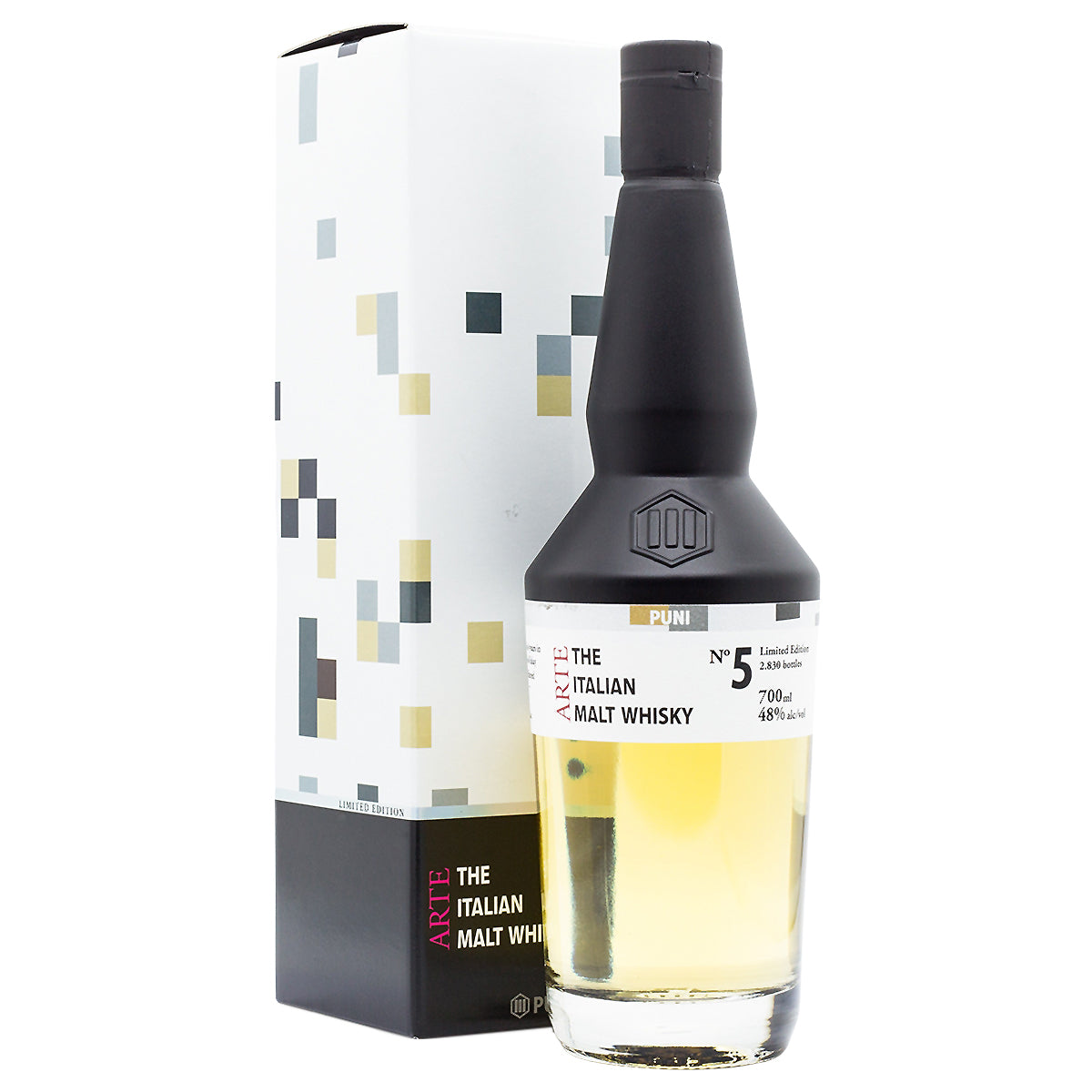
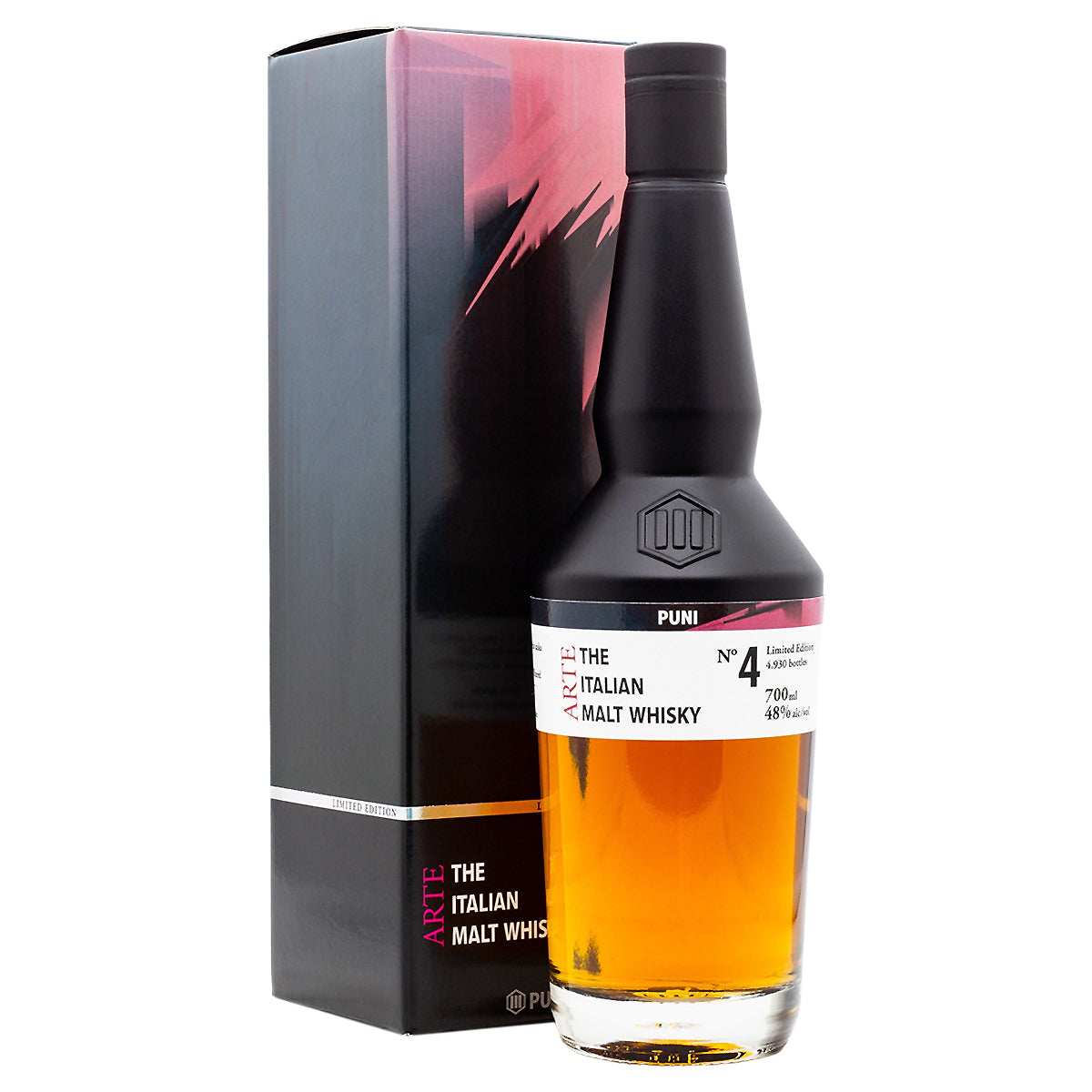
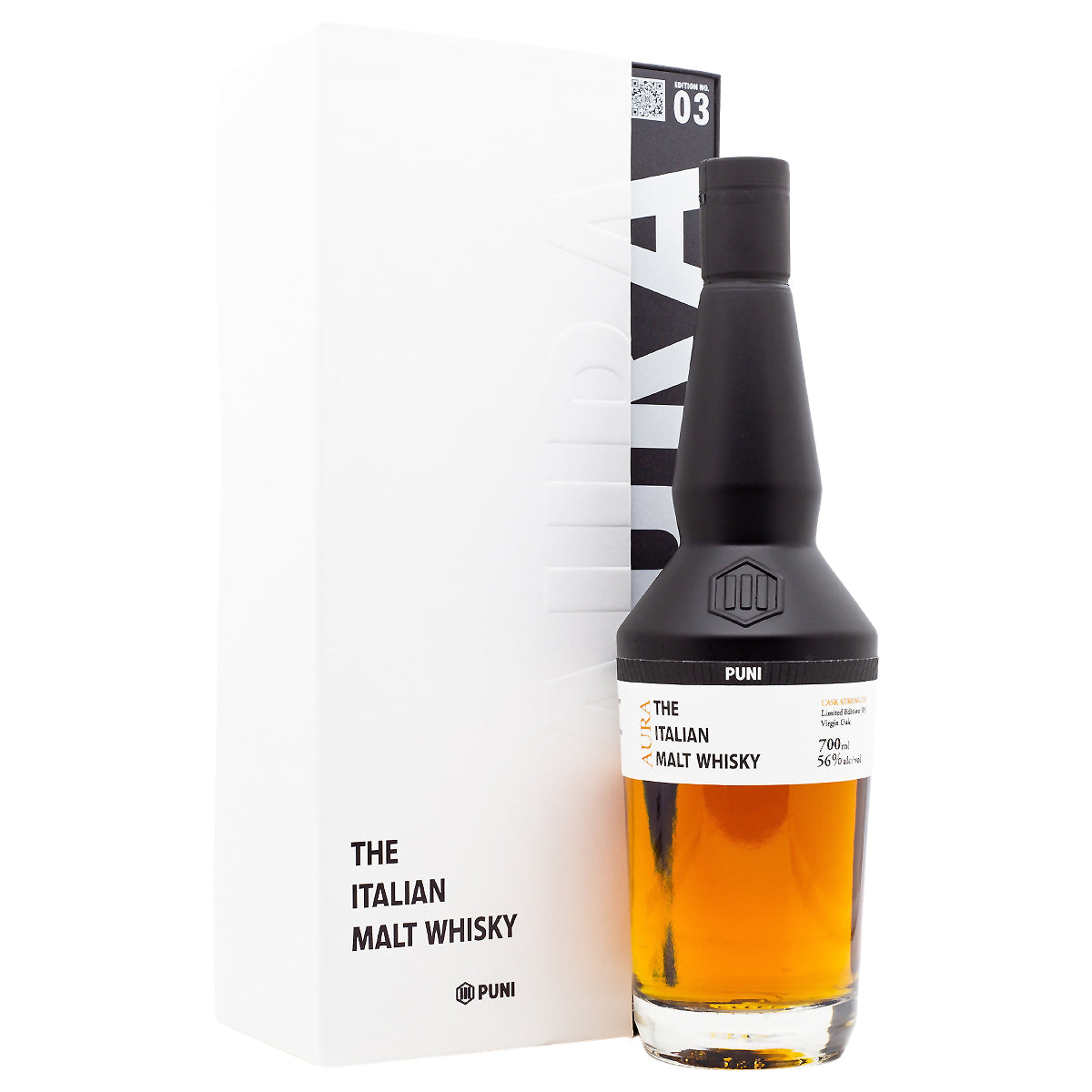

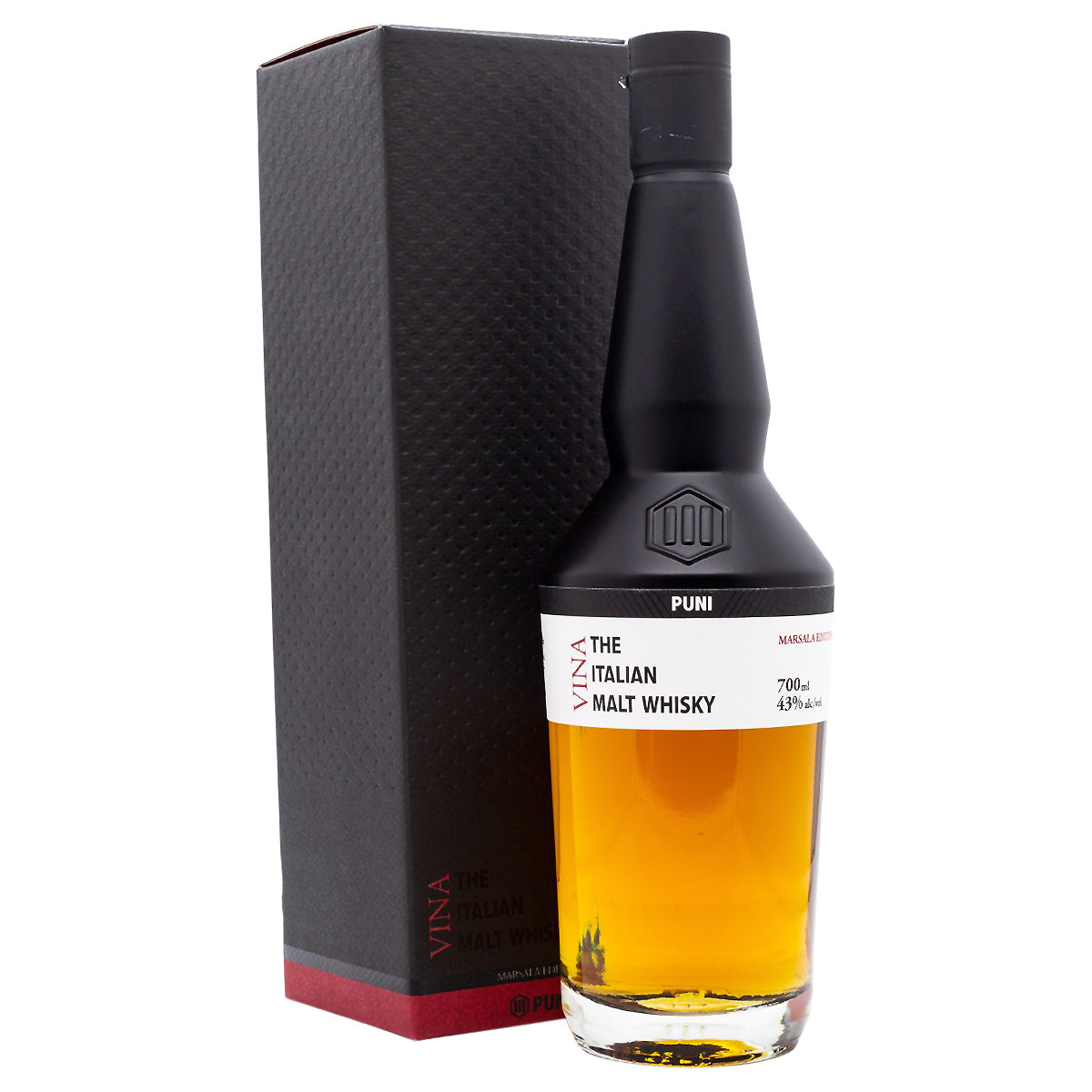

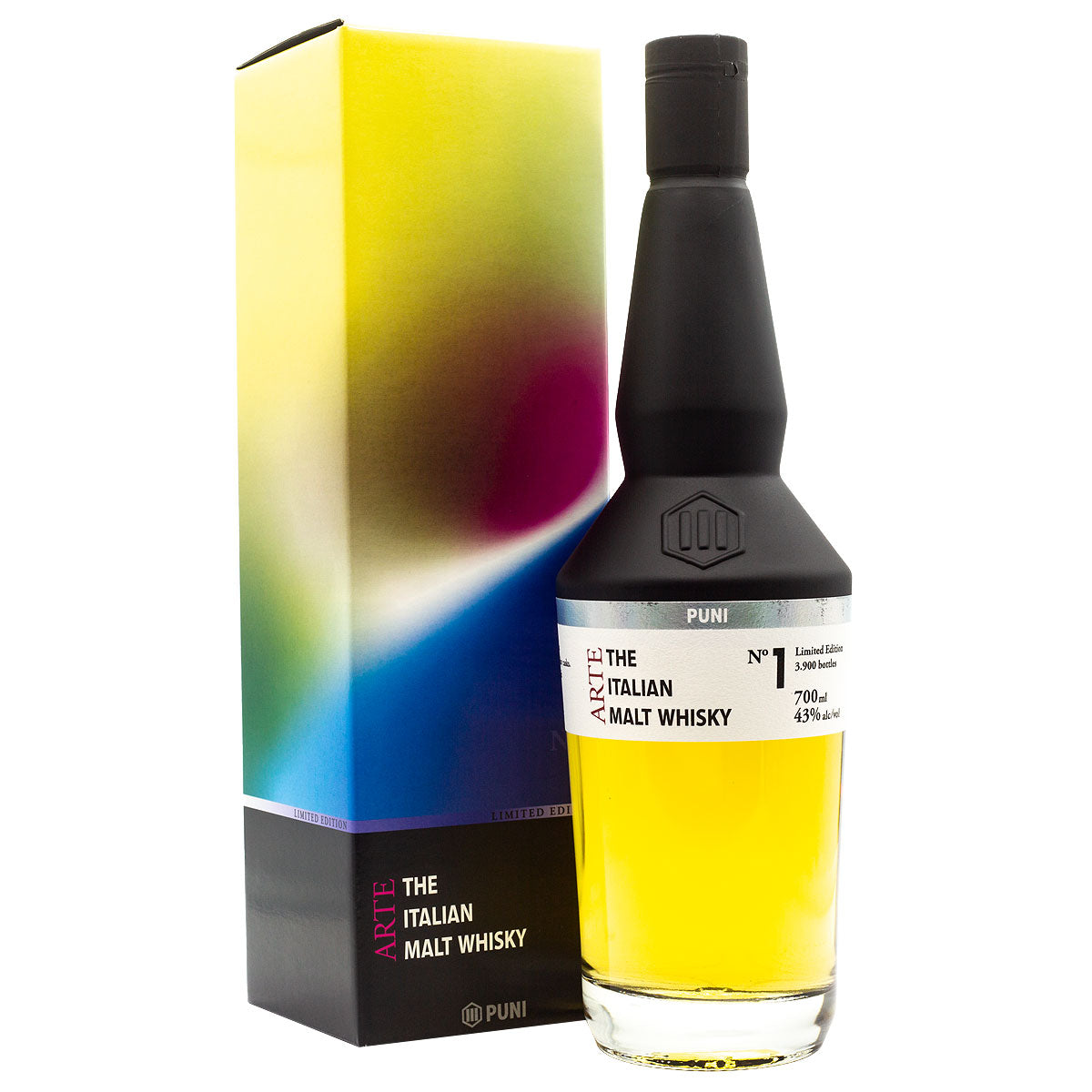
Italian Whisky: Distinguishing Current Recipes and Maturation
Italian whisky is not a legally defined national style. Whiskies from Italy must comply with general European rules, but distilleries choose their own raw materials and production methods. Three pieces of information are therefore helpful when making a selection: Which grains were used, what type of product is stated on the label, and how was it matured?
The spirit must be matured in casks for at least three years. The casks used must have a maximum capacity of 700 litres, and the bottling must contain at least 40 per cent alcohol. Single malt may only be used to describe whisky made exclusively from malted barley and distilled at a single distillery. There is currently no protected national whisky designation with its own set of Italian specifications.
Puni has changed its grain recipe
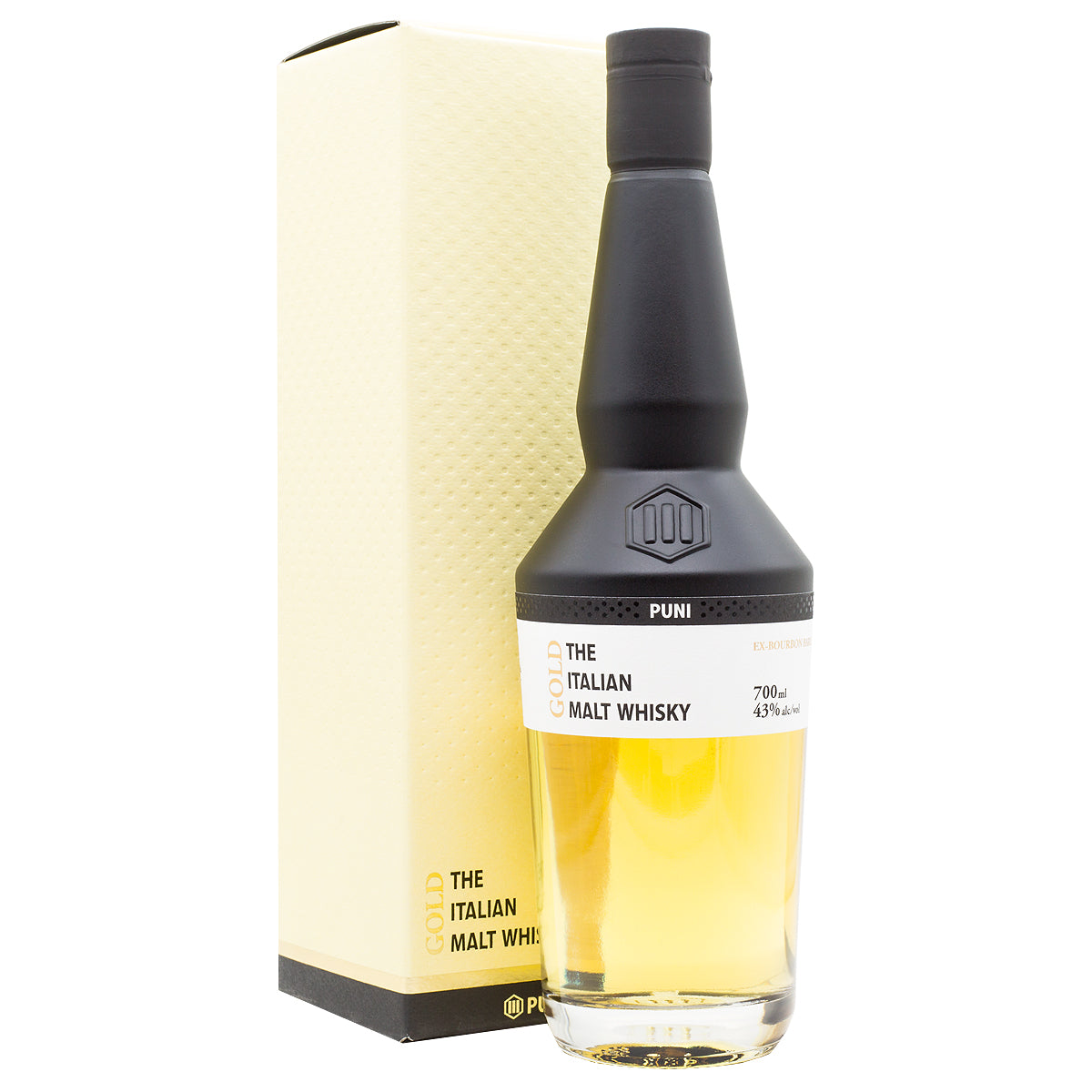
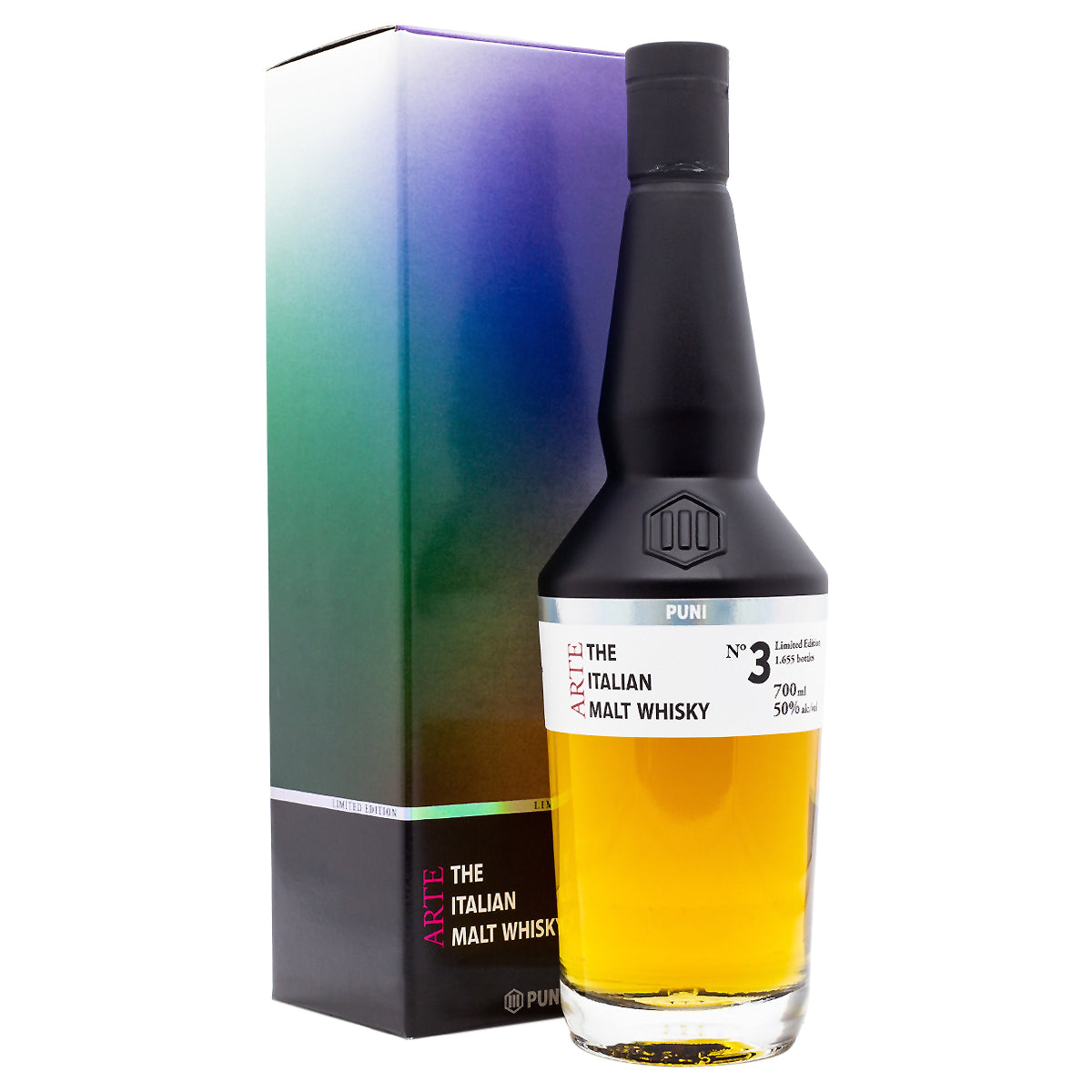
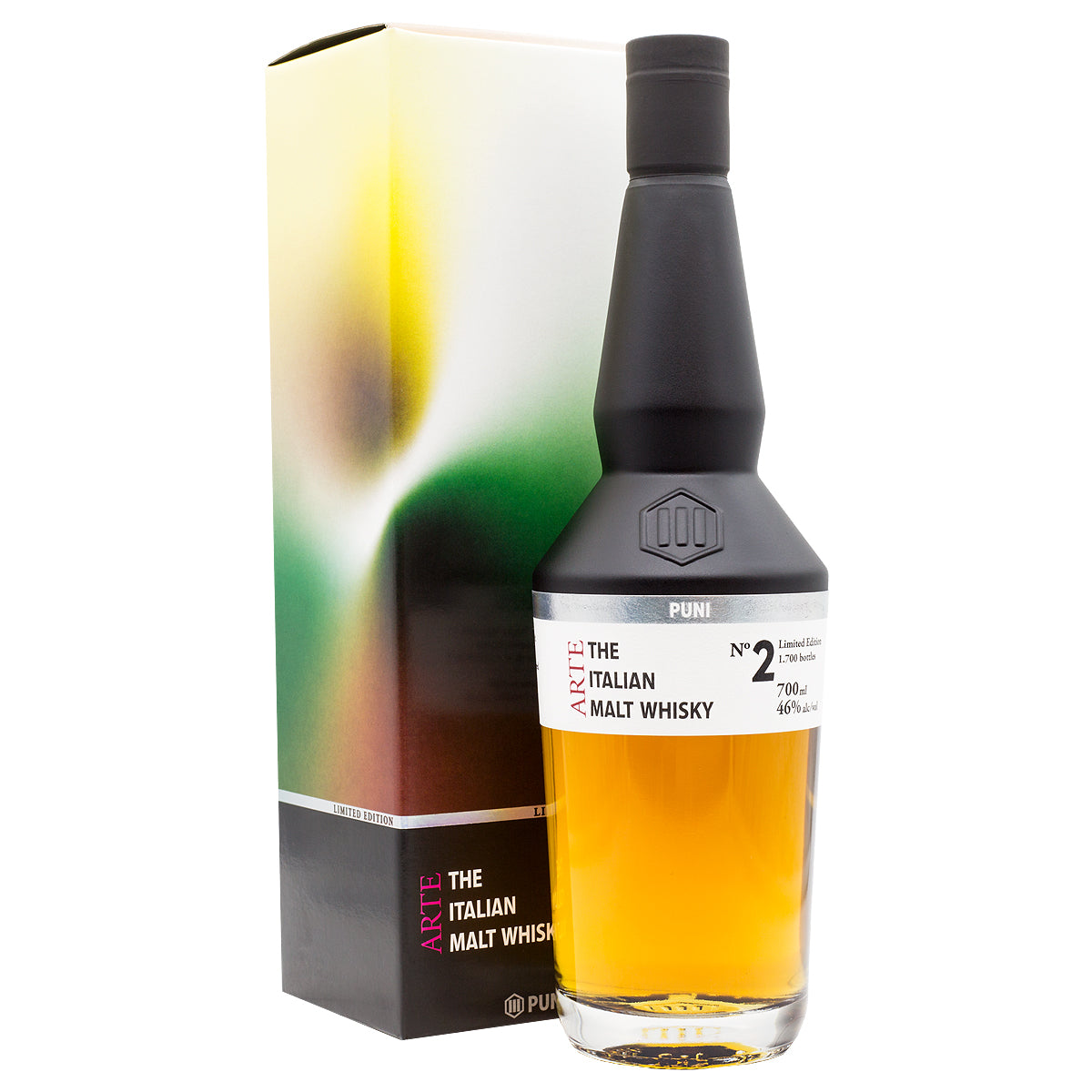
The Puni Distillery in South Tyrol is a useful example of why current manufacturer information is more important than older brand descriptions. In its early years, the distillery used a blend of malted barley, malted wheat and malted rye. Since 2016, it has stated that it now focuses primarily on pure malted barley.
Historical Puni bottlings and today's production may therefore be based on different recipes. An earlier text mentioning several types of malt does not necessarily describe a current bottle. If you want to distinguish between malted barley, wheat and rye, you will find the most reliable answer in the specific product description or on the label.
Puni also uses peated malted barley for some creations. Smoke is therefore a choice for certain batches or ranges and not a general characteristic of Italian whisky.
Italian wine casks are an option, not a requirement
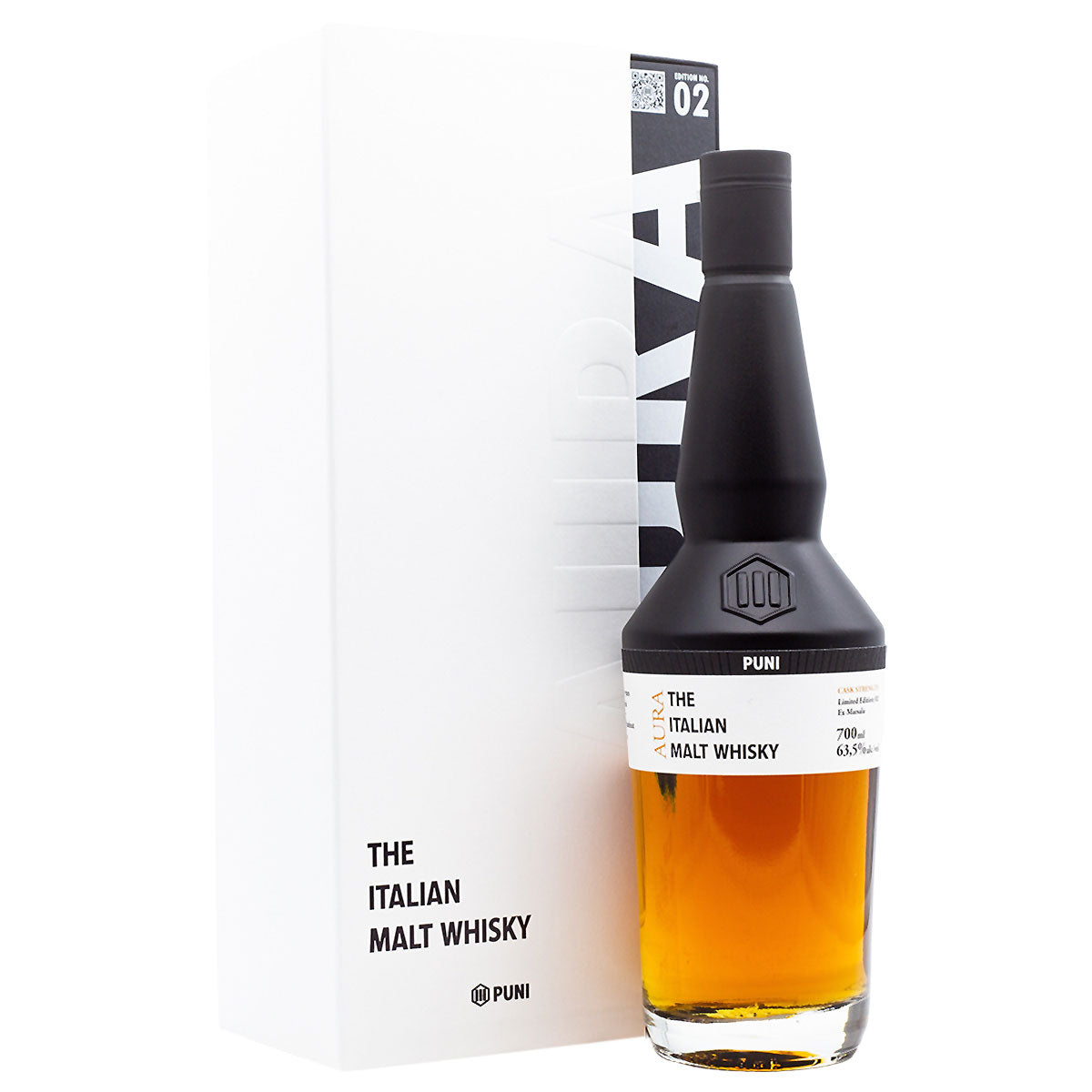
Italy's wine and sweet wine culture offers distilleries convenient cask options. In addition to whisky matured in ex-bourbon casks, Puni also matures whisky in Pedro Ximénez sherry and Marsala casks. Poli Distillerie in Veneto uses malted barley and finishes its whisky in former Amarone casks.
Such names are useful on a product page because they describe the actual cask history. However, they do not make a whisky Italian on their own. A Marsala or Amarone cask can also be used outside Italy, while Italian whisky can just as easily be matured entirely in ex-bourbon casks. What remains crucial is where the whisky was distilled and what information the producer provides about the specific bottling.
There is also a difference between full maturation and finishing. Full maturation means that the entire maturation period takes place in the specified type of cask. A finish refers to a later, additional maturation phase. Without this information, the name of the wine previously held in the cask does not indicate how much the cask may have influenced the whisky.
Puni and Poli represent different producer choices
Puni combines current malted barley production with a wide range of cask options. Poli brings the experience of a long-established distillery from Veneto to its own malt whisky. Both names help with navigation without claiming a shared Italian style. The significant differences lie in the recipe, distilling process and maturation details.
Frequently asked questions about Italian whisky
Is there a protected designation of origin for Italian whisky?
There is currently no Italian national whisky GI. Italian producers must meet the general European requirements for whisky.
Is Puni whisky made from several grains?
That depends on the production period. In its early years, Puni used malted barley, wheat and rye. Today, according to the distillery, the focus is on pure malted barley.
Must Italian whisky be matured in a wine cask?
No. Marsala, Amarone or other wine casks are voluntary choices made by individual producers. Ex-bourbon and other wooden casks are also possible.
Is every Italian whisky a single malt?
No. Single malt is a more precise product designation and requires malted barley as well as distillation at a single distillery.
What is important about an Italian wine cask finish?
Check whether the product page states full maturation or only a finish. This information describes when and for how long the whisky was in contact with the specified type of cask.