



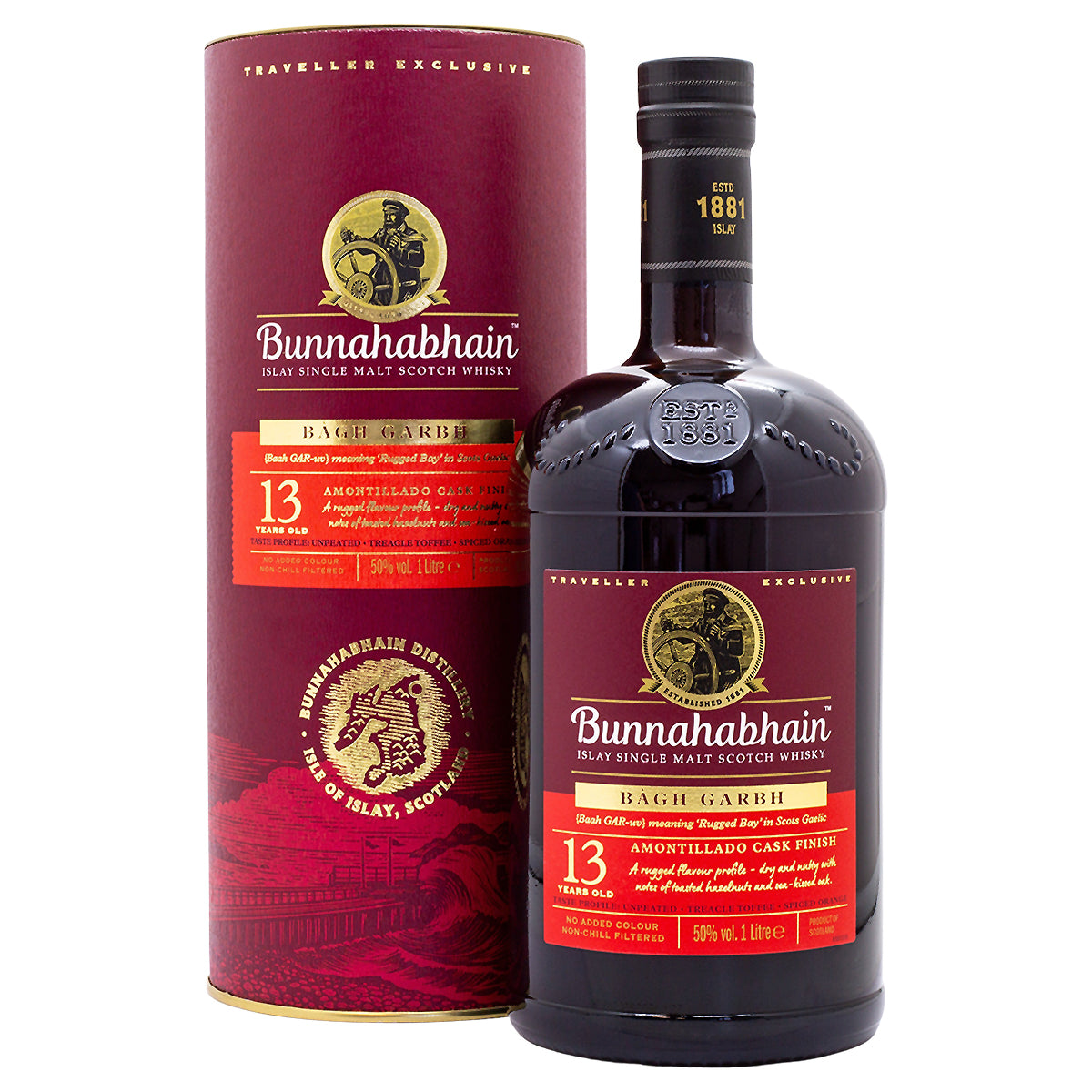
Whisky with Finish: The Final Stage of Maturation
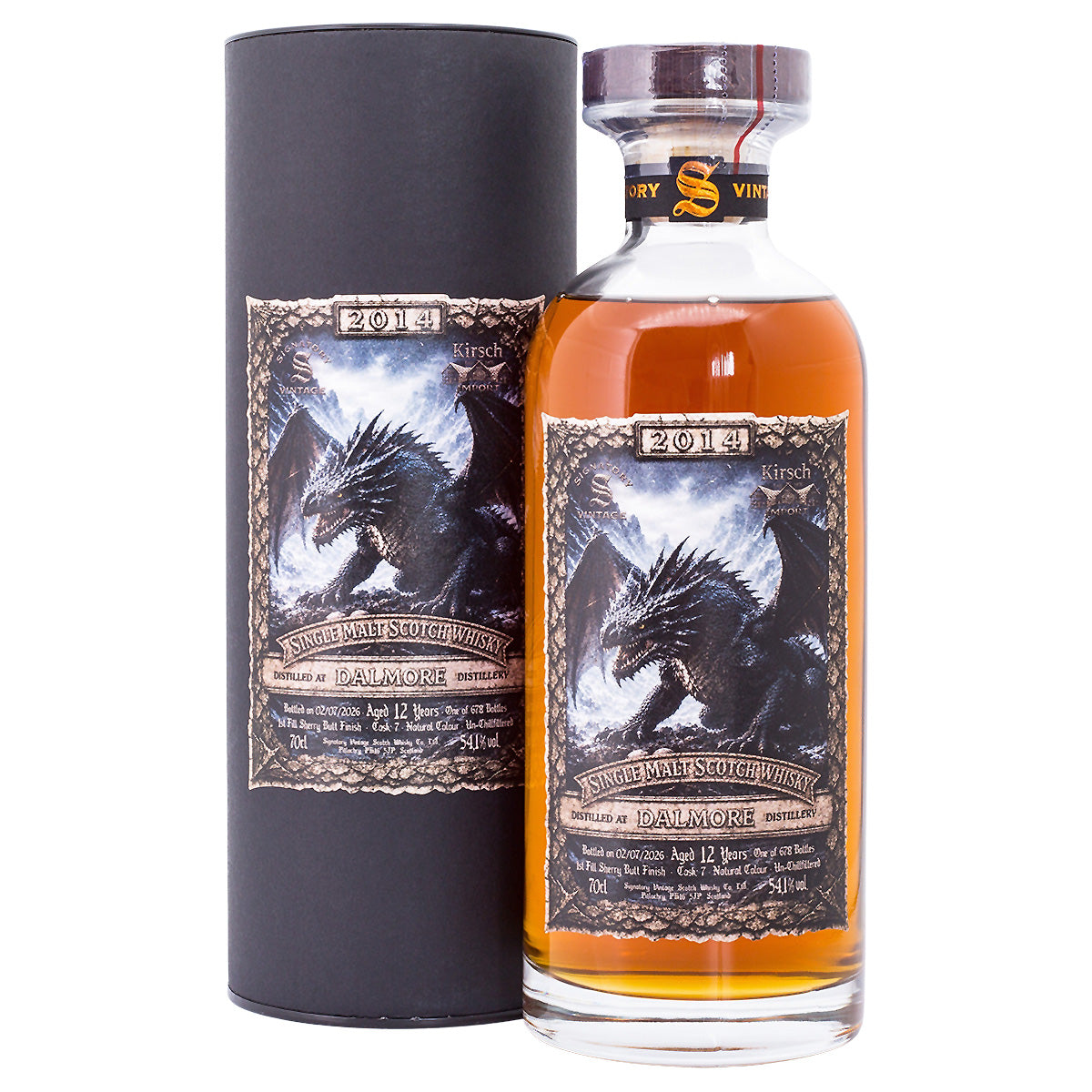
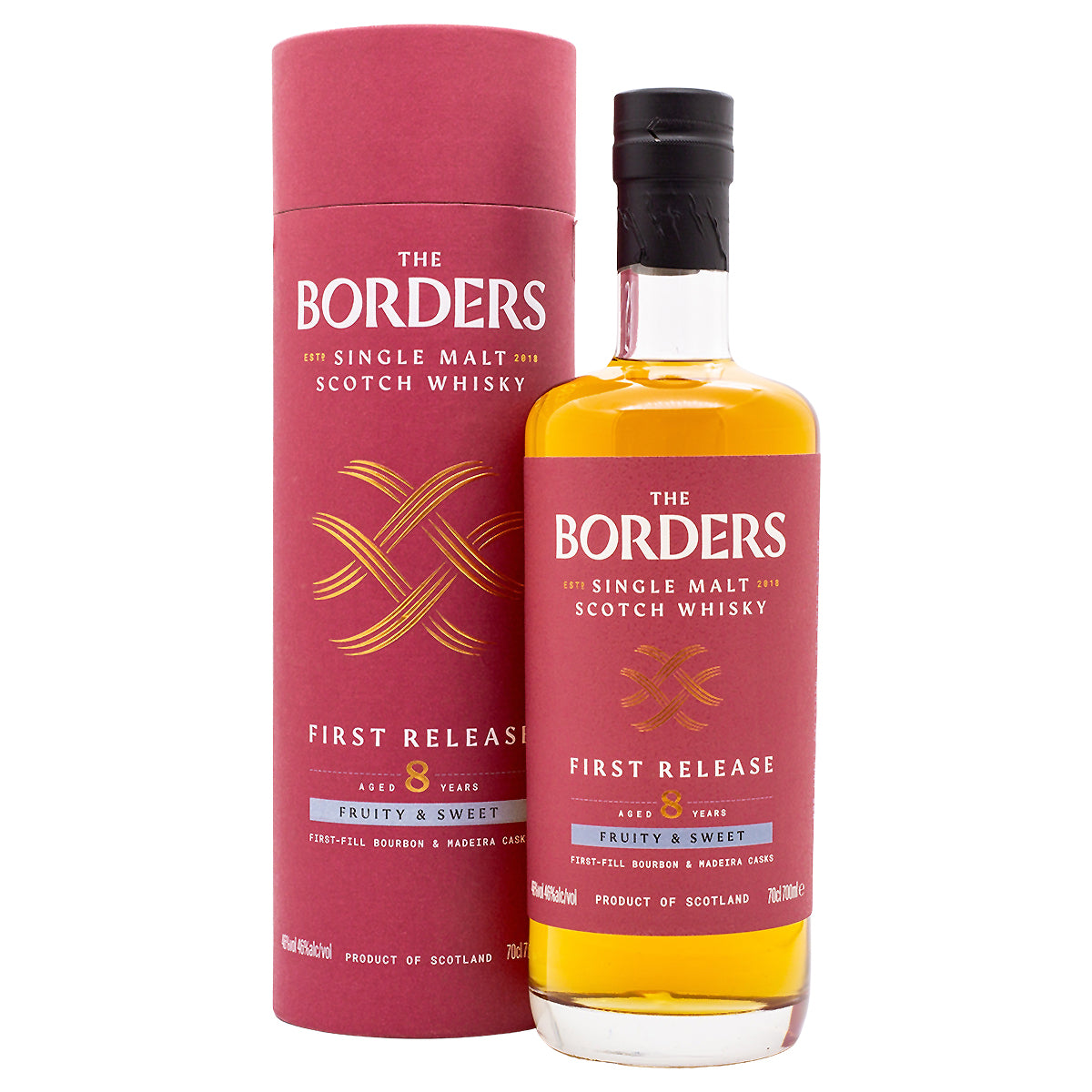
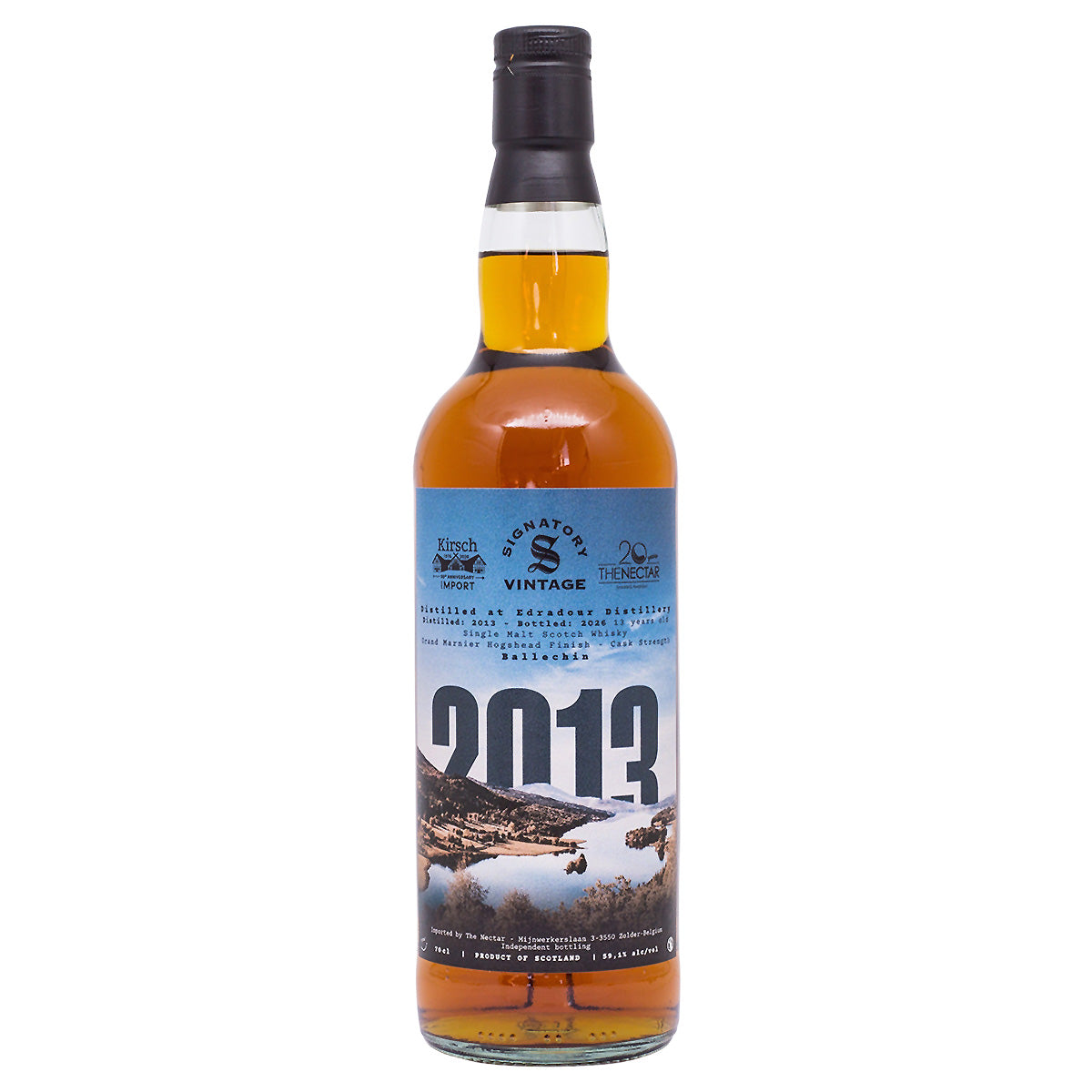
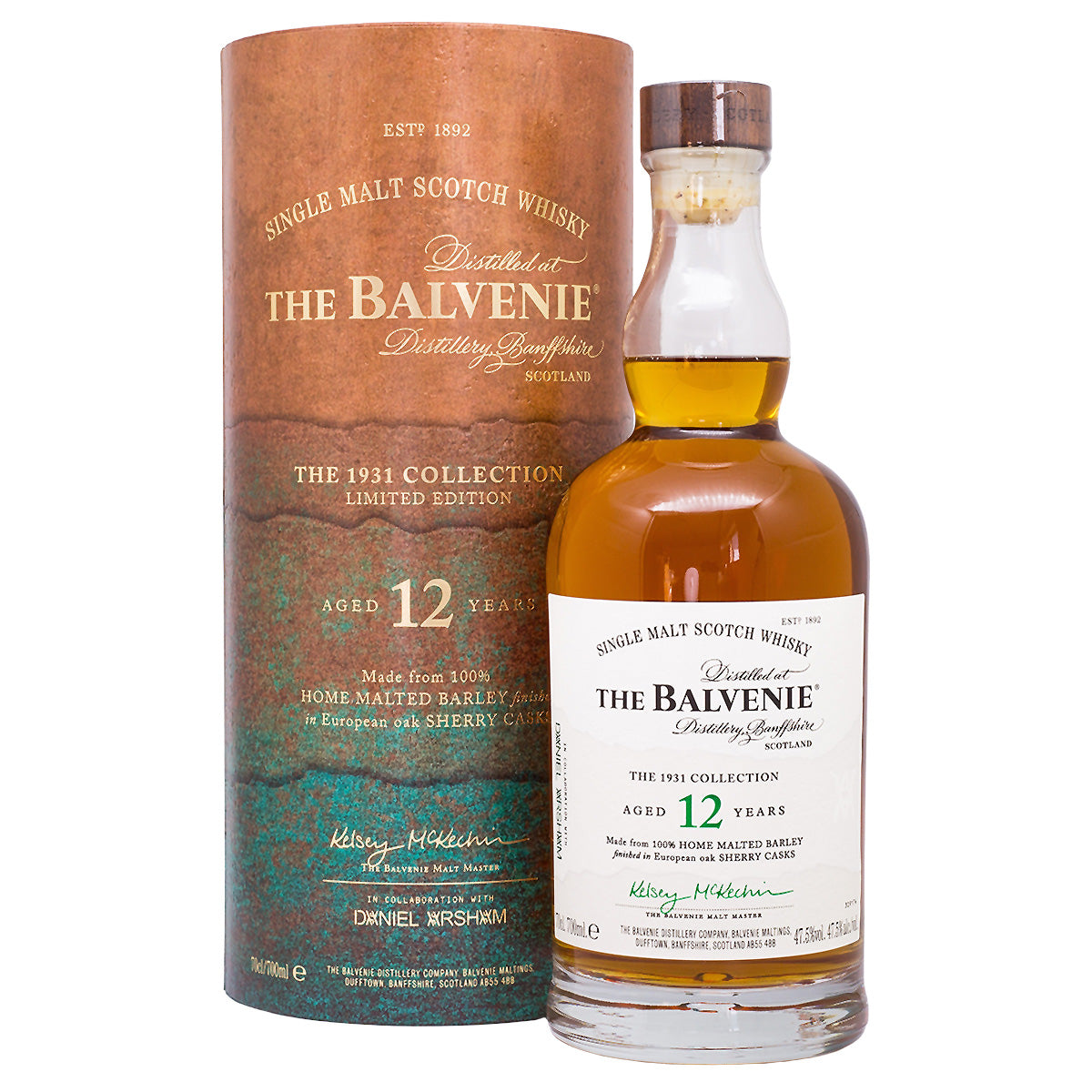
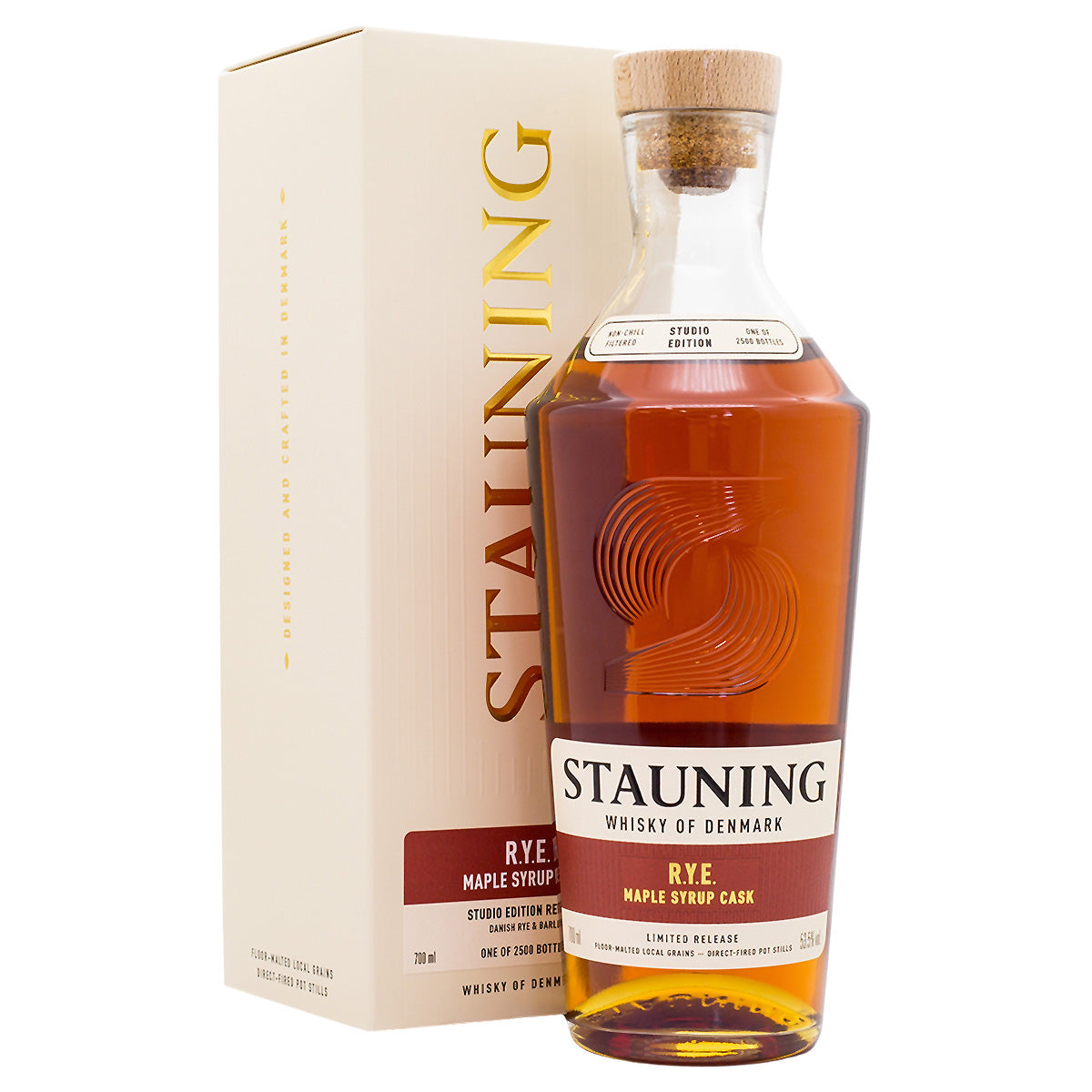
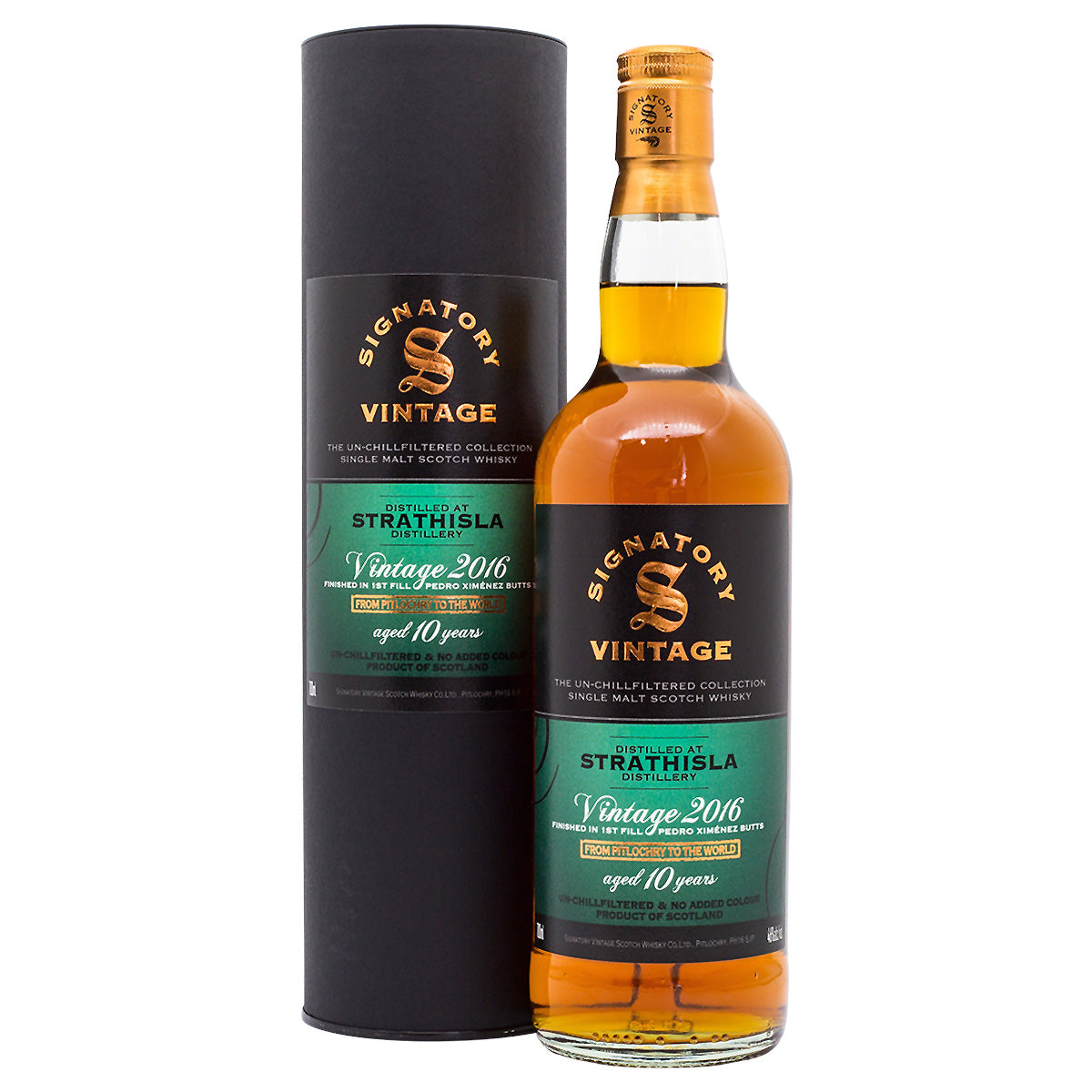
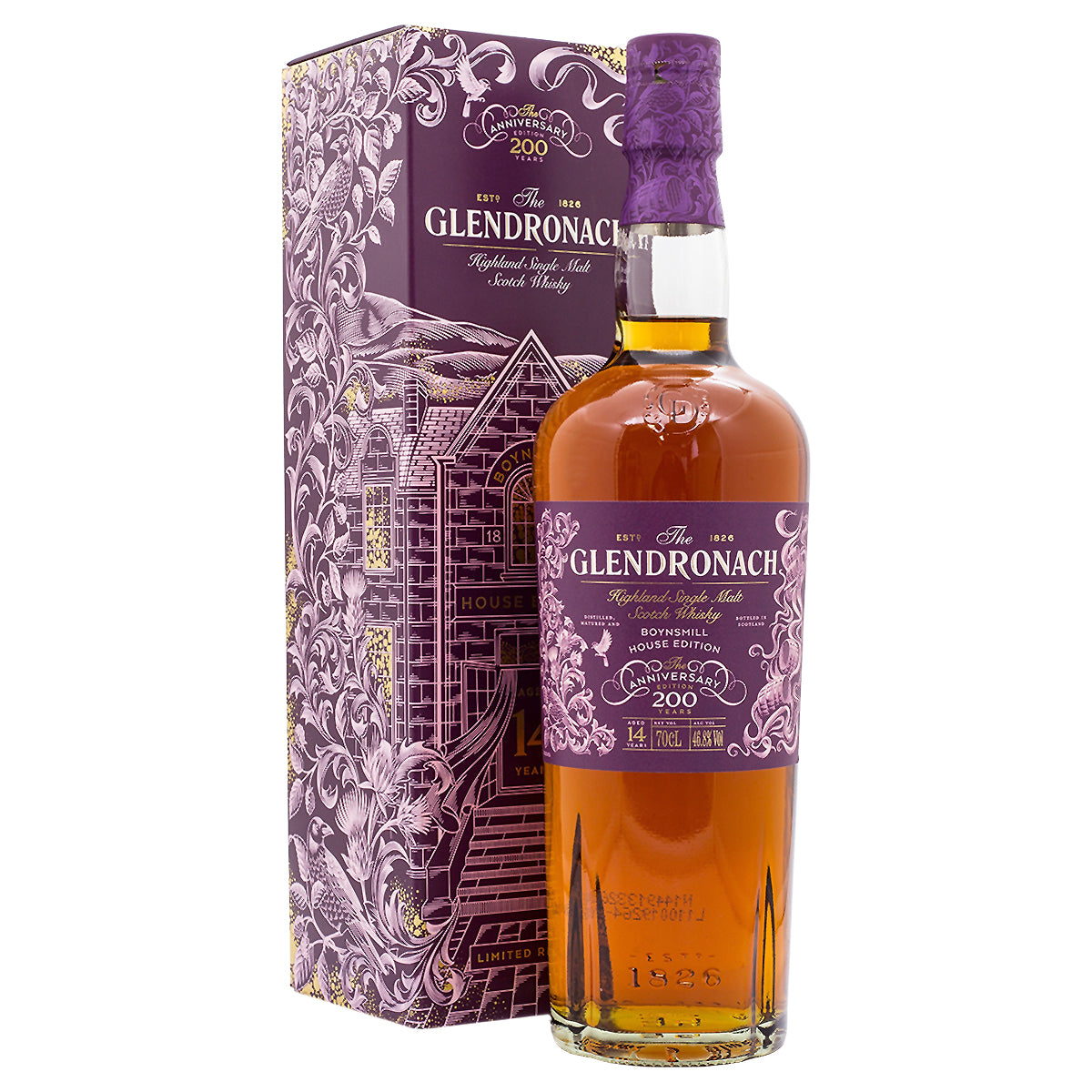
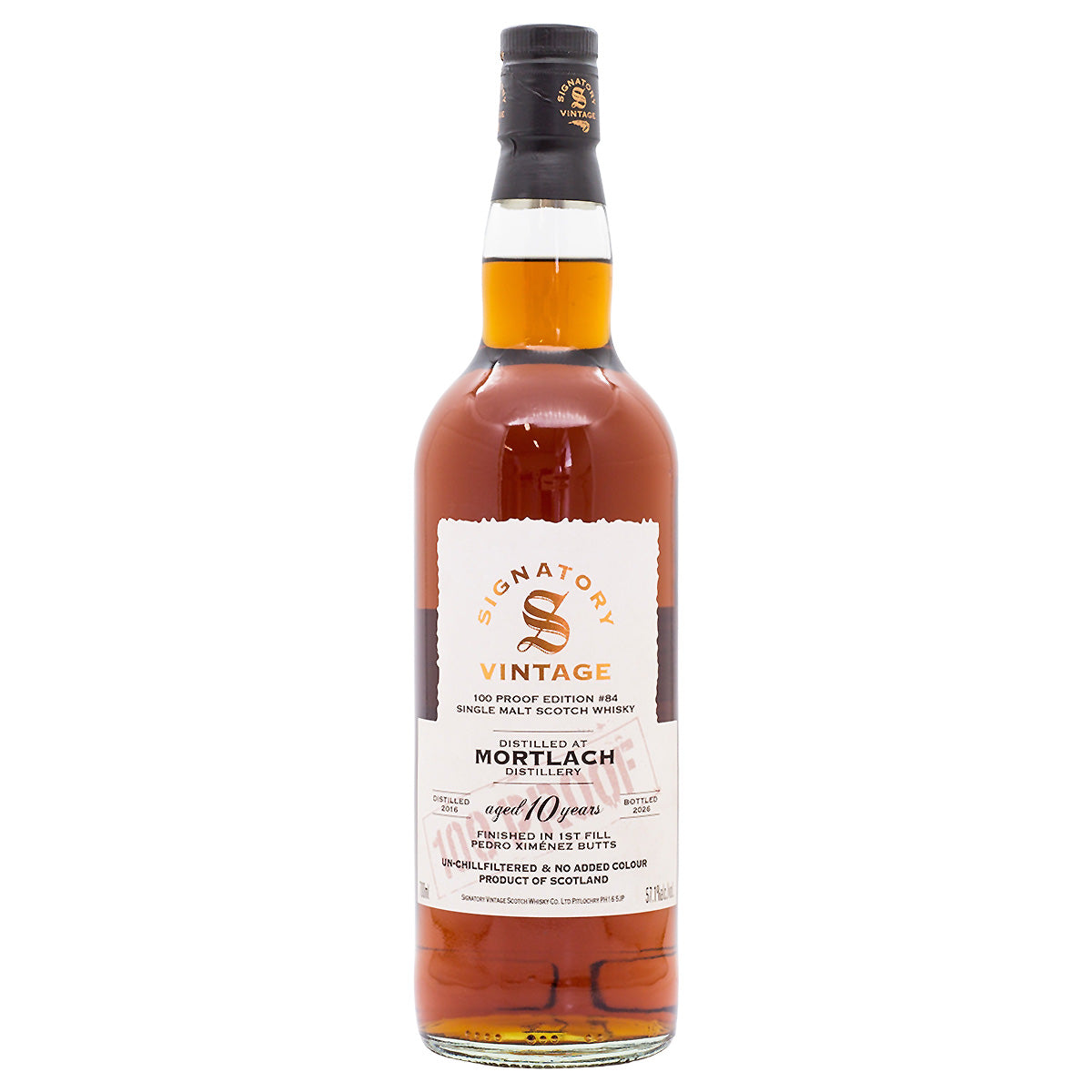
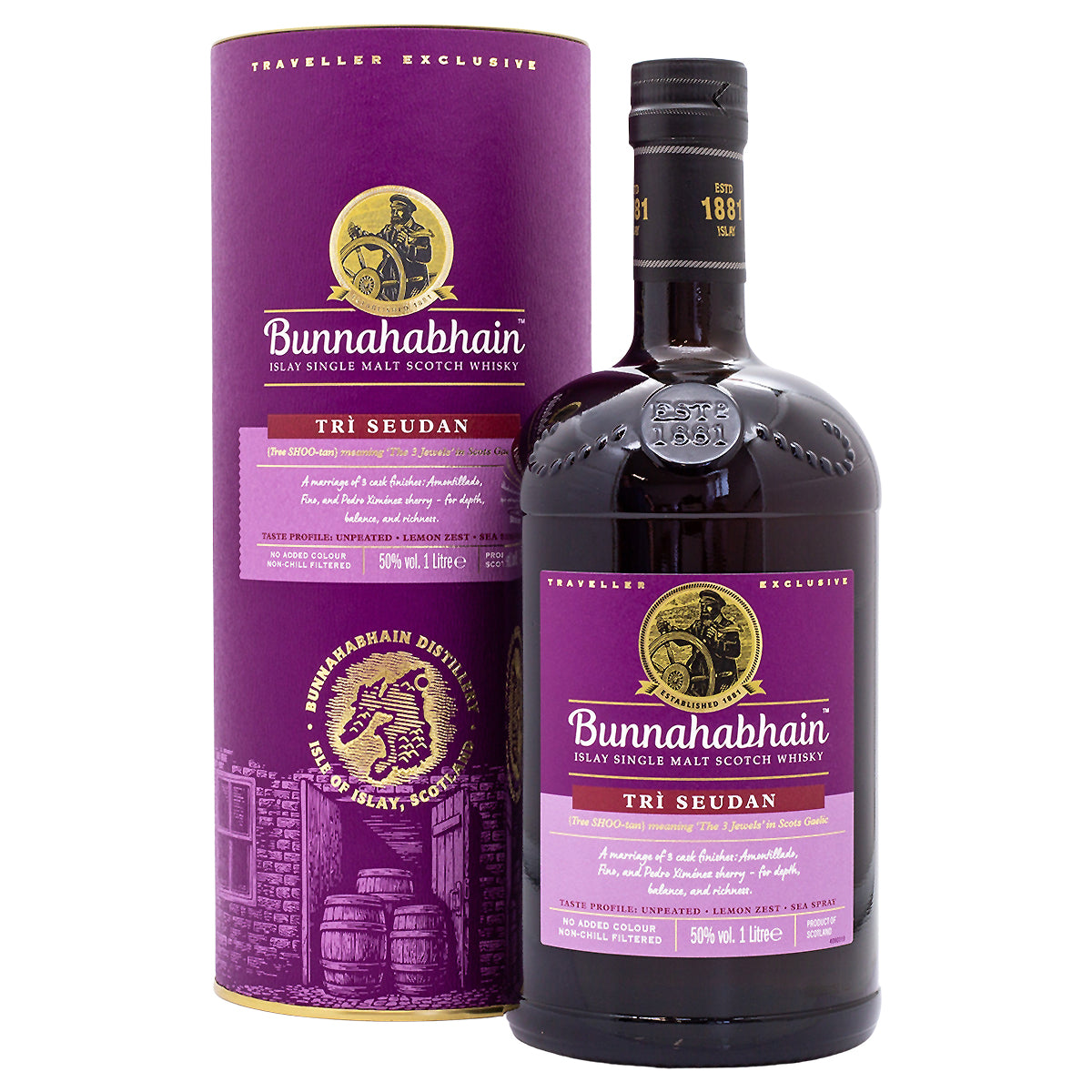
With whisky with finish, the final stage of maturation takes place after a change of cask. The already matured whisky is transferred and further matured. The term describes a sequence of casks, not a type of whisky or quality class.
A clear product page should therefore state the base whisky, the initial maturation, and the subsequent finish cask. If this sequence is missing, little can be inferred about the actual process from a known cask name alone.
Finish or full maturation?
With full maturation, the whisky spends its entire required maturation period in the specified type of cask. A finish, on the other hand, requires at least one change of cask. Starward , for example, describes full maturation in Australian red wine casks for some of its range. Despite the distinctive previous use, this is not a red wine cask finish.
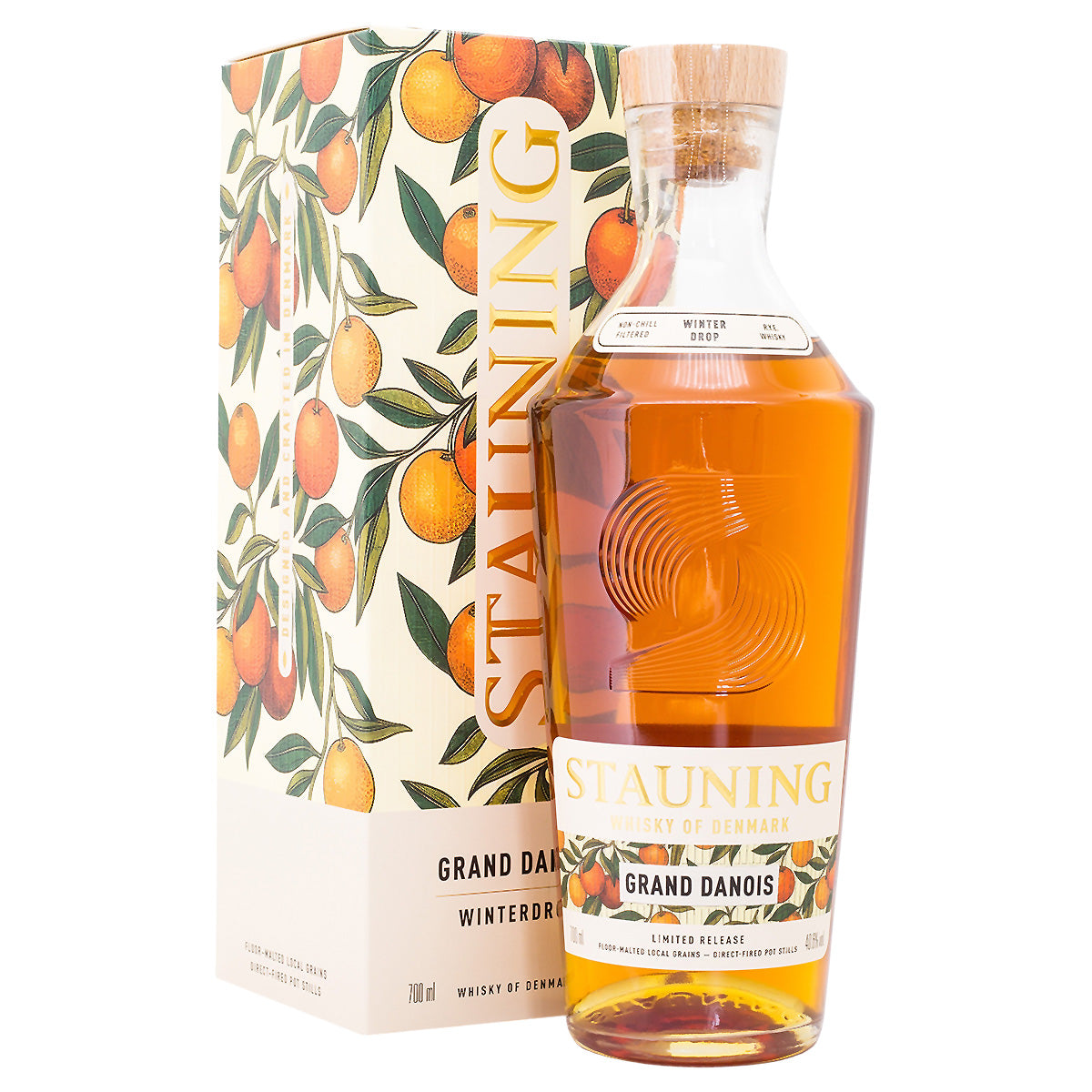
Glenmorangie uses a different logic for various bottlings: First, the single malt is matured in bourbon casks, followed by a finish in port or other previously used casks, depending on the bottling. What matters is the explicitly stated sequence of casks, not the brand name alone.
Double Cask and Triple Cask are not always clear
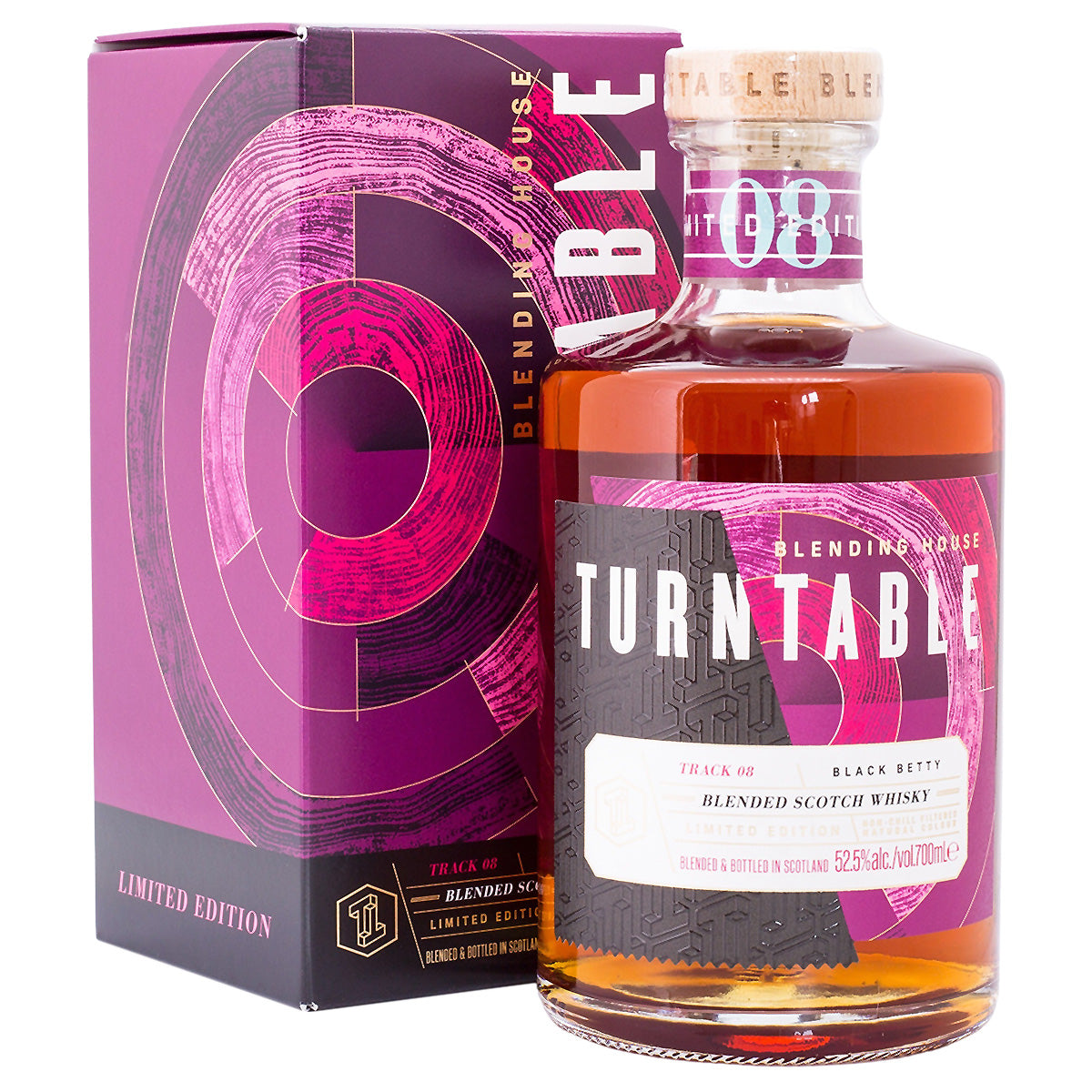
Terms such as Double Cask, Triple Cask, Double Wood and Three Wood are not universally standardized terms for a finish. They can refer to types of casks used one after the other. Similarly, components matured separately can later be blended together.
The number in the name indicates neither the number of individual physical casks nor necessarily their order. Phrases such as matured in, finished in or transferred to and a clear description of the process are much more helpful.
What the finish statement must achieve
In the EU, any indication of the cask's previous use must be accurate and unambiguous. The cask must have actually been previously used for the specified beverage and completely emptied. The whisky must be stored in it long enough for the further maturation to influence its character.
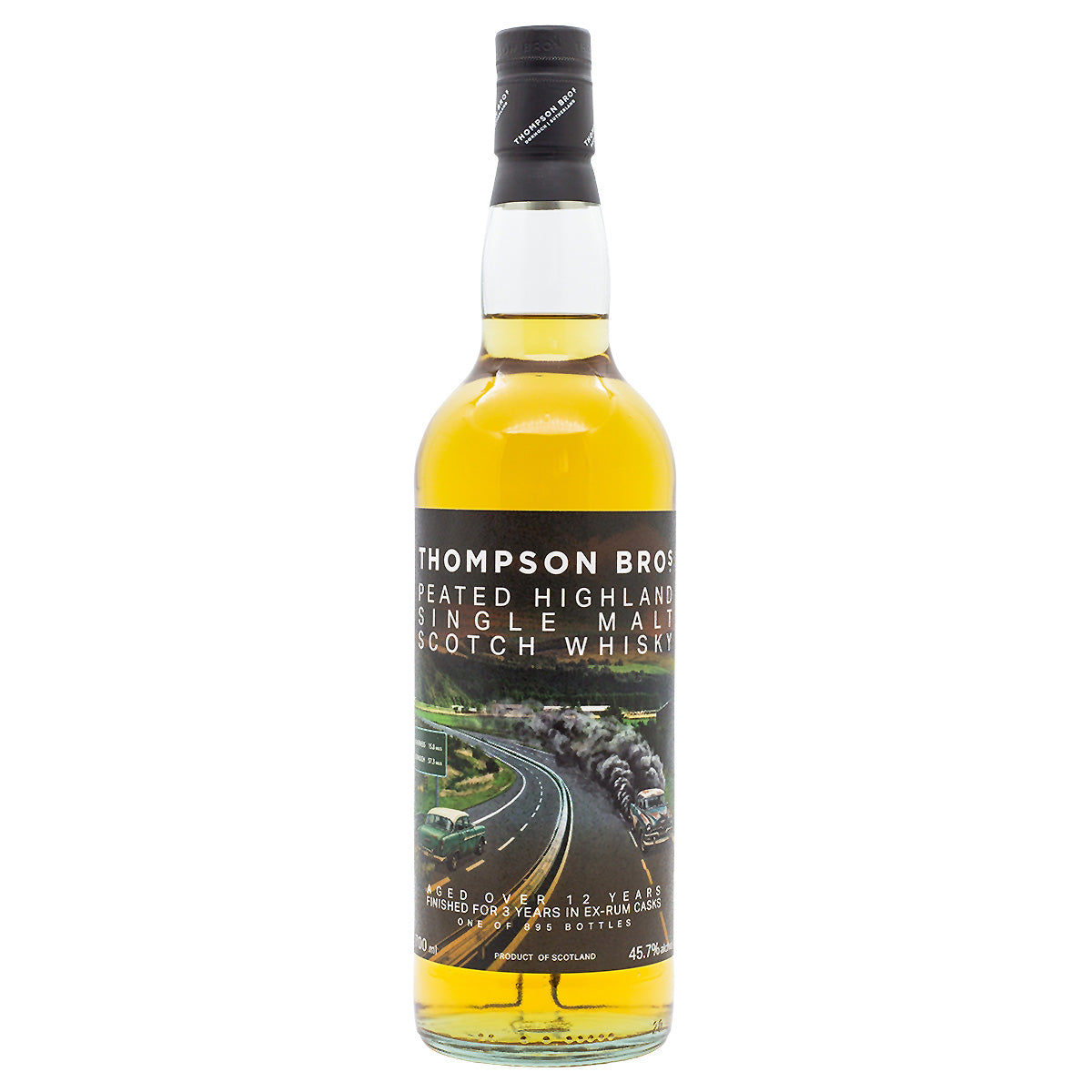
If only part of the whisky was further matured, the description must not give the impression that the entire contents received this finish. For designations of spirits, it must also be clear that the cask used is being referred to, for example with a Rum Cask Finish.
Information that helps with selection
First read the origin and type of whisky. This is followed by the initial cask type, the finish cask, and, if possible, the duration of the further maturation. It is also important whether the entire batch or only part of it was transferred. If only a portion was used, it should be explained what it was subsequently blended with.
The exact previous use and condition of the cask can also be relevant. A previously used cask used for whisky for the first time behaves differently from one that has been used multiple times. There is no general rule that a longer finish is better. What matters is whether the producer describes the sequence of casks in a way that can be traced.
Cask names are no guarantee of aromas
Port, sherry, wine, rum, or beer casks can influence the whisky, but they do not determine a fixed aroma. The base whisky, previous maturation, cask size, previous use, duration of use, and proportion of the finished whisky all work together.
A rum cask therefore guarantees neither sweetness nor tropical fruit. A famous wine name does not automatically make a bottling higher quality. Concrete tasting notes for the respective whisky are more reliable than the cask type alone when making a selection based on flavour.
Frequently asked questions about whisky with finish
What does finish mean in whisky?
Finish refers to the final stage of maturation in a different cask from the one previously used. The whisky is transferred and further matured.
What is the difference between finish and full maturation?
A finish follows a previous cask phase. With full maturation, the whisky is stored in the specified type of cask for its entire maturation period.
Does Double Cask always mean a finish?
No. Double Cask can refer to types of casks used one after the other or components matured separately and later blended together. The process description is what matters.
Does the entire whisky always receive further maturation in a finish?
No. A portion can also be finished and then combined with other components. The product page should clearly explain the proportion.
Does a sherry or rum cask guarantee certain aromas?
No. Cask previous use, base whisky, maturation period, cask condition, and blending proportion all work together to influence the result.