


Whisky from the Netherlands: Pay attention to the grain and product type
Whisky from the Netherlands ranges from Single Malt made from malted barley to Rye Whisky with a pronounced rye content. The country name does not indicate a specific flavor. When choosing Dutch whisky, you should first read the product type and grain recipe. They reveal whether malted barley, rye, or a blend forms the base. Notes such as "peated" then answer the question of smoke.
Dutch whisky must meet the minimum European requirements. The base is a mash of malted grain fermented with yeast, which may also contain whole grains of unmalted grain. It is distilled to an alcohol content of less than 94.8 percent. After that, the distillate must be aged for at least three years in wooden casks with a capacity not exceeding 700 liters. It is bottled with at least 40 percent alcohol. Single malt may only come from malted barley and be distilled in a single distillery.
Millstone shows the differences even in the raw material
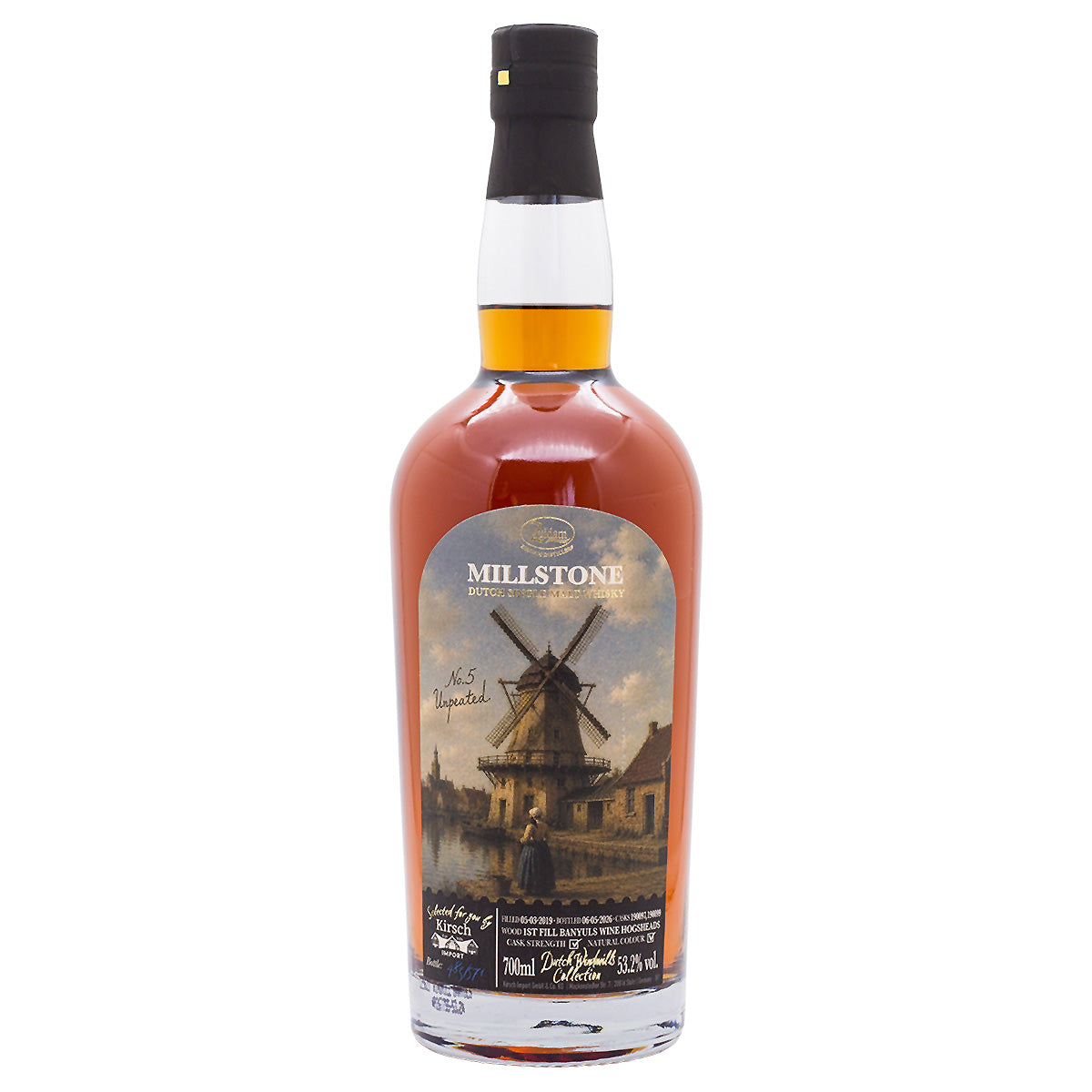
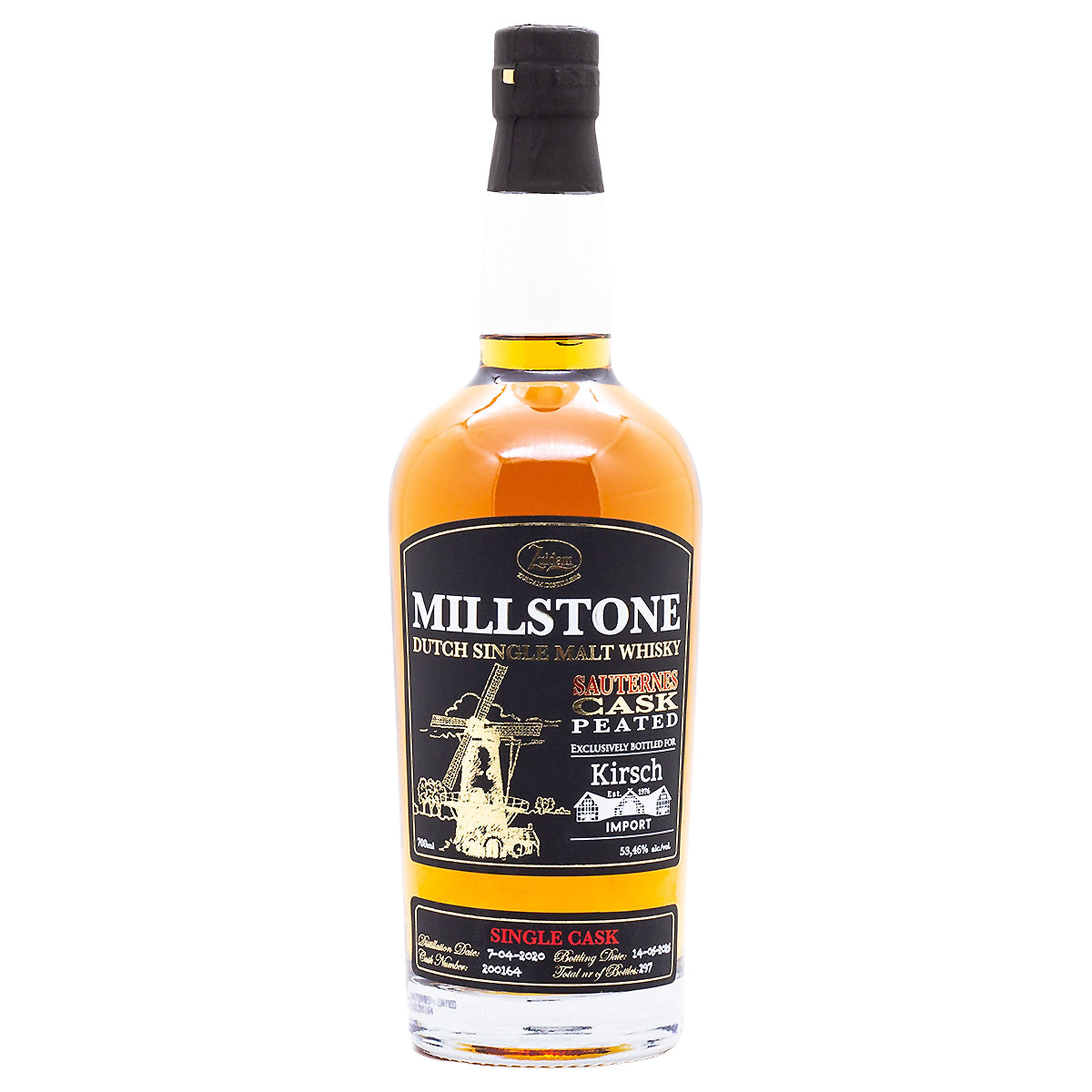
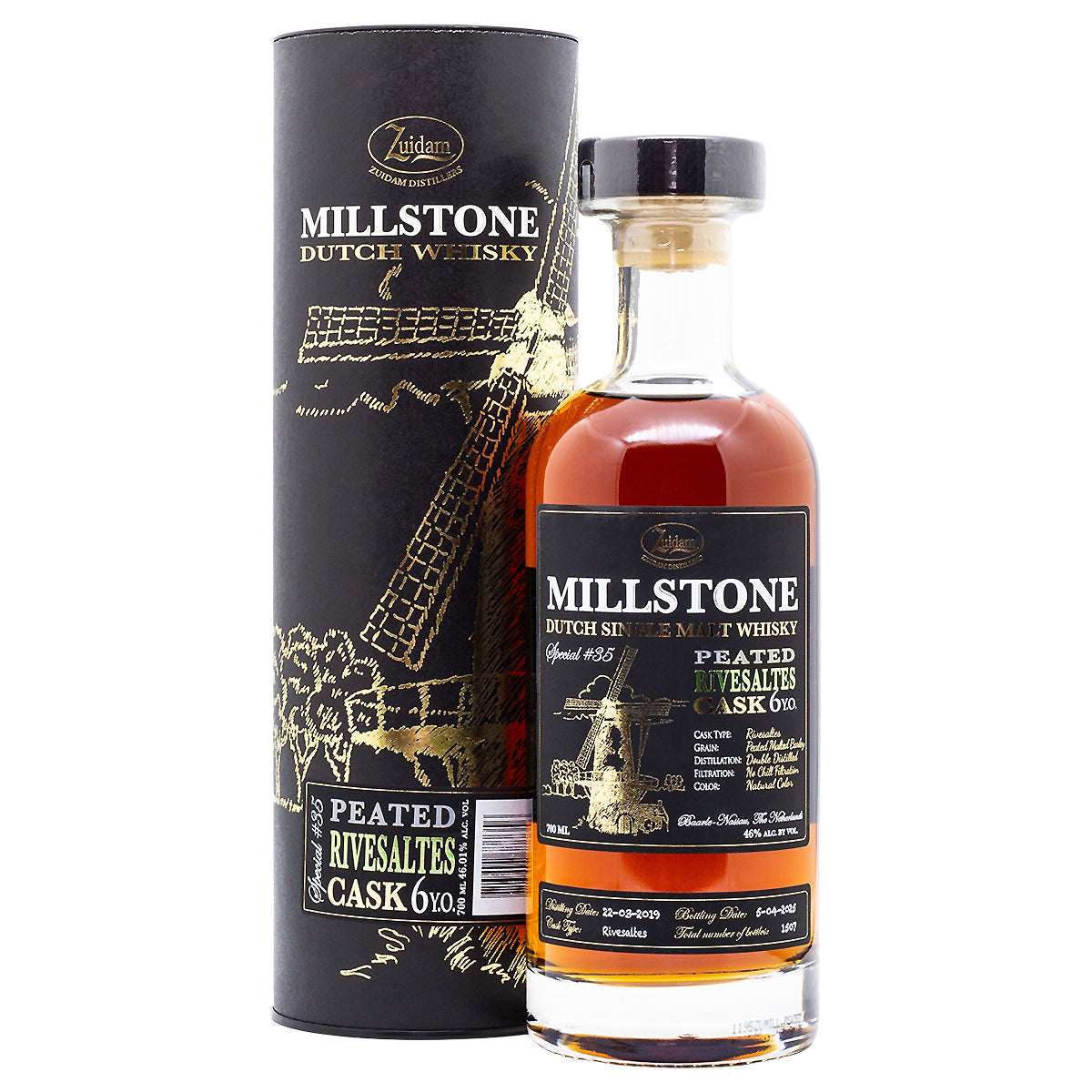
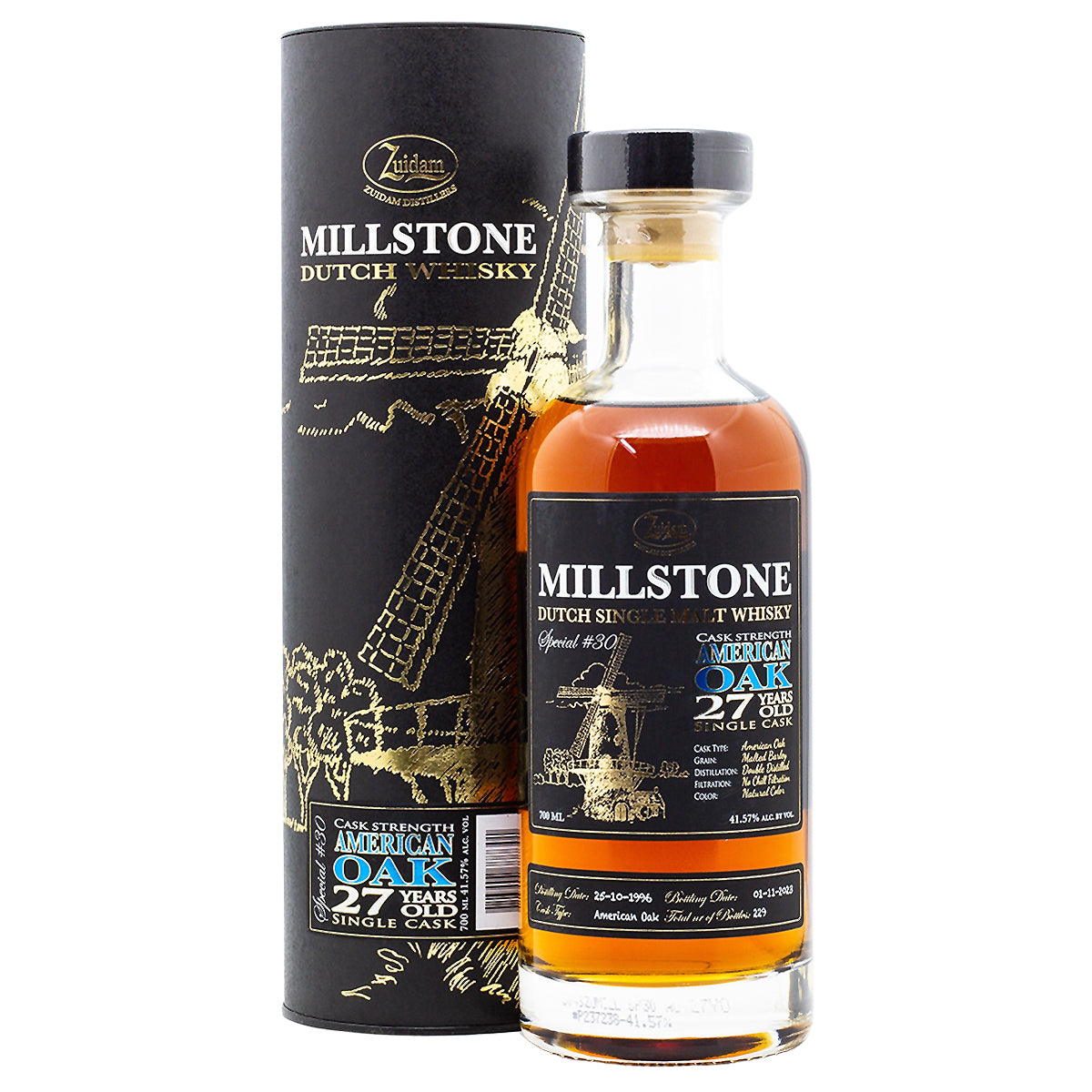
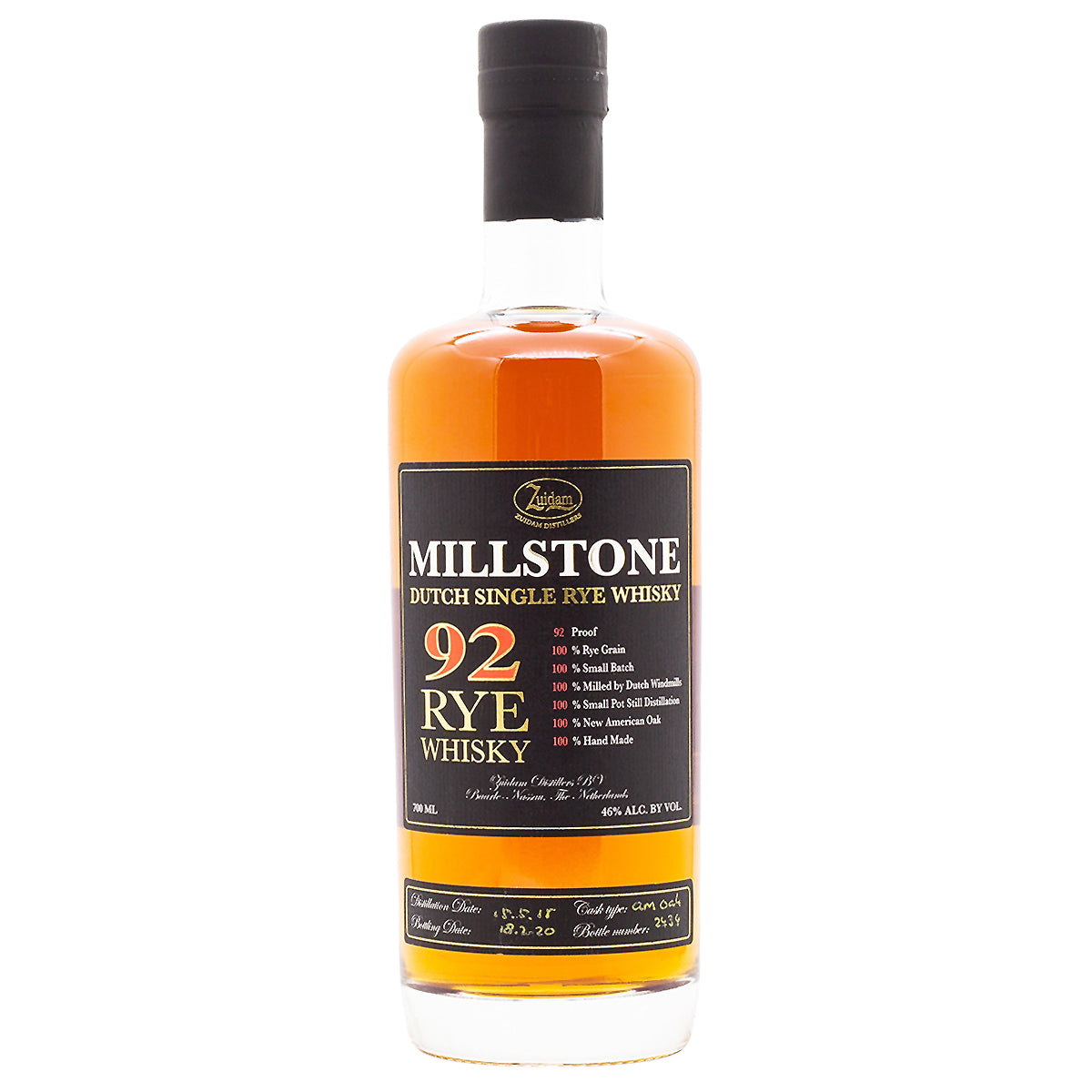
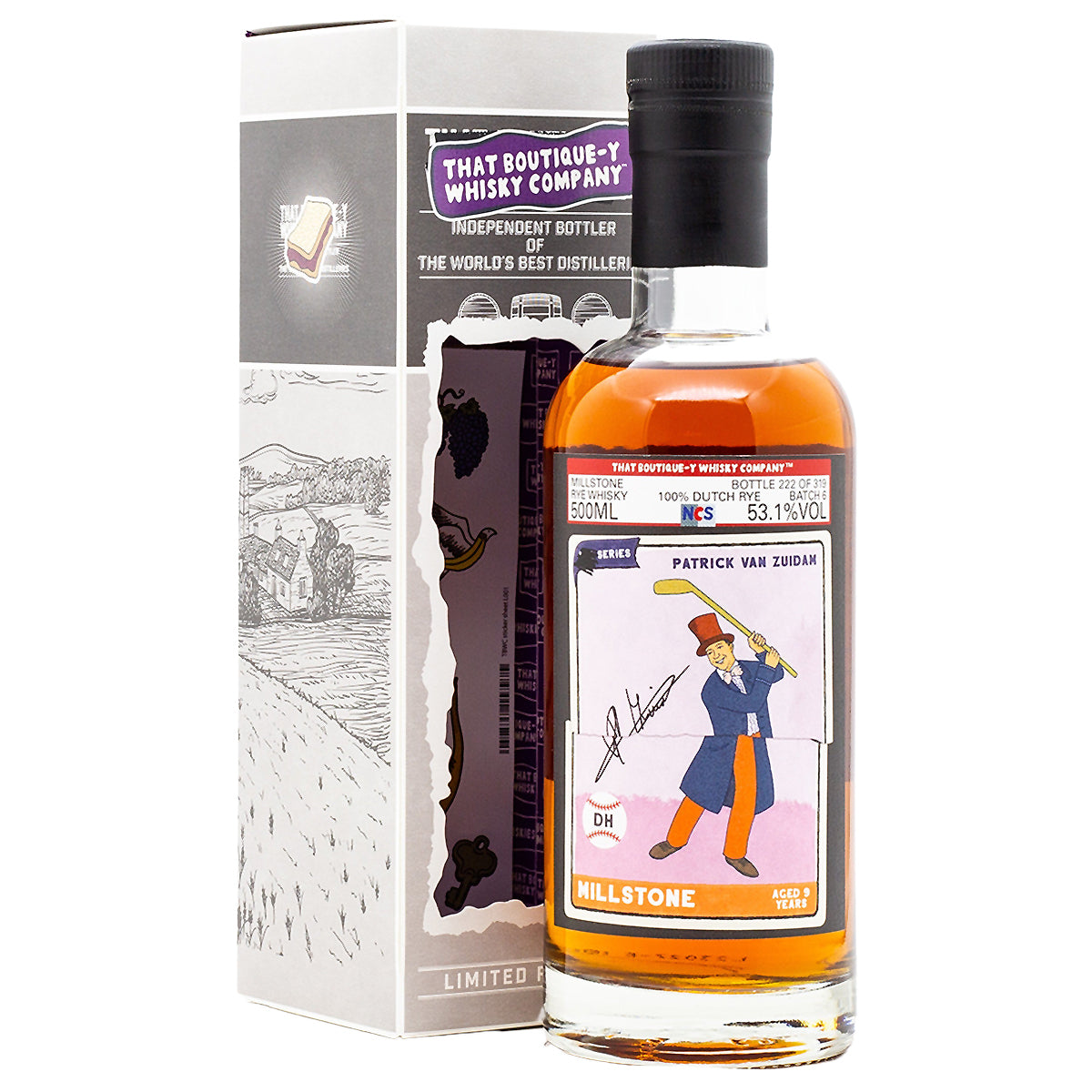
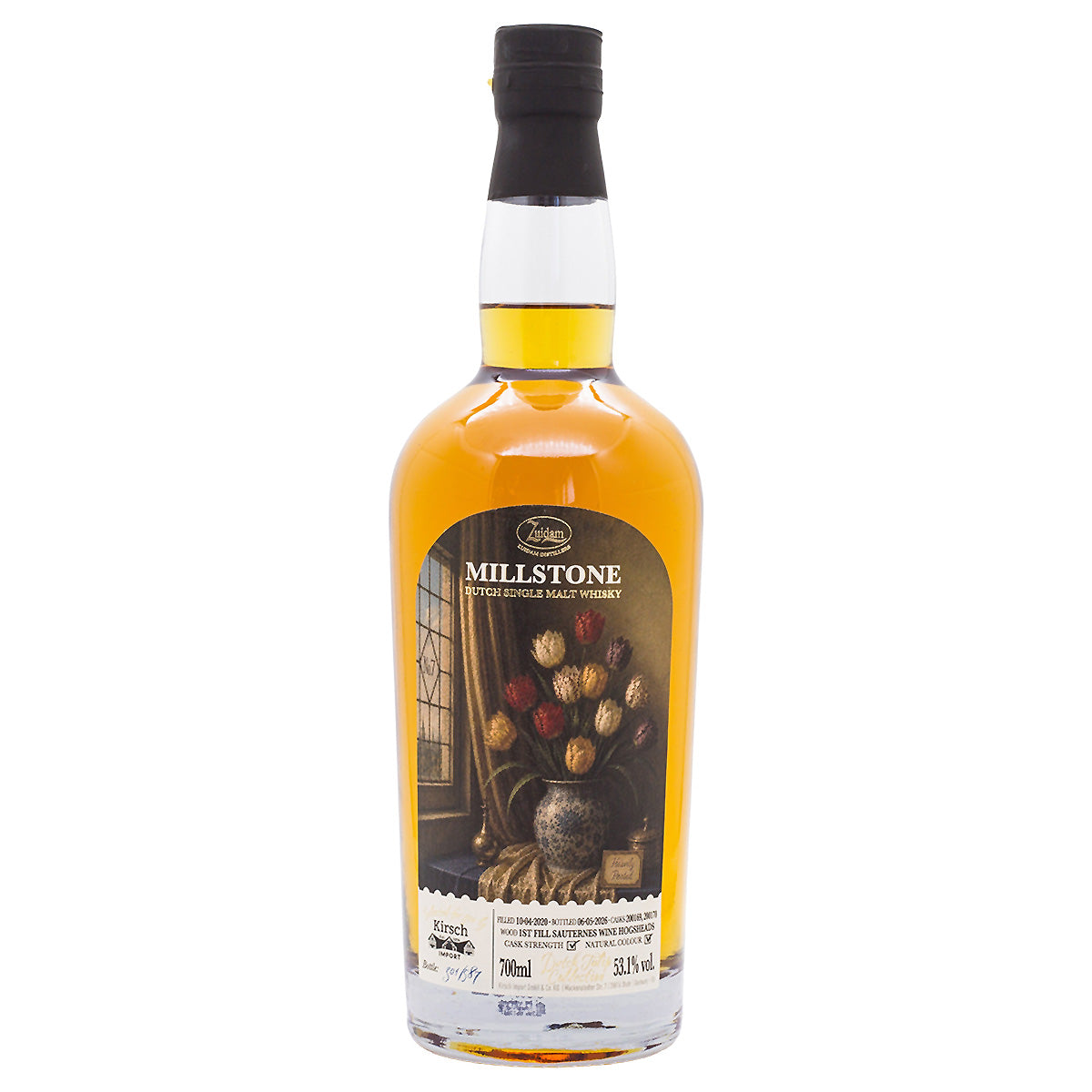
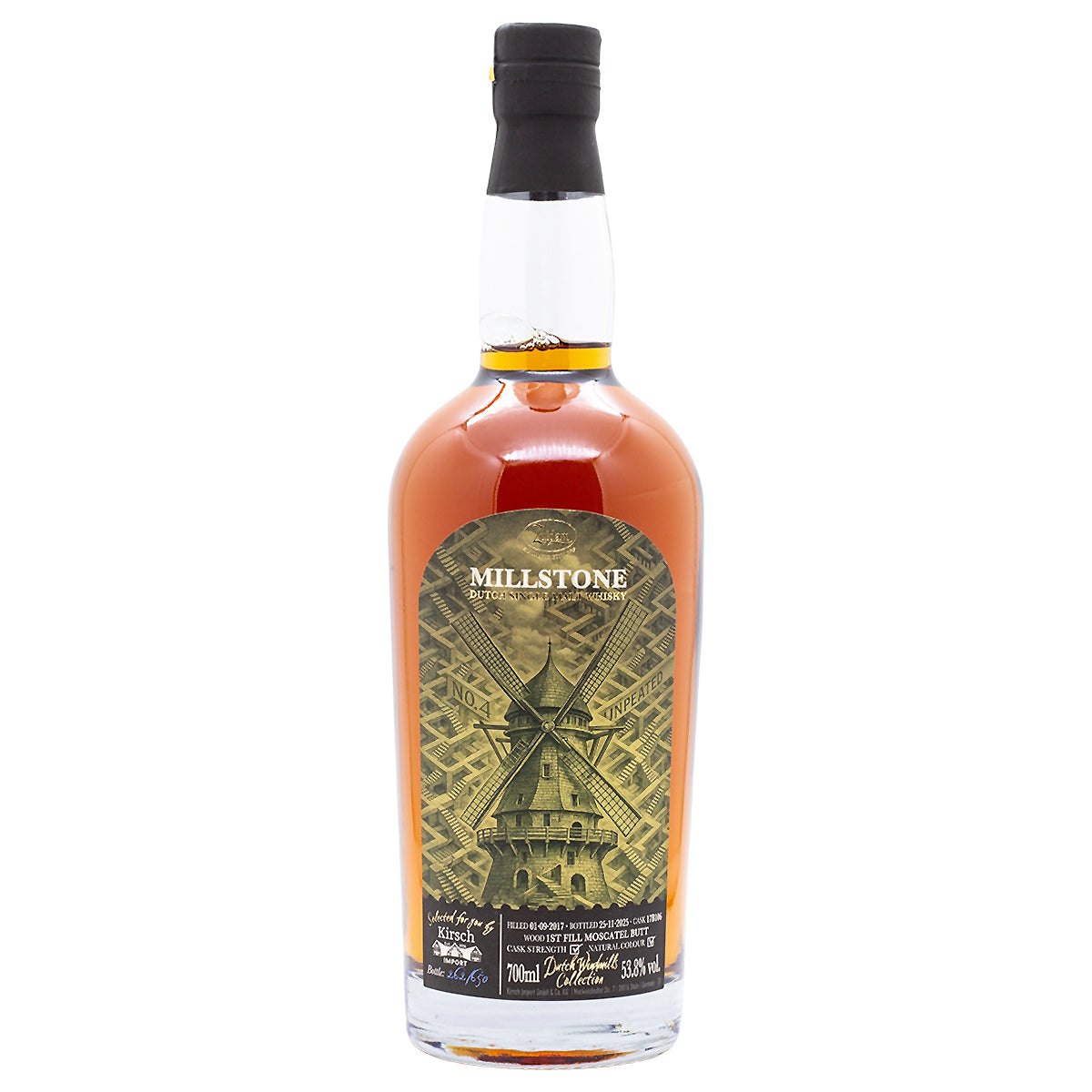
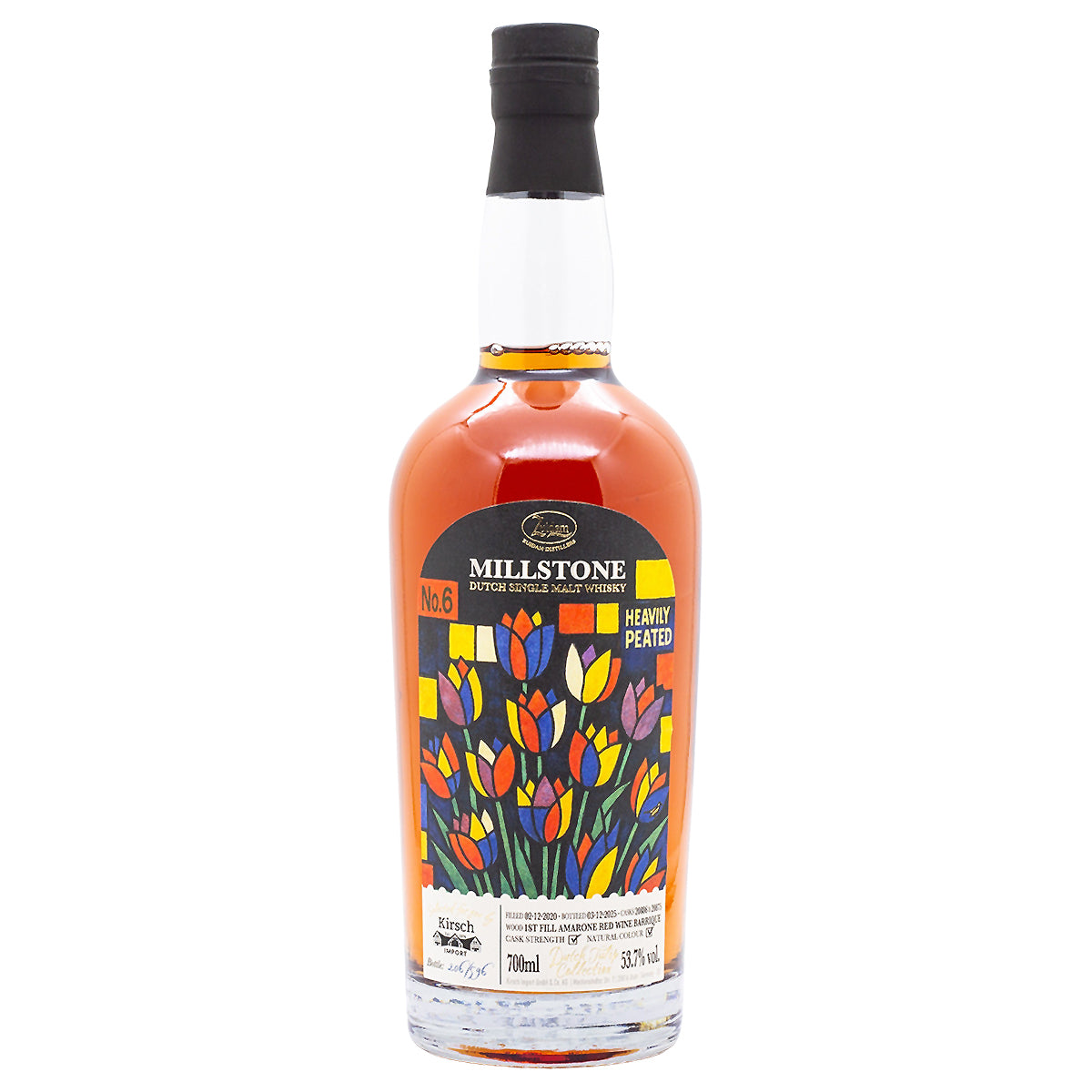
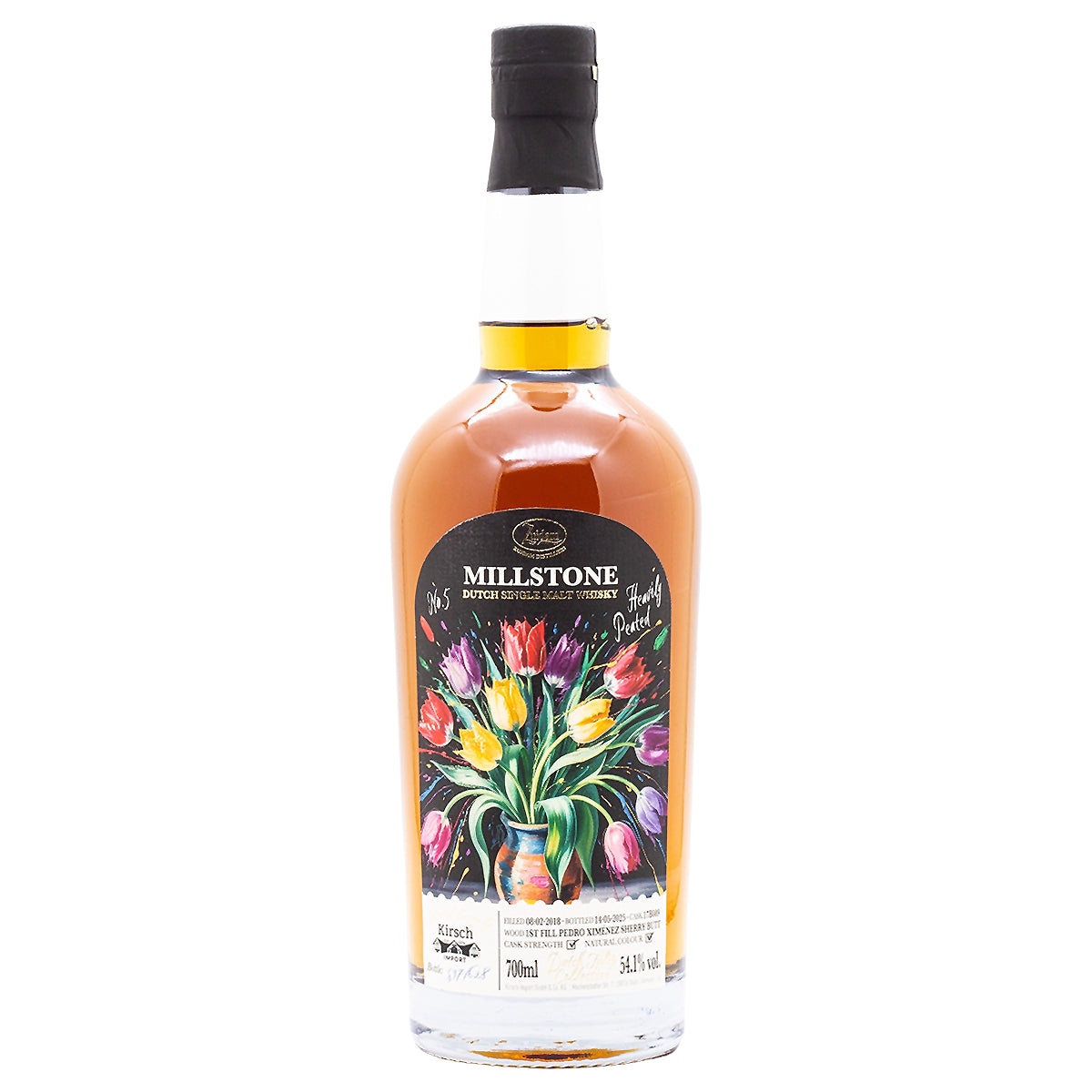
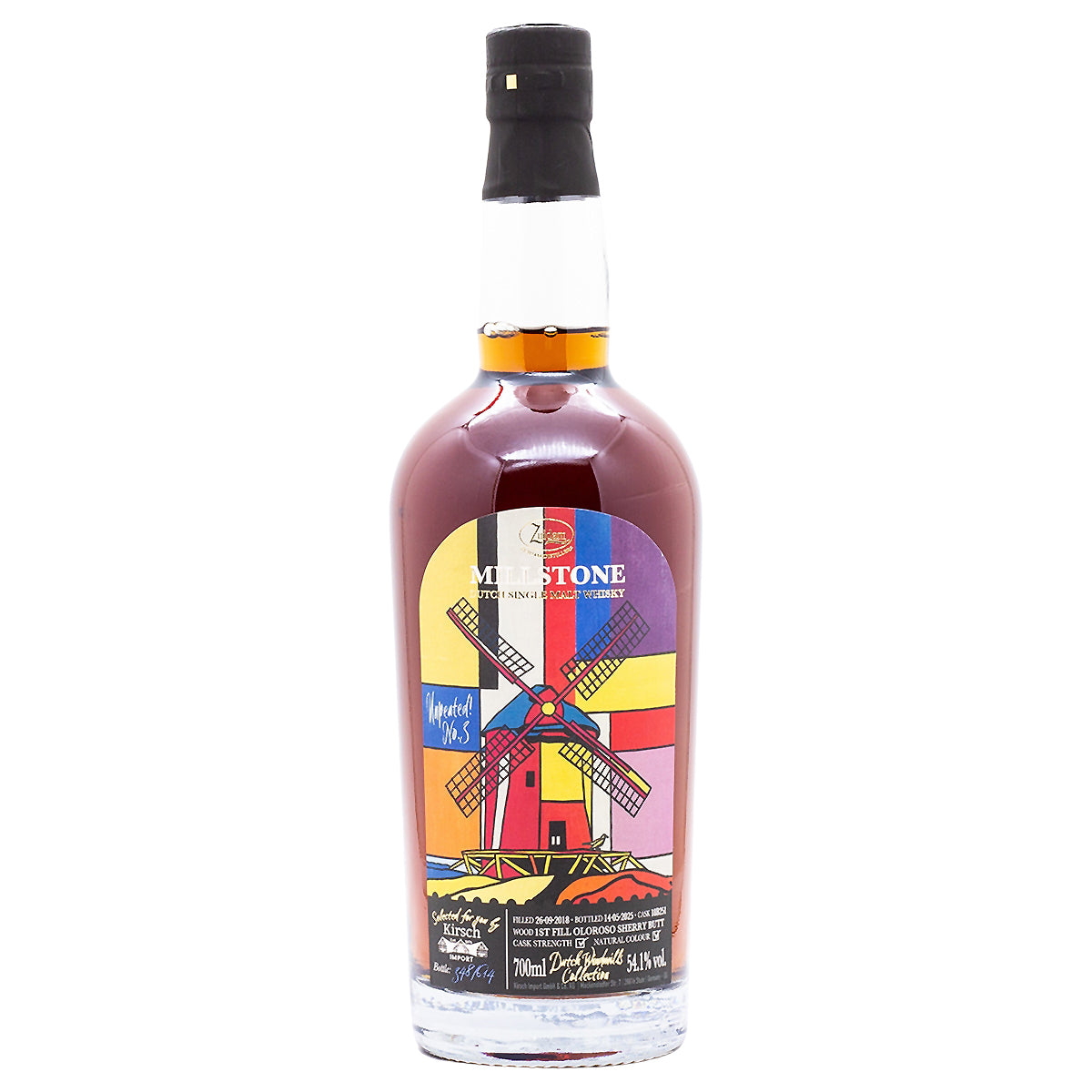
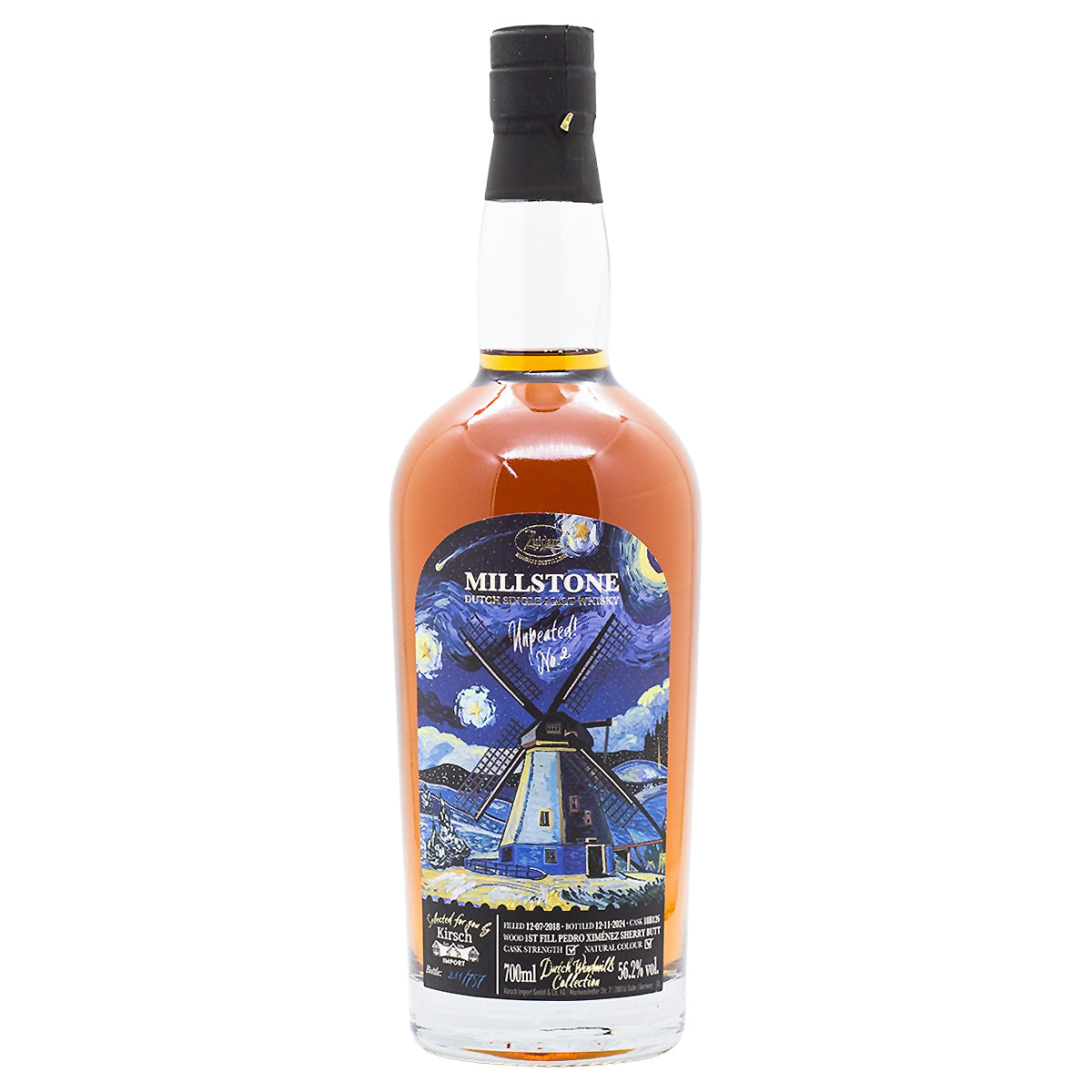
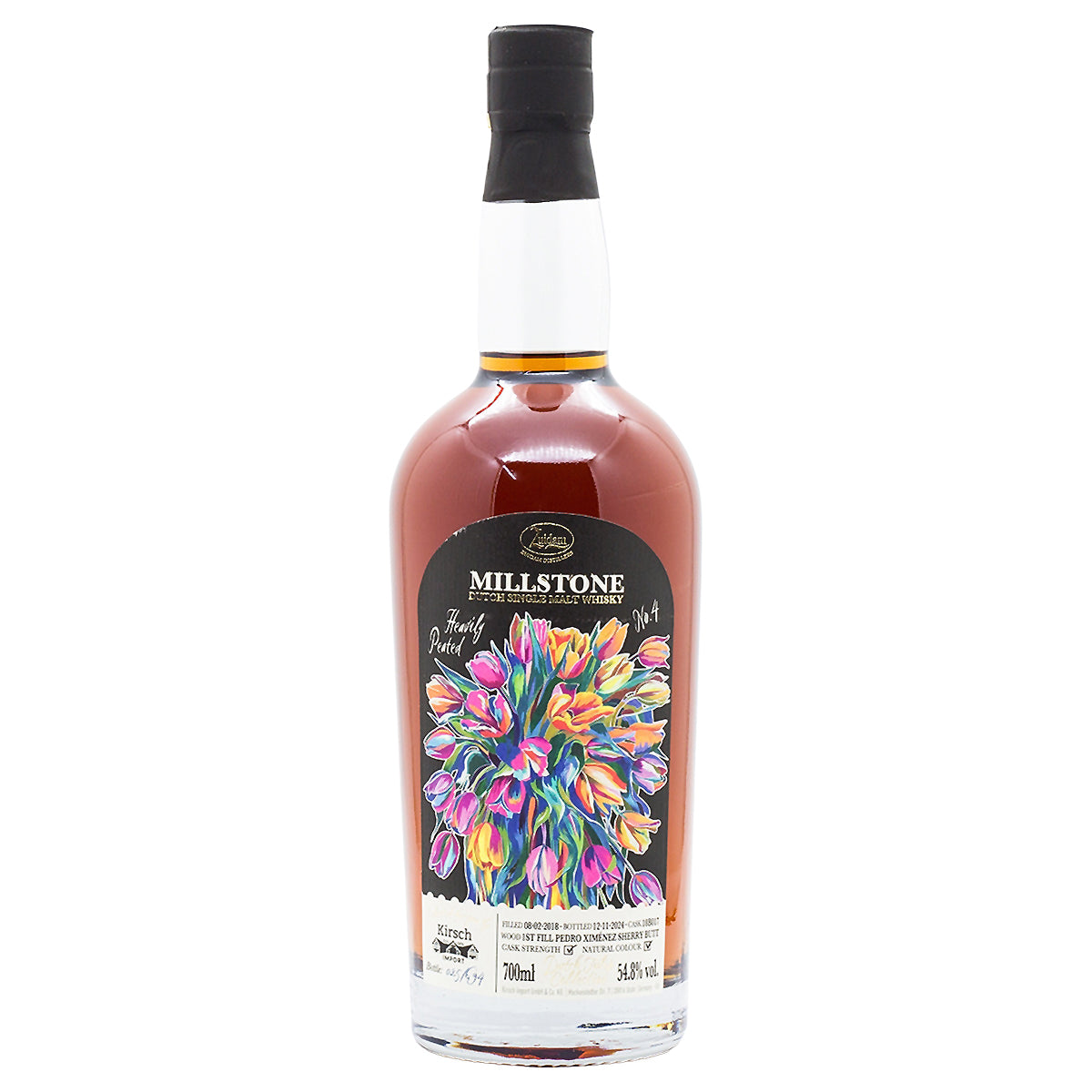
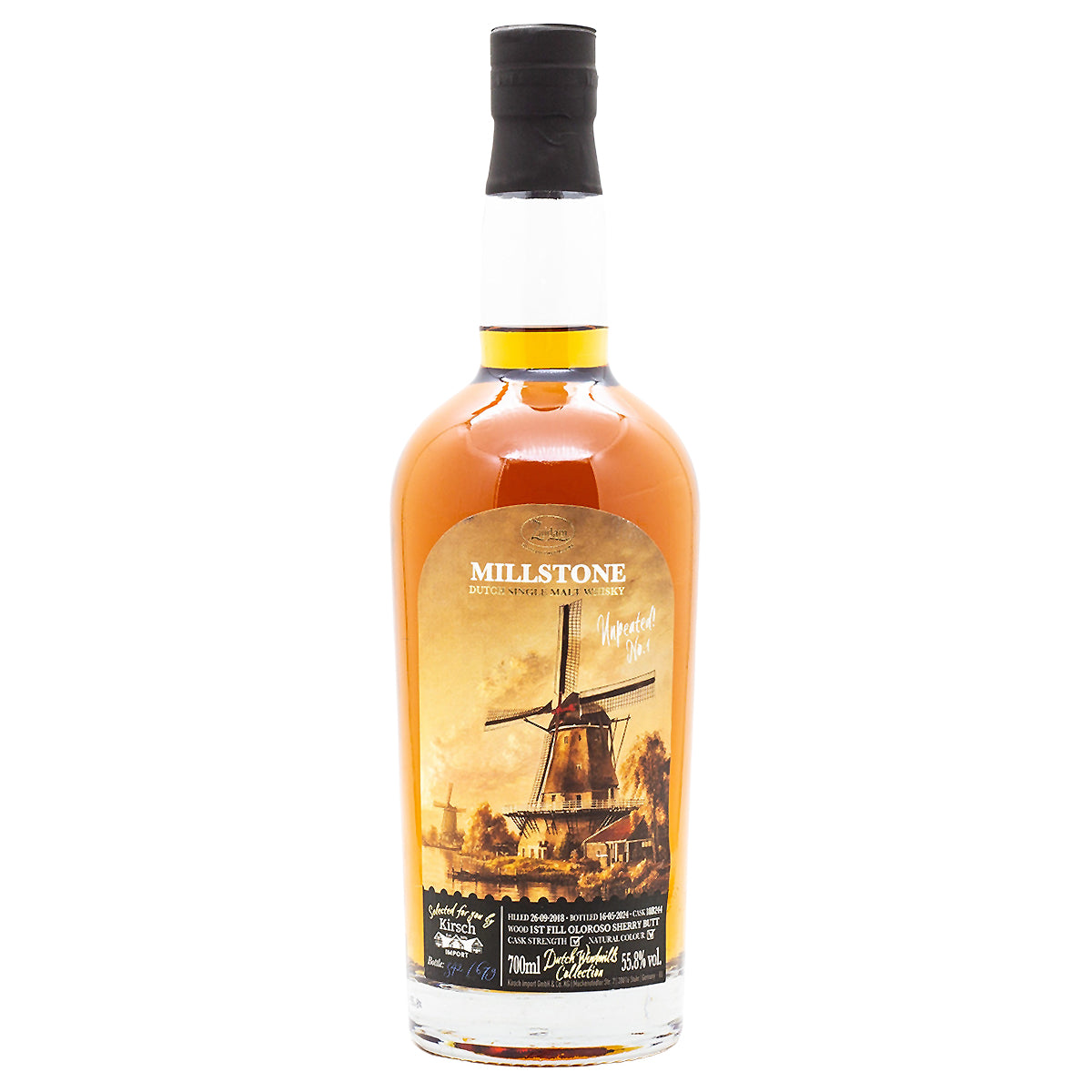
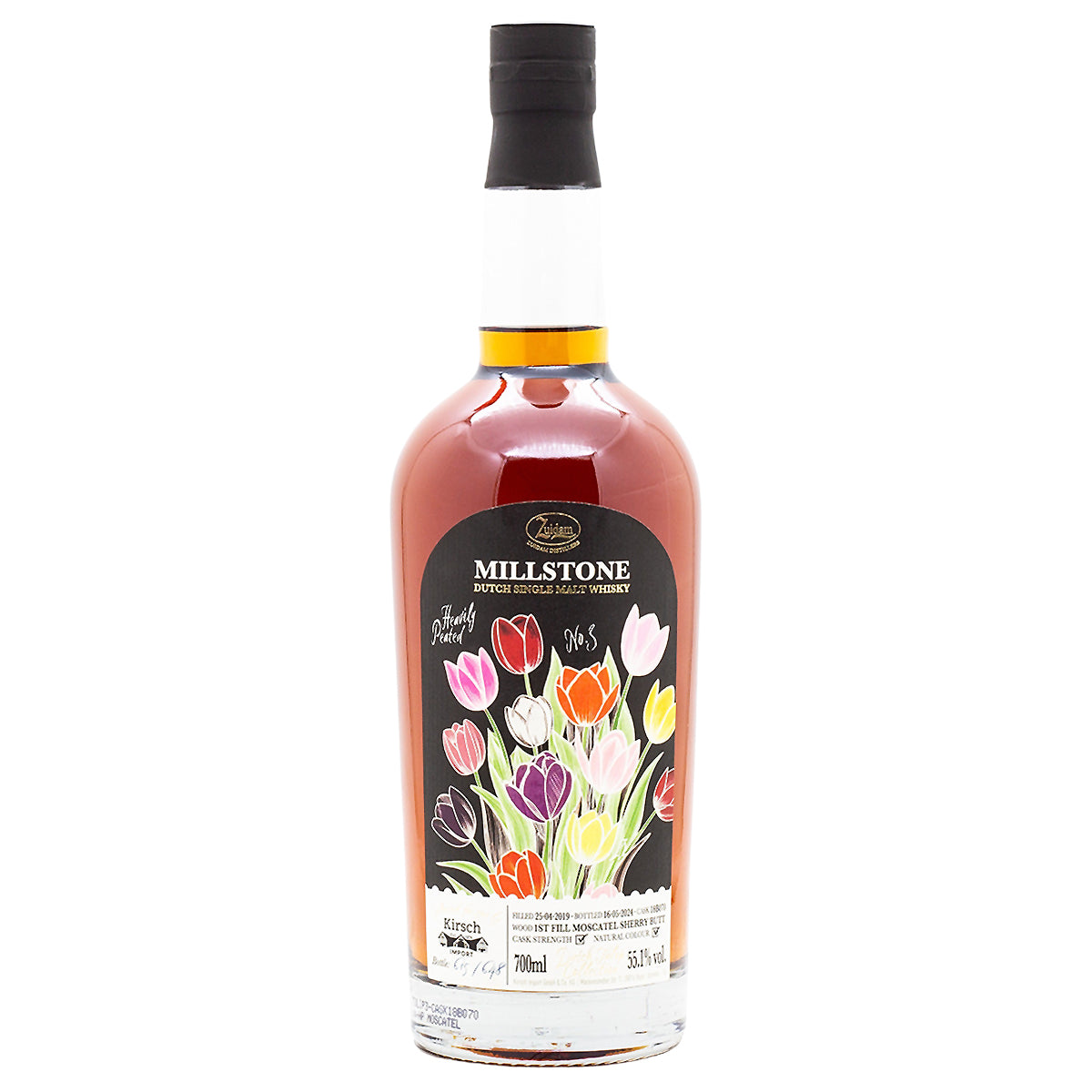
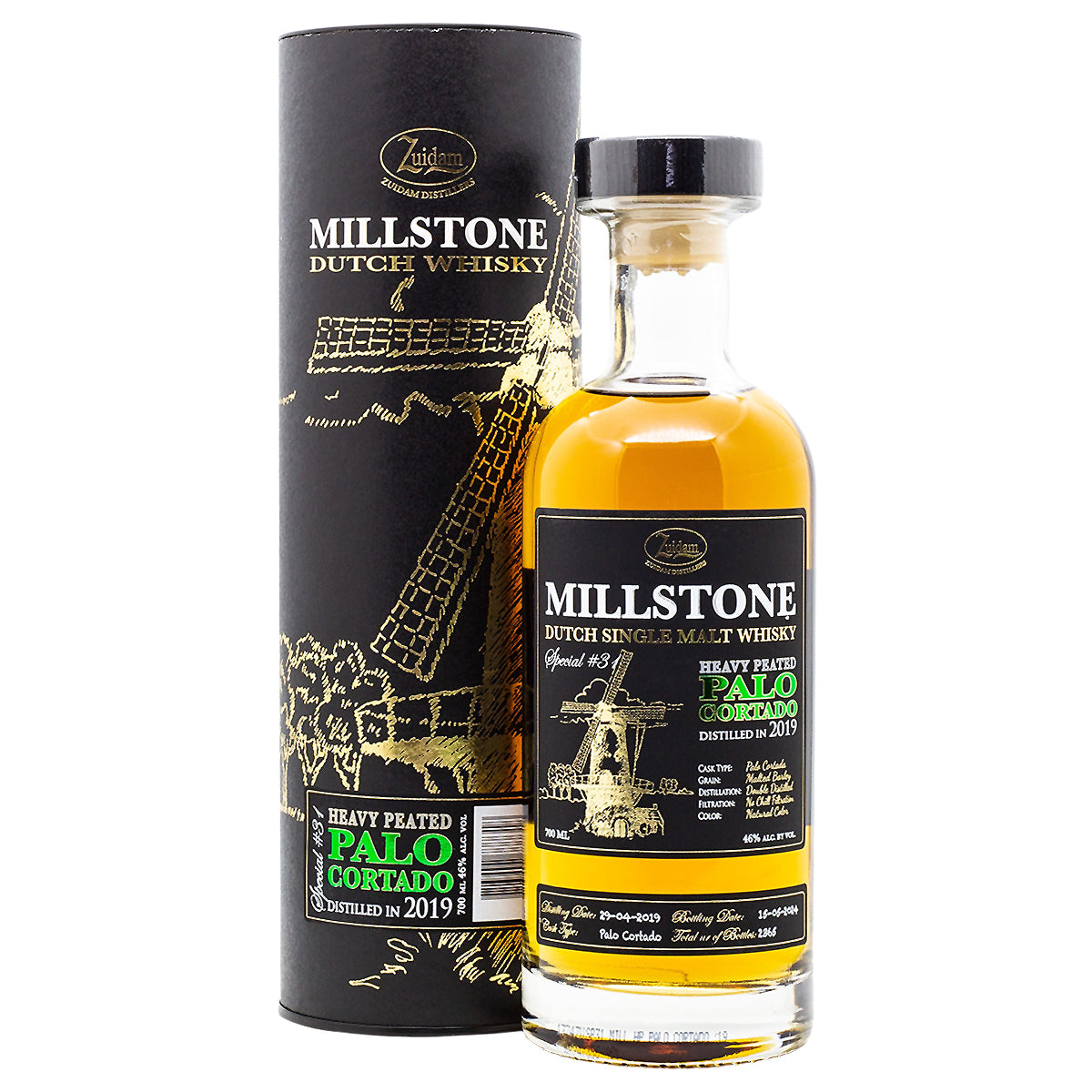
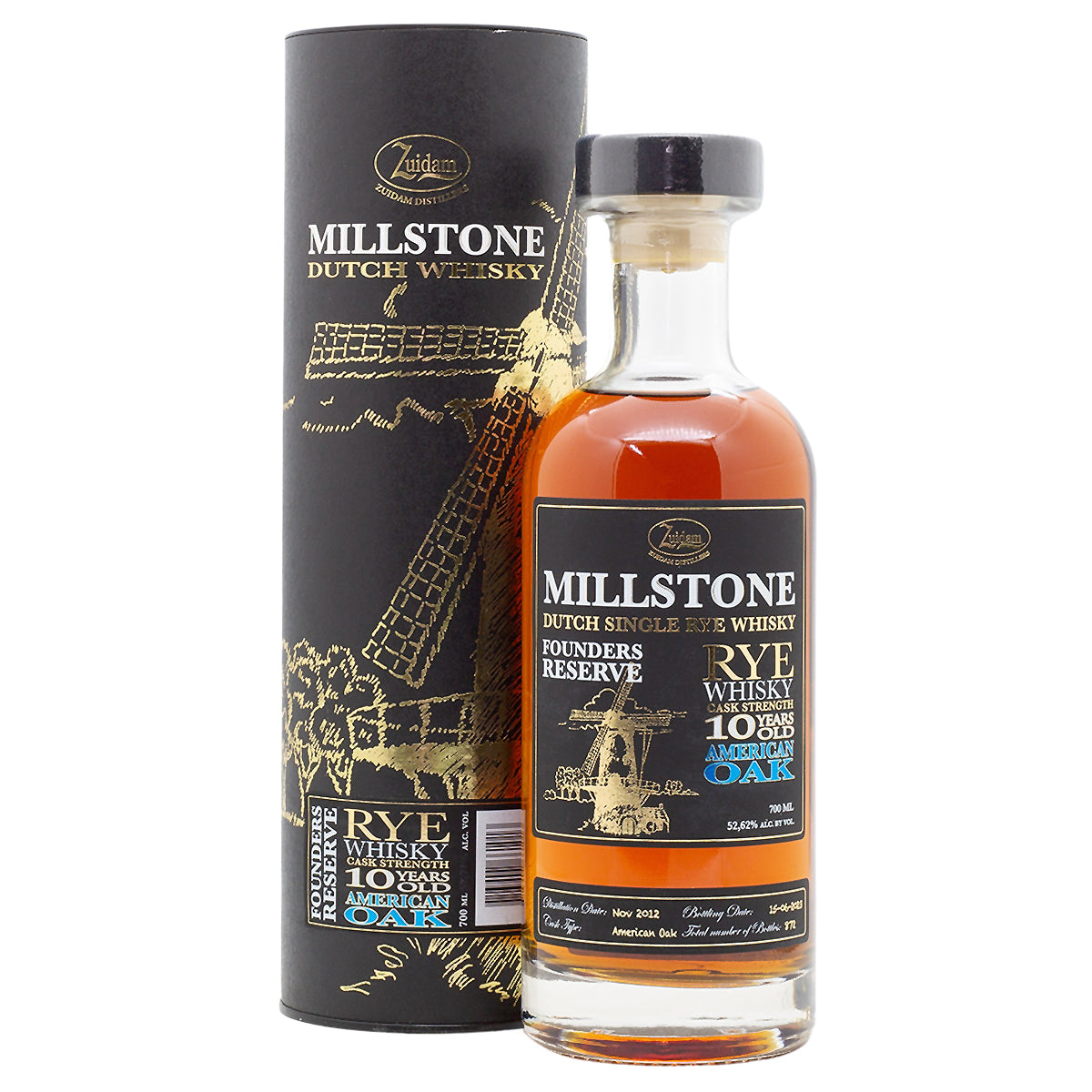
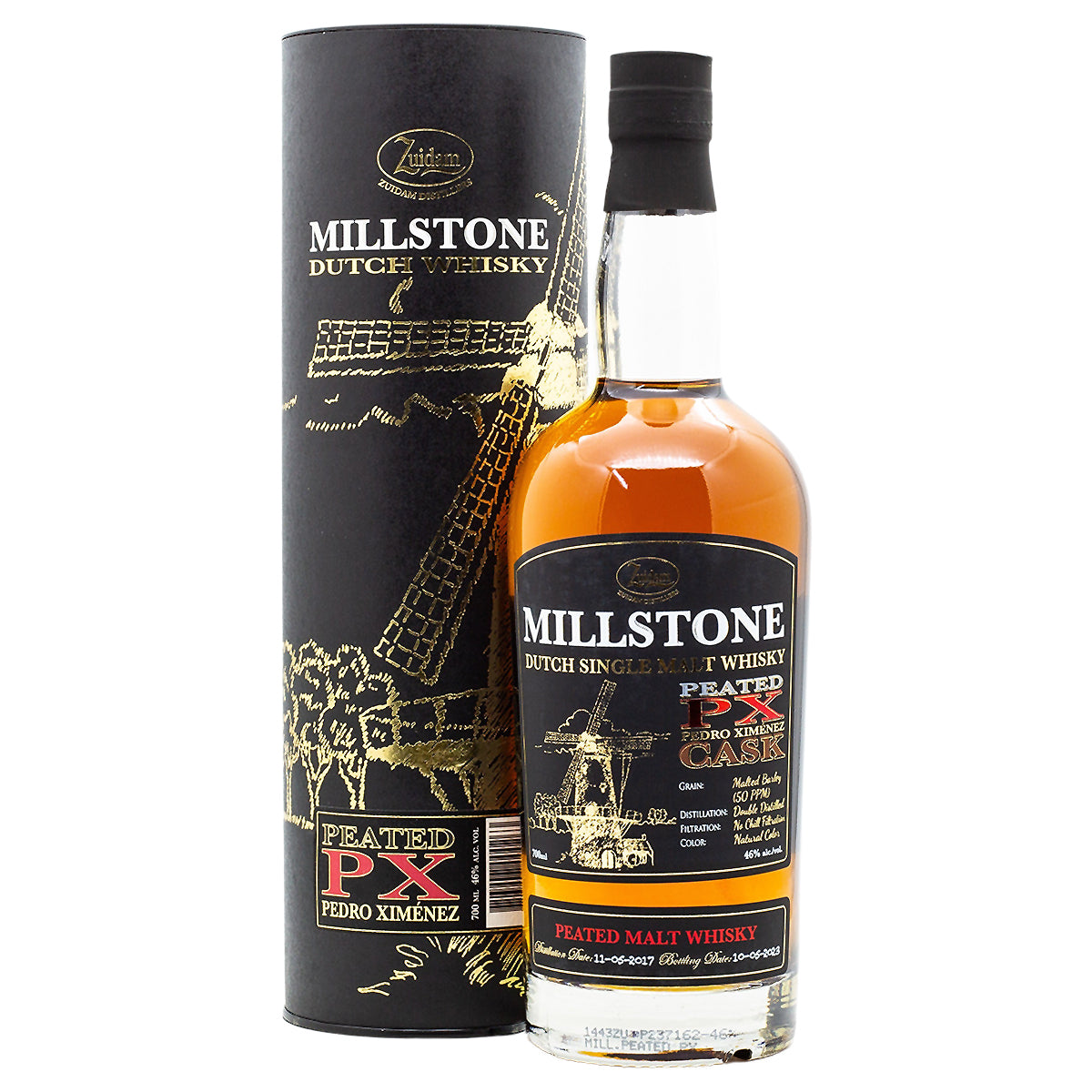
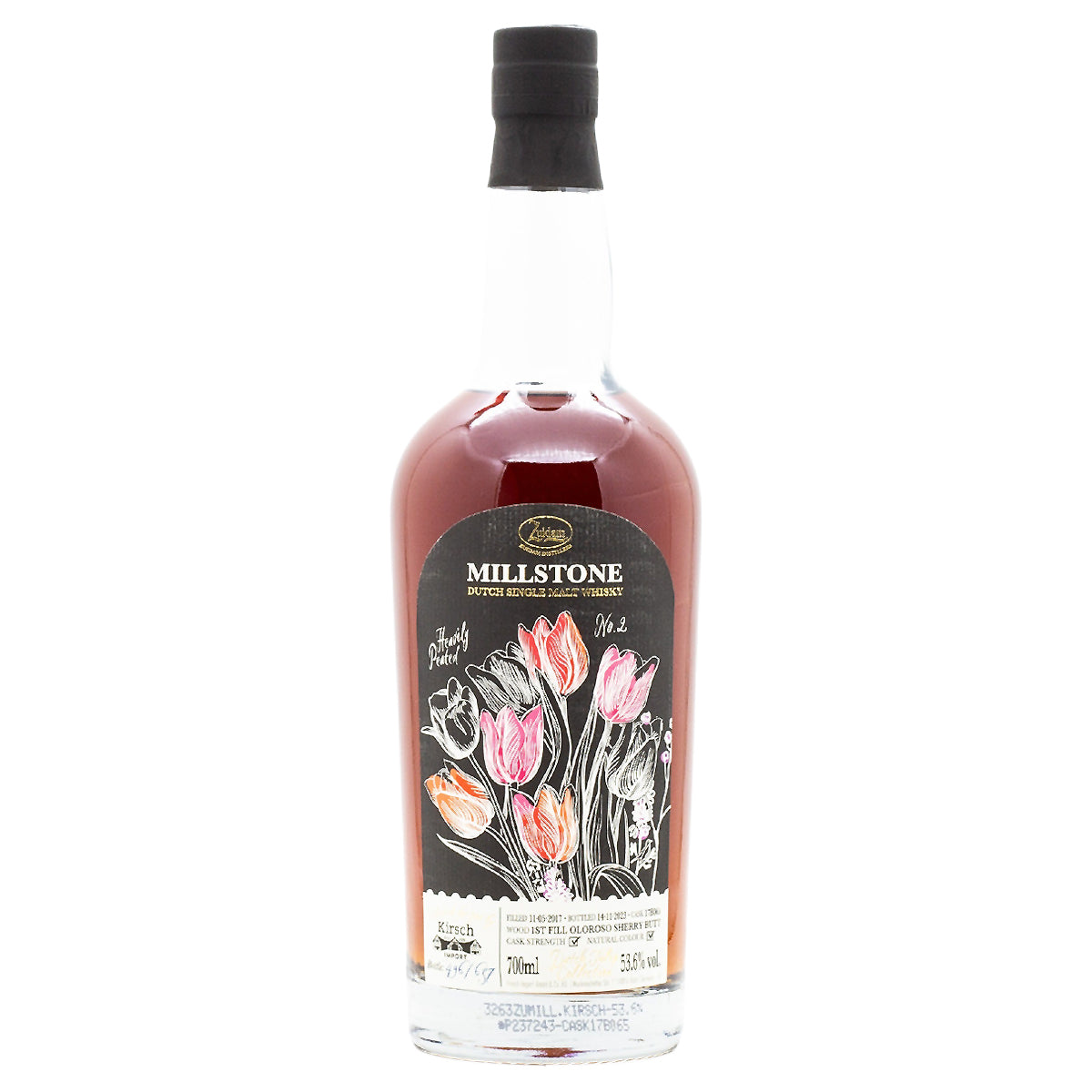
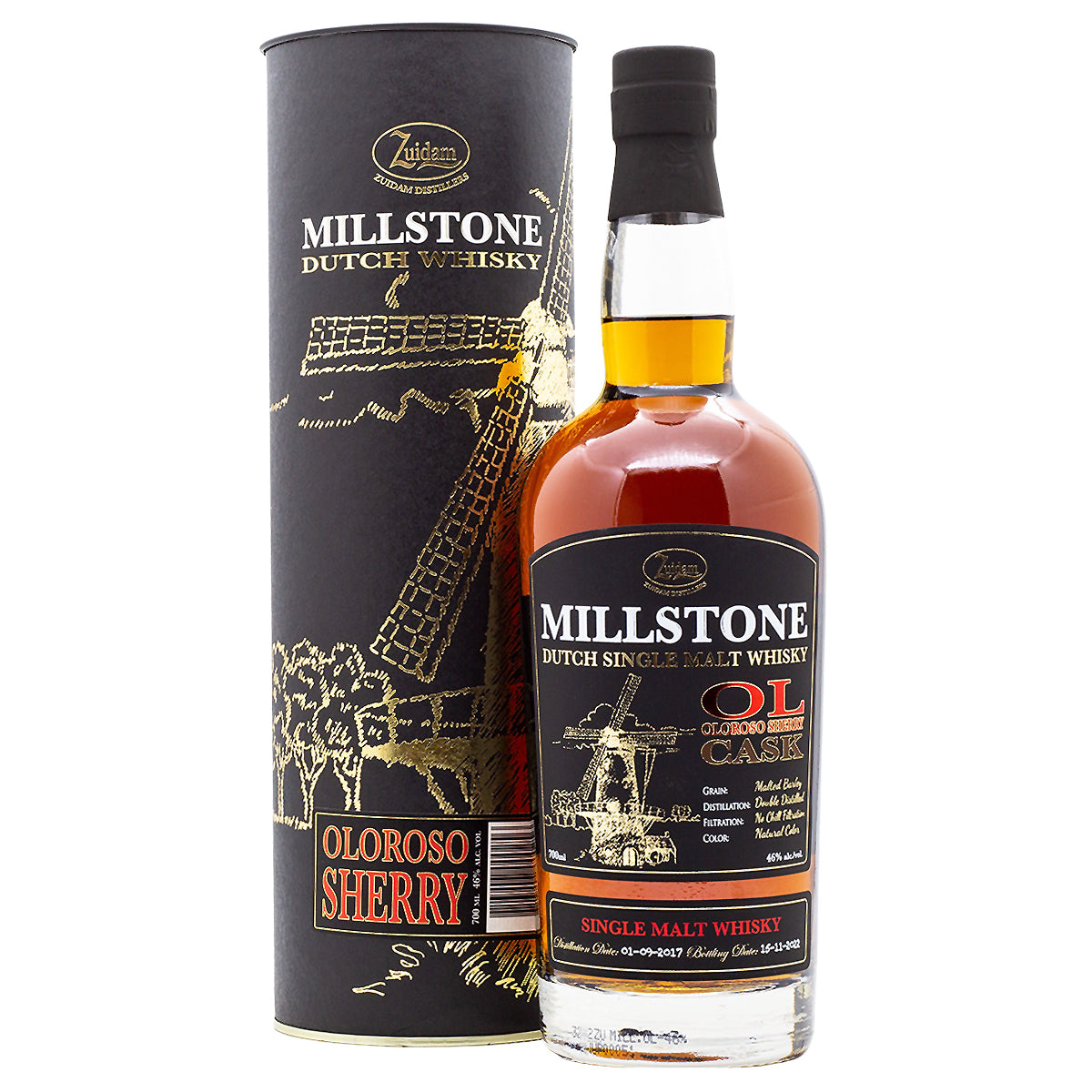
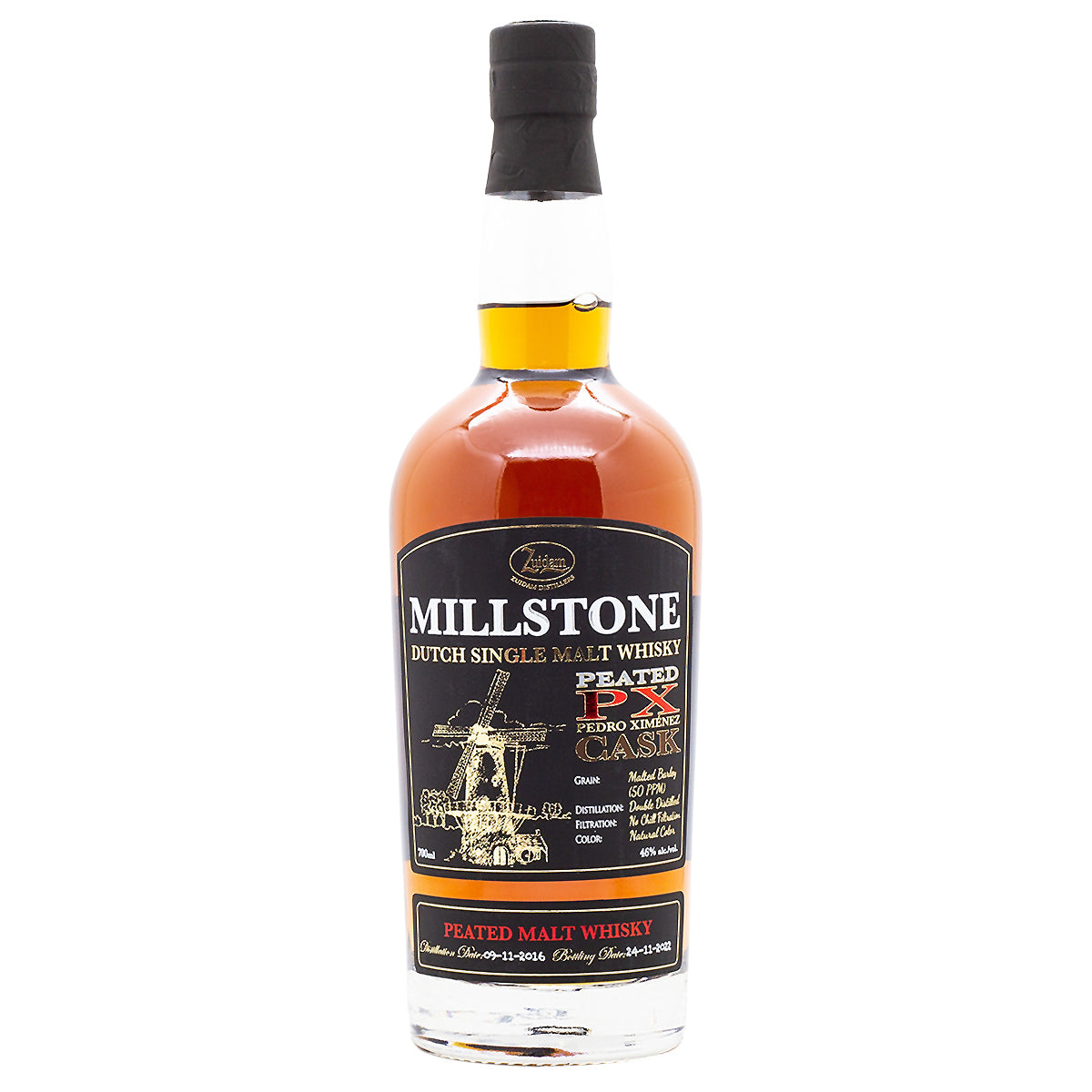
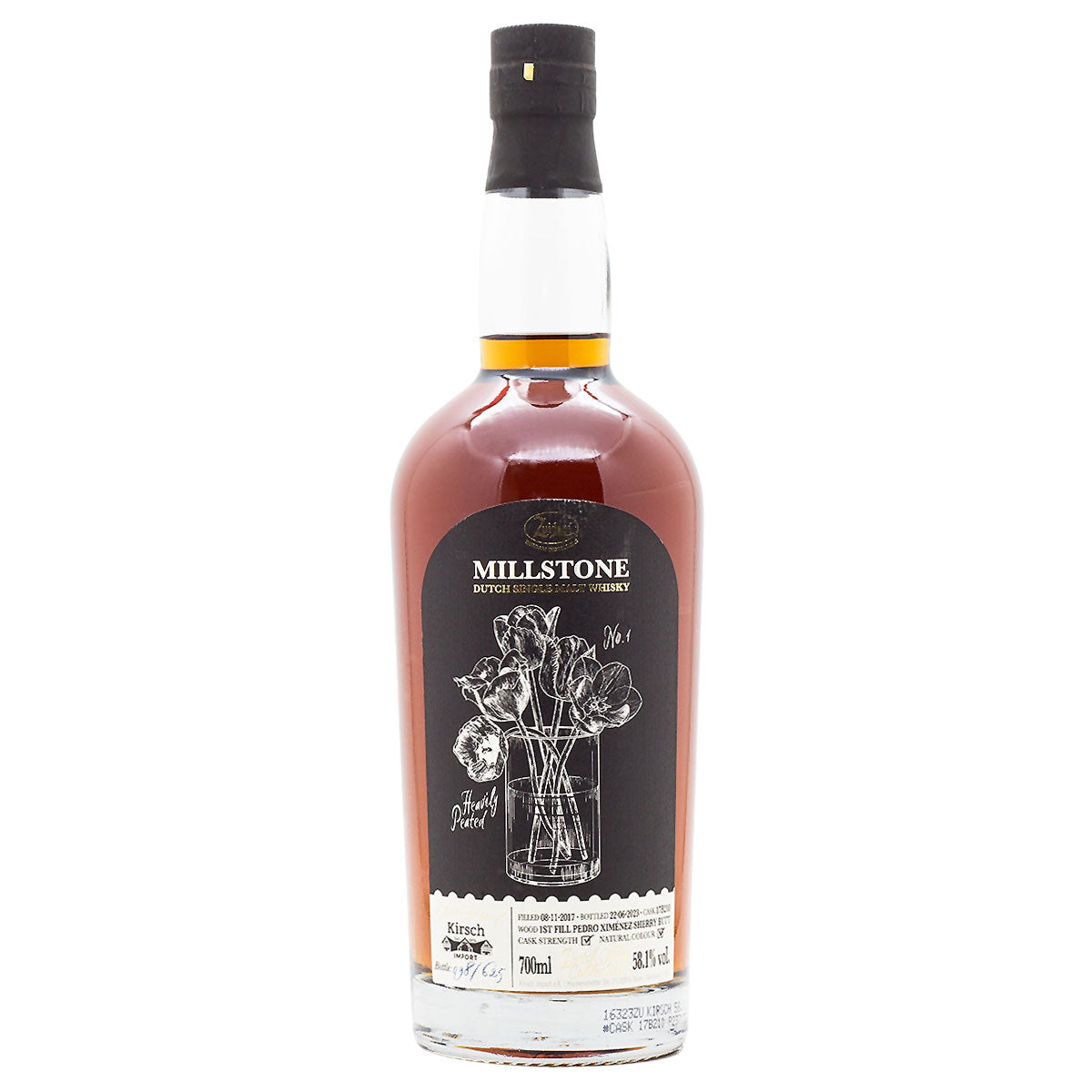
Zuidam Distillers in Baarle-Nassau produces its whiskies under the brand Millstone. There, unpeated and peated single malts sit alongside rye whiskies. For the single malt, malted barley forms the base. For the peated variants, specially treated malt is used. Smoke is therefore a deliberate decision by the distillery and not a characteristic of Dutch origin.
With Millstone Rye, the difference also begins before the cask. For current bottlings, the manufacturer specifies concrete rye recipes, including whisky made from a mash composed entirely of rye. Such information is important because the European whisky definition does not include a separate rye category or a mandatory rye content. The well-known minimum limit of 51 percent belongs to the American Straight Rye rules and cannot be applied to whisky from the Netherlands.
Frysk Hynder complements the Dutch selection
In Bolsward, the Us Heit Distillery produces Frysk Hynder Dutch Single Malt. This means that alongside Millstone, there is another Dutch name that can be clearly described as being made from malted barley and produced in a single distillery. Millstone offers malt, peated malt, and rye, while Frysk Hynder, as a Frisian single malt, brings another distillery and brand into the category.
"Holland Whisky" is often used colloquially to refer to the same selection. Geographically, however, Holland only refers to the provinces of North Holland and South Holland. For products from other parts of the country, "Whisky from the Netherlands" is the appropriate term.
Genever and Korenwijn are not whisky
The Netherlands has a long tradition of genever and Korenwijn. Both can be based on grain like whisky and may carry some cask notes. However, they belong to their own spirit categories and must not be treated as whisky solely because of malty or spicy aromas. That is why the legal designation and the specific product type are listed first on the label.
Frequently asked questions about whisky from the Netherlands
What is Dutch whisky?
Dutch whisky is made in the Netherlands and meets the European requirements for whisky. These include a grain mash, at least three years of wooden cask aging, and at least 40 percent alcohol.
Does the American 51-percent limit apply to Dutch rye whisky?
No. The EU does not prescribe a minimum rye content for rye whisky. A specific rye content must be stated in the manufacturer's information for the respective bottling.
Is whisky from the Netherlands always smoky?
No. Millstone offers both unpeated and peated single malts. Terms such as "peated" are more informative about smoke than the country of origin.
Are genever and Korenwijn types of Dutch whisky?
No. Genever and Korenwijn are independent spirit categories. Shared raw materials or cask notes do not make them whisky.