
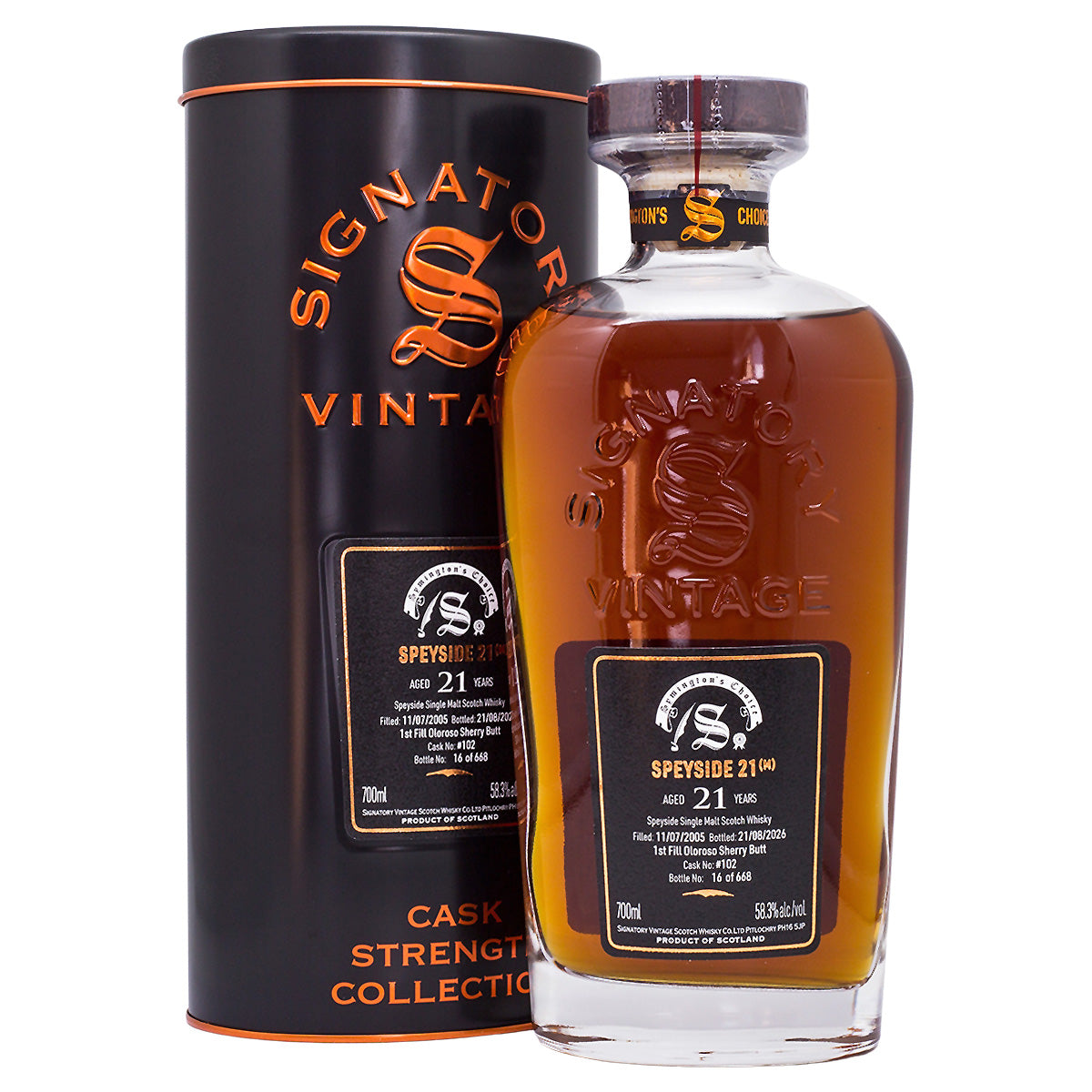
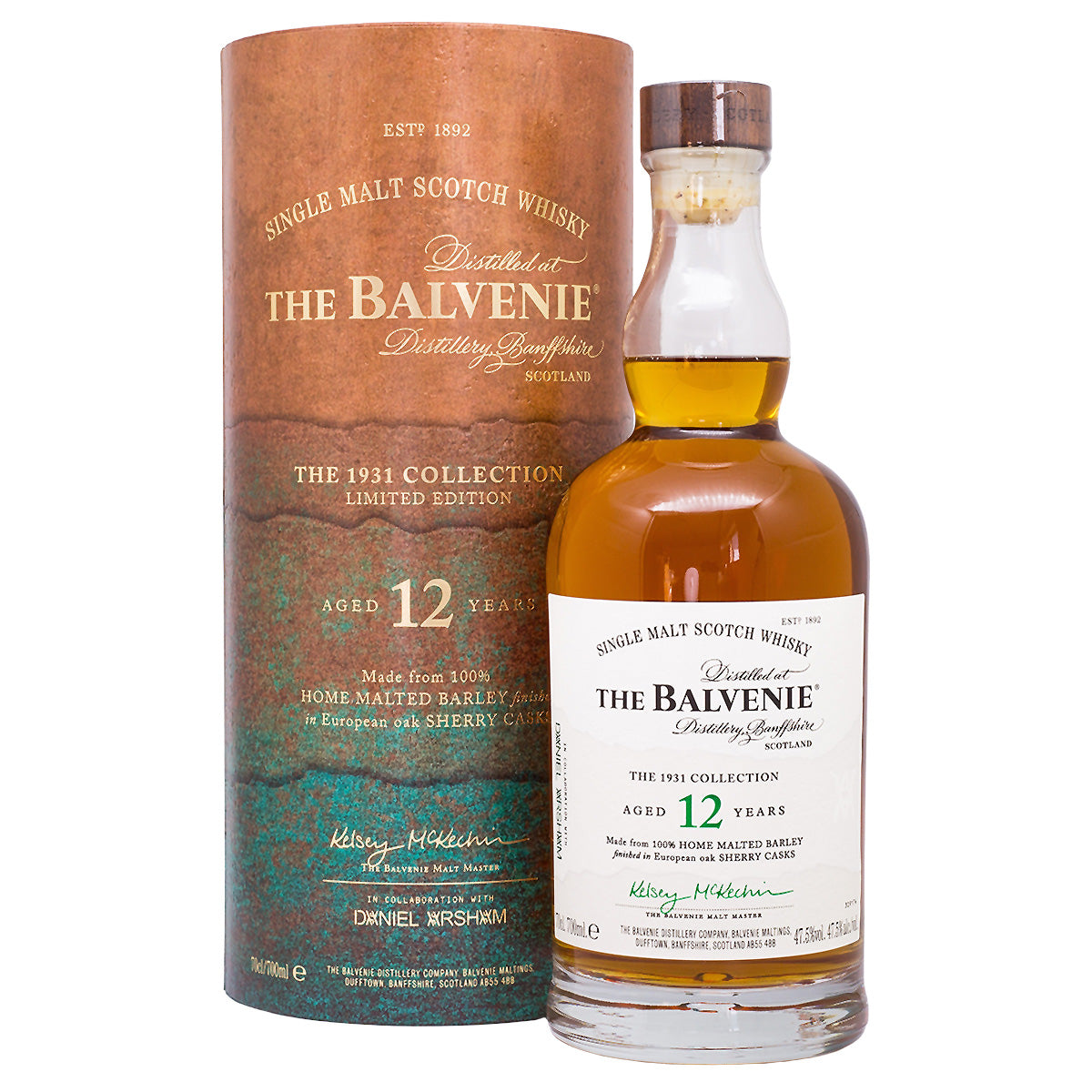
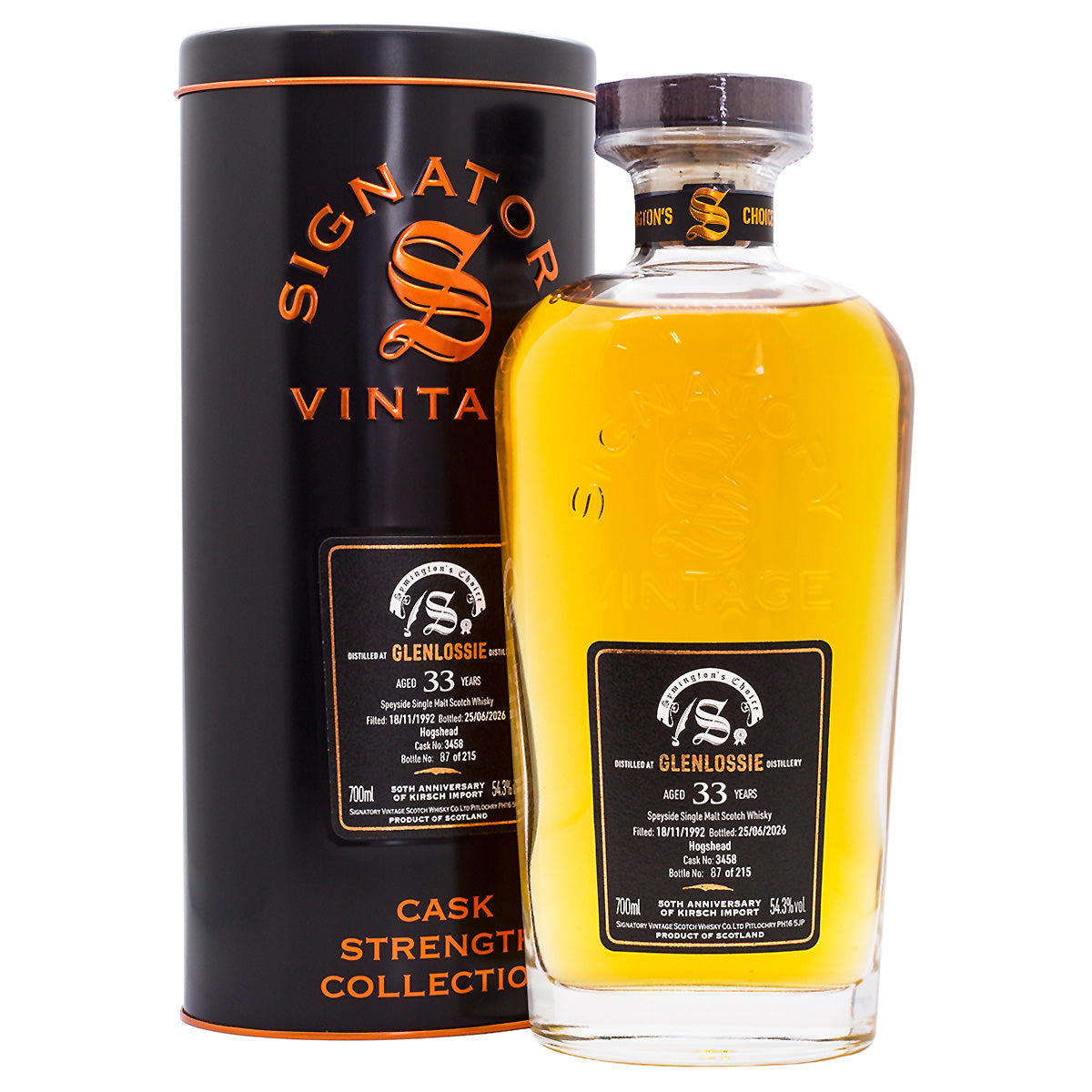
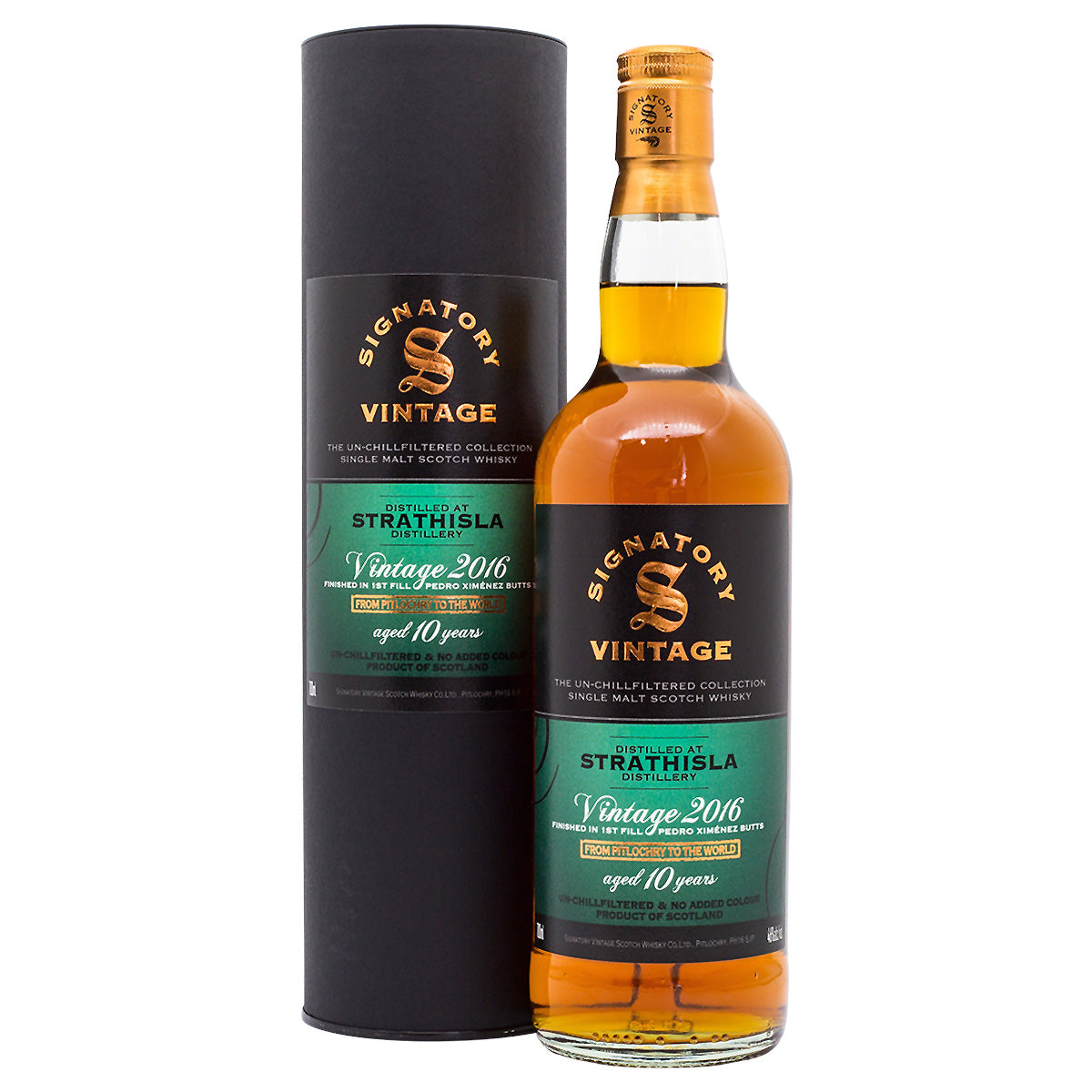
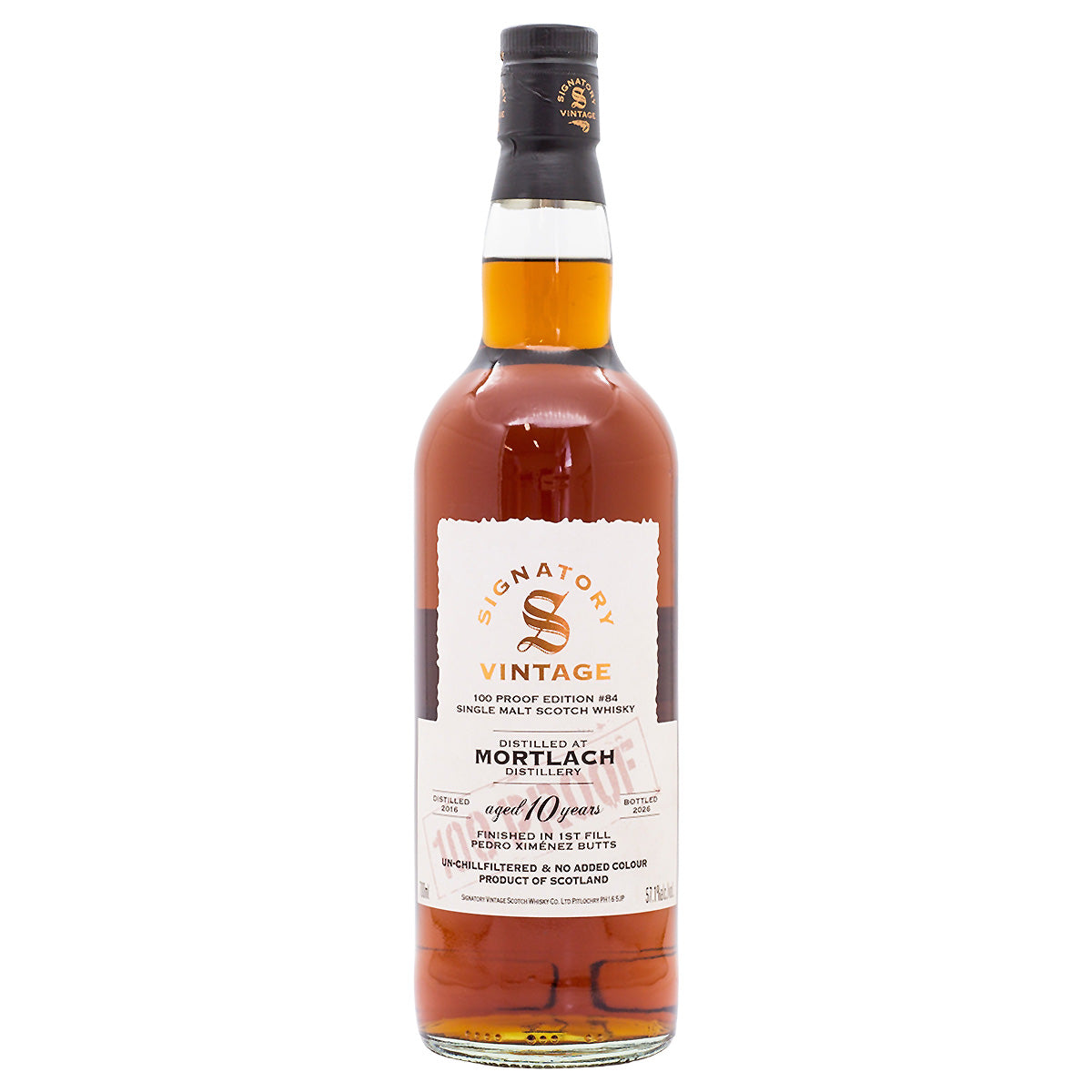
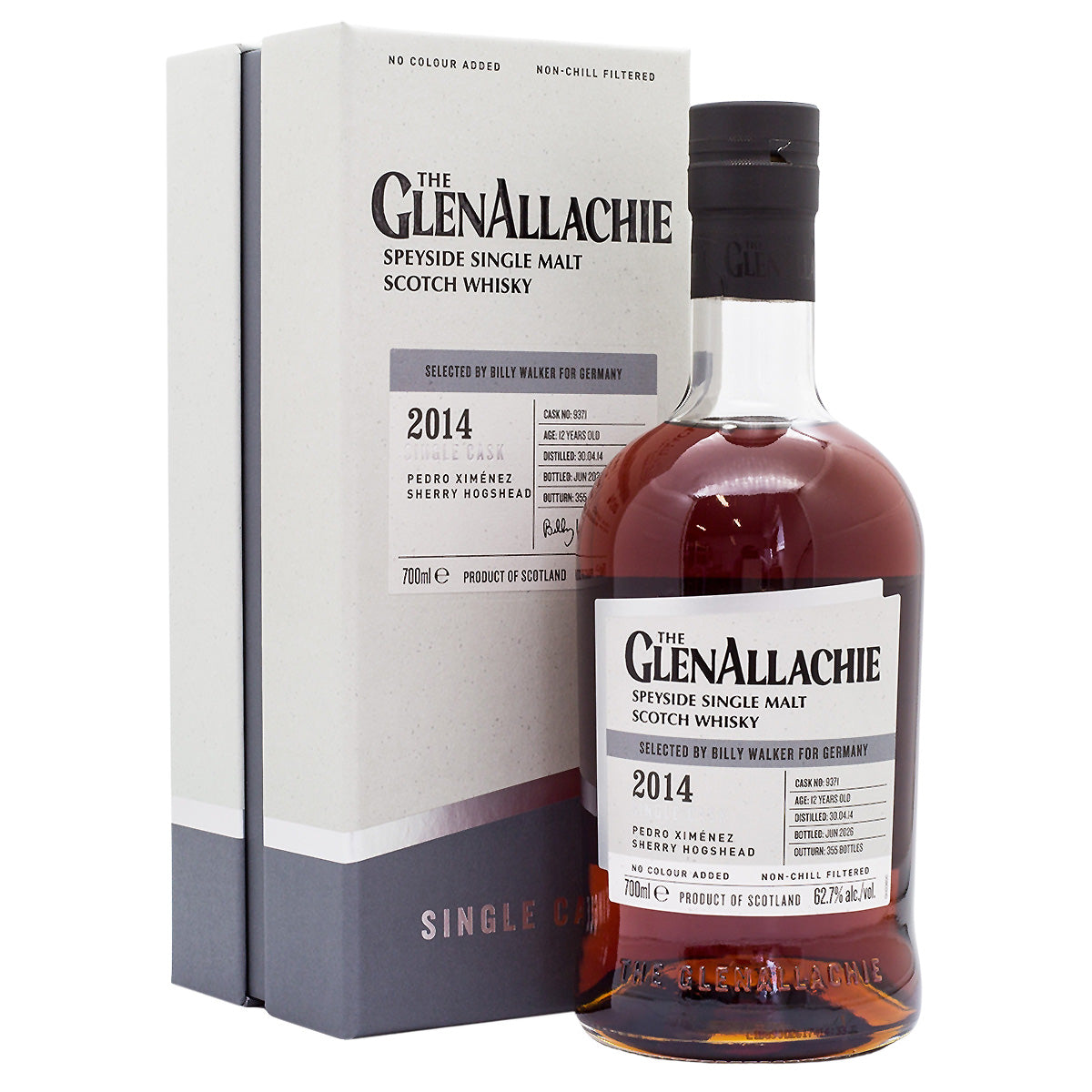
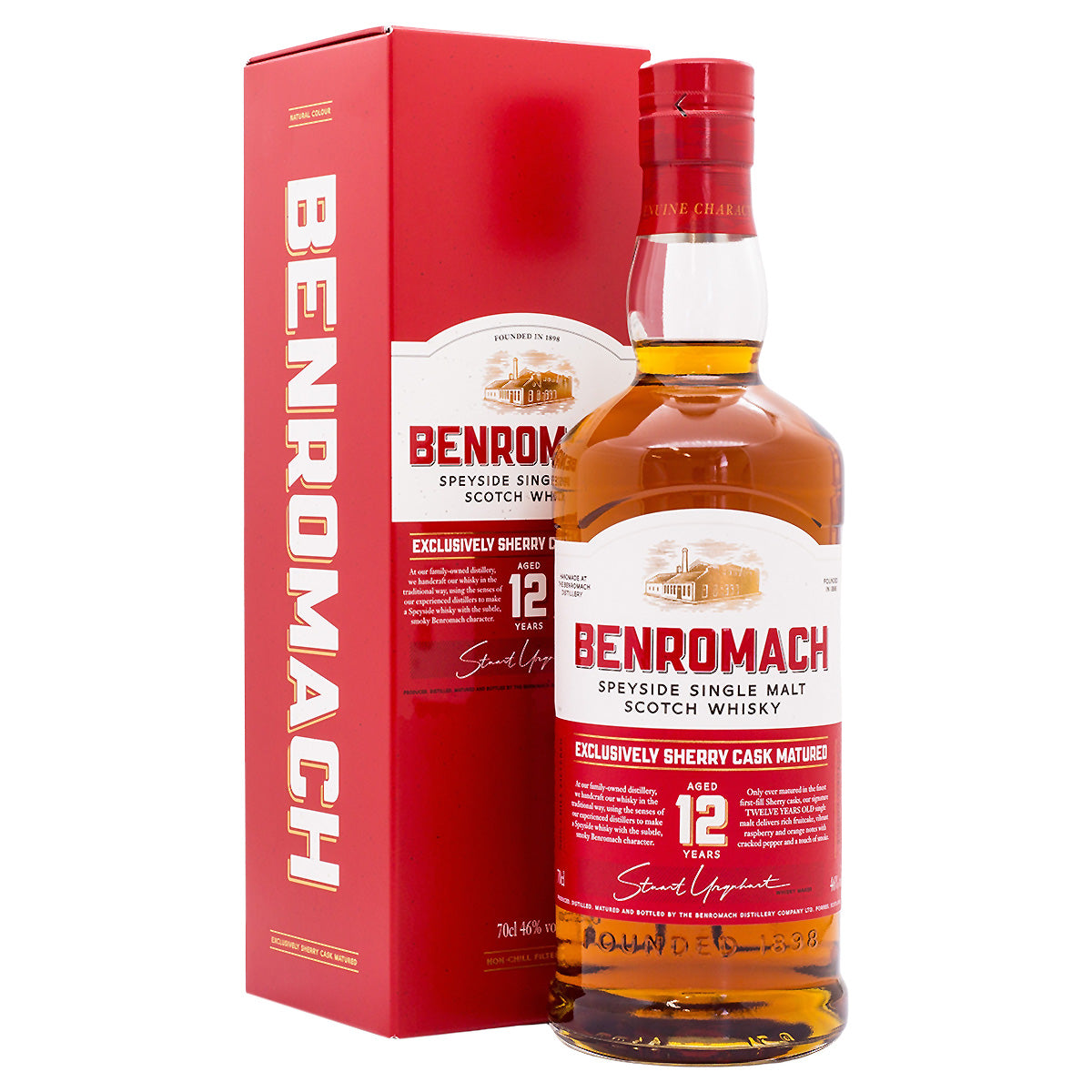
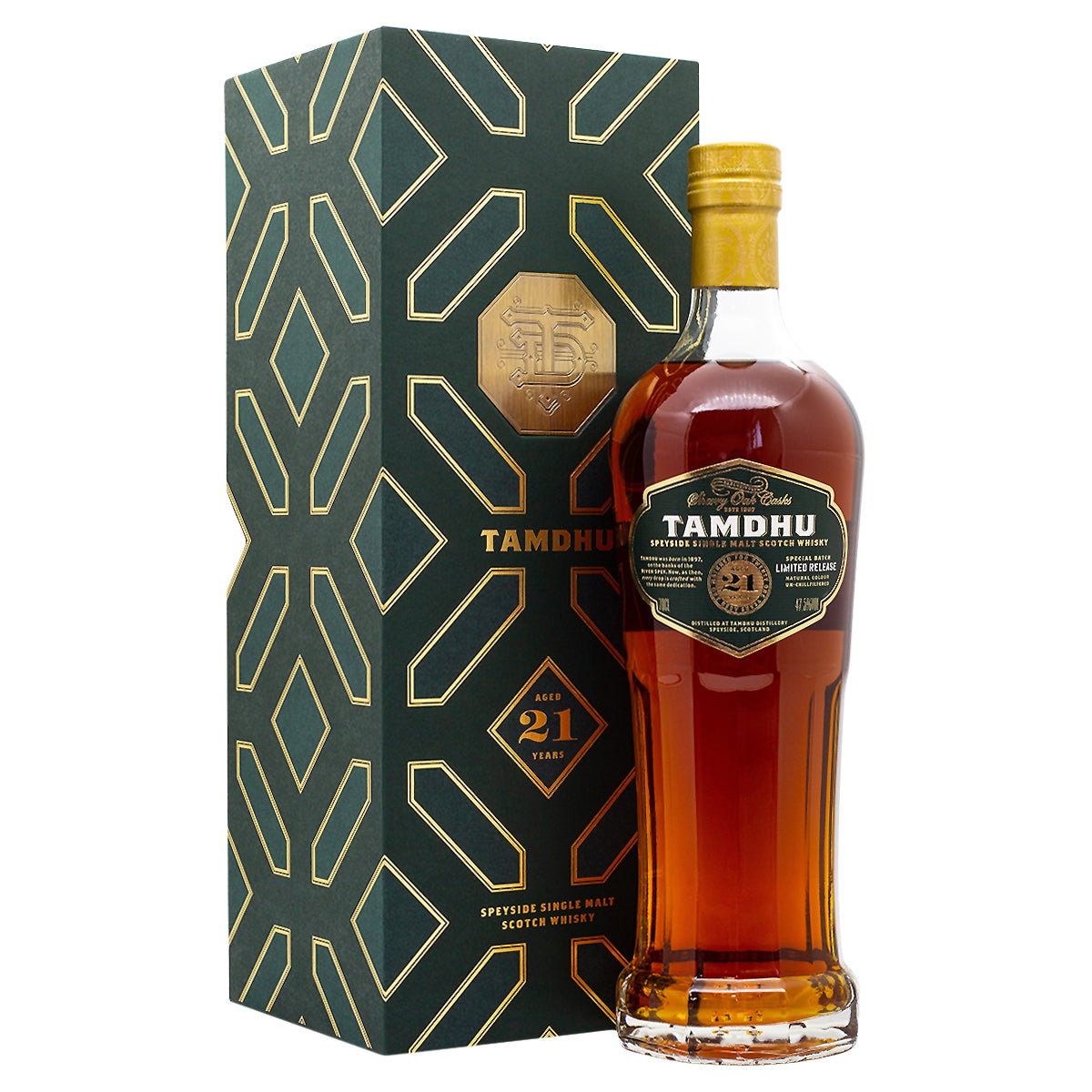

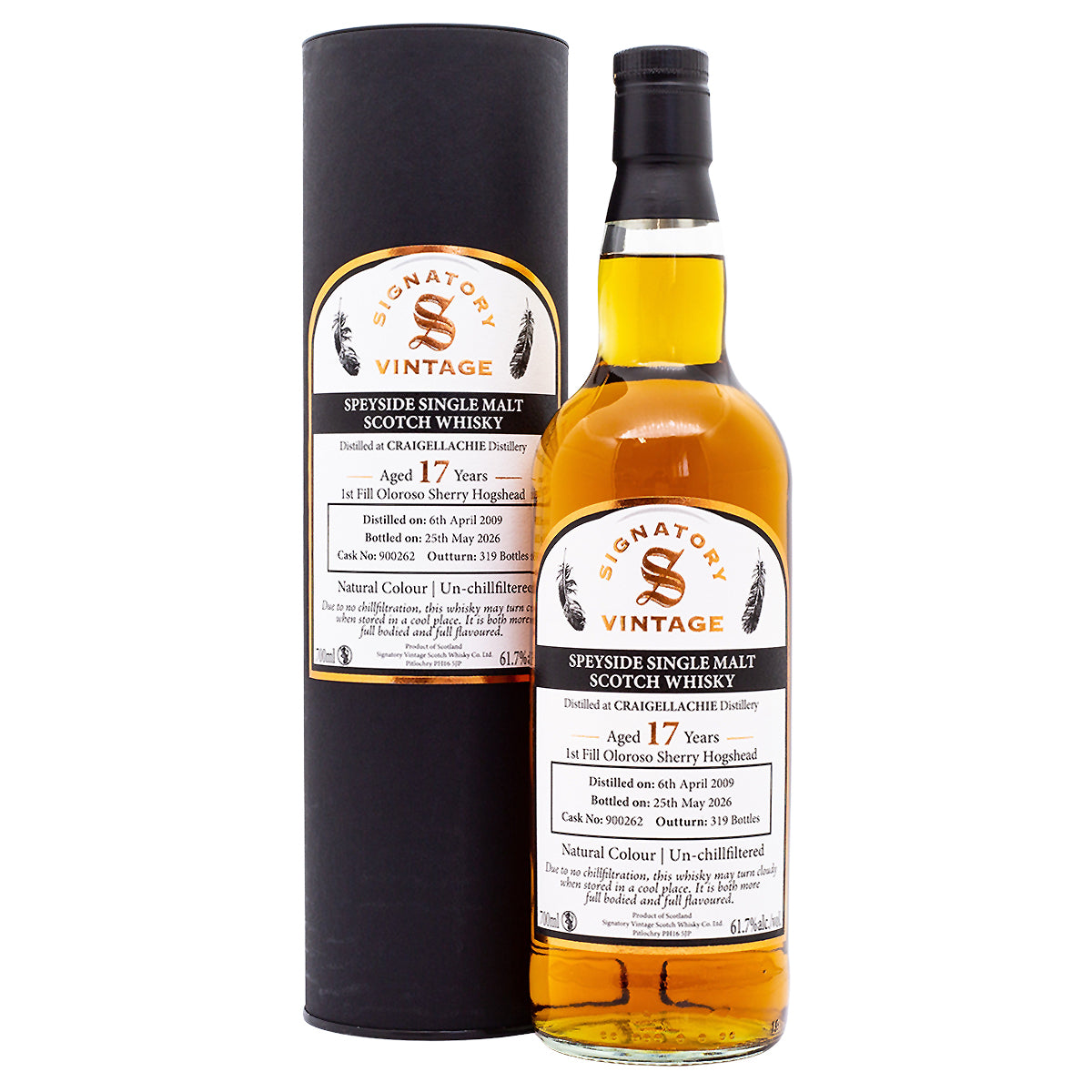
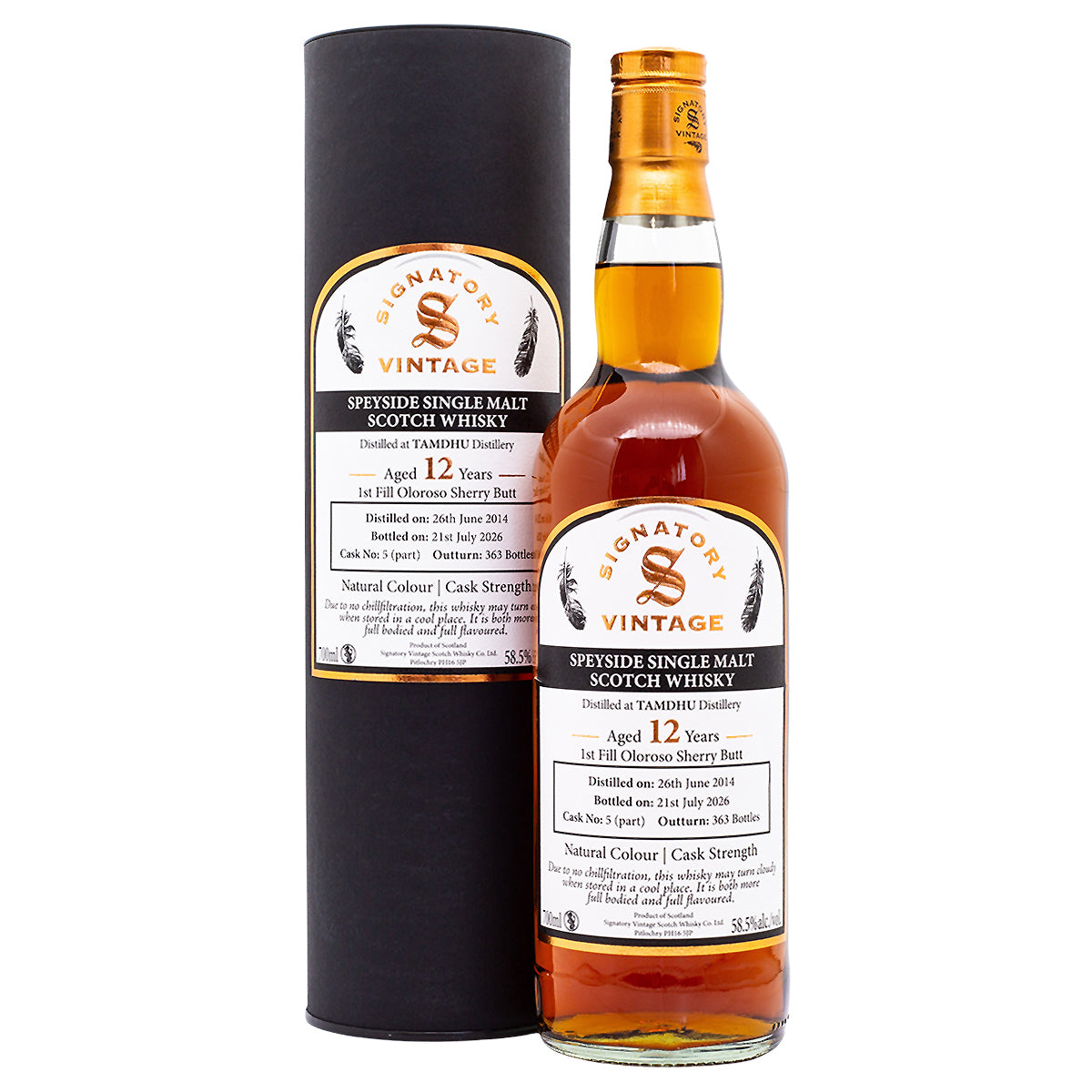
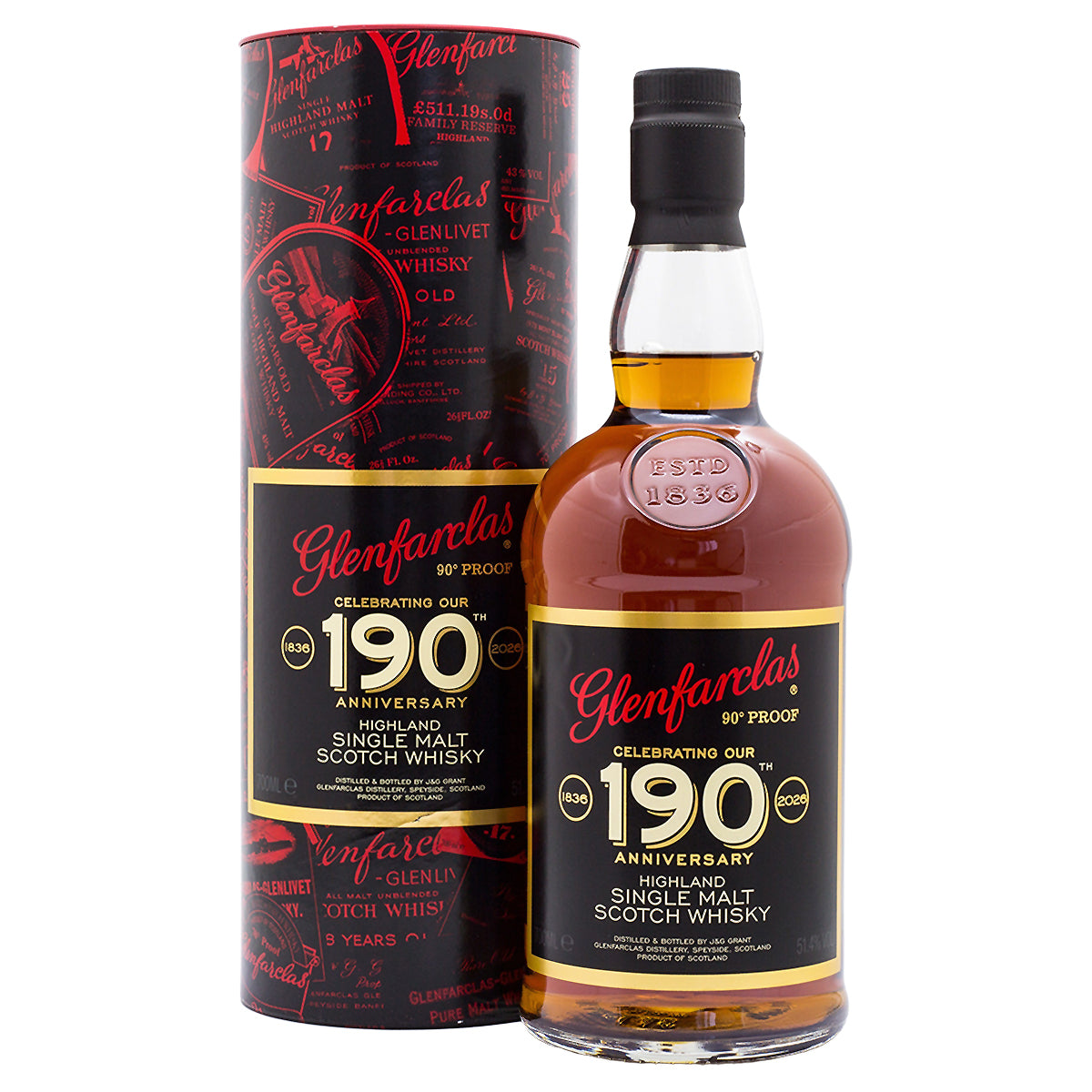
Speyside Whisky: protected origin without a uniform taste
The Speyside Whisky designation protects a legally defined Scottish origin. It may Scotch distilled within this region. Neither the type of whisky nor its taste is prescribed by this designation.
Many well-known Speyside bottlings are described as fruity, honeyed or lightly peated. These are recurring product characteristics, not regional rules. The distillery, brand and specific production method provide more reliable clues than a general Speyside stereotype.
Speyside and Highland on the label
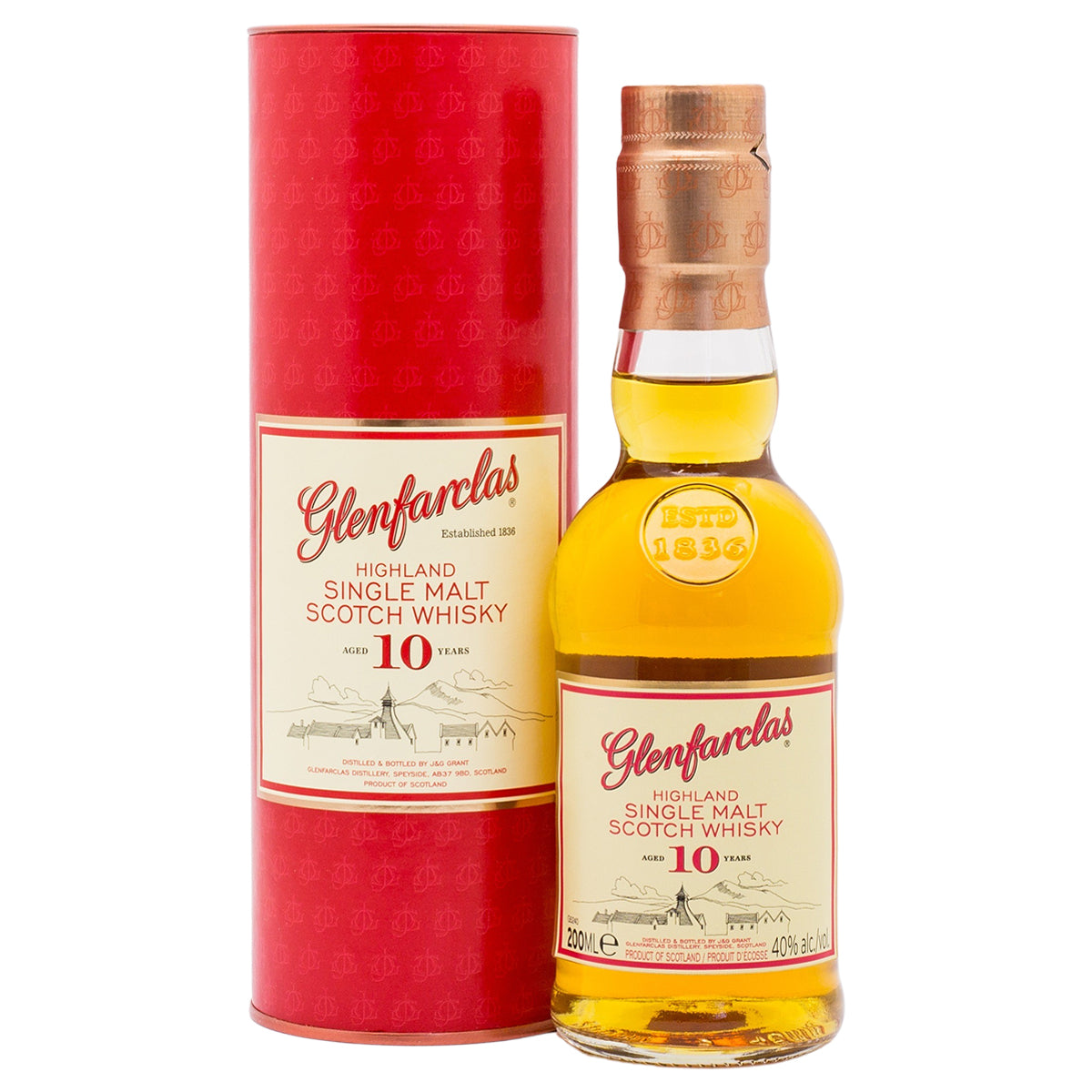
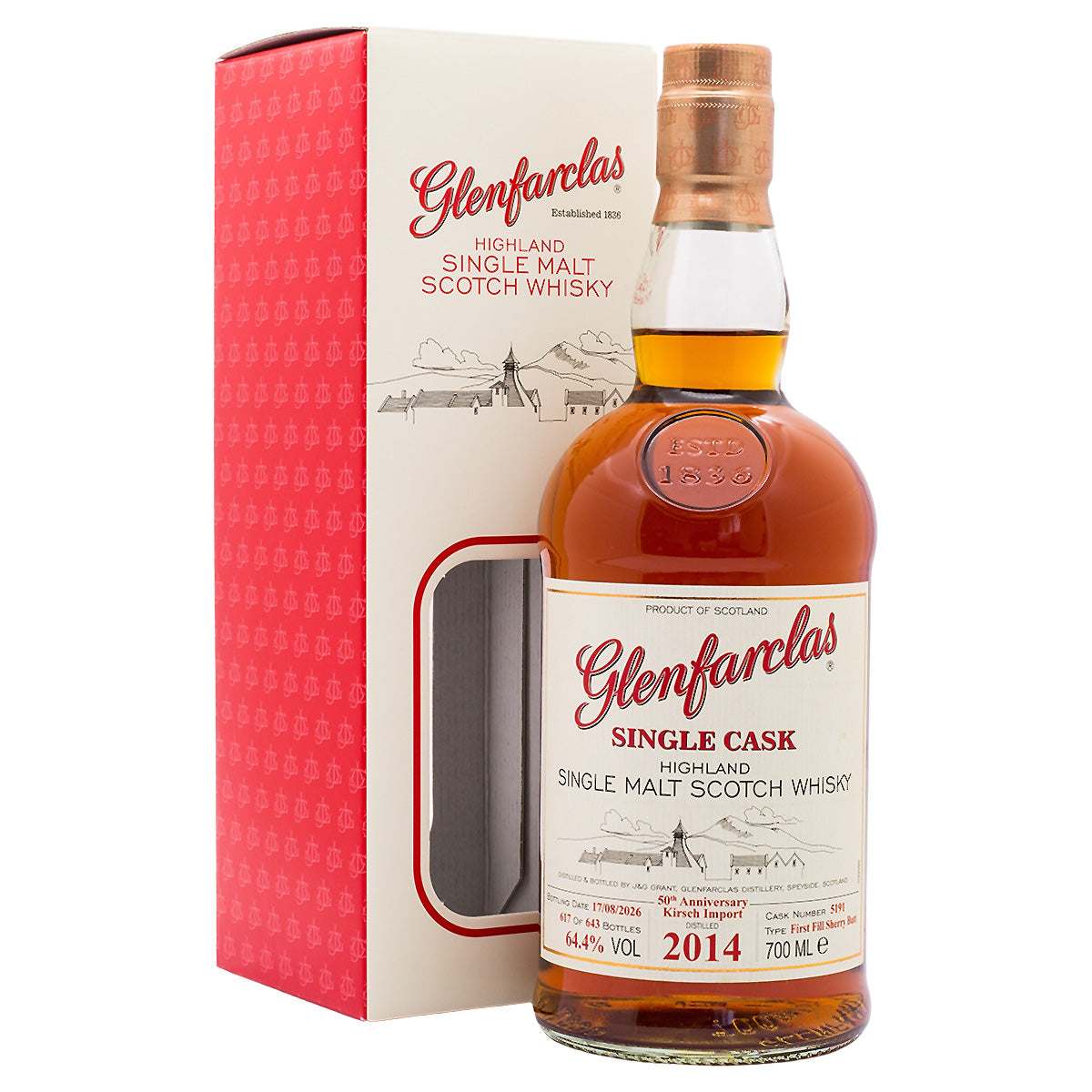
Speyside lies within the broader protected Highland region. A distillery in Speyside can therefore label its Scotch as originating from Speyside or the Highlands. If the word Speyside does not appear on a bottle, the distillery does not necessarily have to be located outside the region.
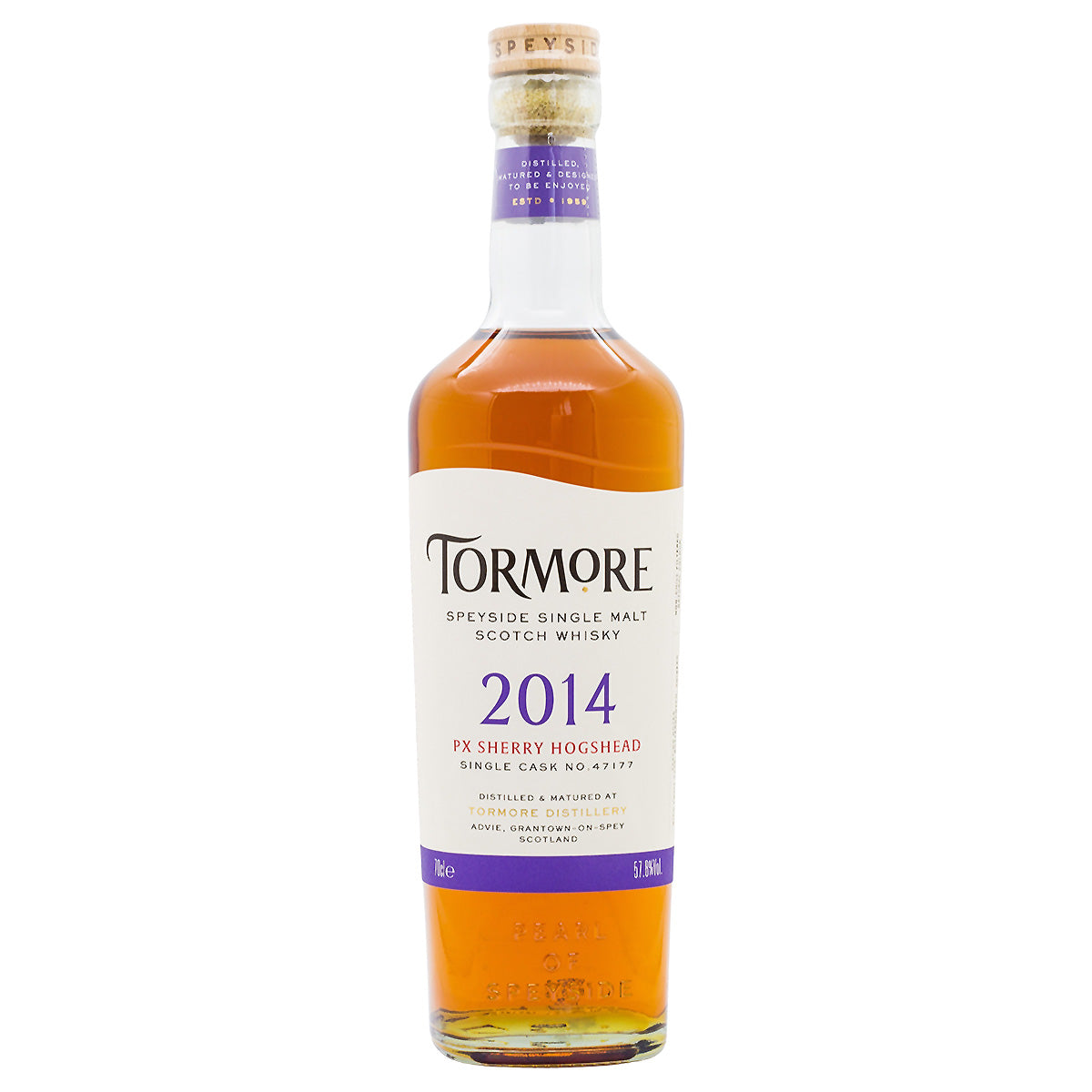
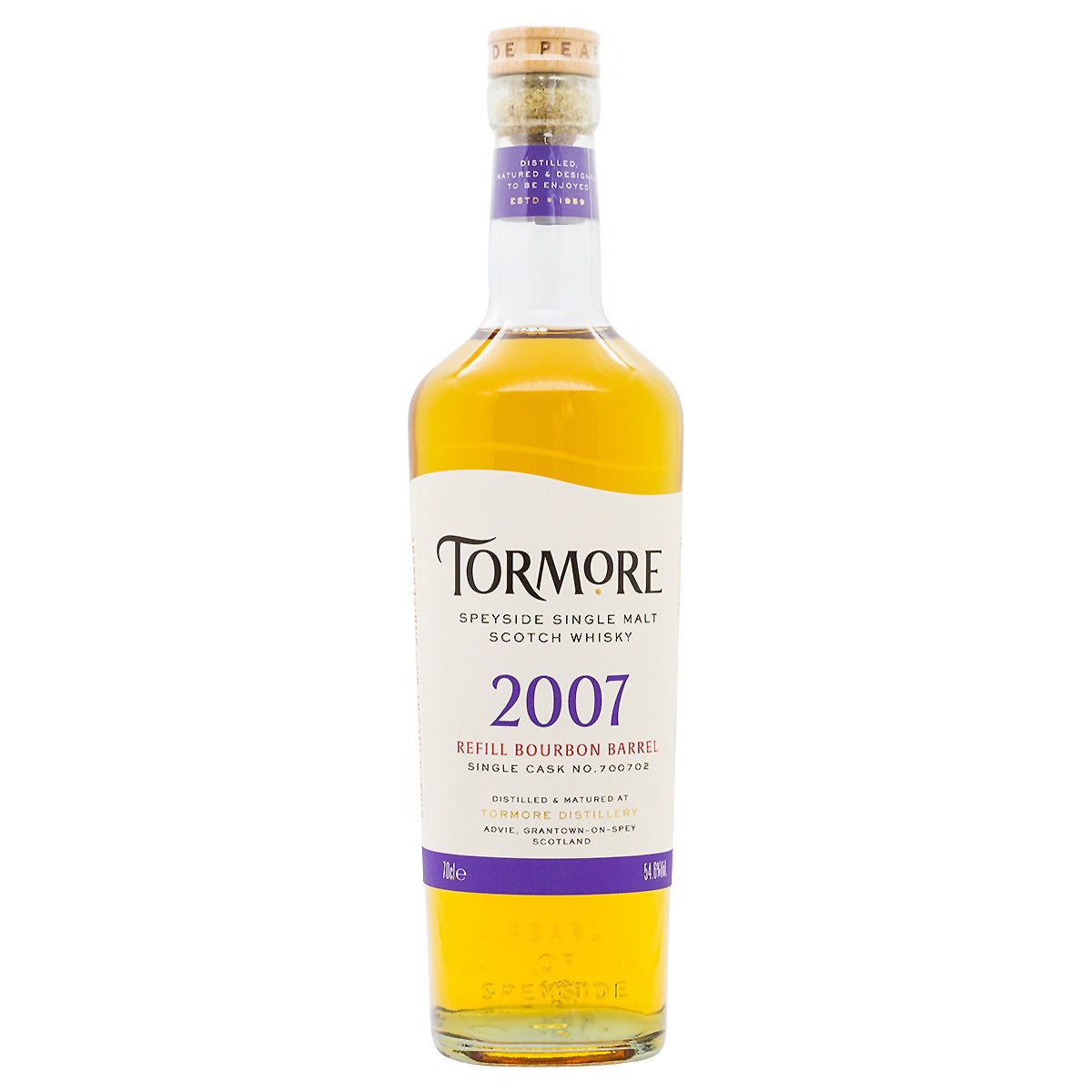
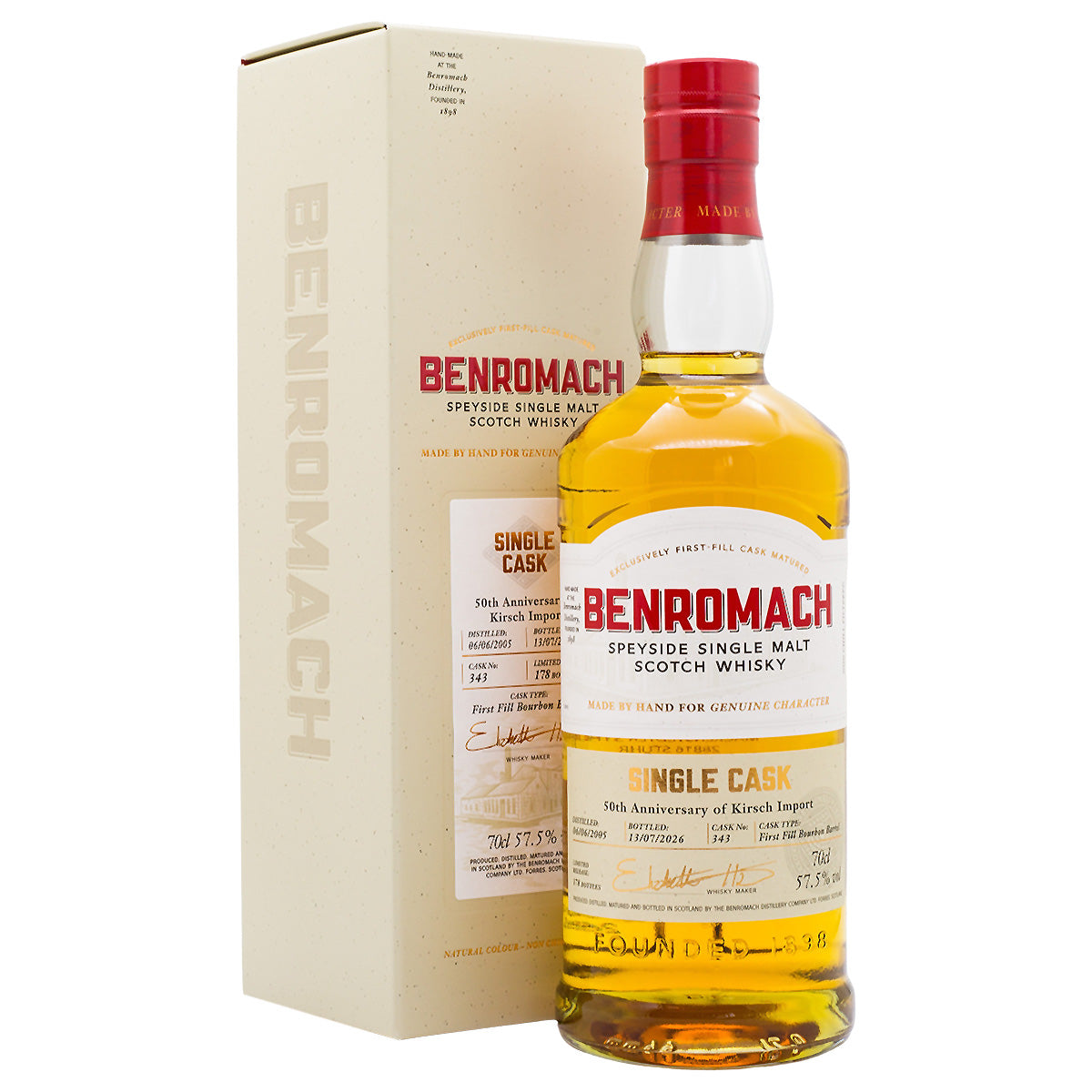
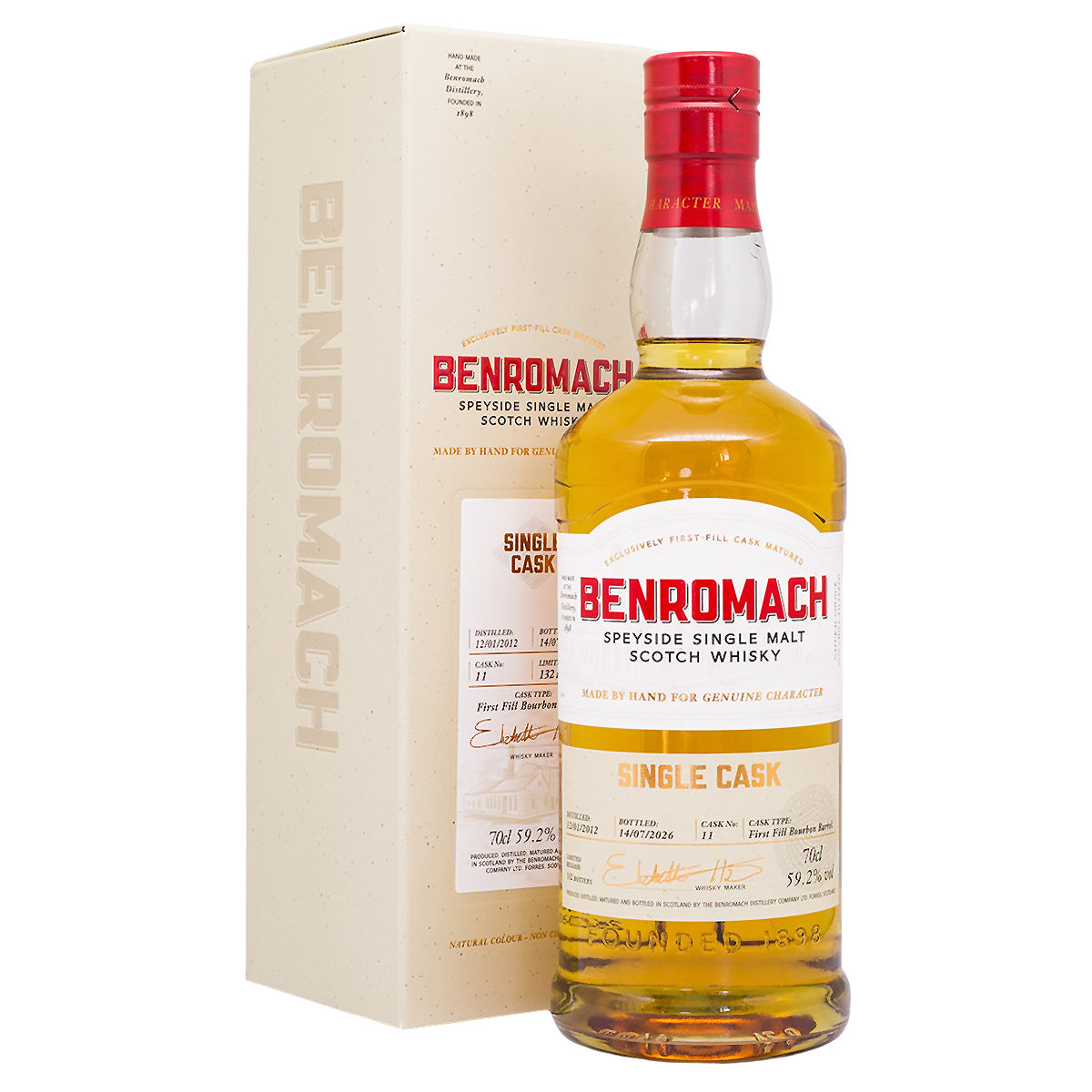
The origin is stated on the label alongside the exact type of whisky, such as Speyside Single Malt Scotch Whisky. It does not replace it. The place of distillation is what matters; maturation, bottling or a company address in Speyside are not sufficient on their own to indicate the region.
Speyside is also not limited to single malt. For other types of whisky, all whiskies contained in the blend must meet the conditions for the stated origin.
Glen Grant and Craigellachie: two distillery approaches
Glen Grant uses tall, slender stills and purifiers that return some of the heavier components to the distillation process. This gives the manufacturer a lighter, new-make character. However, the shape and technology interact with fermentation, heating and cut points; they do not create a guaranteed aroma on their own.
Craigellachie uses relatively short stills and worm tubs for condensation. The distillery describes its house style as robust, muscular and fruity. Here too, the equipment is a proven production factor, not a simple formula for every bottling.
Those who discover Speyside through these two distilleries will encounter different distillates from the same origin rather than just different cask names.
Unpeated and peated from the same distillery
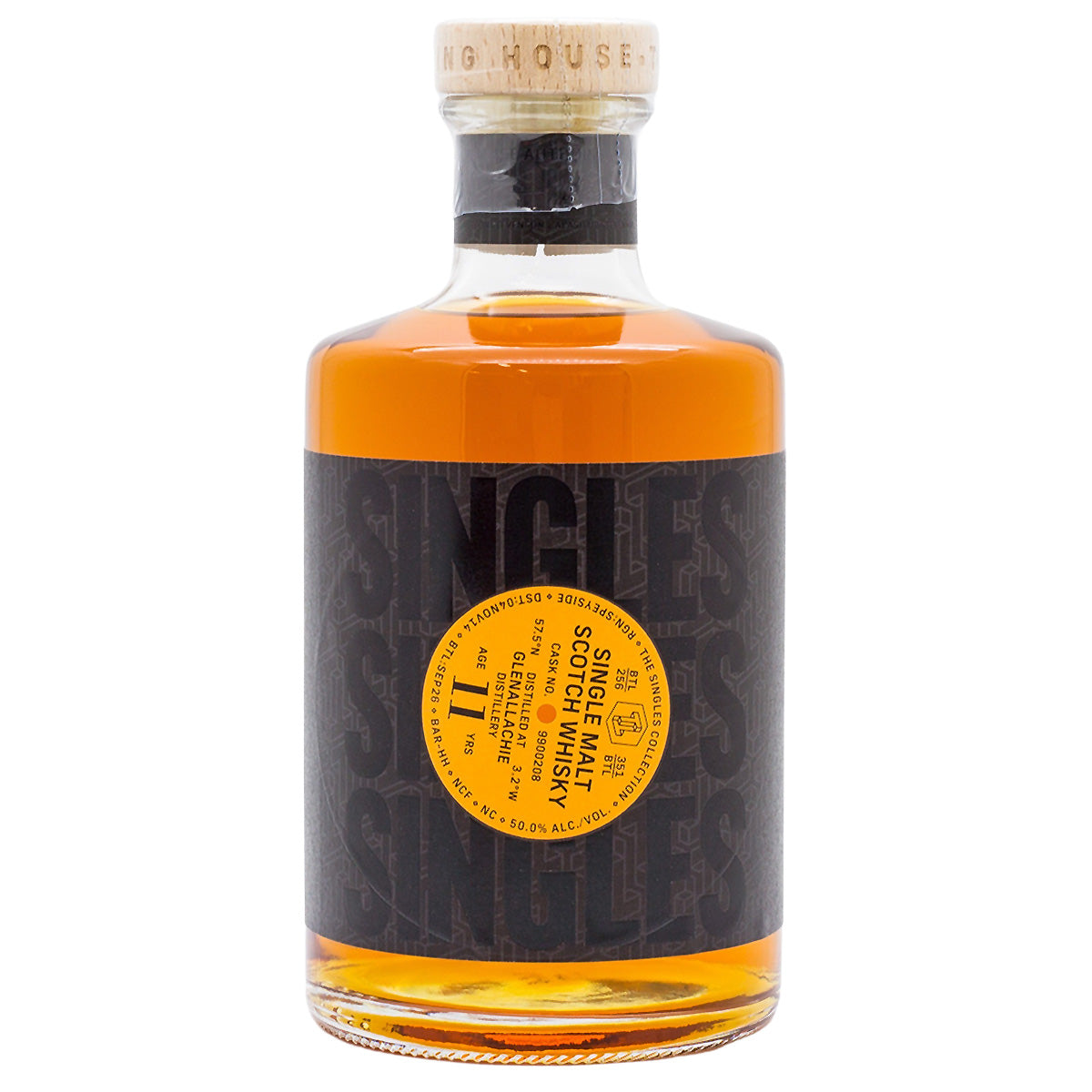
The GlenAllachie Distillery has two clearly distinct brand profiles. Unpeated bottlings appear under The GlenAllachie brand. The distillery's seasonally peated spirit, on the other hand, bears the Meikle Tòir brand. It is not an active distillery in its own right.
For this producer, therefore, even the distillery name is not enough to answer the question of peat. The brand and specific bottling are what matter. A peated whisky remains a genuine Speyside whisky as long as it was distilled there.
Information that helps when choosing
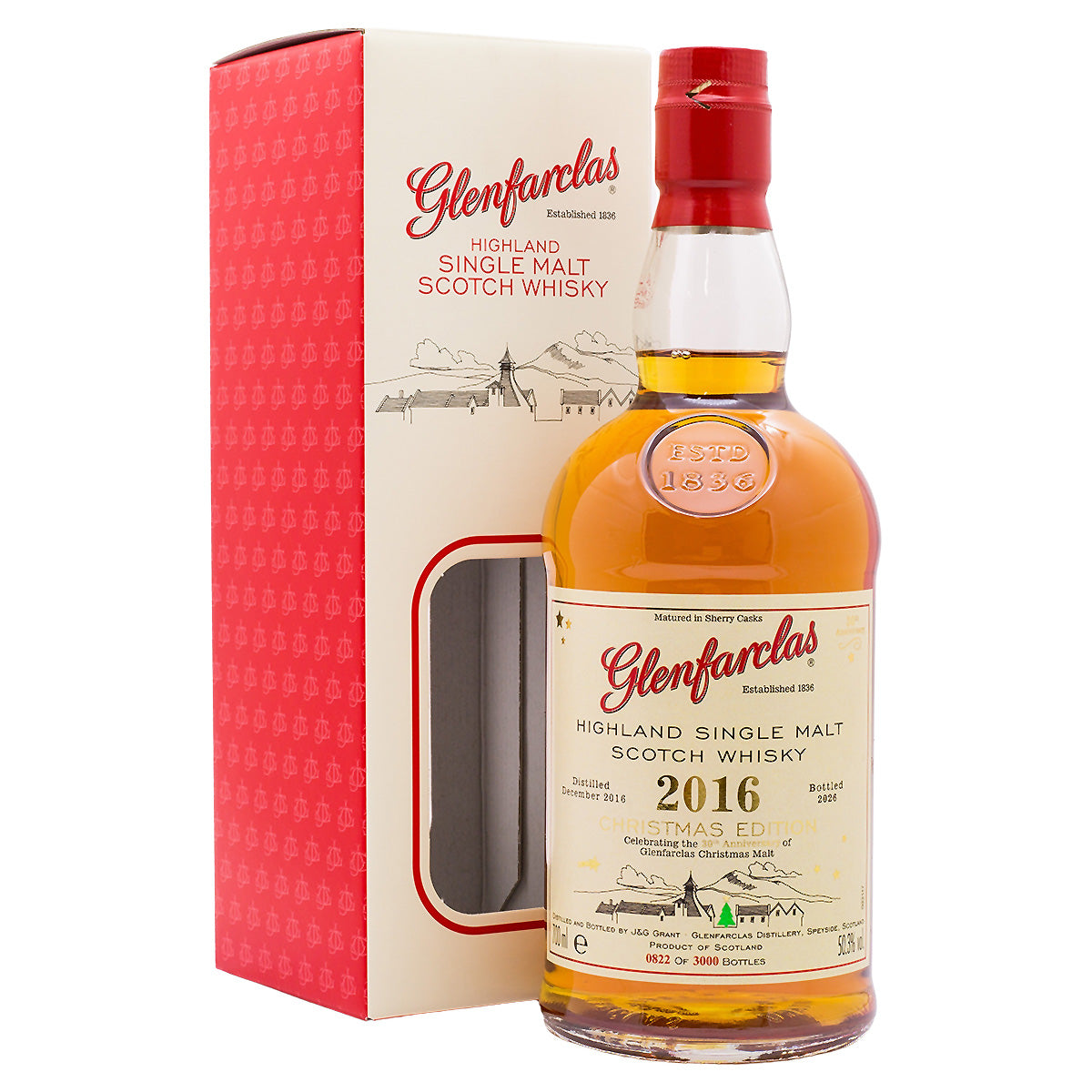
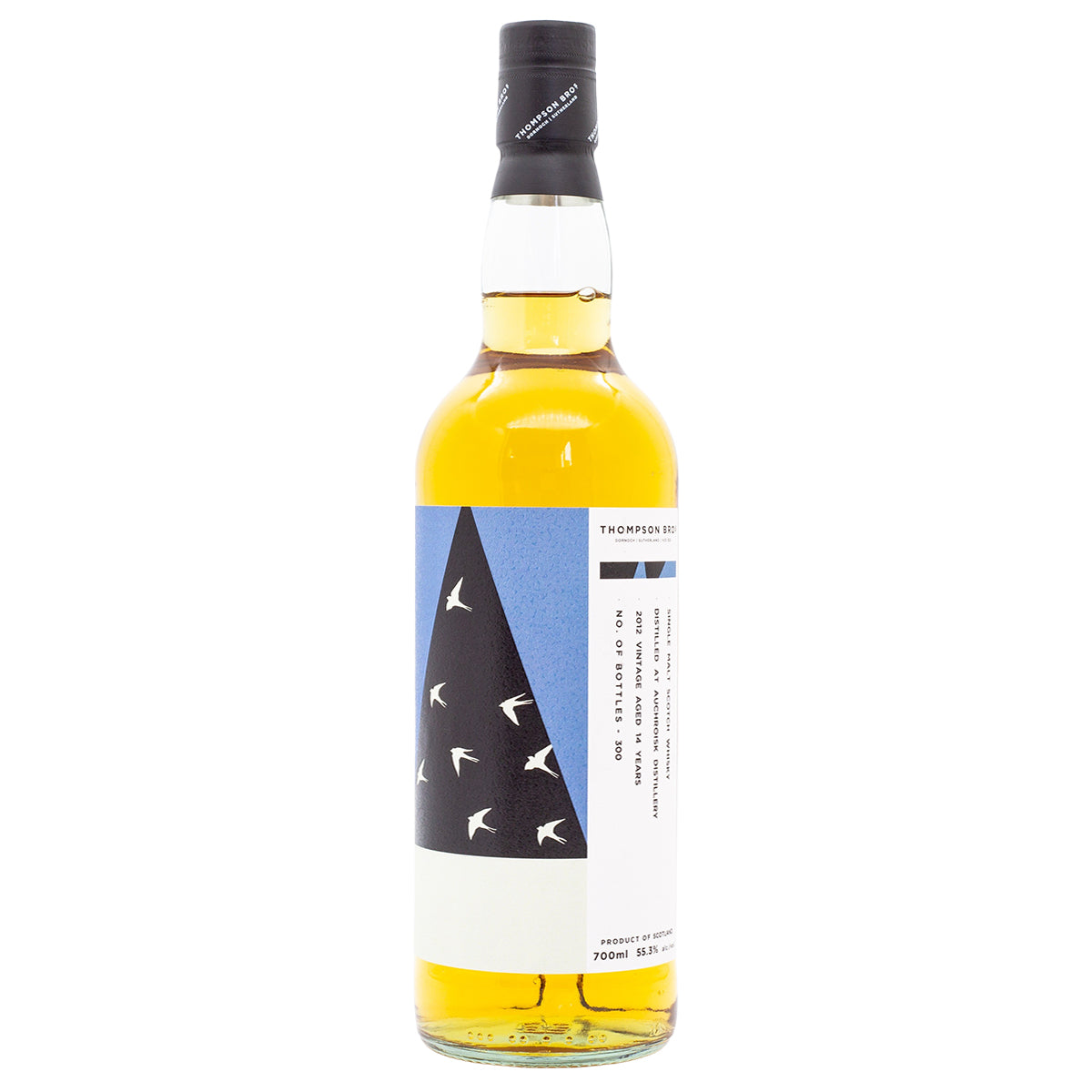
Start with the exact type of whisky on the label and the regional designation Speyside or Highland. Next come the actual distillery and brand. With independent bottlings, the bottler may showcase a single cask or a style that differs from the well-known original bottling.
Producer information about distillation methods and peating helps with the initial selection. However, it should not be reduced to a fixed taste prediction.
Frequently asked questions about Speyside Whisky
What does Speyside Whisky mean?
Speyside Whisky is Scotch whisky that was distilled entirely within the protected Speyside region and may bear this designation of origin.
Is Speyside a protected whisky region?
Yes. The Scotch Whisky Regulations define Speyside as a protected region.
Is Speyside part of the Highlands?
Yes. Speyside lies within the legally broader Highland region. Scotch from Speyside can therefore be designated as Speyside or Highland.
Is Speyside Whisky always sweet, fruity and unpeated?
No. Such descriptions apply to some bottlings, but are not prescribed. The distillery and brand can produce significantly different profiles.
Is there peated Speyside Whisky?
Yes. Meikle Tòir, for example, is a peated single malt brand from the GlenAllachie Distillery in Speyside.