

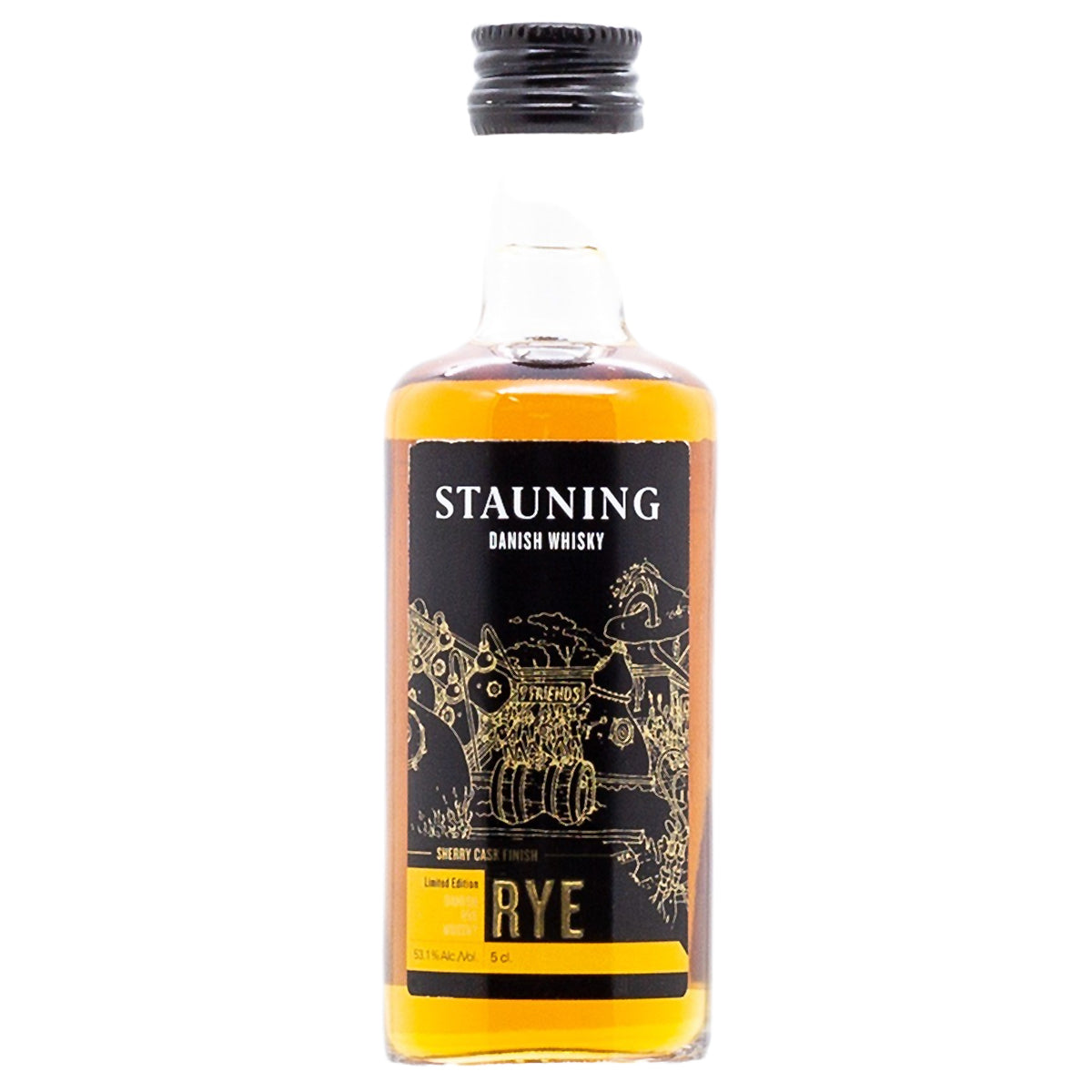
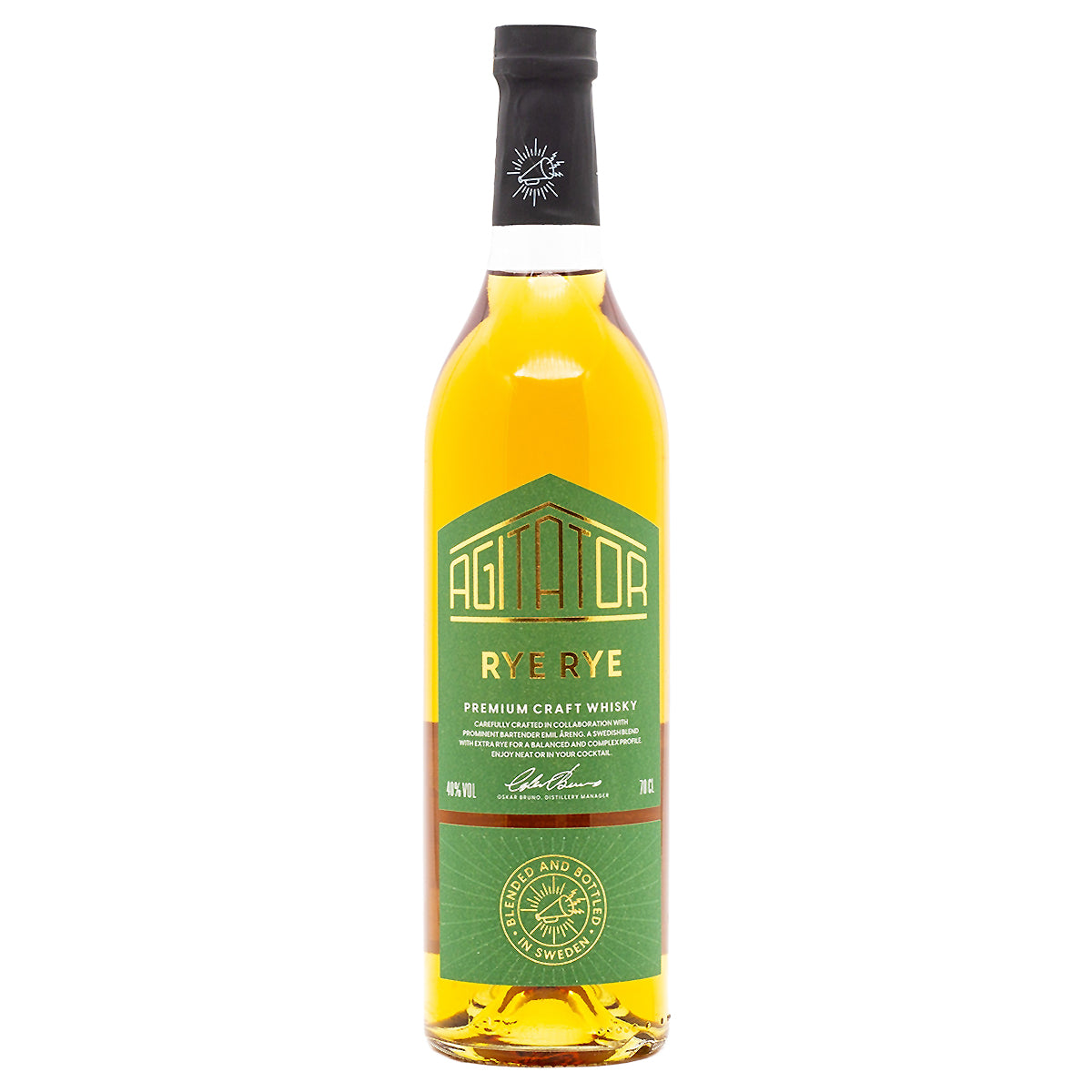
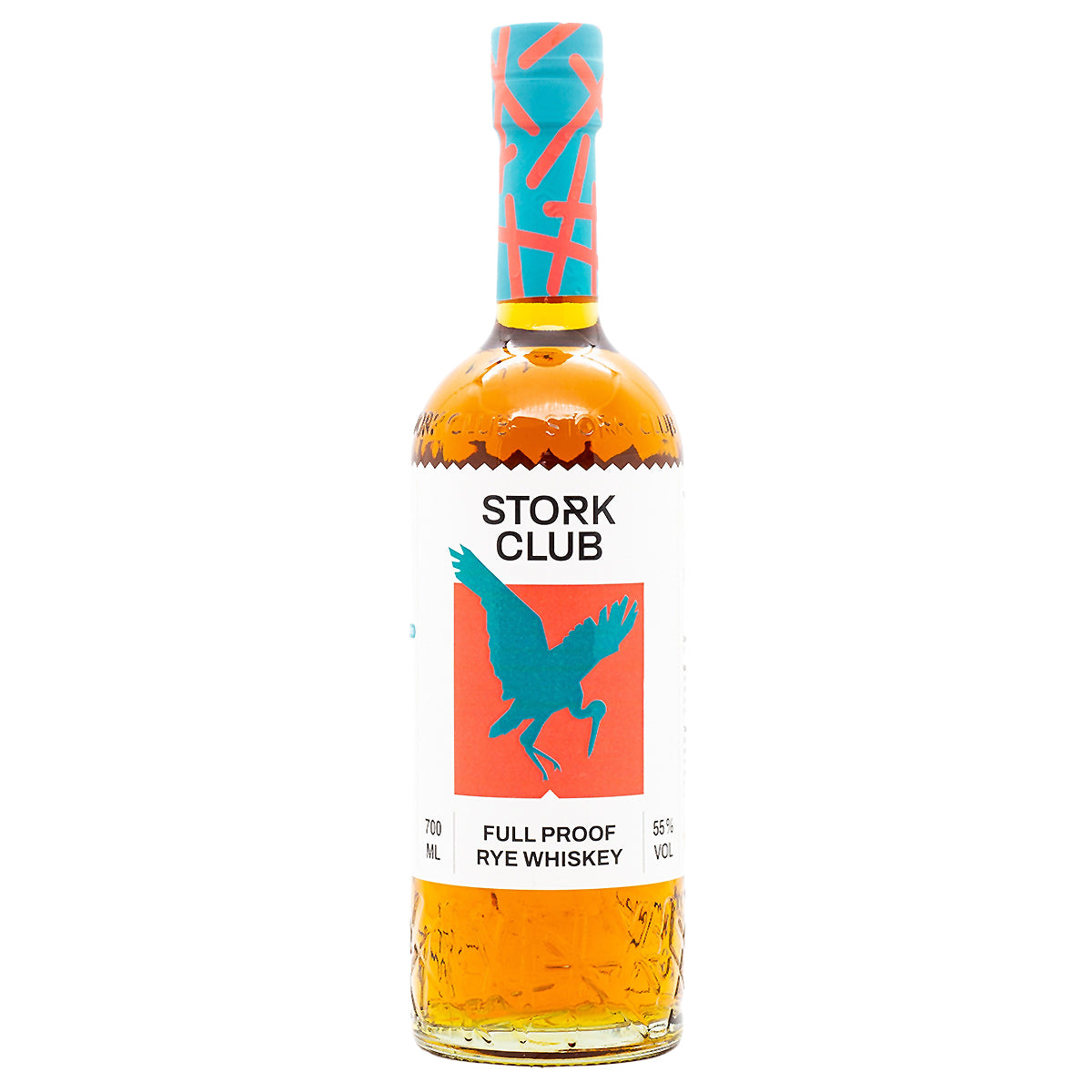
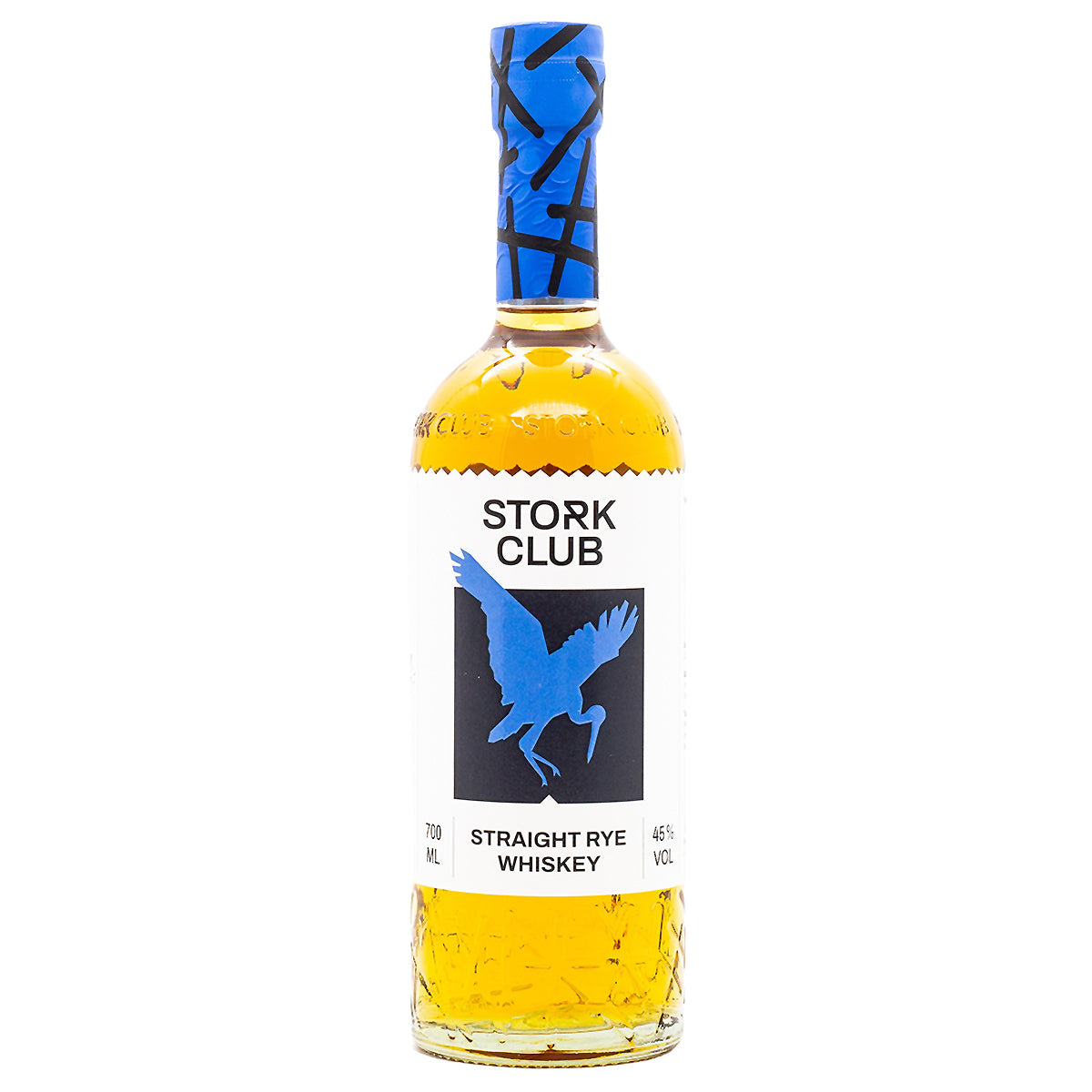


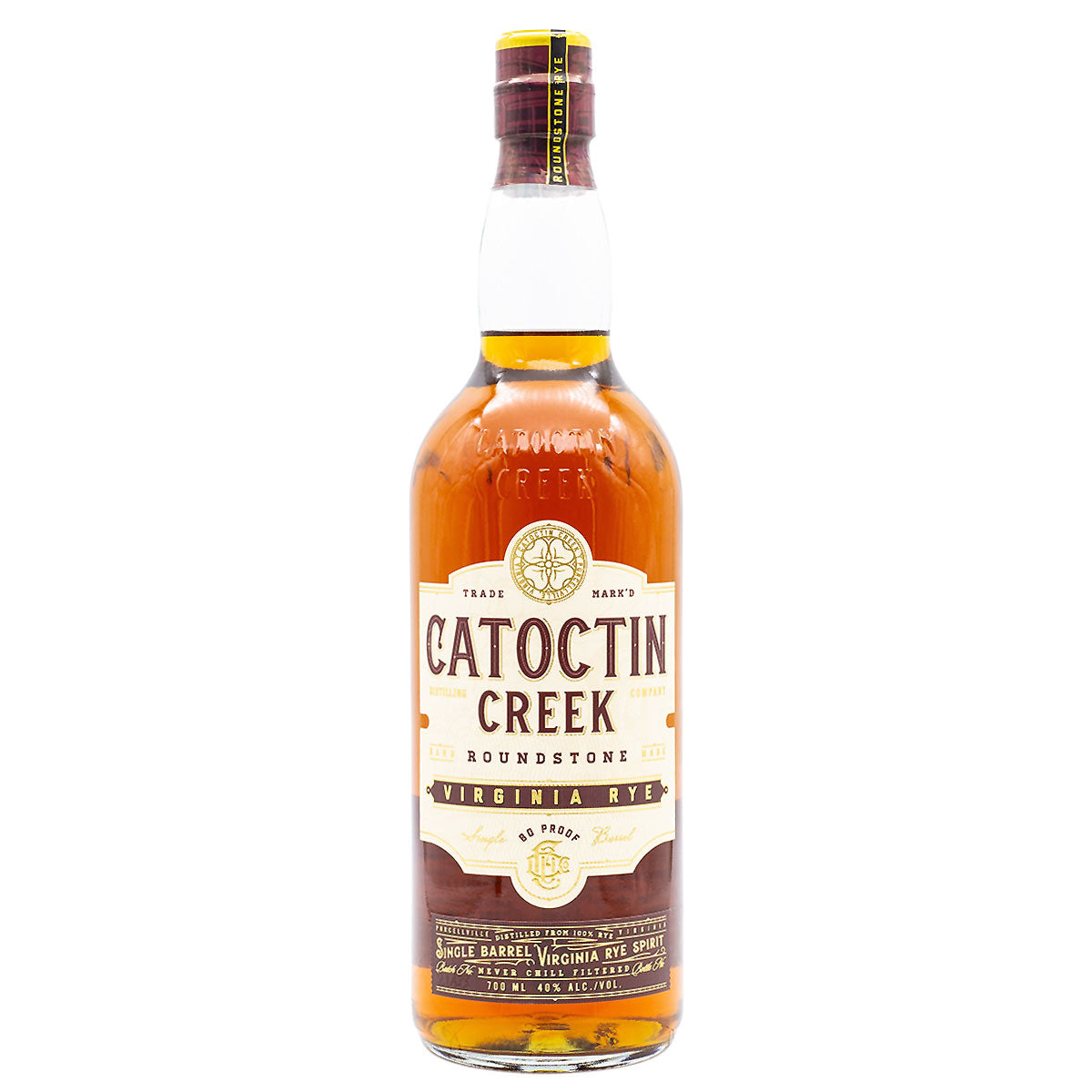
Rye Whisky: For rye, the country of origin matters
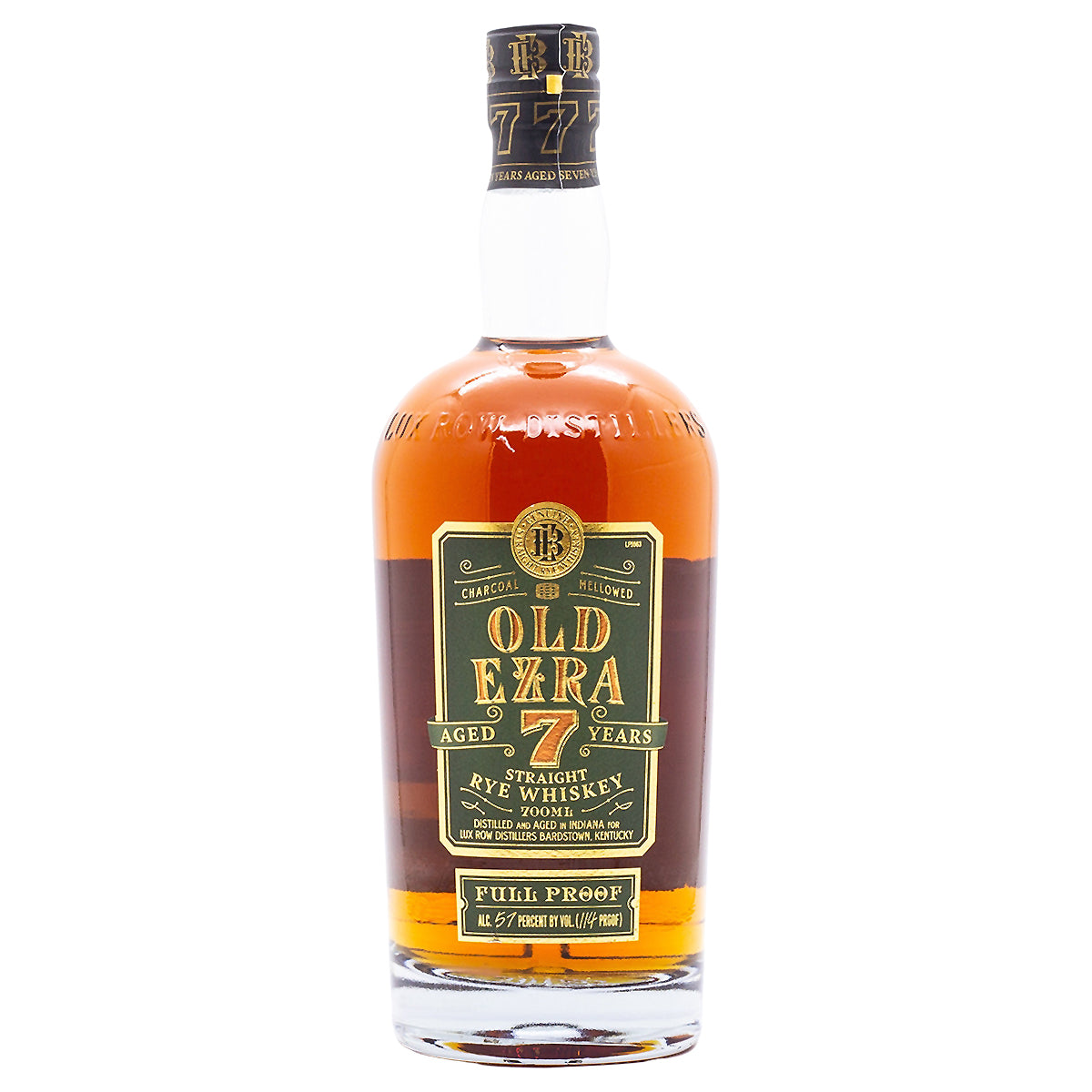
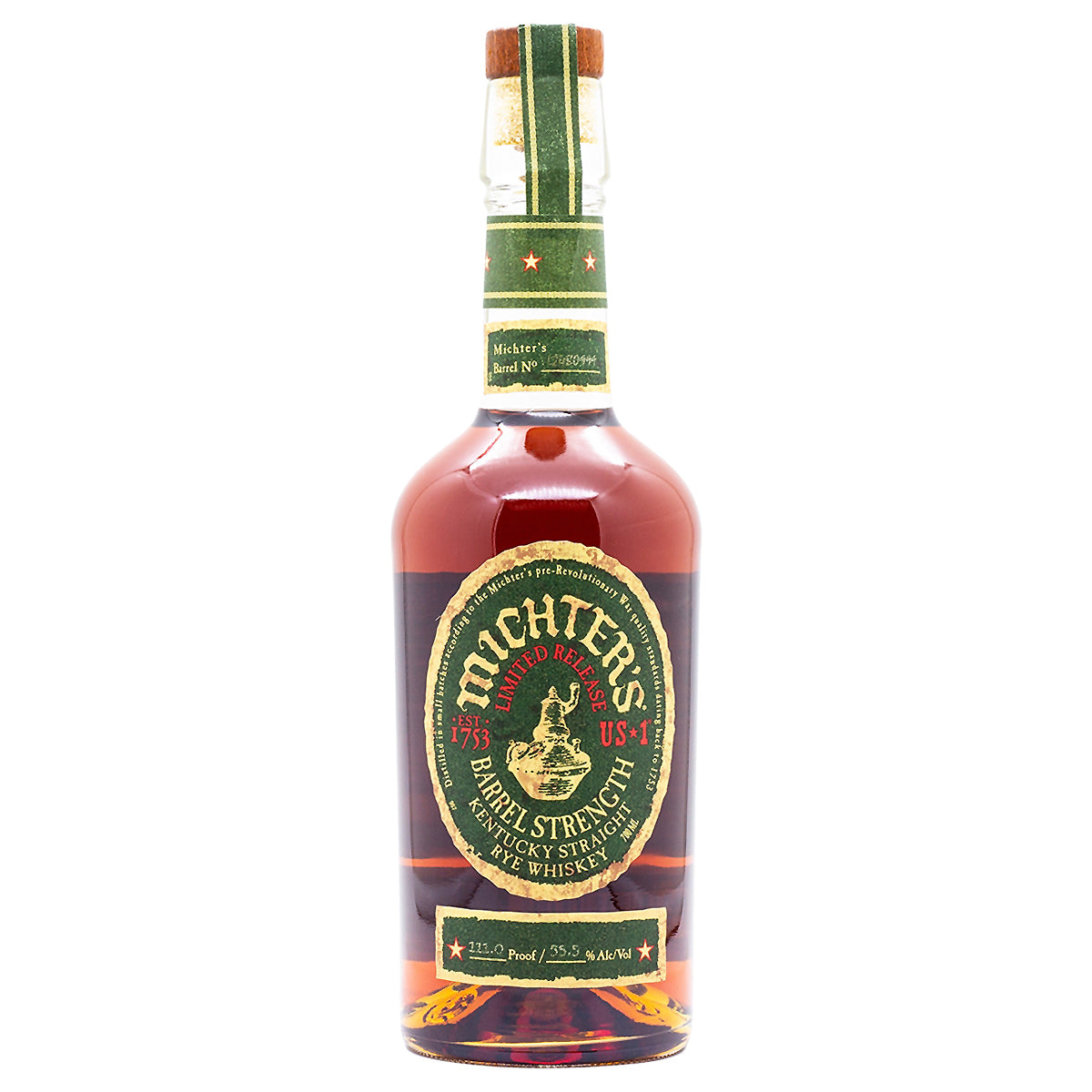
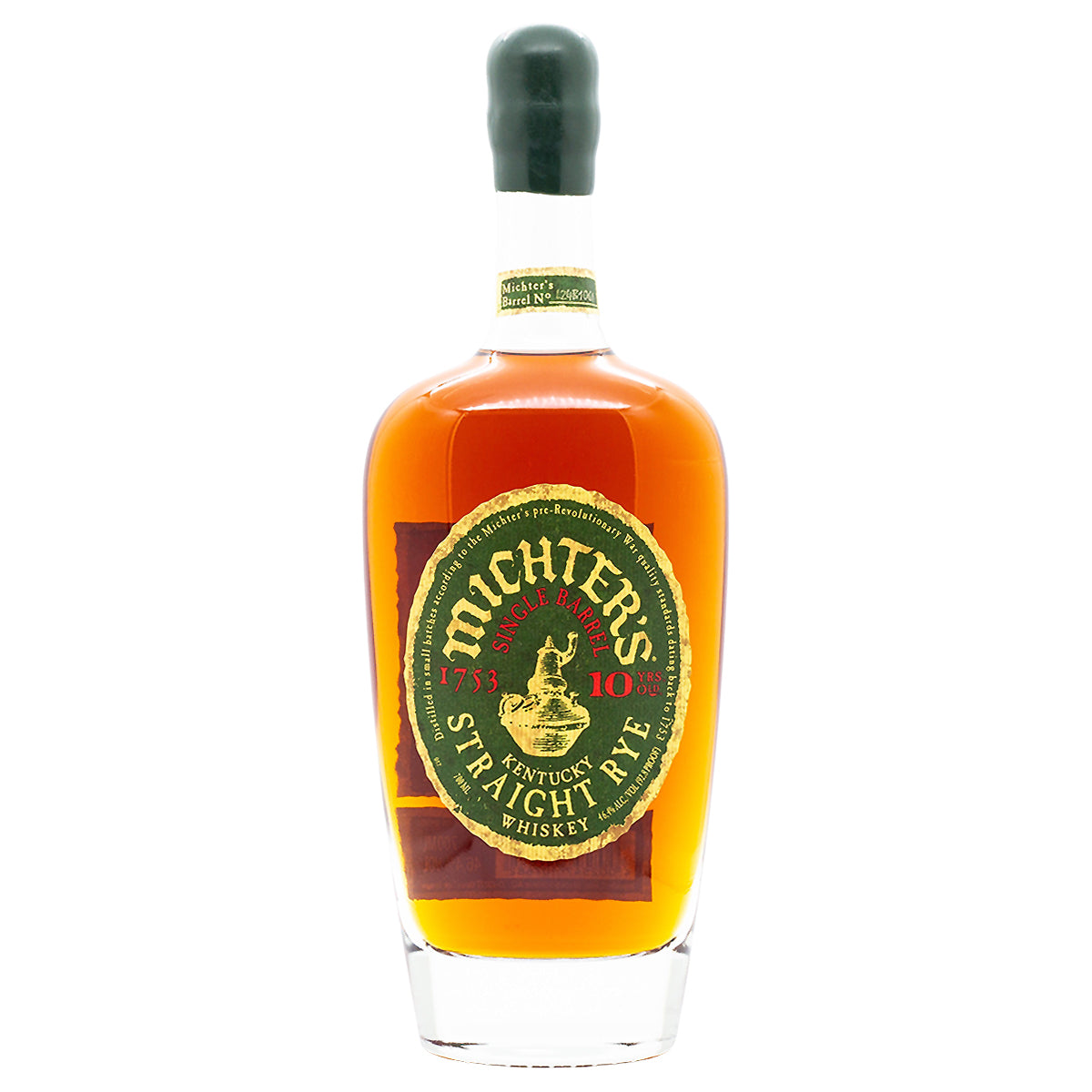
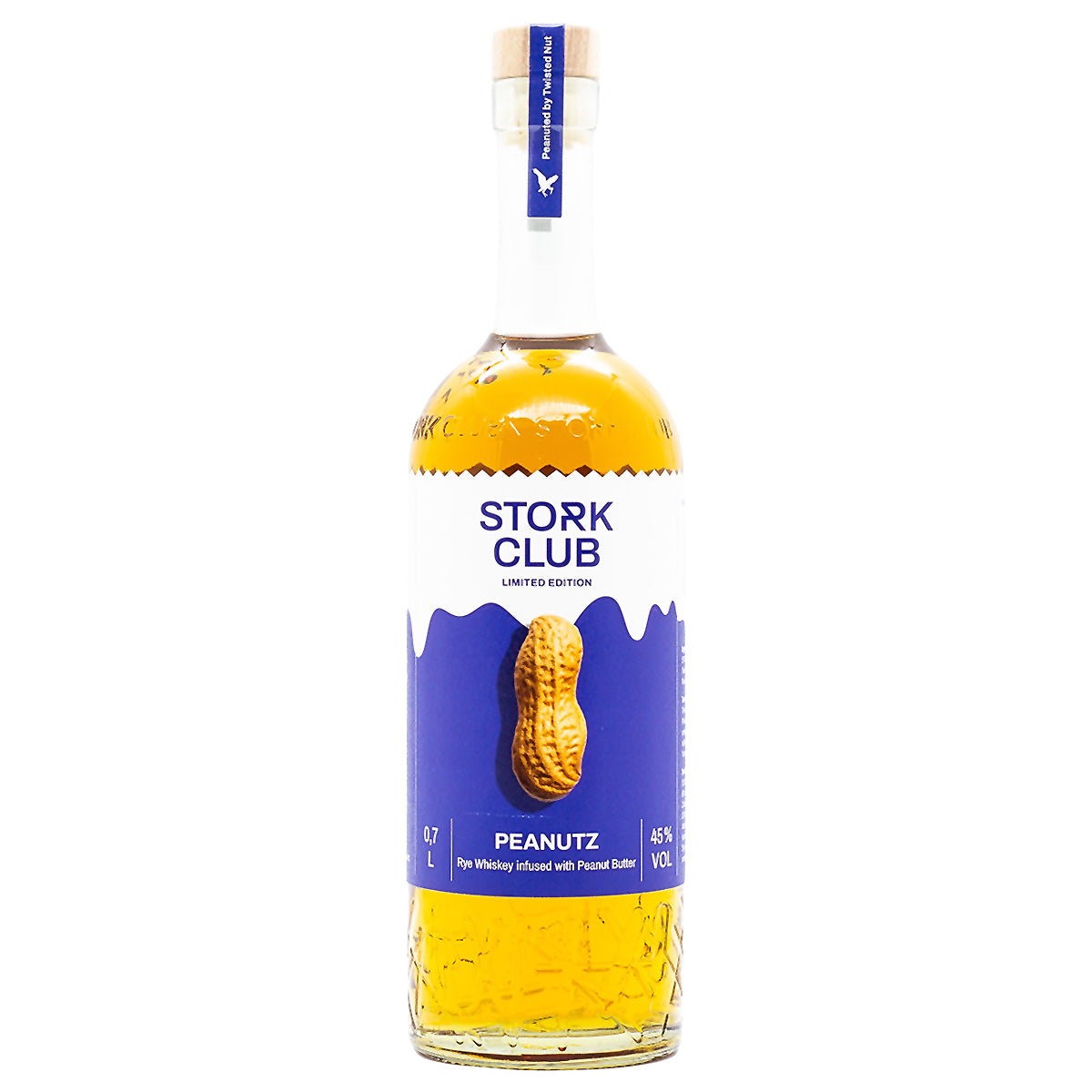
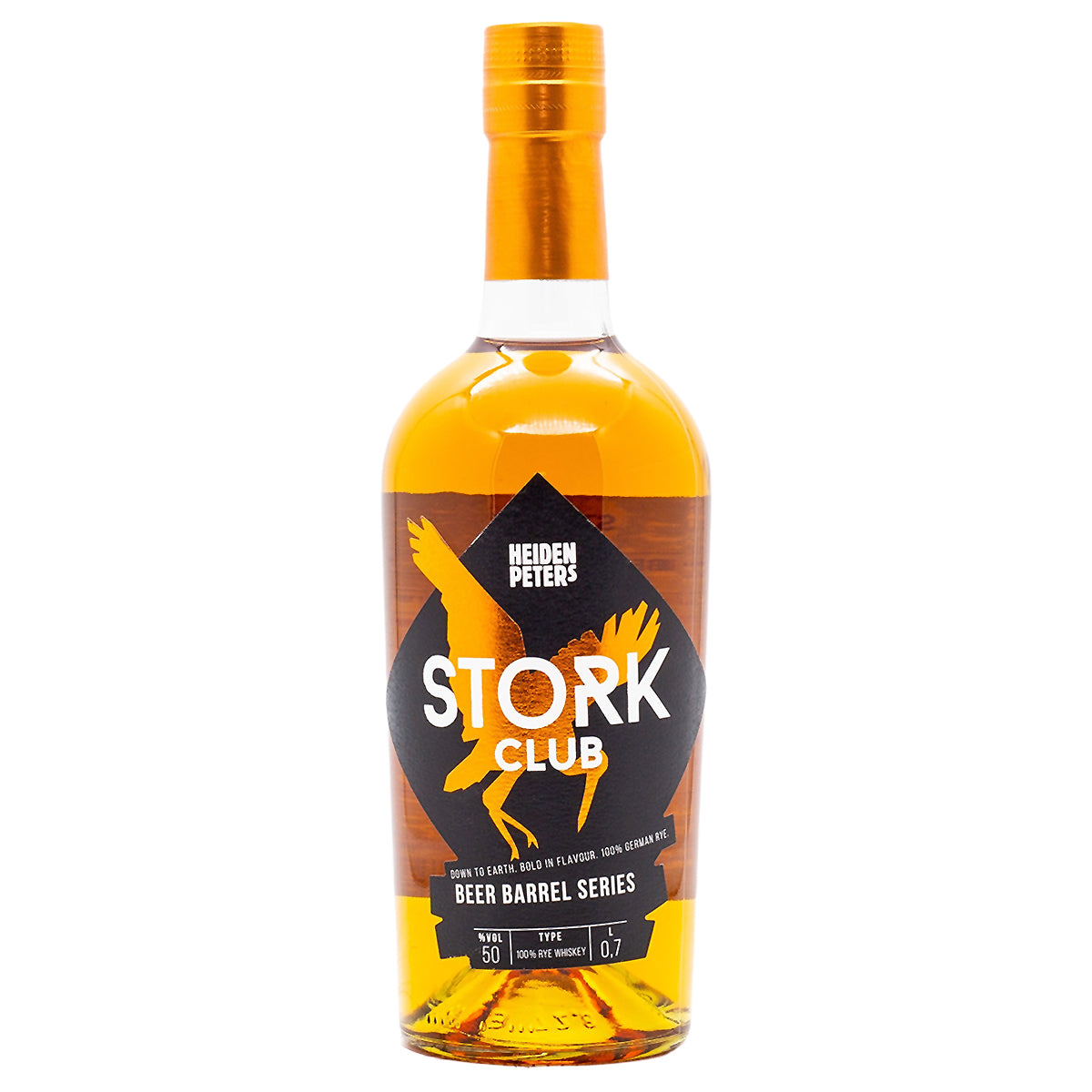
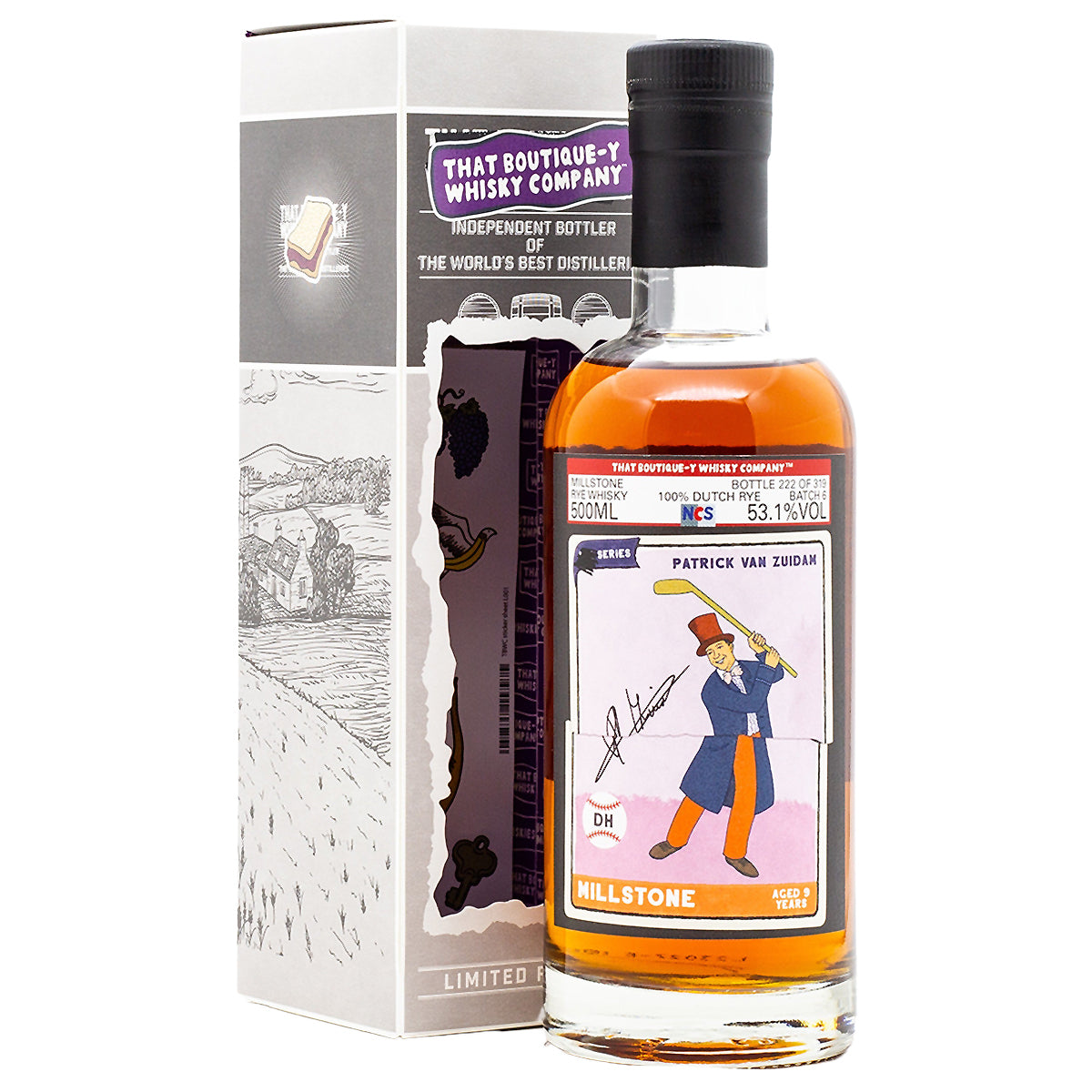
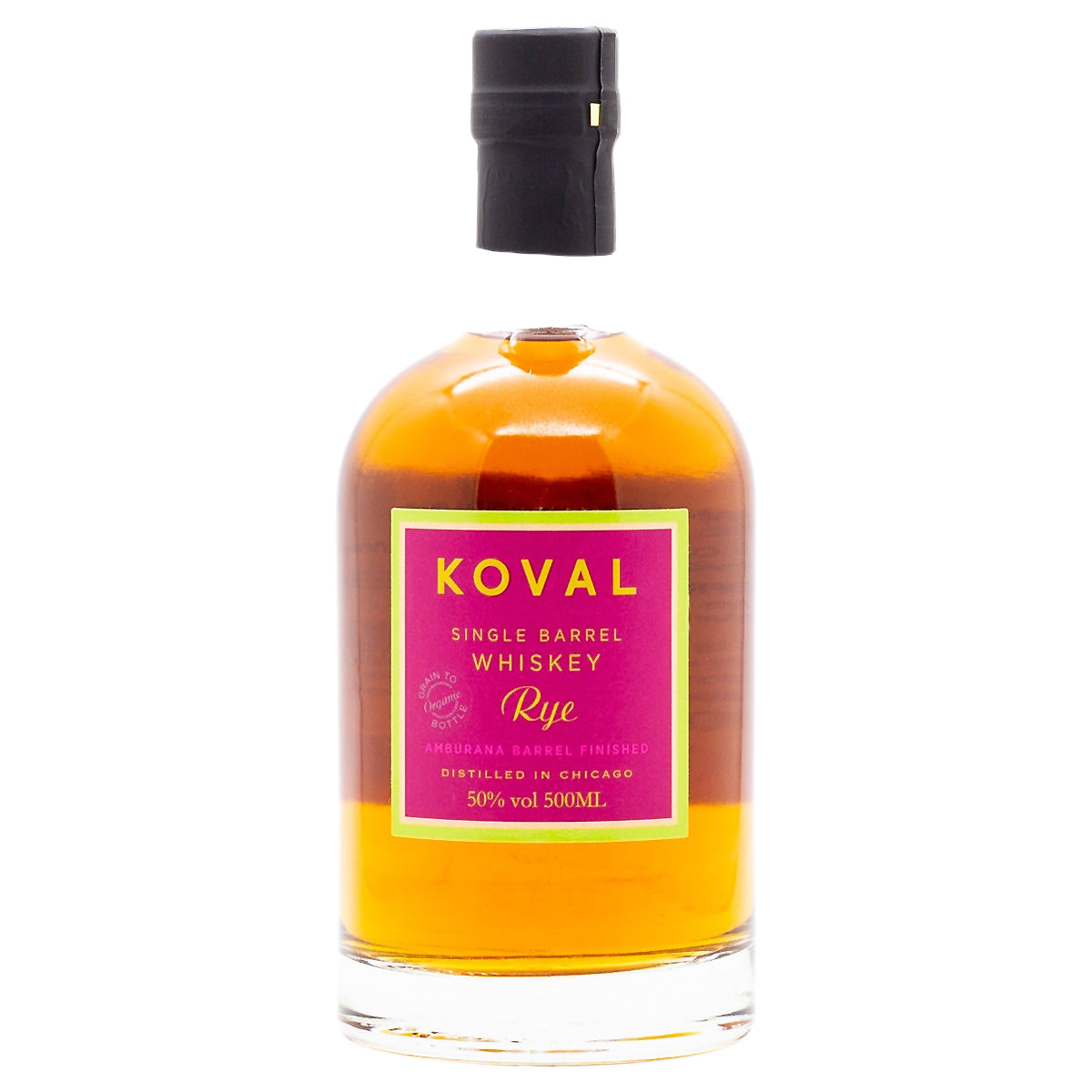
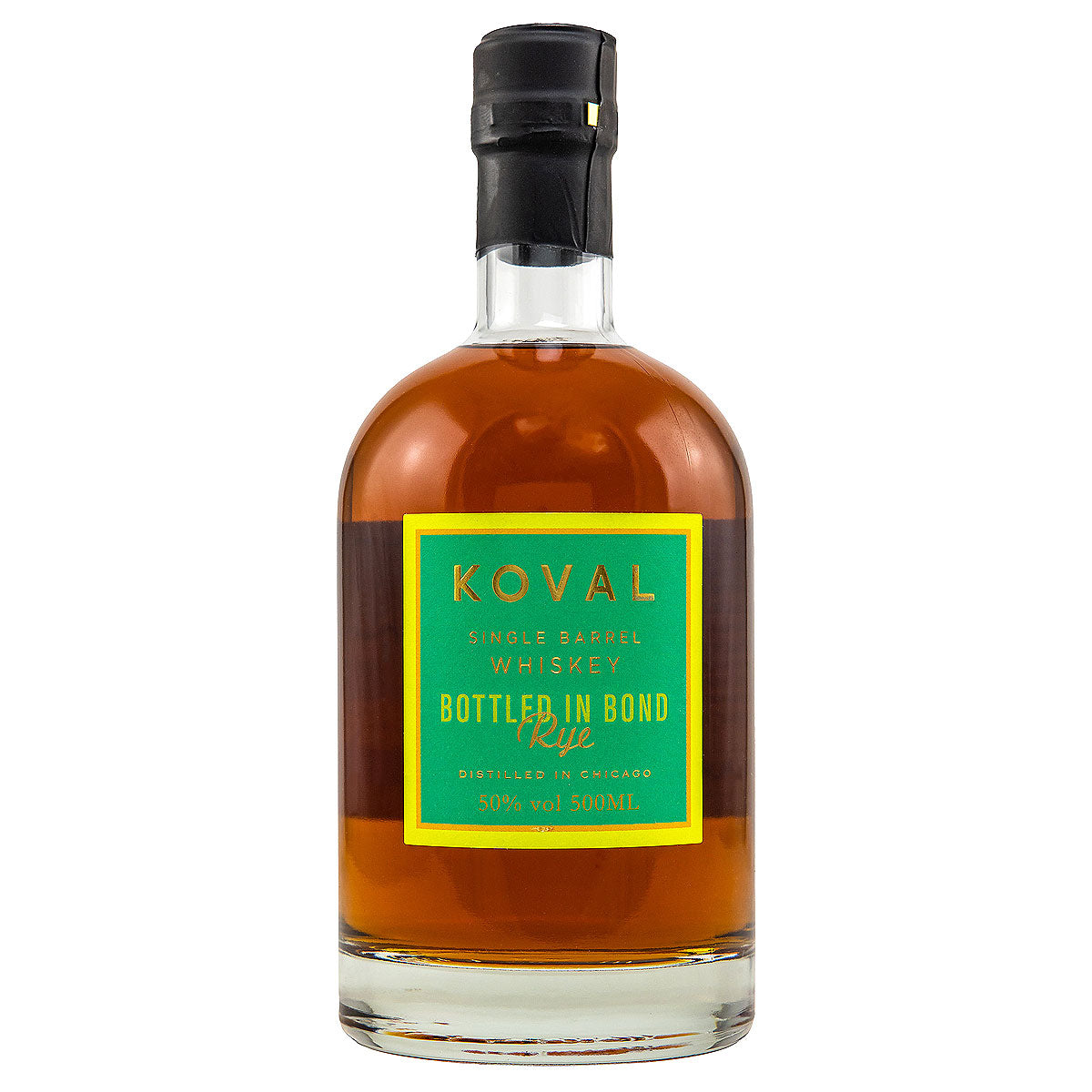
Rye whisky or rye whiskey is made with rye. However, how much rye it must contain and what other rules apply depends on the country of production. The well-known 51 percent limit is part of US law and can be applied neither to Canadian rye nor to European rye whisky.
For selection purposes, the country of origin and the full category are therefore important first. This is followed by voluntary information about the grain recipe, the use of rye malt, and the maturation period.
US Rye and Straight Rye Whiskey
In the USA the fermented grain mash for rye whiskey must contain at least 51 percent rye. The whiskey is distilled to a maximum of 80 percent alcohol and aged in new, charred oak containers. No general minimum maturation period is required for rye whiskey.
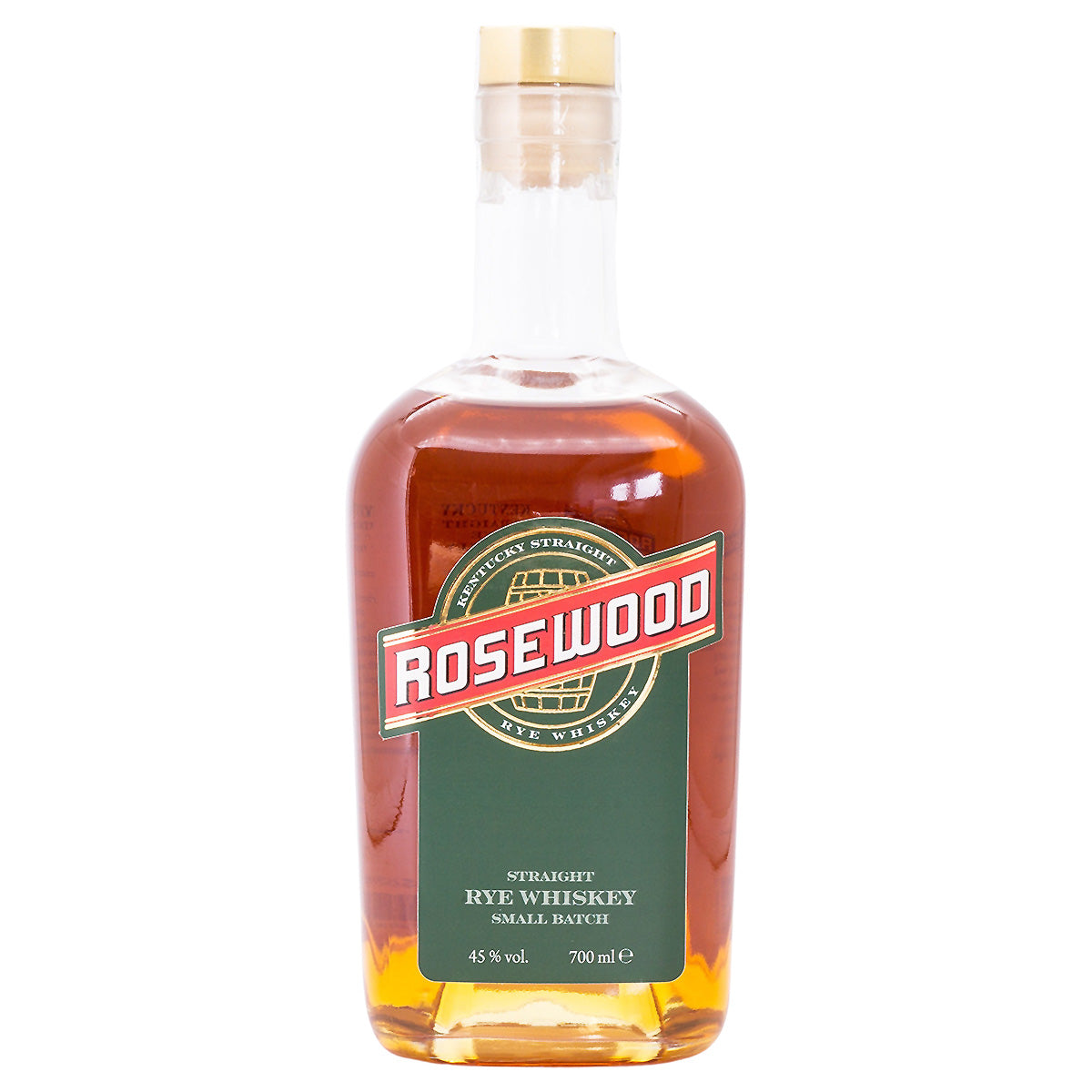
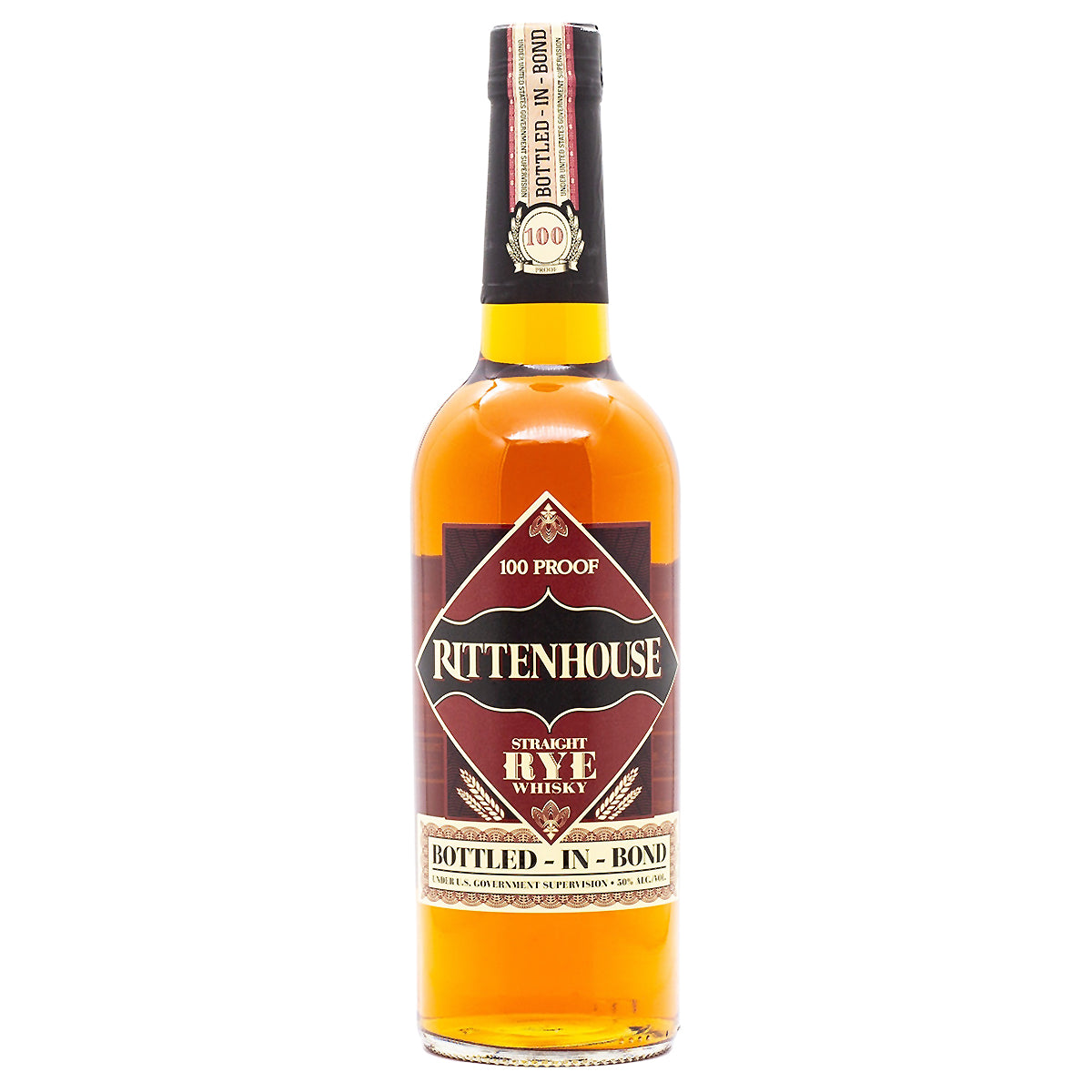
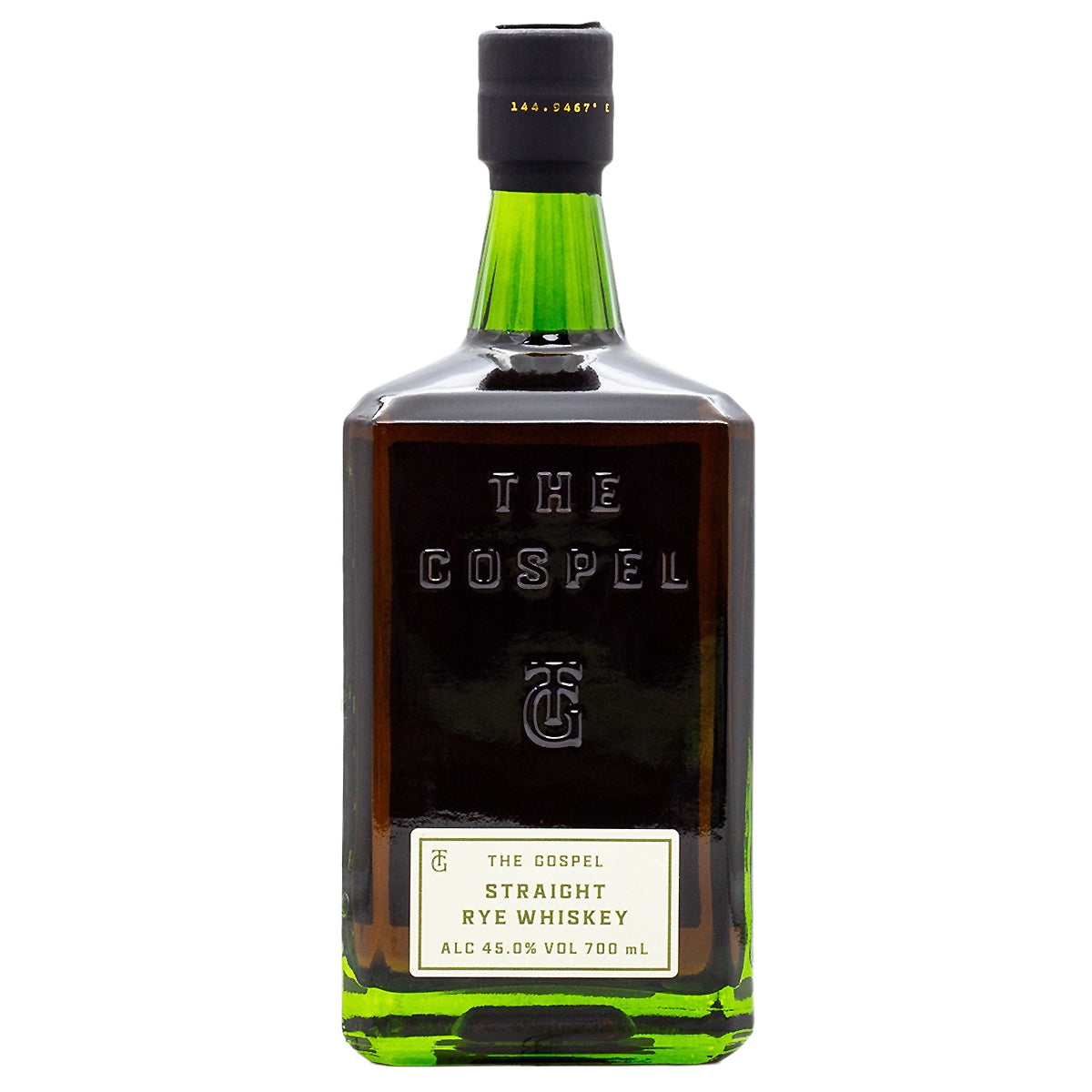
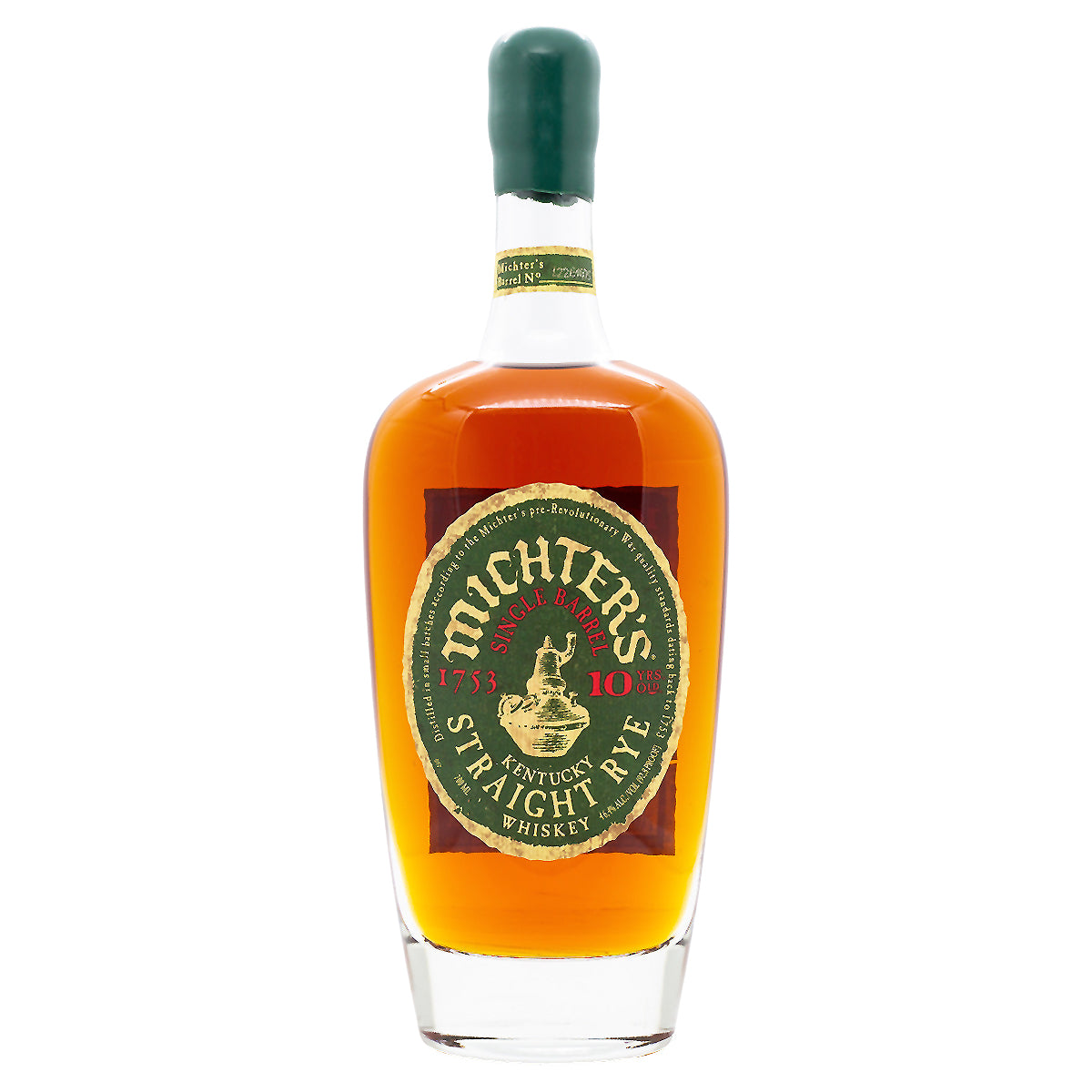
The additional designation Straight Rye Whiskey requires at least two years of maturation and excludes added coloring, flavoring, and blending agents. Straight therefore means neither undiluted nor served neat.
Wild Turkey is represented as a distillery and brand with both Bourbon and Straight Rye. What matters is not the brand name, but the respective category: Bourbon in the USA is based on at least 51 percent corn, rye whiskey on at least 51 percent rye. A High-Rye Bourbon remains a Bourbon. There is no fixed rye quota for this non-statutory designation.
Canadian Rye follows a different definition
The Canadian standard groups Canadian Whisky under the two designations Canadian Rye Whisky and Rye Whisky together. The whisky must be made in Canada and aged for at least three years in small wooden casks. This definition does not prescribe a minimum amount of rye.
A statement such as 100% Rye is therefore voluntary information about the specific recipe. Alberta Distillers uses it for Alberta Premium and describes exclusively Canadian rye. This explains this product, but is not a general requirement for Canadian Rye Whisky.
Rye whisky from Europe
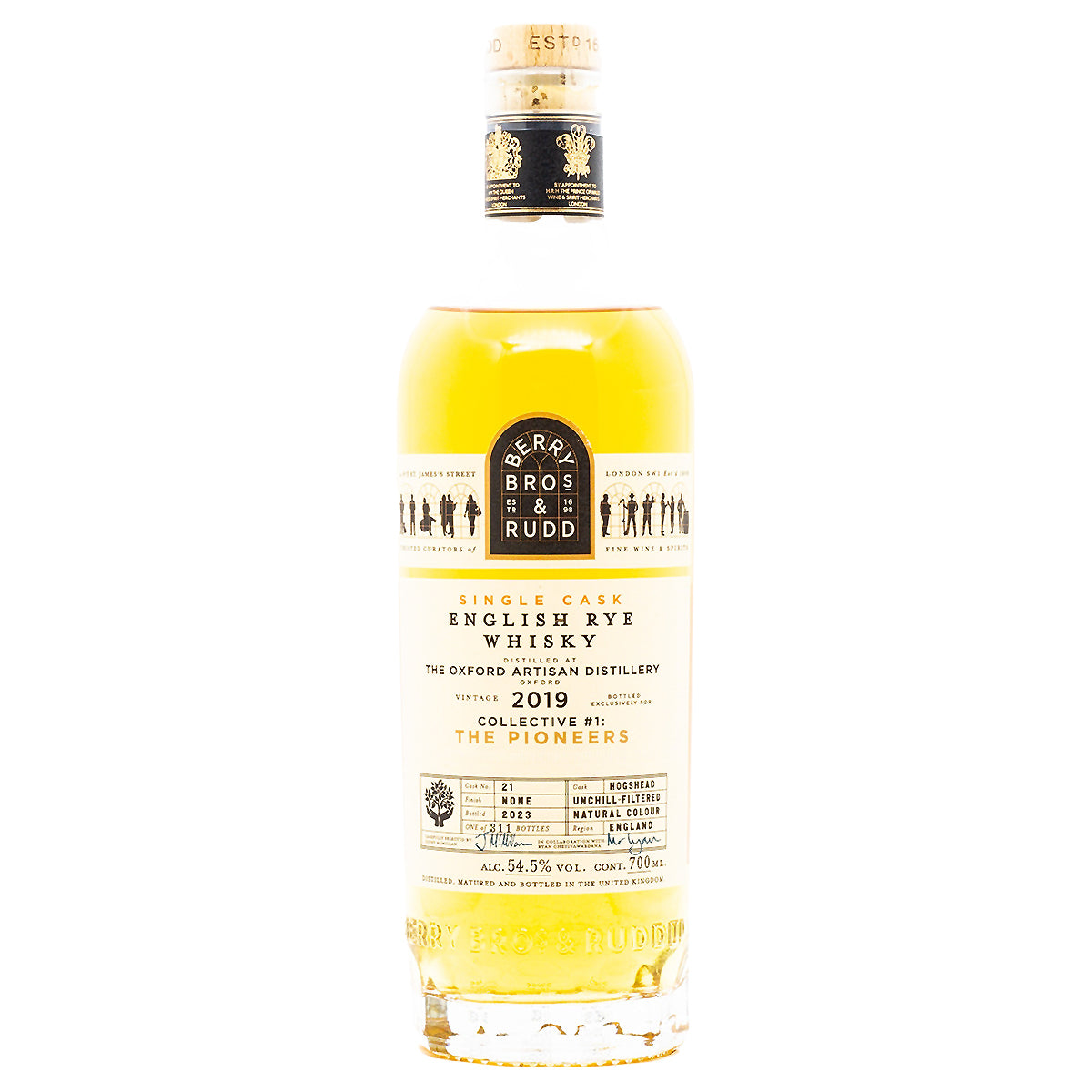
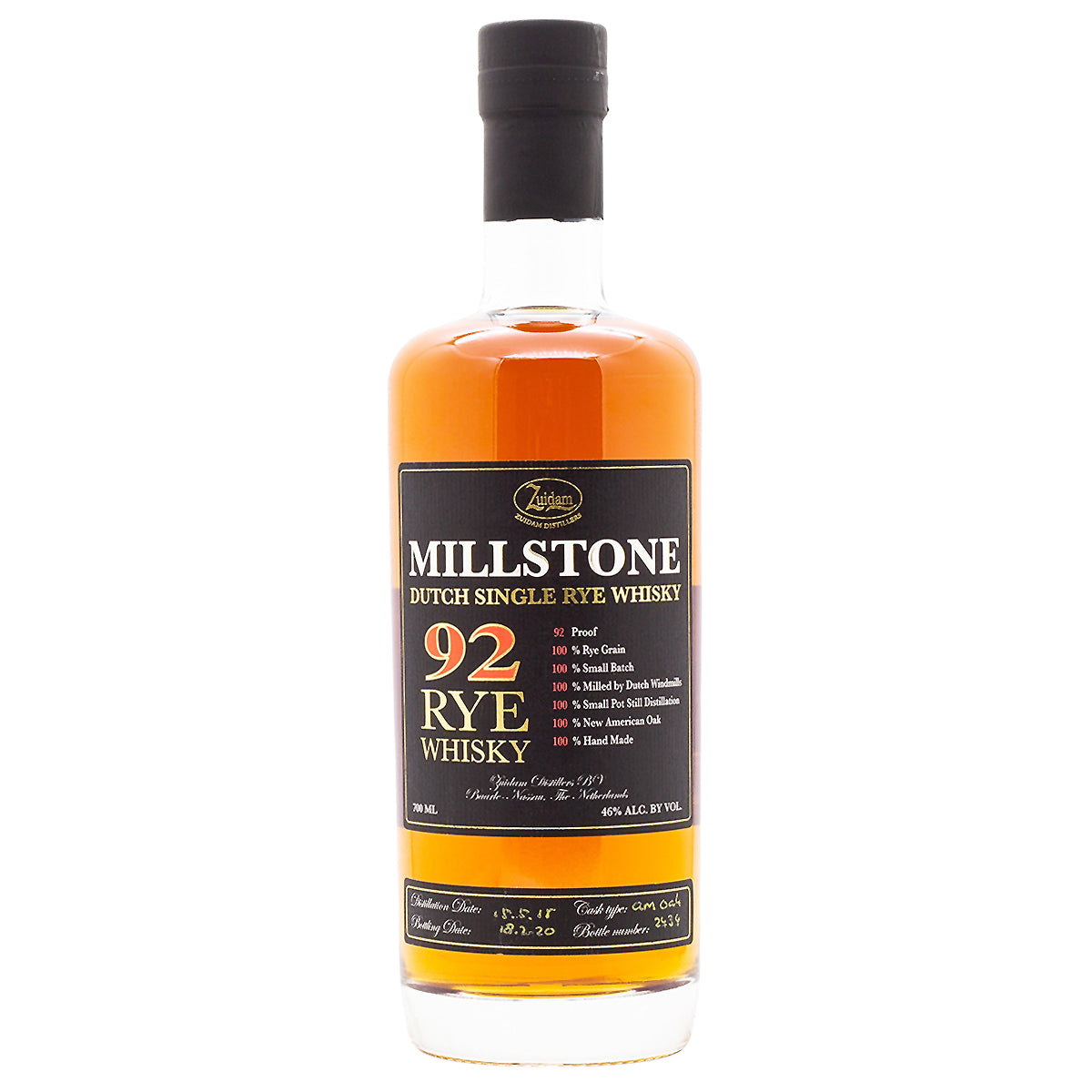
EU law recognizes whisky or whiskey, but no specific rye subcategory. For whisky, this includes at least three years of maturation in wooden casks up to 700 liters and a minimum bottling strength of 40 percent. How high the rye content is must be evident from the manufacturer's information.
Kyrö also shows why even 100% Rye does not yet tell everything about the raw material. The Finnish distillery uses fully malted rye for its Malt Rye Whisky. Other producers use unmalted rye or a mixture. Malt Rye indicates rye malt, but is not a globally uniformly protected category.
This information helps with selection
First check the country of production and the full designation, such as Rye Whiskey, Straight Rye Whiskey, or Canadian Rye Whisky. An openly stated mash or grain recipe shows whether only the legal minimum is met or whether significantly more rye is contained. With 100% Rye it is also worth looking at the indication of whether the rye was malted.
No fixed aroma follows from the rye content alone. Descriptions such as peppery, spicy, or dry may apply to individual bottlings, but are neither required nor a linear measure of rye quantity or quality.
Frequently asked questions about Rye Whisky
What is Rye Whisky?
Rye whisky is rye whisky. The prescribed amount of rye and the production rules differ depending on the country of origin.
What is Straight Rye Whiskey?
Straight Rye is a US category with at least 51 percent rye, storage in new charred oak containers, and at least two years of maturation. Coloring, flavoring, and blending agents may not be added.
Must Canadian Rye Whisky consist predominantly of rye?
No. The Canadian standard does not set a minimum quota for rye. Percentage figures refer to the recipe of the specific whisky.
What distinguishes Rye Whiskey from High-Rye Bourbon?
US Rye Whiskey contains at least 51 percent rye. High-Rye Bourbon remains a Bourbon with at least 51 percent corn; there is no fixed statutory limit for the rye content described as "high".
Does Rye Whisky always consist of 100 percent rye?
No. In the USA, at least 51 percent is sufficient for rye whiskey. Canada and the EU do not prescribe a corresponding minimum quota for whiskies designated as rye; 100 percent is a voluntary recipe statement.