
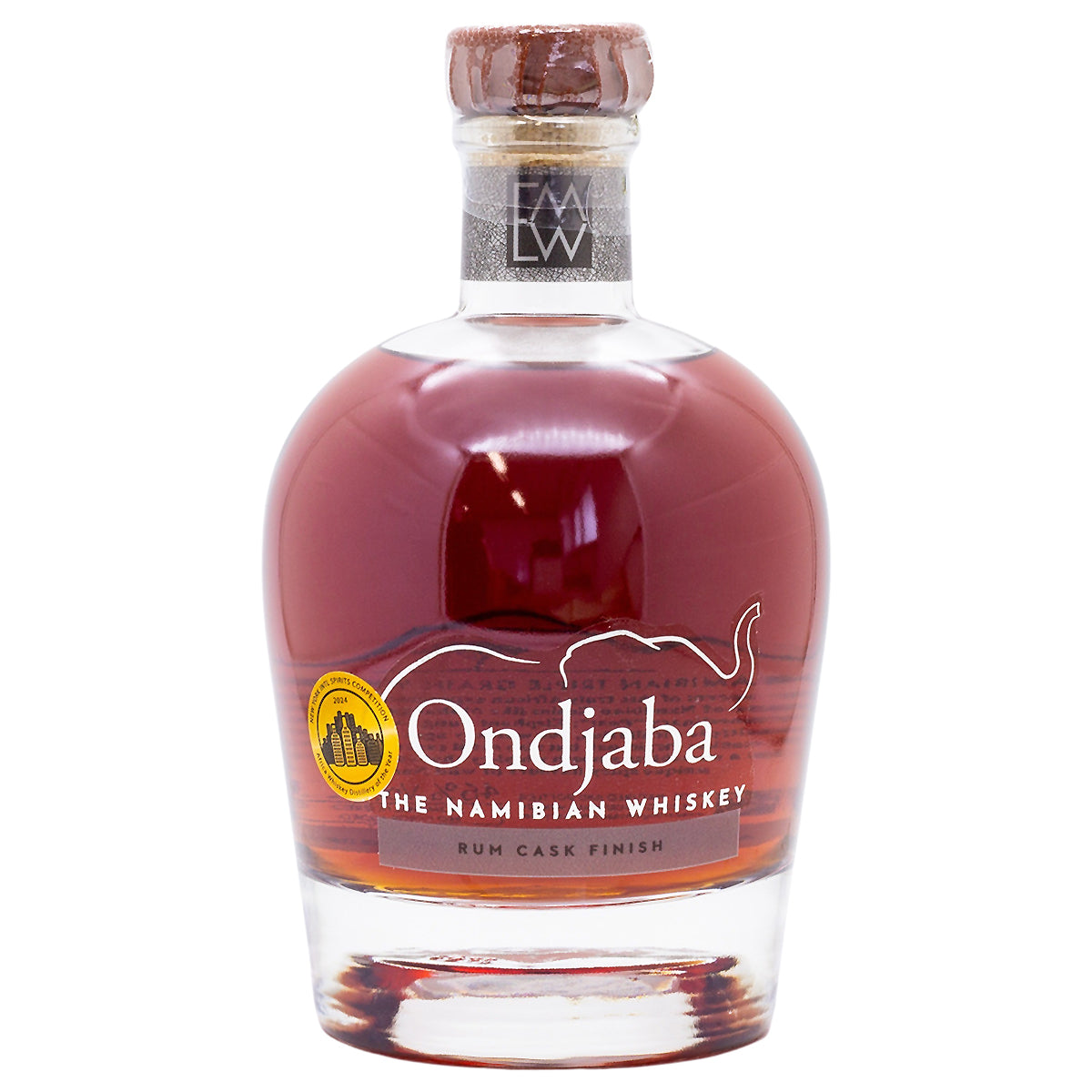
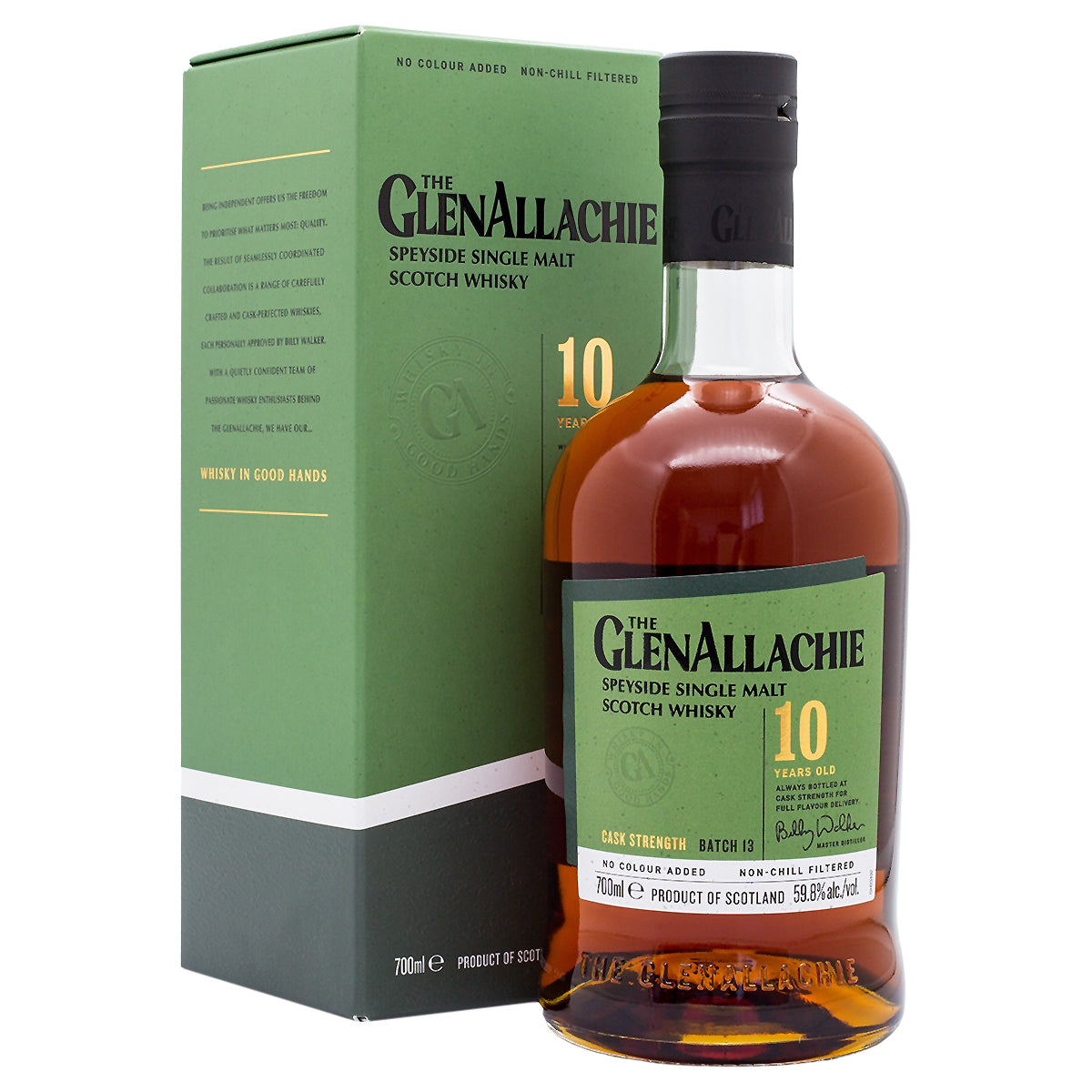
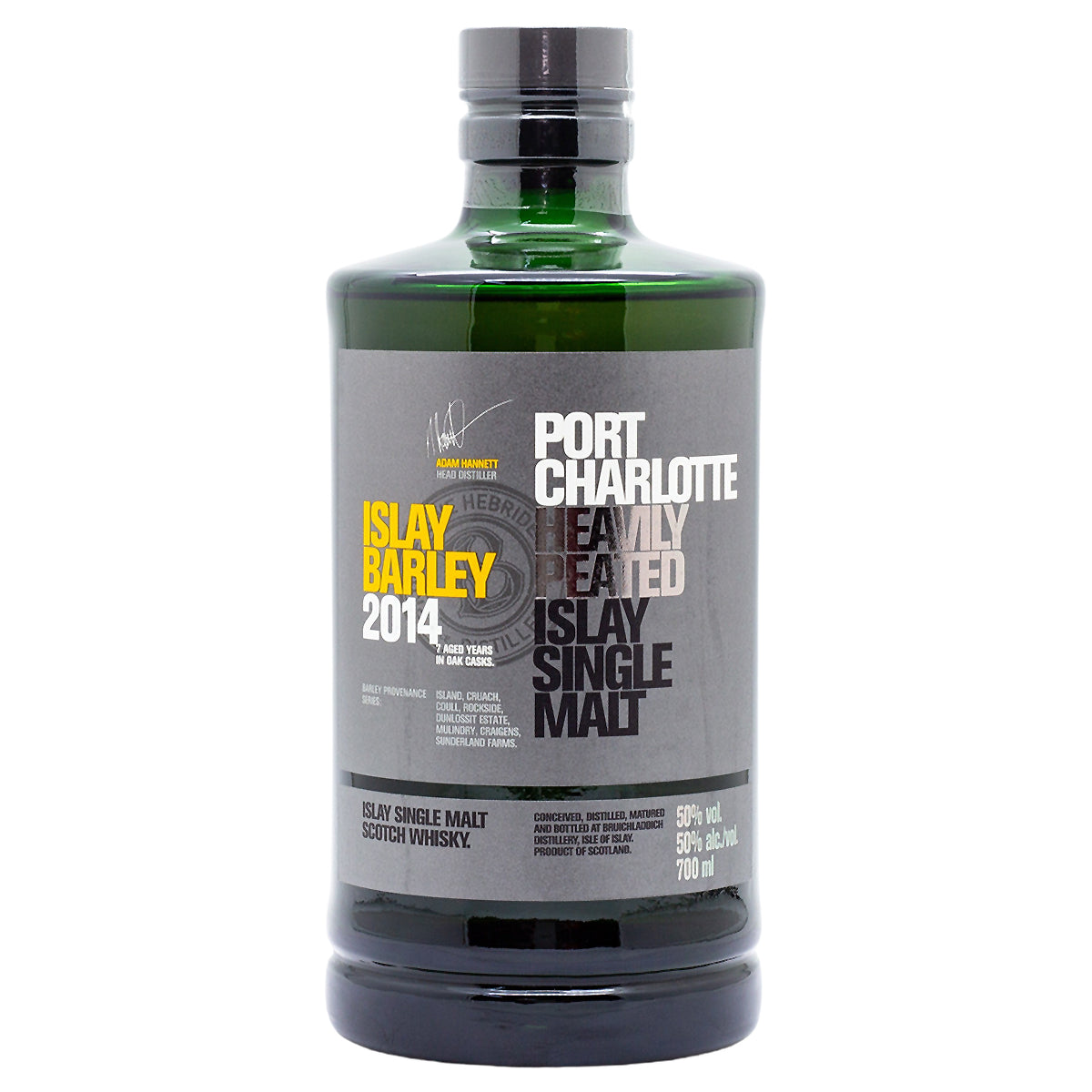
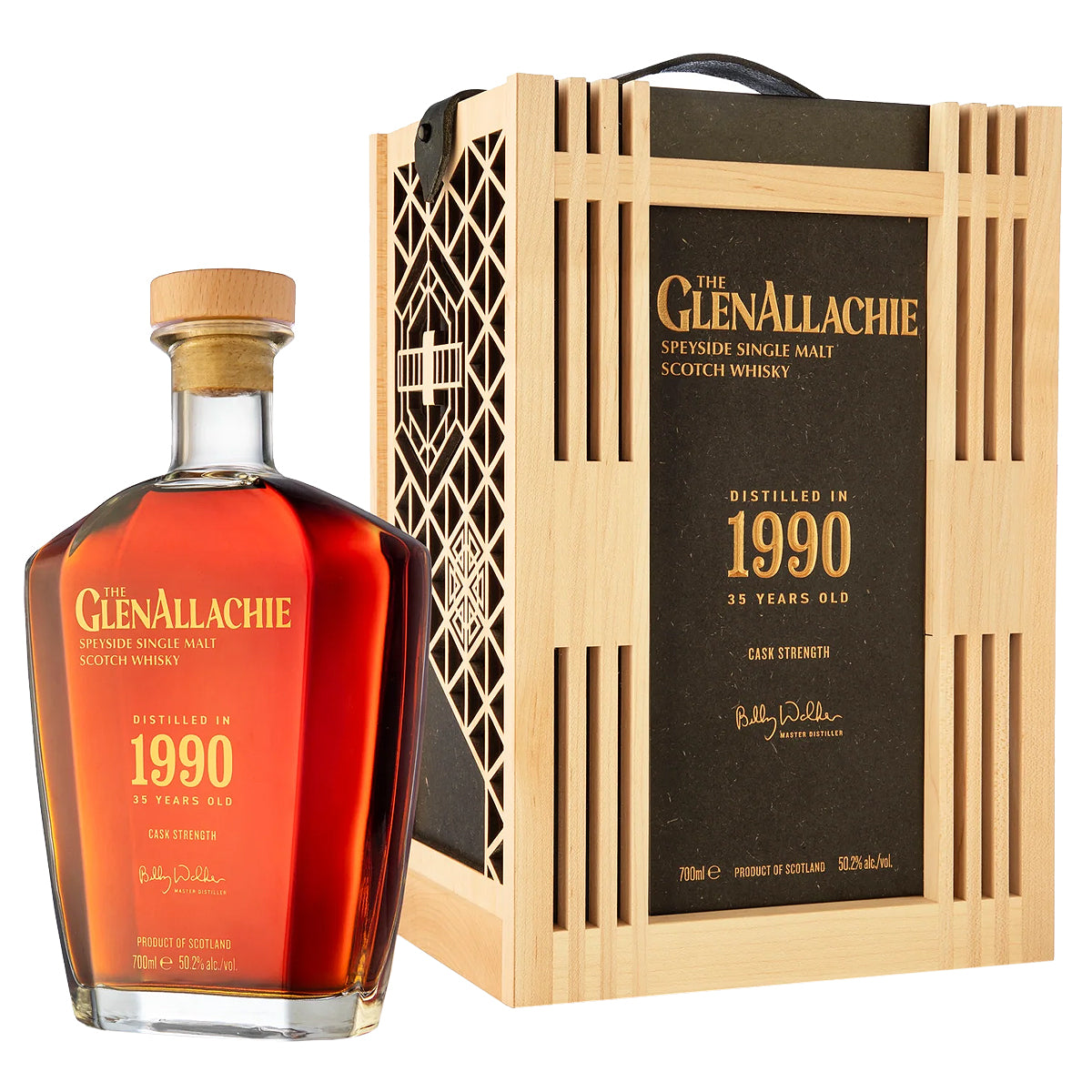

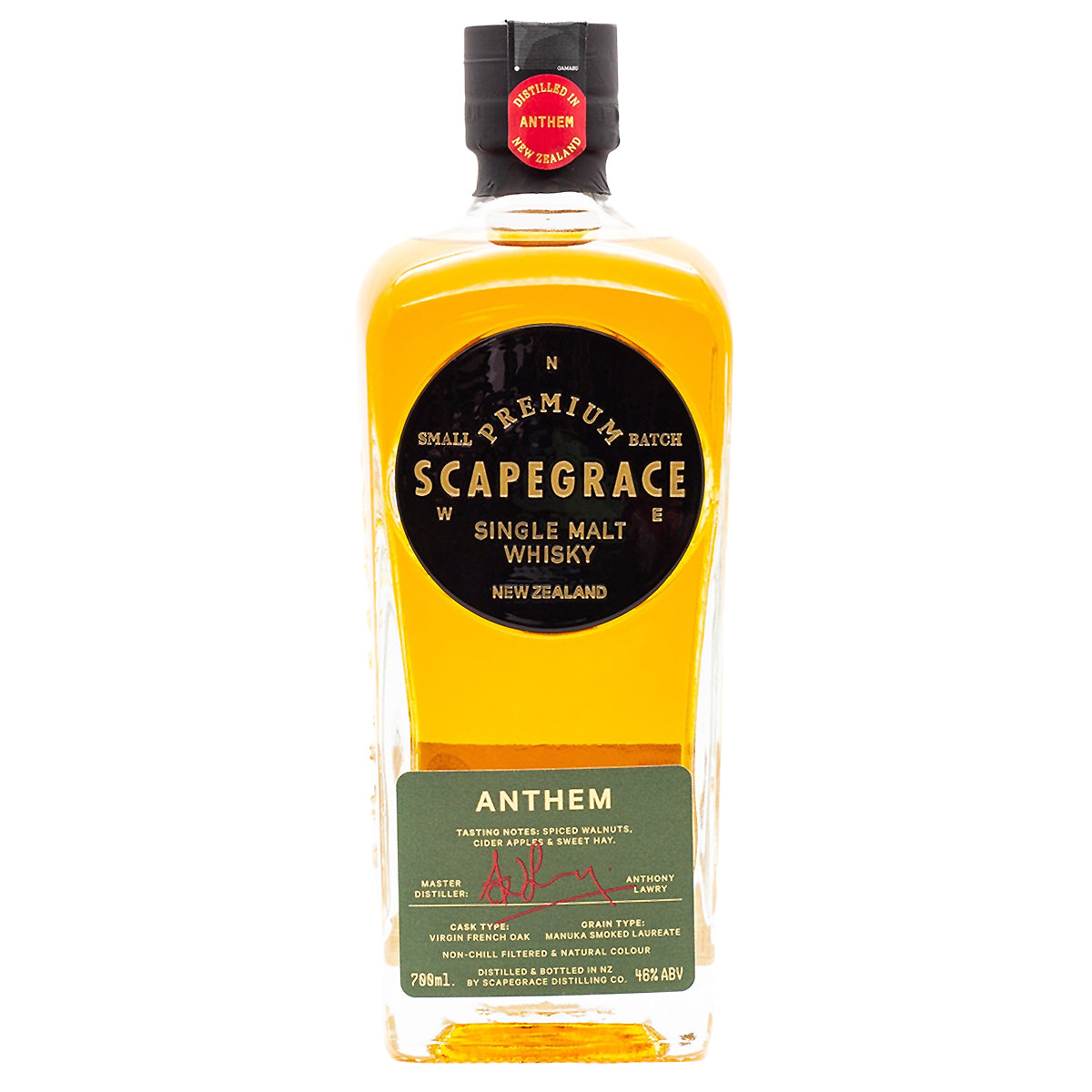
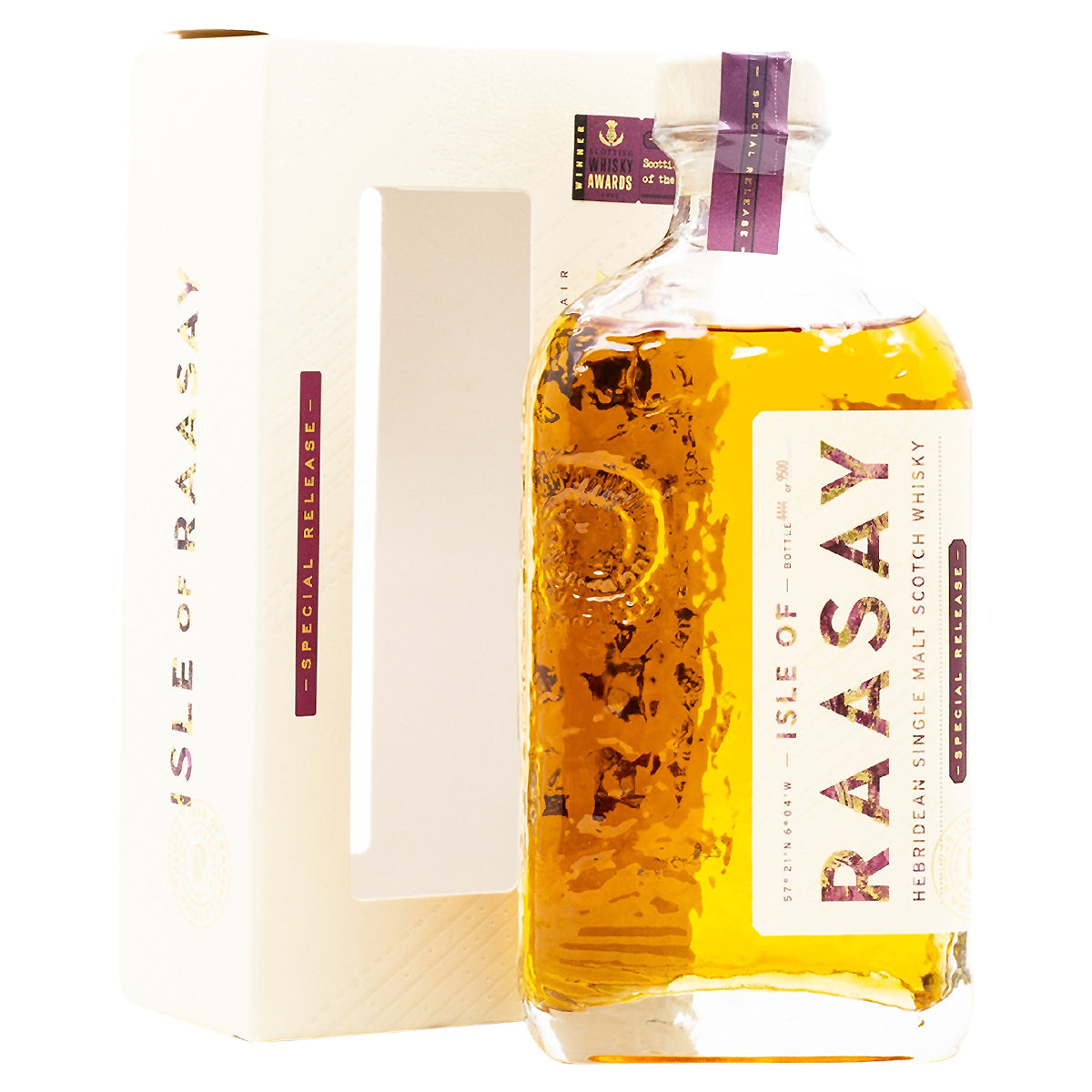
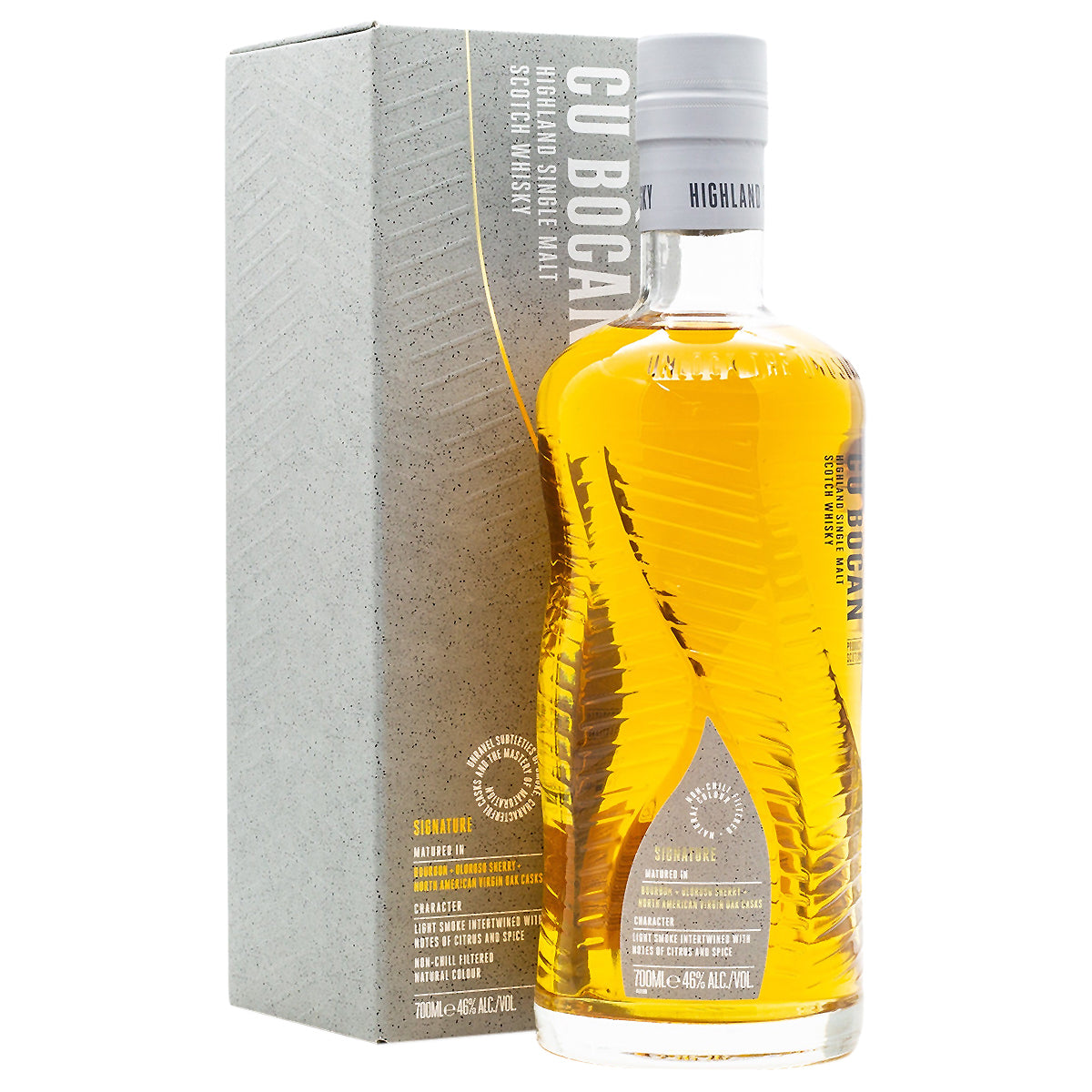
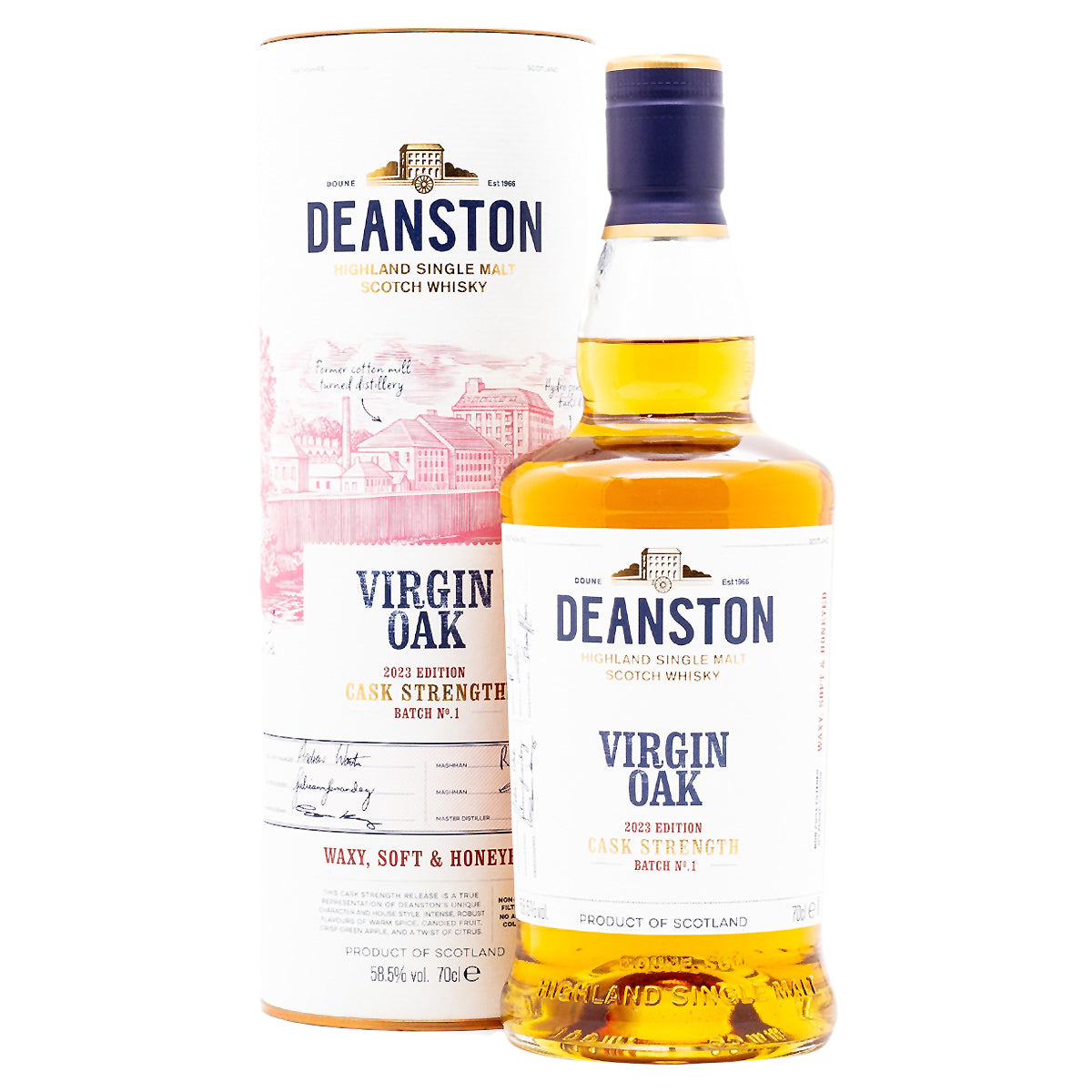
Virgin Oak Whisky: When the Cask Is Still Unused
Virgin Oak whisky has come into contact with a new oak cask that previously held neither wine, beer, nor any other spirit. This is also why you will find the terms New Oak and new oak. Because the wood has not yet had any soluble components extracted from it by a previous filling, it can strongly shape the whisky.
Typical notes include vanilla, caramel, coconut, toast, and baking spices. Very active wood can also add tannin, dryness, or bitter oak notes. If you are looking for an expressive, wood-forward whisky, Virgin Oak is therefore interesting. If you want to experience the distillery character as unaltered as possible, a bottling with a smaller Virgin Oak component may be a better fit.
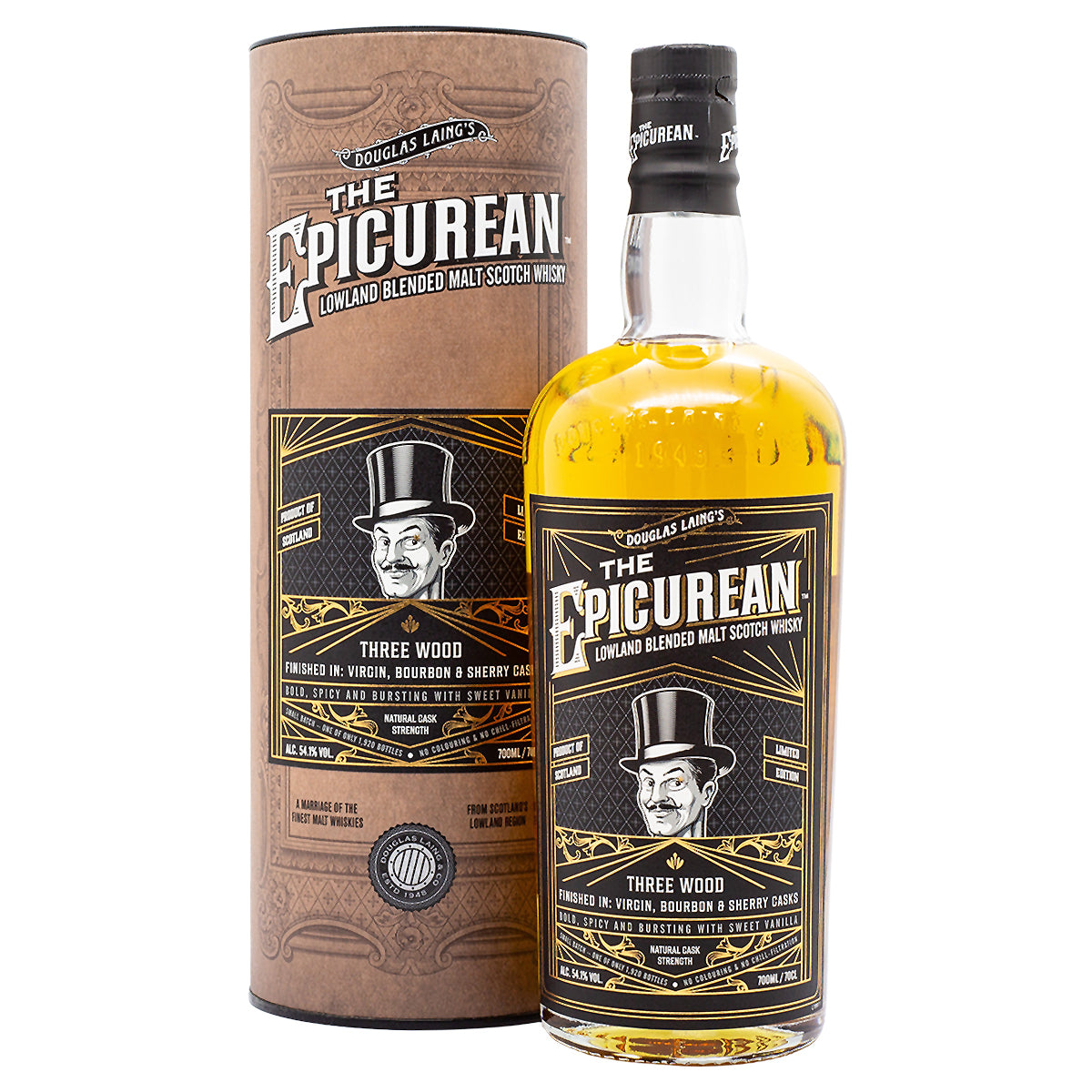
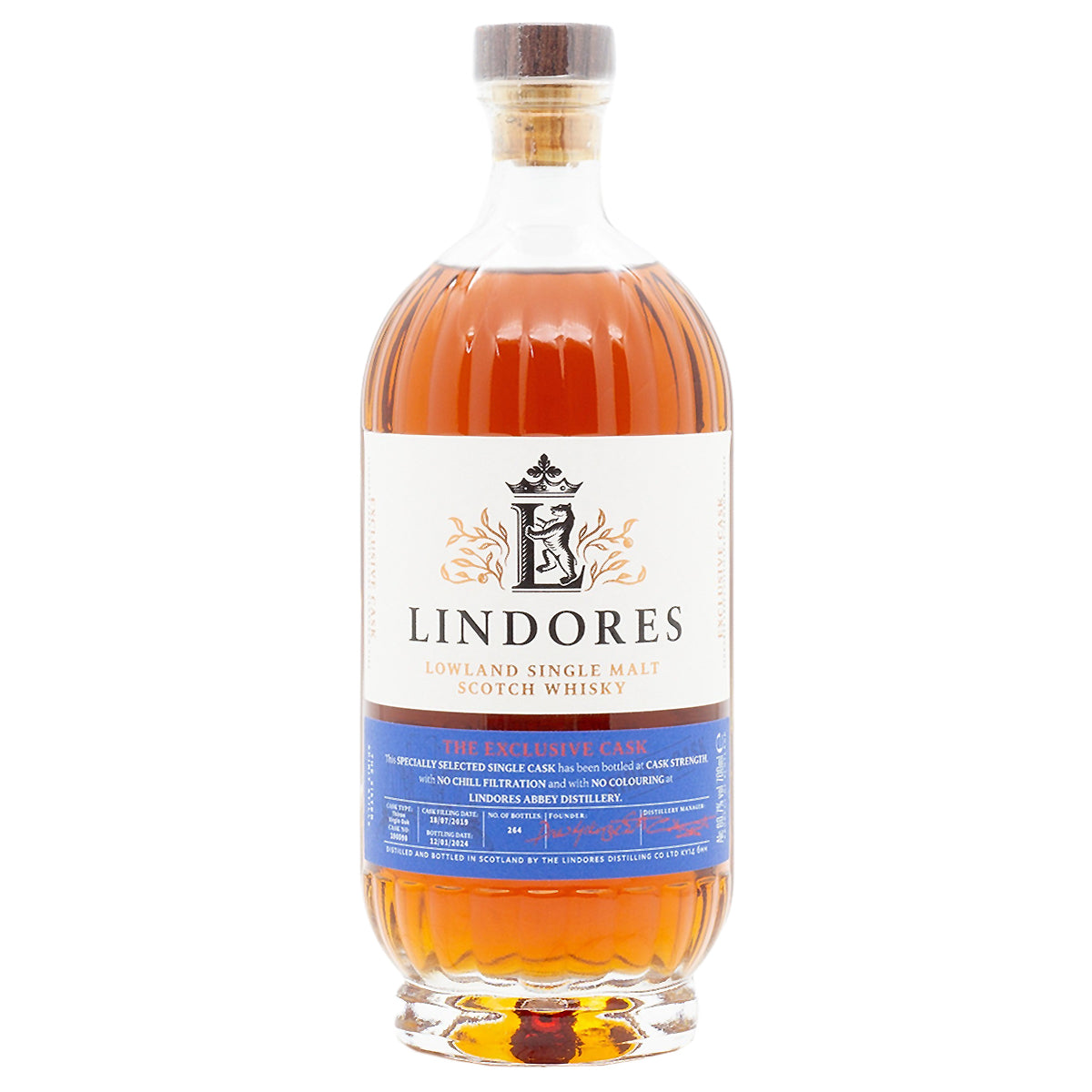
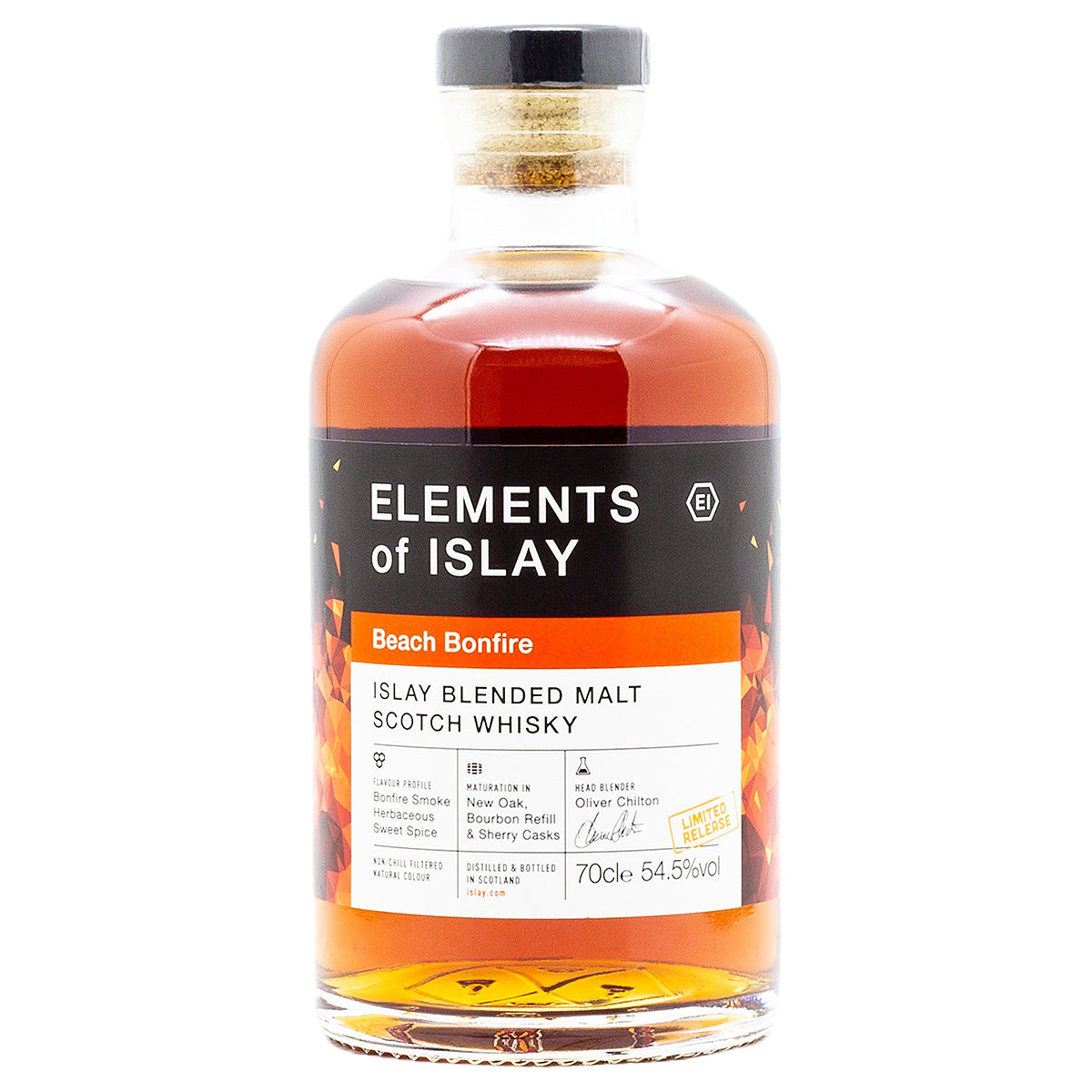
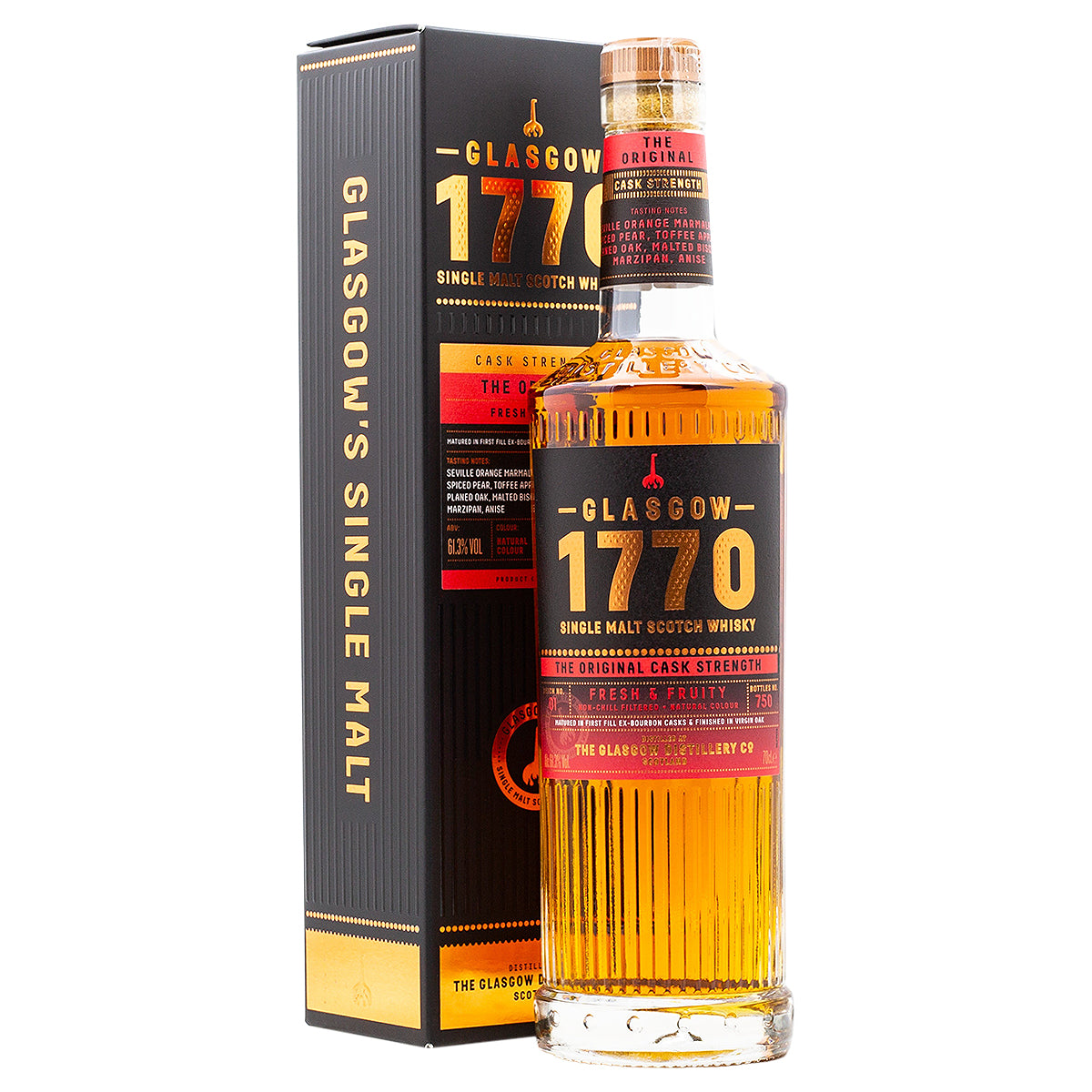
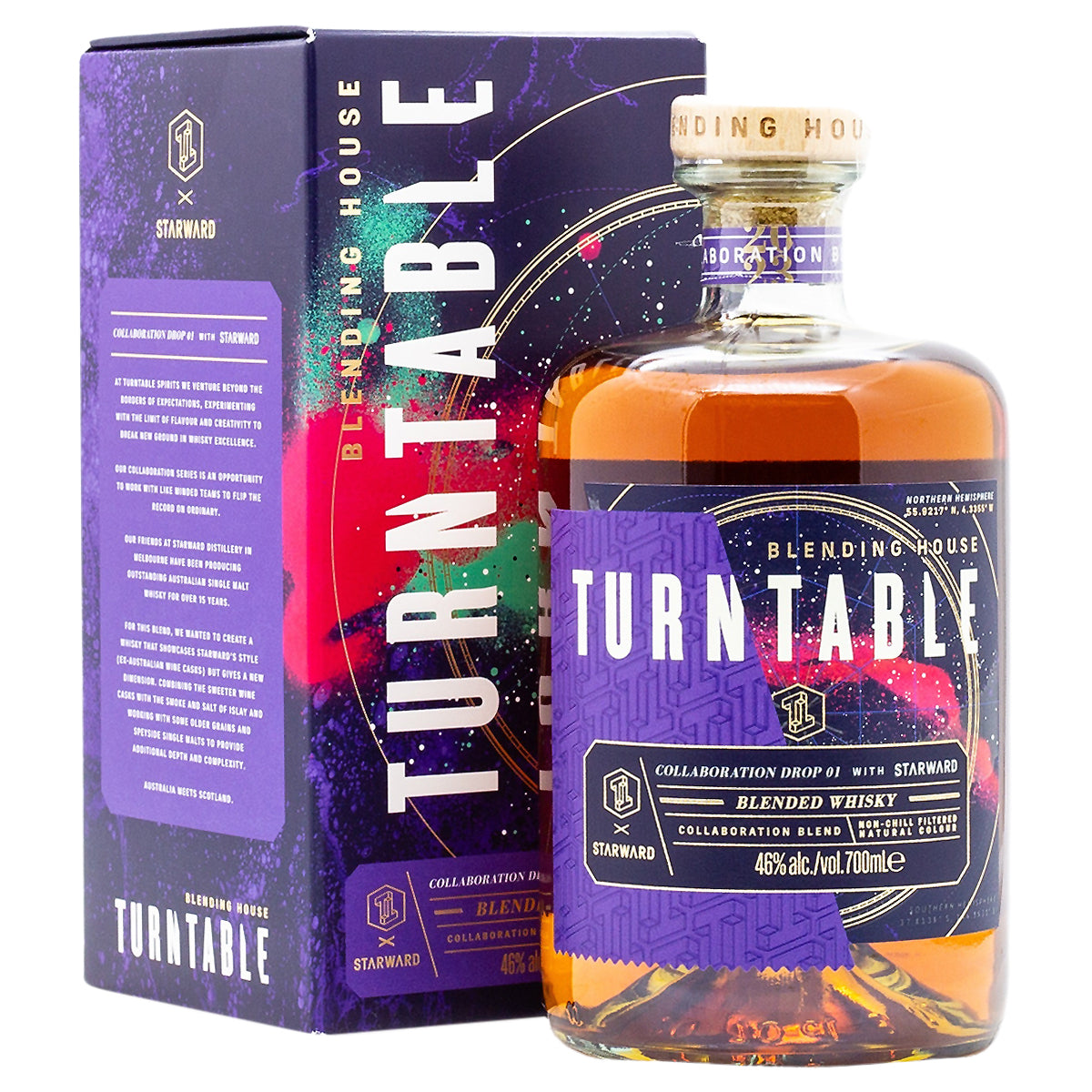
This collection brings together whiskies in which new, previously unused oak was used at at least one stage of maturation. This includes full maturation in Virgin Oak, Virgin Oak finishes, and bottlings from multiple cask types. This classification therefore does not mean that the whisky matured exclusively or predominantly in new oak. The respective product description shows what role the cask played. You can learn more about finishing in Whisky with a Finish.
The type of oak changes the profile
American white oak, botanically Quercus alba, is often associated with vanilla, coconut, toffee, and sweet spice. European oaks can bring more tannin and drier spice notes. However, the collective term European oak encompasses several species and origins.
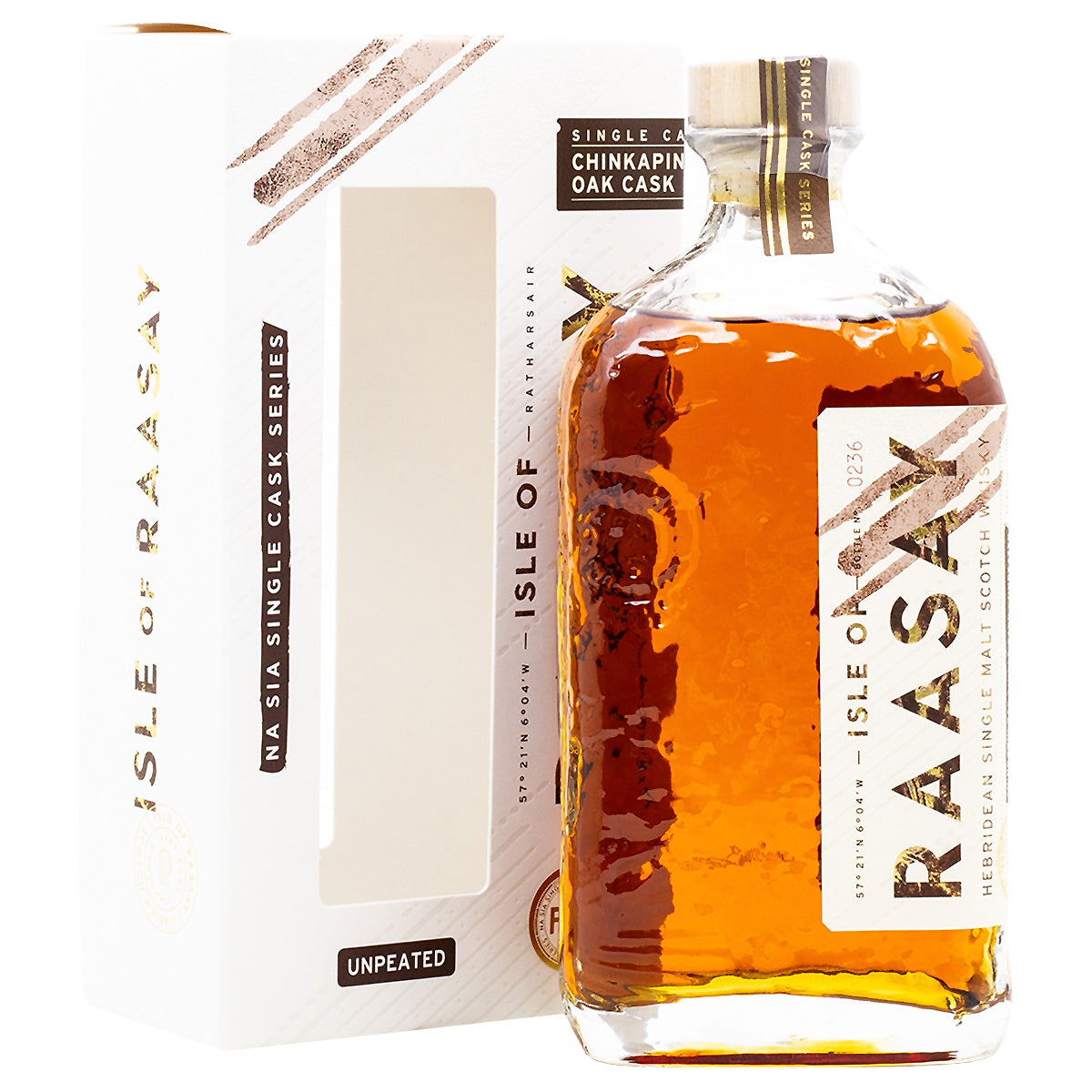
Chinkapin or Chinquapin Oak is Quercus muehlenbergii, a distinct North American oak species from the white oak group. It is neither Quercus alba nor chestnut wood. Individual whiskies therefore show coffee, caramel, or spice notes, but toasting and maturation time influence the result just as strongly.
What toasting and charring do to the wood
During toasting, the inside of the cask is carefully heated. Depending on the intensity, this promotes sweet spices, caramel, and roasted notes. During charring, the surface is briefly scorched, creating a charred layer. This has nothing to do with peat smoke.
Indications such as Medium Toast or Char No. 3 are especially helpful within the specifications of a particular cooperage. The levels are not standardized worldwide. Also pay attention to the type of oak, cask size, and time in the new cask.
Virgin Oak is, by the way, something different from First Fill Ex-Bourbon. Although the bourbon cask takes on the next whisky for the first time, it has already been used for bourbon. The difference is explained by the category Whisky from a Bourbon Cask.
Frequently Asked Questions About Virgin Oak Whisky
What does Virgin Oak mean in whisky?
Virgin Oak refers to a previously unused oak cask. The term by itself says nothing about the type of oak, size, or heat treatment.
Is a First Fill cask the same as Virgin Oak?
No. First Fill can mean the first whisky filling after bourbon, sherry, or another previous filling. This cask is already used.
What does Chinkapin mean?
Chinkapin Oak is the North American oak species Quercus muehlenbergii. It belongs to the white oak group but is not identical to Quercus alba.
Does charring make the whisky smoky?
Not like peated malt. Charring changes the wood and can enhance roasted or charcoal notes, but it does not produce peat smoke.