


Islay Whisky: What Protected Designation of Origin Means
Islay whisky combines the general Scotch regulations with a clear place of origin: the whisky was distilled on the Scottish island of Islay. The Scotch Whisky Regulations list Islay as a protected geographical indication. The island’s name on the label therefore confirms where the whisky was distilled. However, it does not specify a particular level of smoke nor a uniform flavour profile.
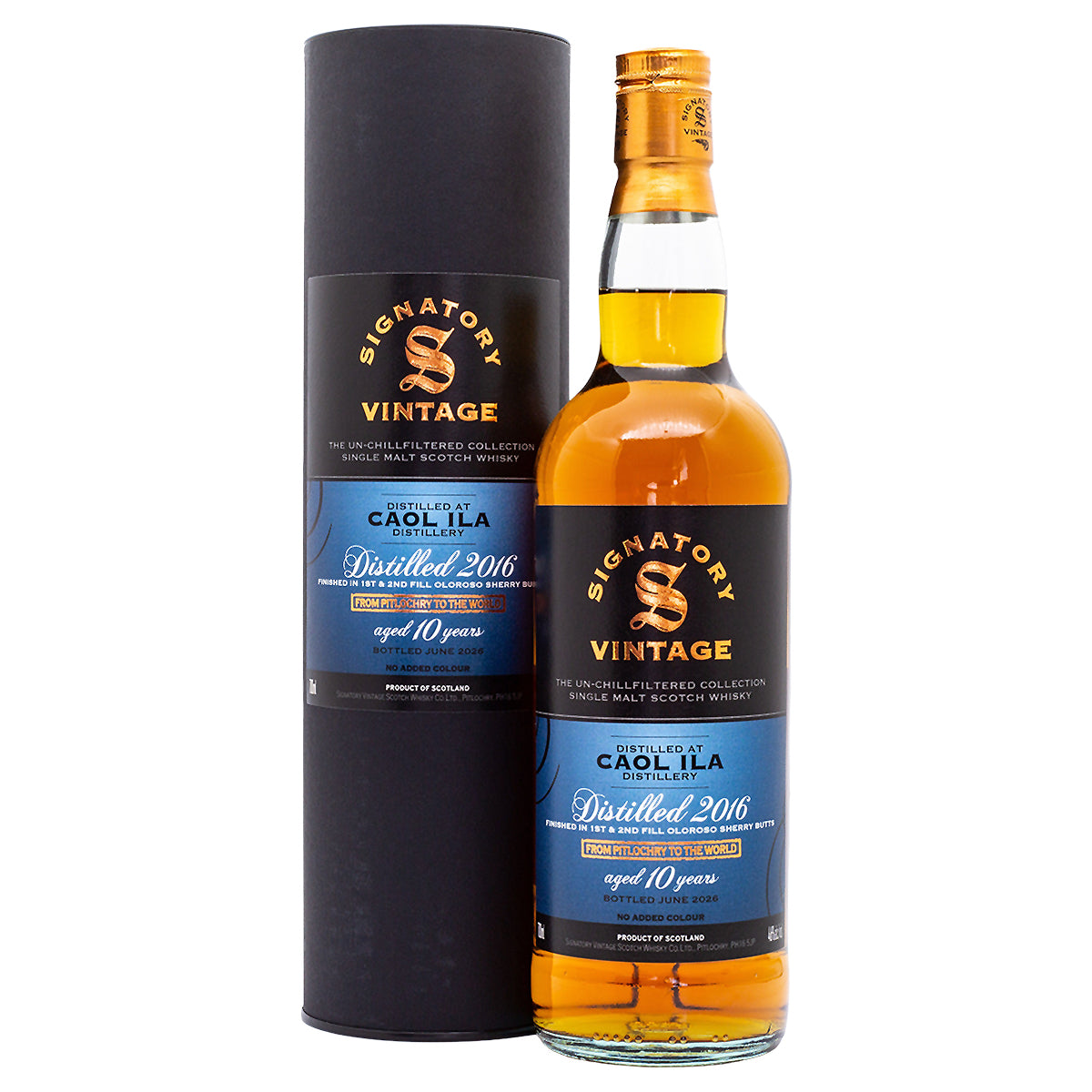
The type of whisky cannot be determined from the word Islay alone either. The full description on the label also states the exact type of whisky, such as “Islay Single Malt Scotch Whisky”. In this case, Islay indicates the place of origin. Single malt also indicates, among other things, that the whisky comes from a distillery and was made exclusively from malted barley.
The barley, peat, and water do not have to come from the island for a Scotch to bear the Islay designation. Maturation and bottling on Islay are also not required. However, maturation must take place in Scotland. With the exception of single malt, bottling outside Scotland is also possible under certain conditions. Terms such as “Islay Barley”, “matured on Islay”, or “bottled on Islay” describe additional, explicitly verified production steps.
Smoke is typical, but not mandatory
Many well-known Islay whiskies are made from peated malt. During the drying of the malt, a process known as kilning, smoke compounds enter the grain. These can later produce earthy, ashy, medicinal, or tar-like notes. Other bottlings from the island are only slightly smoky or unpeated. Descriptions such as salty, iodine-like, or maritime are also not fixed characteristics of the place of origin, but rather sensory descriptions of the particular bottling.
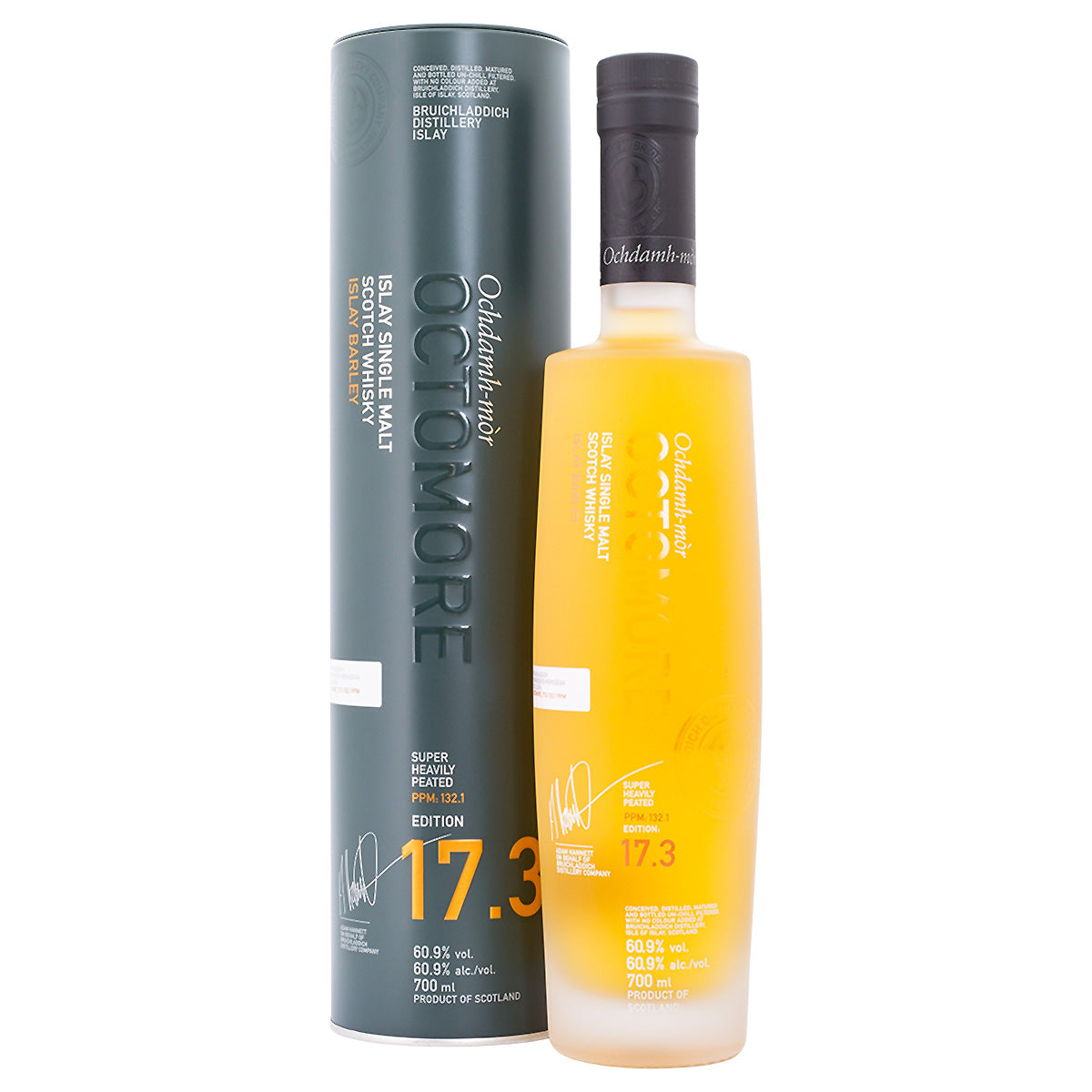
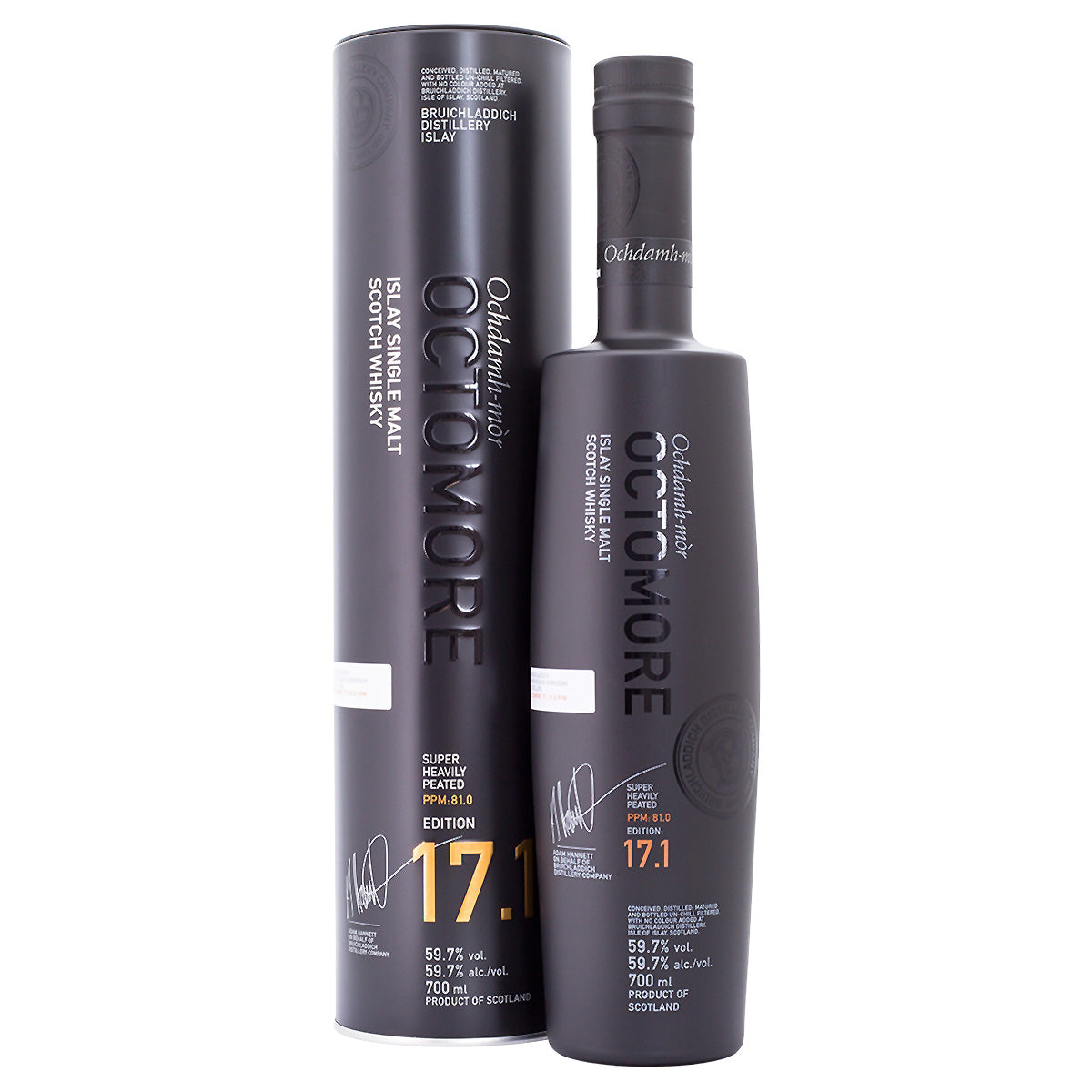
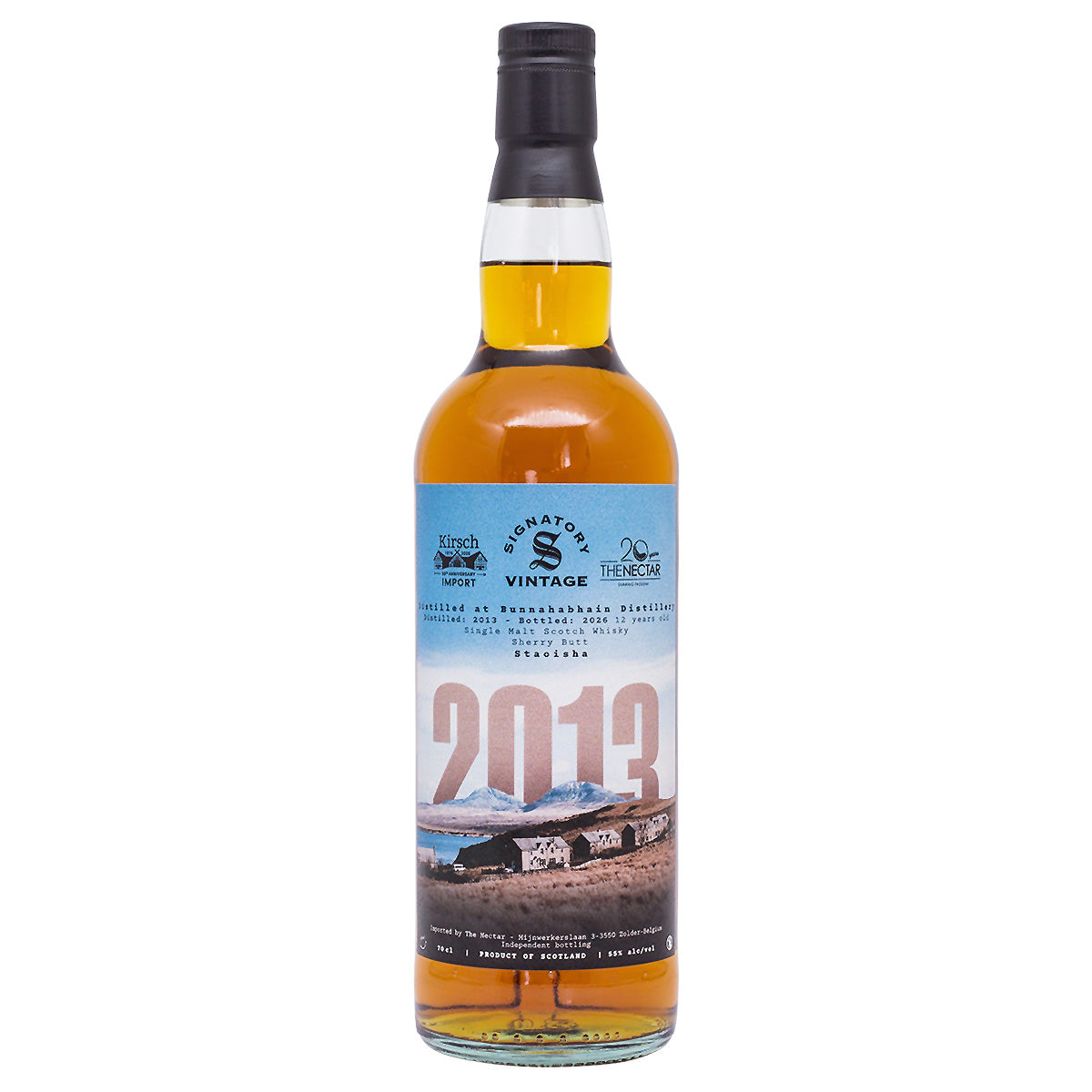
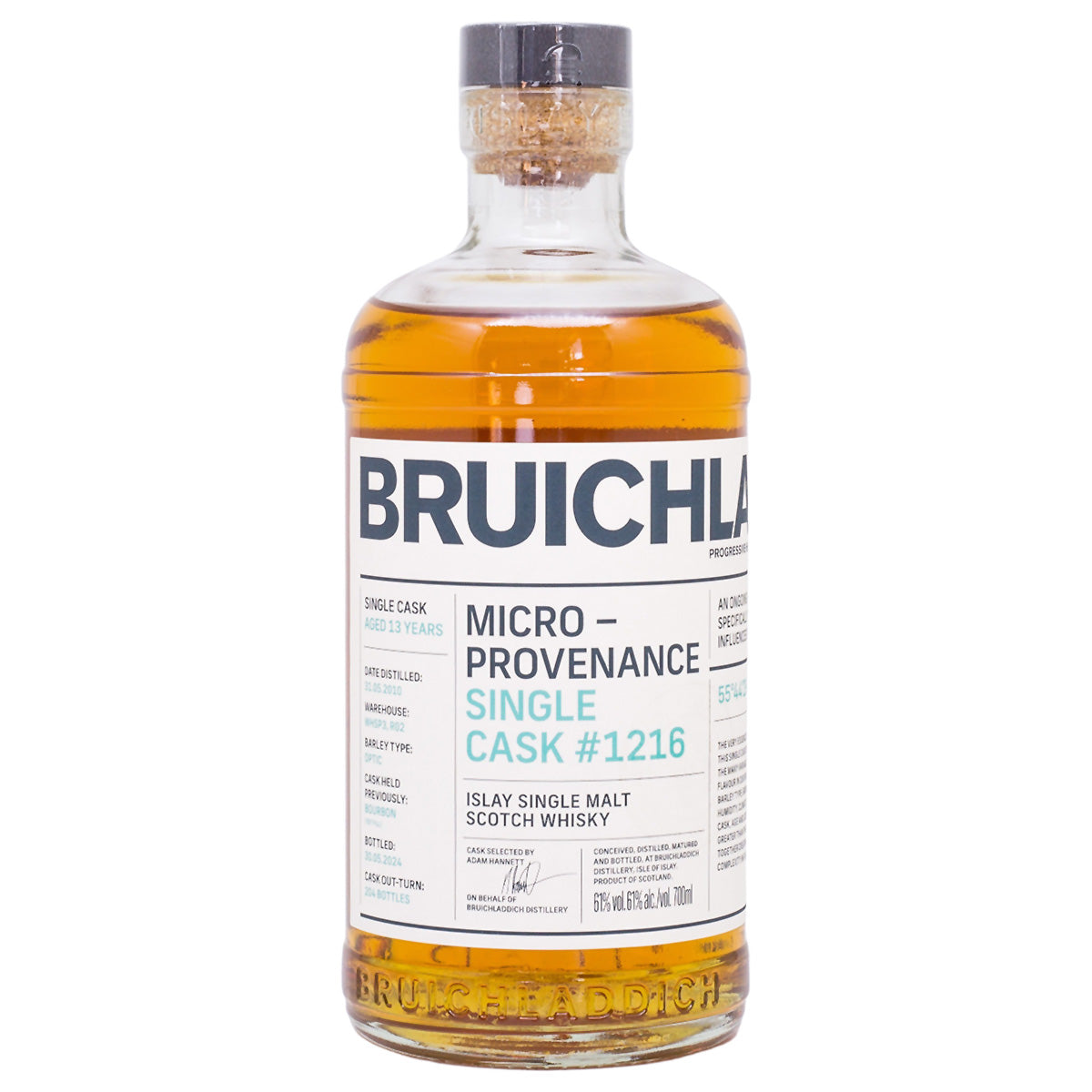
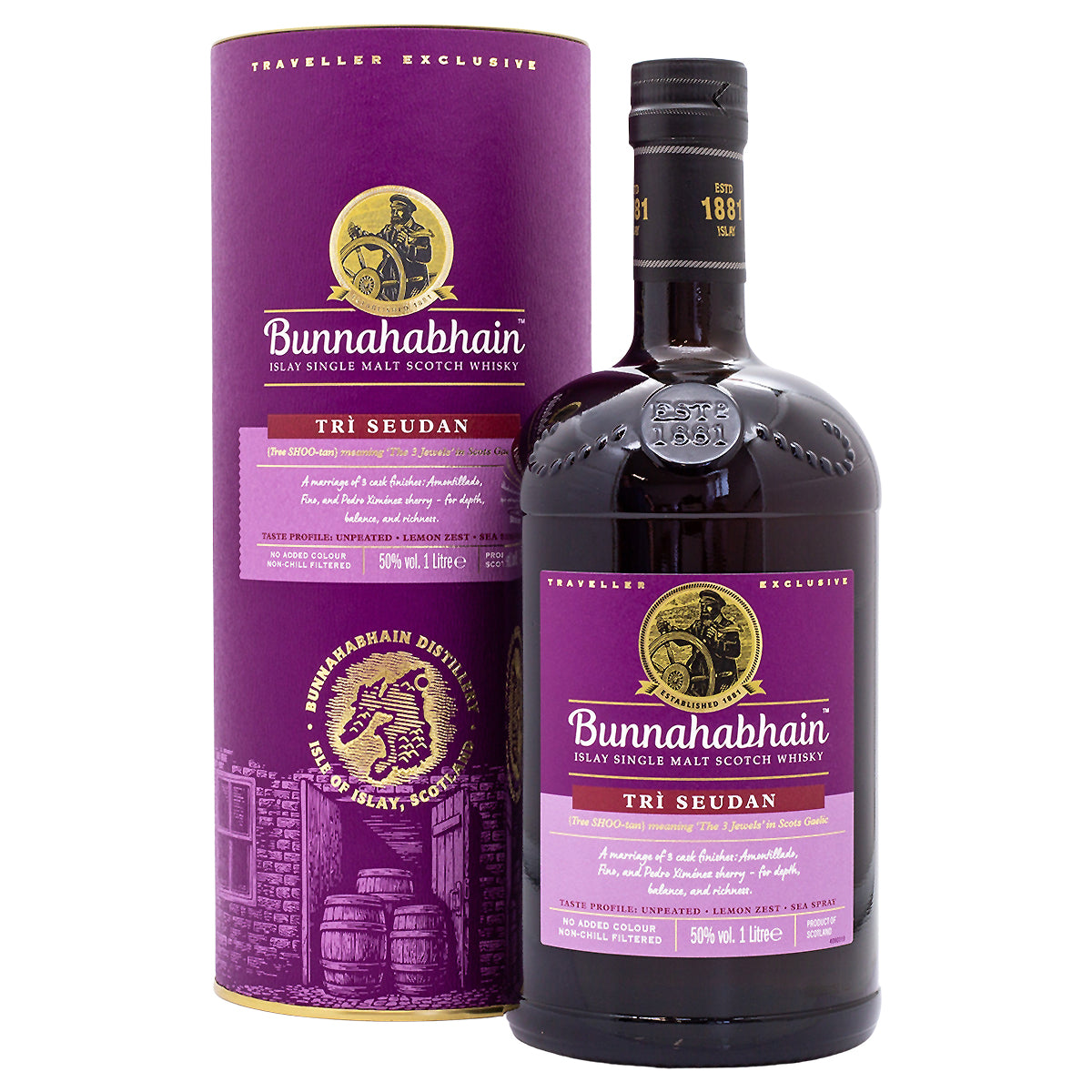
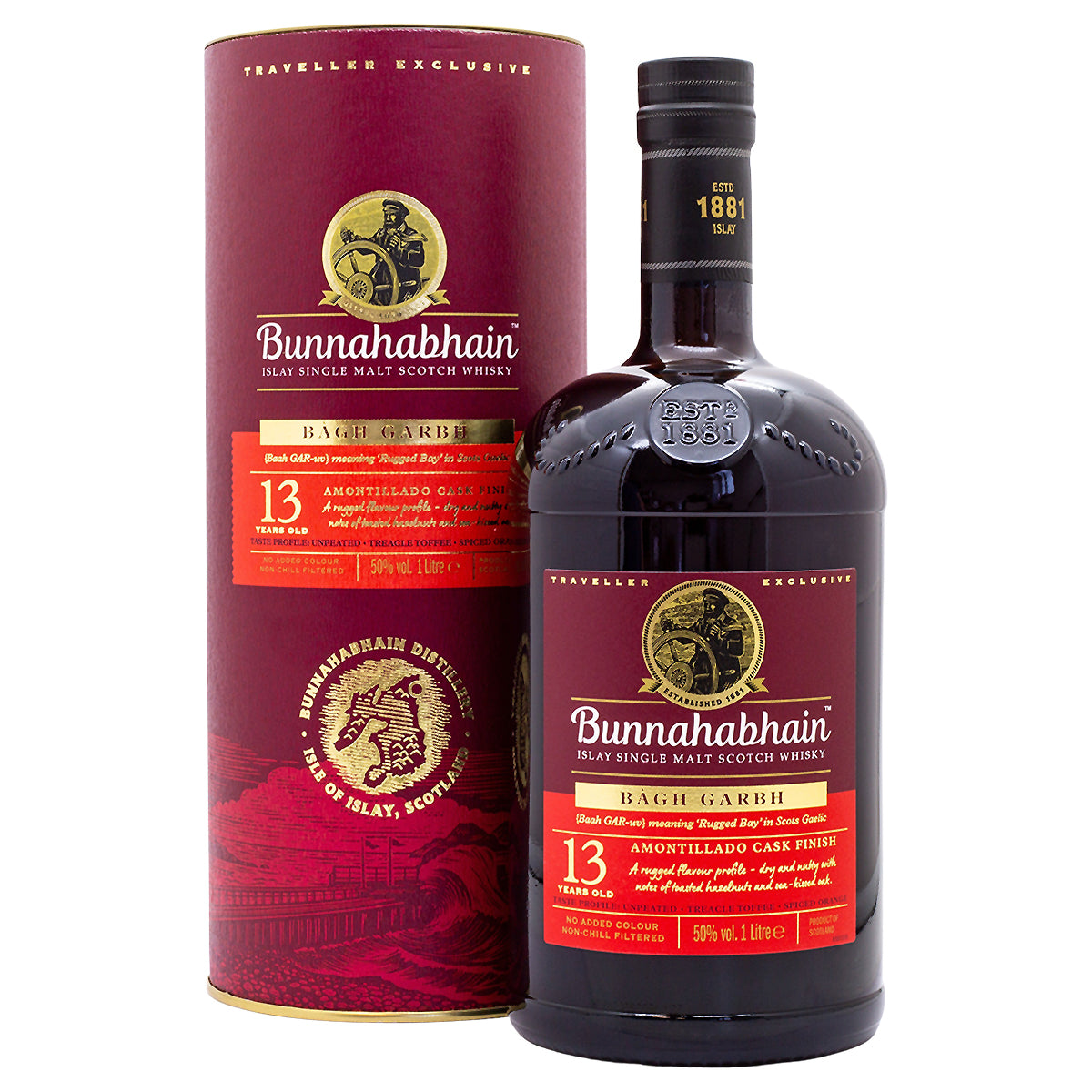
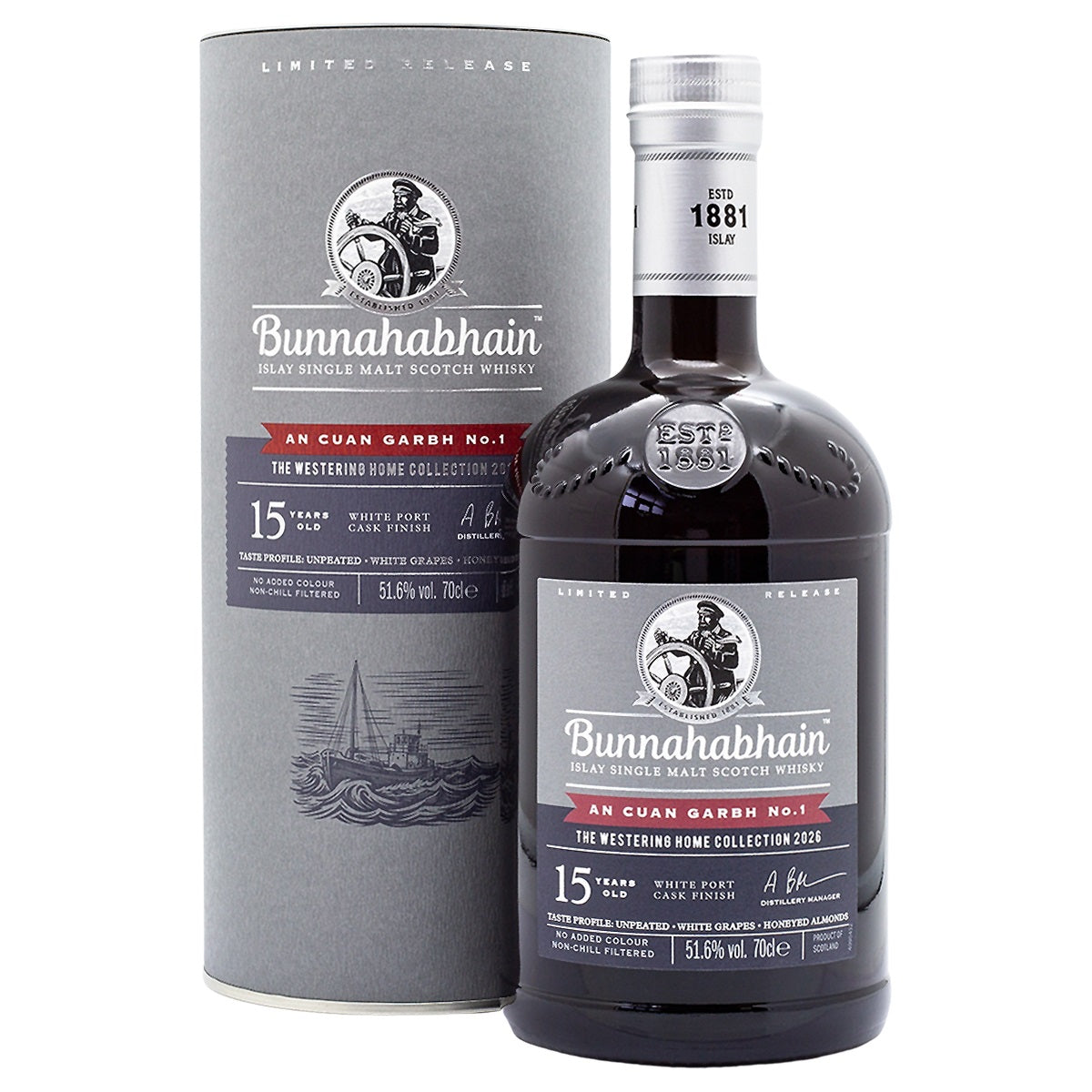
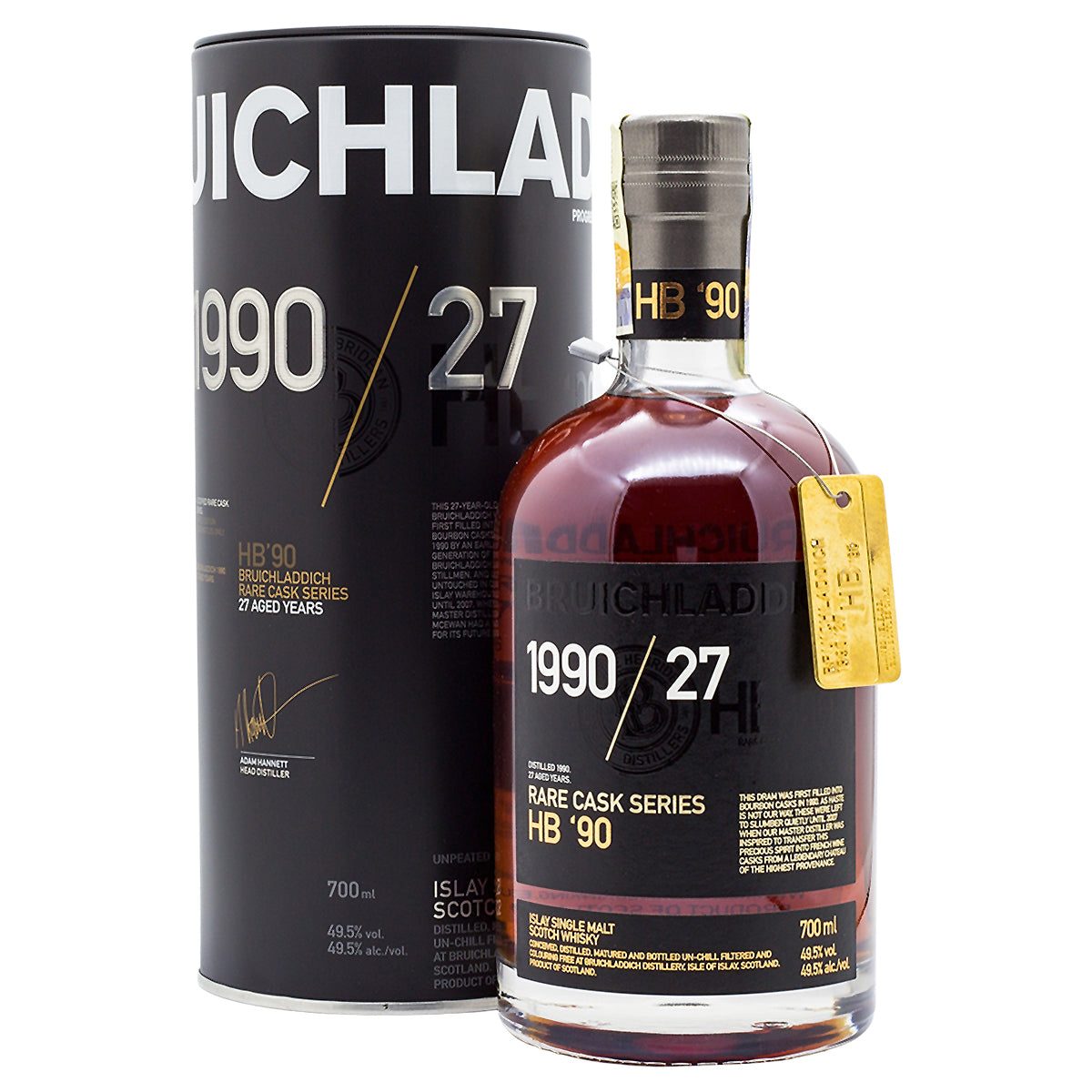
Bunnahabhain illustrates this range well. The distillery’s core style is predominantly unpeated, but it also produces peated bottlings. The difference is even clearer with Bruichladdich Distillery. Under the Bruichladdich brand, unpeated Islay single malts are available. Port Charlotte represents heavily peated whiskies, while Octomore represents particularly heavily peated whiskies from the same distillery. Port Charlotte and Octomore are brands of Bruichladdich Distillery, not independent, active distilleries.
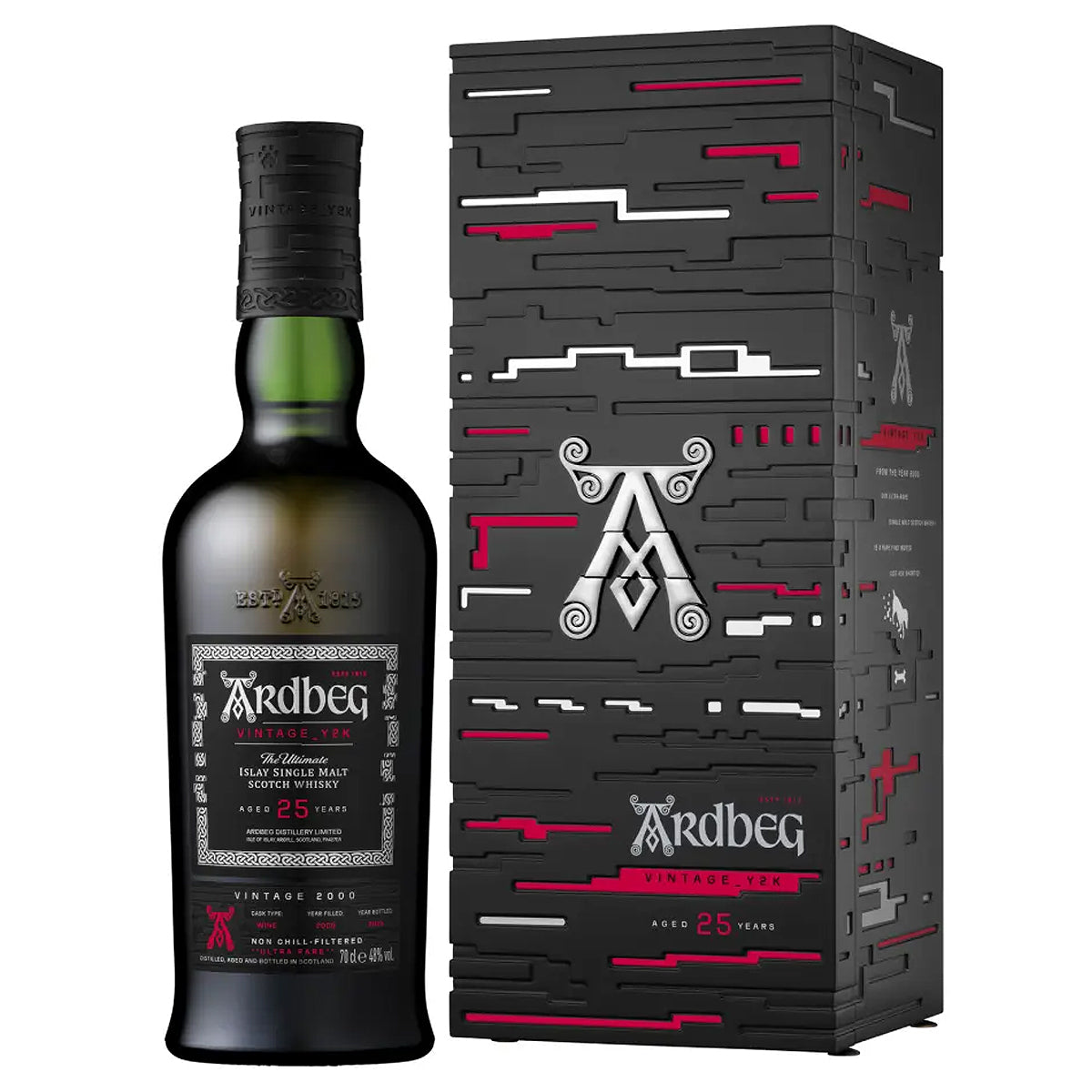
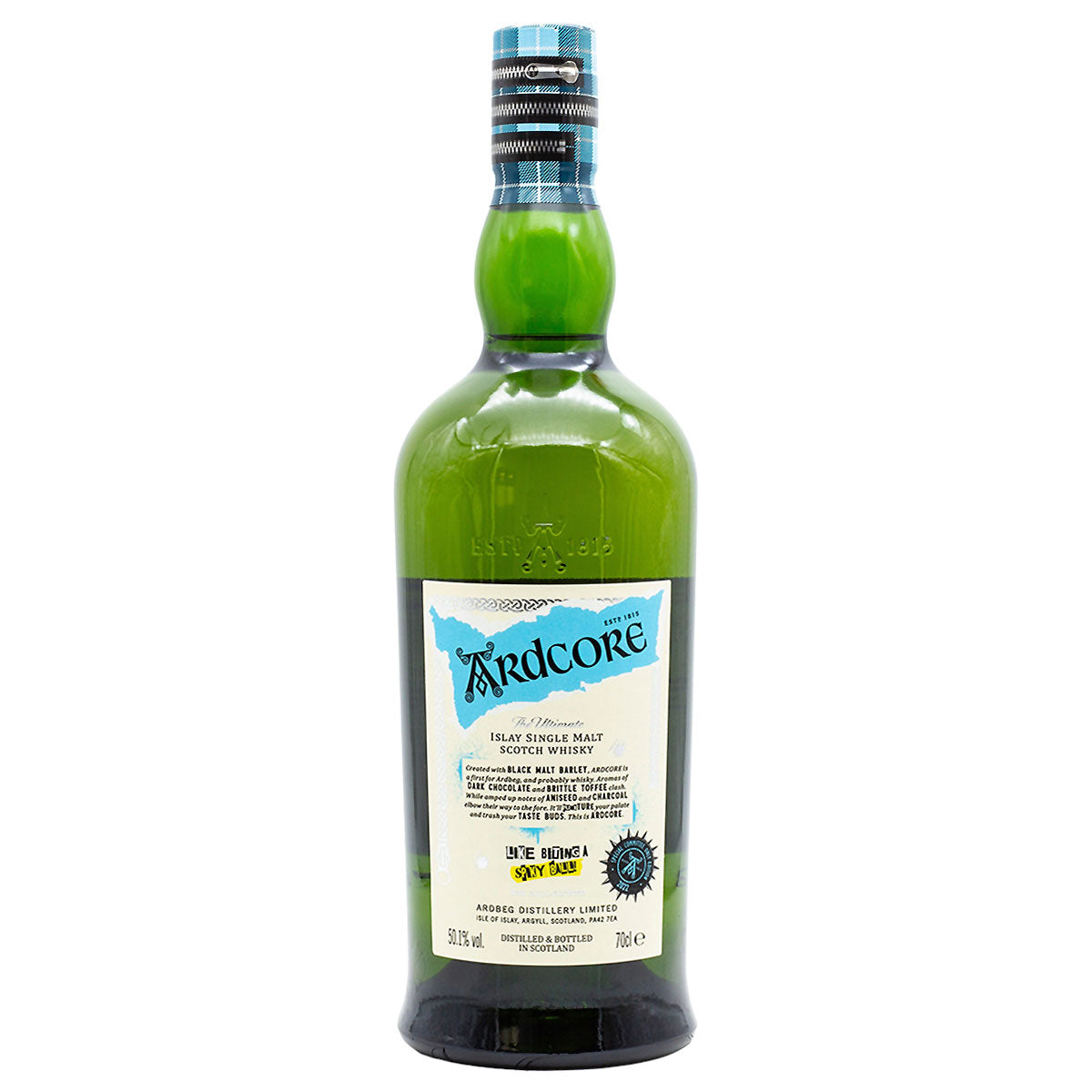
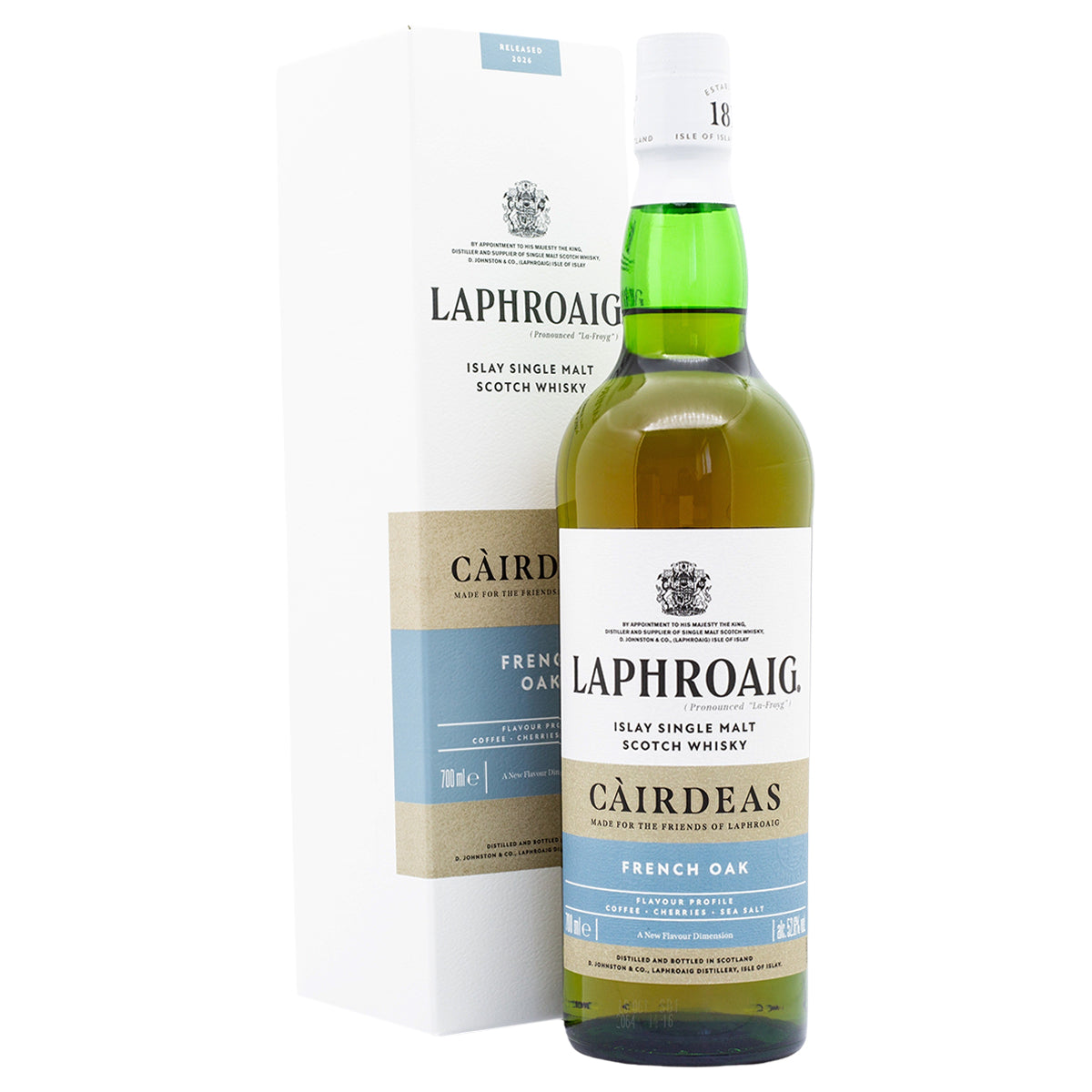
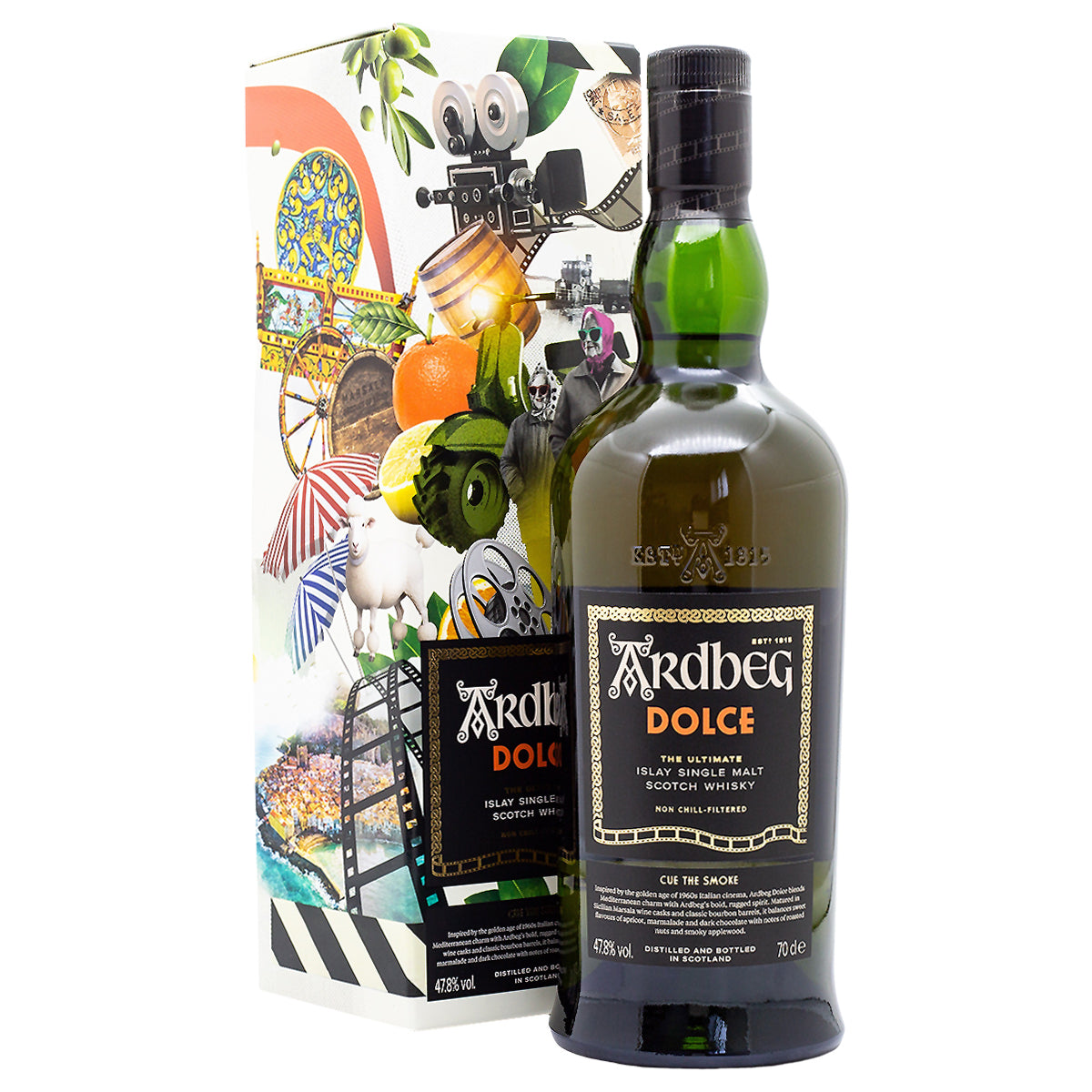
Laphroaig, Lagavulin and Ardbeg are among the best-known names for distinctly peated Islay whiskies.
How to identify suitable Islay whiskies
If you want to buy Islay whisky, start with the full description and the name of the distillery or brand. With Bunnahabhain, it is worth looking at the specific smoke description. At Bruichladdich Distillery, the brand name alone distinguishes the unpeated Bruichladdich brand from Port Charlotte and Octomore.
Terms such as “unpeated”, “peated”, or “heavily peated” help with the initial selection. A ppm figure may supplement this description, provided it is clear where the measurement was taken. It usually describes the malt rather than the smoke intensity of the bottled whisky. A value twice as high therefore does not necessarily mean a twice as smoky impression in the glass.
Also pay attention to which production steps the manufacturer explicitly mentions. Barley grown on Islay, in-house malting, maturation on the island, or bottling on site go beyond the protected designation of origin. This allows you to specifically select a smoke style or production steps that have been proven to take place on Islay.
Frequently asked questions about Islay whisky
What is Islay whisky?
The term refers to Scotch whisky that was distilled on the Isle of Islay. The exact type of whisky is also stated in the full description on the label.
What well-known distilleries are there on Islay?
Well-known names include Ardbeg, Laphroaig, Lagavulin, Bowmore, Bunnahabhain, and Bruichladdich. They do not represent a uniform island style: the range extends from unpeated bottlings to very intense peat smoke.
Is Islay whisky always smoky?
No. Bunnahabhain’s core range is predominantly unpeated, and Bruichladdich Distillery also produces unpeated bottlings under the Bruichladdich brand. Port Charlotte and Octomore, by contrast, showcase the heavily and particularly heavily peated side of the same distillery.
How do you pronounce Islay?
Islay sounds roughly like “Ai-la” or, in English, “eye-luh”. The “s” is not pronounced.