



Campbeltown Whisky: protected origin with multiple styles
Campbeltown Whisky comes from a protected Scottish locality at the southern end of the Kintyre peninsula. The origin can complement a precise type of whisky on the label, but it does not determine the level of smoke, the method of distillation, or the flavour.
The established core of producers includes Springbank, Mitchell's Glengyle and Glen Scotia. These three distilleries shape the currently available range from the region.
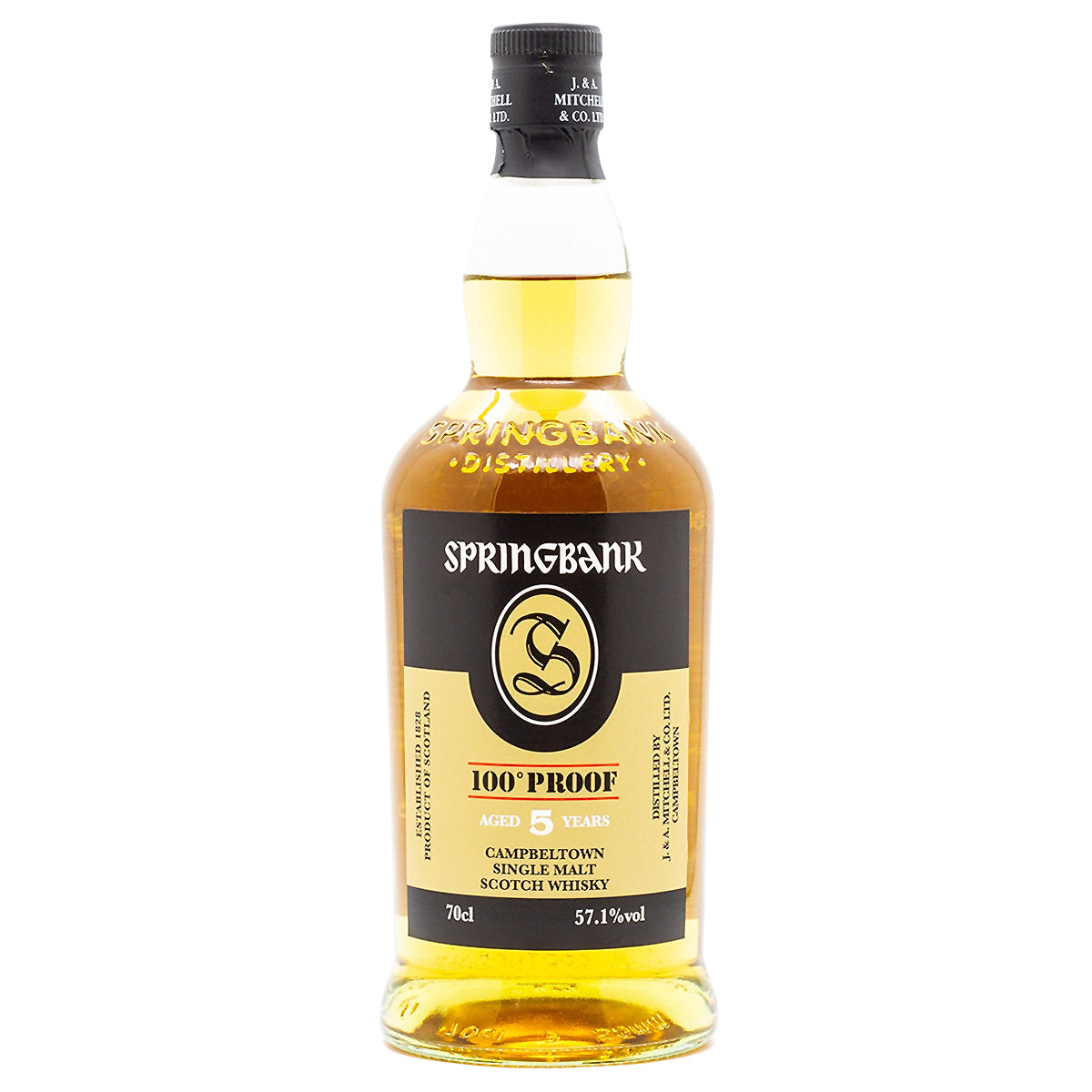
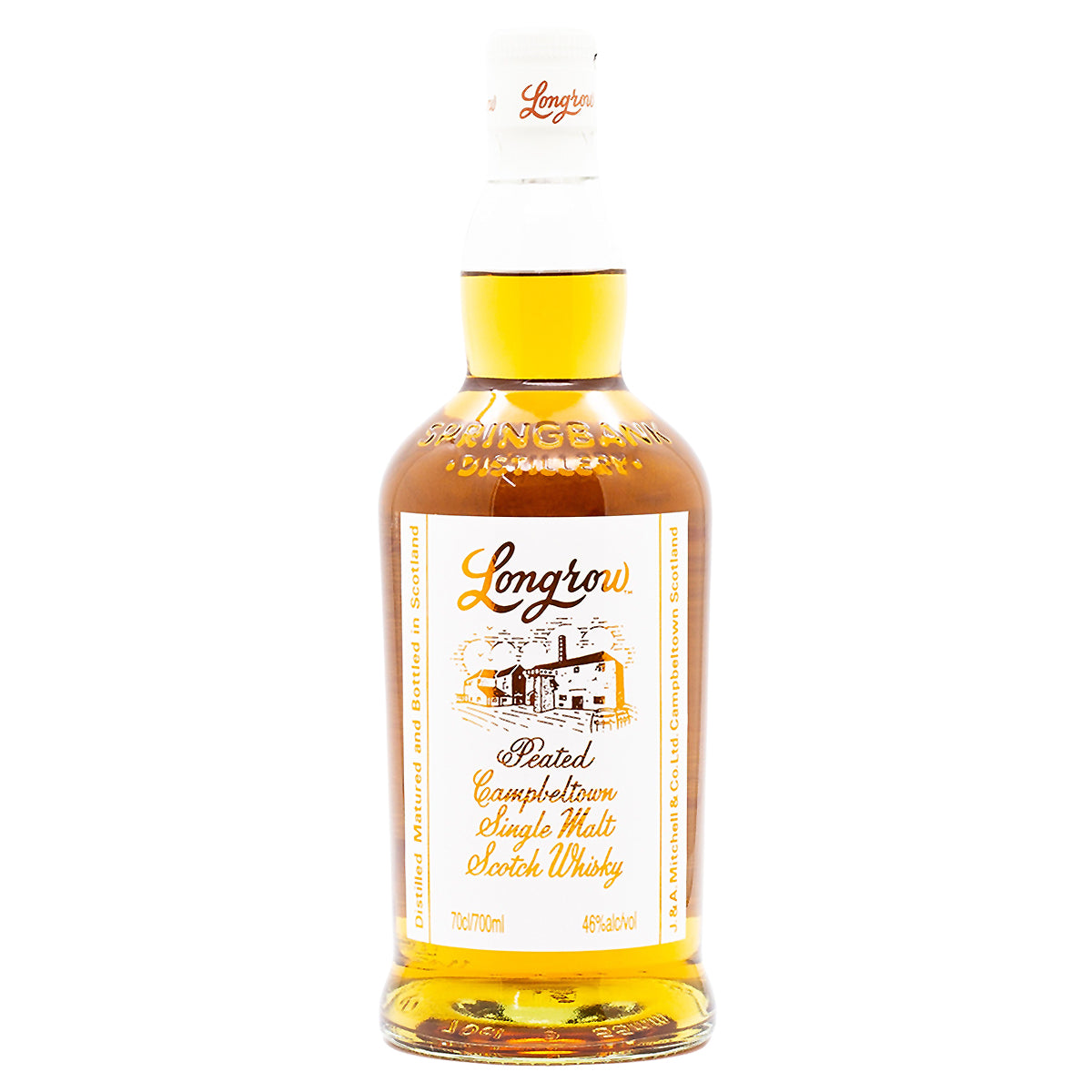
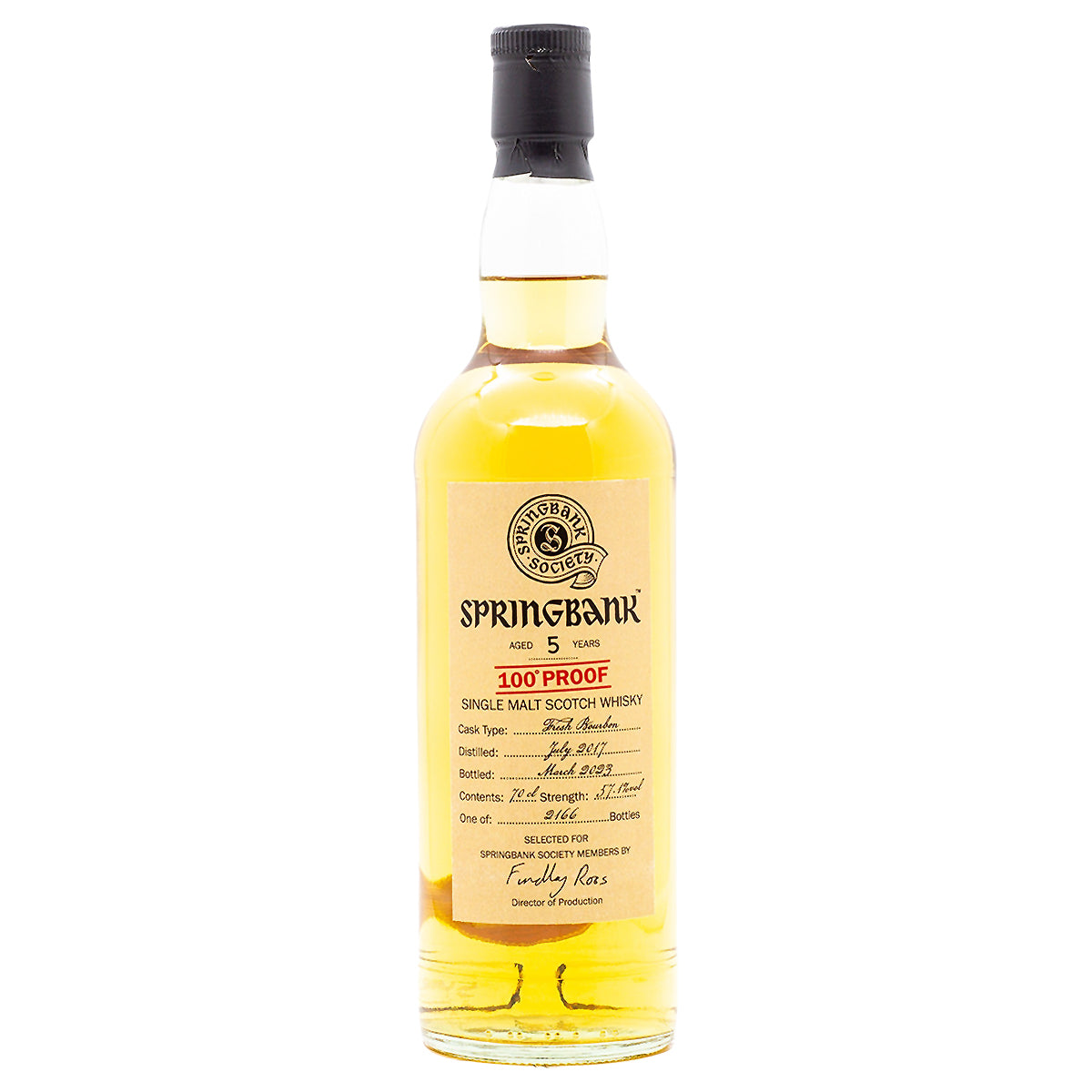
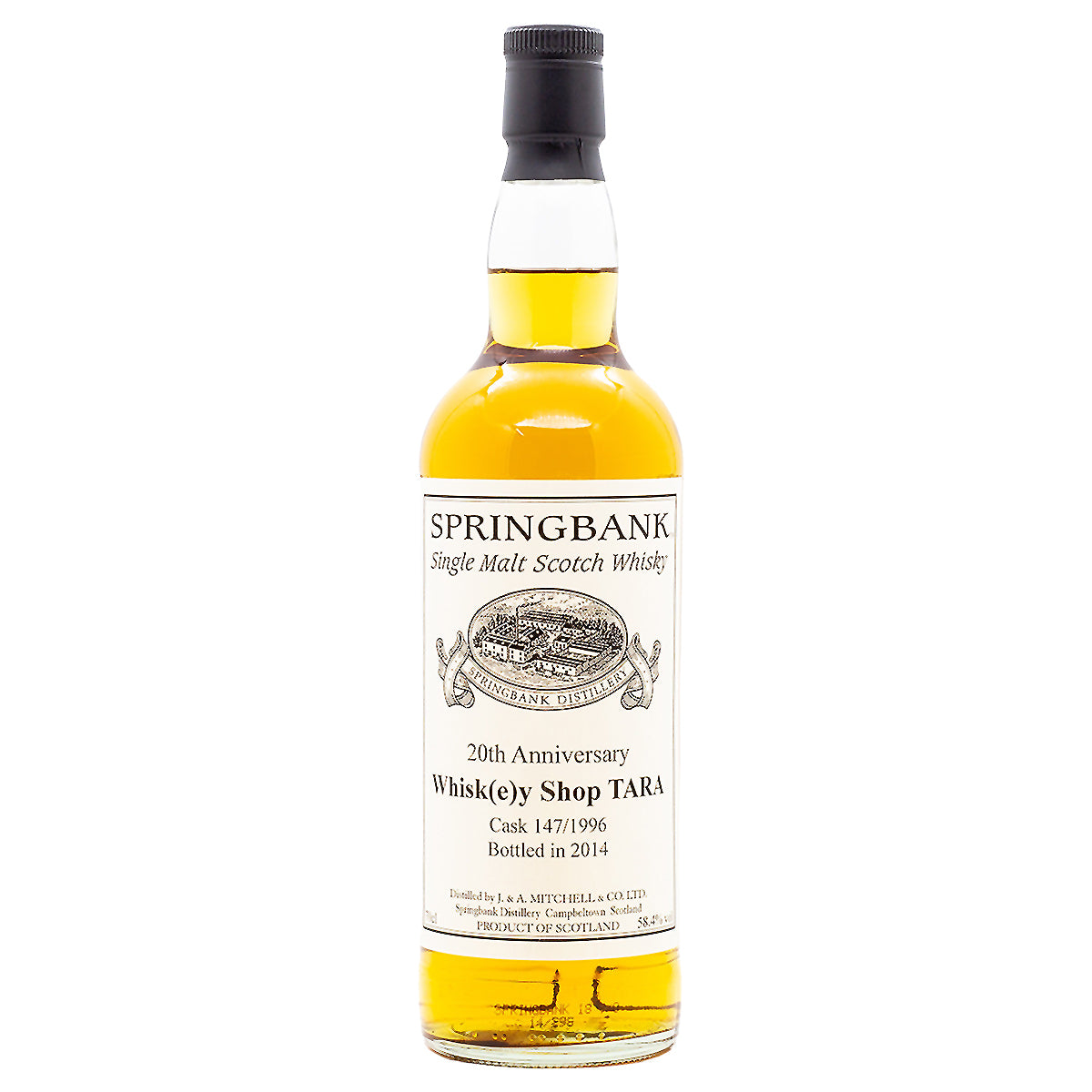
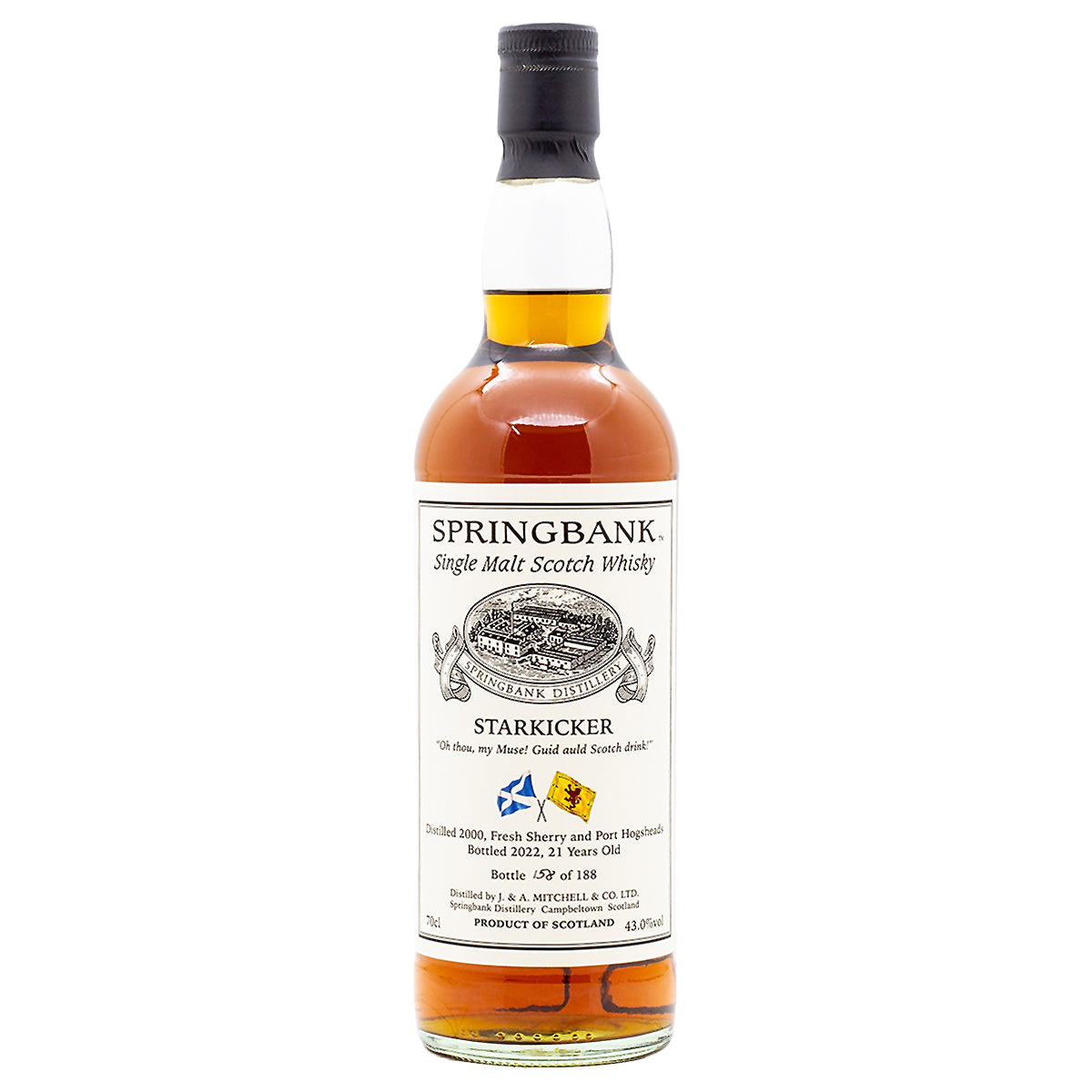
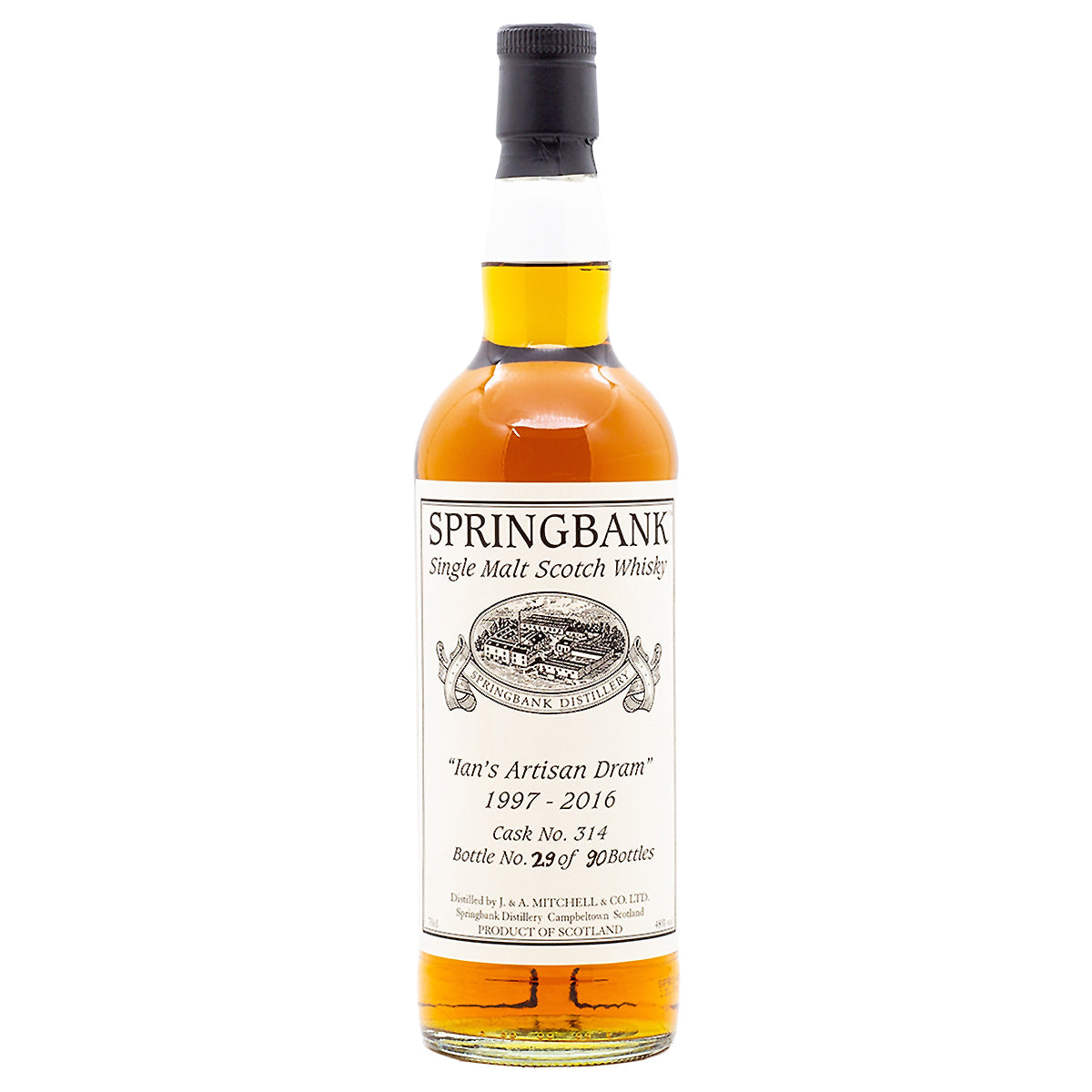
Springbank produces three separate single malt brands
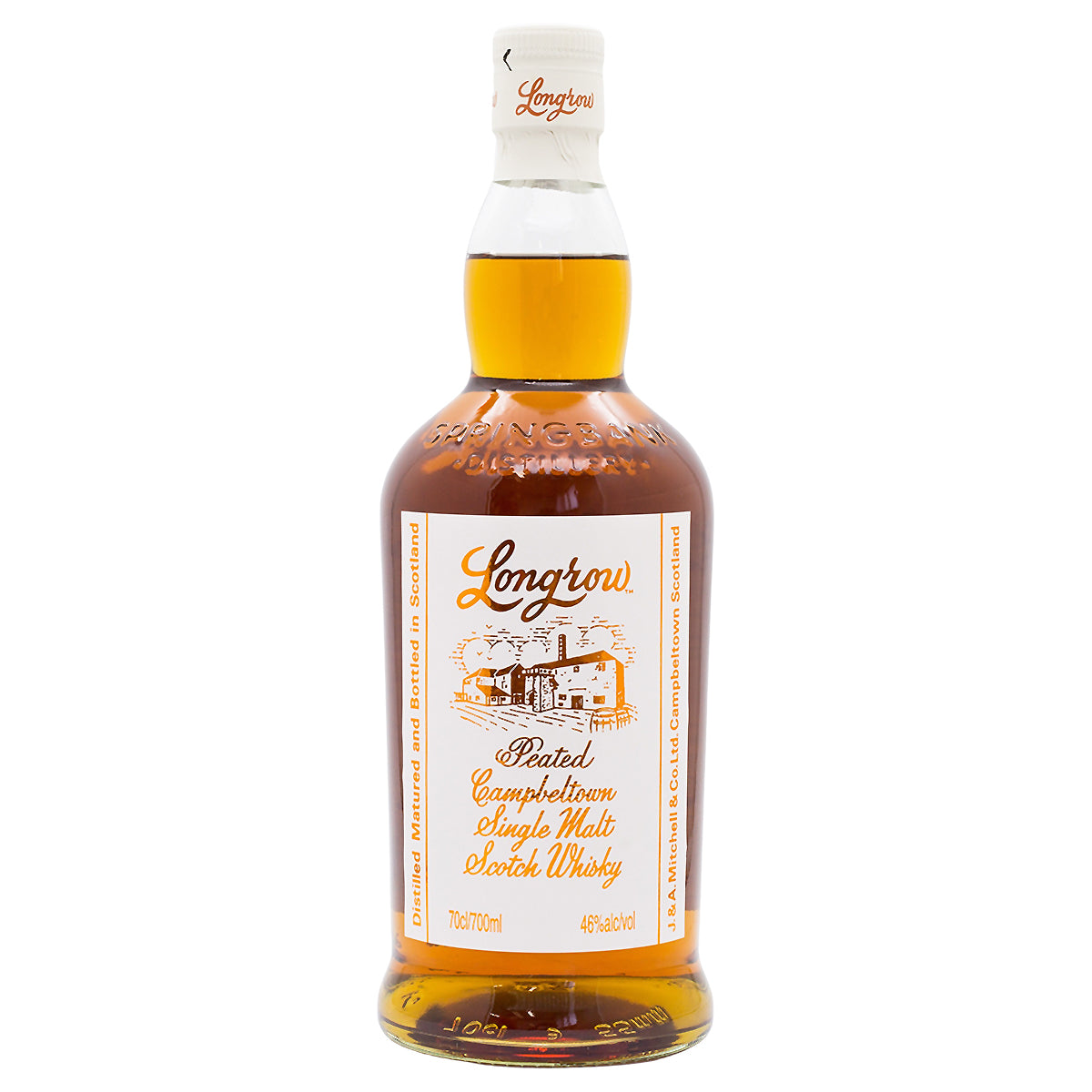
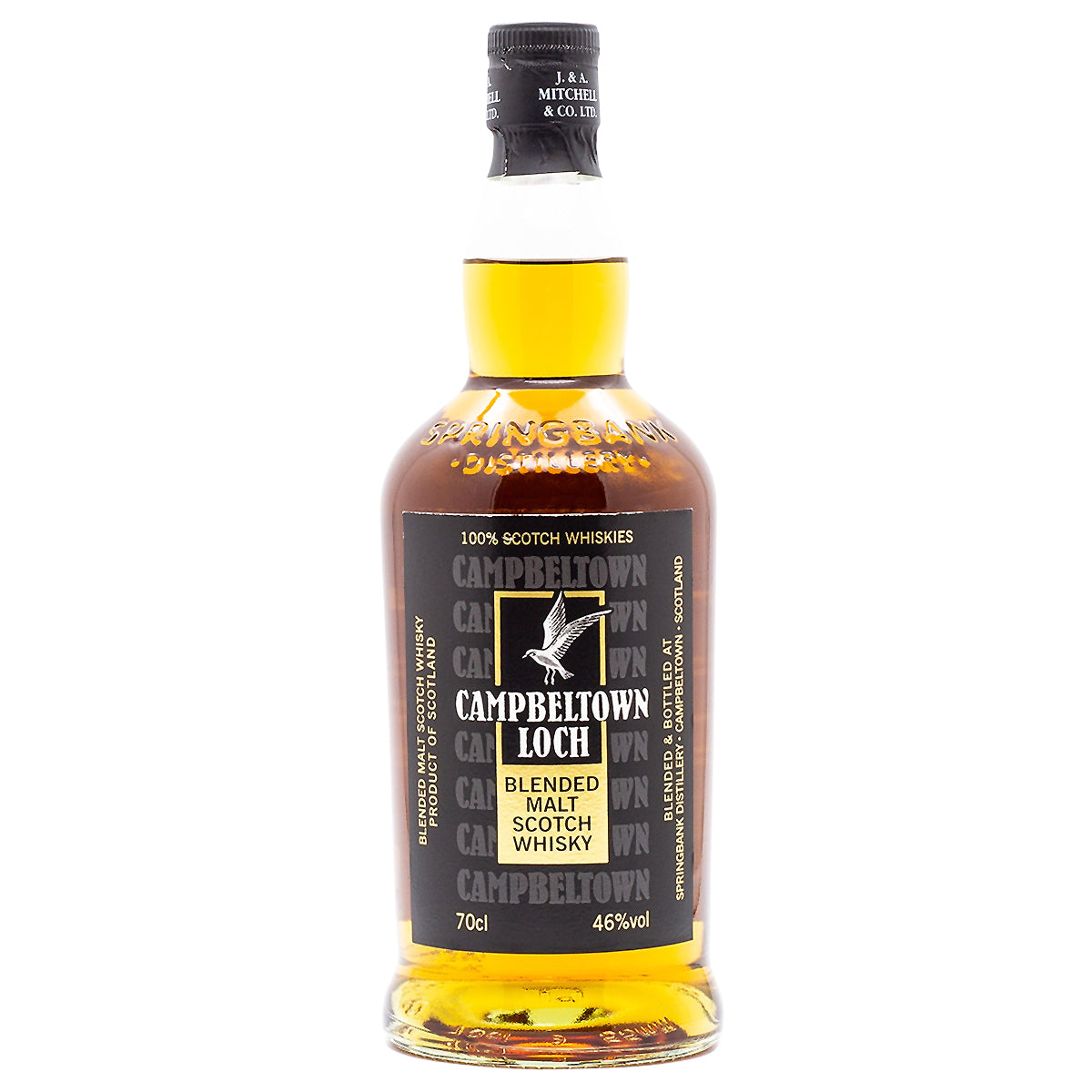
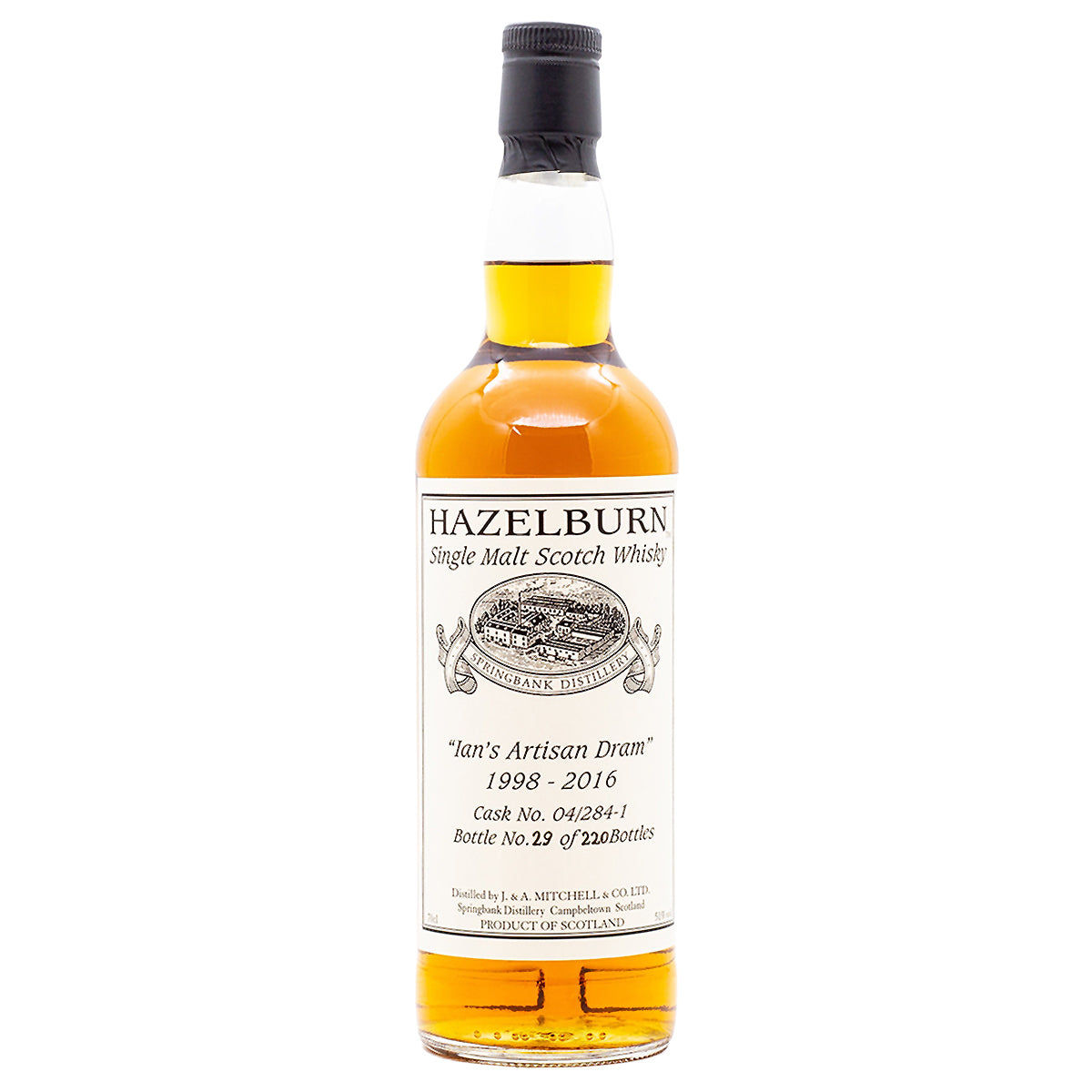
Springbank, Longrow and Hazelburn are three brands or single malt styles from one distillery. The name on the bottle is therefore more important than the mere origin of Campbeltown.
For Springbank, the malt is dried using a combination of peat smoke and hot air; the spirit is produced by triple distillation. Longrow uses more heavily peated malt and is distilled twice. For Hazelburn, the malt is dried only with hot air, followed by triple distillation. These production methods describe the basic orientation of the brands, not every subsequent cask maturation.
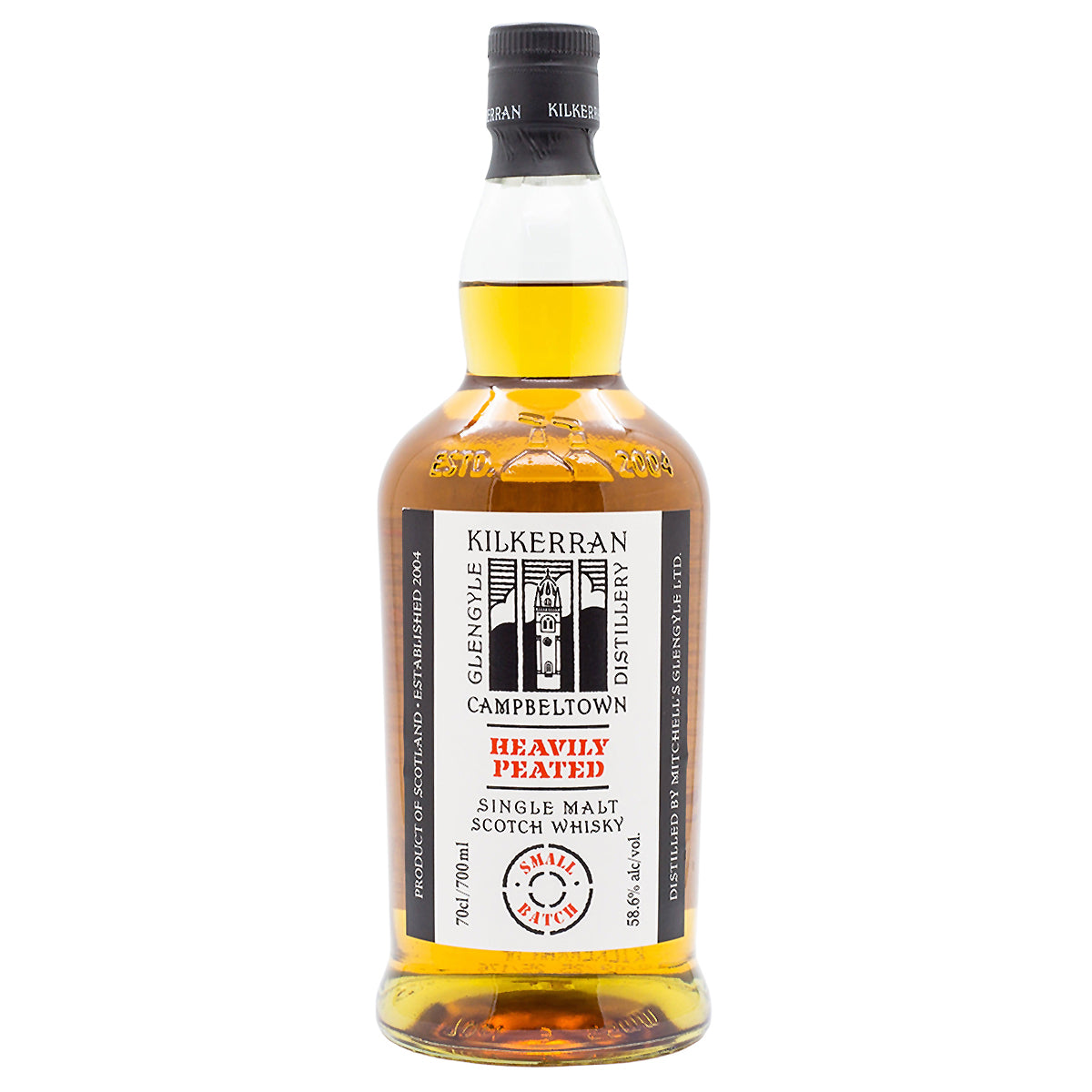
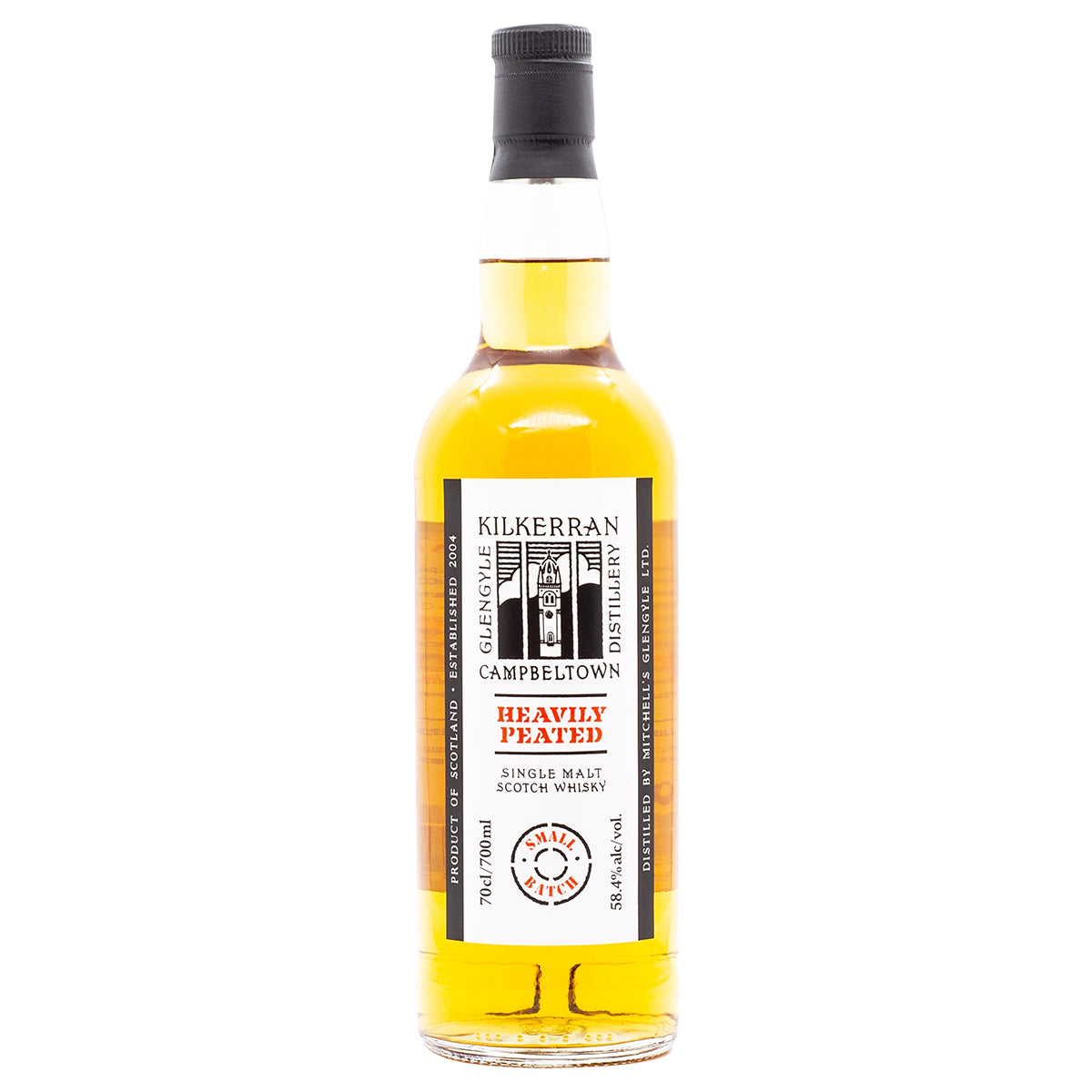
Glengyle produces Kilkerran single malt
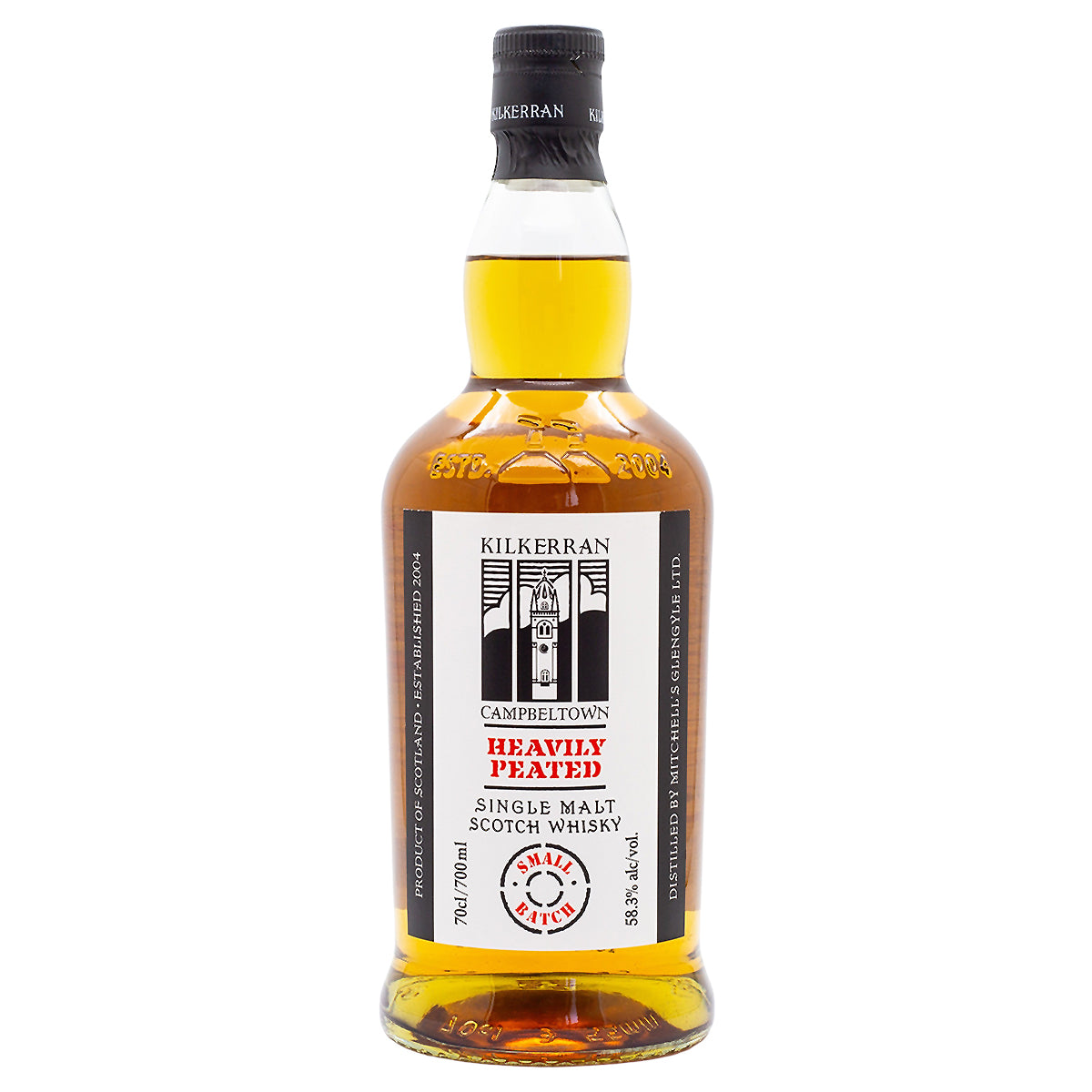
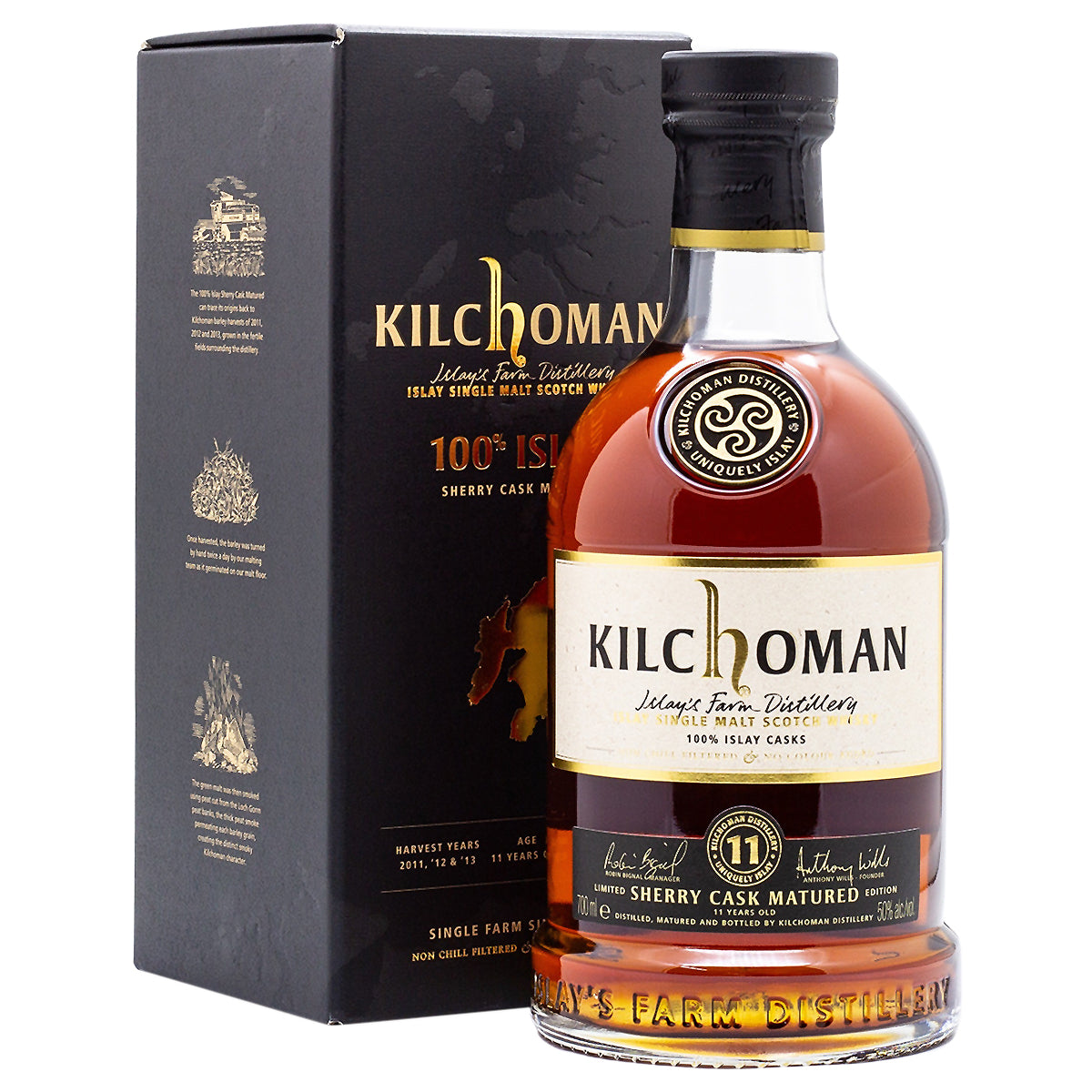
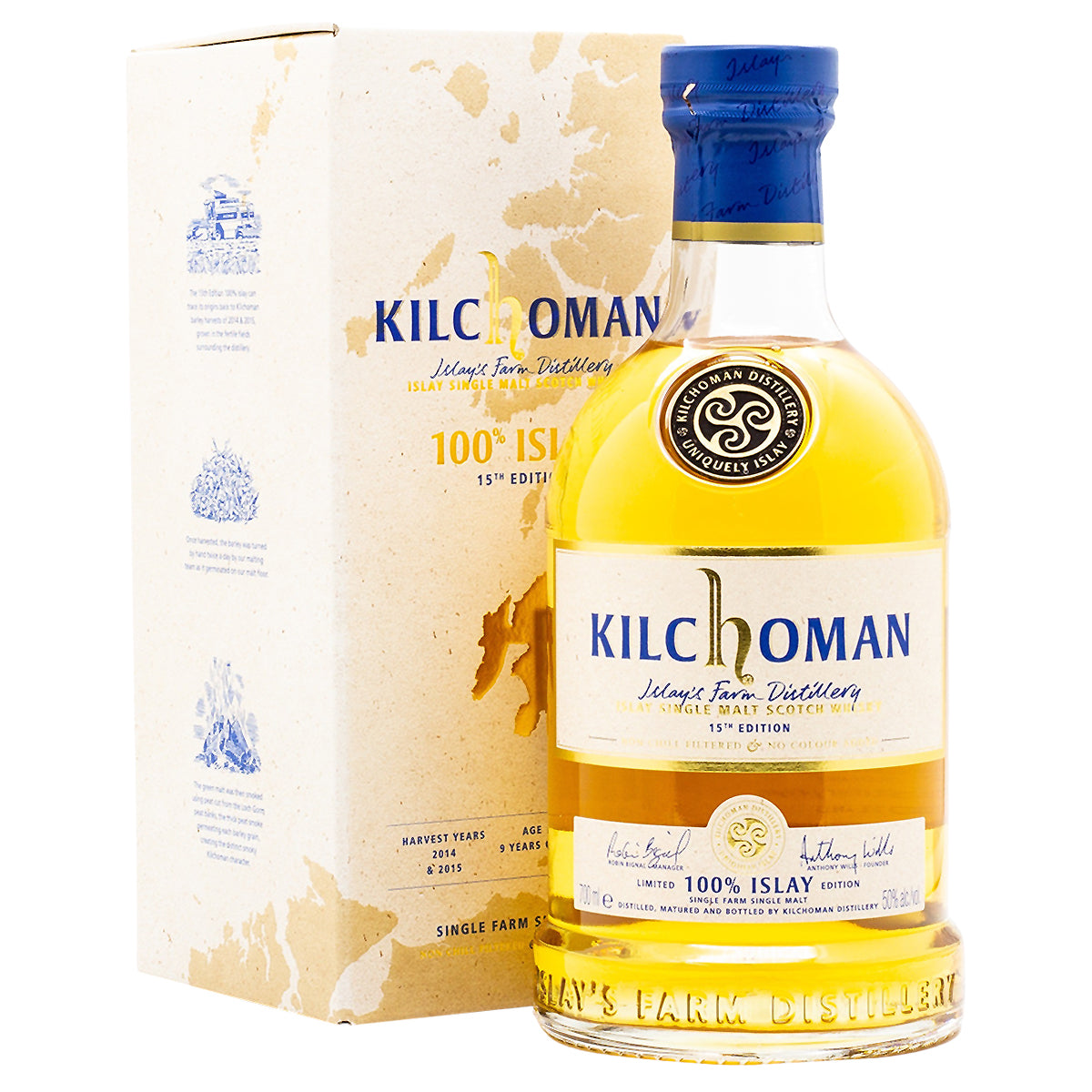
The Mitchell's Glengyle Distillery sells its whisky under the name Kilkerran. Kilkerran is therefore not a distillery of its own. The brand name dates back to the Gaelic name for the town of Campbeltown, because Glengyle was already protected as a brand elsewhere.
Glengyle produces predominantly lightly peated and twice-distilled spirit. In addition, more heavily peated, unpeated, or triple-distilled variants are produced. Information about the respective production method therefore helps more than a general brand description for Kilkerran.
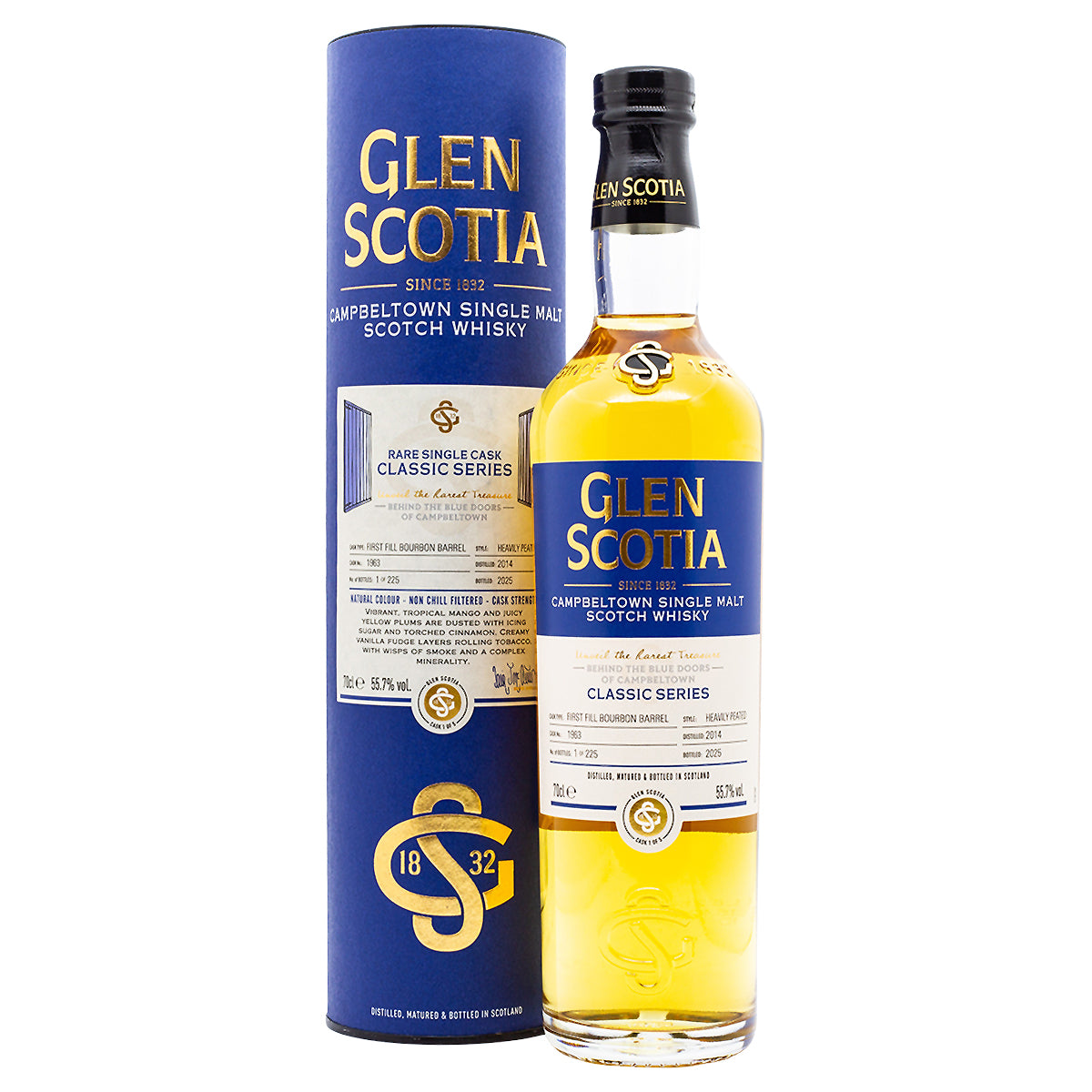
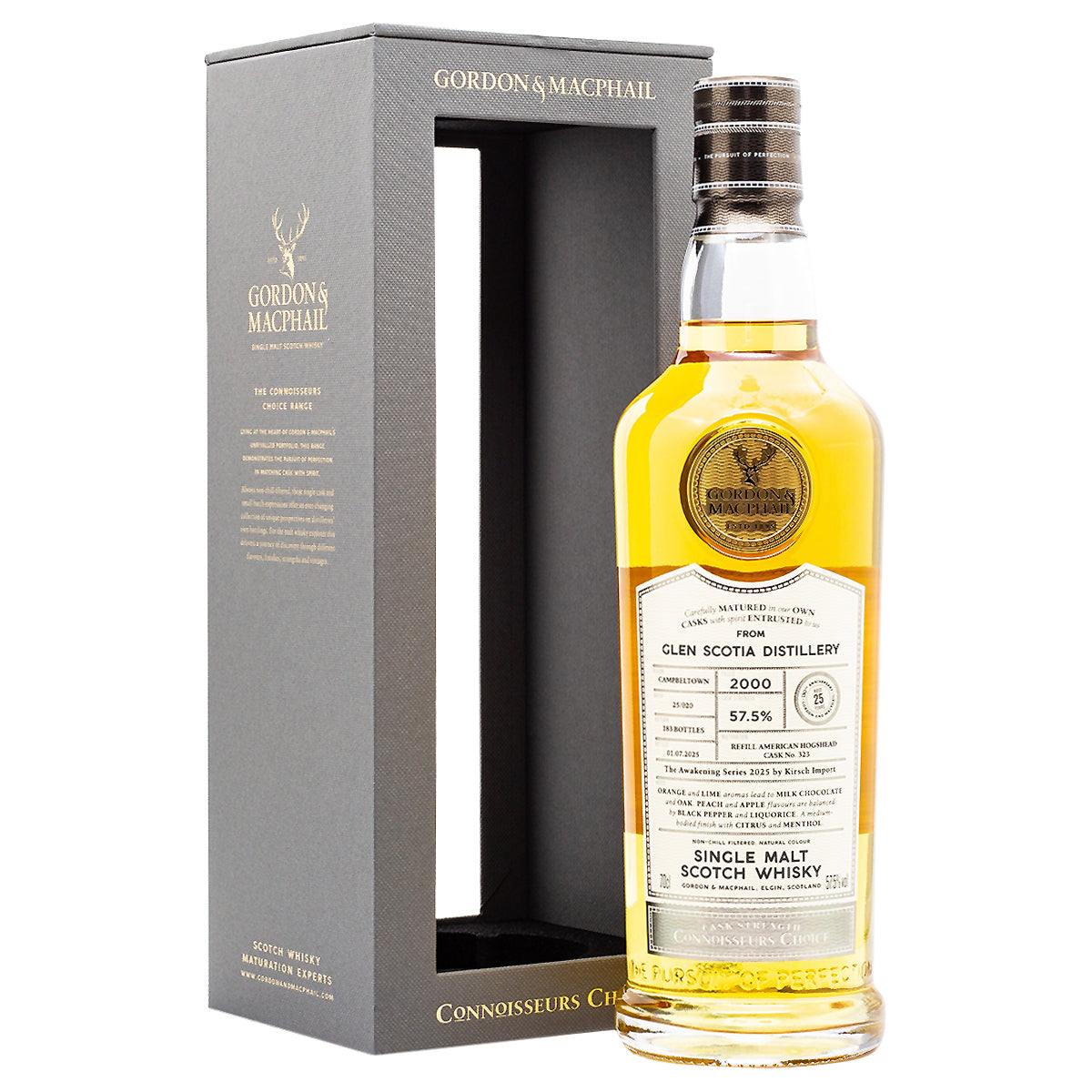
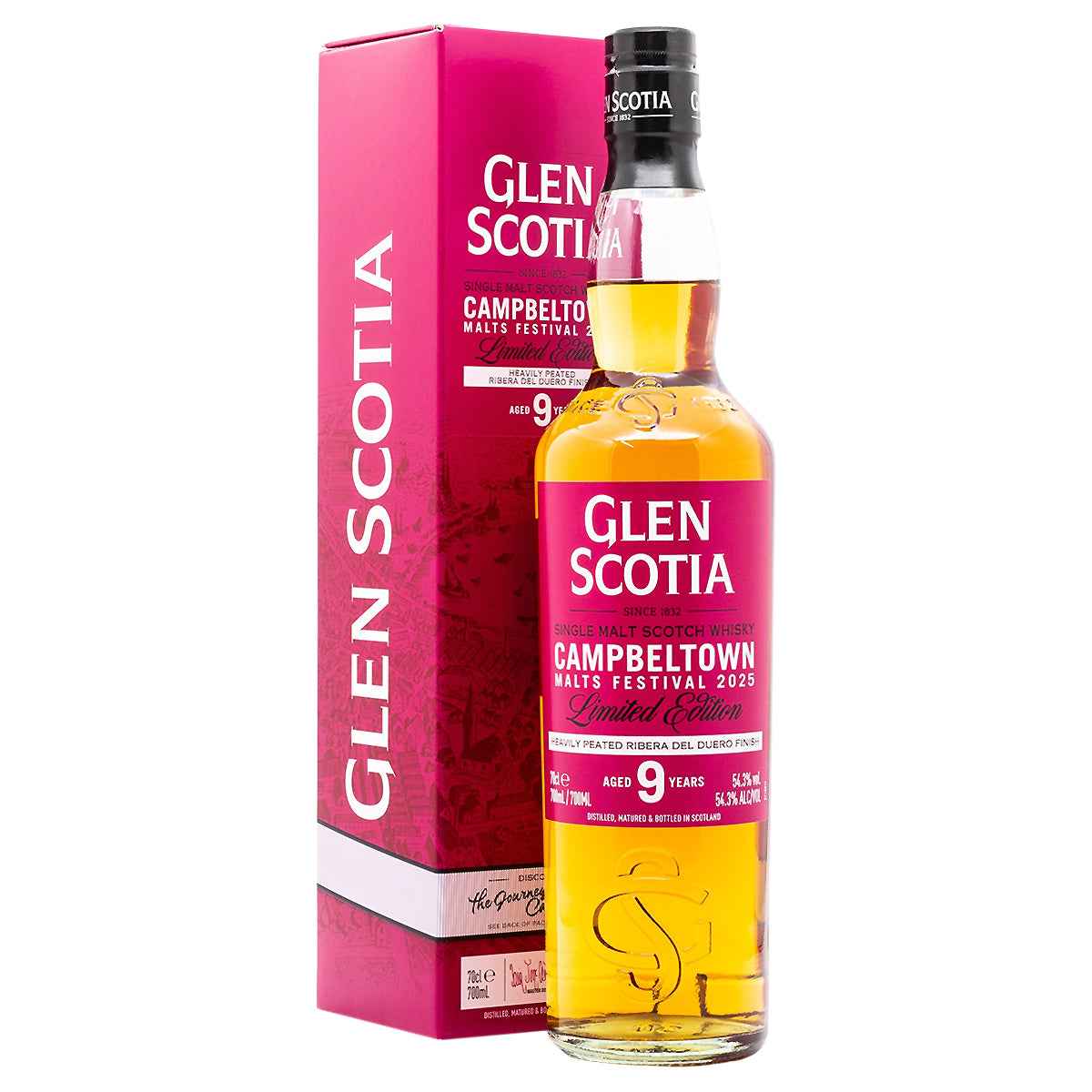
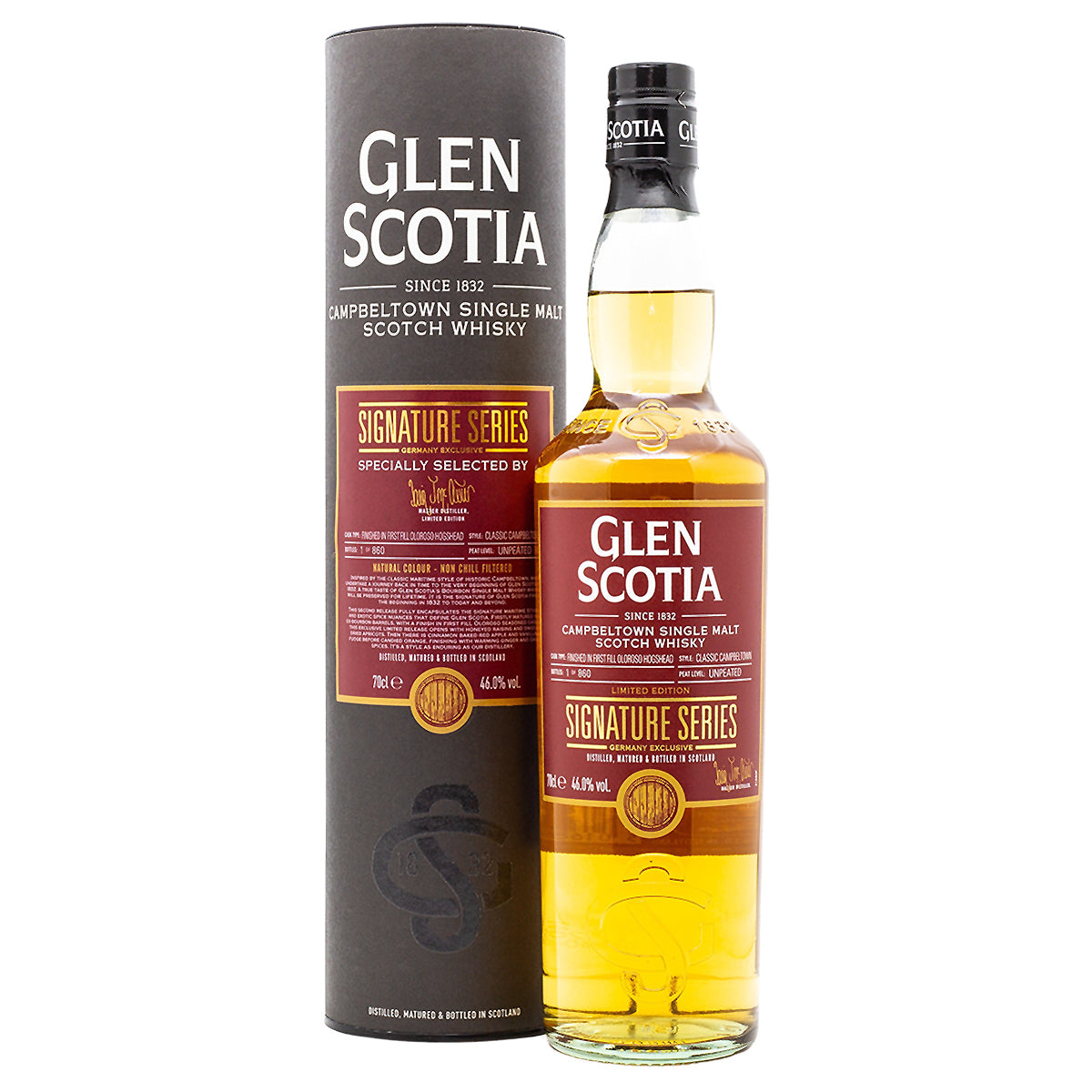
Glen Scotia and the question of smoke
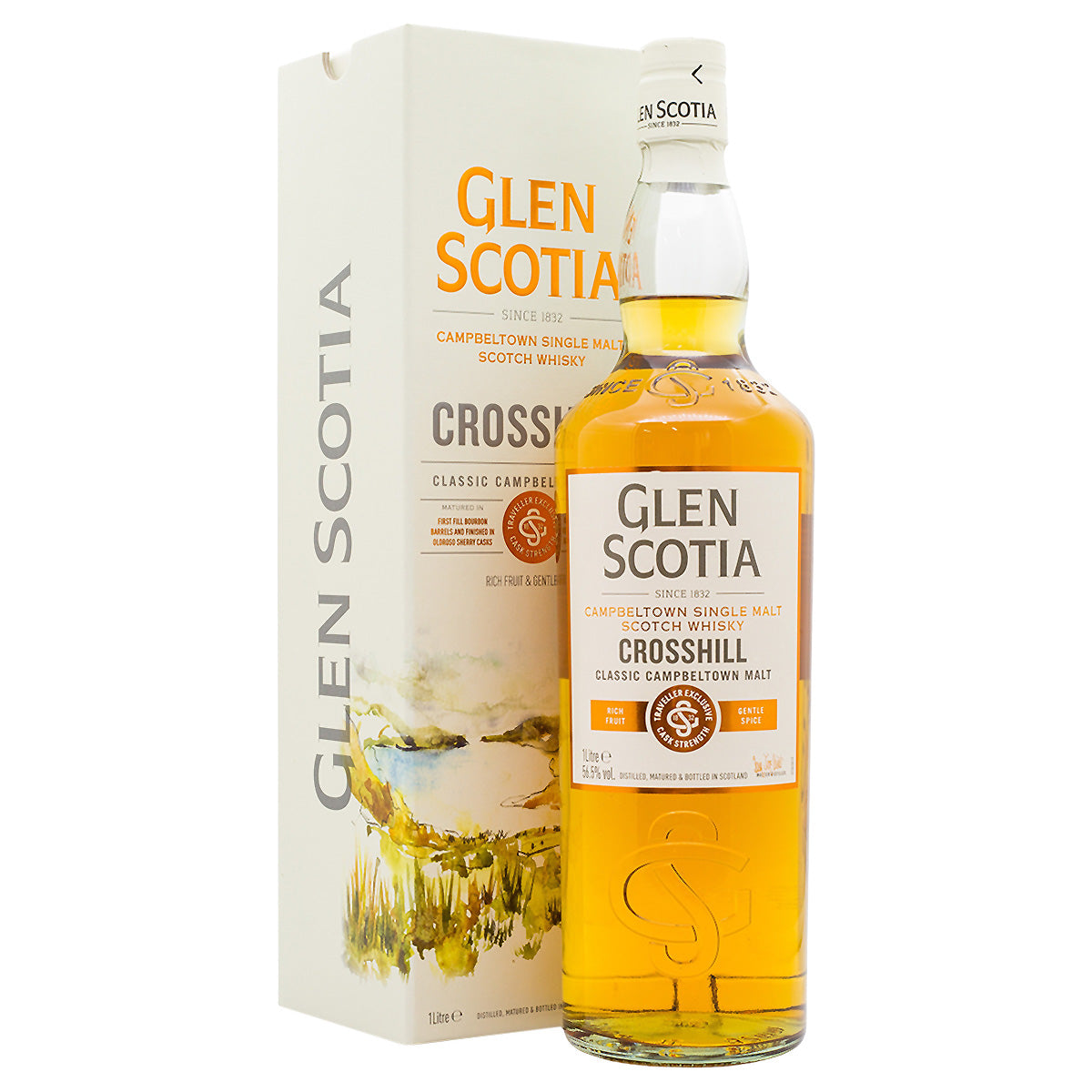
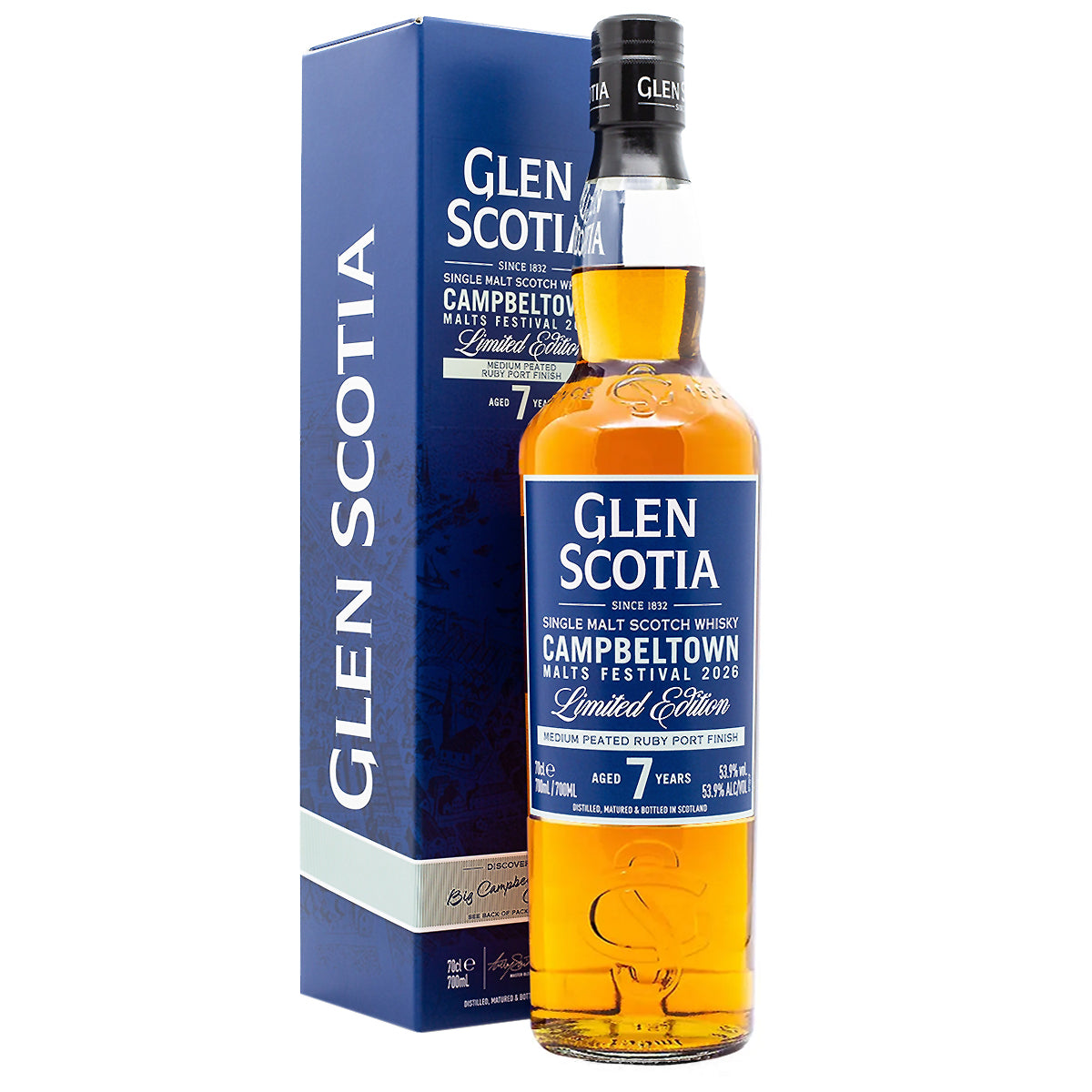
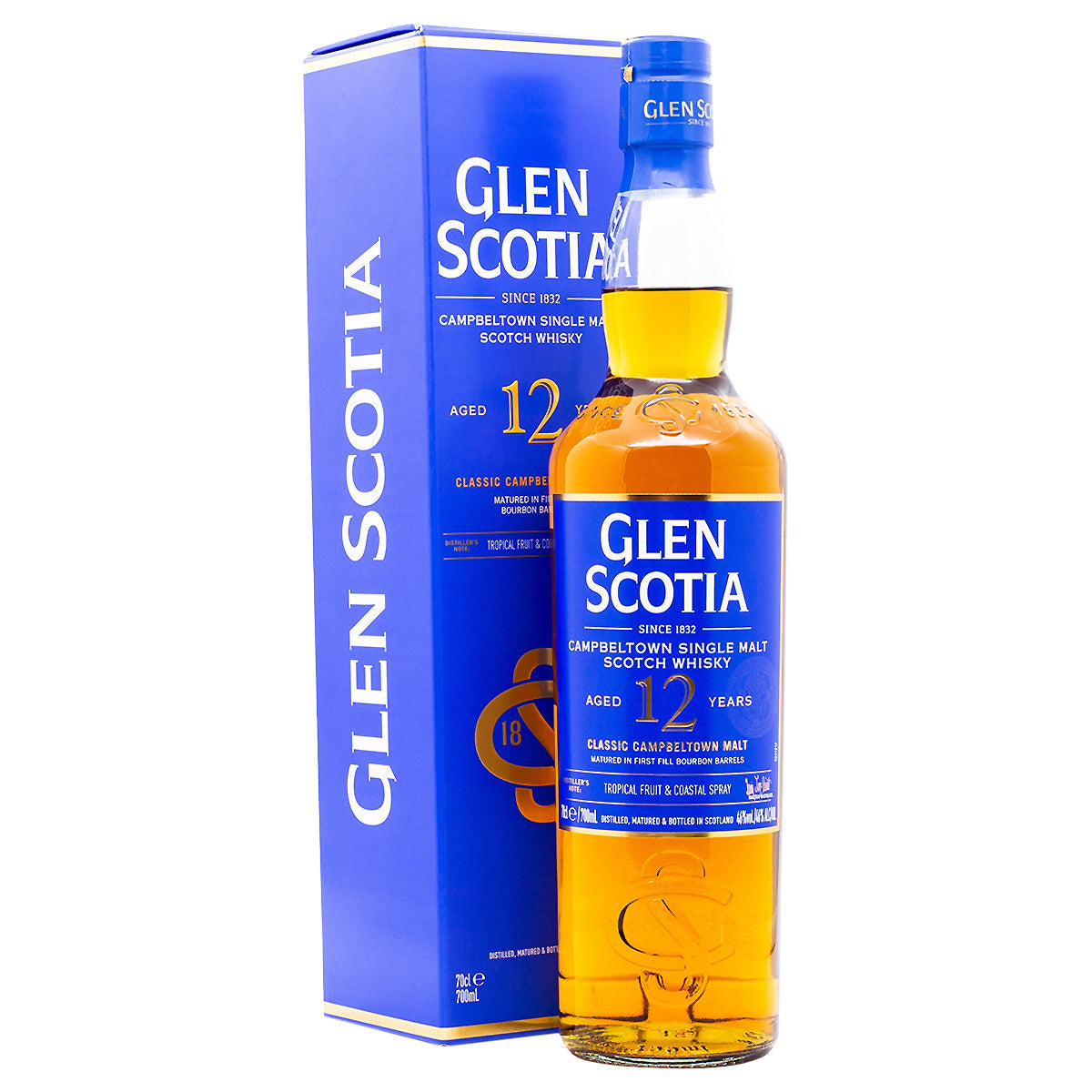
Glen Scotia uses unpeated and peated malt. The producer only produces the peated spirit for a limited part of the year. The distillery name alone therefore cannot reliably indicate whether a specific bottling will be smoky.
Terms such as salty, oily, maritime, or Campbeltown funk come from tasting notes and discussions about individual whiskies. They are not part of the legal definition of origin and do not prove any aromatic effect of the coastal air.
Which details help when choosing
Start with the distillery and brand: Springbank, Longrow and Hazelburn come from the same distillery, Kilkerran from Glengyle, and Glen Scotia under its own distillery name. Peat and distillation method then provide an initial indication.
Cask type, age, batch, and alcohol strength can vary significantly within any brand and are specific to the individual bottle. Occasional scarcity is not a sign of quality and does not allow for a reliable statement about future value development.
Frequently asked questions about Campbeltown Whisky
What is Campbeltown Whisky?
The designation Campbeltown Whisky may be used by Scotch whiskys whose distillate comes entirely from the protected Campbeltown locality.
Are Springbank, Longrow and Hazelburn three distilleries?
No. All three single malts are produced at the Springbank Distillery, but with different levels of peating and distillation.
Why is the whisky from Glengyle called Kilkerran?
Glengyle is the name of the distillery. Its single malt is called Kilkerran because the name Glengyle was already protected as a brand elsewhere when it reopened.
Does Campbeltown Whisky always taste salty and oily?
No. Such terms can accurately describe individual bottlings, but they are not prescribed characteristics of the protected origin.
Is Campbeltown Whisky always smoky?
No. The producers use malt that is peated to varying degrees or not peated at all. The brand and the specific bottling provide more information about this than the place name.