
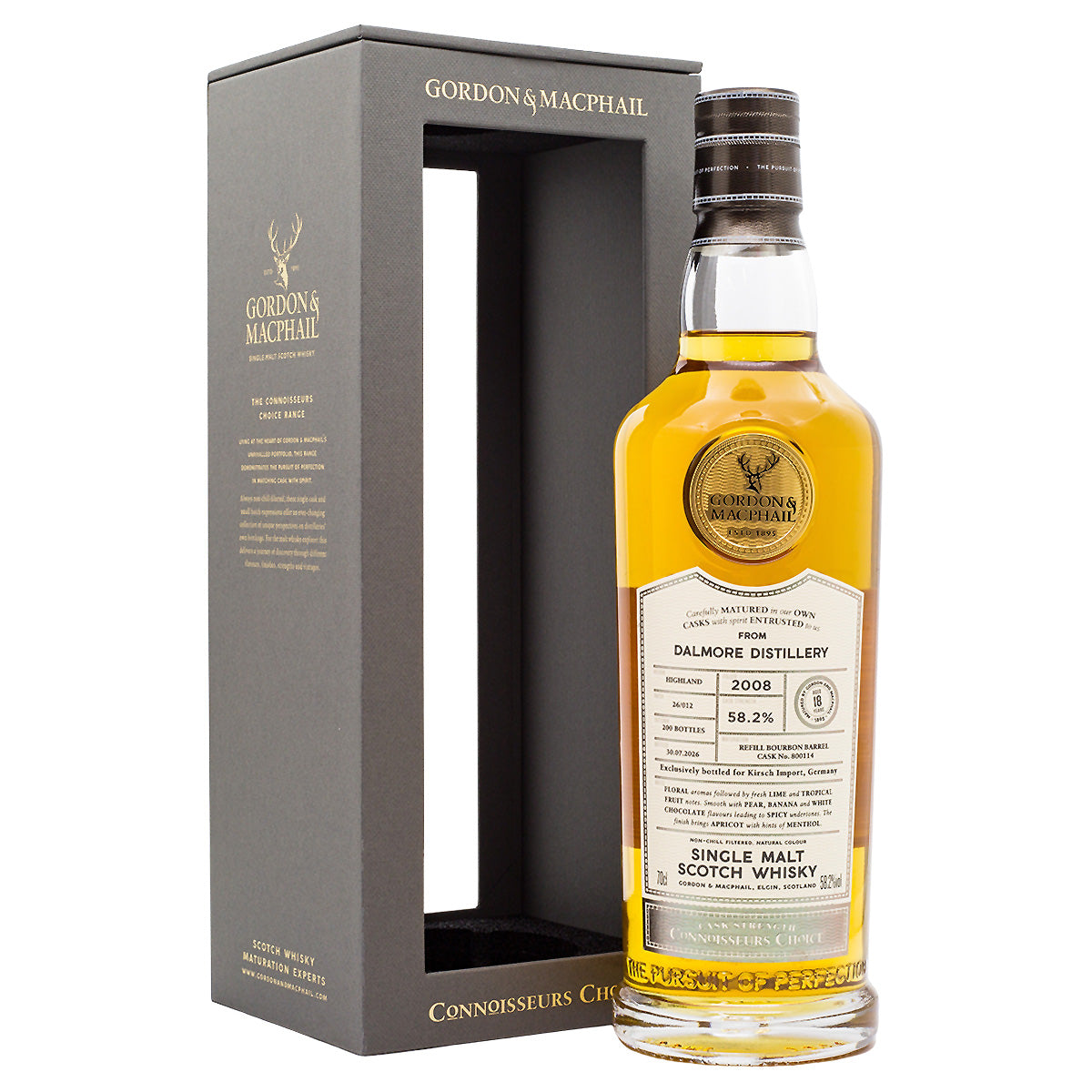
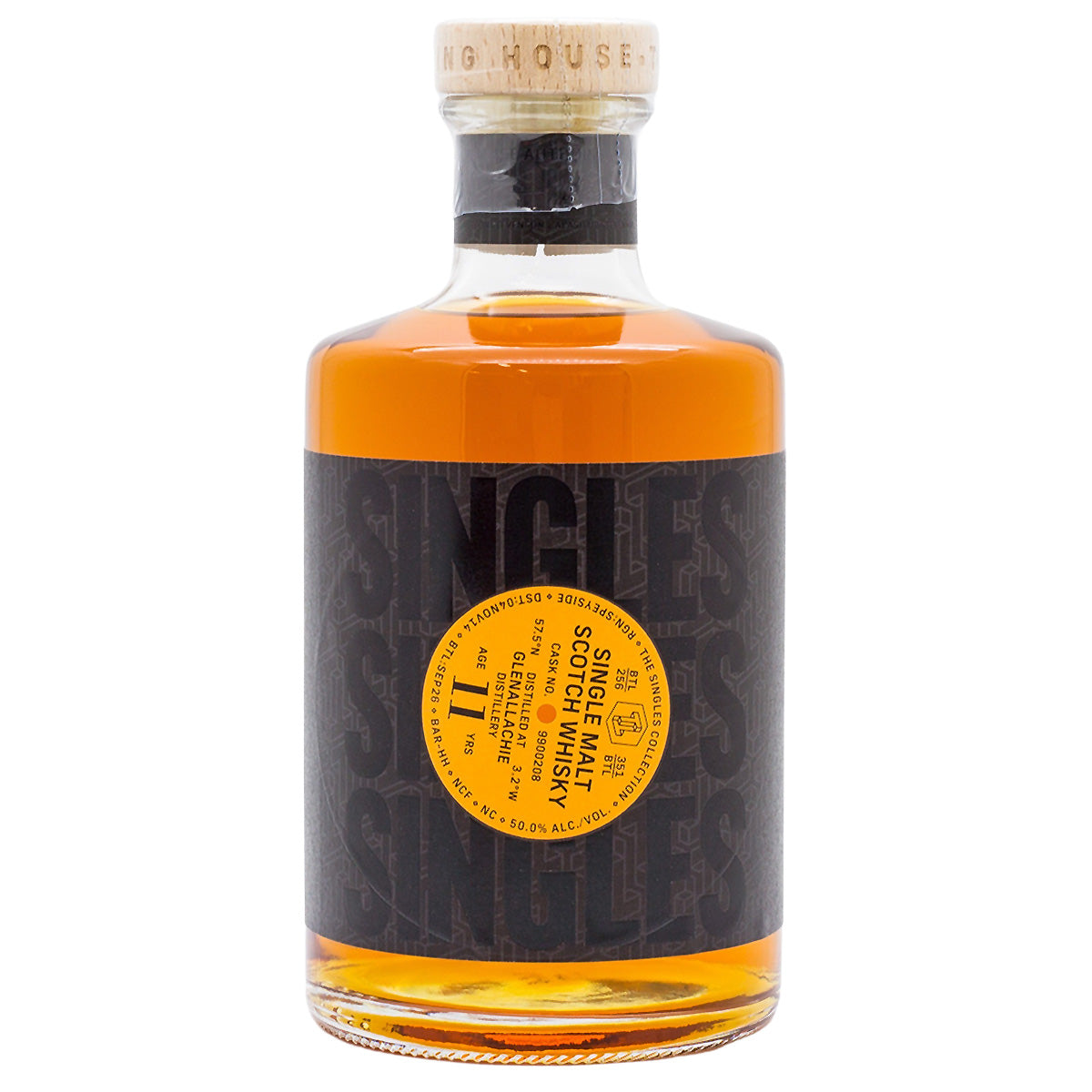
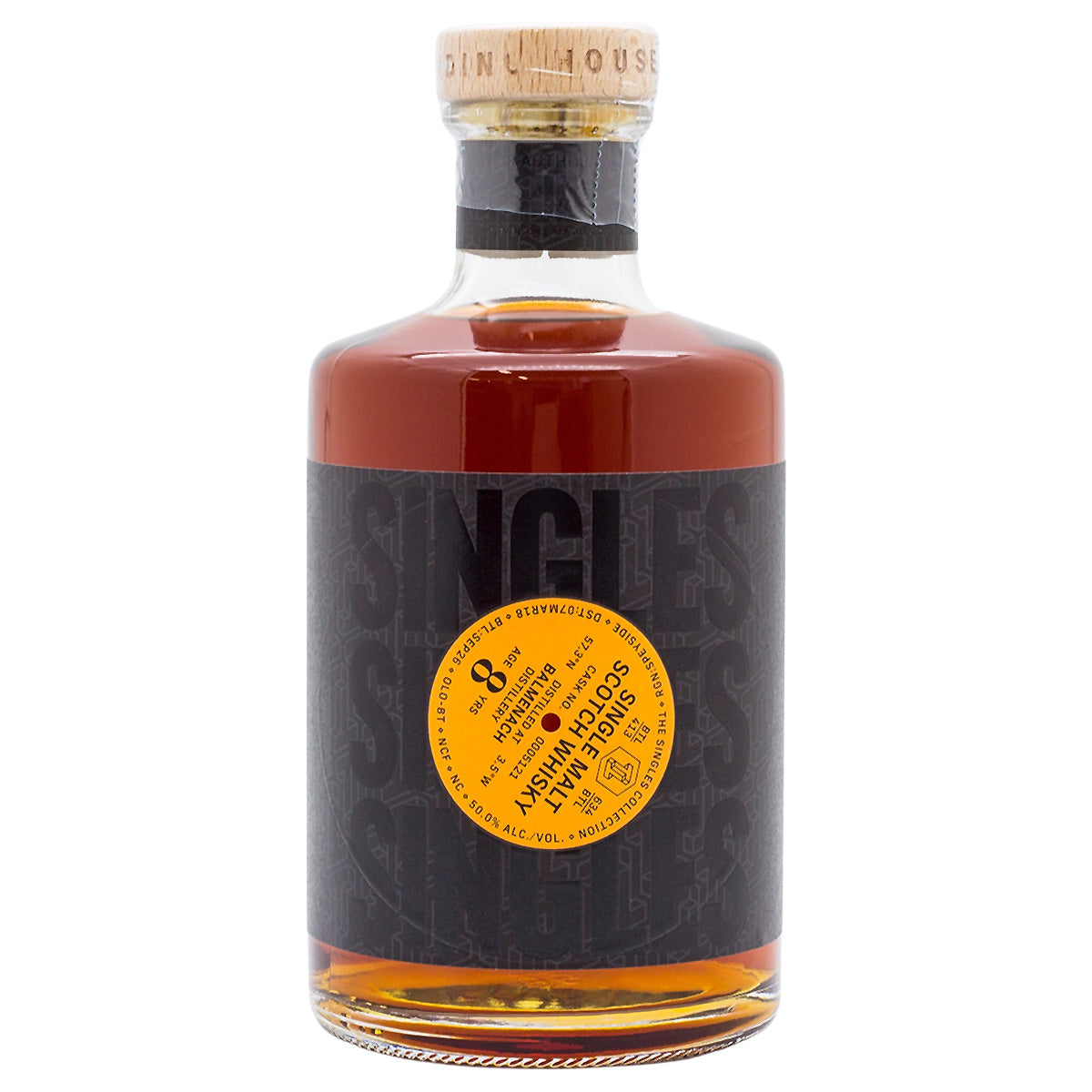
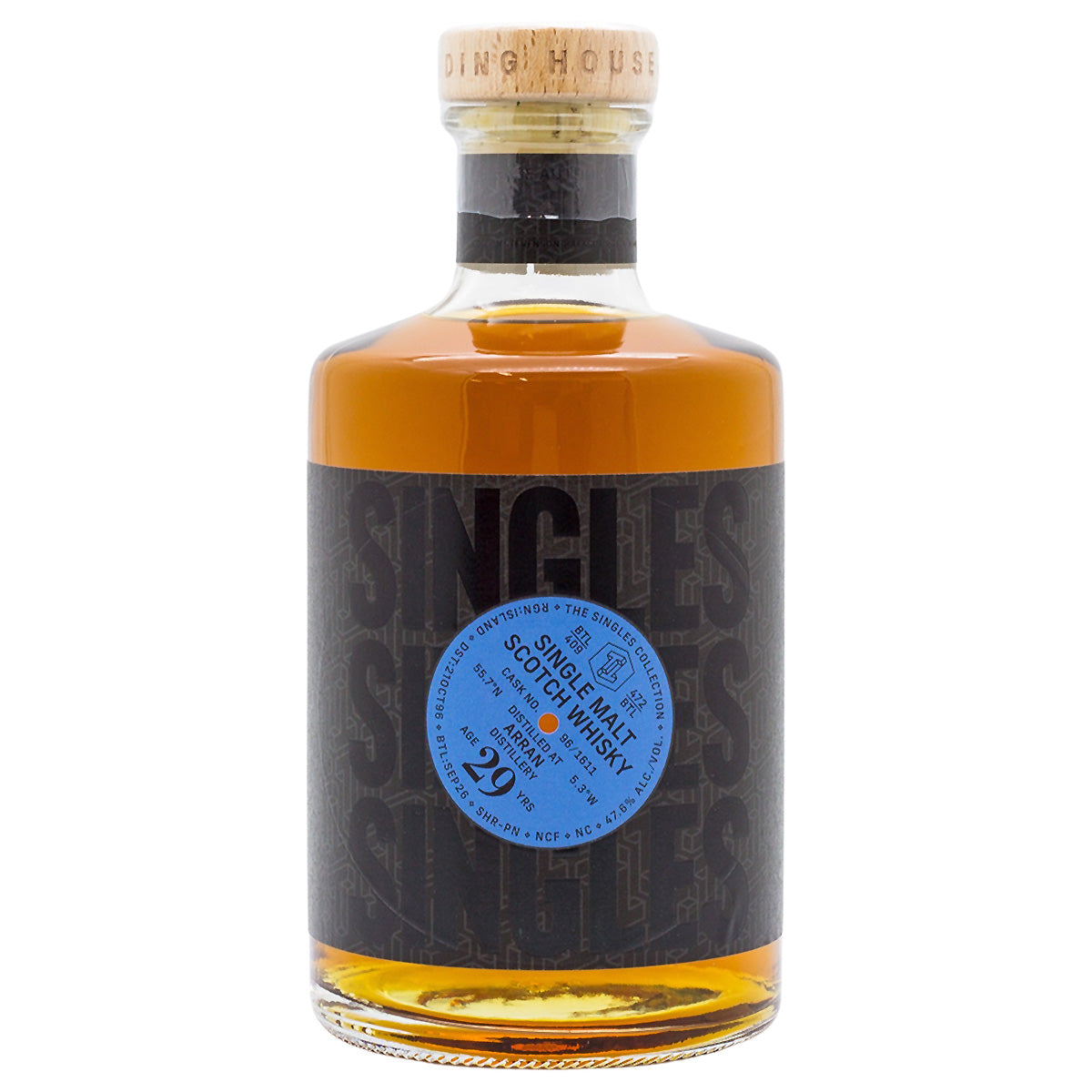

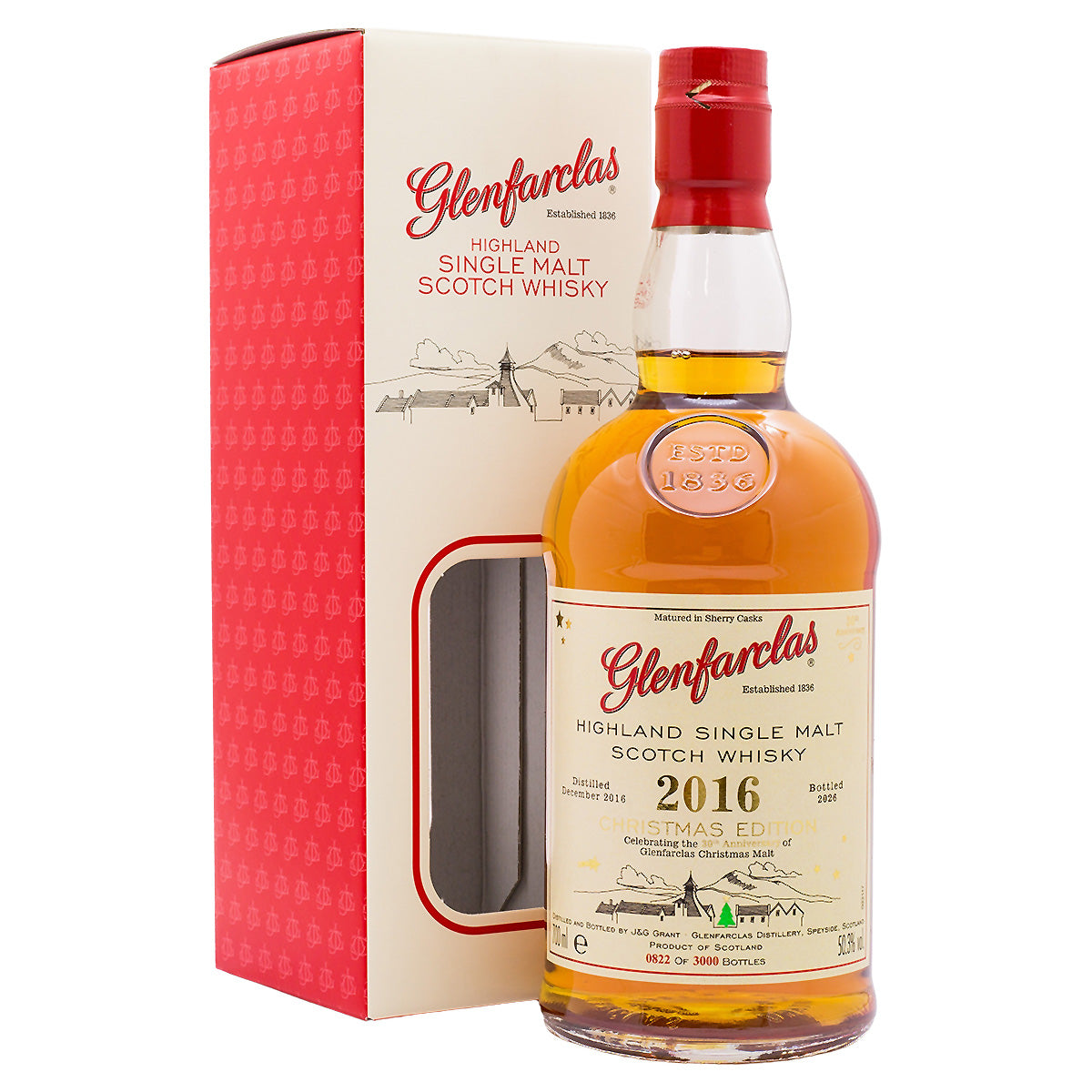
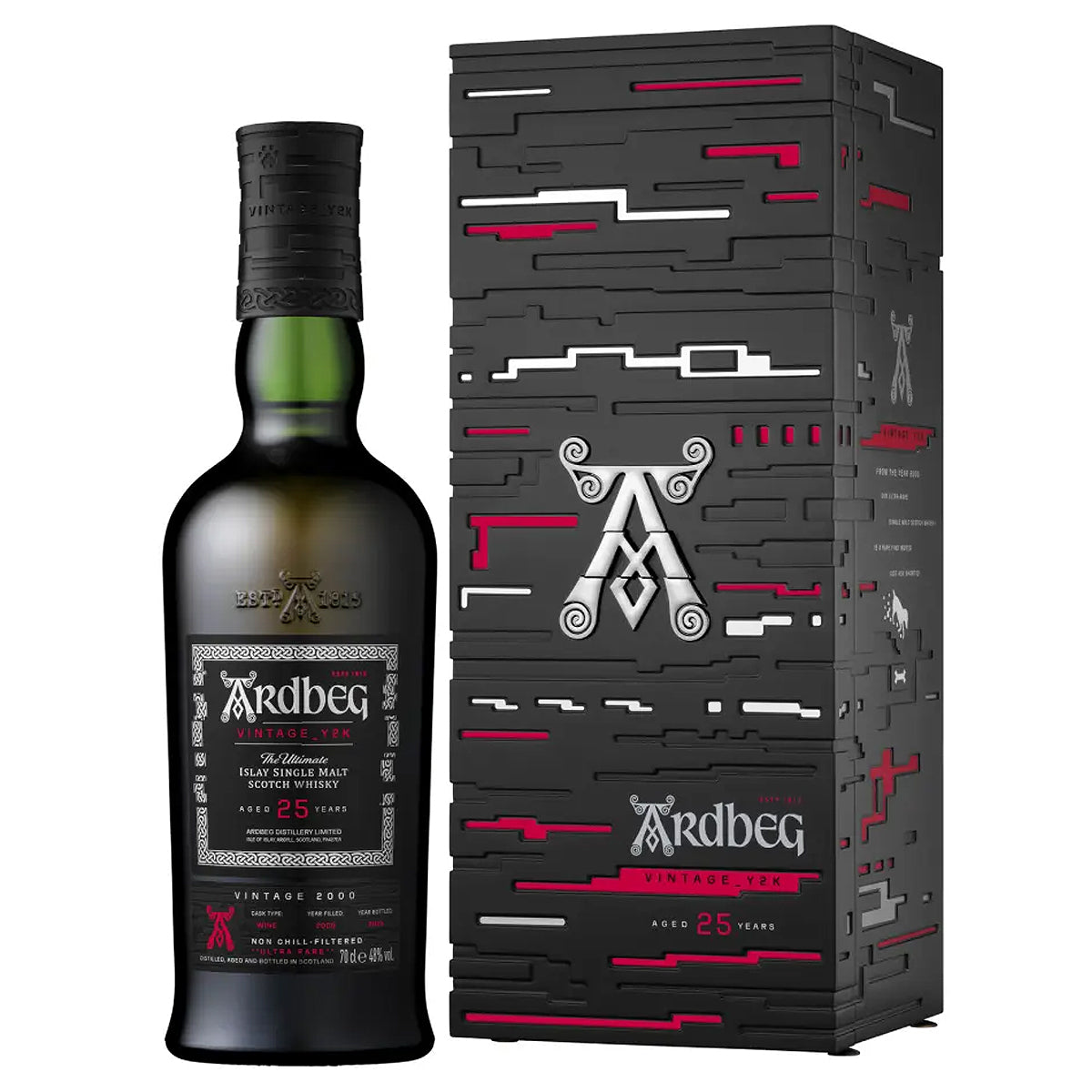
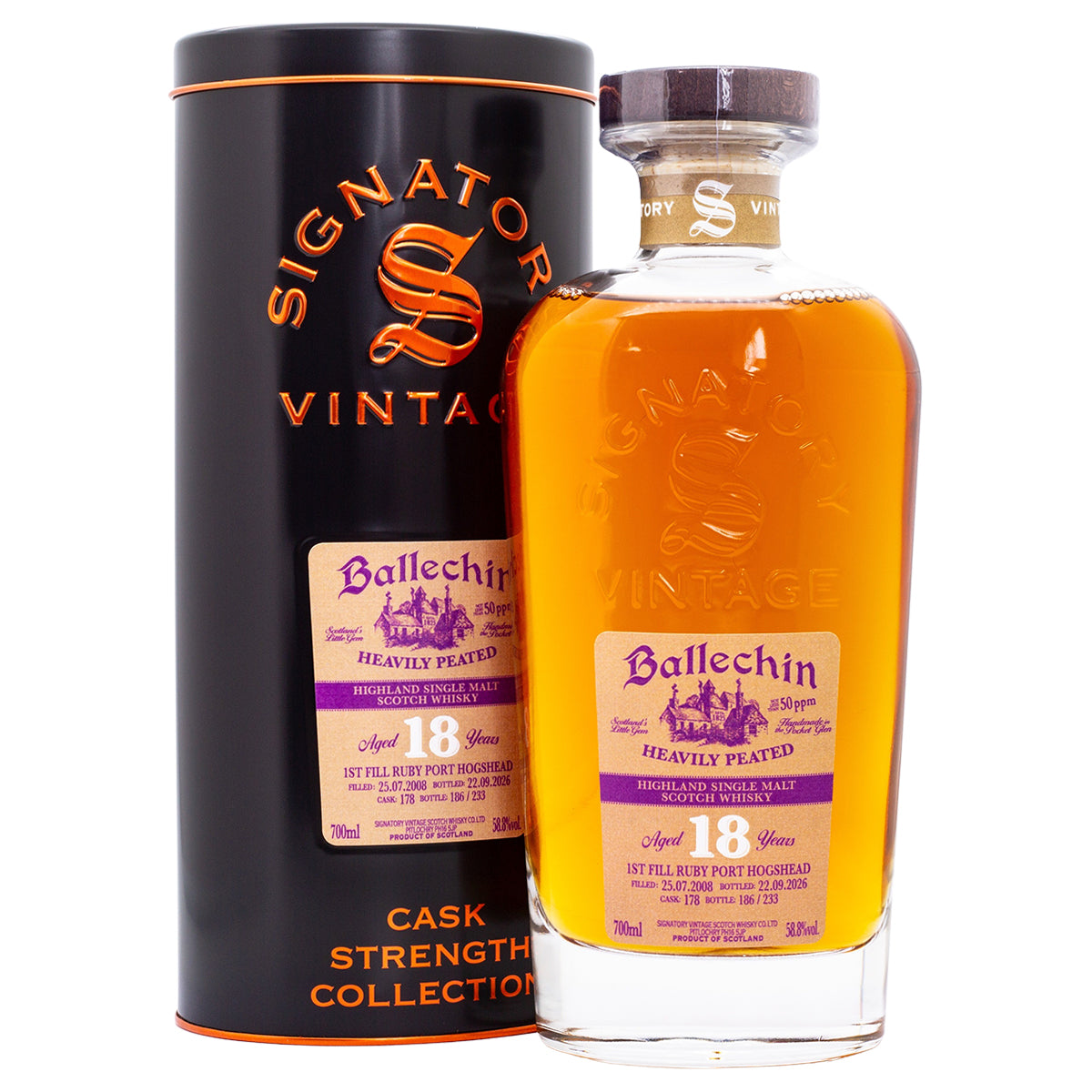
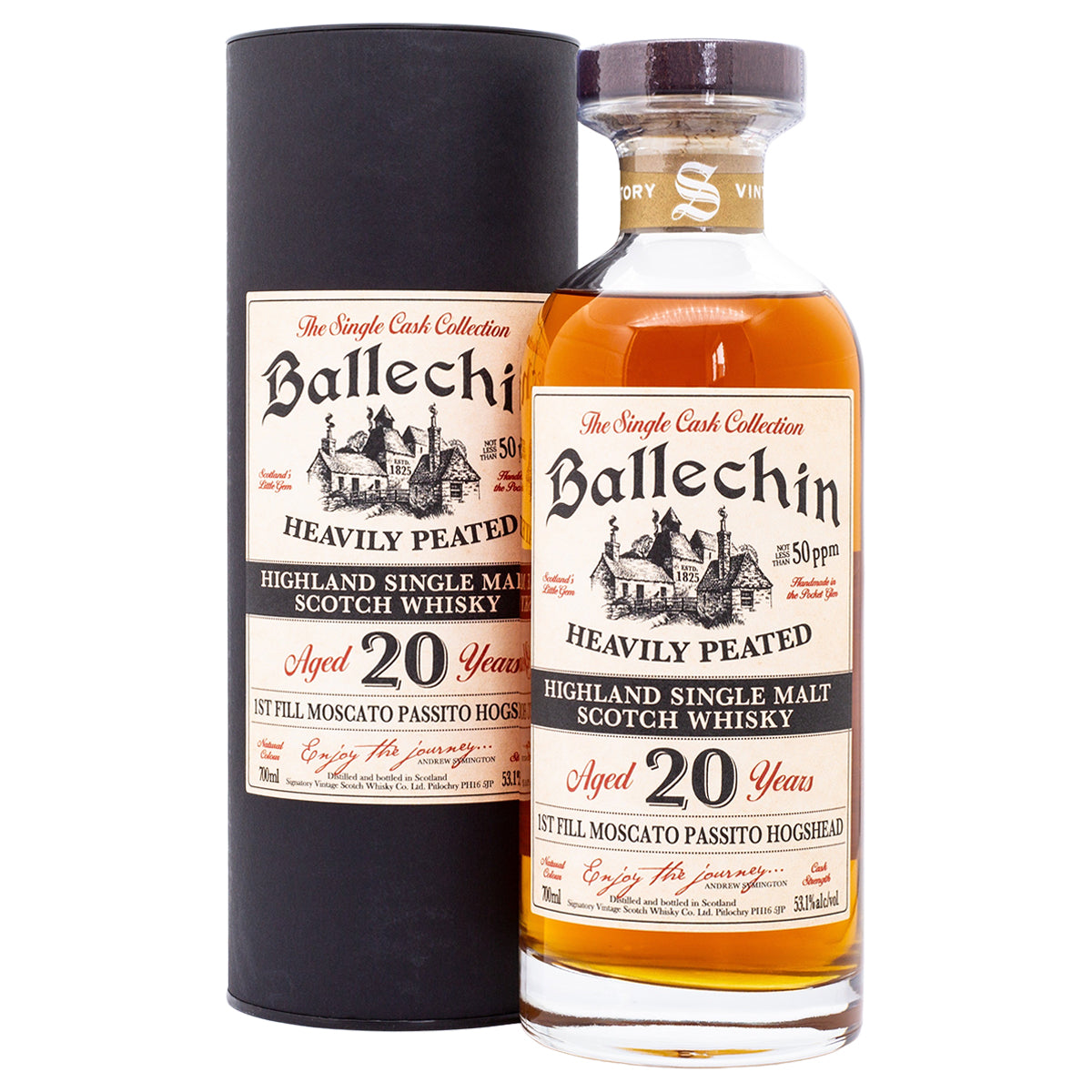
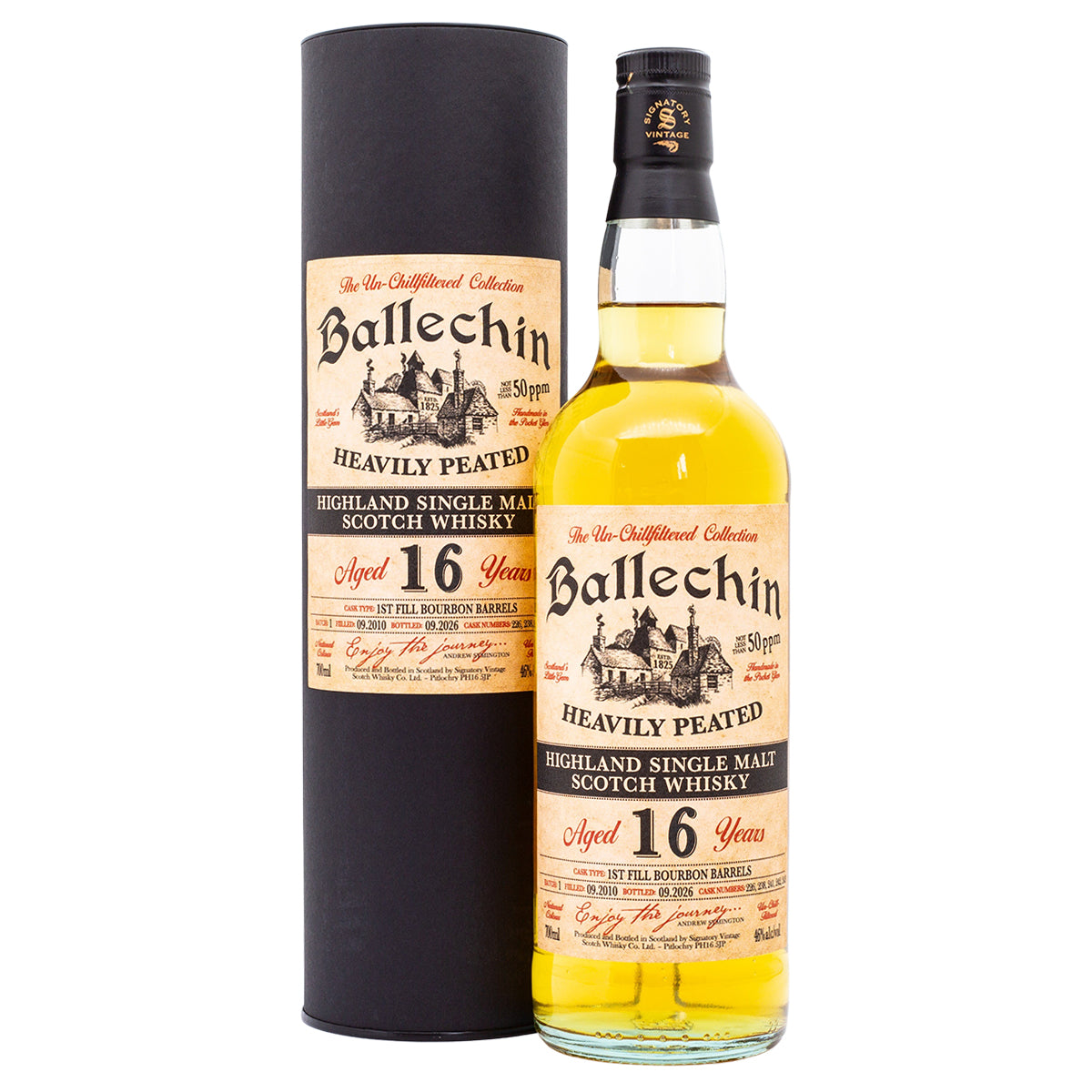
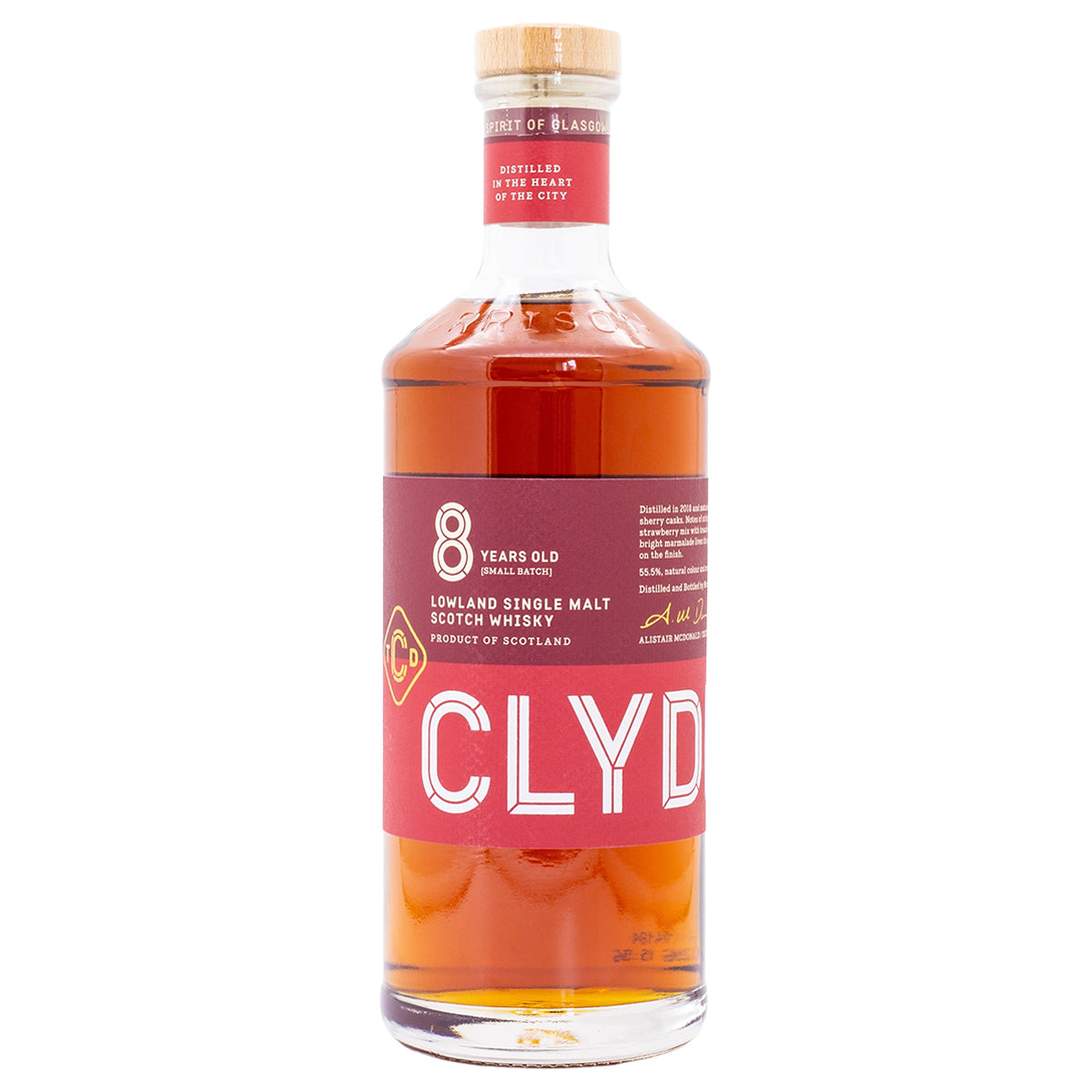
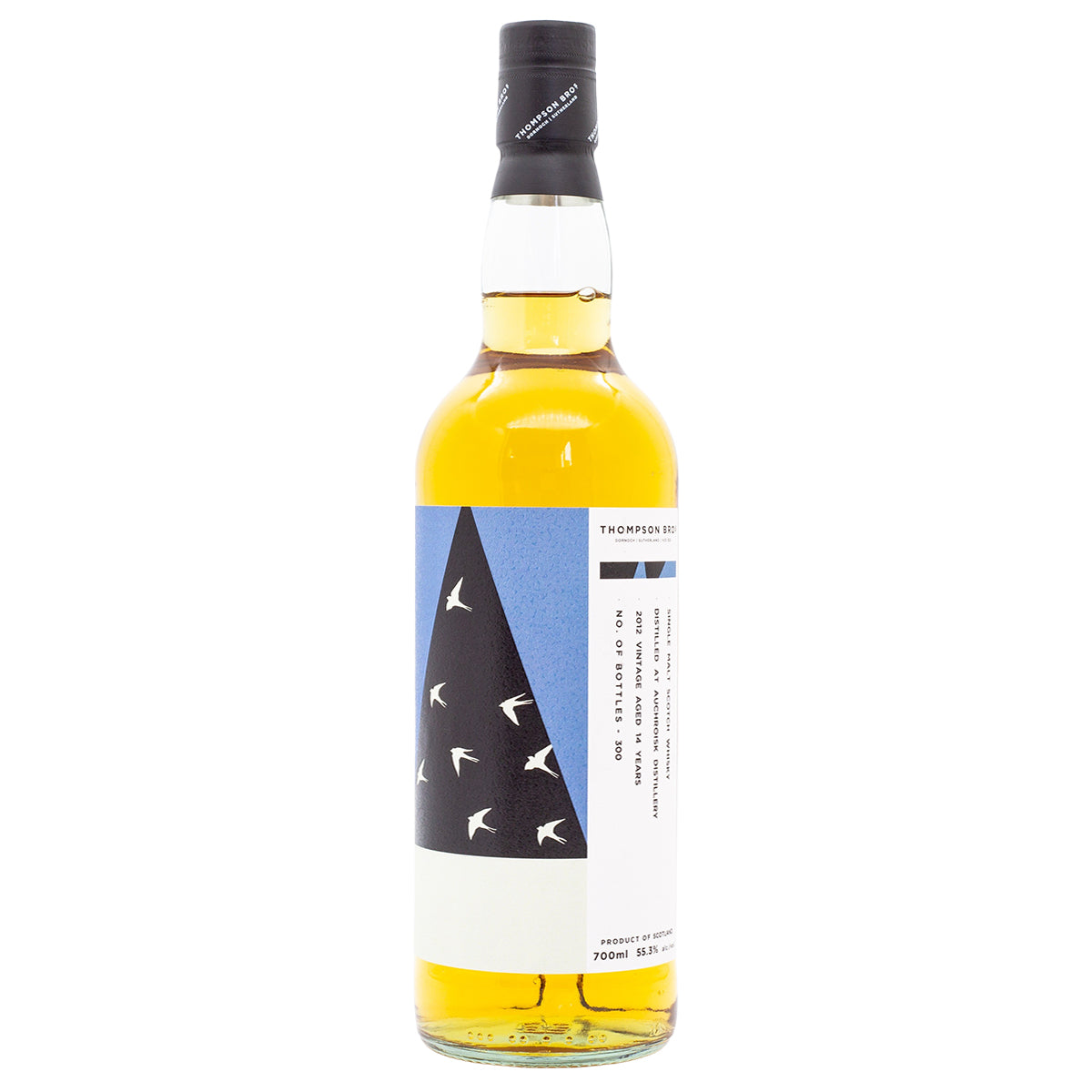

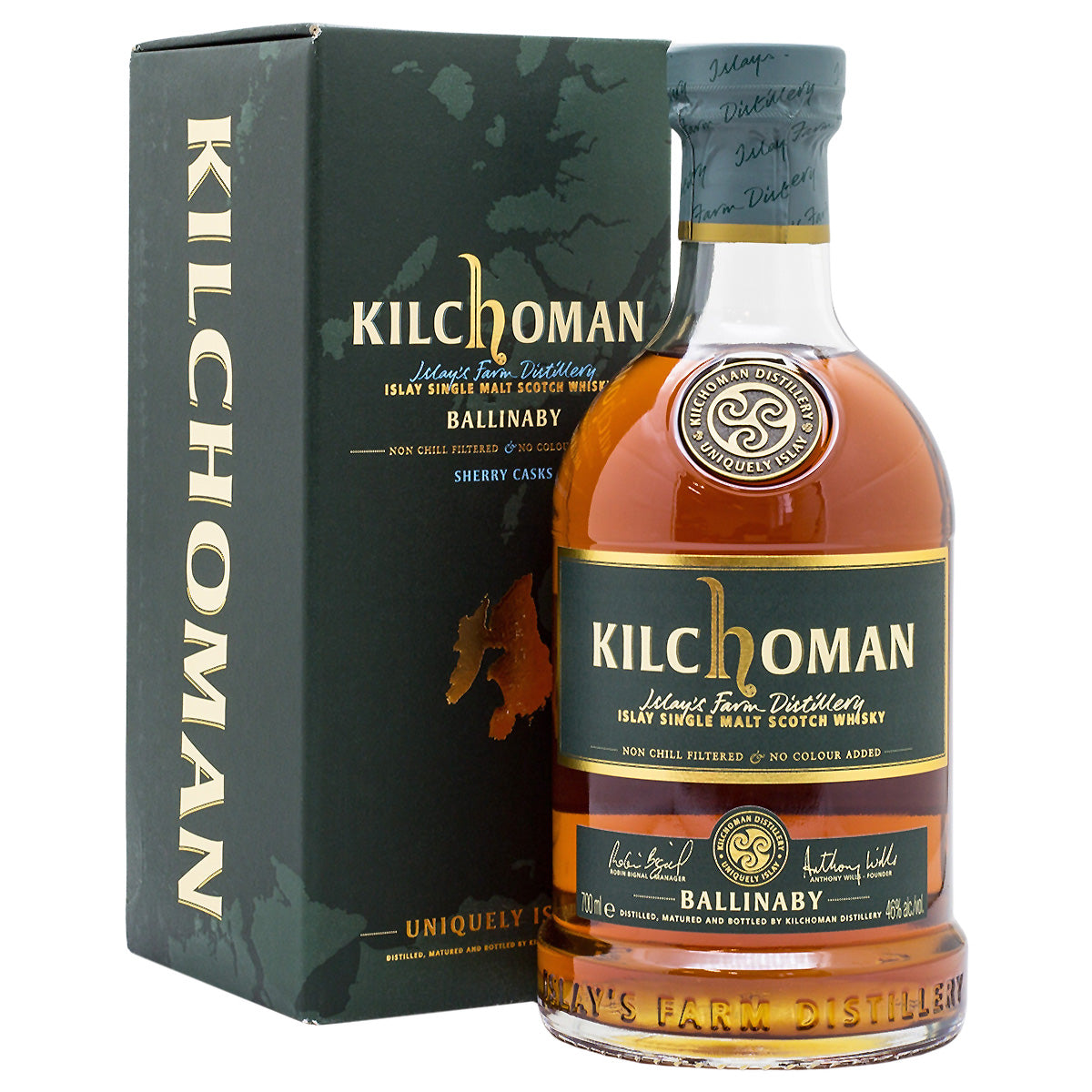
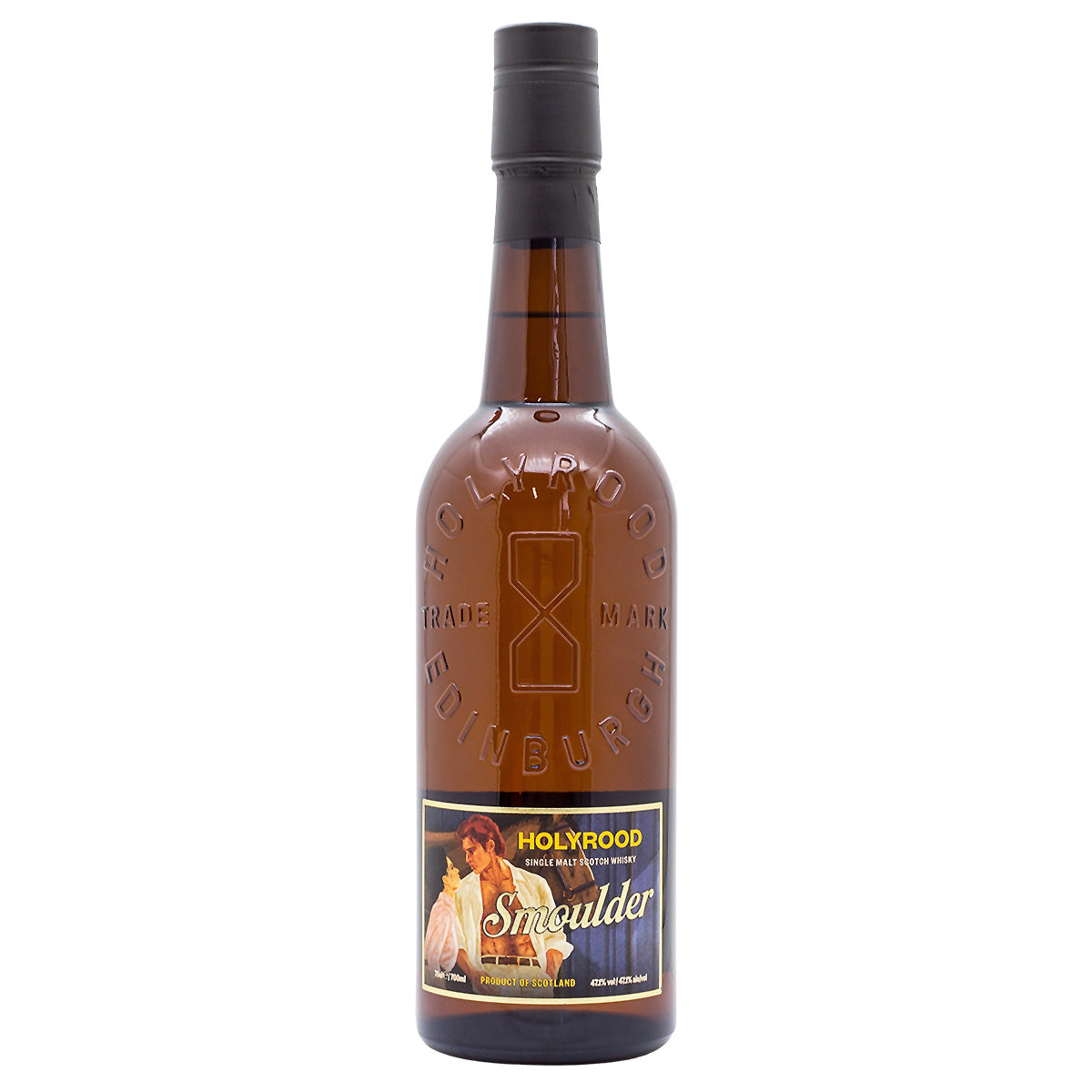
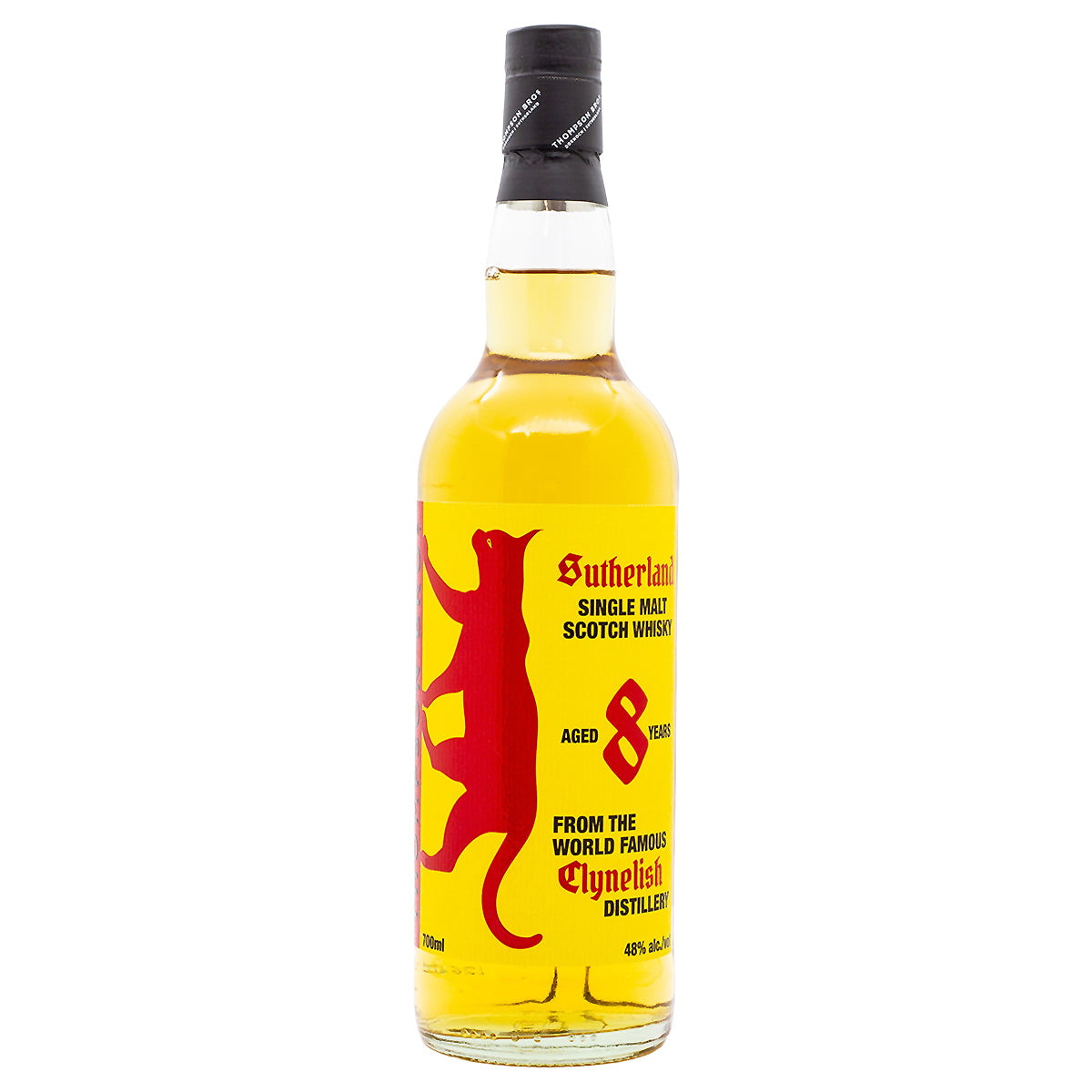
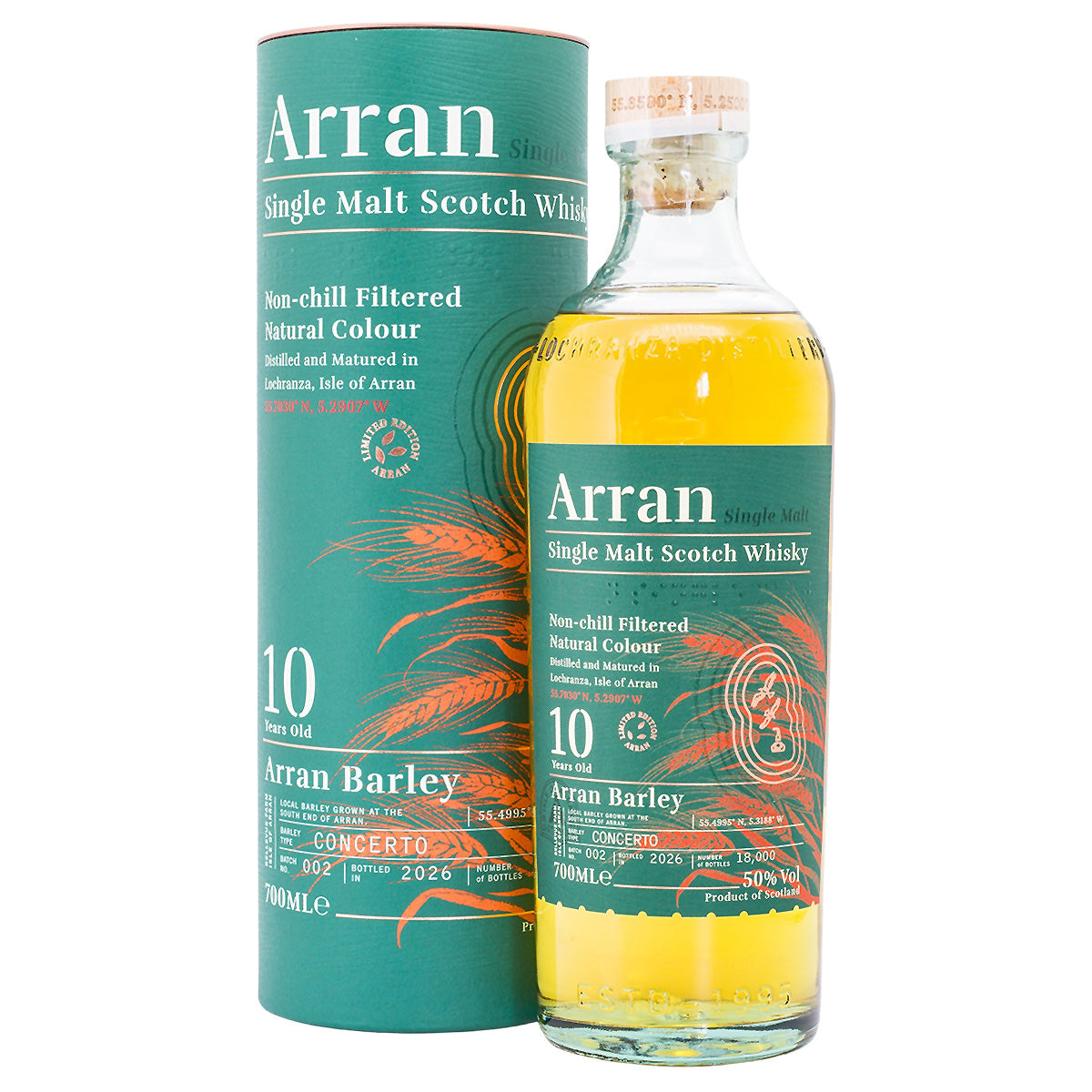
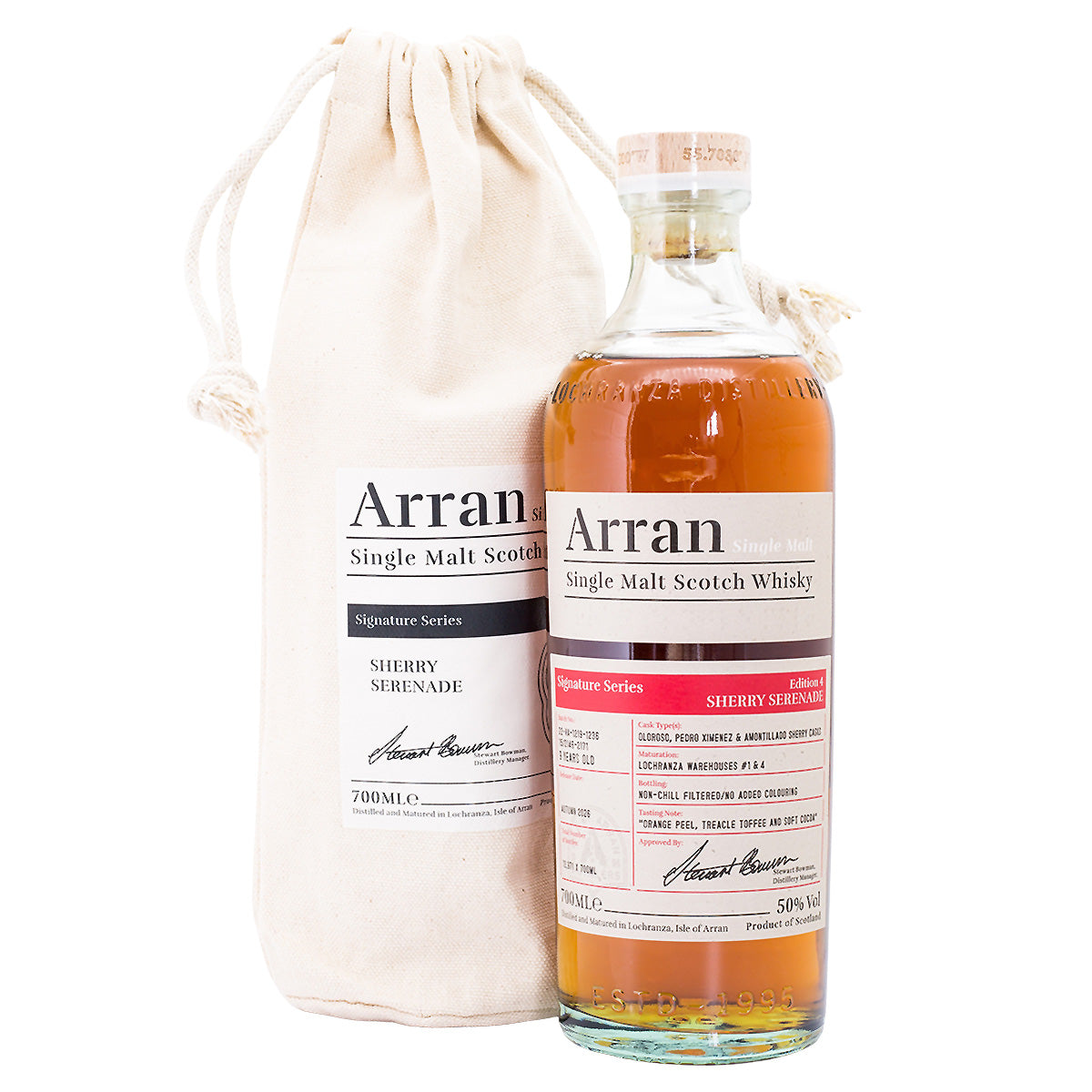
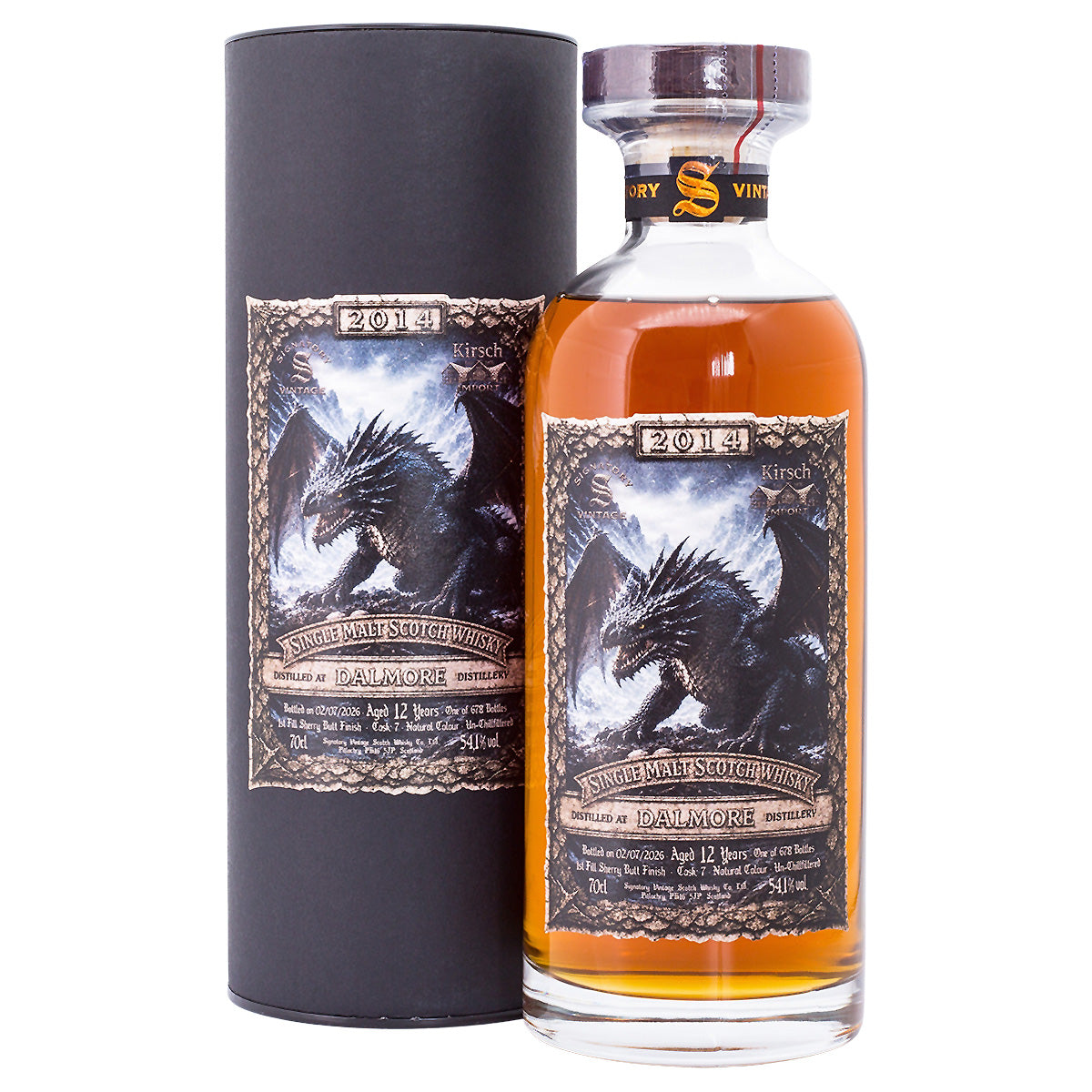
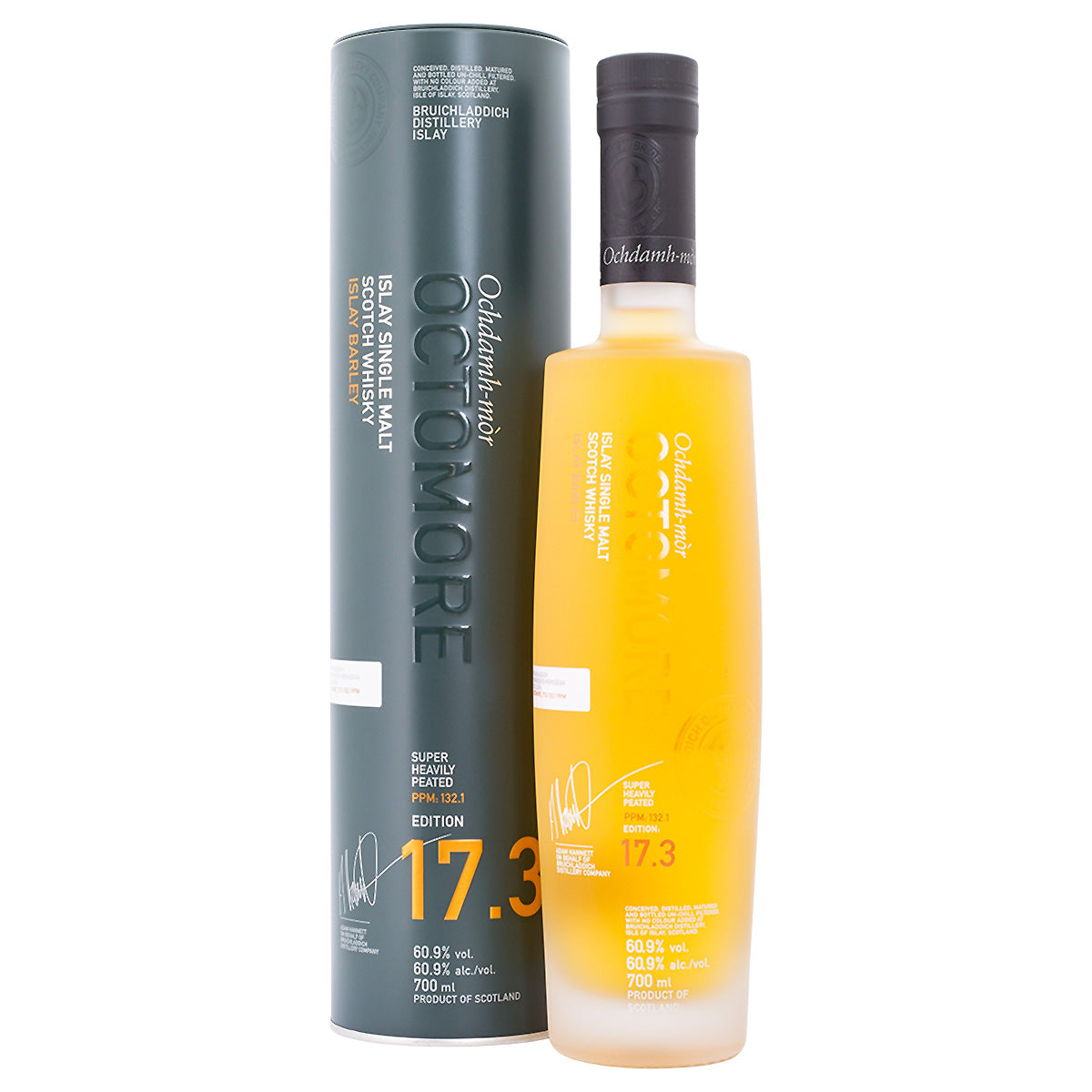
Single Malt Whisky comes from a single distillery
For Single Malt Whisky, only barley malt is used as the grain. The entire distillation takes place at a single distillery. The word Single therefore refers to the distillery, not a single cask, bottling batch, or vintage. A regular Single Malt can combine numerous casks and several distillation years from the same distillery.
This combination does not contradict the designation. It allows the distillery to compose a desired profile across various casks. Only additions such as Single Cask, a cask number, or an explicitly described batch specify the exact bottling form.
Single Malt is not limited to Scotland
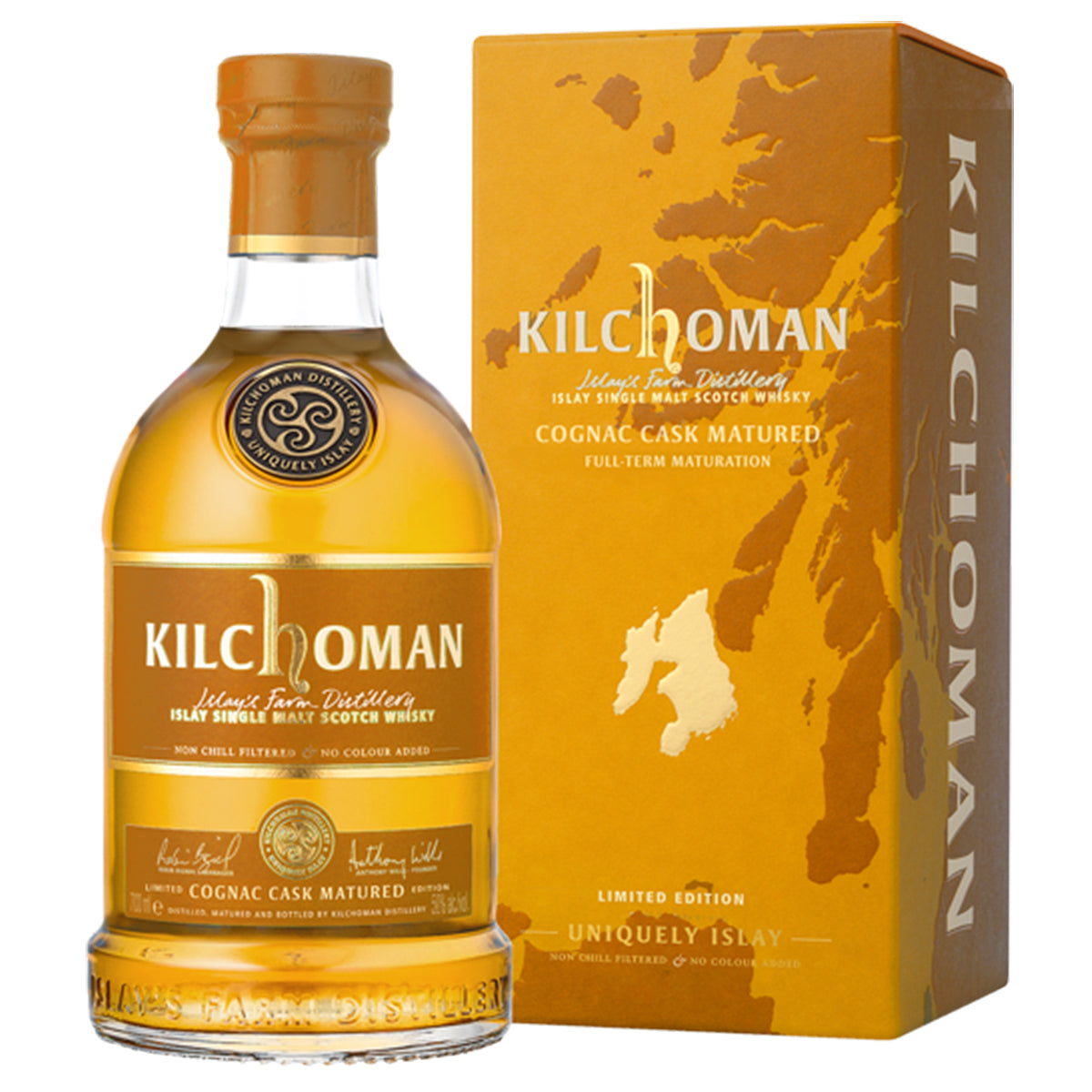
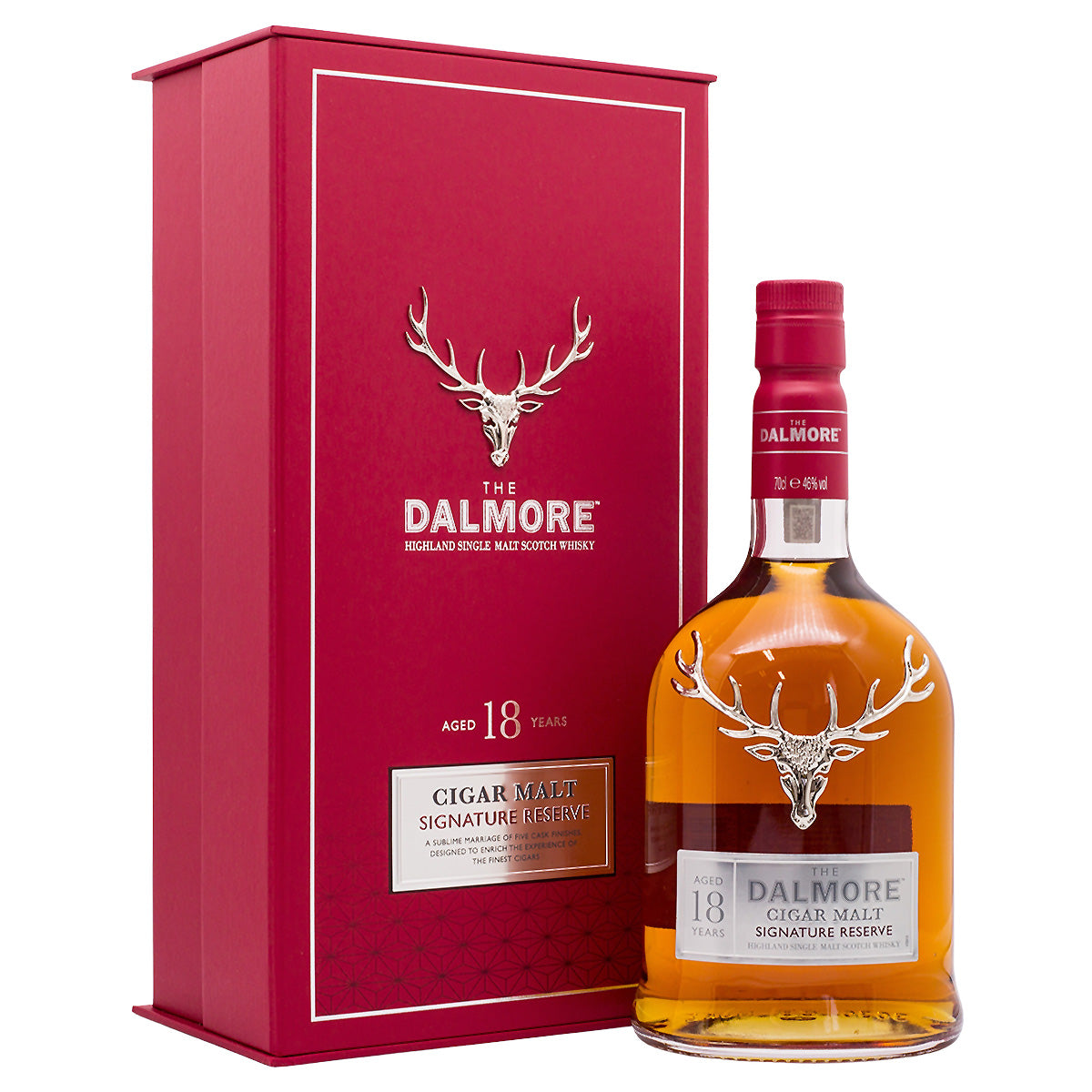
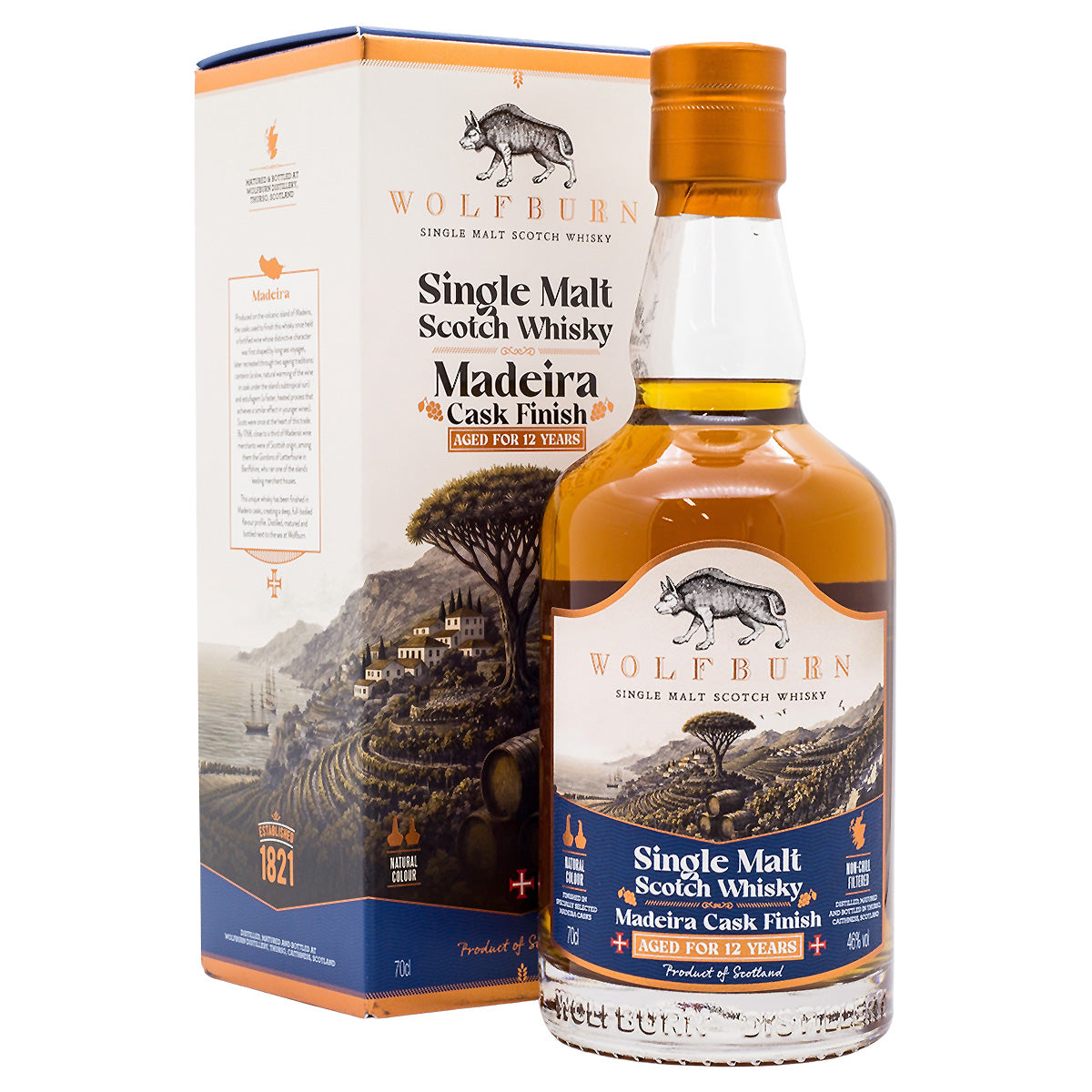
The full geographical designation is provided by the supplementary rules. Single Malt Scotch Whisky is distilled in batches in pot stills at a Scottish distillery and matured in Scotland for at least three years. Glenfiddich is a well-known example: The brand includes many Single Malt bottlings from the same distillery, not just individual casks.
American Single Malt Whisky has followed its own US definition since 2025. Pure barley malt and distillation at a single American distillery site are required; this basic US category does not have a general minimum age. Westland stands for American Single Malt. Amrut in turn shows as an Indian Single Malt that the designation is also used outside Europe and North America.
For whisky sold in the European Union, the European marketing rules also apply. This includes a maturation period of at least three years. There is, however, no general worldwide rule stating that every Single Malt must be produced in pot stills or according to the Scottish method.
Single Cask, vintage, and Blended Malt
The designation Single Cask limits the contents to a single cask. Such a whisky can also be Single Malt, but the single-cask bottling must be clearly identifiable. A vintage usually states the year of distillation and can include several casks from that year. Batch refers to a bottling batch, not automatically a legal type of whisky.
Blended Malt combines malt whiskies from several distilleries. In Scotch, this category contains no grain whisky. The difference from Single Malt is therefore the number of distilleries and not a fixed quality level.
If you want to buy Single Malt, first read the full geographical designation. Then the cask number, batch, vintage, and age show how the specific bottling is composed. Smoke, cask finish, and alcohol strength are other product characteristics, but not part of the general Single Malt definition.
Frequently Asked Questions about Single Malt Whisky
What does Single Malt Whisky mean?
The whisky consists exclusively of malted barley and was distilled at a distillery. Further rules are derived from the country of origin and the sales market.
What is the difference between Single Malt and Single Cask?
Single Malt refers to a distillery. Single Cask refers to the contents of a single cask. A bottling can have both characteristics at the same time.
Does Single Malt Whisky always come from Scotland?
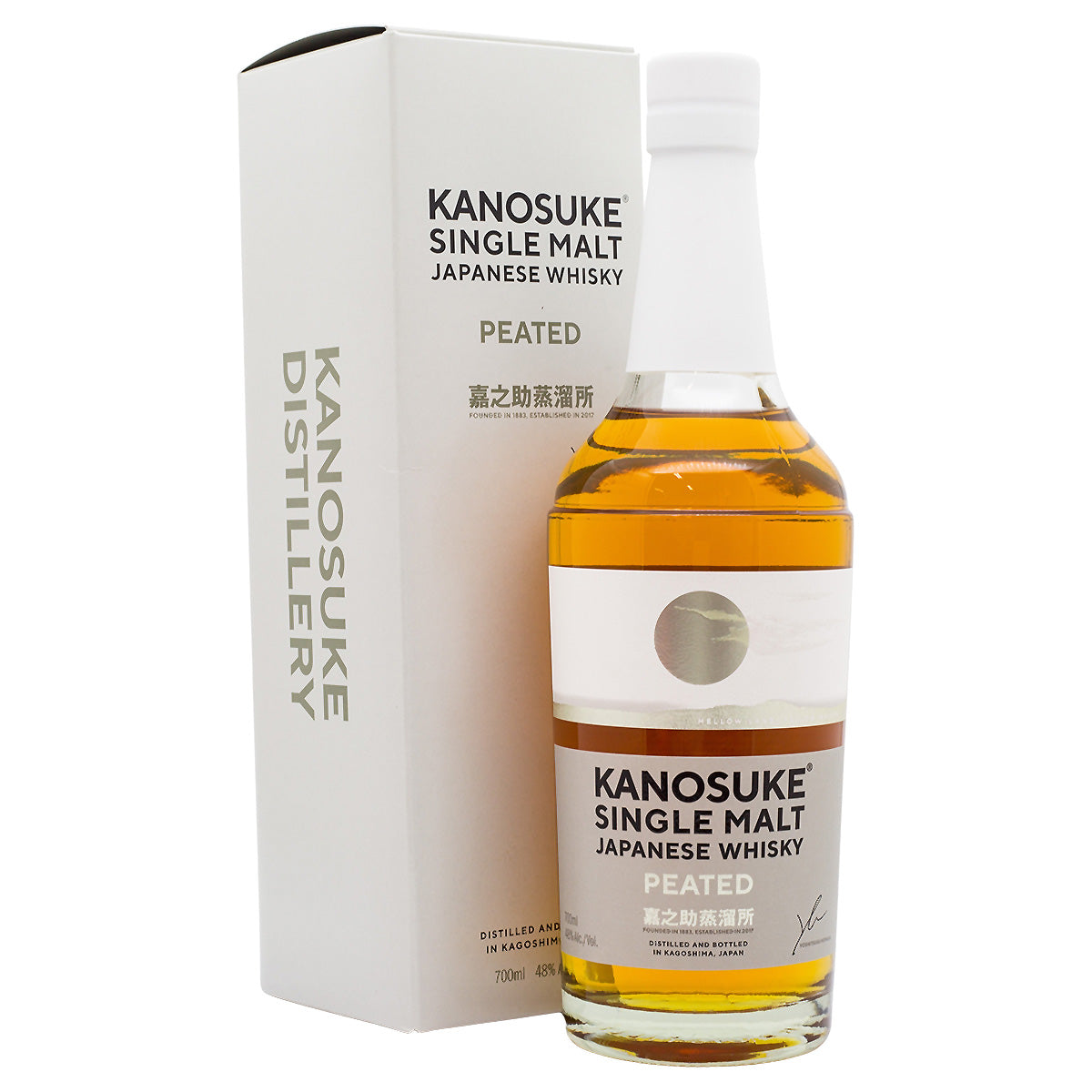
No. Only Single Malt Scotch Whisky is Scottish. The USA, Ireland, India, Germany, Japan and other countries also produce Single Malt according to their respective rules.
What distinguishes Single Malt from Blended Malt?
Single Malt comes from a single distillery. Blended Malt combines malt whiskies from several distilleries. In Scotch, it contains no grain whisky.
Is Single Malt always at least three years old?
For whisky on the EU market and for Scotch, a minimum maturation period of three years applies. US law, on the other hand, does not prescribe a general minimum duration for the basic category of American Single Malt.