



Swiss Whisky: The recipe stands before the Alpine image
Swiss whisky includes single malt made from barley malt, rye made from rye, and corn-based recipes. A common Alpine style cannot be derived from this. For whisky from Switzerland, the grain specification and the name of the producer provide more reliable information than references to mountains, spring water, or altitude.
The Swiss definition requires a fermented grain mash and distillation at less than 94.8 percent alcohol. Maturation in a cask lasts at least three years; the wooden cask may hold no more than 700 liters. The whisky is bottled at at least 40 percent alcohol. Swiss grain, mountain water, or a specific type of cask are not therefore required.
Langatun clearly distinguishes between rye and corn whisky
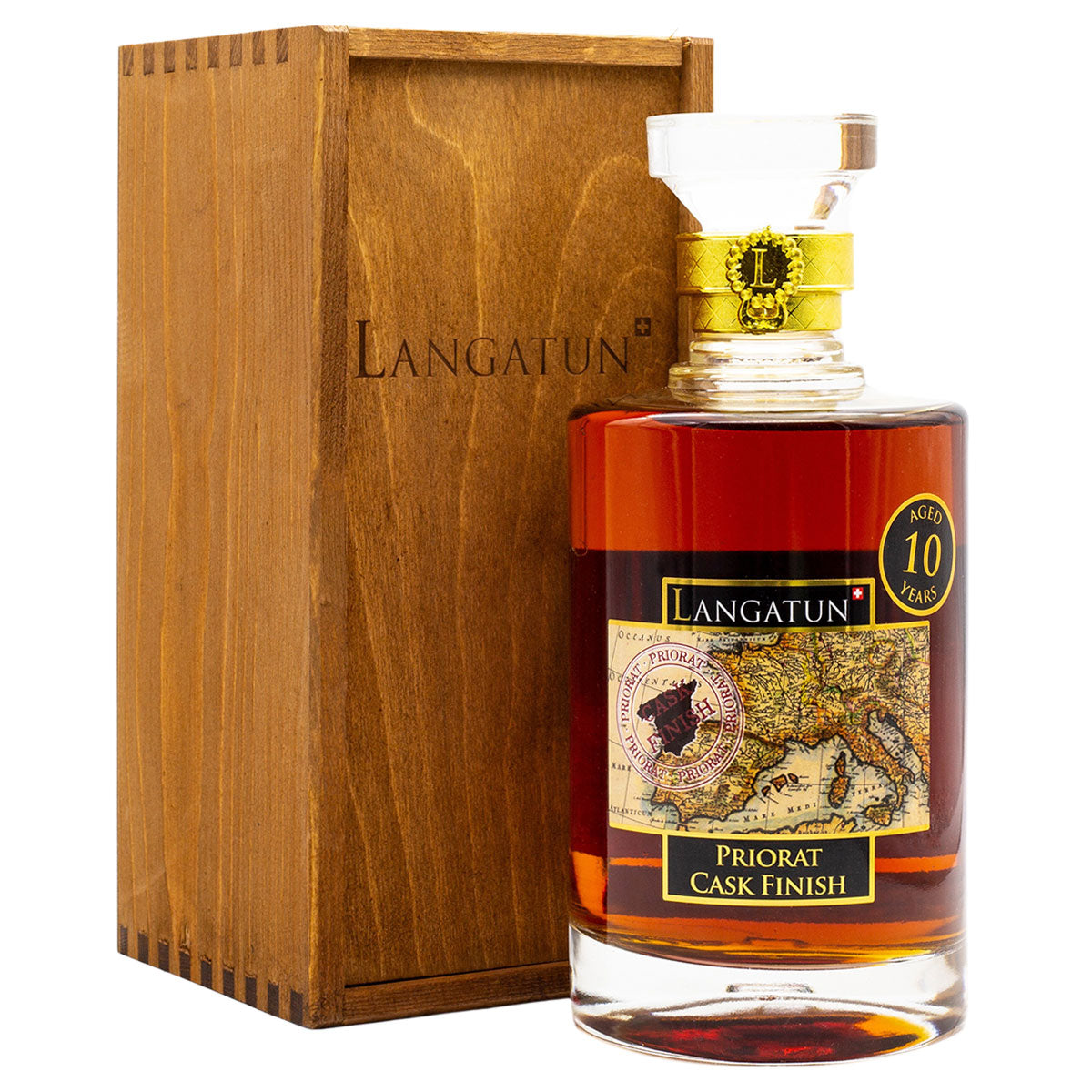
Langatun in Aarwangen offers, in addition to malt whisky, a rye made from a recipe composed entirely of rye. The 100 percent rye is a specific producer specification and not a Swiss minimum quota. The US rule, according to which rye whiskey must contain at least 51 percent rye, does not define Swiss rye.
With Bernbon, Langatun also offers a corn whisky made from 70 percent corn and 30 percent barley or barley malt. The name alludes to the canton of Bern and bourbon, but does not make the product a bourbon. The binding bourbon rules include production in the USA. On a Swiss bottle, Bernbon therefore describes a brand and recipe, not a US whiskey category.
Säntis Malt combines distillery and brewery
Säntis Malt comes from the Locher brewery in the Appenzell region. The brewery roots become visible in individual bottlings through beer casks. The current Alpfahrt series, for example, includes a variant designated as Beer Cask. This cask selection belongs to the producer and the specific bottling. It is not a general rule for Swiss whisky and promises no fixed aroma.
The name Säntis Malt alone also does not indicate that every bottle follows the same cask path. For selection purposes, the exact specification on the respective product page remains decisive.
Johnett shows a different production model
Behind Johnett is the Zuger Distillerie Etter. The malt mash is produced in collaboration with the Baar brewery, after which Etter distills it in-house. For the described Swiss Single Malt, the producer uses Pinot Noir casks. This distinguishes the model from Säntis Malt, although a brewery plays a role in both.
These relationships are practical when purchasing: Langatun leads to specific grain recipes, Säntis Malt to the Locher brewery and its cask ideas, Johnett to Etter and a regional brewery partnership. None of these decisions defines the entire Swiss whisky.
Frequently asked questions about Swiss whisky
What is Swiss whisky made from?
The basis is a fermented grain mash. Depending on the producer, it can consist of barley malt, rye, corn, or a combination of different grains.
Does the American 51 percent limit apply to Swiss rye?
No. The 51 percent limit belongs to the US rulebook. For Swiss rye, the recipe stated by the manufacturer is decisive.
Is Langatun Bernbon a bourbon whiskey?
No. Bernbon is a Swiss corn whisky and brand name. The protected bourbon category, on the other hand, requires production in the USA.
Is Swiss whisky always matured in beer casks?
No. Beer casks appear in individual products, such as Säntis Malt. Other producers use wine or classic whisky casks, among others.
What distinguishes Säntis Malt and Johnett?
Säntis Malt is produced by the Locher brewery. For Johnett, the Baar brewery supplies the malt mash, while Etter distills it and matures the whisky.