


Rare Whiskies: First Determine the Exact Edition
Rare whiskies can be scarce for a variety of reasons. These include discontinued standard bottlings, bottles from distilleries that no longer produce, small single-cask releases, and special editions that were limited from the outset. There is no generally accepted number of bottles above which a whisky is considered rare.
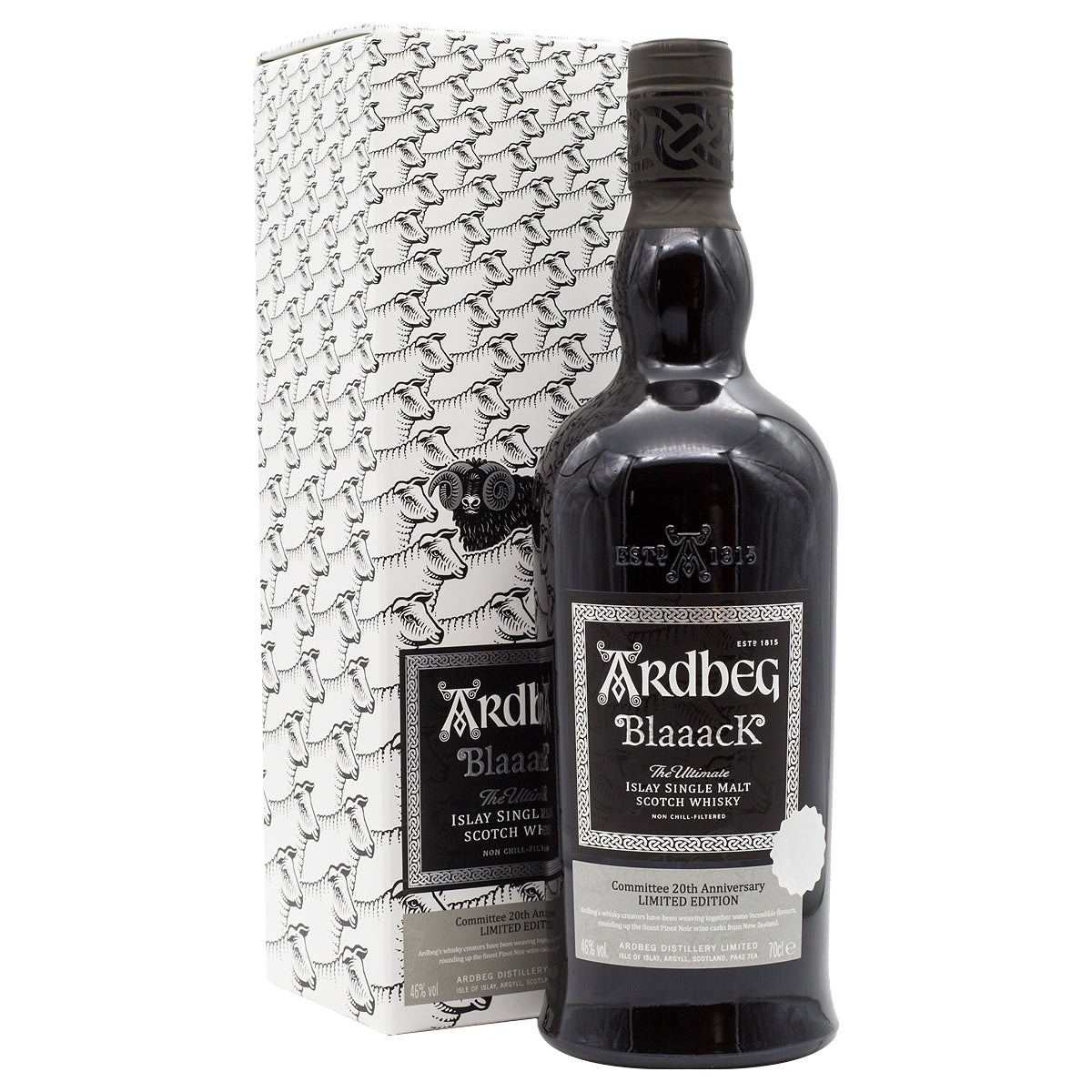
“Limited Edition” initially only confirms that a limited quantity of a particular edition was marketed. An earlier standard bottling can later become difficult to find, even though it was not originally limited. Single Cask means that the contents come from a single cask. Neither single cask nor limited edition is proof in itself of lasting rarity, exceptional quality, or rising prices.
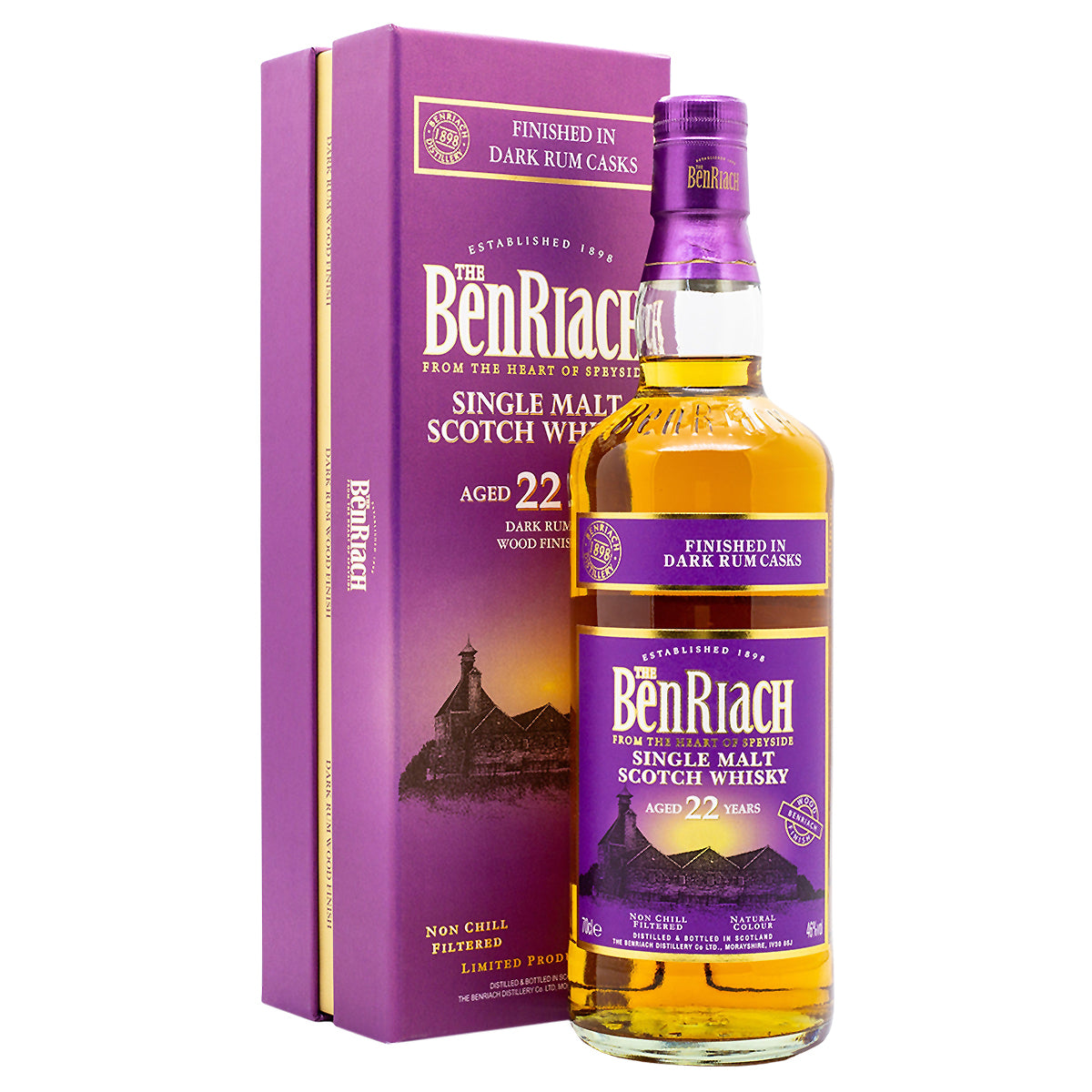
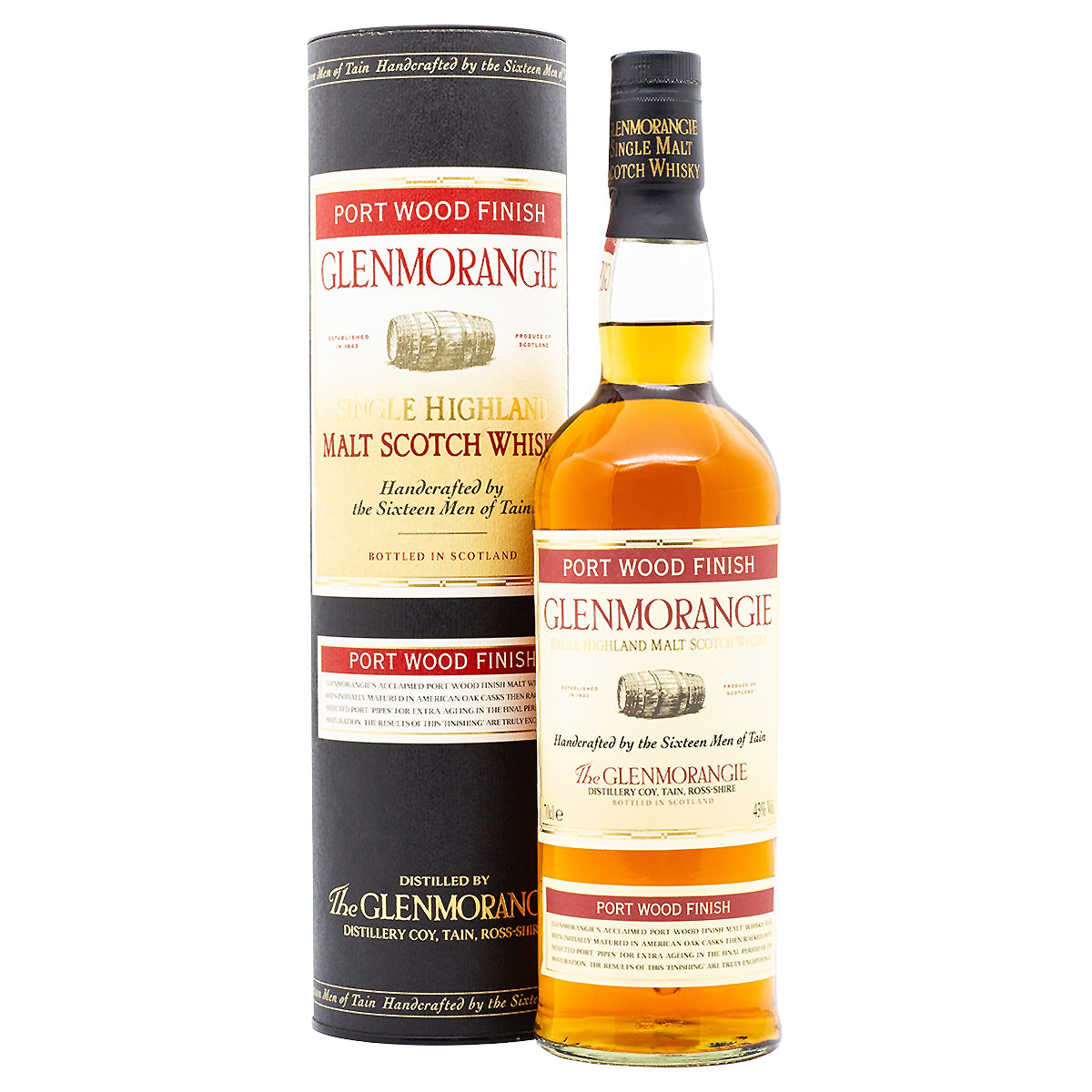
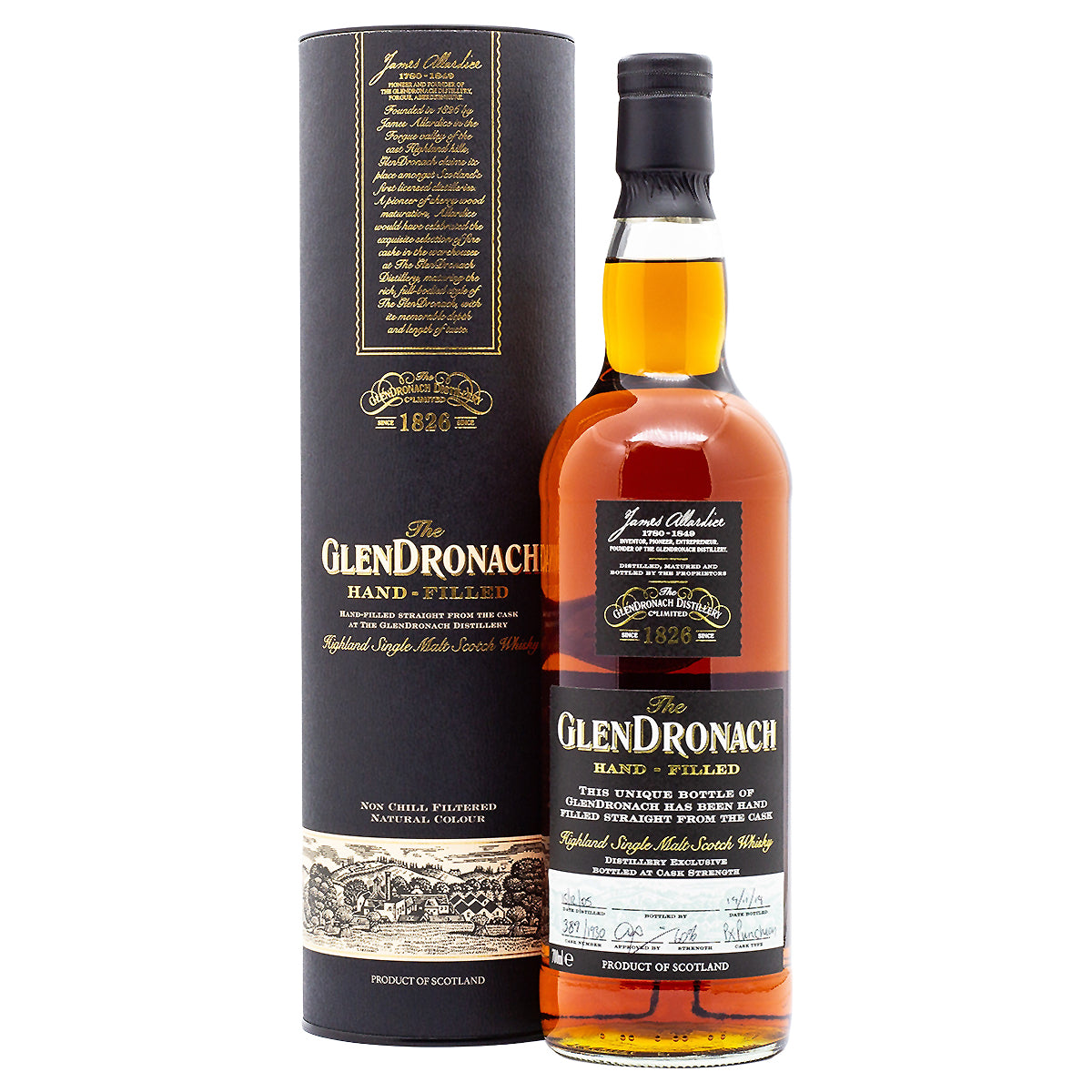
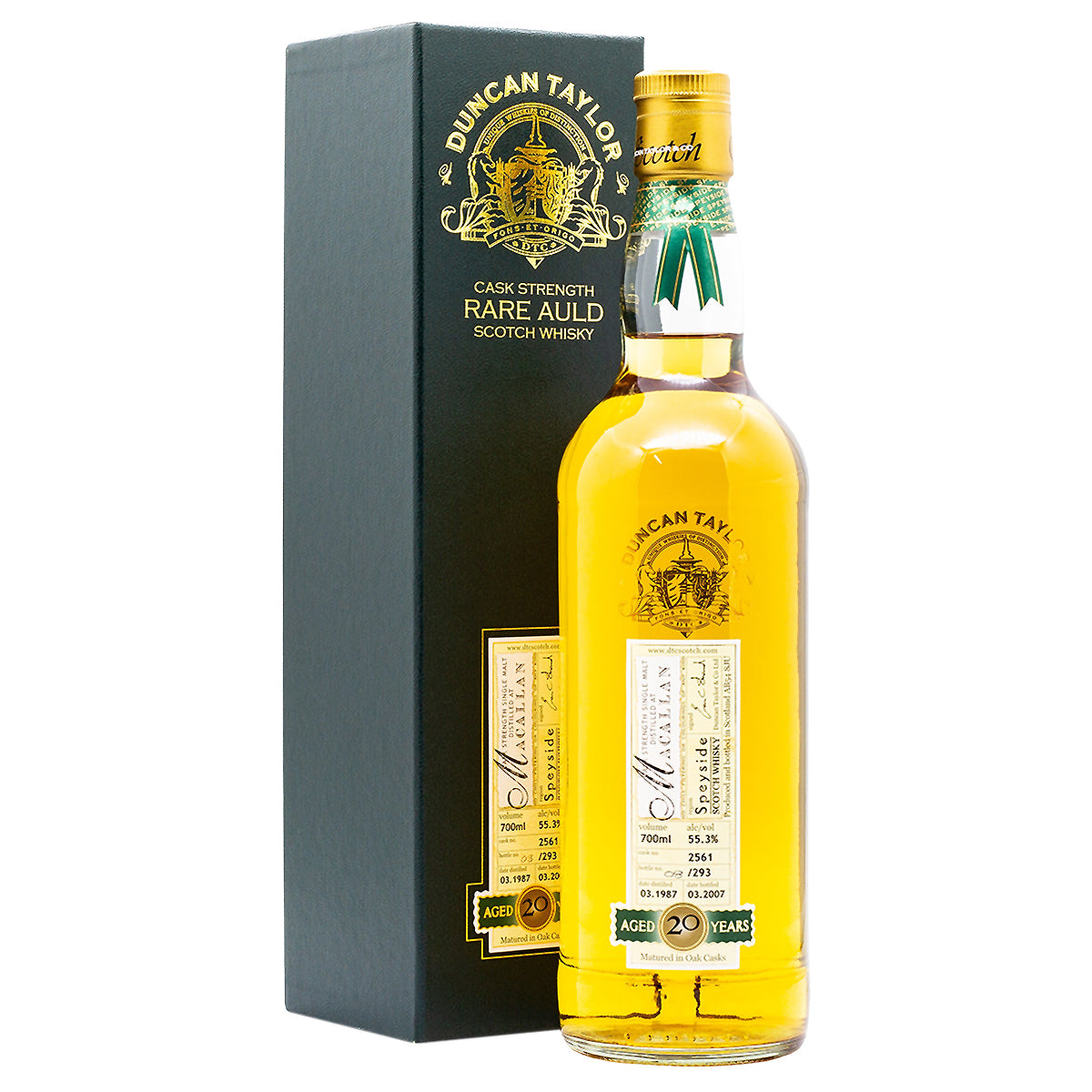
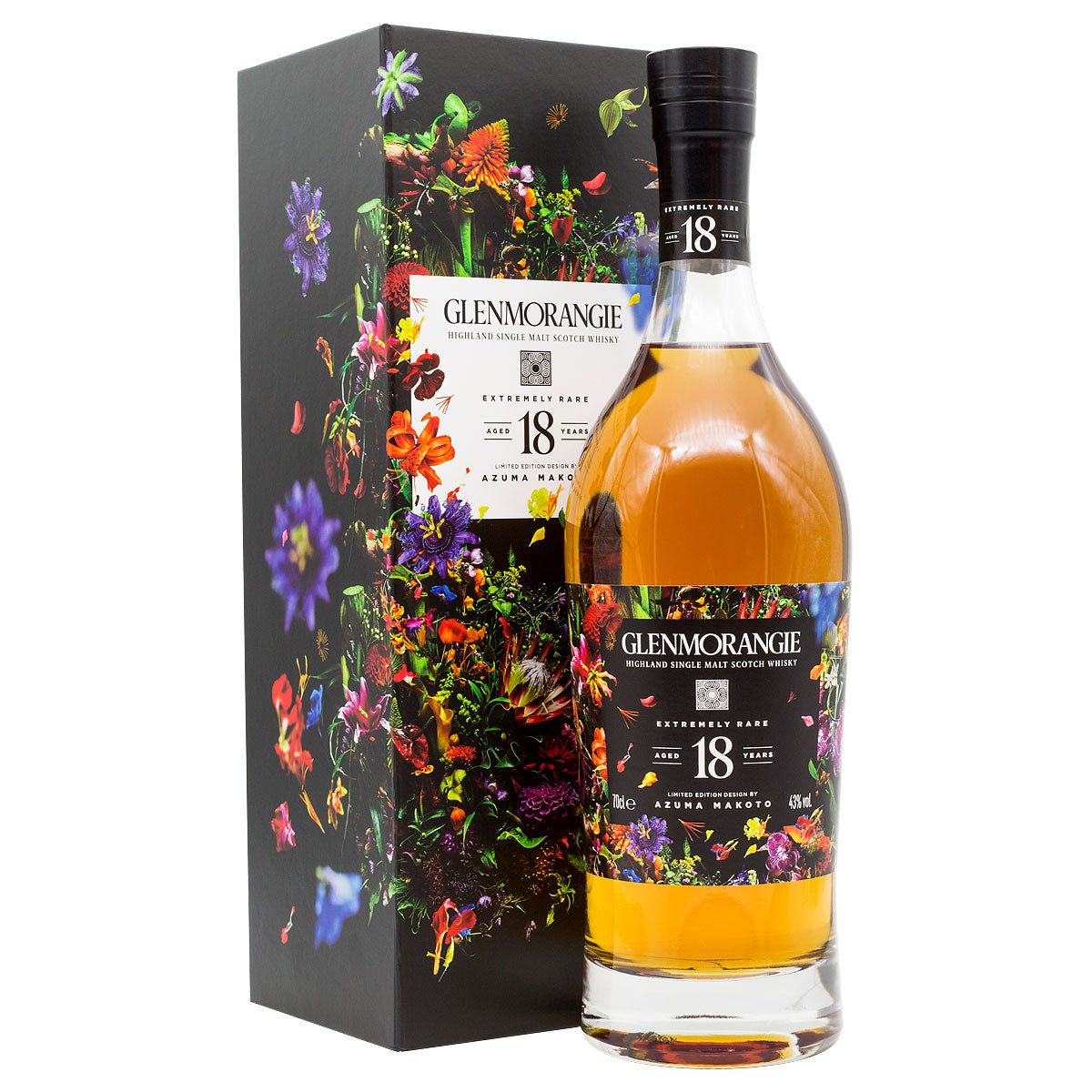
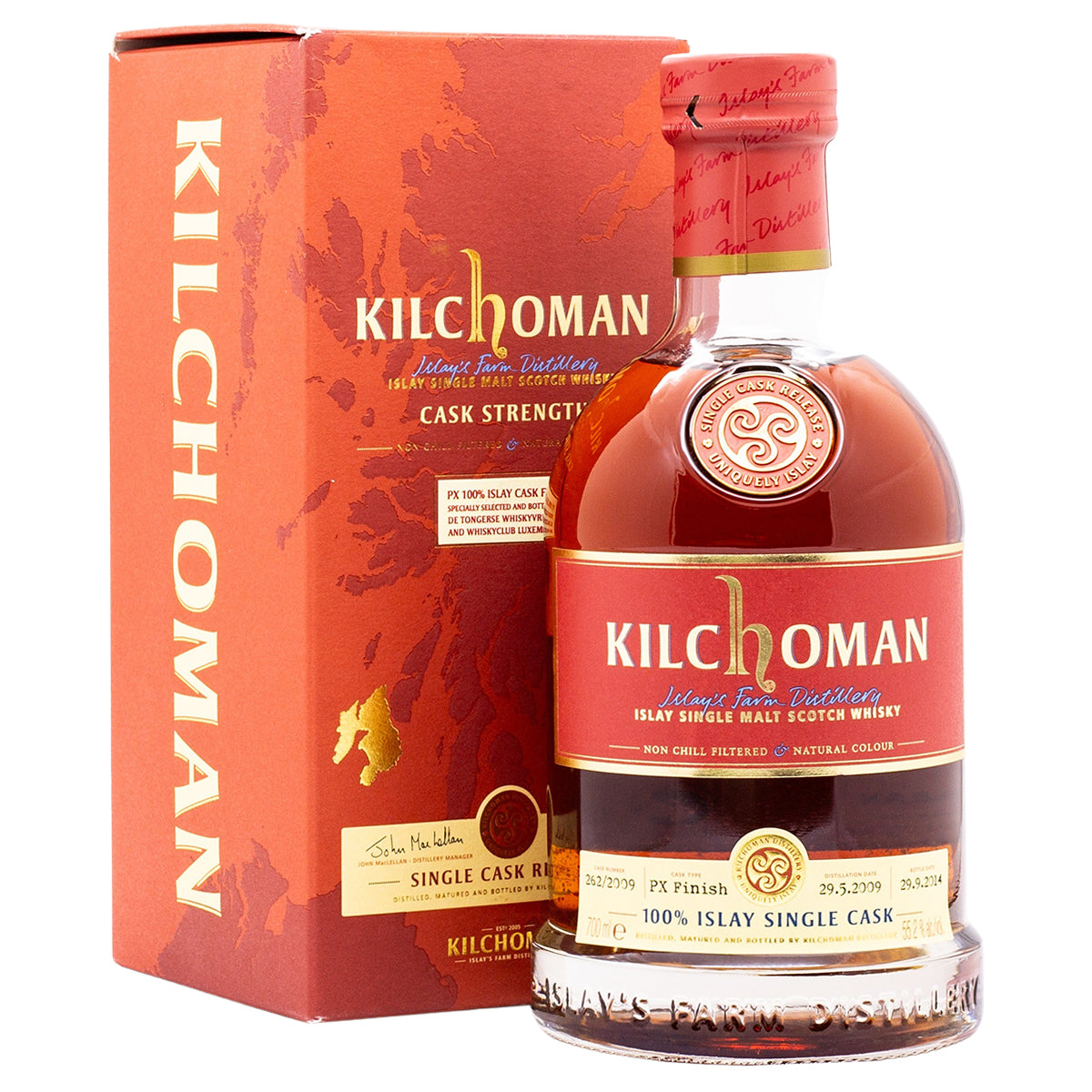
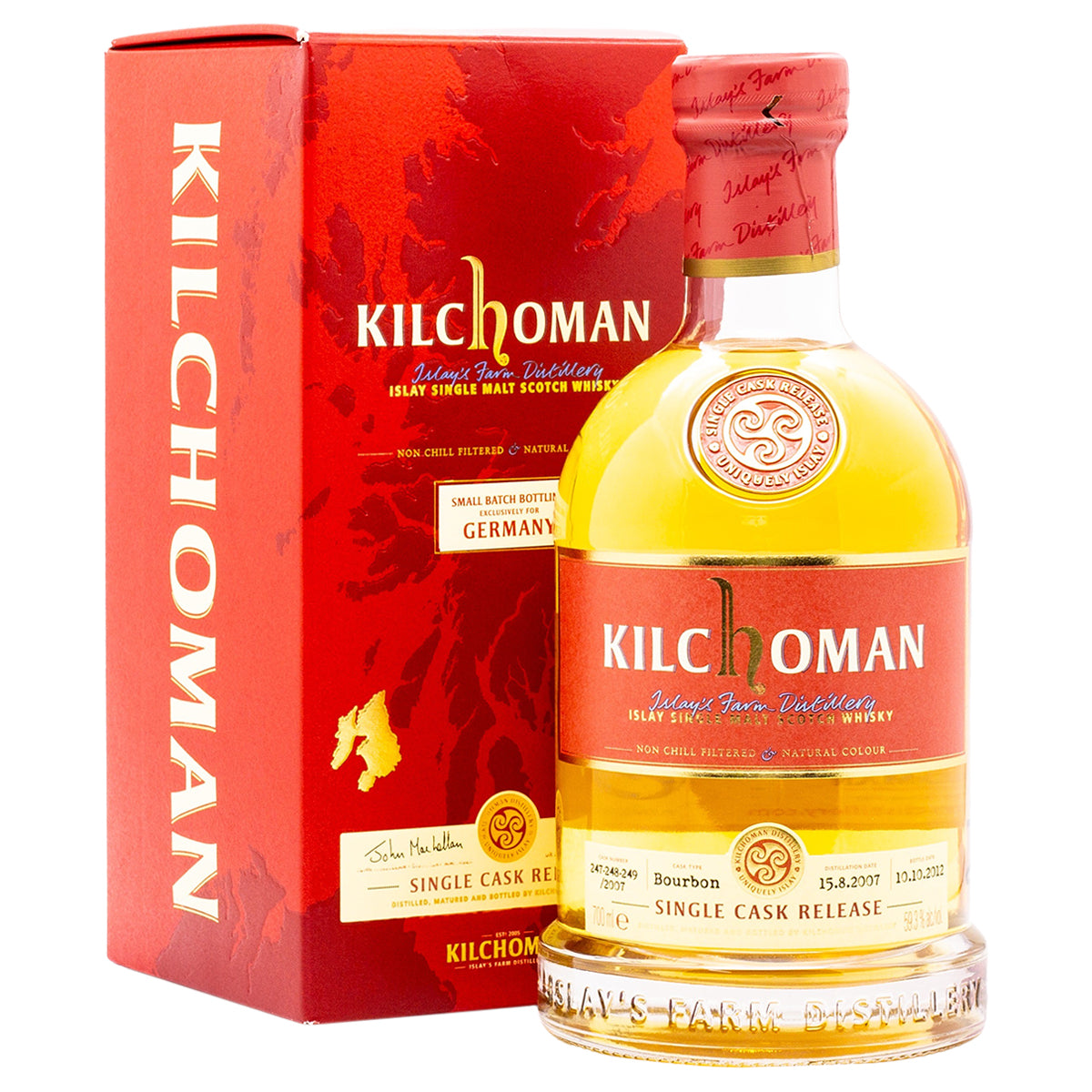
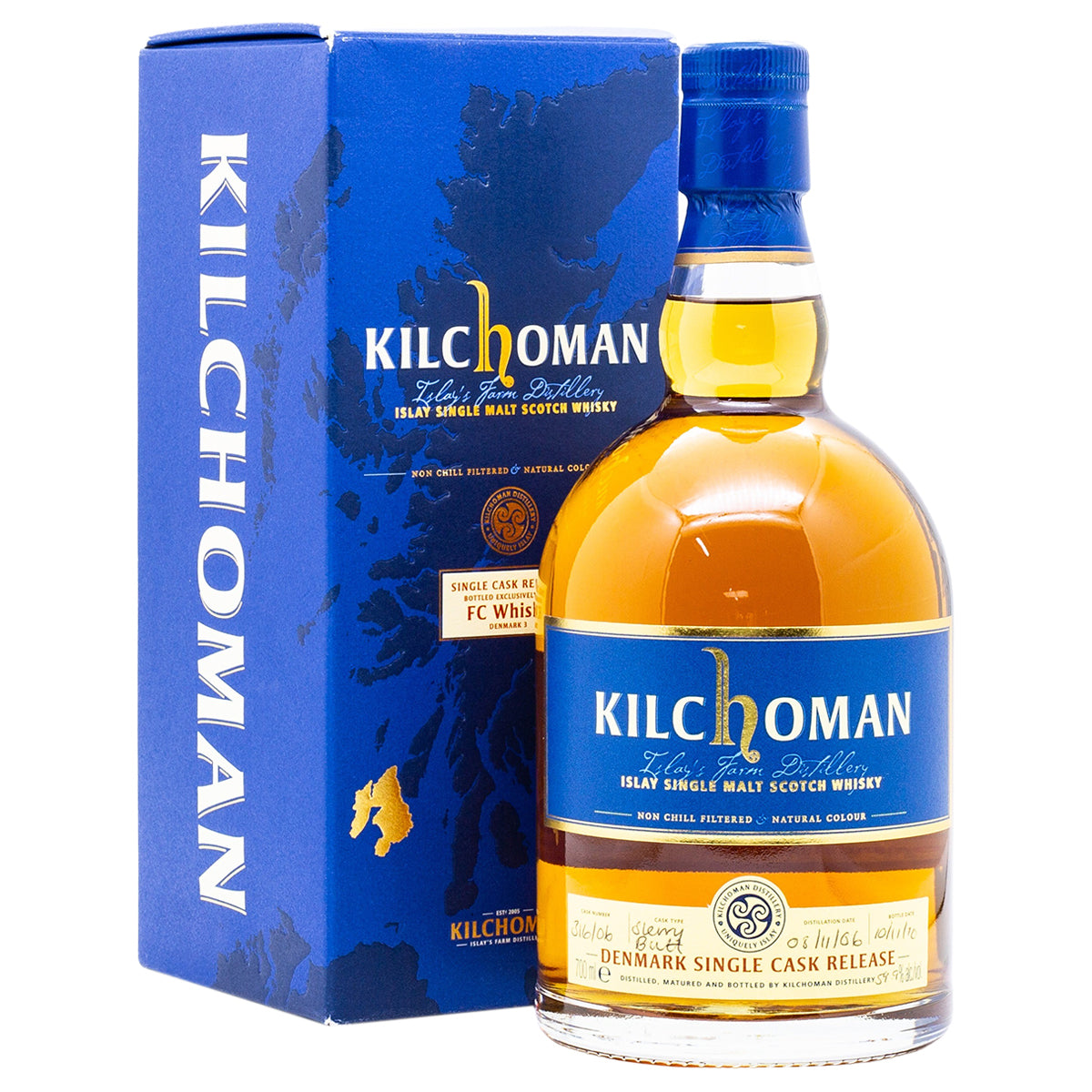
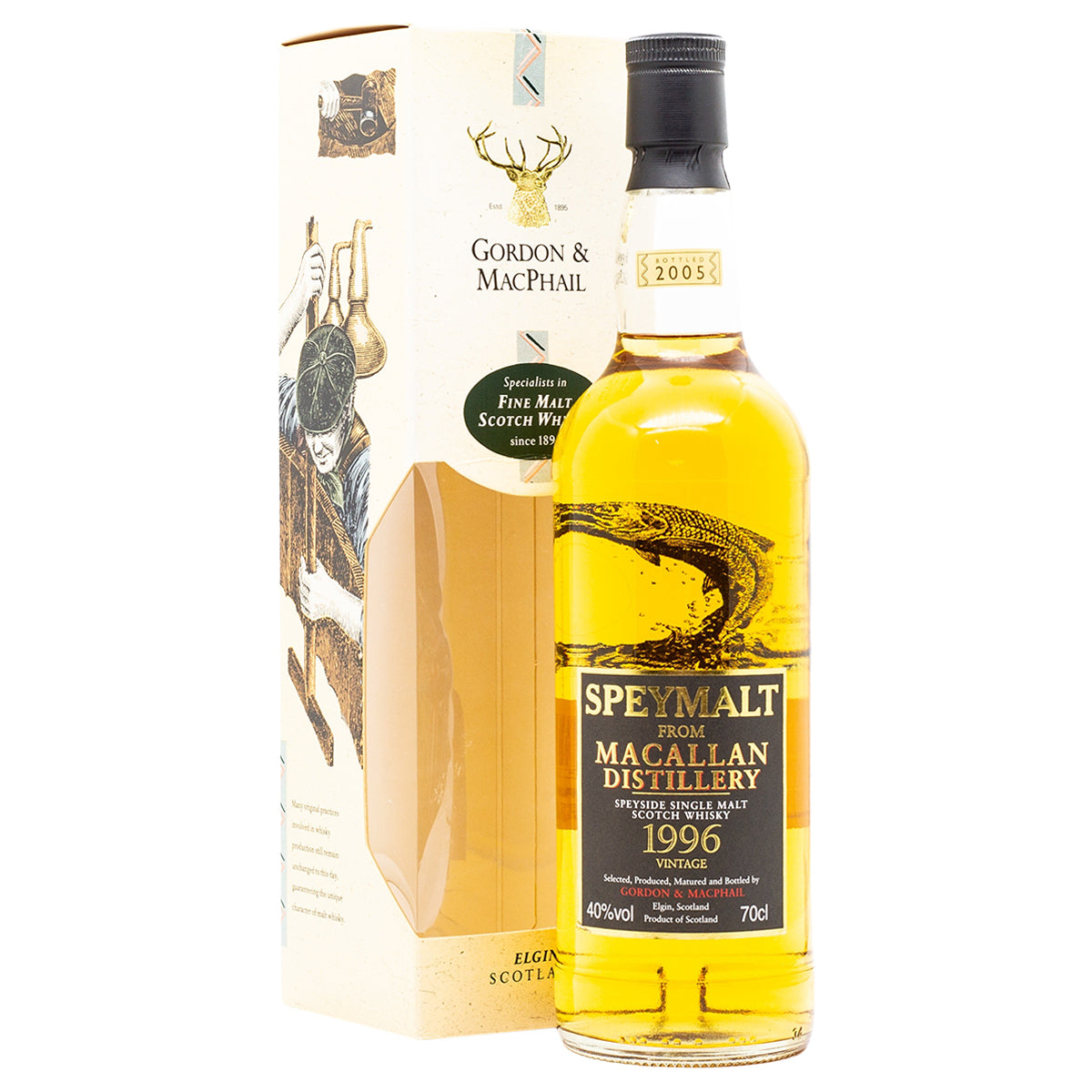
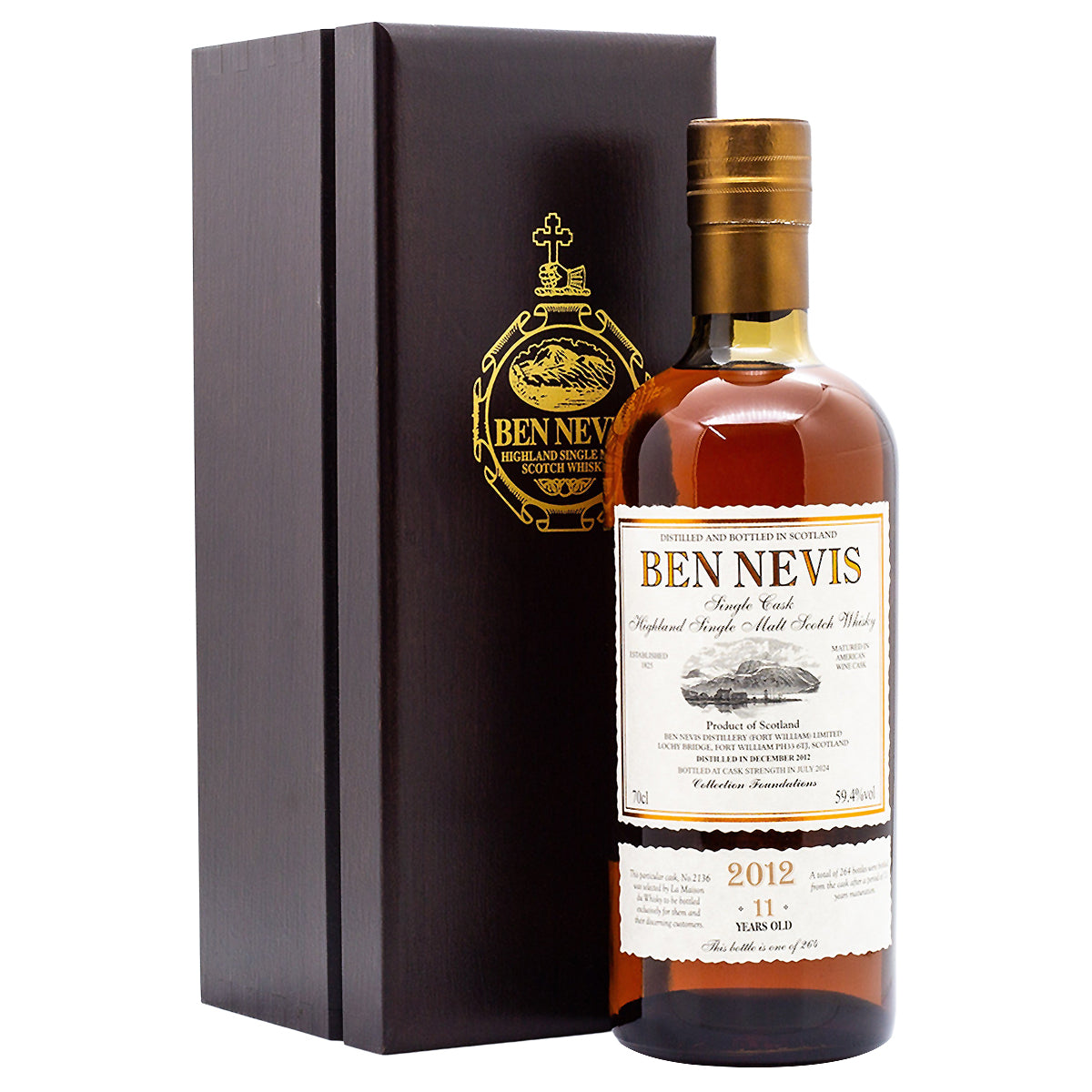
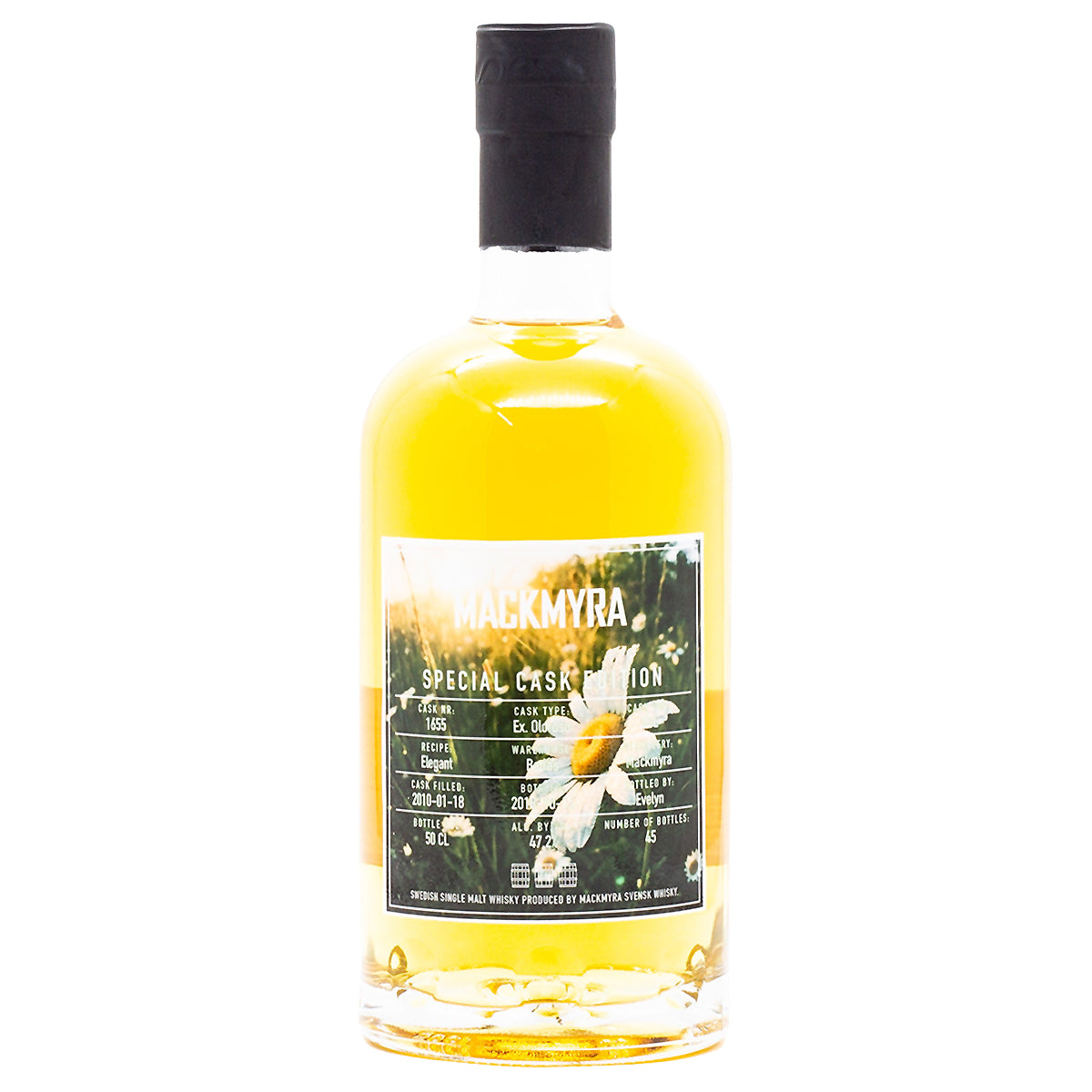
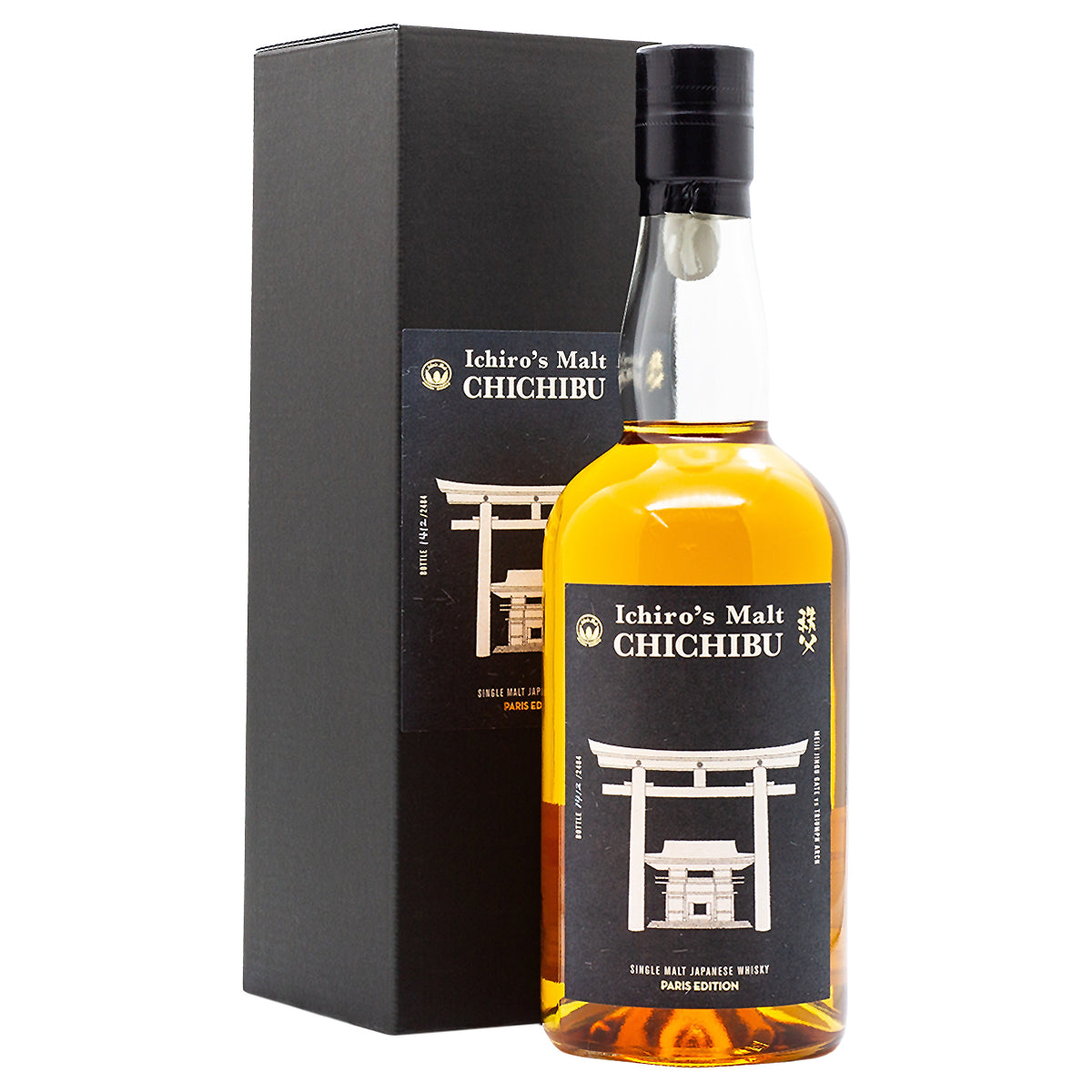
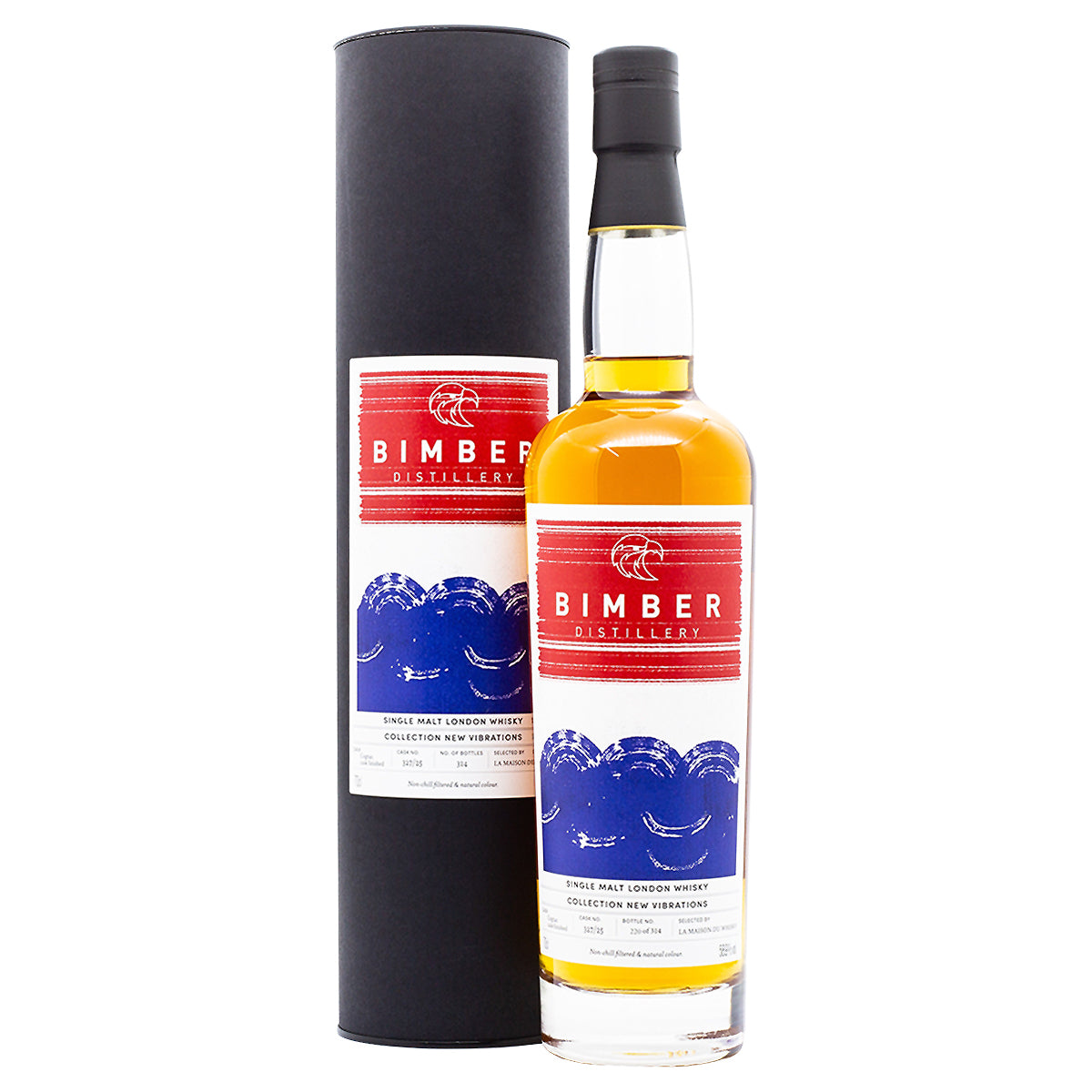
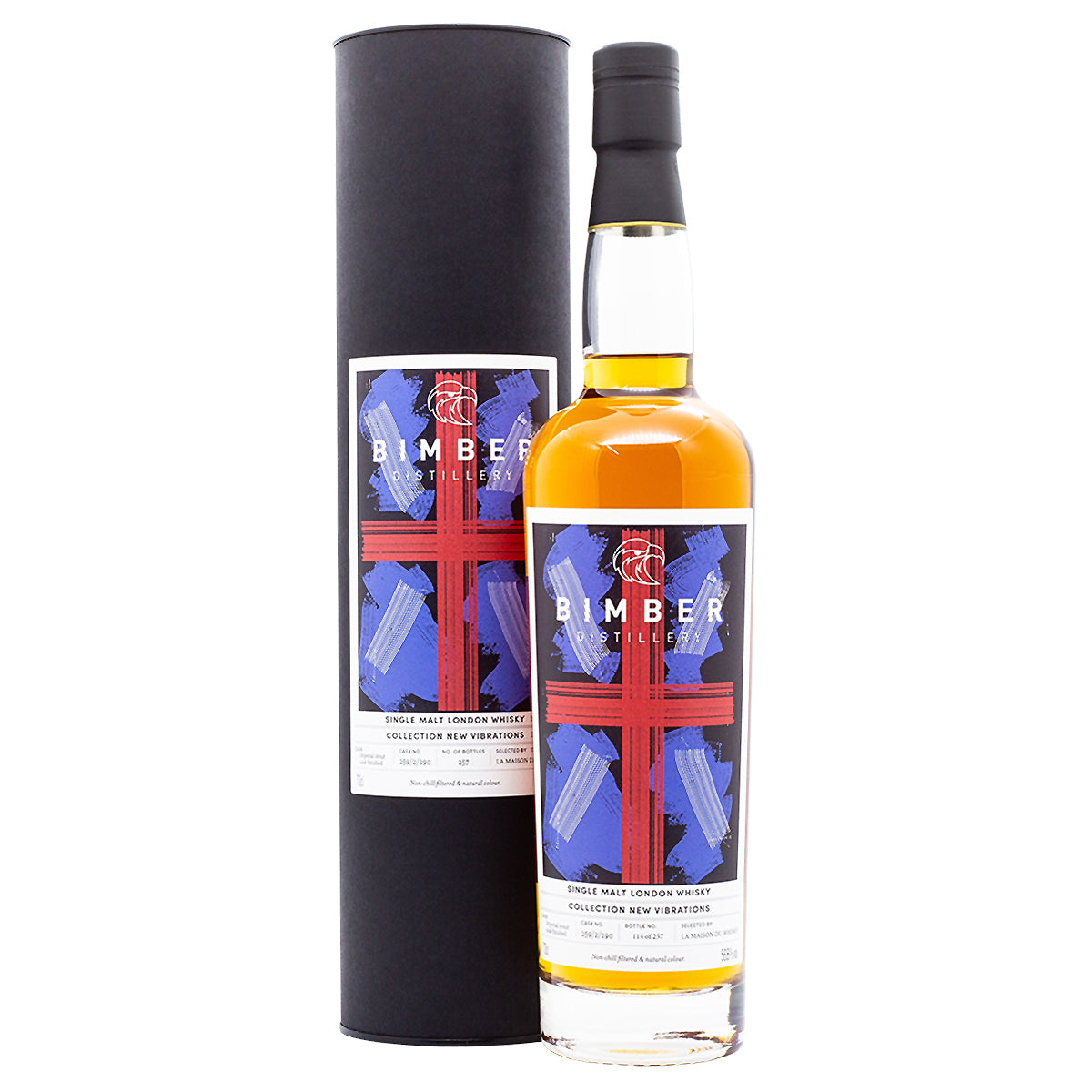
The exact edition must therefore be established before purchase. Useful details include the distillery and bottler, product name, distillation and bottling years, age, batch or cask number, bottle number, alcohol content and bottle size. Similarly designed editions can differ significantly in their contents, edition size and year of release.
Condition and provenance are part of the bottle
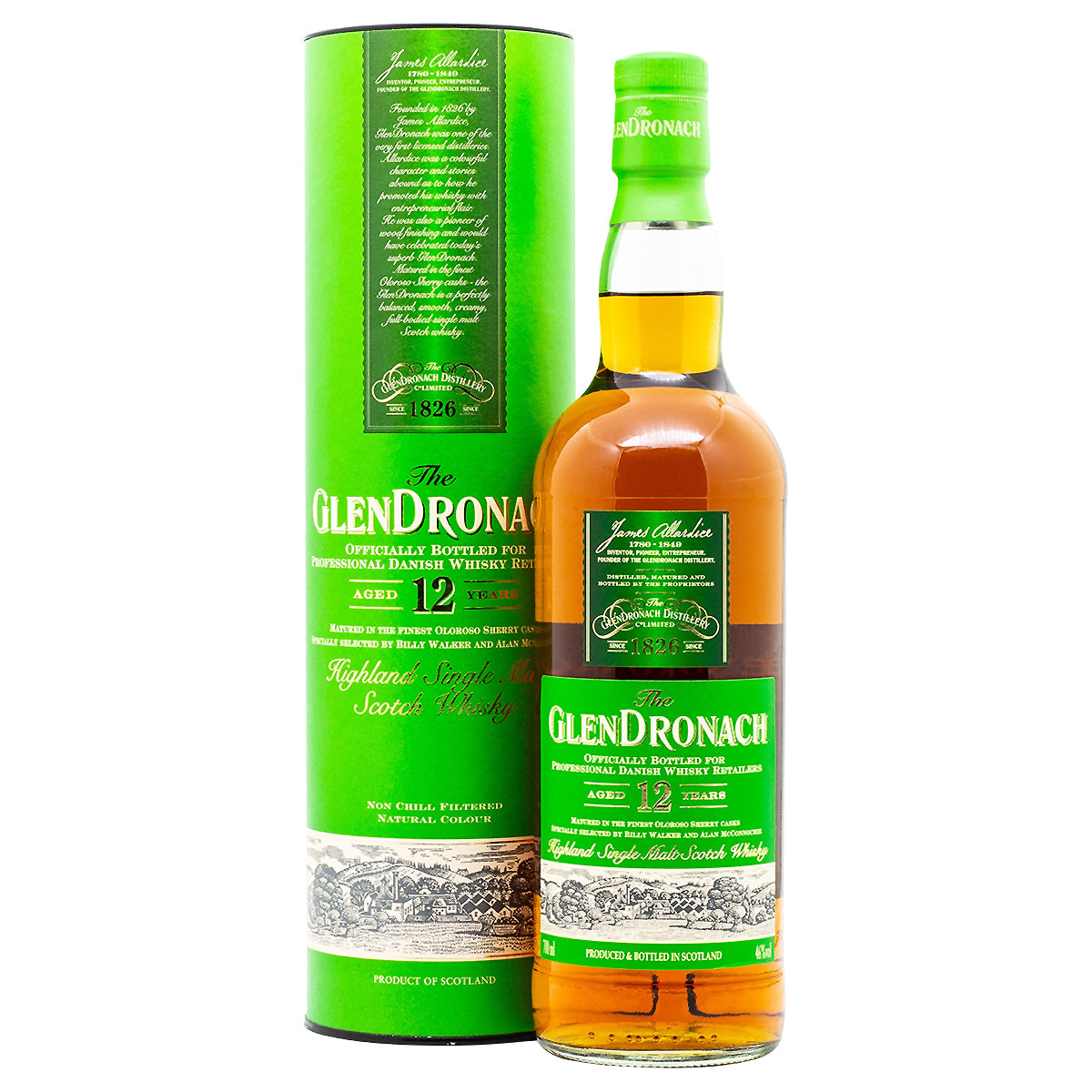
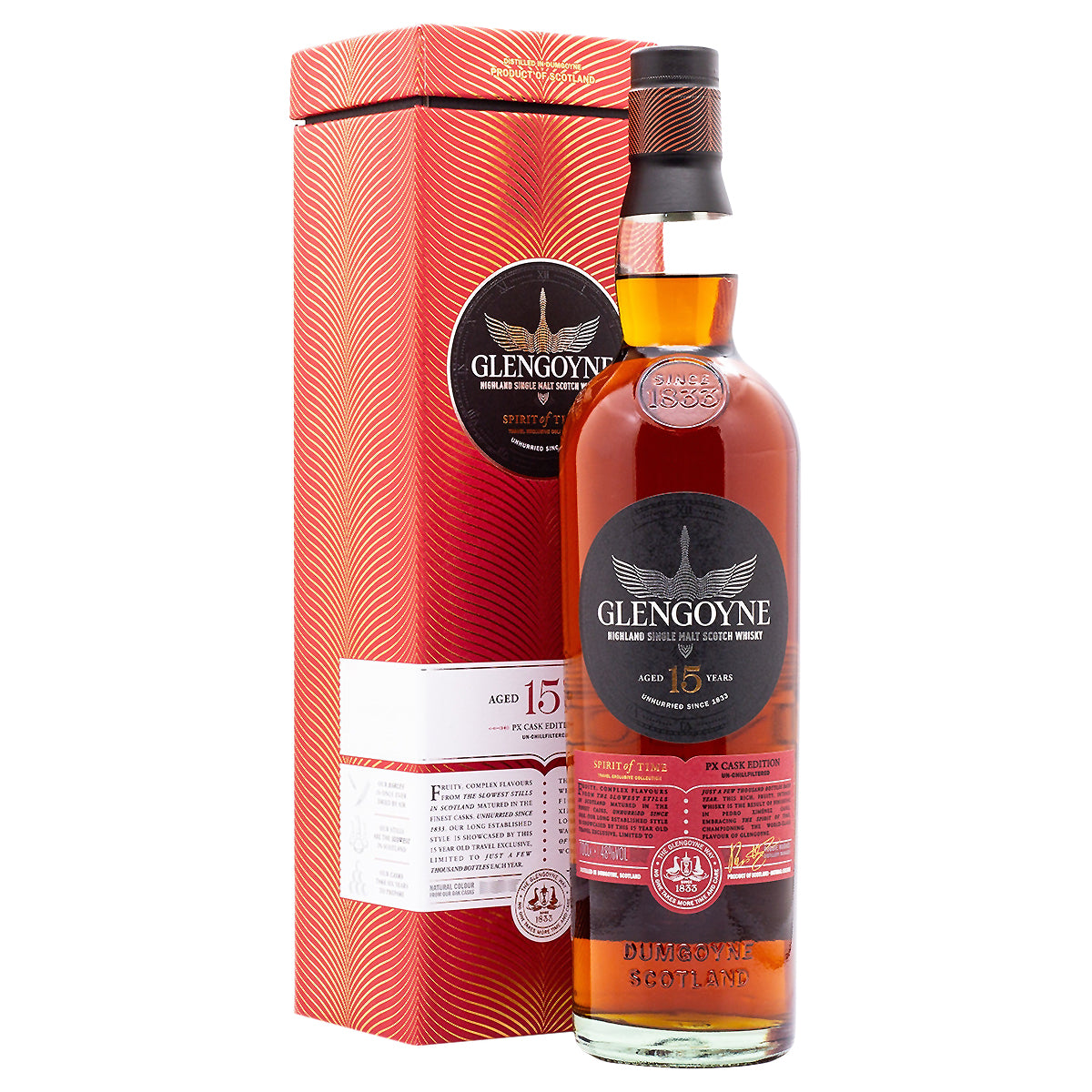
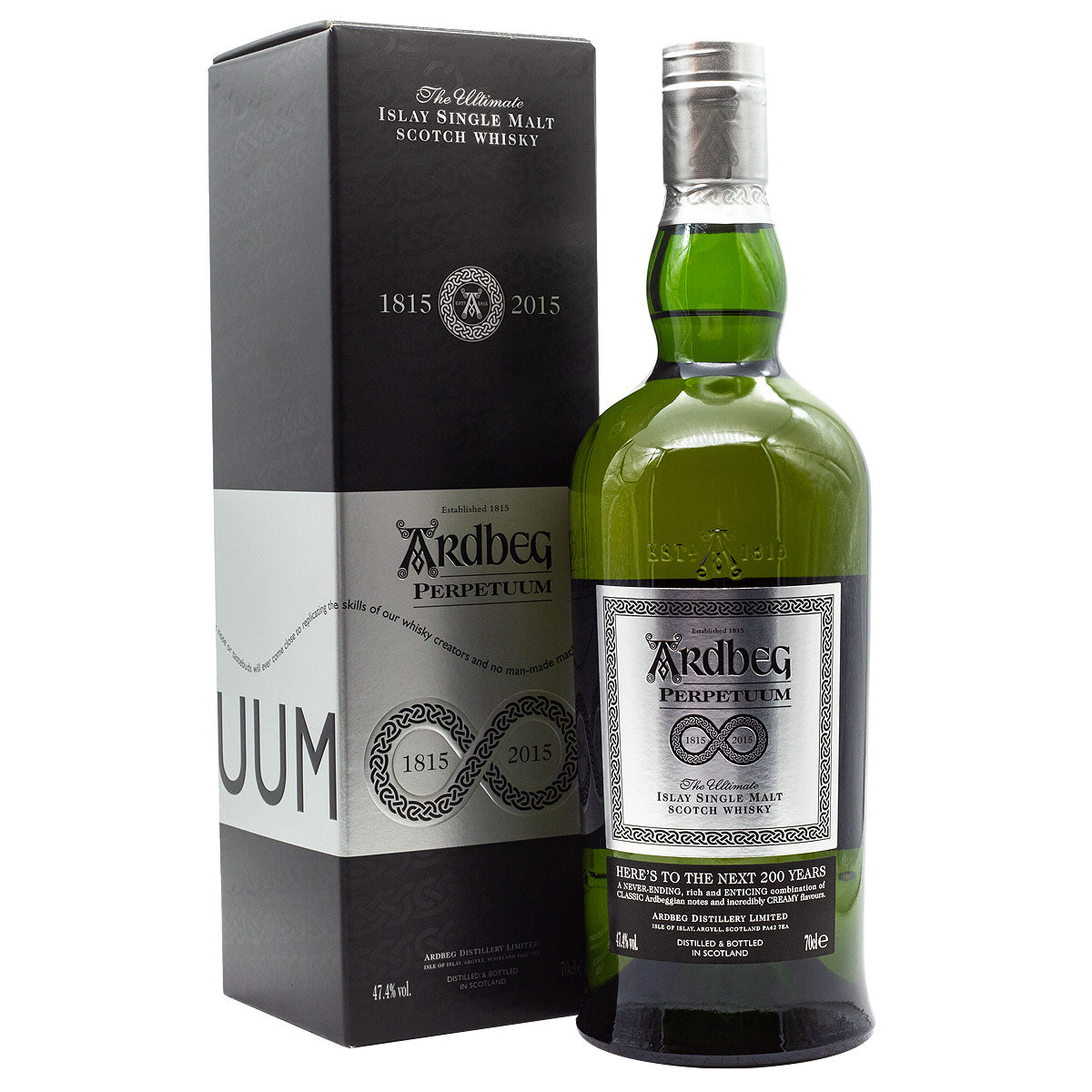
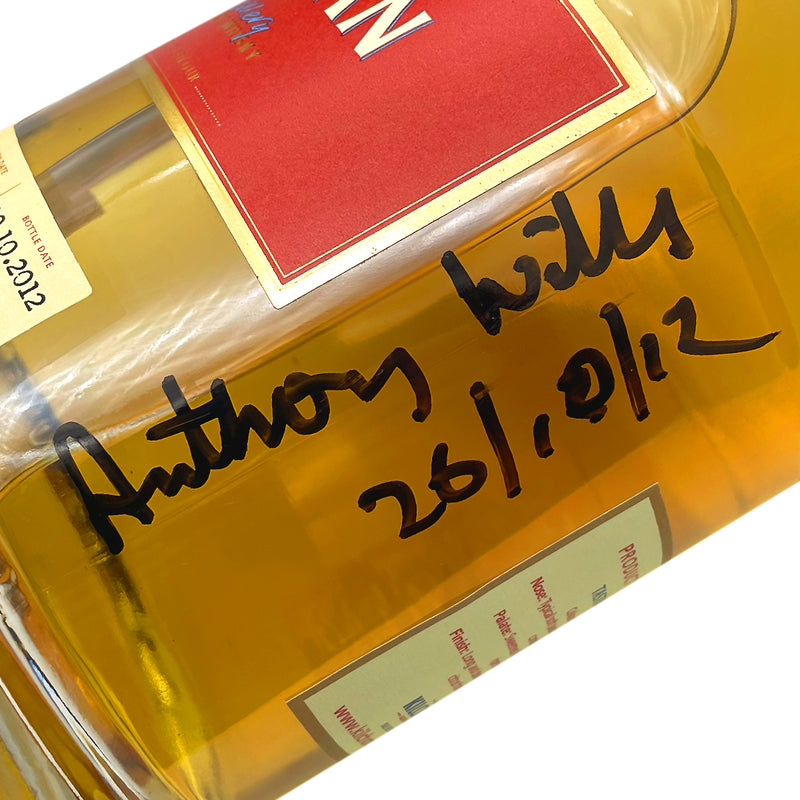
For older or collectible bottlings, the current condition is important. Good product images should show the entire bottle, fill level, front and back labels, closure, capsule and any seals. Bottle codes, tax bands or markings on the glass can help confirm the exact edition. Original packaging should be included in the description if it is part of the offer.
A low fill level, traces of liquid, a damaged capsule or a worn label are not always viewed in the same way for older bottles. However, they should be clearly described and visible in up-to-date images. Minor discrepancies do not prove that a bottle is counterfeit. Several implausible features or contradictory details, on the other hand, are grounds for further investigation.
Provenance refers to a verifiable history of origin and ownership. Invoices, previous dealer records, auction details or a documented collection can support this. Simply labelling a bottle as a “collectible” does not replace this evidence.
Whisky does not continue to mature after bottling
The age stated refers to the time the whisky spent in the cask. This maturation does not continue in a sealed glass bottle. A twelve-year-old whisky therefore remains a twelve-year-old whisky decades after it is bottled.
However, additional storage of the bottle can still be relevant to its condition and tightness. Bottles stored upright, protected from light and at as uniform a temperature as possible are better protected against typical risks than bottles stored on their sides or exposed to high temperatures. Even good storage cannot guarantee that very old closures will remain unchanged.
Rarity is no guarantee of returns
Market prices depend on demand, edition, condition, provenance and the current available supply. Limited editions, advanced age or a closed distillery do not guarantee a future sale or an increase in value. Rare whiskies should therefore be described using verifiable product details and their current condition, not with promises of returns.
Frequently asked questions about rare whiskies
When is a whisky considered rare?
There is no fixed limit. Rarity can result from a small edition size, discontinued production, historical origin or limited market supply.
Is every limited edition rare?
No. Without a published edition size and information about market availability, a limited edition says little about how difficult the bottle actually is to find.
Which condition details are particularly important?
The fill level, closure, capsule, seals, labels, bottle codes and original packaging should be visible in up-to-date images and described in the offer.
Does whisky improve in an old bottle?
Whisky only matures in the cask. After bottling, its stated age does not increase.
Are rare whiskies a safe investment?
No. Demand and prices can change, and condition and provenance affect how easily the bottle can be sold. A guaranteed increase in value cannot be promised.