


French Whisky: Read the Origin and Raw Material First
French whisky encompasses much more than a single style. The origin designation is the first thing to help you choose. In Brittany, the names Whisky Breton and Whisky de Bretagne are protected. In Alsace, this applies to Whisky d’Alsace and Whisky alsacien. These geographical indications do not merely indicate a place of production, but also specify the raw materials and production methods.
There is currently no protected national designation “Whisky de France”. The two regional designations Brittany and Alsace, on the other hand, are recognized. When choosing French whisky, it is therefore worth looking first for one of these designations and then checking the product type and raw material.
Brittany Allows More Than Barley Malt
The specification for Whisky Breton allows several raw materials. In addition to barley, wheat, rye, oats, maize, spelt, triticale and buckwheat may also be used. Milling, mashing, fermentation, distillation and maturation must take place within the defined area. The whisky matures there for at least three years in oak casks.
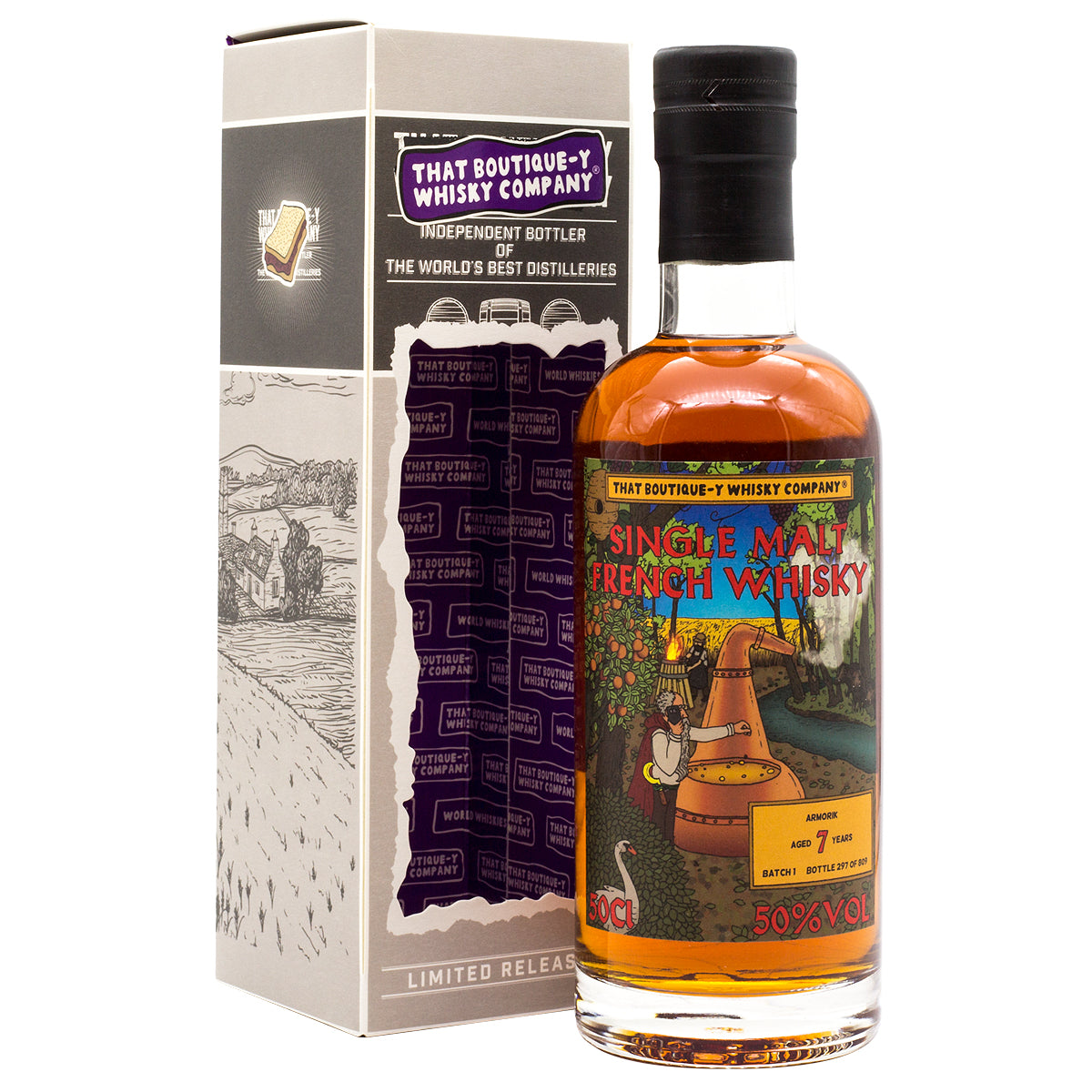
The Warenghem distillery in Lannion showcases the single-malt side of Brittany with its Armorik brand. Malted barley is processed in a distillery for this purpose. In contrast, the Menhirs distillery uses buckwheat with its Eddu range. The brand includes pure buckwheat whiskies as well as blends of buckwheat and barley whiskies. Buckwheat is therefore a possible base for Breton whisky, but is not required for every whisky from the region.
Armorik represents Breton single malt made from barley malt, while Eddu offers a distinctive approach to buckwheat. The choice of raw material does not imply a hierarchy of quality. It simply indicates which base was used for the mash and distillate.
Malted Barley Is Required in Alsace
For Whisky d’Alsace, malted barley, water and yeast are the only raw materials. Distillation is batch distillation with mandatory contact with copper. Key production steps such as mashing, fermentation, distillation and the first three years of maturation must also take place within the defined area.
The difference in raw materials is directly relevant when purchasing. If you choose a protected Alsatian whisky, you will always receive a whisky made from barley malt. With Whisky Breton, you must also check the specific raw material designation, because the protected origin allows for a much broader range of options.
A French Base and a French Cask Are Not Enough
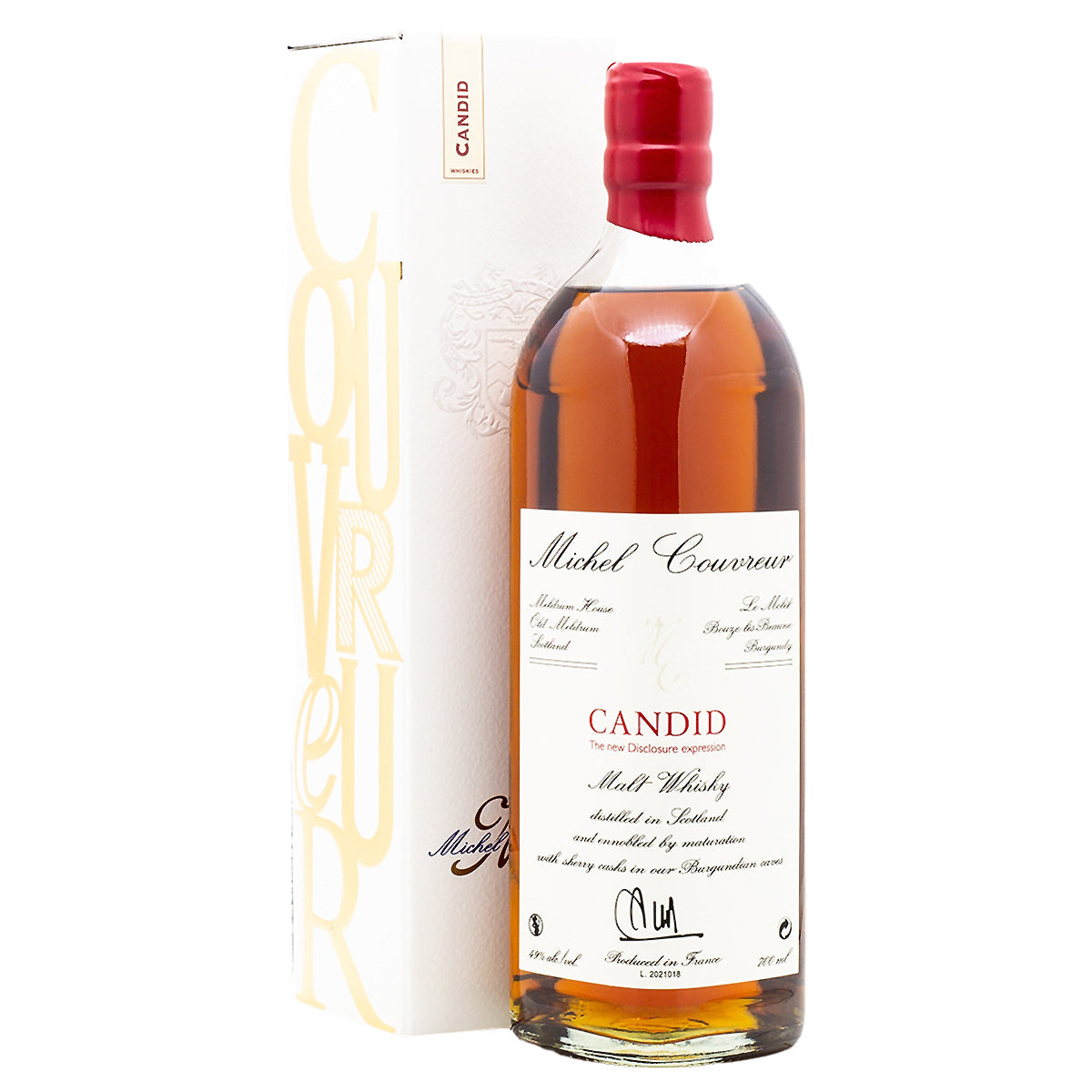
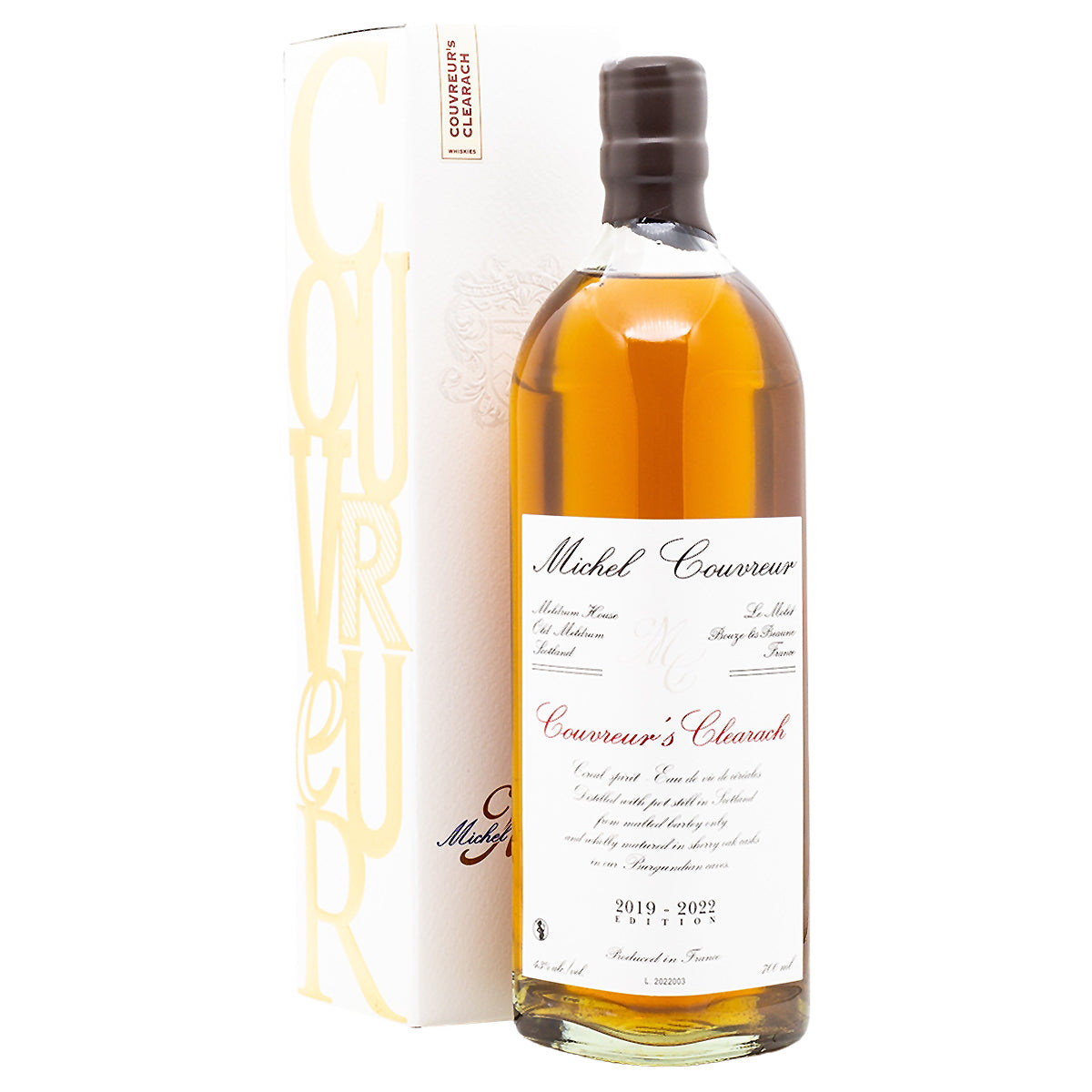
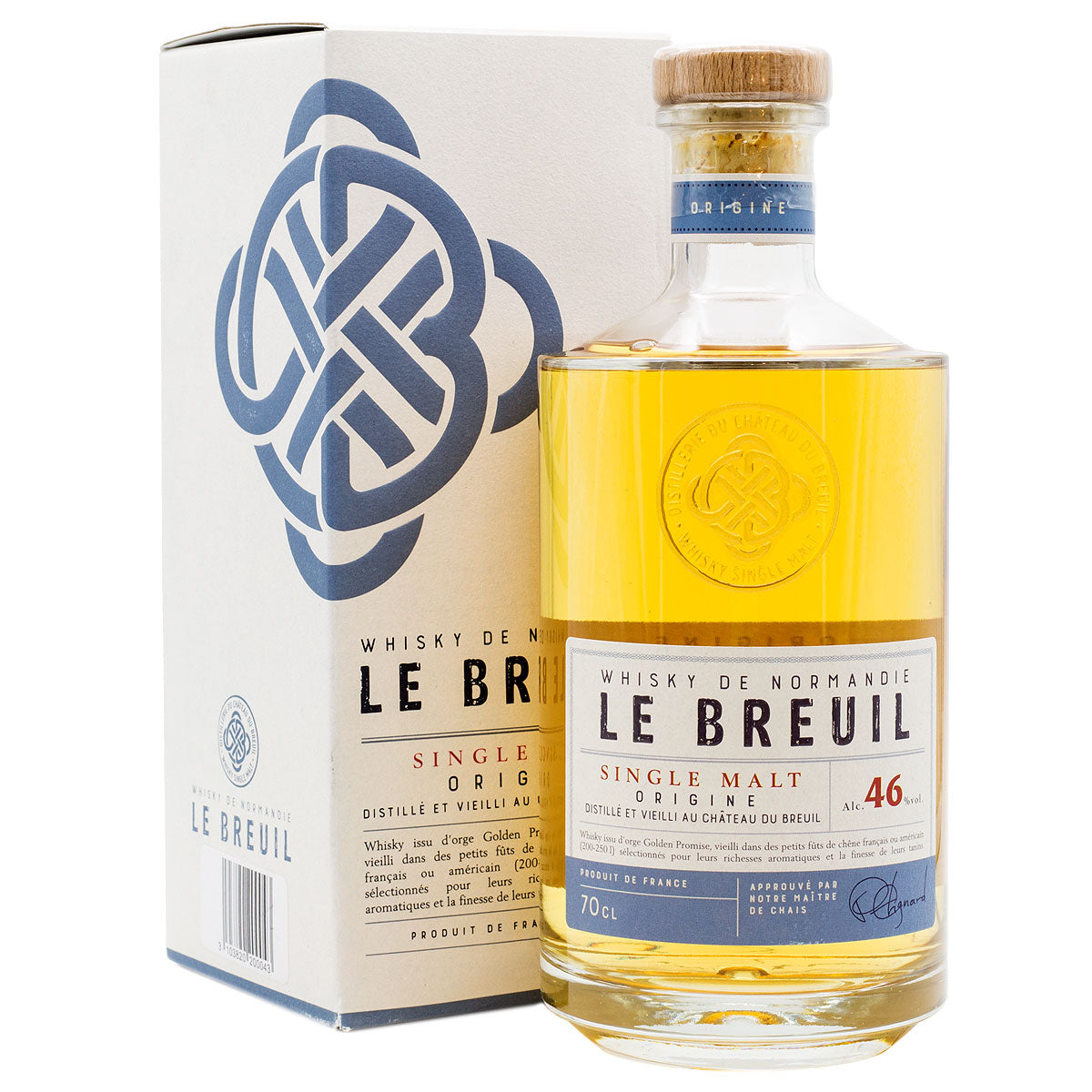
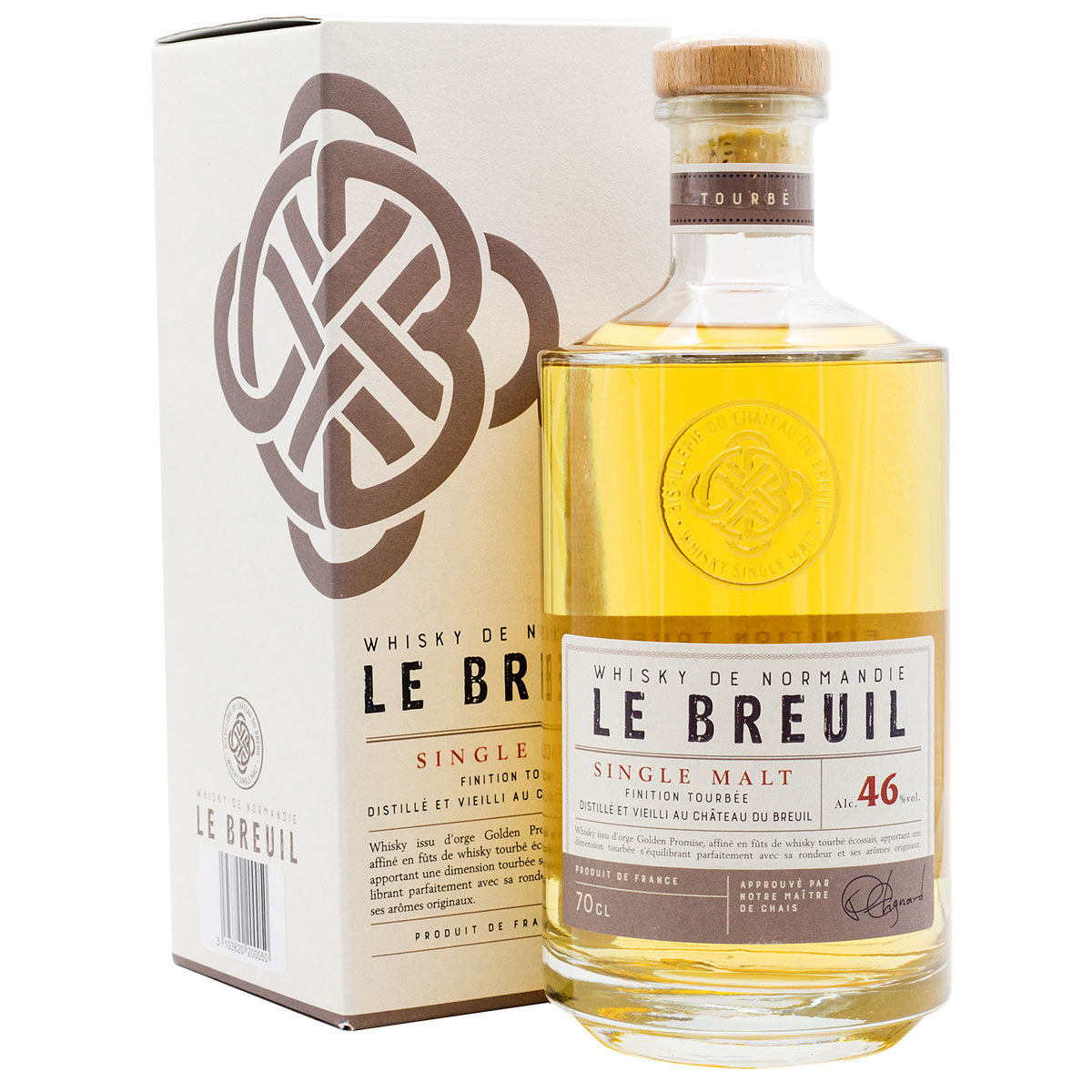
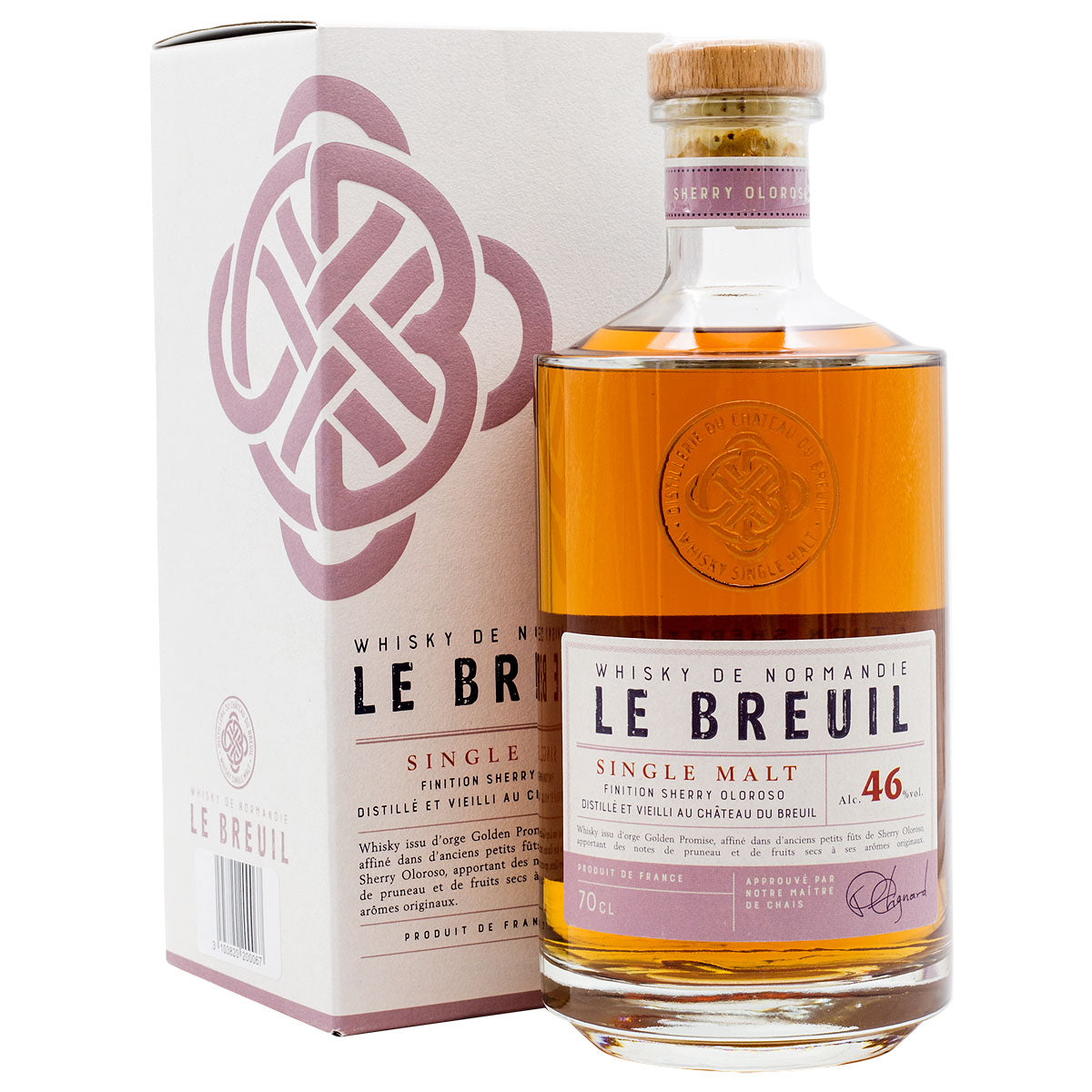
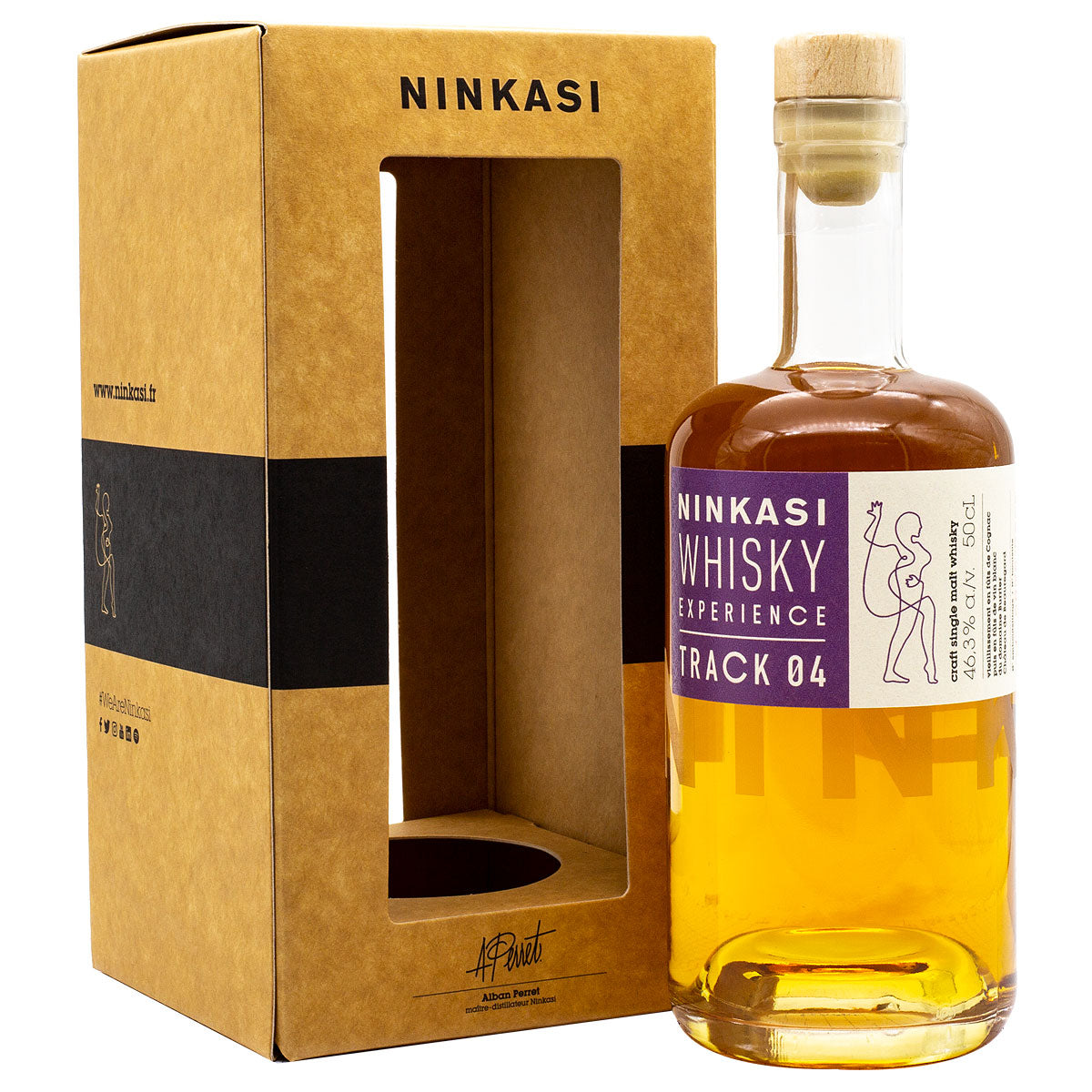
A brand, a cask maturation, or a bottling address in France does not prove that the whisky was distilled in France. The same applies to wine, cognac or French oak casks. Such information describes the maturation of a specific bottling, but does not replace the place of production or a protected regional designation.
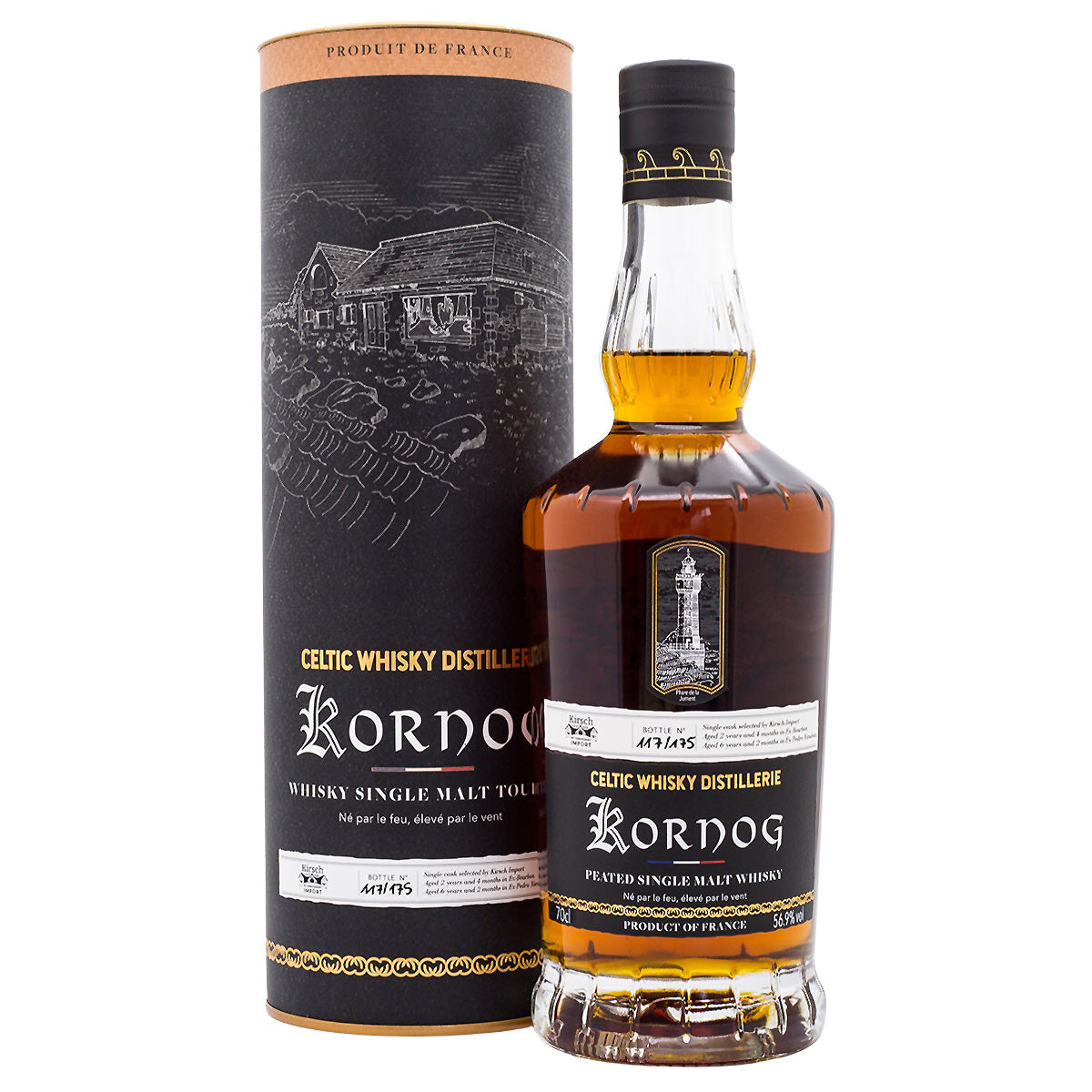
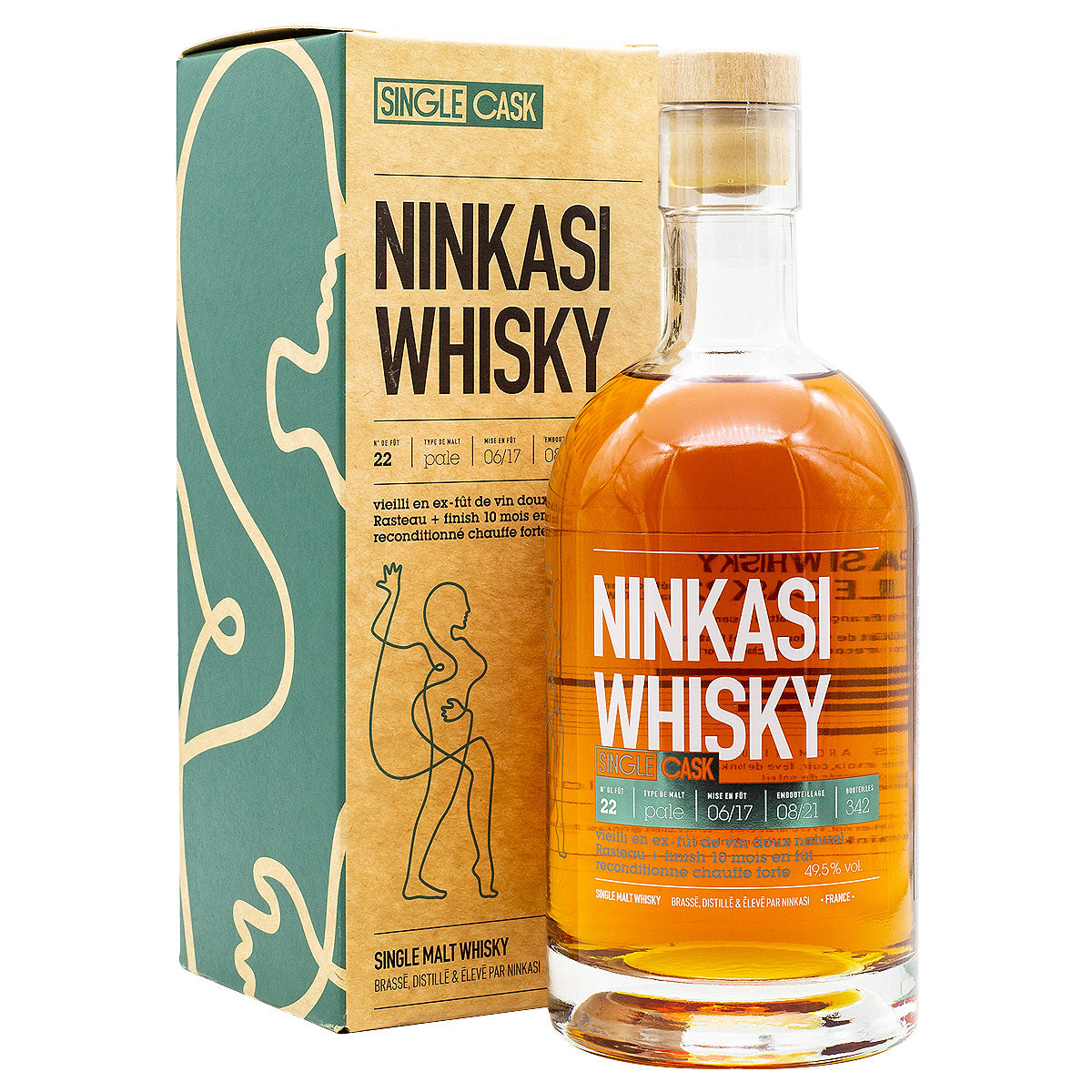
A good French whisky therefore cannot be identified by a prestigious cask name. The most important information is the stated origin, product type, raw material and producer. This information can be checked on the label or product page and distinguishes barley single malt, buckwheat whisky and other French concepts from one another.
Frequently Asked Questions About French Whisky
Is French whisky a protected designation of origin?
The general country designation is not a national whisky GI in its own right. The two Breton names Whisky Breton and Whisky de Bretagne, as well as the Alsatian designations Whisky d’Alsace and Whisky alsacien, are regionally protected.
What is the difference between Whisky Breton and Whisky d’Alsace?
Brittany allows several raw materials, including barley and buckwheat, as well as various distillation methods. In Alsace, malted barley and batch distillation are required.
Is Breton whisky always made from buckwheat?
No. Buckwheat is permitted for Whisky Breton, but is not required. Armorik is produced as a single malt from barley malt, while Eddu also offers pure buckwheat whiskies.
Is French whisky always single malt?
No. Single malt is a specific additional designation. It may only be used for whisky made from malted barley and distilled entirely in a distillery.
Does a wine or cognac cask make a whisky French?
No. The previous contents of the cask describe the maturation, not the origin of the distillate. What matters is the actual production and any stated regional protected designation.