

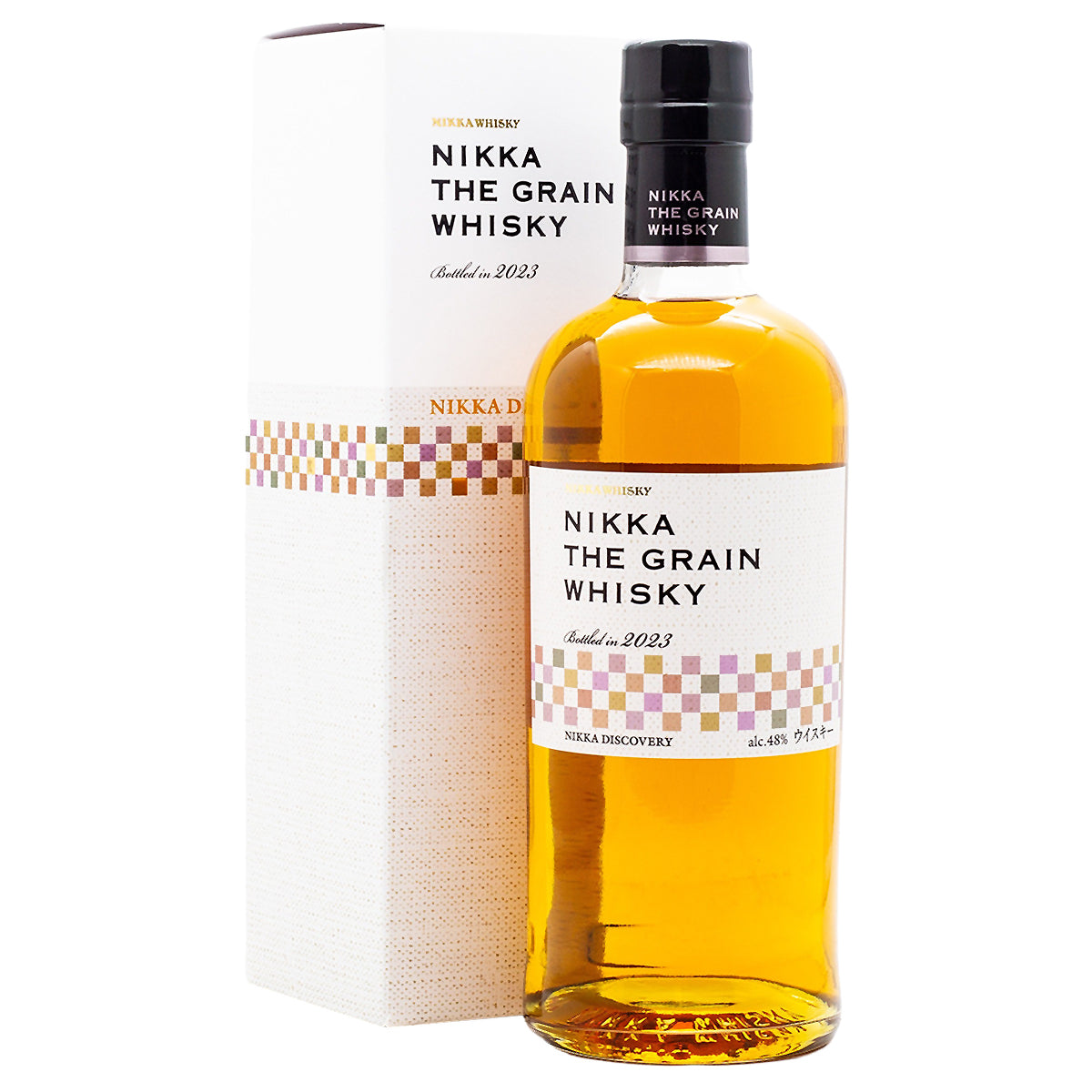
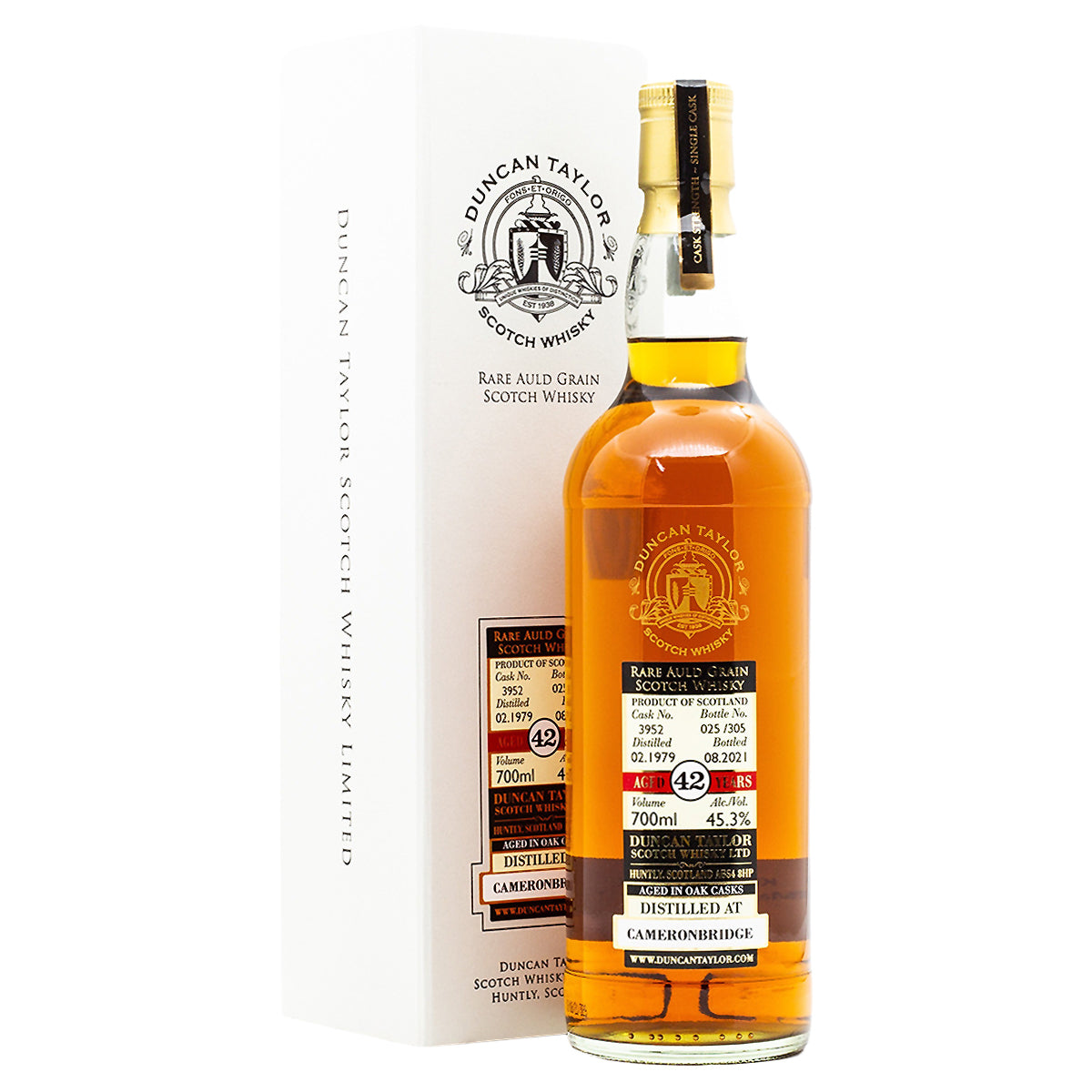
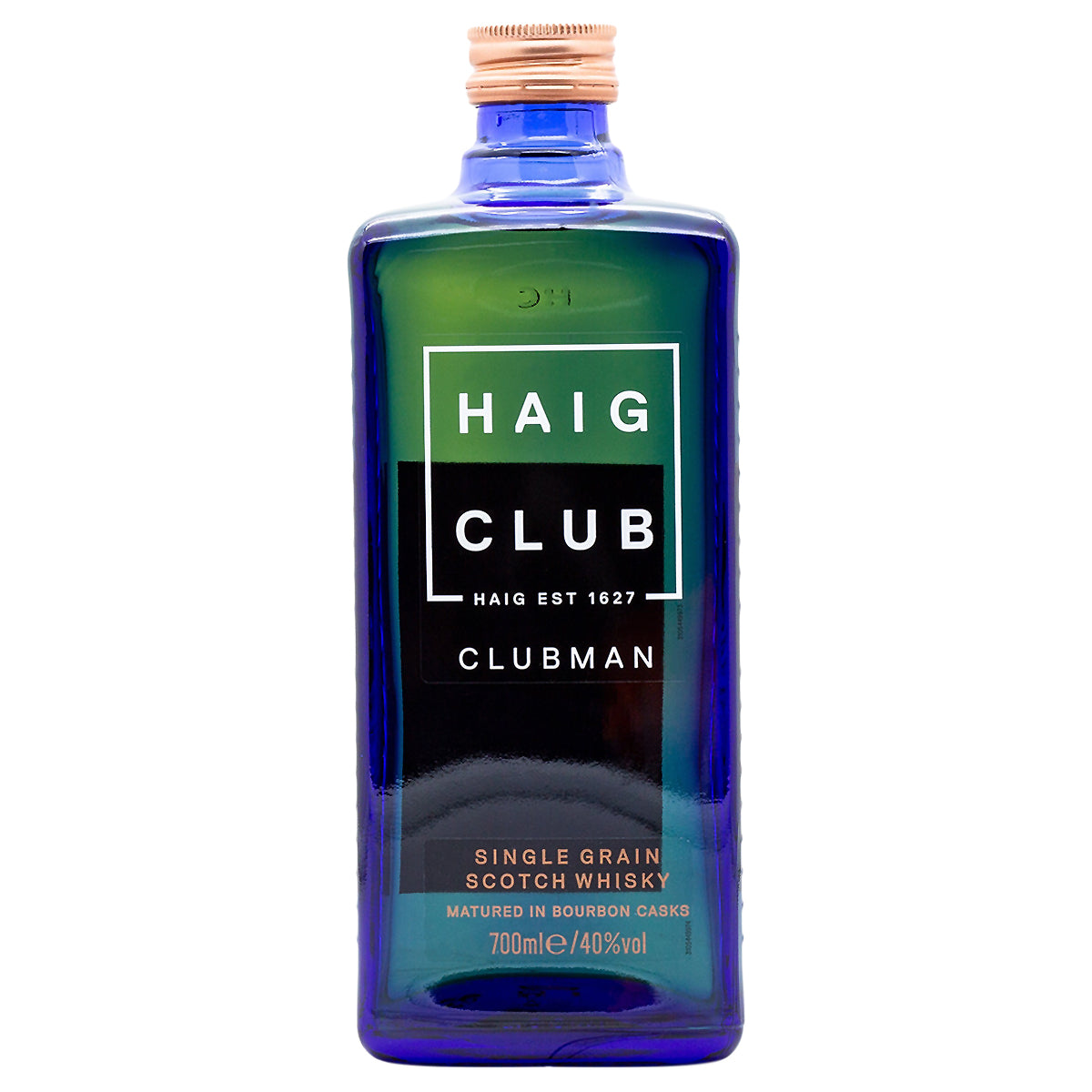
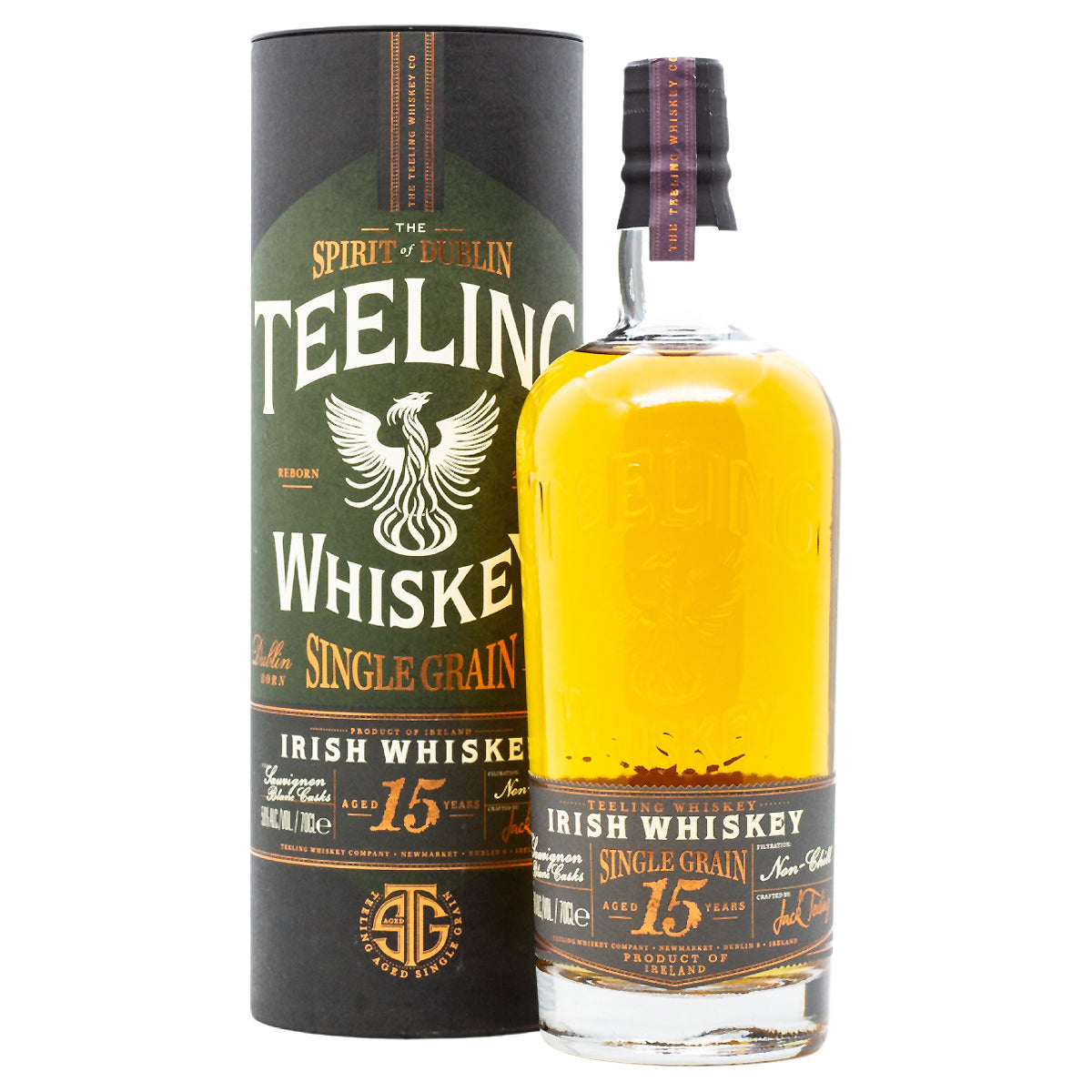
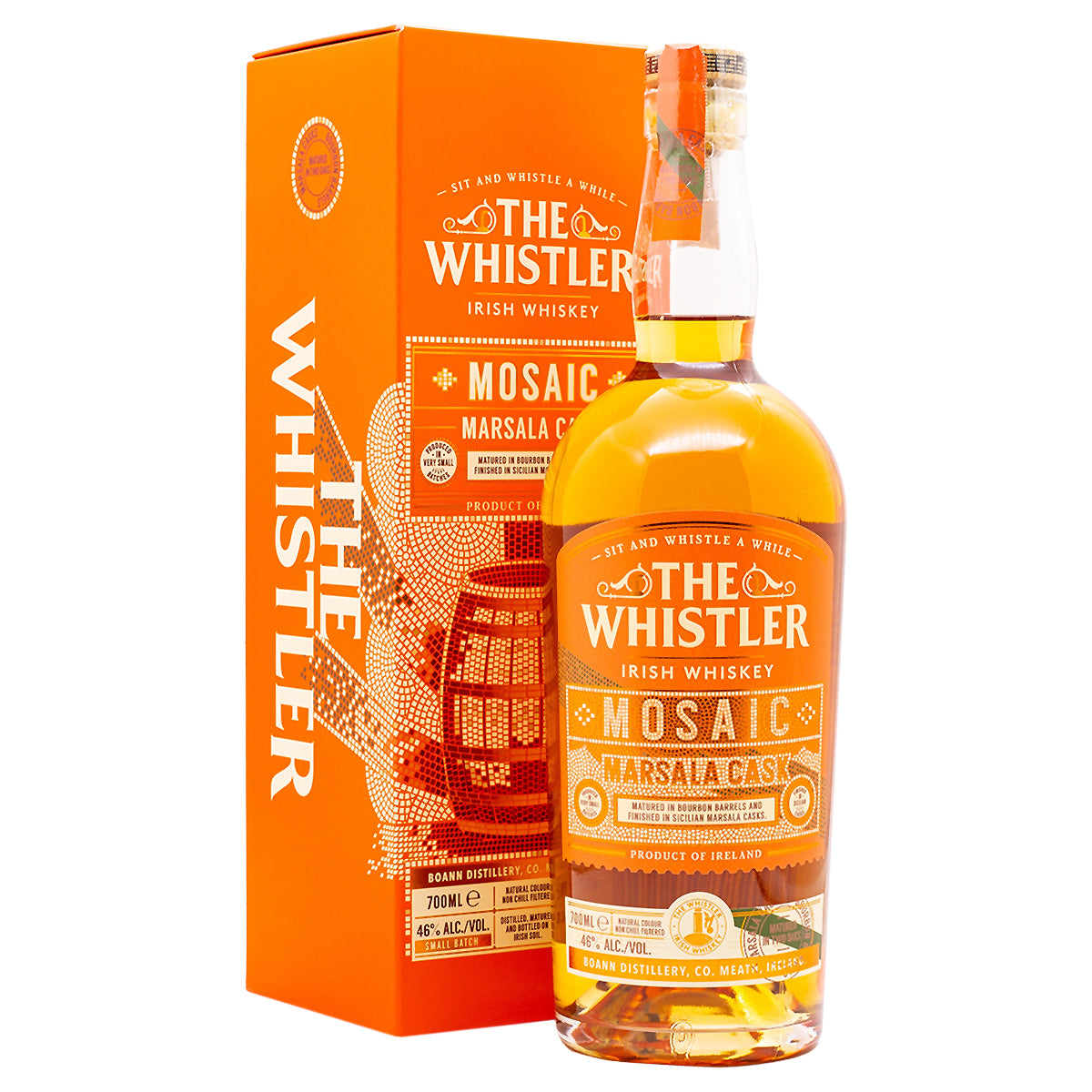

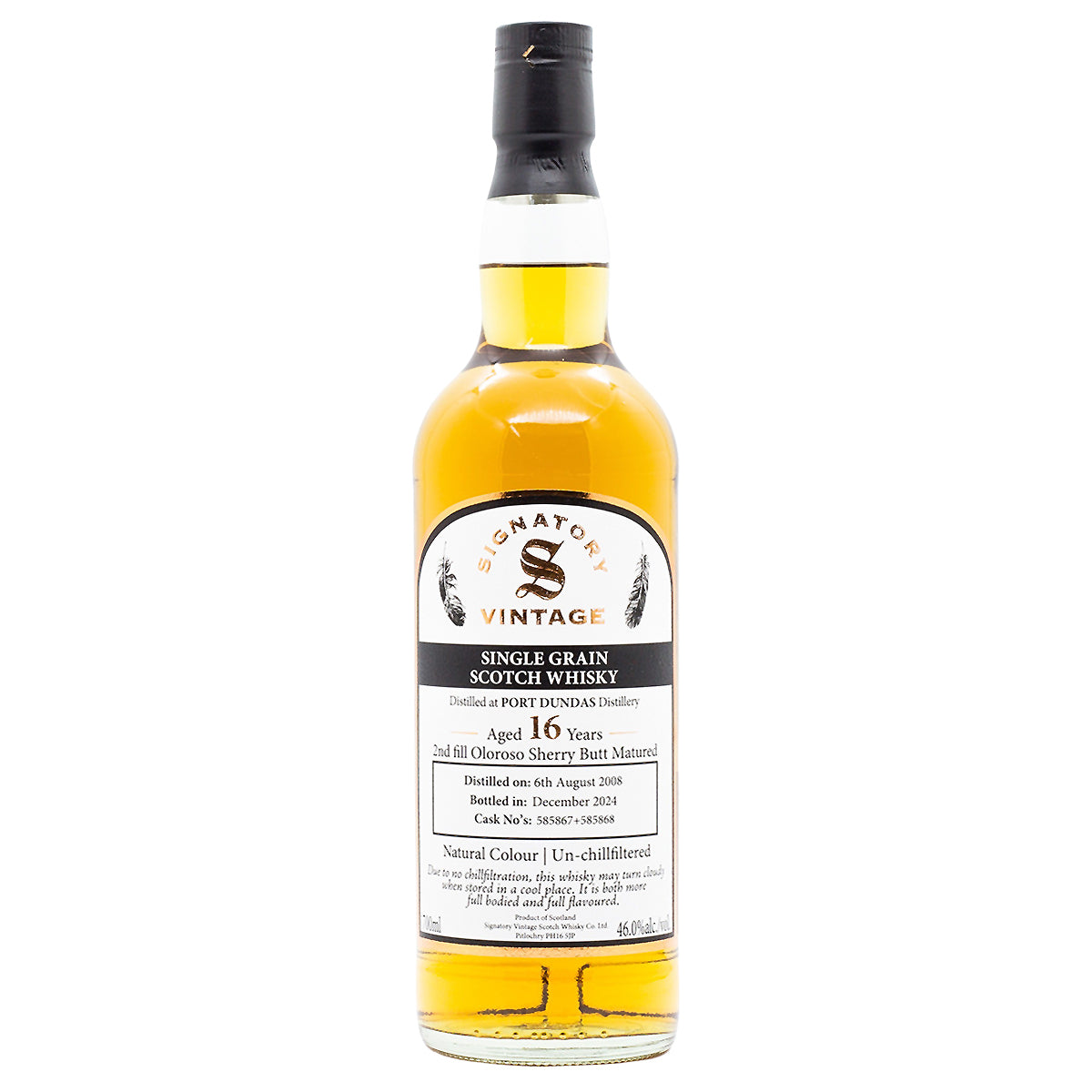

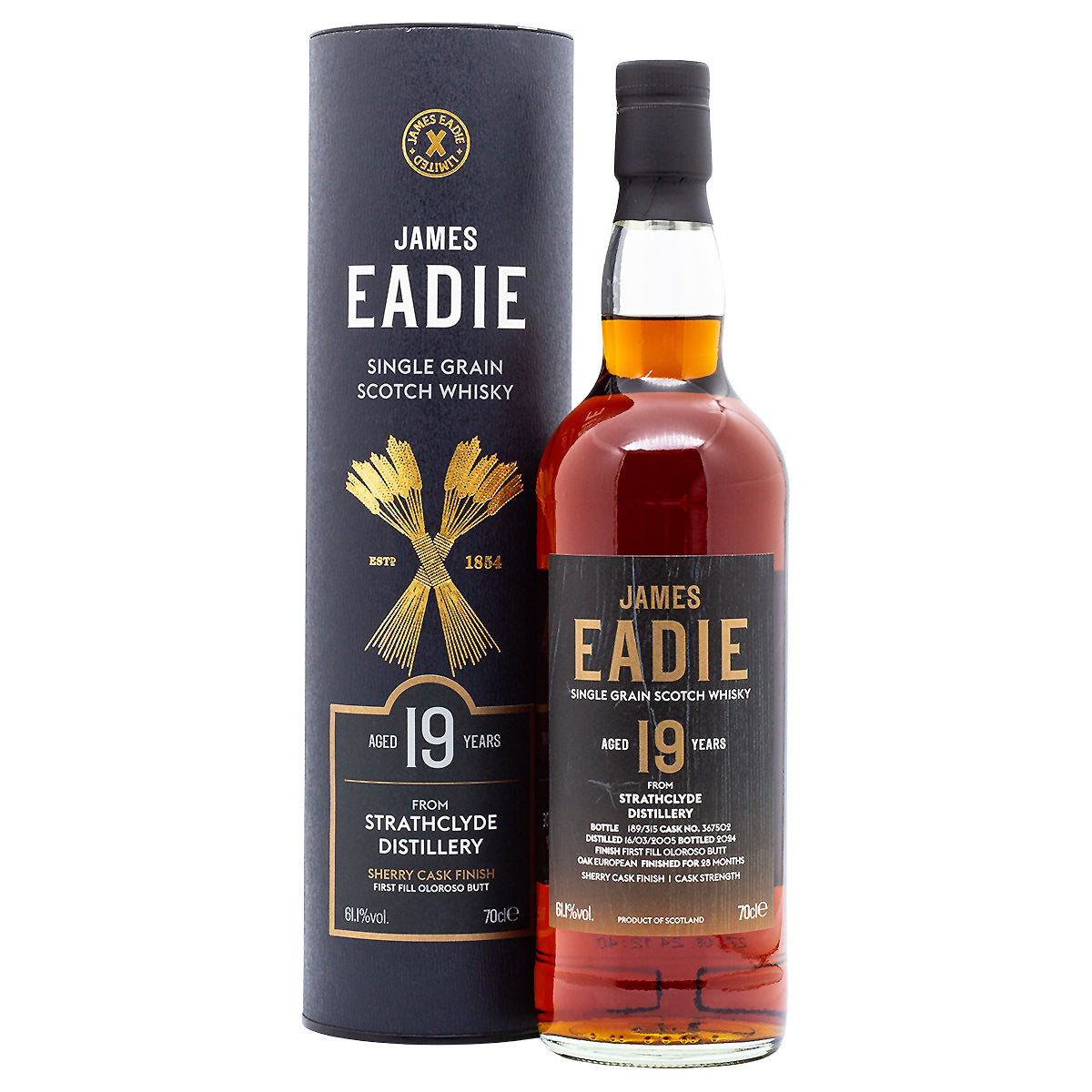
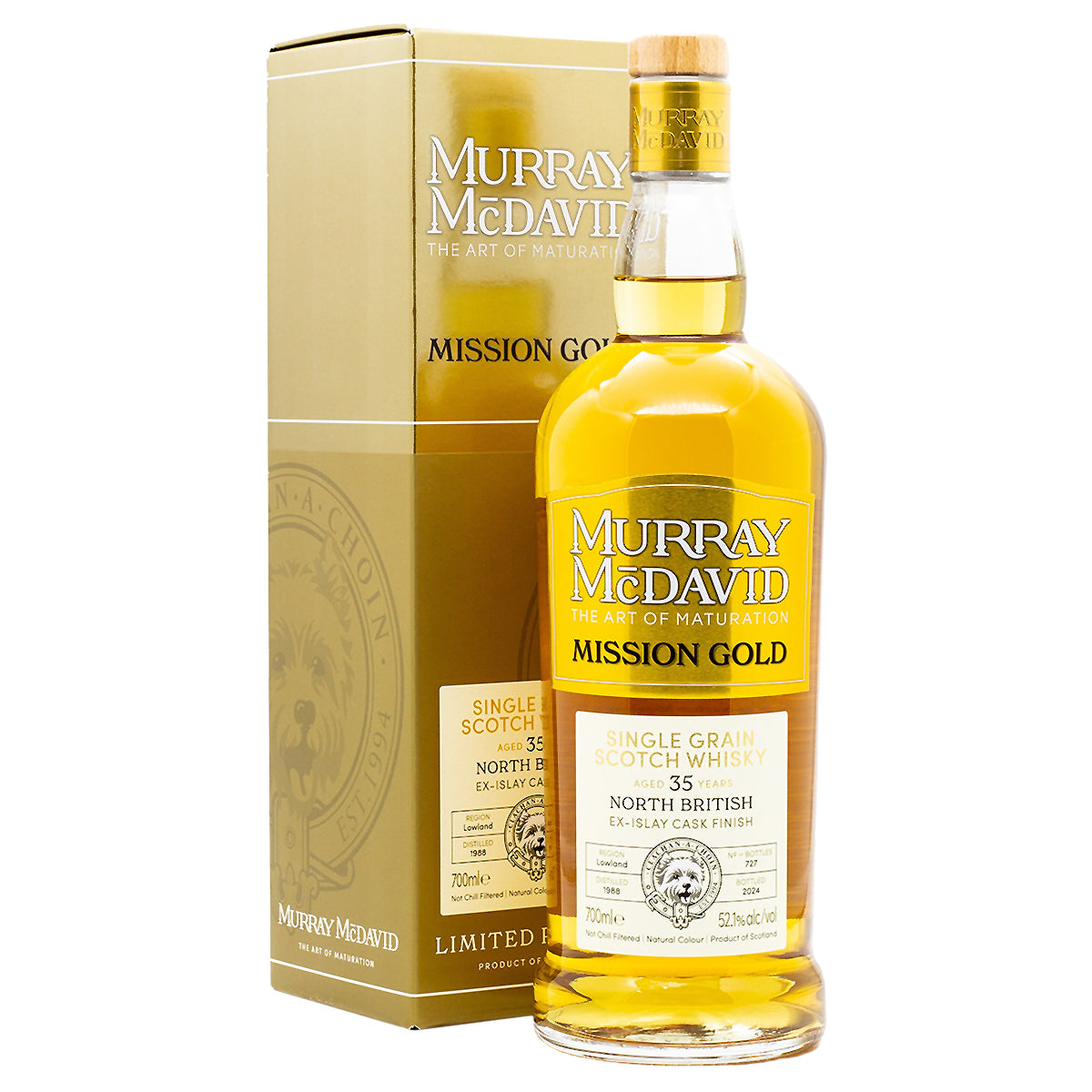
Single Grain Whisky: "Single" means one distillery
Single Grain Whisky is often misunderstood as whisky made from only one type of grain. In Scottish and Irish whisky, Single however refers to its origin from a single distillery. It does not stand for a single grain, cask, vintage, or batch.
Which grains may be used and which distillation process applies depends on the country of origin. The full designation is therefore more important than the word Grain alone.
Single Grain Scotch is broader than Single Malt
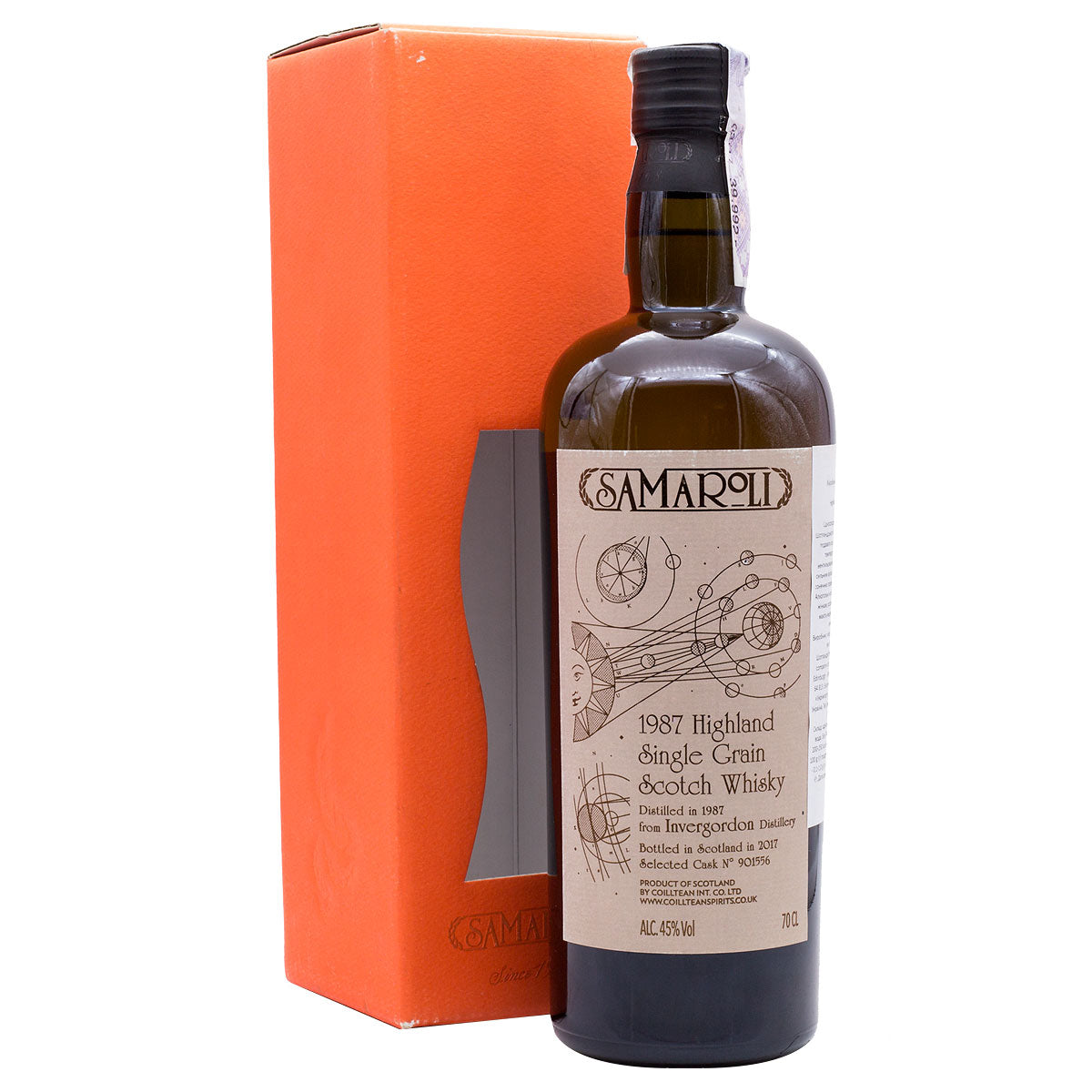
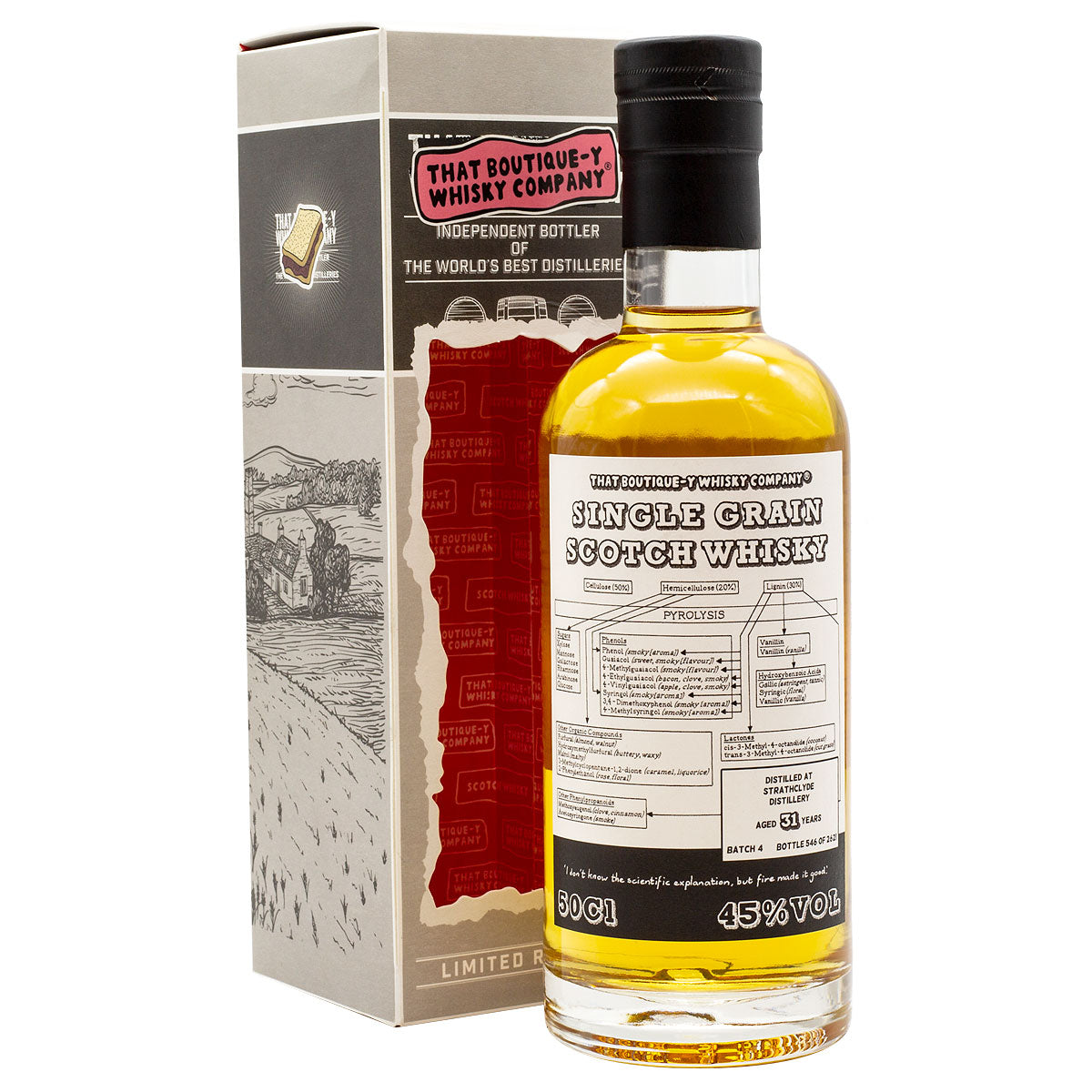
For Single Grain Scotch production in only one Scottish distillery is decisive. At the same time, the whisky does not fall under the Single Malt definition. In addition to water and malted barley, whole grains of other malted or unmalted cereals can be used. Maize and wheat are common, but not mandatory.
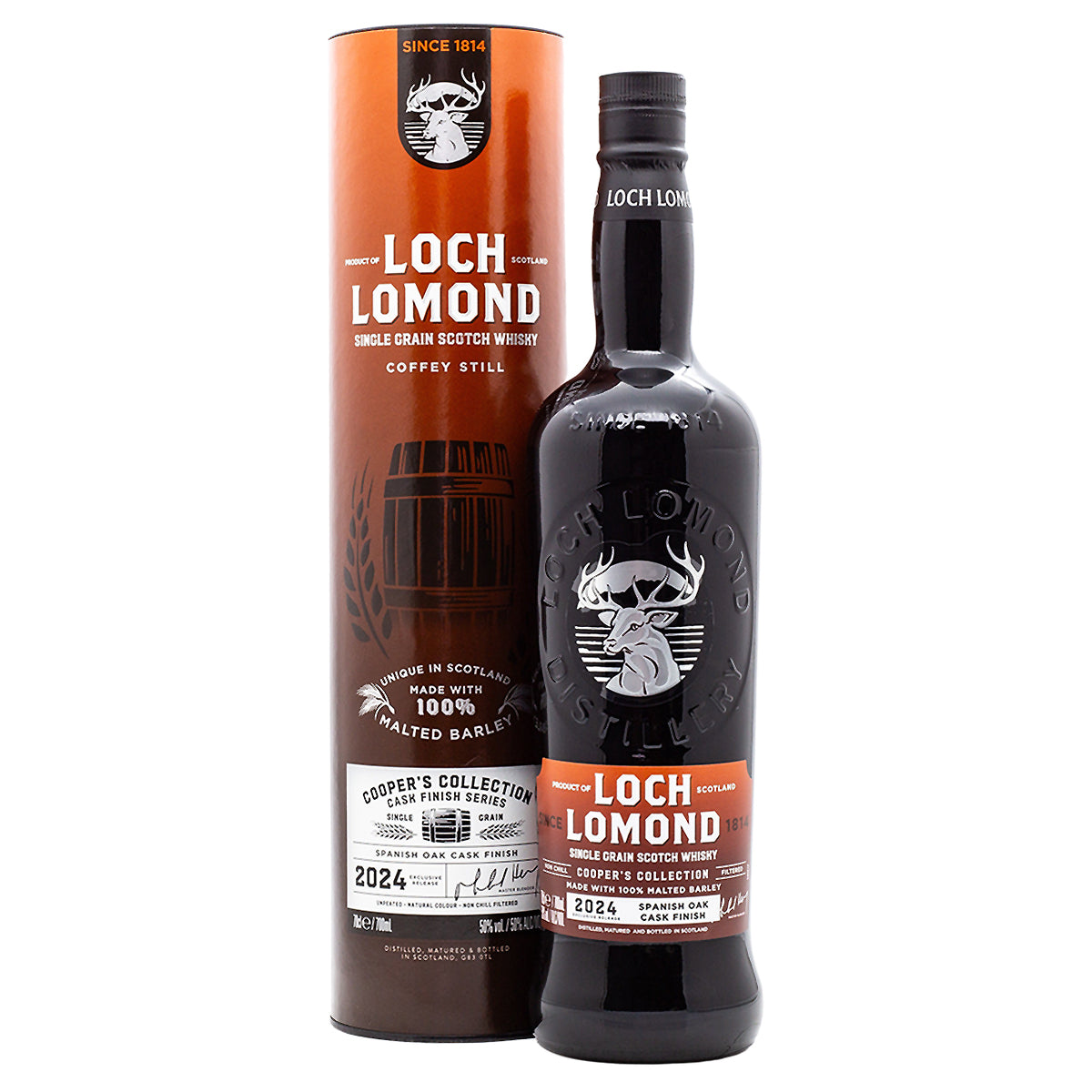
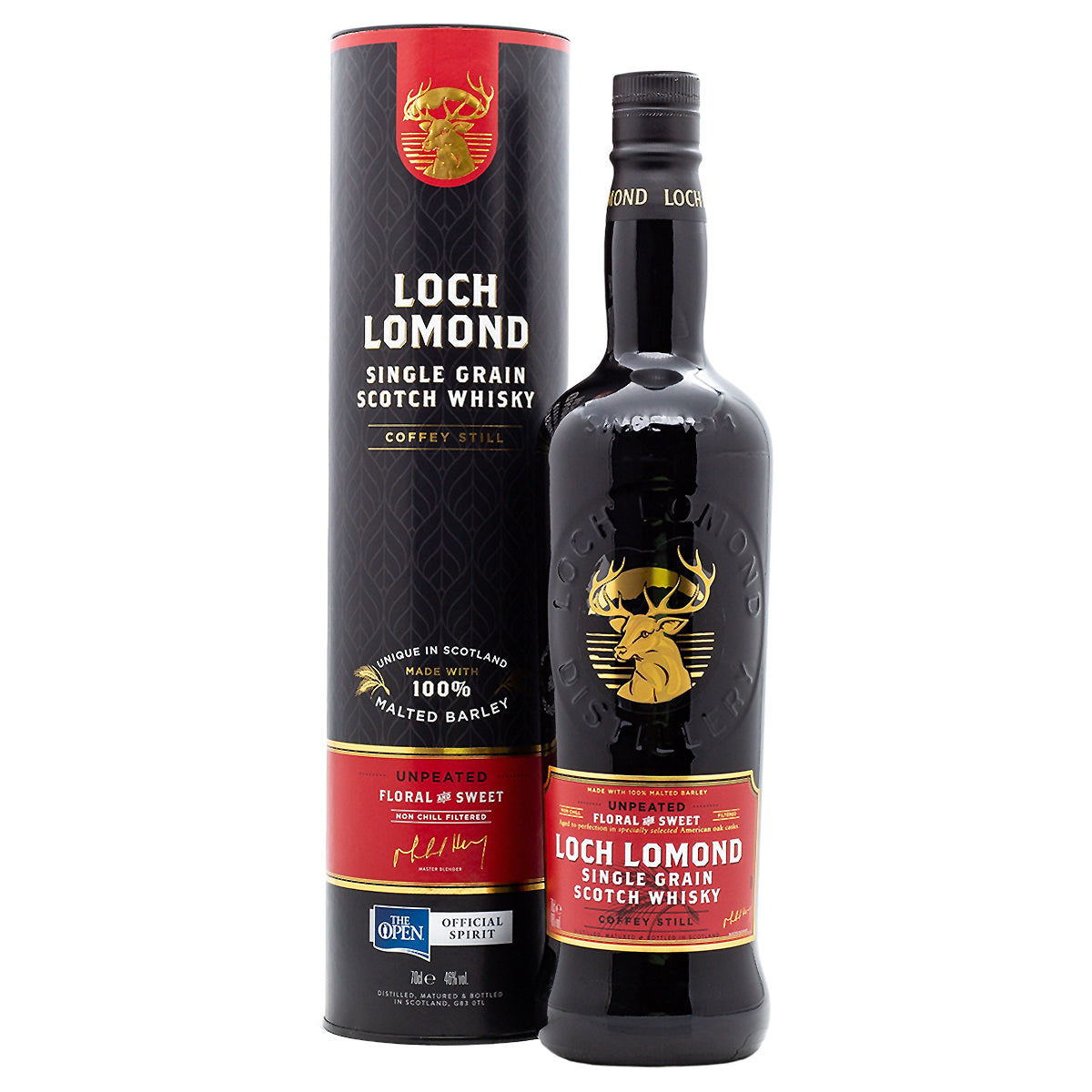
A whisky made from fully malted barley can also be Single Grain Scotch. Loch Lomond illustrates this case: The distillery uses exclusively barley malt for its Single Grain line, but distills continuously in a Coffey-style still. For Single Malt Scotch, batch distillation in pot stills would be required.
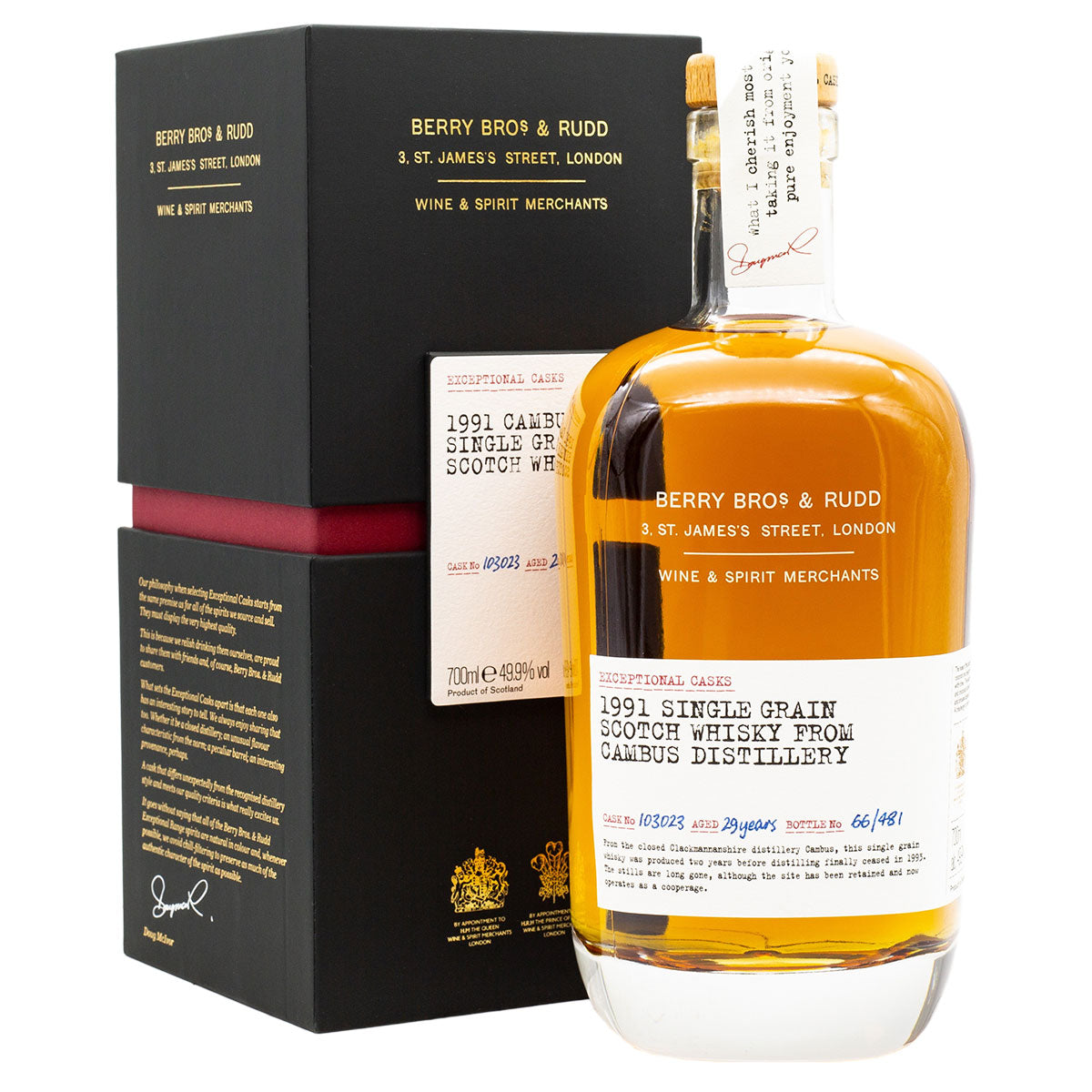
Single Grain can be made up of many casks and several distillation vintages from the same distillery. The term therefore makes no statement about Single Cask, Small Batch, or a specific age.
Column Still is common practice, but not a Scotch requirement
Continuous distillation systems such as column or Coffey stills are widely used in grain production. They can produce large quantities and rectify to different degrees depending on the settings. Neither a neutral taste nor a quality level follows from the equipment alone.
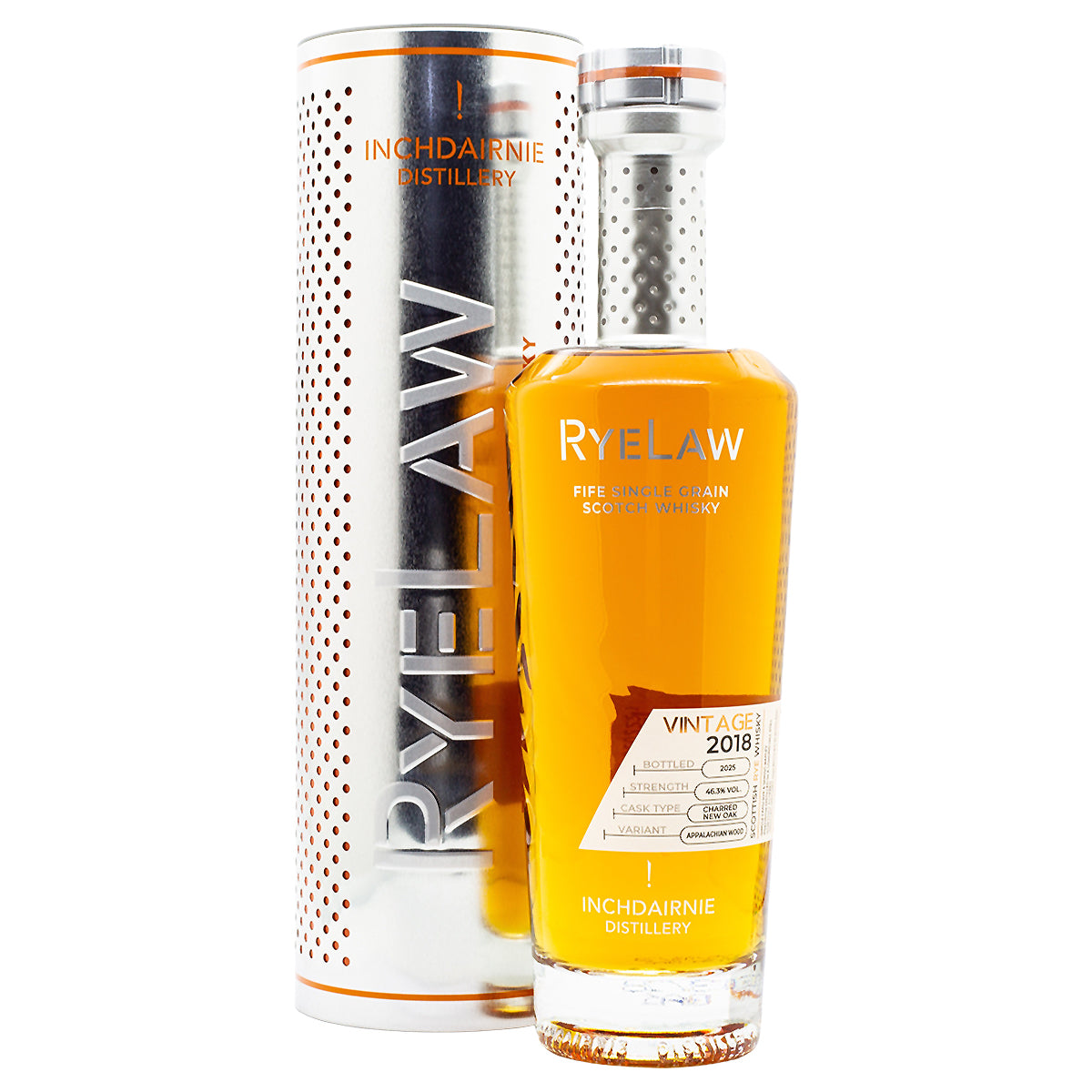
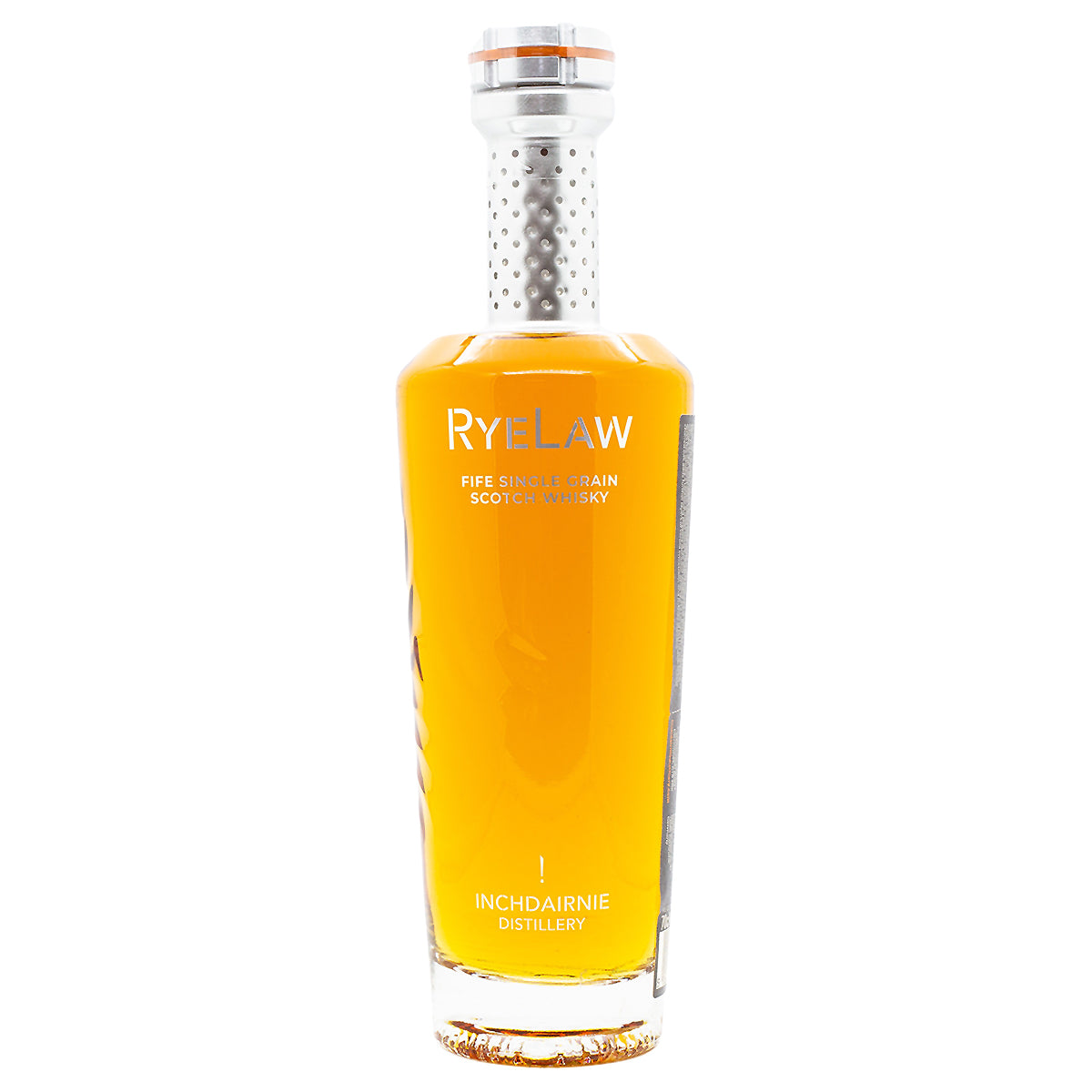
The Scottish Single Grain definition does not expressly prescribe a classic column still. InchDairnie illustrates this with RyeLaw: The distillery processes malted rye and malted barley and uses a combination of pot still and Lomond Hill still with copper plates. Legally, the whisky remains Single Grain Scotch and does not become Single Malt.
Irish Grain Whiskey has its own rules
Grain Irish Whiskey is more narrowly defined. The recipe contains at most 30 percent malted barley as well as whole unmalted cereal grains, often maize, wheat, or barley. It is distilled in column stills. Maturation lasts at least three years in wooden casks on the island of Ireland.
Single Grain Irish Whiskey must have been distilled entirely at a distillery site. The Scottish definition therefore cannot be transferred unchanged to Irish or other grain whisky. Outside these protected origins, national rules and specific manufacturer information are helpful.
Single Grain, Blended Grain, and Blended Scotch
In Scotch, the full category separates three different compositions. Single Grain comes from one distillery. Blended Grain Scotch combines grain components from different distilleries. Blended Scotch, on the other hand, requires both basic types: malt and grain.
Barley malt is also possible as a raw material for grain whisky. The statement that Blended Grain contains no Single Malt only means that no fully defined Single Malt was used as a component.
Information for selection
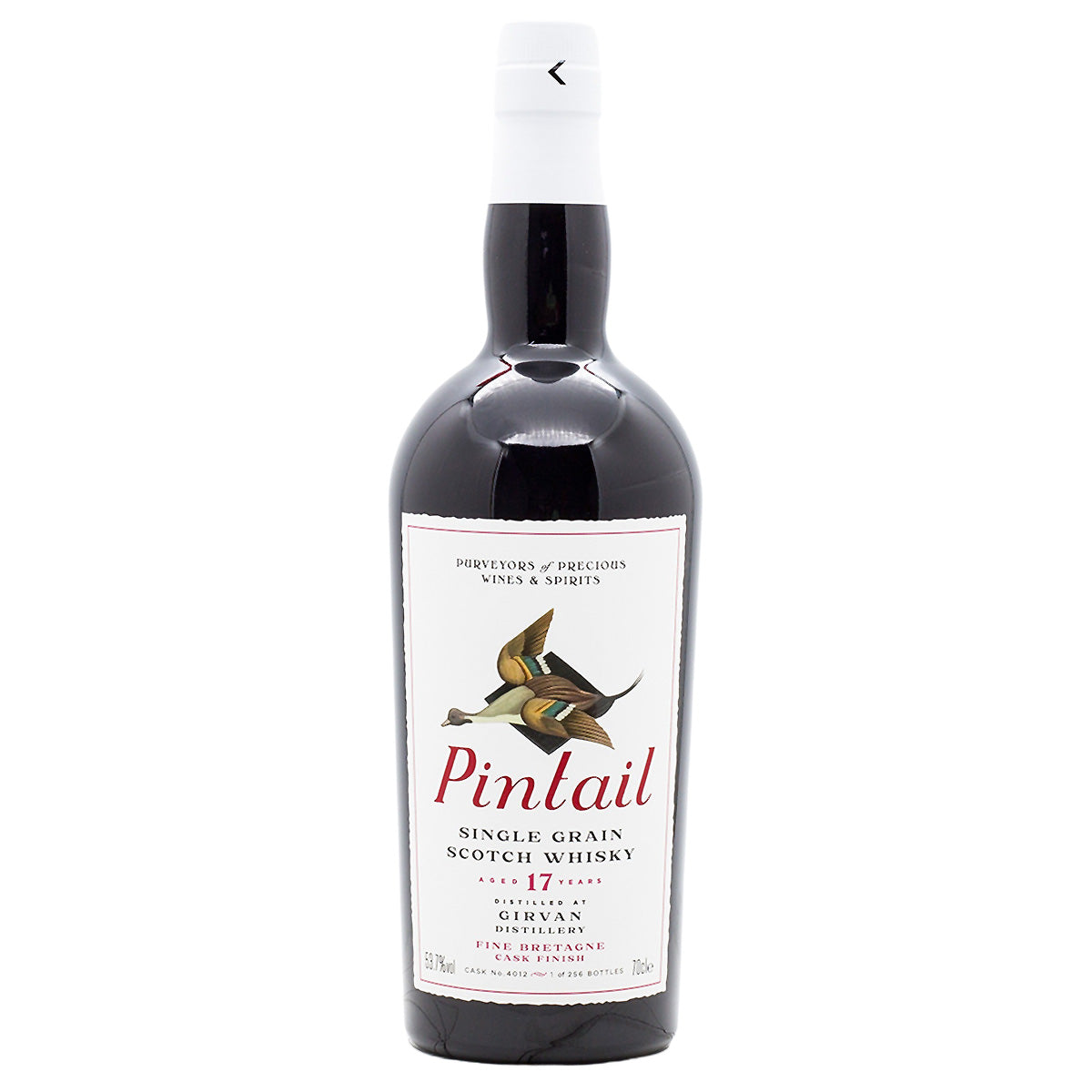
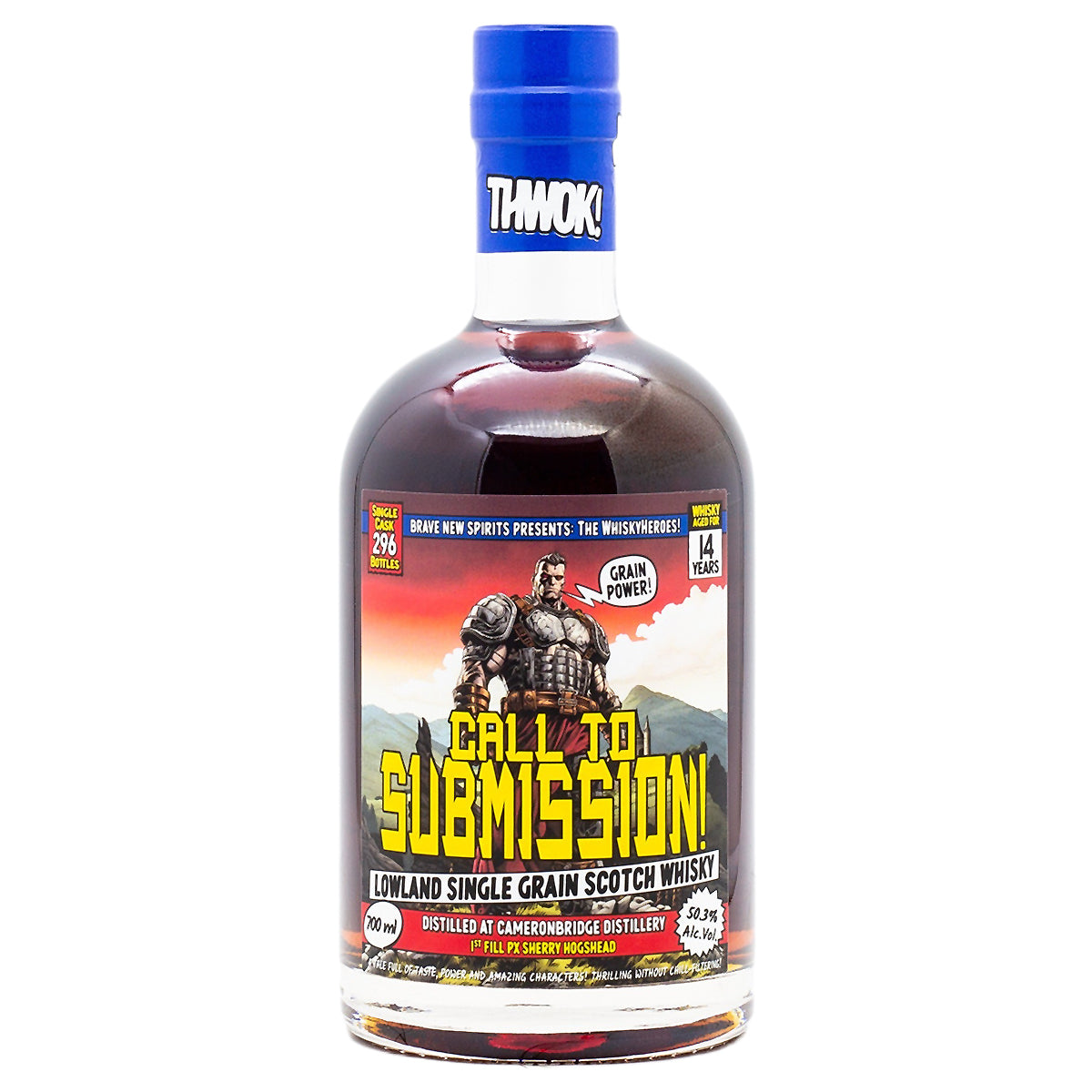
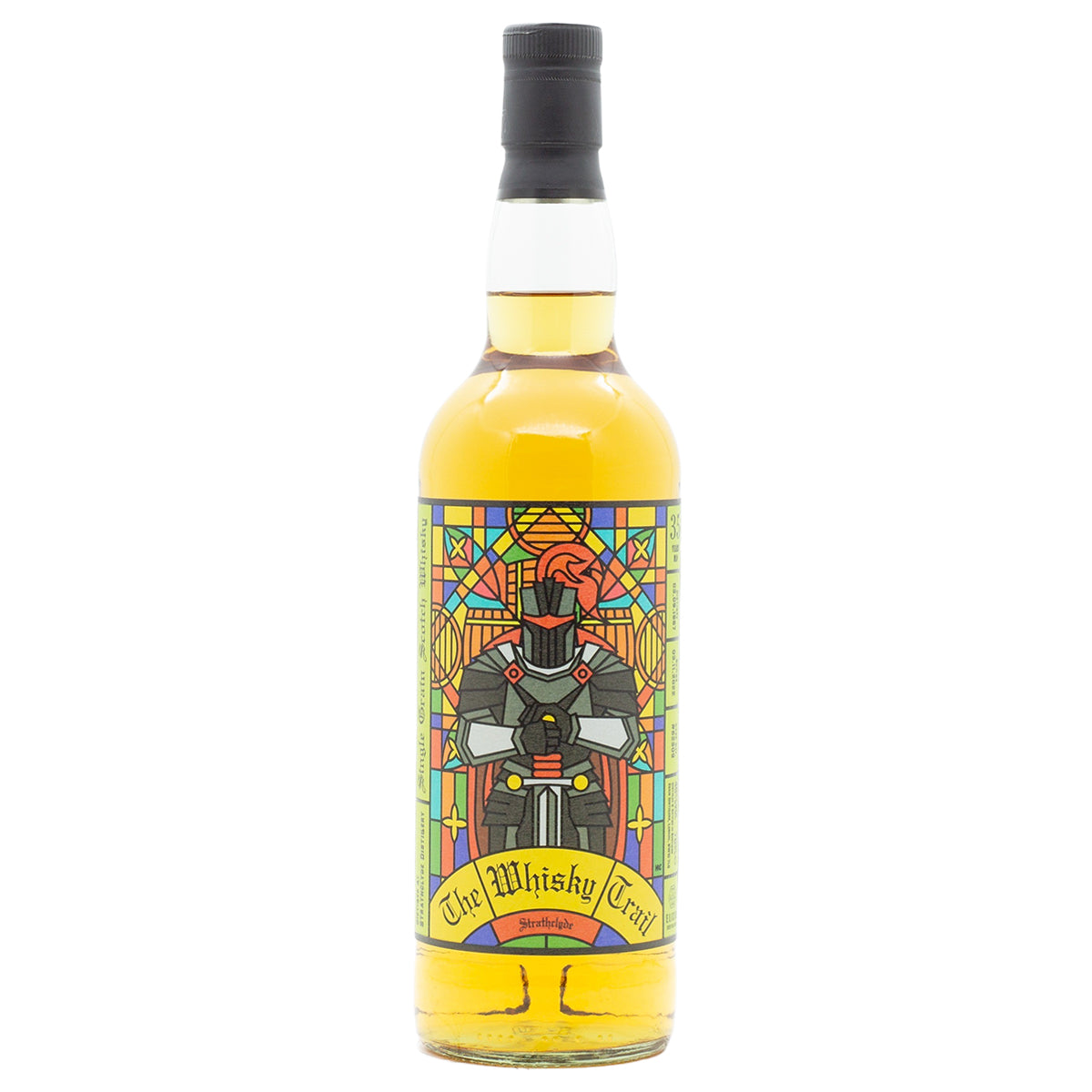
First check the origin and full category, such as Single Grain Scotch or Single Grain Irish Whiskey. After that, the distillery, disclosed grain recipe, and distillation process are particularly helpful. For independent bottlings, the distiller and bottler should be listed separately.
Age, cask sequence, and alcohol strength describe the specific bottling, but do not define a grain whisky. Likewise, grain is not automatically light, neutral, or merely a component of Blends.
Frequently asked questions about Single Grain Whisky
What does Single Grain Whisky mean?
Single refers to one distillery. Which grains and distillation processes are permitted is determined by the respective country of origin law.
Is Single Grain made from only one type of grain?
No. Several grains are possible and common. In Scotch, even whisky made from 100 percent malted barley can be considered Single Grain.
What distinguishes Single Grain from Single Malt?
Both can come from one distillery. For Single Malt Scotch, exclusively malted barley and batch distillation in pot stills also apply.
Is Single Grain always distilled in column stills?
For Grain Irish Whiskey, column stills are mandatory. For Single Grain Scotch, they are common, but are not necessarily part of the legal definition.
What is Blended Grain Scotch Whisky?
Blended Grain Scotch combines Single Grain Scotch Whiskys from more than one distillery. Single Malt is not an independent component of this category.