


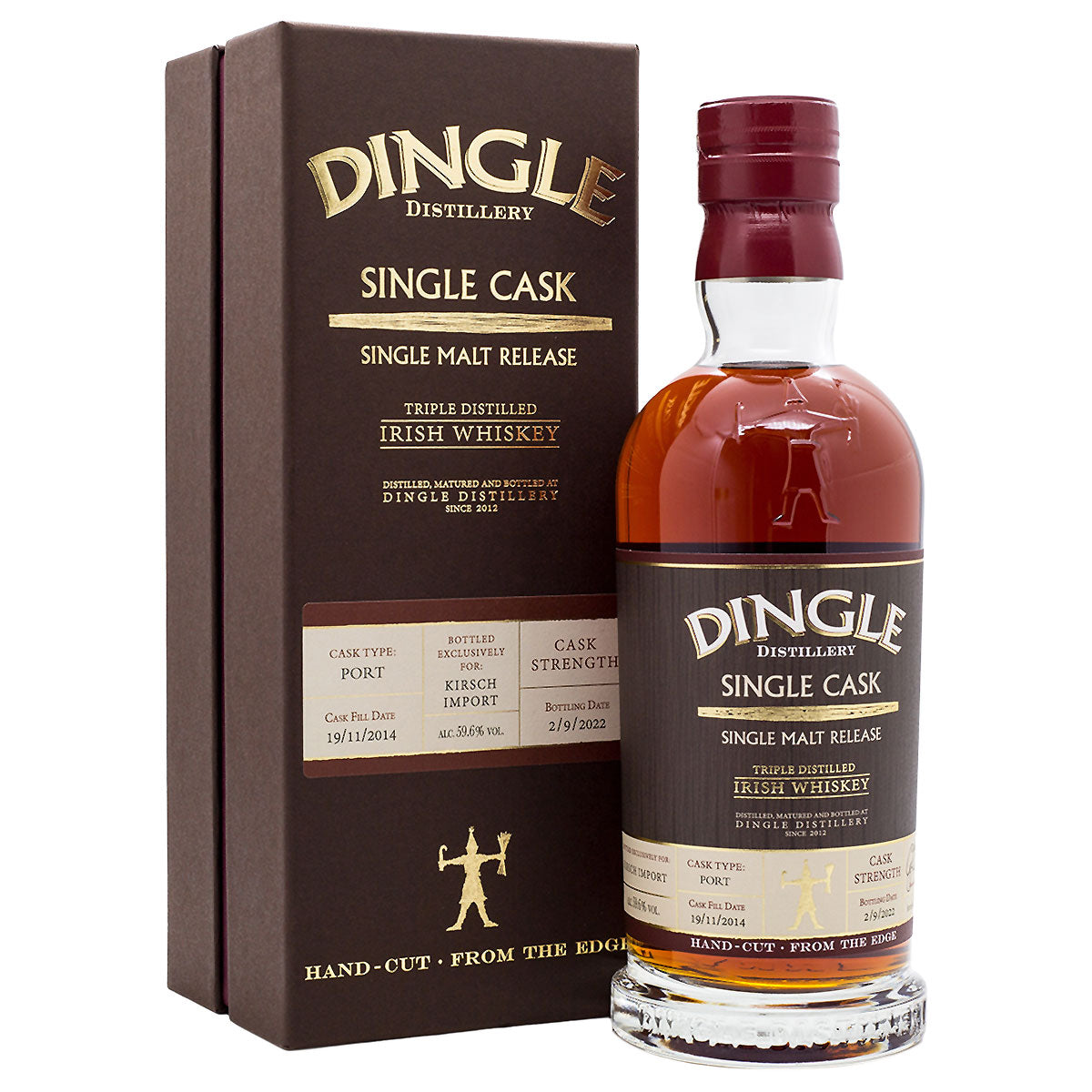

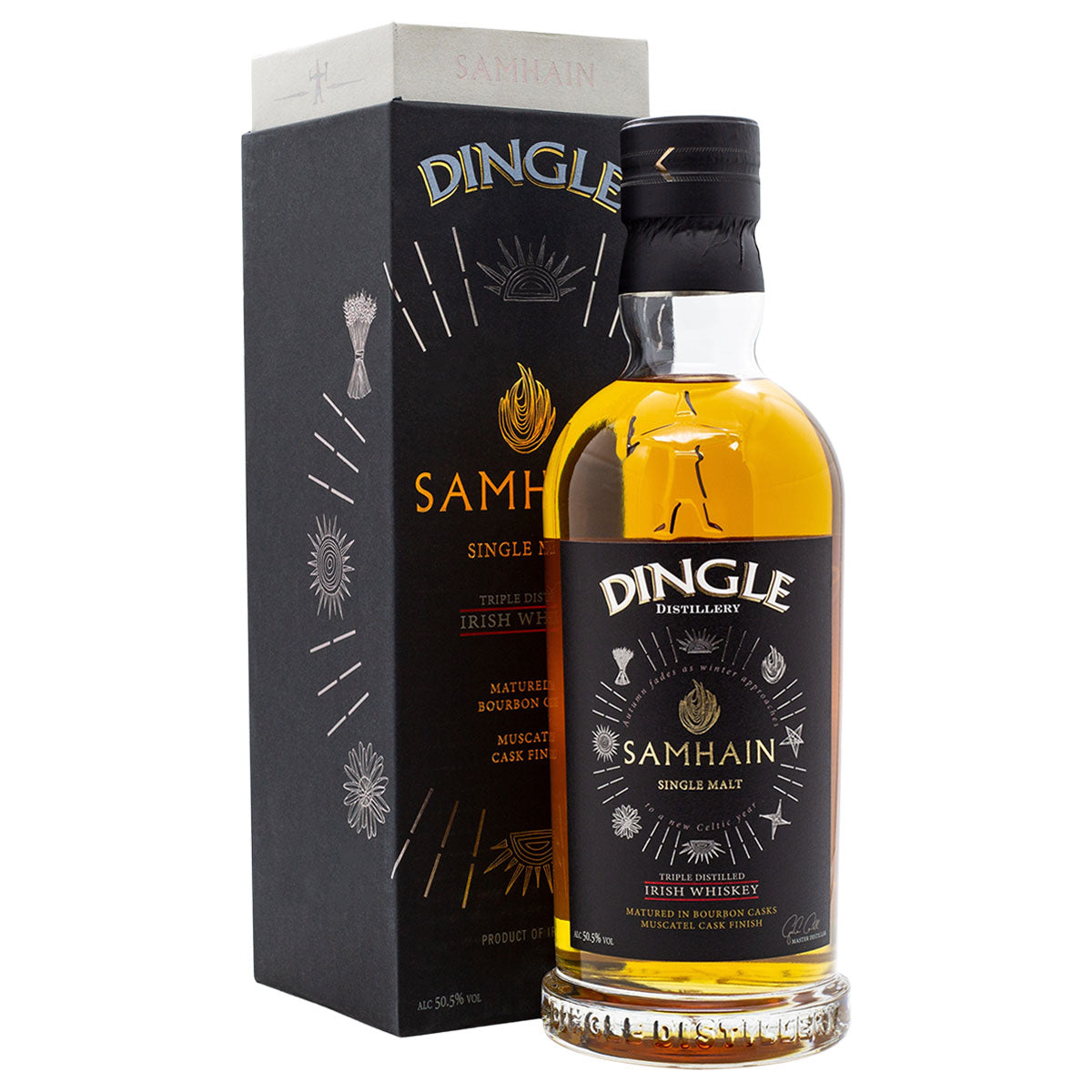
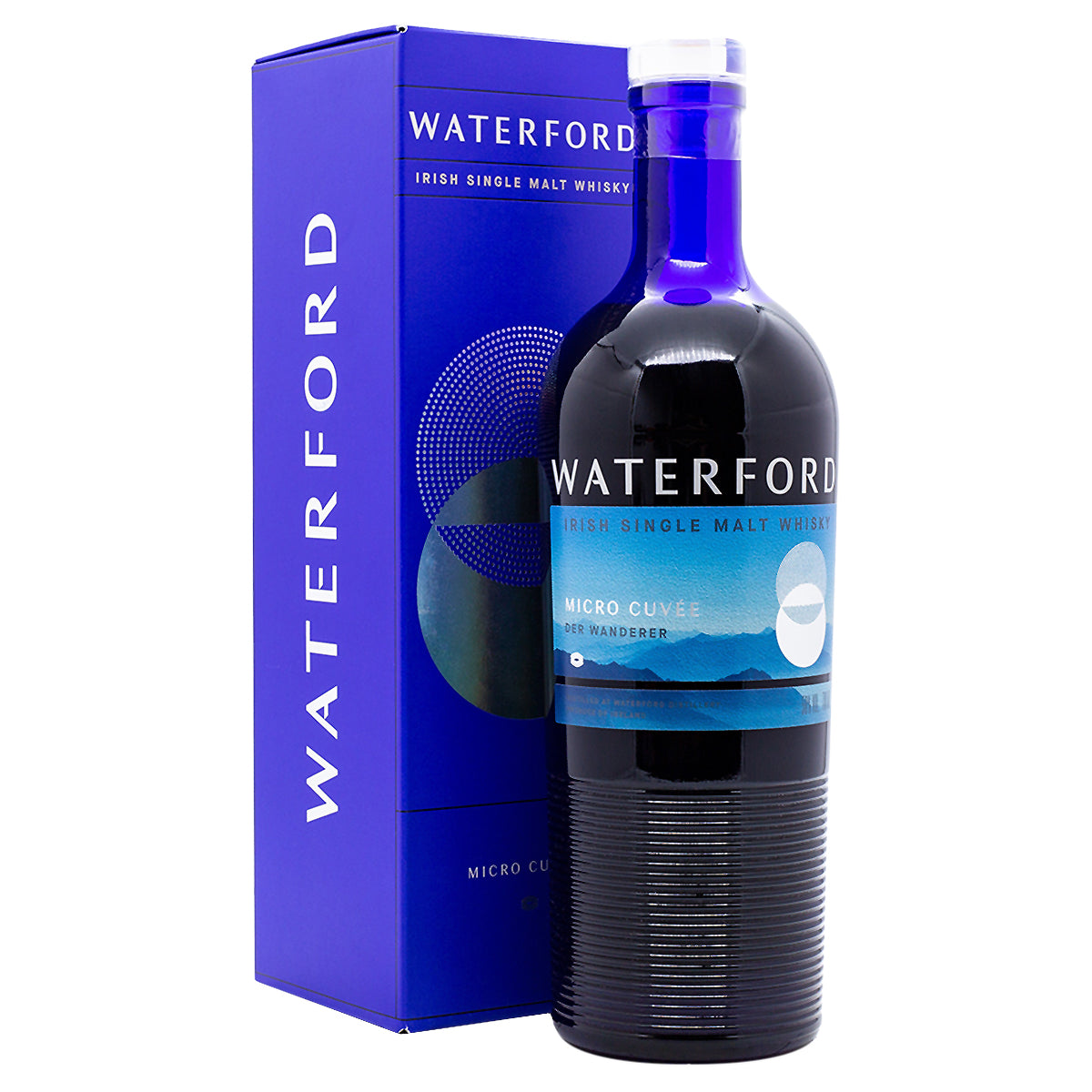
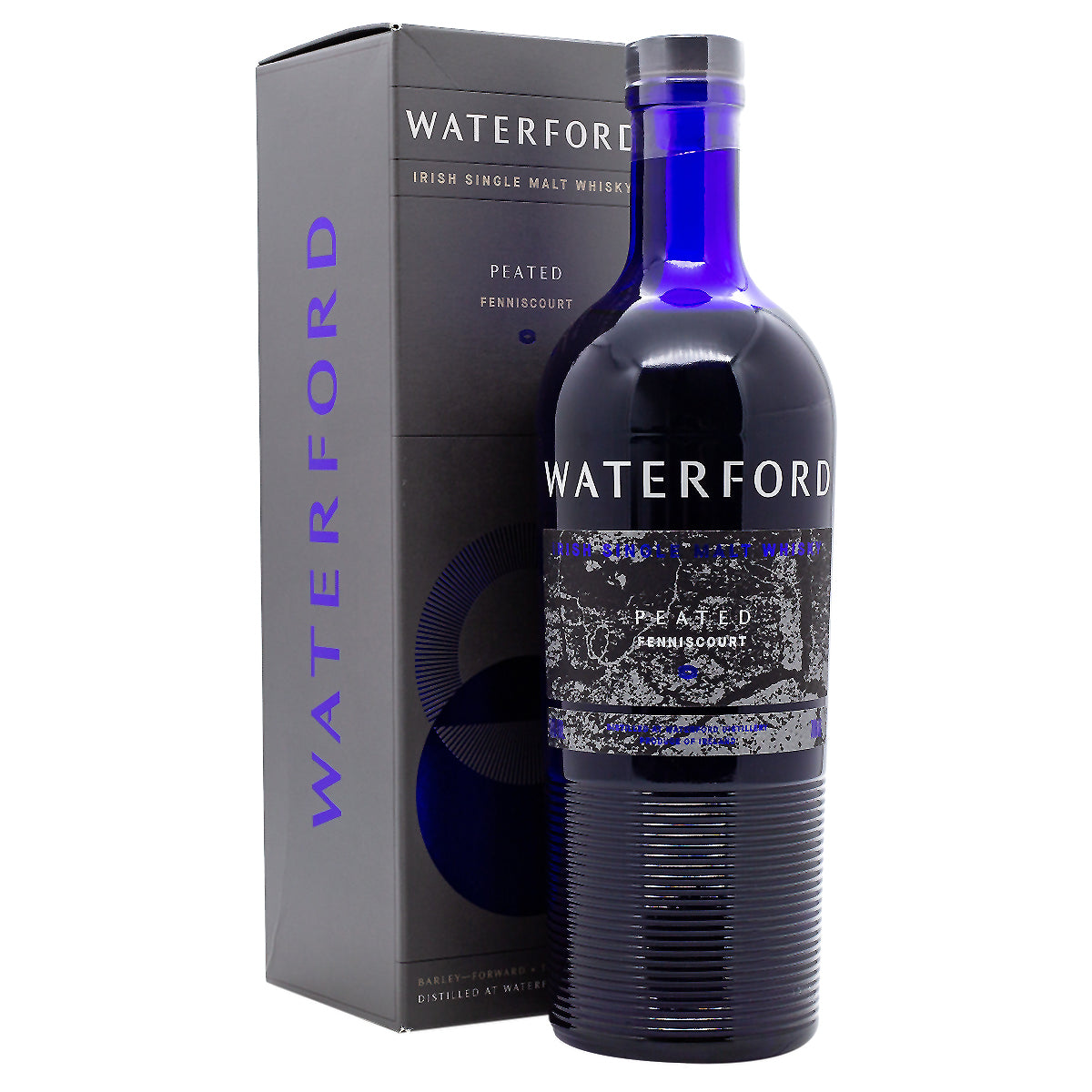
Irish Whiskey: protected origin across the entire island
Irish Whiskey can come from the Republic of Ireland or Northern Ireland. The geographical indication protects production across the entire island. Mashing, fermentation, distillation and at least three years of maturation in wooden casks take place there. Both spellings, Irish Whiskey and Irish Whisky, are covered by the specification.
The product type is then the deciding factor for selection. Irish Whiskey is offered as Malt, Pot Still, Grain or Blend. These terms explain the composition more reliably than the common perception that Irish whiskey is fundamentally mild, unpeated and triple distilled.
Pot Still is not Single Malt
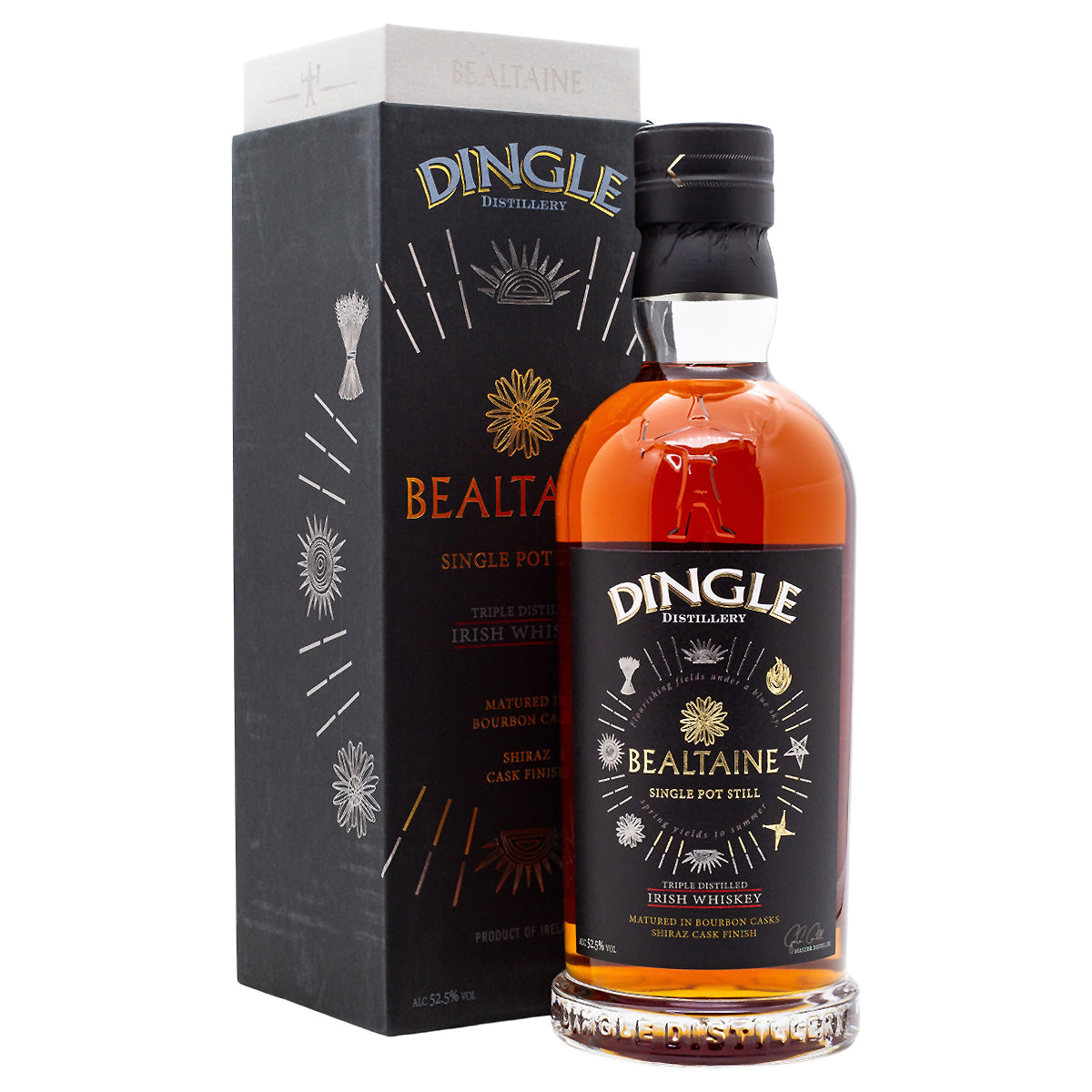
The mash for Pot Still Irish Whiskey must contain two types of barley: at least 30 percent malted barley and another 30 percent or more unmalted barley. Distillation takes place in pot stills. If Single Pot Still is on the label, the whiskey comes from a single distillery.
Malt Irish Whiskey, on the other hand, is made exclusively from malted barley and also in pot stills. Grain Irish Whiskey uses malted barley and unmalted grains as well as continuous distillation. A Blended Irish Whiskey combines at least two of the three basic types. Single Grain means a single distillery and not just one type of grain.
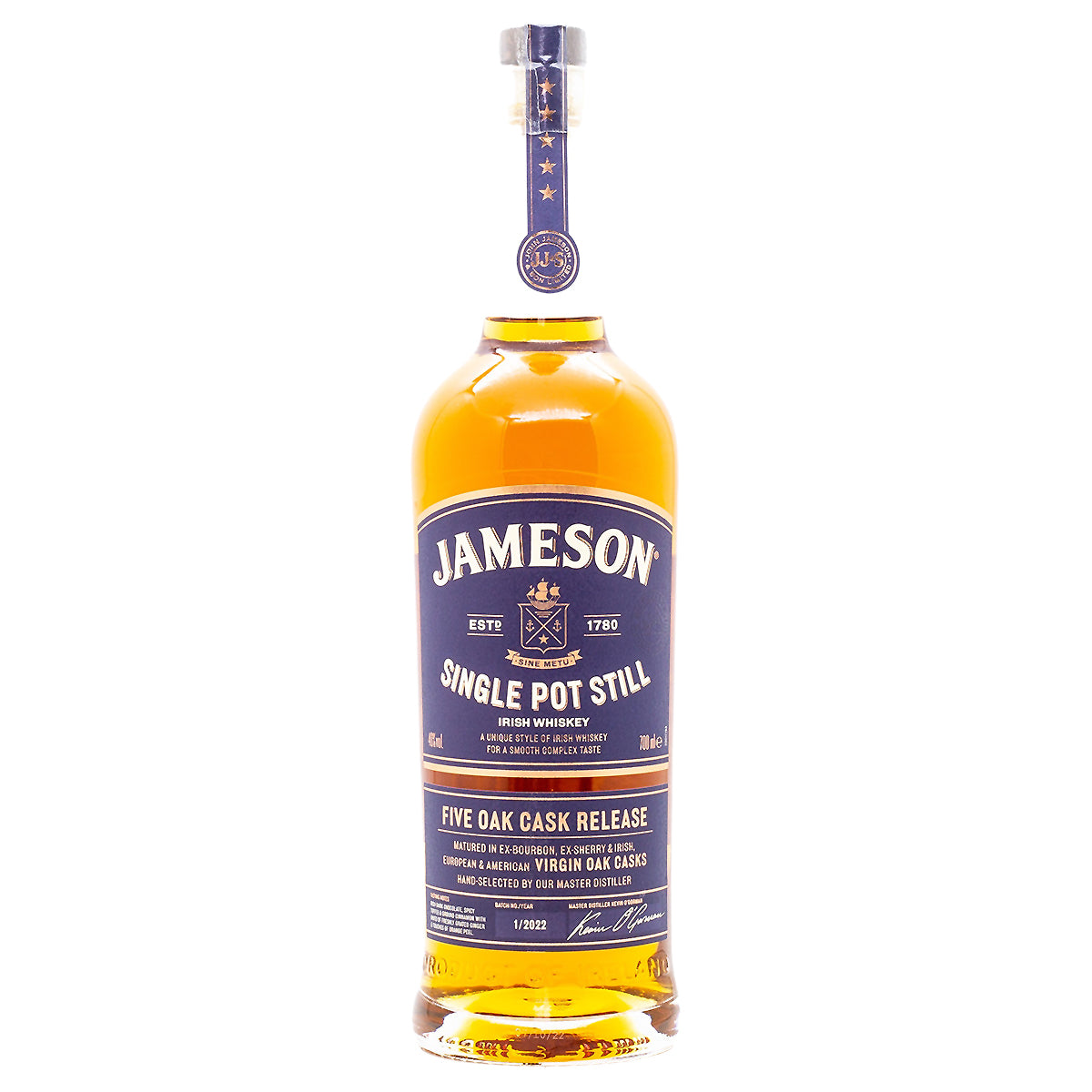
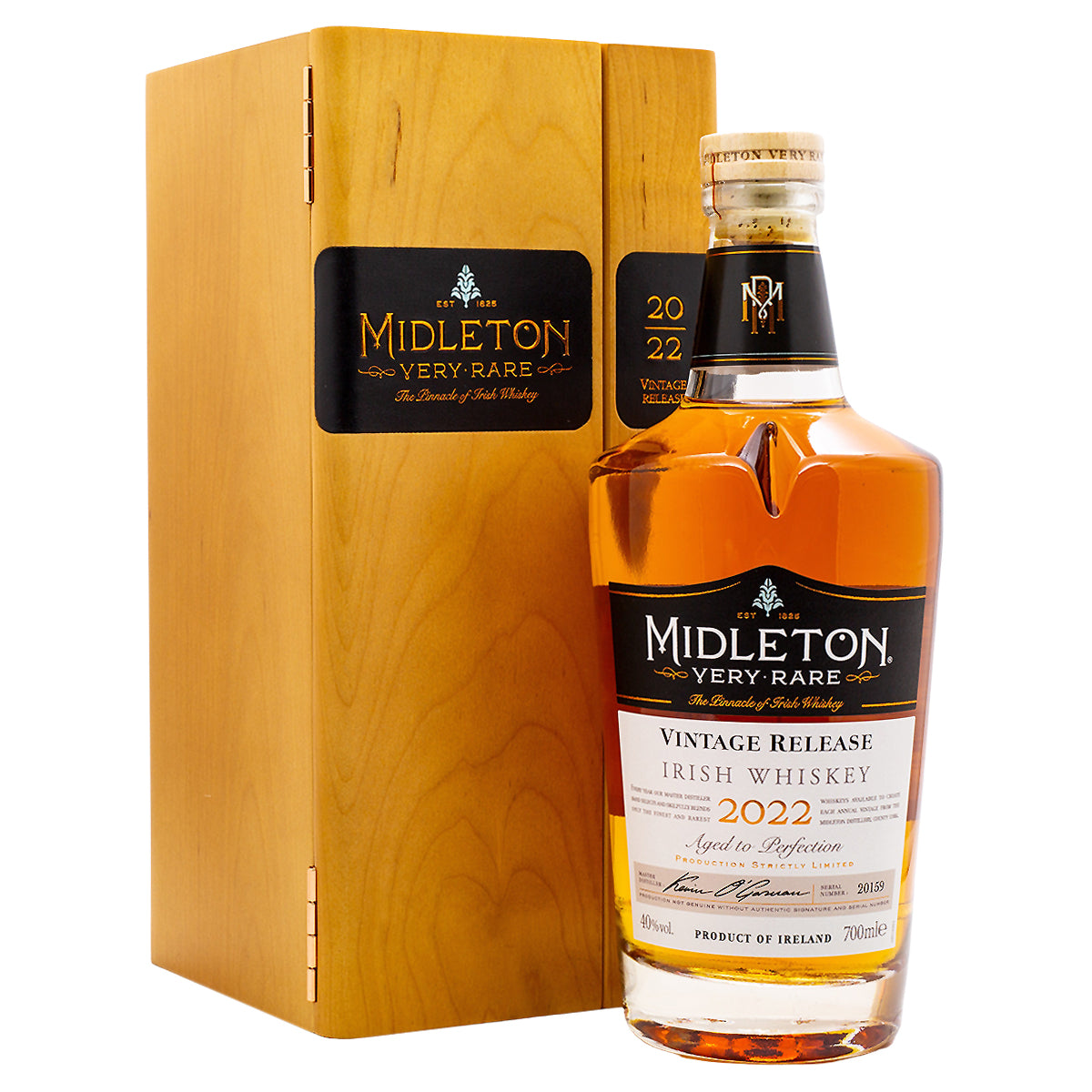
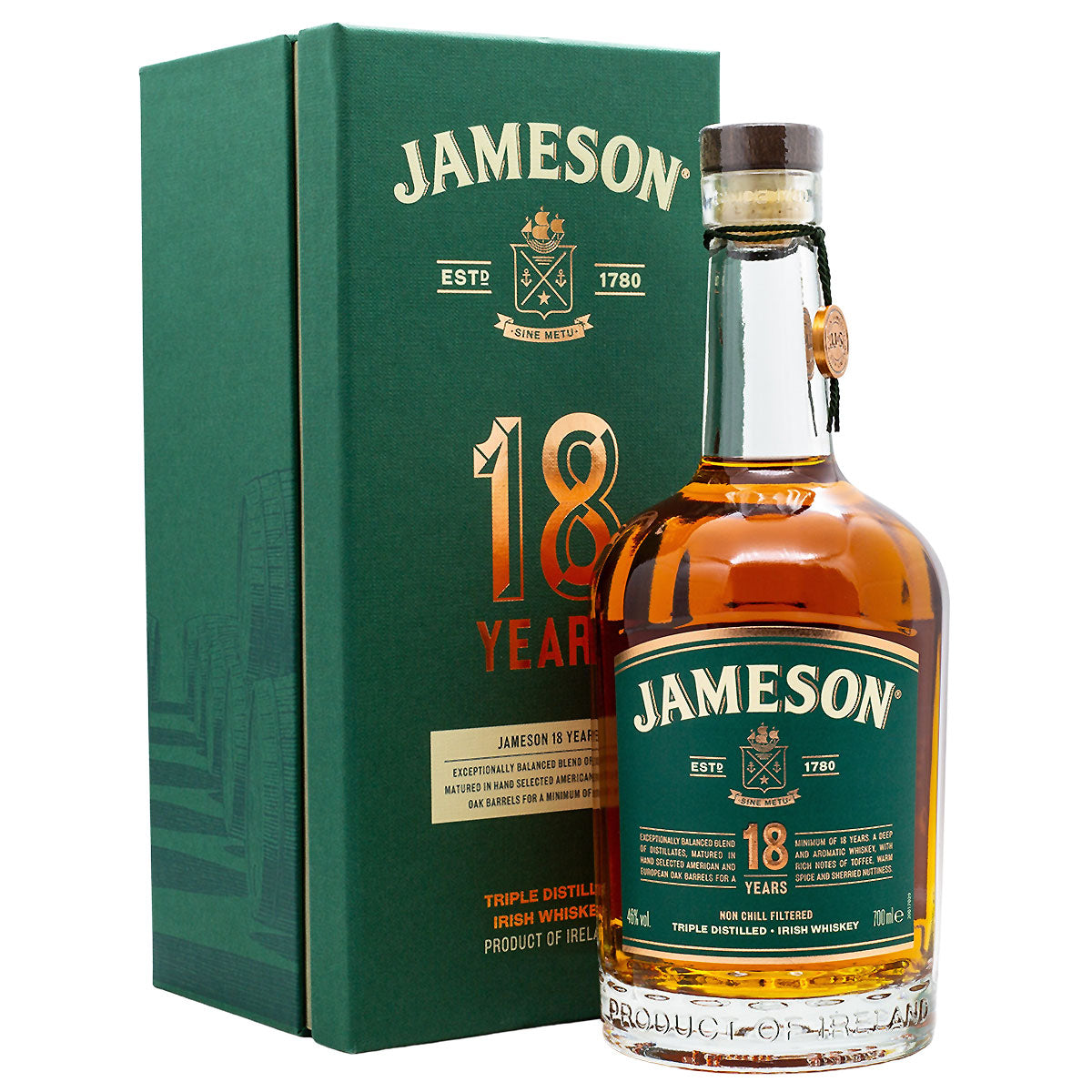
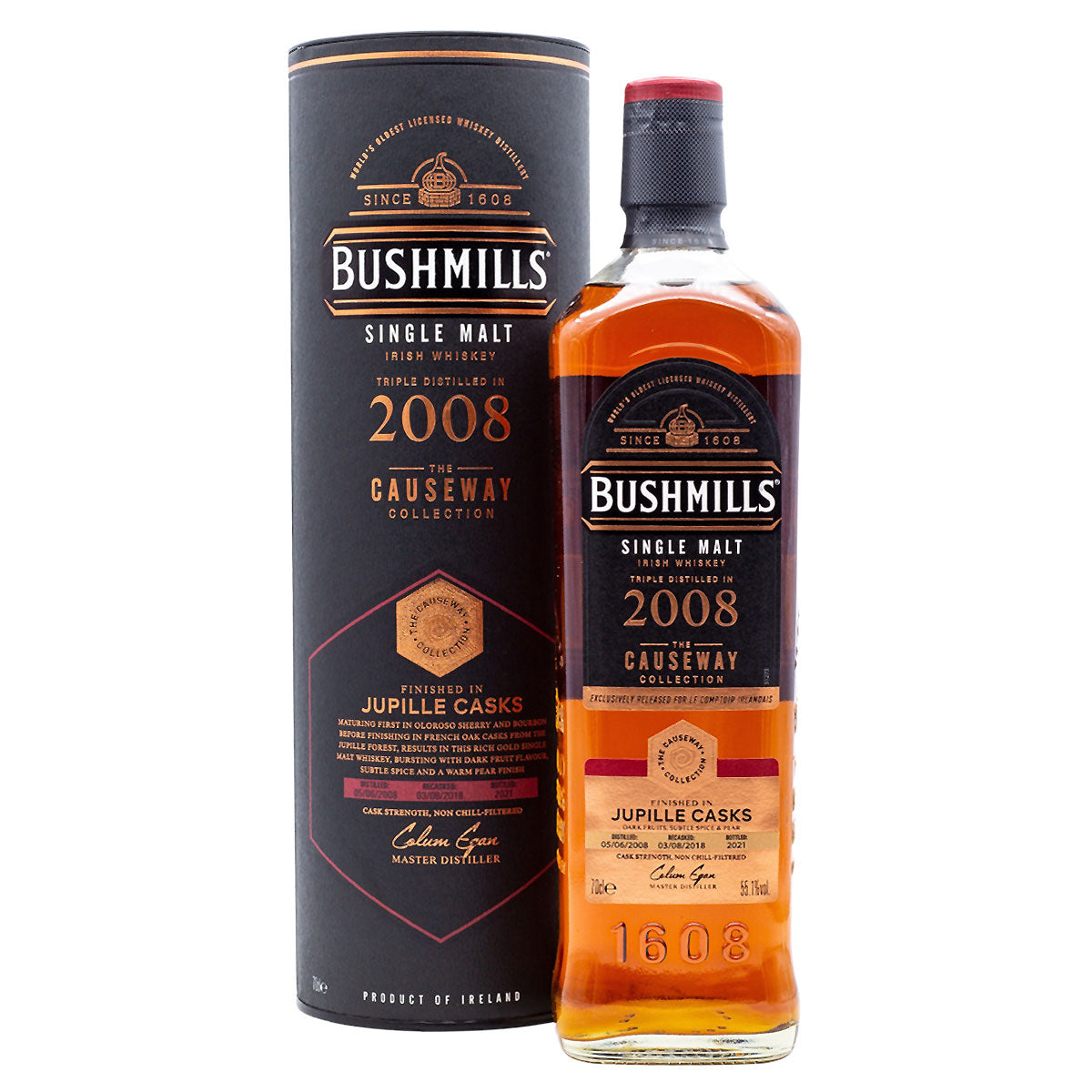
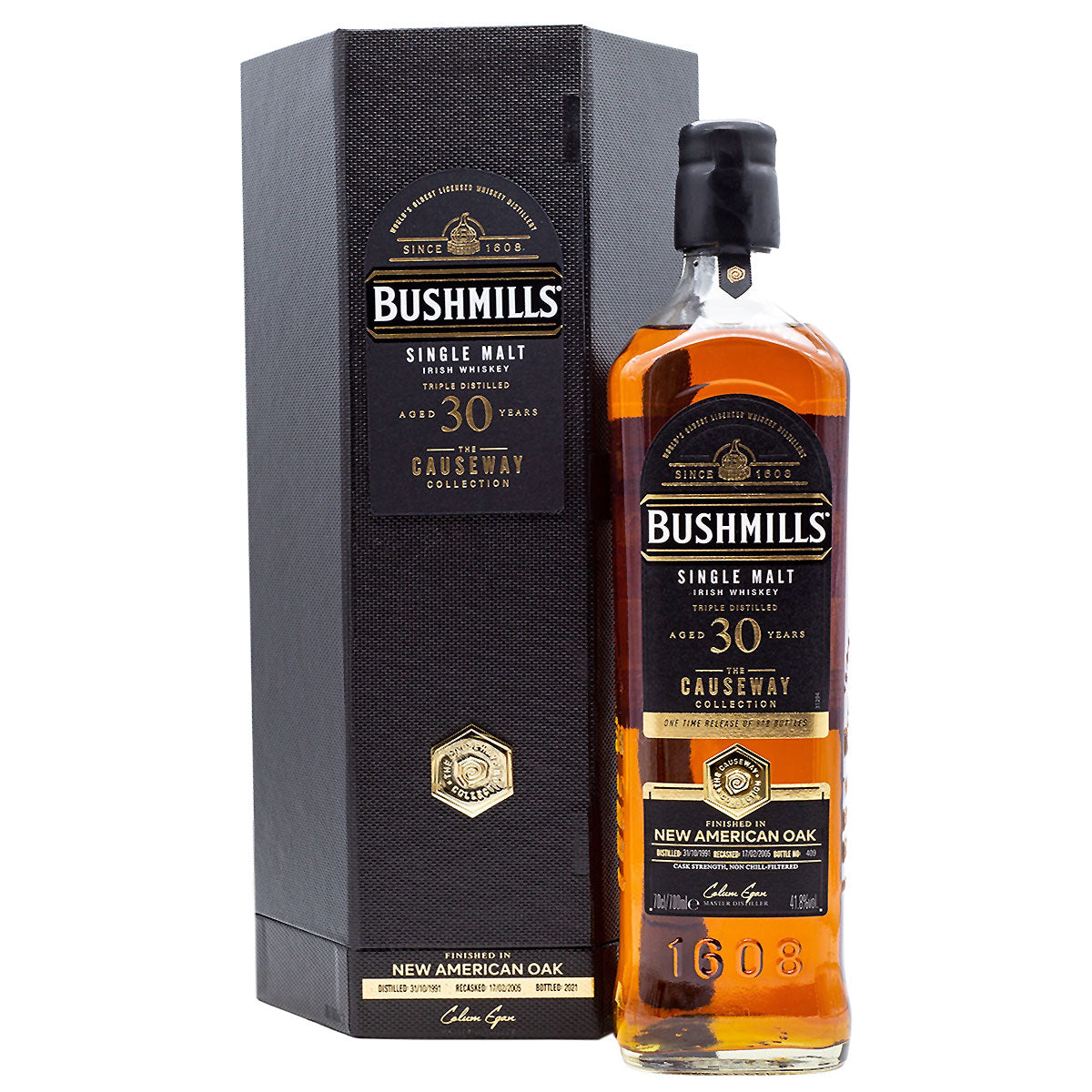
The Midleton Distillery provides a clear example of this. Redbreast stands for Single Pot Still Irish Whiskey, Jameson for Blended Irish Whiskey. Bushmills shows in Northern Ireland that a brand can offer both blends and Single Malts. The brand name therefore does not replace the product type.
Triple distillation and smoke are product characteristics
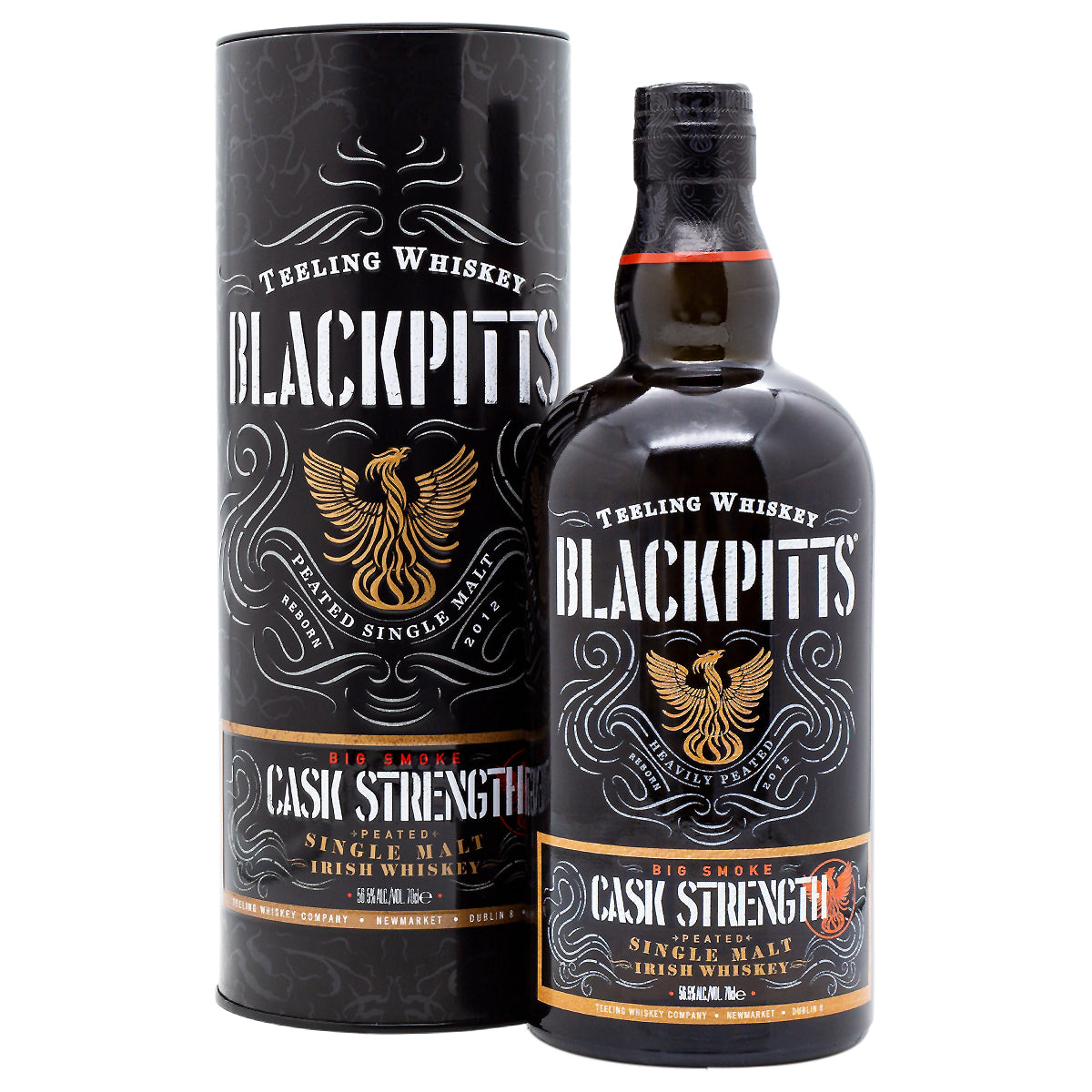
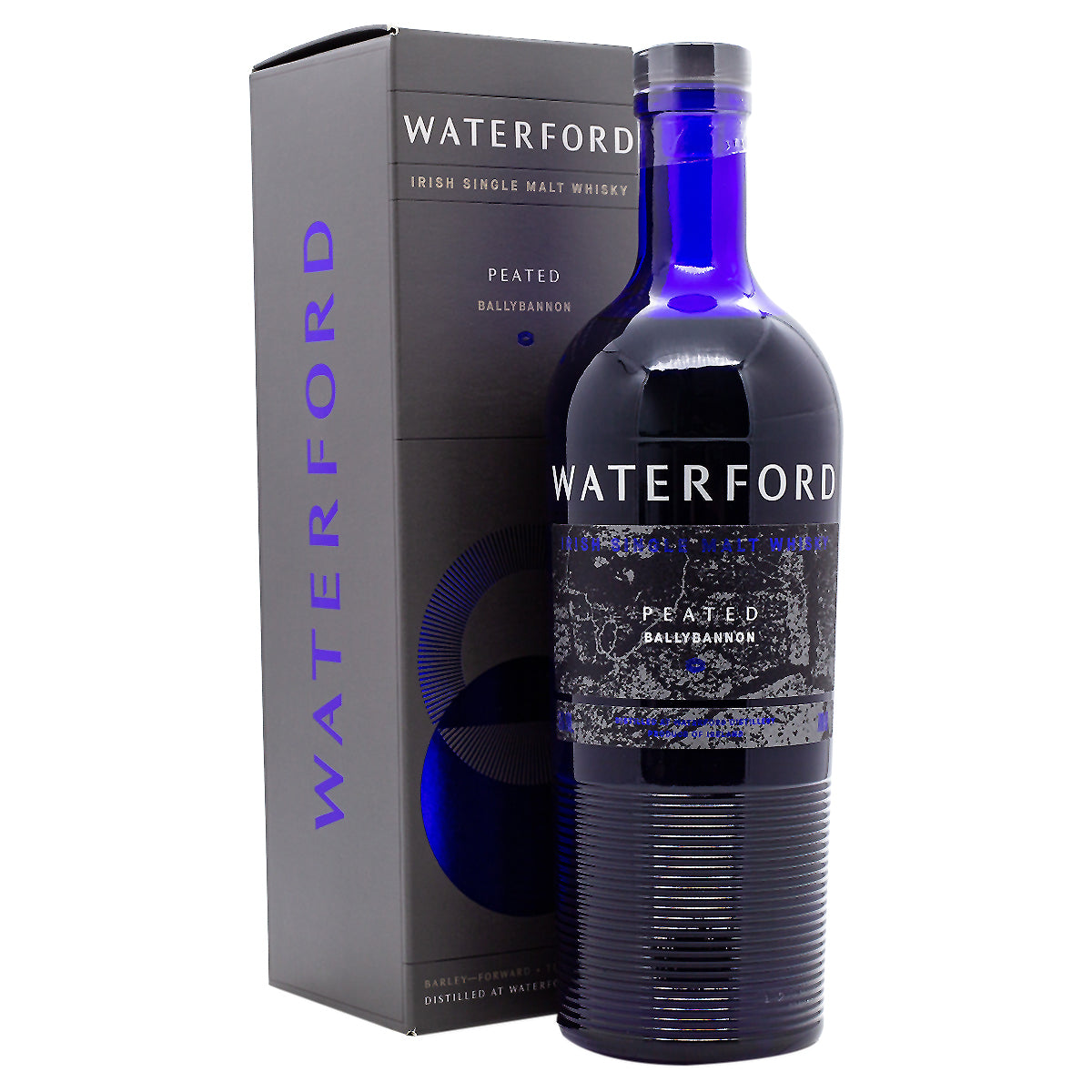
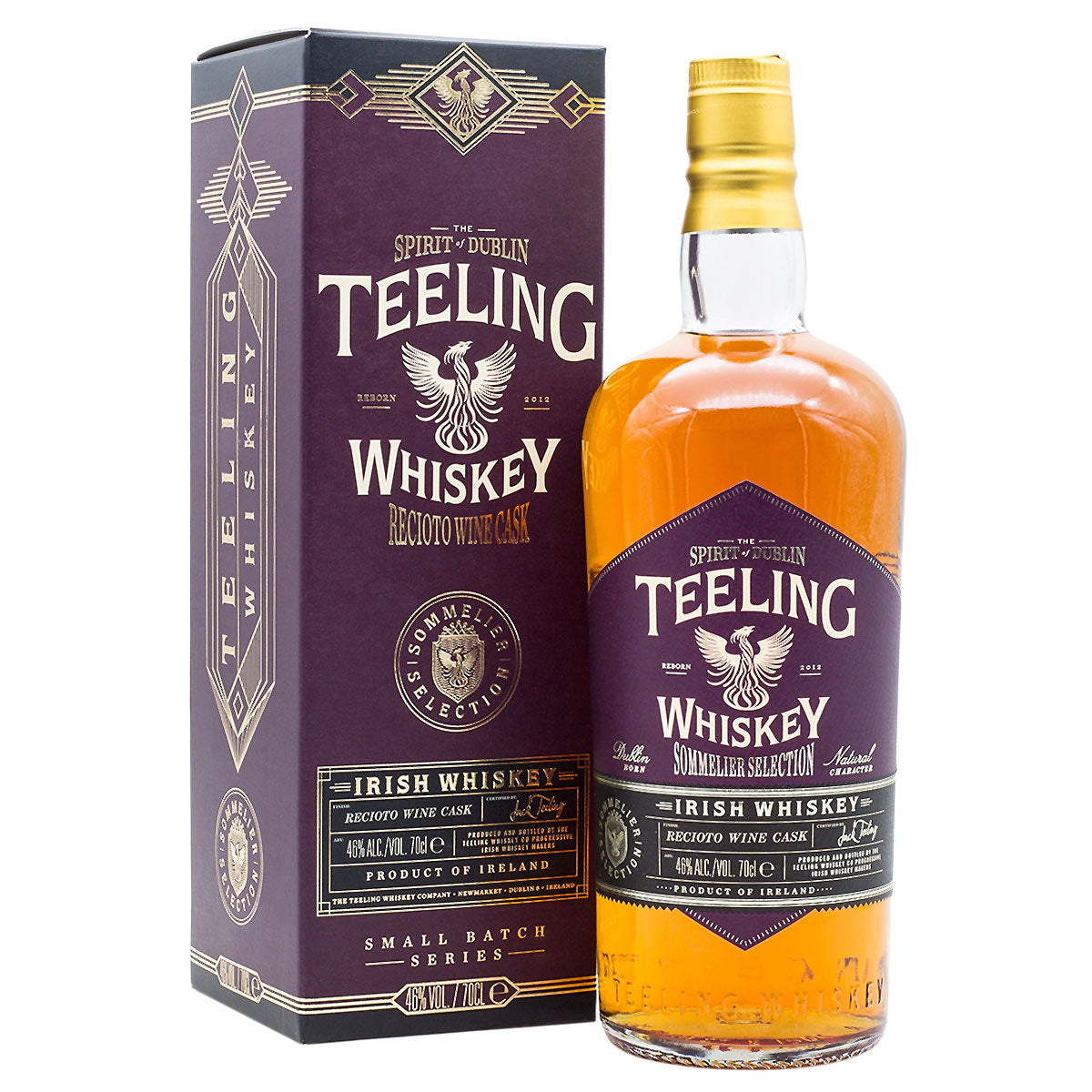
Many Irish whiskeys are triple distilled, but the protected origin does not require this for every bottling. Smoke is also not ruled out. Teeling Blackpitts is a peated Irish Single Malt and refutes the assumption that Irish Whiskey must always be unpeated.
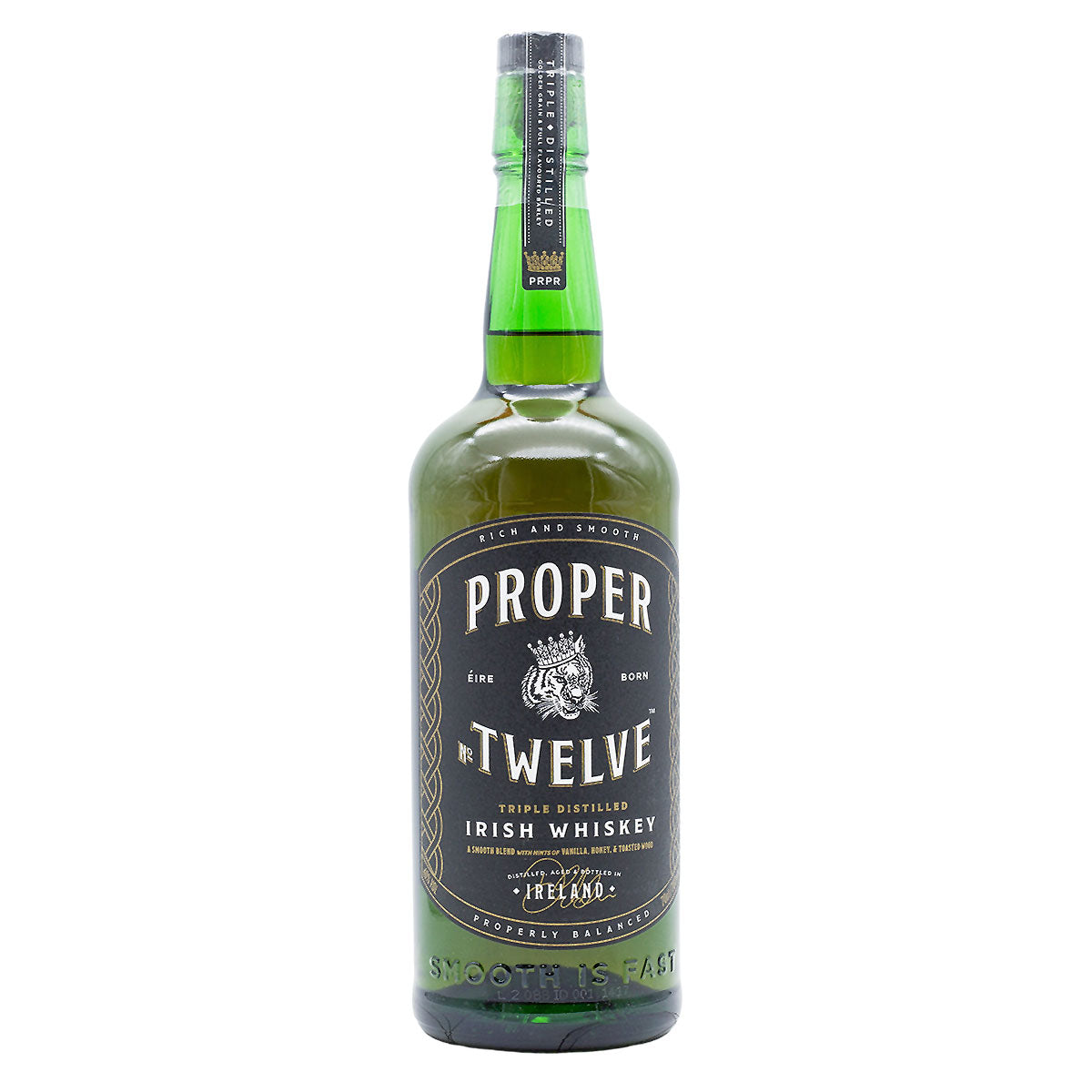
Pay attention to the information provided by the distillery or product page when considering these questions. The number of distillations and the use of peated malt cannot be inferred from the country name or the designation Blend, Malt or Pot Still.
Irish Whiskey neat, with water or in a drink
For a first impression, you can try Irish Whiskey neat at room temperature. With higher strength, a few drops of still water can reduce the alcoholic bite and open up further aromas.
Ice cools the whiskey and dampens some of the aromas. A large cube melts more slowly than many small ones. Many blends are particularly suitable for highballs and cocktails, but Malt or Pot Still can also be mixed. The product type does not prescribe a way of drinking.
Frequently asked questions about Irish Whiskey
How do you drink Irish Whiskey?
First try it neat at room temperature. Add a few drops of water if necessary. Ice, highballs and cocktails are other options, but they change the temperature and dilution.
What is Single Pot Still Irish Whiskey?
It is made in a distillery from a mash containing at least 30 percent malted barley and at least 30 percent unmalted barley and is distilled in pot stills.
Is Irish Whiskey always triple distilled?
No. Triple distillation is common, but it is not a general requirement of the protected origin. The producer's statement is decisive.
Is Irish Whiskey always unpeated?
No. There are peated Irish Single Malts. Smoke is a decision made by the producer and not an exclusion criterion for Irish Whiskey.
Does Irish Whiskey only come from the Republic of Ireland?
No. The protected origin covers the entire island, and thus also Northern Ireland.